First Glance – Introduction & Atmosphere
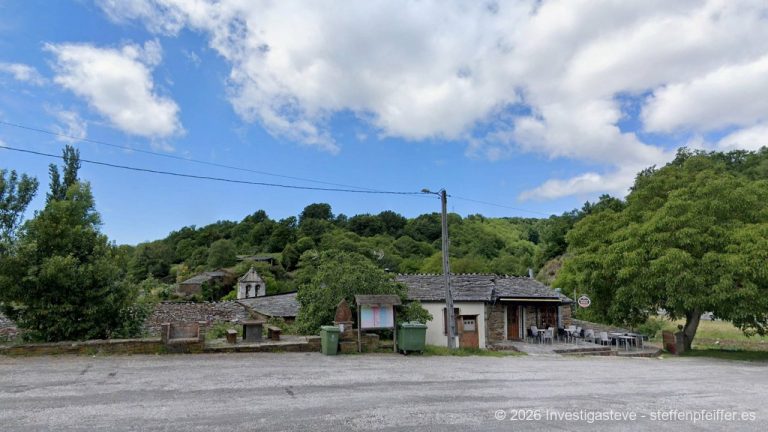
When you have left Cacabelos behind, that place whose bustling vitality and the murmur of the Río Cúa still echo deep in your senses, an ascent begins that lifts you physically and psychologically to a new level of the Camino Francés. The path leads you up to Pieros, a tiny hamlet that sits like a forgotten island in the midst of an almost endless sea of grapevines. Here, on a prominent ridge of the Bierzo, the texture of your journey changes. The air up here is drier, saturated with the intense, almost intoxicating scent of Mencía grapes ripening in the blazing midday sun. It smells of heated slate, dusty earth, and the tart aroma of wild herbs defying the wind by the wayside. You feel the heat rising from the ground, shimmering like an invisible veil before your eyes, while your boots sink with every step into the fine, light dust that gradually coats your clothing with a patina of the road.
Pieros welcomes you with an auditory backdrop that stands in stark contrast to the bustle of the plain. It is a silence that is not empty, but filled with the constant, almost hypnotic chirping of cicadas and the distant, rhythmic knocking of a tractor maneuvering somewhere far below in the valley among the vines. The wind, sweeping unhindered over the hilltop up here, carries the soft rustle of the vine leaves to you – a sound that seems like a whisper of the earth. Haptically, you experience Pieros through the resistance of the terrain. Your calves burn slightly from the ascent, and when you place your hand on one of the old stone walls, you feel the stored primal power of the sun, almost making the stone glow. Psychologically, this place marks a moment of pause. You look back at the wide plain and forward at the already emerging silhouettes of the Galician mountains. Pieros is the place of foresight, a viewpoint of the soul, where you recognize that you have finally left the comfort zone of the valley.
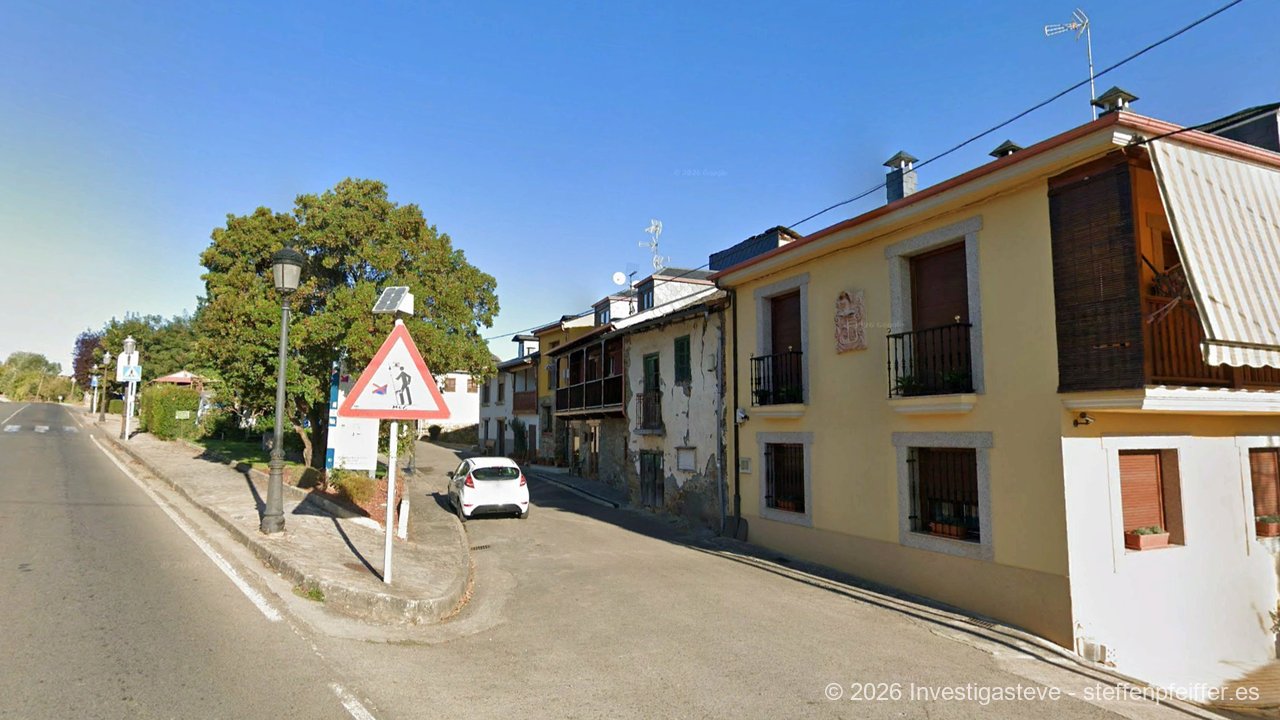
In Pieros, time seems to have a different density. It does not flow linearly but seems to ripple around the narrow alleys and the crouched houses. You see the shimmering light breaking in the tiny quartz stones of the walls and feel like an observer outside of time. It is a haptic experience of permanence: the rough granite, the brittle slate, and the weathered wood of the old doors tell of generations who defied the weather and the soil up here. The immersion here is total; you are no longer just a hiker, you become part of this archaic landscape that simultaneously challenges and embraces you with its stark beauty. In this moment of absolute presence, you realize that every drop of sweat from the ascent was the entry ticket to this sublime silence.
What This Place Tells
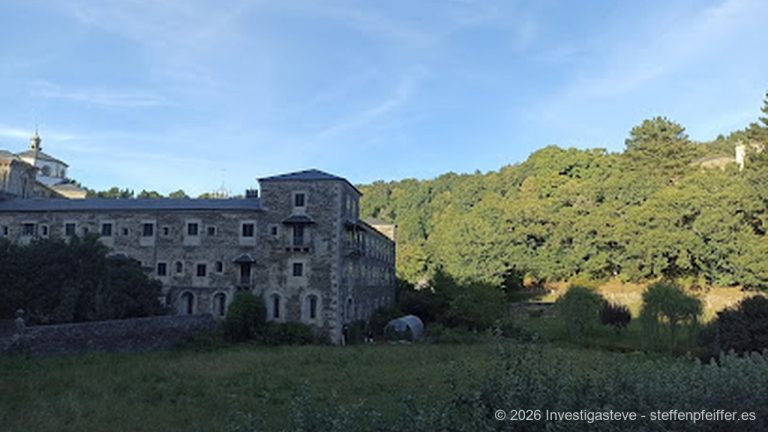
The story of Pieros is deeply carved in stone, literally. The spiritual and historical center of this place is the Iglesia de San Martín, a Romanesque jewel whose roots date back to the 11th century. A stone inscription in the church attests to its consecration on August 12, 1086, by the Bishop of Astorga. Imagine what this stone has already seen: nearly a thousand years of pilgrim history, the coming and going of the wealthy, the painstaking work of the winegrowers, and the prayers of countless souls who stopped here before the last great leap to Villafranca and beyond to Galicia. The historical causality is tangible here; Pieros exists as a resting station on one of the oldest trade routes of humanity. The place was always an outpost, a guardian over the access to the fertile Valcarce Valley.
It is said that Saint Martin of Tours, the patron saint of the church, was especially venerated here because his legend of sharing his cloak perfectly fits the philosophy of the Way of St. James. The statue of the saint on horseback inside the church is not only a work of art but a psychological anchor for the pilgrim. It reminds us that the way is also an act of charity and community. In Pieros, Caridad, Christian charity, was lived for centuries by offering exhausted wanderers water from the deep wells and shade under the eaves. The architecture of the church itself, simple and defiant, reflects the character of the people who inhabit this hill: steadfast, unpretentious, and deeply connected to the soil.
But Pieros also tells a story of change. Once a significant settlement with more infrastructure, it shrank over the centuries to the modest hamlet we see today. This metamorphosis from regional center to quiet stopover gives Pieros a melancholic beauty. You feel the absence of what once was in the ruins of some old barns, slowly being reclaimed by ivy and the vine shoots. It is a cycle of becoming and passing away that teaches the pilgrim that his own journey is only a fleeting moment in the eternity of the way. In Pieros, history is not preserved in museums; it breathes in the joints of the walls and in the roots of the vines that penetrate deep into the clay soil to find the water of the depths – just as the pilgrim seeks the inner source.
Addresses & tips in Pieros
Camino Distances
In this table you will find the distances to the immediate neighboring villages. Please note that the path from Cacabelos to Pieros is characterized by a steady incline, while the descent to Villafranca del Bierzo can put strain on the knees.
| Previous Location | Distance (km) | Next Location | Distance (km) |
|---|---|---|---|
| Cacabelos | approx. 4.5 km | Villafranca del Bierzo | approx. 4.5 km |
| Camponaraya | approx. 10.5 km | Pereje | approx. 9.5 km |
Sleeping & Arriving
Arriving in Pieros is not a loud event, but a gentle gliding into an atmosphere of security. When you reach the top of the hill and the first houses of the place come into view, you feel a psychological relief. The tension of the ascent falls away from you, and a deep, almost meditative calm spreads. The Albergue El Serbal y la Luna is far more than just a place to sleep here; it is a spiritual refuge. Here, hospitality is lived as a ritual act. You enter a house that smells of herbs, freshly baked bread, and the wood of the fireplace. The haptic experience of putting the heavy backpack in a corner and feeling the burning feet on the cool floor tiles is like a second baptism.
In the accommodations of Pieros, there is often an alternative, almost esoteric mood that stands in stark contrast to the sometimes hectic activity in Cacabelos. It is a place for the “repeat offenders” and the seekers who prefer the silence of the small places to the comfort of the cities. The creaking of the floorboards under your socks, the soft light of the evening sun falling through the small windows, and the soft murmuring of fellow pilgrims create an acoustic blanket that protects you. Here, they don’t talk about kilometers, but about insights. The pilgrim’s metamorphosis becomes visible in Pieros: faces are marked by the sun, but the eyes shine with a clarity that only the height and seclusion can give.
The night in Pieros is an auditory wonder. When the last conversations have faded, the wind takes over. It does not howl; it whispers in the crevices of the stone walls, telling stories from a thousand years. The feeling of lying in an ancient house while the stars of the Bierzo seem so close outside that you could almost touch them creates a haptic connection with the cosmos. You feel the weight of the blanket on your tired body and the security of the thick masonry that has protected generations of wanderers from the coolness of the mountain night. Arriving in Pieros means disconnecting from the world for a night to tackle the descent to Villafranca the next day with renewed inner strength.
Eating & Drinking
The cuisine in Pieros is a homage to the gifts of the earth and the simplicity of life. When you sit down at one of the wooden tables, the first sensory impression is often olfactory: it smells of olive oil, ripe tomatoes, and the heavy, fruity aroma of a Mencía wine that comes directly from the vines you just passed. Here, you taste the landscape. A slice of fresh country bread, drizzled with golden oil and sprinkled with a little sea salt, becomes a revelation for the palate. The texture of the bread, crusty on the outside and soft on the inside, offers a haptic pleasure that celebrates the simplicity of being.
Especially in the small hostels, communal meals are often eaten. It is an act of ritual satiety, where vegetarian stews made from regional vegetables or a hearty lentil soup are served. The taste is earthy, nutritious, and unadulterated. It is accompanied by the wine of the Bierzo served in simple glasses. The deep red color of the Mencía reflects the blood of the earth, and every sip carries the minerality of the slate and the warmth of the sun. It is not drinking for intoxication, but drinking for connection with nature. Psychologically, this communal meal strengthens the bond with the pilgrim family and lets the individual hardships of the day fade into the background.
Often, fruits from the surrounding gardens are served for dessert: juicy peaches, sweet cherries, or in autumn, the famous chestnuts of the Bierzo. The feeling of biting into a fruit that still carries the warmth of the day is a sensory feedback to the immediate environment. In Pieros, you learn that true enjoyment has nothing to do with opulence, but with the quality of the moment and the purity of the ingredients. The sensory immersion is complete here; you don’t just eat, you absorb the essence of the hill. When you drink a glass of water from the deep well after the meal, so cold and pure that it tingles on the tongue, you feel the complete regeneration of your body.
Supplies & Logistics
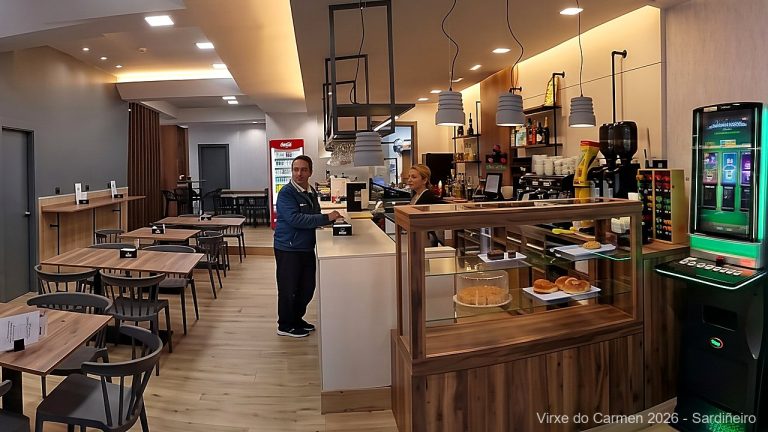
Logistically, Pieros is a place of reduction to the essentials. There are no glittering supermarkets or pharmacies here; the place demands a certain autonomy and foresight from the pilgrim. Supplies are limited to what the hostels and the small bar offer. You don’t find luxury items here, but what the body really needs: water, bread, simple provisions, and a place to rest. This logistical scarcity has a psychological component: it forces you to check your own supplies and concentrate on the bare necessities. It is a lesson in modesty that fits perfectly with the philosophy of the Way of St. James.
For pilgrims who need comprehensive supplies, the proximity to Cacabelos and Villafranca del Bierzo is strategically important. Pieros functions as a quiet satellite between these two centers. Those who end up here usually do so consciously to escape the hustle and bustle. The logistical infrastructure is minimal, but of high human quality. The water points in the village are reliable and offer water of a purity that makes any artificial energy drink superfluous. Haptically, you experience logistics through the weight of your backpack, which you critically sort out once more up here before continuing.
Shopping: No shops in the village; supplies must be taken care of in Cacabelos or Villafranca.
Gastronomy: Small bars and the food in the hostels offer simple but hearty regional cuisine.
Accommodation: Few but very characterful private hostels focusing on spirituality and community.
Public Facilities: No banks or medical services available; in an emergency, Villafranca is the nearest point of contact.
In summary, Pieros logistically requires a “base camp” mentality. It is the place where you find out if you are well prepared. The simplicity of the supplies sharpens your senses for the value of small things – a fresh apple or a cool bottle of water become precious treasures here. Those who stay overnight in Pieros choose spiritual richness over material diversity.
Don’t Miss
– The Iglesia de San Martín: Visit this Romanesque jewel and look for the consecration inscription of 1086 – a direct contact with medieval history. – The view of Villafranca: From the highest point of the village, you have a breathtaking panorama of the “Little Compostela” in the valley. – The statue of Saint Martin: Contemplate the image of sharing in the church – an invitation to reflect on your own generosity. – The vineyards of the Bierzo: Walk a few steps out of the village and touch the leaves of the Mencía vines; feel the rough texture and the power of nature. – The sunsets: Experience how the sun dips the slate mountains on the horizon into a deep violet – a visual spectacle of highest intensity. – The well water: Drink directly from the village springs; the coldness of the water is the best medicine for tired hikers. – The slate architecture: Pay attention to the old roofs and walls; the way the stone is layered is a masterpiece of local craftsmanship. – The alternative pilgrim scene: Exchange ideas in the hostels with people who seek the way beyond the mainstream.
Insider Tips & Hidden Places
Off the marked yellow arrows that run through the main alley of Pieros, there is a small, almost overgrown path leading toward the old quarries. If you take ten minutes and follow this path, you reach a spot where the slate is exposed. Here the earth is torn open, revealing the dark, sparkling heart of the Bierzo. It is a place of total auditory immersion; no human sound reaches here, only the distant whistling of the wind in the rock crevices. It smells of primeval times, of stone, and the dry coolness of the depths. This is a place for pilgrims seeking absolute solitude to organize their thoughts.
Another hidden treasure is a small bench under an ancient olive tree on the western edge of the village. While most hikers hurry to descend to Villafranca, this spot offers the perfect opportunity for a silent meditation. From here, you can watch the shadows of the clouds chase across the vineyard slopes like ghosts of the past. It is a haptic experience to feel the gnarled bark of the olive tree against your back and to inhale the scent of wild mint thriving here in the shade. Those who look closely often find small, handwritten notes or stones in the crevices of the surrounding dry-stone walls, left by pilgrims as votive offerings – a silent communication across space and time.
A special insider tip is the variant to Villafranca that leads via Pradela. It is more strenuous but offers views that make you instantly forget the physical effort. Yet even those who stay in the main village can experience a mystical atmosphere in the early morning hours when the mist still lies in the valleys, transforming Pieros into a place between worlds. The light then breaks into millions of tiny dewdrops on the cobwebs between the vines – a visual gift for those who walk slowly and keep their eyes open. In Pieros, the secret of the Camino often reveals itself in the smallest, most inconspicuous details.
Moment of Reflection
In Pieros, you stand at a psychological threshold. You have left the Meseta far behind, crossed the plains of the Bierzo, and now stand on a hill that forces you to pause. Psychologically, this place is an intermediate world. The look back shows you what you have overcome – the heat, the dust, the doubts. The look forward shows you Villafranca, the spiritual anteroom of Galicia. In Pieros, you learn that the way consists not only of movement but also of holding your ground. The historical causality of your being here, the consecration of the church nearly a thousand years ago, gives you deep humility. You are only one link in an infinite chain of people who all struggled for breath and sought answers up here.
The metamorphosis in Pieros happens through reduction. In the silence of the hill, the artificial needs of the modern world fall away from you like an old skin. You feel only your breath, the wind on your skin, and the ground beneath your feet. It is a purification by the elements. Perhaps you recognize here that the greatest treasures of the way do not wait in Santiago, but in moments like this – on a stone wall in Pieros, with the scent of wine in your nose and the knowledge in your heart that you are strong enough for the rest of the journey. The power of this place lies in its steadfastness. Pieros asks nothing of you; it is simply there. Use this night to free yourself from all ballast, so that tomorrow, when you descend into the valleys of Galicia, you are light enough to pass through the Gate of Mercy in Villafranca with a pure heart.
Camino of the Stars
This place lies on the Camino Francés, on the stage from Ponferrada to Villafranca del Bierzo. The sequence of locations is:
Ponferrada → Columbrianos → Fuentesnuevas → Camponaraya → Cacabelos → Pieros → Villafranca del Bierzo
Did you also feel that moment in Pieros when the world stood still for a heartbeat? Was it the inscription in the old church or the scent of the ripe vines that deeply moved you? Share your experiences of this hill of the Bierzo with us. Perhaps you had an encounter in one of the hostels that changed your way? We look forward to your story of the silent rest among the vines!
About the Author