A new stage day – entering the stage
The morning in Arzúa often breaks with a peculiar, almost melancholic calm. While the town the previous evening was still filled with the busy bustle of pilgrim streams meeting at the junction points of the Camino Francés and the Camino del Norte, the “capital of cheese” now lies in a silvery veil of mist. You step out of your accommodation and immediately feel the cool, humid Galician air on your skin – a humidity that does not feel clammy, but rather like a gentle, invigorating mask. This is the stage before the grand finale, the penultimate day of a journey that has determined your entire existence for many weeks or even months. Psychologically, this departure is marked by a deep ambivalence: on one hand, the invisible force of Santiago pulls you inexorably forward; on the other hand, you feel the quiet desire to stop time, to preserve this state of “being en route” for just a little longer. The light of the streetlamps refracts in the fine dewdrops hanging on the stone walls of Rúa Cima do Lugar, and the echo of your own movements in the still-sleeping alleyways reminds you that you are now part of a centuries-old, collective rhythm.
The path leads you out of the urban fabric, and after just a few minutes, the deep green of the Galician landscape envelops you once more. The smell of damp stone and old masonry gives way to the intense, almost medicinal aroma of the eucalyptus forests that will dominate this section of the Way. It is an olfactory signal telling you: you are almost there. As the sun slowly rises behind the hills and bathes the banks of mist in the valleys in a diffuse gold, you feel a physical lightness that results from the routine of the past kilometres. Your muscles are now perfectly adjusted to the strain, and your mind has long since shed the restlessness of the first days. In this early light, the ferns along the wayside look like prehistoric guardians of your journey, and the gentle descent of the first kilometres towards A Peroxa feels like a smooth glide towards your destination.
Route and elevation profile
Distance: 19.3 km
Elevation gain: ↑ 200 m / ↓ 280 m
Difficulty: Easy. This stage serves physically as recovery before the final entry into Santiago, but mentally challenges you through the proximity to the destination and the noise of the nearby main road.
Special features: Extensive passages through eucalyptus groves, the crossing of numerous small streams over medieval-looking stone bridges, and the emotional memorial for deceased pilgrims in Salceda.
The topographical nature of this stage can be described as a gentle, undulating run-out of the Galician mountains. After the great physical hurdles of the past weeks – from the Pyrenees to O Cebreiro – have long been overcome, today’s path presents itself almost as a gesture of reconciliation. The ascents are short and moderate, the descents mostly along soft forest paths or well-developed dirt tracks. The ground beneath your soles is often covered with a layer of pine needles and eucalyptus leaves, making walking a haptically pleasant, almost springy experience. Nevertheless, the psychological component of the route should not be underestimated: the profile repeatedly leads you close to the N-547 main road, creating an acoustic contrast to the previous solitude and gradually preparing you for the urban reality of Santiago.
A critical point in the elevation profile is the area around Santa Irene. Here, the path once again leads through a dense forest section where light often only sparsely reaches the ground, which can make the clay paths slippery in wet weather. The 280 metres of descent are so subtly distributed over the entire distance that they are hardly perceived as a strain on the knees. Rather, it is a steady downward glide into the basin of the Río Sarela, preparing you physically and energetically for the final “leap” the next morning to Monte do Gozo. This stage is thus the “calm before the storm”, a strategic pause that allows the pilgrim to organise his thoughts and muster the last reserves for the great moment on the Obradoiro square.
Variants and small diversions
The classic route of this stage is so clearly defined and well-marked that major variants hardly seem necessary. Nevertheless, there are small nuances for the attentive pilgrim that can deepen the experience. One such possibility presents itself in the area around Santa Irene. While the official path often leads directly past the modern hostel, a short detour to the historic chapel and the associated fountain is worthwhile. This place is a power centre of the region and offers an atmosphere of silence that is sometimes lost on the main route due to the sheer number of fellow pilgrims. Here you can stop time for a moment and feel the water of the fountain, which for centuries has been attributed with healing powers – a haptic refreshment that goes far beyond mere drinking.
Shortly before O Pedrouzo, the path splits into an official route that bypasses the town to the north, and a more direct access for those who wish to stay in the private hostels in the centre. The northern bypass leads deeper through the forest and offers one last, intense immersion in nature before the urban fabric of Arca takes you in. Those seeking peace should choose this path, even if it may be a few hundred metres longer. It is this conscious choice of slowness that is so valuable on these last kilometres. In O Pedrouzo itself, the structure is linear; almost all paths ultimately lead to the main street that forms the backbone of this pilgrim waiting room.
Description of the Way – with all your senses
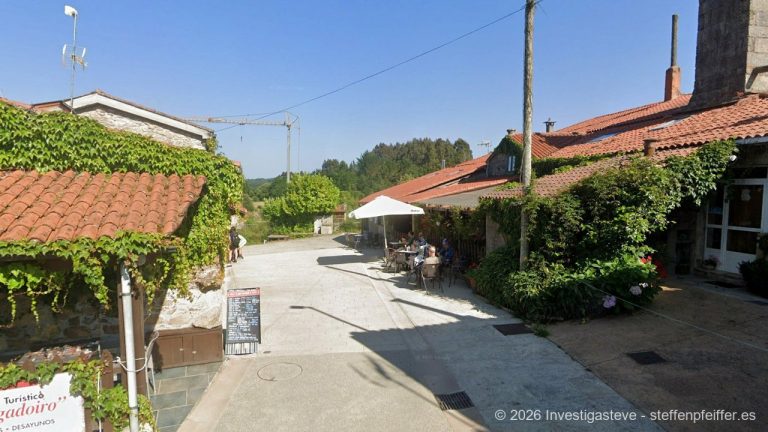
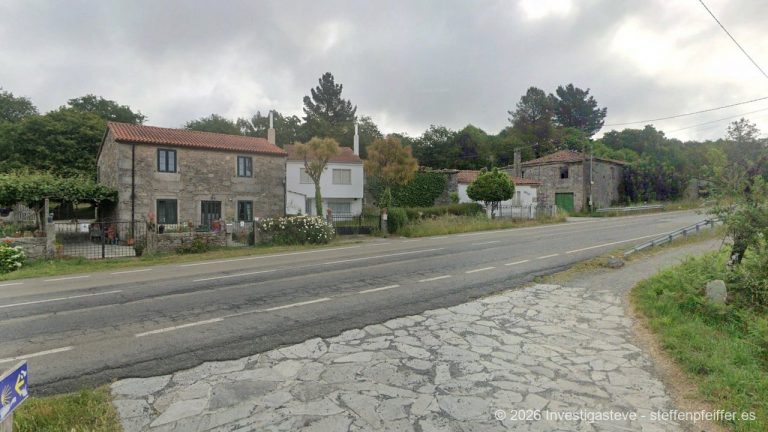
The departure from Arzúa first leads you through small suburbs, where the smell of fresh bread from the local bakeries saturates the morning air. You feel the hard asphalt beneath your feet, a material that is still cold and unyielding here. But soon this surface gives way to a soft, clayey path lined with ancient stone walls. These walls are a haptic archive; they are covered with a thick layer of green moss that feels like damp velvet beneath your fingers. You hear the soft murmur of small streams channelled under the path – an acoustic testament to the water-richness of Galicia, which alone enables this eternal green. Arriving in A Peroxa, you feel the historical causality: here, in these small hamlets, time seems to have stood still since the Middle Ages, and you walk on paths already used by the great pilgrim caravans of the 12th century.
After you have overcome the first hills, you enter the “tunnel of scents”. The eucalyptus forests surround the path like a natural cathedral. The trees rise high into the sky, their bark peeling off in long strips and hanging from the trunks like parchment – a haptic texture that tells of growth and renewal. The air inside is different; it is cool, ethereal, and so saturated with the scent of menthol and resin that your lungs expand with every breath. It is an olfactory experience that is almost intoxicating. You hear the metallic rustle of the sickle-shaped leaves in the wind, a sound reminiscent of distant sea surf, reminding you that the Atlantic awaits you beyond Santiago. Psychologically, this forest section induces a deep calm; the mind becomes focused, and the outside world with all its noise seems miles away.
In Tabernavella, you pass small farms where life goes its archaic way. The smell of damp hay and livestock mixes with the forest air, an earthy contrast to the ethereal eucalyptus. You feel the warmth of the sun, now higher in the sky, definitively dissolving the fine veils of mist. The plays of light on the ground, caused by the dense canopy of leaves, create an almost hypnotic atmosphere. Your steps on the earth are quiet, a rhythmic pounding that merges with your heartbeat. Here you feel the physical metamorphosis of your journey: your body is no longer an obstacle to be overcome, but a perfectly functioning tool carrying you through this beauty. The historical depth becomes tangible in places like Calle, where the old granite houses stand so close to the path that you can almost feel the energy of generations who offered hospitality here.
The path continues to Salceda, and here the mood changes. You come upon the memorial for Guillermo Watt, a pilgrim who died only a few kilometres short of his goal. This place is a psychological anchor point. You feel a sudden heaviness, a haptic reminder of the fragility of life and the preciousness of each individual step. The silence of the fellow pilgrims at this point is acoustically almost tangible. The flowers and small stones placed here are silent witnesses of a global community of remembrance. It is a moment of humility that reminds you that the Way consists not only of scenic beauty but is an existential trial that cuts deep into the soul. The smell of wilted flowers and burning candles often lingers in the air, intensifying the feeling of sanctity at this place.
Behind Salceda, the path approaches the main road again. The acoustic profile changes radically: the distant roar of engines breaks into the forest silence. It is a haptic shock to the ears, a reminder of the world you will soon return to. Yet the path fights back; it repeatedly leads you back into small forest clearings that act as buffer zones. In Brea, you feel the rough gravel beneath your feet, a material that jolts you awake and forces you to concentrate. The historical causality is shown here in the way modern infrastructure respects yet presses upon the old path – a visual allegory for the position of the modern pilgrim in a technological world. You feel the wind blowing across the open fields here, carrying the dust of the path onto your skin, a haptic sign of your endurance.
Arriving in Santa Irene, you plunge again into the coolness of the forest. The chapel of dark granite stands silently among the trees, a place of timeless security. You go to the fountain, dip your hands into the ice-cold water. The haptic sensation is overwhelming; the water seems to simply wash away the heat and dust of the past kilometres. You hear the steady dripping of water on the stone, an acoustic symbol of constancy. The smell of incense, often emanating from the chapel, connects you to the spiritual dimension of your journey. Psychologically, this is the last great purification before the destination. You feel light, almost dematerialised, ready for what lies beyond the hills. The history of this place, closely linked to the plague waves of the Middle Ages, lends your relief a deep, historical resonance.
The descent to O Pedrouzo leads through dense eucalyptus groves, which are particularly tall here. In the afternoon, the light falls obliquely through the trunks, creating long shadows that reach out over the path like fingers. You feel the fatigue in your legs, but it is a sweet exhaustion, a haptic confirmation of your achievement. The ground becomes firmer again, the forest gives way to the first gardens and fenced properties. You hear the distant ringing of a bell, the signal for the end of today’s stage. The smell of burning eucalyptus wood from the chimneys of the houses welcomes you, a warm, smoky aroma promising comfort. In this moment you realise: you have arrived in the “waiting room of Santiago”. The anticipation mixes with a quiet melancholy, a psychological state typical of this place.
The entry into O Pedrouzo itself is marked by the hard reality of asphalt. Your feet feel the sudden change of ground, your knees absorb the vibrations. You hear the busy activity in the streets, the voices of pilgrims from all over the world converging here. The town itself has no historic old town like Arzúa; it is a functional centre that lives entirely from the Way. Yet this very functionality has its own charm; you feel the energy of the thousands of people spending their last night here before Santiago. The smell of fresh laundry from the hostels and the clinking of glasses in the bars create an atmosphere of collective relief. You sit down on a bench, feel the cold metal beneath you and look back at the forest you have just come from – a visual farewell to pure nature.
In the twilight of O Pedrouzo, perception changes once again. The eucalyptus trees on the edge of the town appear as black silhouettes against the crimson sky. The air becomes cooler, clearer, and you feel the first real excitement in the pit of your stomach. Tomorrow you will enter Santiago. The haptic experience of your gear – the rough straps of your backpack, the firm laces of your shoes – now feels like a familiar armour that has carried you through this last day. You hear the murmur of the pilgrims in the hostel, a polyphonic symphony of expectation. Psychologically, this evening is a time of taking stock. You smell the scent of your last pilgrim meal on this Way and know that these 19.3 kilometres were the necessary transition to expand your heart for the grand finale.
The reflection in the evening, as you tend to your feet and study the maps for the next day, is marked by a deep gratitude. You feel the smoothness of your skin where there are no more blisters, a haptic sign of your body’s adaptability. The sounds of the night in O Pedrouzo, the distant rumble of the road and the rustle of the leaves, form the acoustic conclusion to a stage that has gently prepared you for the end. You are now ready to leave the “in-between” and take the final step. The historical causality of your entire journey culminates in this small town, which exists only to grant pilgrims like you one last rest before the star of Galicia finally calls you to itself.
Food, accommodation & provisions
The supply situation on the stage from Arzúa to O Pedrouzo is excellent and reflects the high density of pilgrims on the last kilometres. Almost every four to five kilometres, you will find small cafés, bars or rest areas, often run with great care by the locals. In Salceda and Santa Irene, there are excellent opportunities to fortify yourself with local specialities, with Galician stew or a simple “tortilla” often being the best sources of energy. It is advisable to replenish your water reserves at the fountain in Santa Irene, as the haptic freshness of this water provides ideal refreshment for the final section to O Pedrouzo.
Accommodation options are plentiful in O Pedrouzo (also known as Arca). The town boasts one of the largest public hostels in Galicia, notable for its spacious layout, but also offers a wide variety of private albergues and guesthouses. In the high season, a reservation is strongly recommended, as this place is the last mandatory stop for almost all pilgrims. The atmosphere in the hostels of O Pedrouzo is unique; you can feel the collective excitement and shared joy at the nearly achieved goal, making this place a true melting pot of pilgrim cultures.
Gastronomy: In Salceda, there are rustic bars right by the path, ideal for a second breakfast. O Pedrouzo offers a wide selection of restaurants with classic pilgrim menus.
Accommodation: The municipal albergue in O Pedrouzo is functional, while private hostels like “Albergue Edreira” score points for high comfort and cleanliness.
Public facilities: As a community centre, O Pedrouzo offers everything necessary: pharmacies, banks, post offices, and several supermarkets for final replenishment of supplies.
The special thing today
The outstanding feature of this day is undoubtedly the sensory experience of the eucalyptus forests. These trees, originally from Australia and brought to Galicia in the 19th century, have radically altered the landscape and olfactory profile of the Camino. On this stage, you walk through veritable plantations that act like a green shield against the modern world. The haptic experience of the peeling bark and the intense scent form a “nature capsule” that places the pilgrim in a state of deep calm. It is the last great nature experience before urban Santiago and offers space for the final, inner inventory of the past weeks.
Another special element is the emotional significance of the “waiting room effect”. O Pedrouzo exists in a liminal state – it is neither the Way nor the destination, but a place in between. This psychology of the threshold is what makes this stage so special. You encounter pilgrims longing for the destination and those afraid of the end. This shared vulnerability and anticipation creates a social density rarely experienced with such intensity on other sections of the Way. You feel that here the individual journey flows into a collective experience, which will find its visual climax on Monte do Gozo the next day and its emotional peak on the Obradoiro.
Finally, mention must be made of the historical permanence of the small hamlets. Despite the proximity to the modern world and the main road, places like Calle or Salceda have preserved their archaic character. The granite architecture, the narrow paths between the walls, and the small chapels are haptic testimonies to a long tradition of hospitality. Here the pilgrim recognises the historical causality: he is not alone; he is part of an infinite stream of people who, for over a thousand years, have touched these very stones and sought the same shade. This realisation gives the pilgrim the strength for the last 20 kilometres and makes O Pedrouzo a place of deep respect for one’s own achievement and the history of the Way.
Reflection at the end of the stage
When evening falls over O Pedrouzo and the lights of the hostels come on, the time of great silence in the mind begins. You have left the 19.3 kilometres behind you, a distance that perhaps still seemed like a challenge at the beginning of your journey, but today appears only as an extended walk. The reflection of today shows you how much you have changed. The calm in the eucalyptus forest has sharpened your senses, and the moment at the memorial in Salceda has shifted your perspective on life. You feel a deep gratitude for your body, which has carried you this far, and for your mind, which has not given up.
Tomorrow you will enter Santiago. This knowledge lies like a warm glow in your chest. The night in O Pedrouzo is the night of the last questions and the first answers. You recognise that the Way was not there to bring you to a destination, but to make you a person capable of reaching that destination with dignity and humility. In the darkness of your room, accompanied by the distant rustle of leaves, you know: you are ready. The Camino Francés has shaped you, and O Pedrouzo was the final polish on the workpiece that is yourself.
Camino of the Stars
This stage lies on the Camino Francés, on the stage from Arzúa to O Pedrouzo (Arca). The sequence of places is as follows:
| Stage | Start | Destination | Distance (km) | Elevation gain | Difficulty | Intermediate places |
|---|---|---|---|---|---|---|
| 31 | Arzúa | O Pedrouzo | 19.3 | ↑ 200 / ↓ 280 | easy | A Peroxa → Tabernavella → Calle → Boavista → Salceda → Brea → Santa Irene |
Did you feel the moment when the scent of the eucalyptus forests first made your thoughts completely clear? Was it a stage of anticipation or melancholy for you, facing the approaching end? Share your story of this threshold to Santiago with us – your experiences are the stars that illuminate the waiting room of the Camino.
About the Author

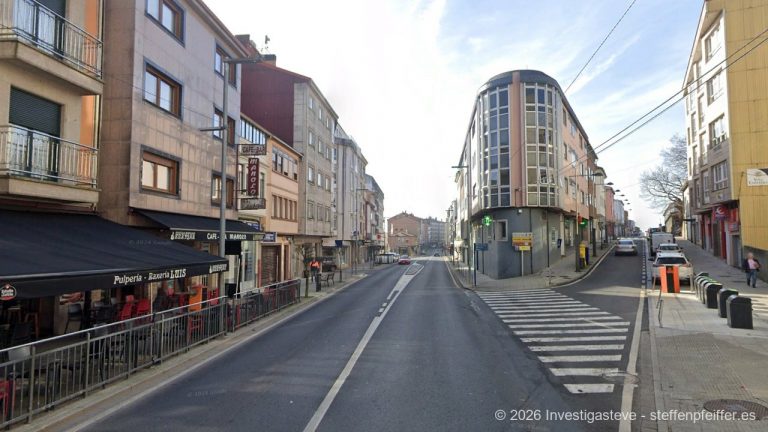
Arzúa – Where the Paths of the World Unite in the Scent of Oaks and Cheese
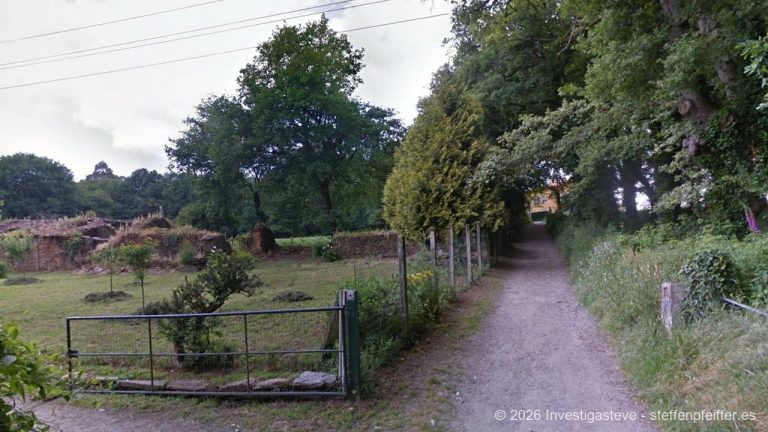
As Barrosas – A Green Corridor of Silence and the Echo of Forgotten Lazarettos
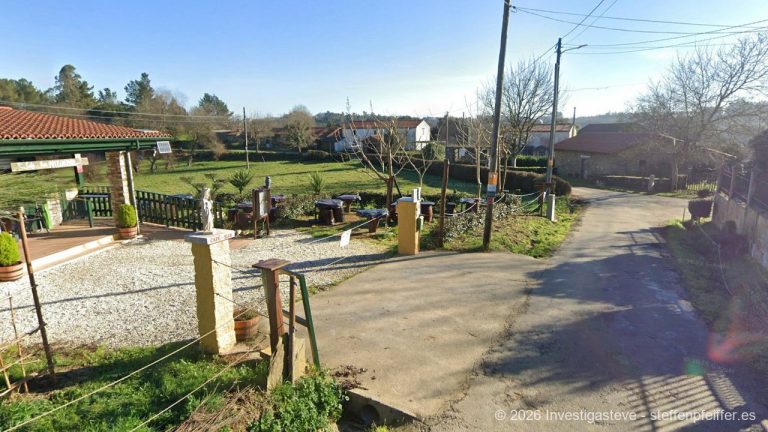
Preguntoño – The Golden Gate of the First Rest Behind Arzúa
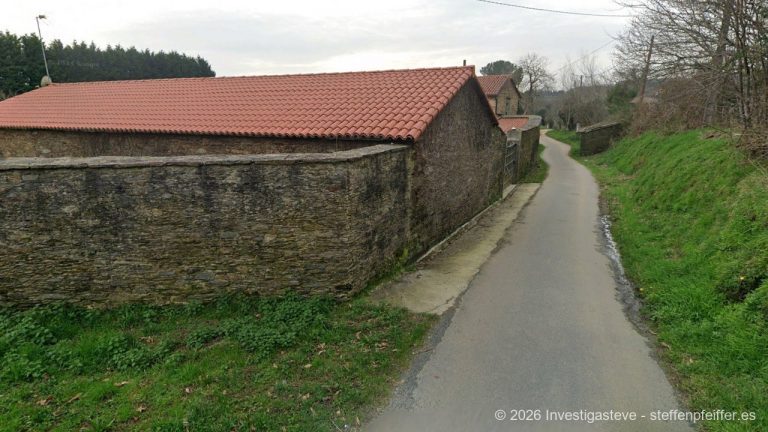
Salceda – The Refuge of Regeneration Before the Final Push
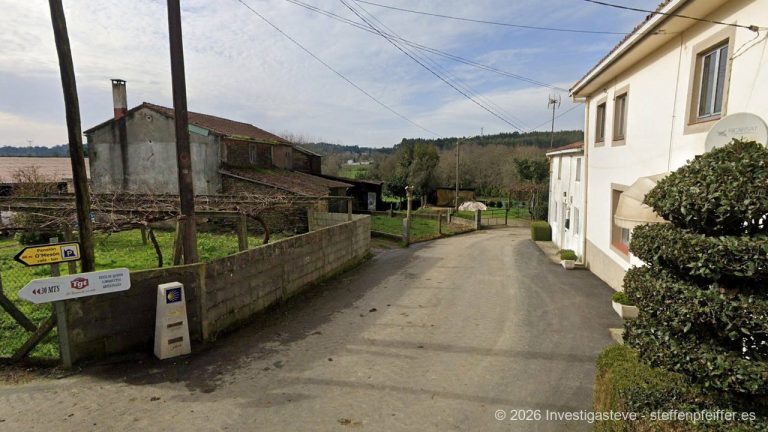
A Brea – The Memorial Stone of Reflection in the Shade of the Eucalyptus Groves
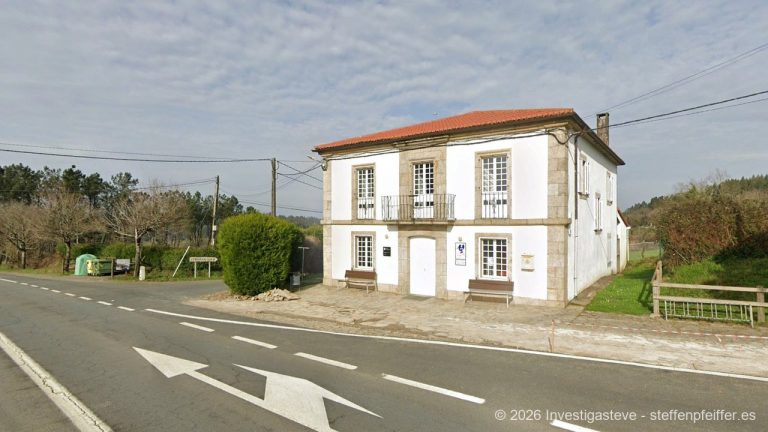
Santa Irene – The Sacred Refuge in the Silver Eucalyptus Grove
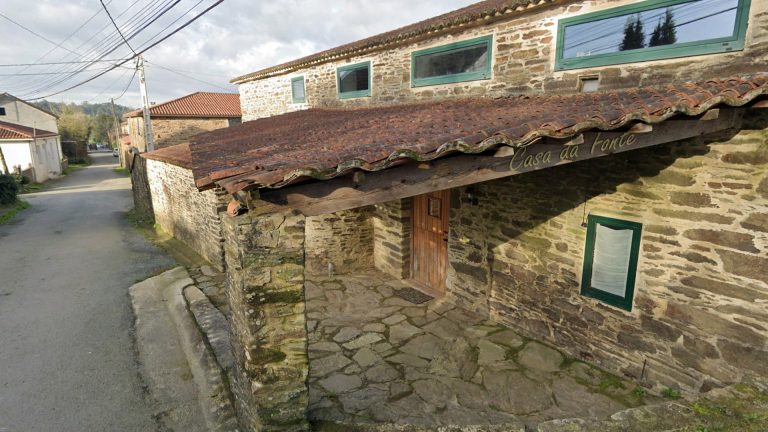
A Rúa – The Whispering Prelude to the Final Night