A new stage day – entering the stage
The last morning on the Camino Francés often begins in O Pedrouzo in an atmosphere charged with an almost tangible electricity. While darkness still lies heavy over the eucalyptus forests of Galicia, pilgrims peel themselves out of their sleeping bags, not with the usual routine of the past weeks, but with a nervous, joyful impatience. It is the knowledge that today is the day of days. The air in the early morning hours is cool and often saturated with a dense mist that refracts the cones of headlamps and makes the figures of the walkers pass through the Rúa Concello like shadow beings. You feel the collective tension; there is less talking than usual, everyone is absorbed in their own thoughts, while the senses are already searching for the first signs of the nearby city. The smell of damp earth and the deep green of the ferns along the wayside form the last rural curtain before the urban world of Santiago will change the pilgrims forever.
Psychologically, this departure is a caesura. You leave the protective bubble of “being on the Way” behind and prepare for arrival. Your heart beats a little faster, not only because of the physical effort of the first climb to Amenal, but because of the emotional impact that the destination announces on the horizon. The soft panting of fellow pilgrims on the incline and the rhythmic breathing in time with your own steps form a meditative soundtrack. In this moment of darkness, time seems to stand still, while the body switches to autopilot, carried by the unshakable instinct that has led you here over hundreds of kilometres. It is a ritual stepping out of nature, a last deep breath of Galician forest air before the stone heart of Christendom opens its gates.
Route and elevation profile
Distance: 19.4 km
Elevation gain: ↑ 310 m / ↓ 450 m
Difficulty: Moderate. The physical strain is moderate, but the mental intensity and the change to hard urban asphalt challenge the body in a new way.
Special features: The contrasting loop around Lavacolla airport, the historic Monte do Gozo, and the final entry through the historic city area.
Today’s route is less a topographical challenge than a journey through different time levels. It begins on soft forest paths that wind gently through dense eucalyptus groves and once again envelop the pilgrim in the familiar solitude of Galicia. After about four kilometres, you reach Amenal, where the path begins to approach the modern age. The elevation profile shows a steady but gentle ascent here, with no extreme peaks, but the nature of the ground – often a mix of compacted earth and first paved paths – challenges the musculature. The descent to Lavacolla leads the pilgrim down into the valley of the stream of the same name, a place that physically and historically serves as a point of purification.
The decisive turning point of the stage is the ascent to Monte do Gozo. Over a distance of about five kilometres, the path gains altitude and leads the walker from the rural idyll directly to the threshold of civilisation. Up here, on the “Mount of Joy”, the stage reaches its emotional climax. The subsequent descent into the urban area of Santiago is topographically easy, but haptically demanding: after weeks of off-road walking, the knees and soles of the feet must suddenly adjust to the unyielding asphalt and cobblestones. This transition from 310 metres of ascent to a descent of 450 metres reflects the inner movement – the elevation of the spirit at the first sight of the towers and the grounded arrival on the floor of the cathedral.
Variants and small diversions
On this final stage, there are hardly any noteworthy variants that would fundamentally alter the route. The French Way is so deeply engraved into the geography here that the main route appears almost without alternative. Nevertheless, there is a small nuance in the route around Lavacolla airport. While the official marking leads the pilgrim closely along the airport fence – which offers a fascinating, albeit acoustically stressful, immersion into modernity – some walkers use smaller side paths that stay somewhat deeper in the adjacent forests. However, these offer no significant time advantage and are usually chosen only to avoid the hard metal fence for a few minutes.
A historically relevant diversion presents itself directly in Lavacolla. The official route leads over the bridge, but those interested in the history of purification can walk a few steps off the path down to the riverbank. Here is the spot where pilgrims of the Middle Ages ritually washed themselves. Within the urban area of Santiago itself, there are various ways to reach the centre, but the traditional entry through the Porta do Camiño remains the most atmospherically dense variant. Any small deviation in the suburbs of San Lázaro ultimately leads back to the main artery, which funnels all paths like a funnel to the Praza do Obradoiro, where the individual journey merges into the collective arrival.
Description of the Way – with all your senses
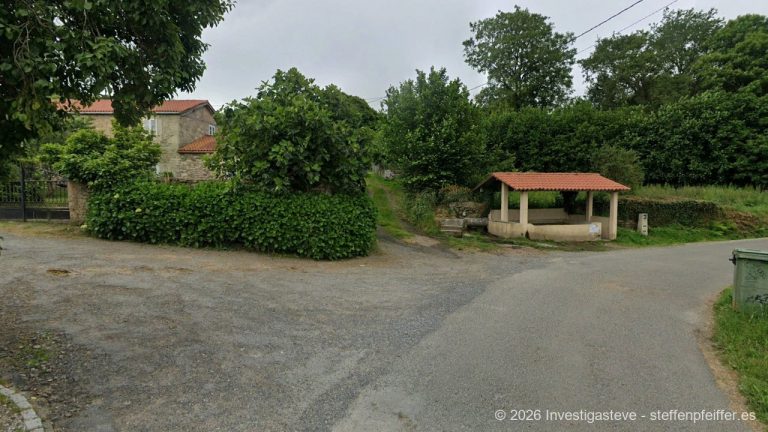
The way out of O Pedrouzo first leads you into a tunnel of green. The ground beneath your soles is soft, a carpet of decomposed leaves and fine earth that cushions every step. You hear the awakening of the forest: the gentle rustle of the eucalyptus leaves, which gleam like silver sickles in the first light, and the distant calls of birds greeting the day. The scent is intoxicating – a mixture of essential oils and the tart freshness of ferns. You feel the coolness of the damp air on your face, a final greeting from nature before the panorama widens. It is a haptic intimacy with the landscape that you absorb particularly intensely in these last hours, well aware that this state of simplicity will soon end.
Behind Amenal, the scenery changes radically. You reach the fence of Lavacolla airport. Here worlds collide. You hear the ear-splitting roar of departing jets, an acoustic shock after the silence of the Meseta and the forests of Galicia. The smell of kerosene mixes sharply with the aroma of pines. It is a moment of historical causality: where pilgrims once travelled for weeks on foot, people from all over the world now land in a few hours. You feel the vibration of the ground beneath your feet as the turbines spool up – a physical sign that the modern world is reclaiming you. This passage is a necessary evil, a tunnel of reality that prepares you for the return to “normal” life, while your heart still beats in the rhythm of walking.
Arriving in Lavacolla, it becomes quieter again. You pass the small stream in which, since the 12th century, pilgrims cleansed themselves before appearing before the Apostle. You feel the coolness of the water when you dip your hands into it – a haptic ritual that connects you with the millions of people who stood here before you. The smell of damp stone and moss on the bridge grounds you again. Psychologically, this is the point of inner preparation. You symbolically wash off the dust of the Way, preparing for the final ascent. The air here in the valley is heavier, more humid, saturated with the spirit of history that seems to breathe in every stone of the old houses of Lavacolla.
The ascent to Monte do Gozo challenges your lungs once more. The path is steep and often exposed to the sun. You feel the warmth on your back and the sweat running down your spine under your backpack. But then, at the top, it happens: the first view of the city. You see the towers of the cathedral in the distance, rising out of the sea of houses in Santiago. A visual event that instantly pushes all physical pain into the background. The wind up here on the plateau is fresh and carries the distant ringing of church bells to you. You stand at the Pilgrim Monument, feel the rough stone of the statues under your fingers, and recognise the emotional metamorphosis you have undergone. You are no longer a seeker; you are an arrival.
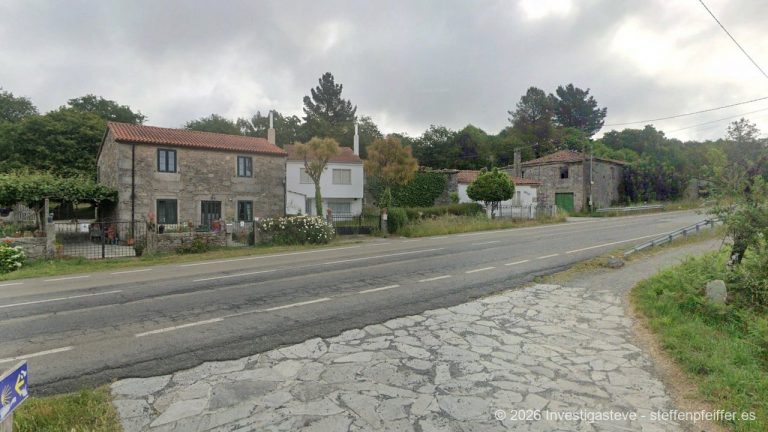
The descent to San Lázaro finally leads you into the urban fabric. The ground beneath your feet becomes hard, unyielding. You feel the resistance of the asphalt in your knee joints, a clear contrast to the springy forest floor of the morning. The sounds change: the distant rumble of the motorway, the honking of cars and the murmur of people in the suburbs increase. You pass the Pilgrim Monument at the entrance to the town, smell the scent of fresh coffee and pastries from the bars. The psychology of arrival now takes over; your steps become faster, almost automatic. You have become part of a current that flows inexorably towards the centre, carried by an energy that comes from the depth of your will.
When you reach the Porta do Camiño, you enter the stone world of the old town. Rúa de San Pedro welcomes you with a narrowness that almost feels protective. The walls of grey granite reflect the light in a gentle, cool way. You hear the echo of your steps on the walls, a hollow, triumphant sound. The smell of old stone, incense and Galician cuisine wafts from the open doors of the taverns. You pass Rúa das Casas Reais, feel the smoothness of the cobblestones that have been polished by pilgrims’ feet over centuries. It is a haptic dialogue with the past. Every step here is a victory, every bend in the labyrinth of alleys brings you closer to the goal, while the anticipation in your chest becomes almost painful.
In Praza de Cervantes, the sounds of the city mix with the splashing of the fountain. You see the tourists sitting in the cafés and feel like a being from another world – dusty, sweaty, but with a glint in your eyes that money cannot buy. You turn into Rúa da Acibecharía, the old street of the scallop-shell sellers. The scent of leather and jet jewellery hangs in the air. You feel the weight of your backpack one last time, consciously; it has become like a part of your body, a burden you will soon shed. The historical causality is tangible here; you are walking through the gate through which, since the Middle Ages, pilgrims from the north entered the sanctuary.
Then the tunnel beneath the Archbishop’s Palace opens up. You hear it from afar: the deep, plaintive yet so cheerful sound of the bagpipes (gaitas). The sound rebounds off the stone walls, fills the entire space and penetrates directly into your heart. It is the acoustic signature of Galicia, the soundtrack of your triumph. When you step out of the shadow of the tunnel onto the Praza do Obradoiro, the world becomes bright, wide and overwhelming. The cathedral rises before you, a mountain of stone and gold. You stop, time seems to pause for a moment. You hear the cheers of the other pilgrims embracing each other, the sobs of relief and the incessant clicking of cameras.
You feel the warm stone of the square beneath you as you finally sit down, exhausted. The ground is rough and firm, a foundation for your emotions. The smell of incense wafting from the portals of the cathedral mingles with the scent of freedom. Psychologically, this is the moment of total emptying and simultaneous filling. Everything you have experienced in the past weeks, every mountain, every drop of rain, every blister on your feet – all of it converges in this one view of the western façade. You have arrived. The cathedral is not just a building; it is the mirror of your own journey, a stone testimony to your endurance and your belief in yourself.
You watch the crowd, the four façades framing the square: the university, the government, the Hospital and the church – the whole spectrum of human life in one place. You feel the sun on your skin, now warming the square. The haptic contact with the ground of the Obradoiro is like a grounding after a long flight. You take off your backpack, and for a moment you feel as light as a feather, almost as if you were floating. This physical contrast is the last lesson of the Way: burdens can be shed, but the experience remains. You have arrived at ground zero, the end of the map and the beginning of a new inner geography.
In the silence of the cathedral later, you smell the age of centuries. The coolness of the granite in the crypt, the gold of the altar and the embrace of the statue of the Apostle are haptic anchor points of your arrival. You hear the dull murmur of prayers and the crackling of candles. The psychological profile of your day ends here in a deep, rich satisfaction. You have not merely walked the Way; you have lived it. In Santiago, the circle is closed. The Way is now part of you, engraved in your muscles, your senses and your soul, ready to accompany you into your new life, which begins right here, on the stones of the Obradoiro.
Food, accommodation & provisions
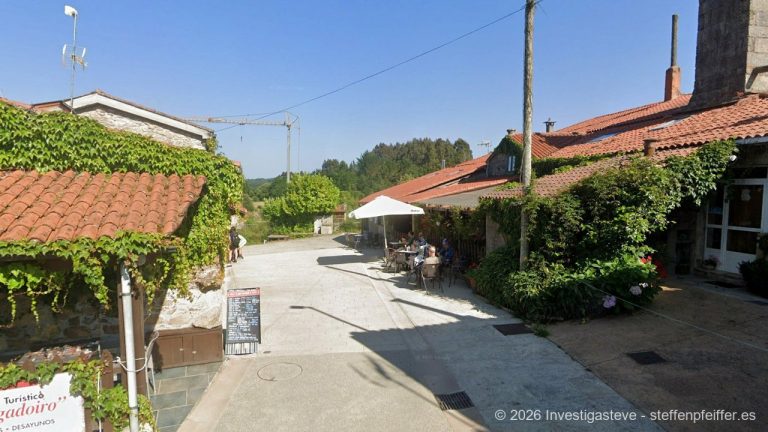
The supply situation on this last section is excellent, tempting the pilgrim to stop more often than the schedule actually allows. In Lavacolla, there are numerous opportunities for a second breakfast or a hearty meal before Monte do Gozo. It is advisable to check supplies here once more, although the distance to the city is short. In Santiago itself, the culinary offering is almost infinite. From the traditional “Tarta de Santiago” in the small bakeries of the old town to the upscale restaurants in Rúa do Franco, every pilgrim finds their personal feast to celebrate the arrival.
The accommodation situation in Santiago requires planning, especially in holy years or high season. The public hostel on Monte do Gozo, with its thousands of beds, is an institution in itself, but most pilgrims are drawn directly into the city. Here there is a wide range of accommodation: from the huge Albergue Seminario Menor with its impressive view over the city to the luxurious Parador (Hostal de los Reyes Católicos) right on the Obradoiro square. It is a special feeling to spend the first night at the destination in a proper bed, while outside the life of the city continues to pulse.
Gastronomy: In Santiago, the market hall (Mercado de Abastos) is a must for fresh Galician produce. Rúa do Franco is the most famous street for tapas and wine.
Accommodation: The Albergue Seminario Menor offers a monastic, quiet atmosphere. The Parador is the ultimate luxury for LEVEL 5 pilgrims as a conclusion.
Public facilities: The Pilgrim Office (Oficina del Peregrino) on Rúa de Carretas is the most important point of contact for the “Compostela”. Pharmacies and supermarkets can be found on every corner in the city area.
The special thing today
The outstanding feature of this day is undoubtedly the Praza do Obradoiro. There are few squares in the world where so much emotional energy is concentrated in such a small space. It is the “living room of the pilgrim world”. Here fates meet, strangers become friends, and here years of planning and weeks of effort find their physical end. The architecture of the square, representing the four powers of human existence, provides a backdrop that is unparalleled in its grandeur worldwide. Anyone who sits down here and looks at the cathedral experiences a moment of timelessness that remains deeply etched in memory.
Another special element is Monte do Gozo. It is the place of the “first glance” and has a centuries-old tradition. Here pilgrims once shouted for joy (hence the name) and often walked the last few kilometres barefoot to show their humility. Even today, the moment when the towers of the cathedral first appear on the horizon is for many the most intense experience of the entire journey. The statues of the two pilgrims pointing towards the city are a popular photo motif, but also symbolise the deep connection of all wanderers who have ever strived for this goal.
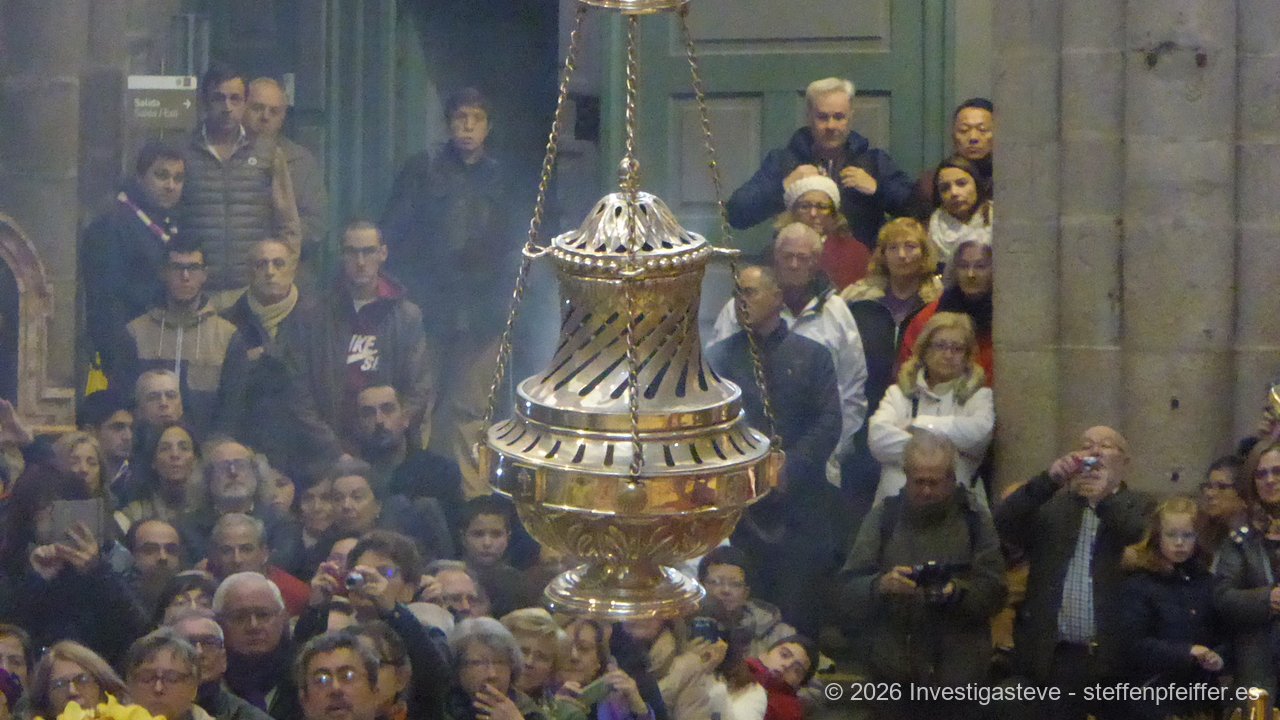
Finally, the ritual in the cathedral itself should be mentioned. The embrace of the Apostle’s statue, the visit to the crypt and – if you are lucky – the swinging of the Botafumeiro (the huge incense burner) are acts of fulfilment. They connect the modern walker with the traditions of the Middle Ages. It is this fusion of physical achievement and spiritual tradition that makes Santiago de Compostela such a unique place. Here the journey is not simply ended; it is sanctified and integrated into the personal life story, which can make these 19.4 kilometres the most significant stage of an entire life.
Reflection at the end of the stage
When you stroll through the illuminated alleys of Santiago in the evening after arrival, a deep melancholy sets in, paired with infinite pride. The Way has come to an end. You are no longer the same person who set out weeks ago. The reflection of today shows you that while the destination was the cathedral, the real value lay in every single step you took towards it. The images of the stage – the smell of kerosene at Lavacolla, the wind on Monte do Gozo and the sound of the bagpipes – merge into a total work of art of your own strength.
You recognise that Santiago is not an end, but a new beginning. The Way has taught you that you can master challenges you once thought impossible. The feeling of arrival is a gift you have given yourself. In the silence of the night, when the cobblestones radiate the coolness of the evening, you know: you have completed the Camino Francés. You are now part of the legend, a link in the infinite chain of those who have followed the stars to find themselves in the heart of Galicia.
Camino of the Stars
This stage lies on the Camino Francés, on the stage from O Pedrouzo to Santiago de Compostela. The sequence of places is as follows:
| Stage | Start | Destination | Distance (km) | Elevation gain | Difficulty | Intermediate places |
|---|---|---|---|---|---|---|
| 32 | O Pedrouzo | Santiago | 19.4 | ↑ 310 / ↓ 450 | moderate | Amenal → Lavacolla → San Paio → Monte do Gozo → San Lázaro |
What was your moment of arrival like? Did you cry, laugh, or simply remain silent when you first saw the cathedral before you? Share your story with us – your words are the stars that light the way to the goal for other pilgrims. Your Camino ends here, but your story is just beginning.
About the Author


O Pedrouzo – The Last Threshold Before Eternity
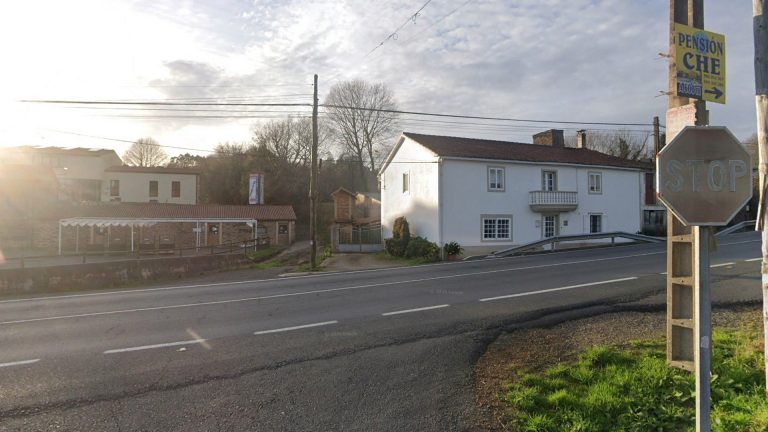
Amenal – The Green Hollow Before the Great Ascent
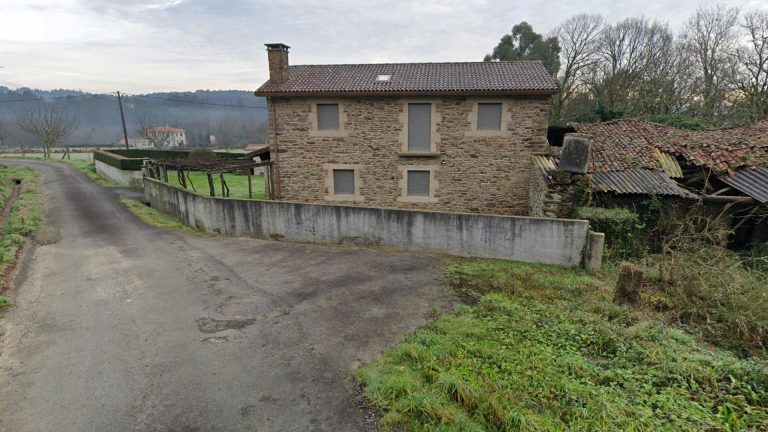
Cimadevila – The Silent Guardian at the Threshold of Santiago
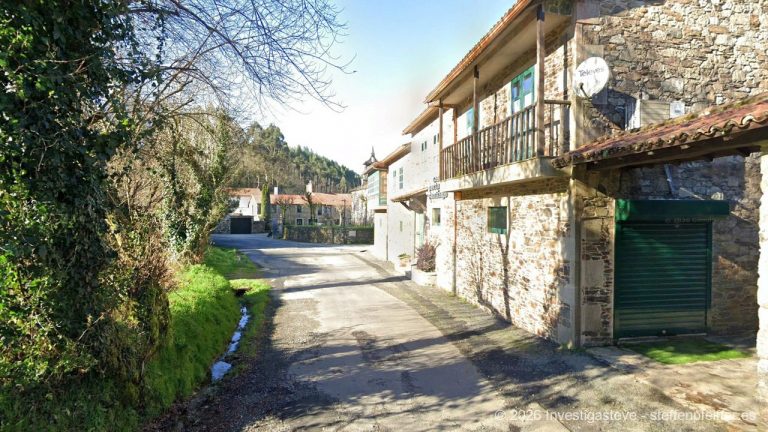
San Paio – The Last Bastion of Rural Silence
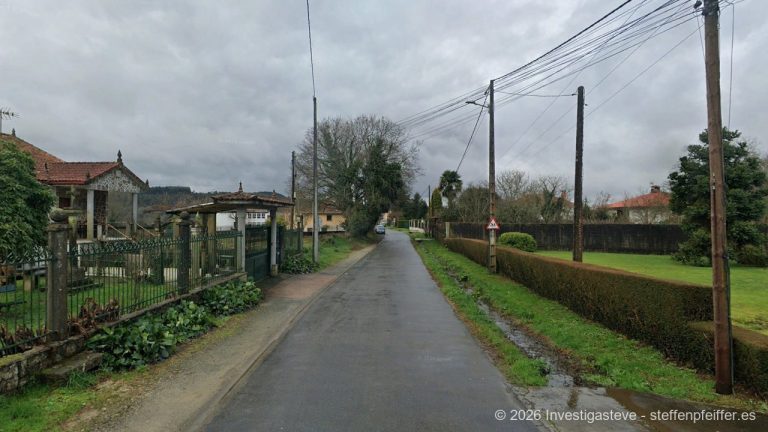
Lavacolla – The Water of Purification and the Breath of Decision
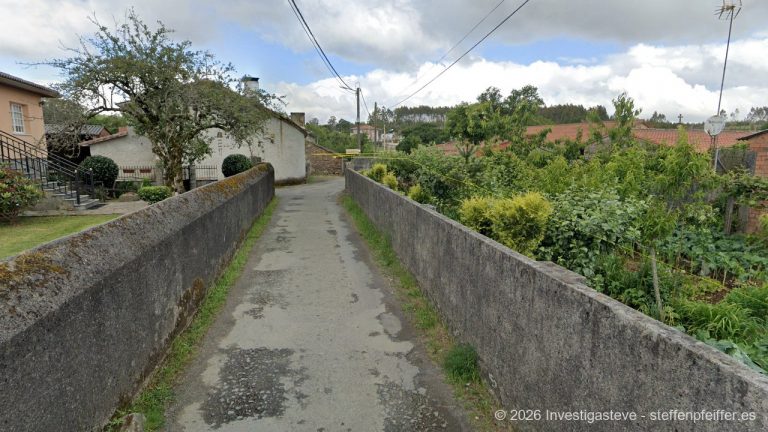
Vilamaior – The Silent Threshold Between Purity and Expectation
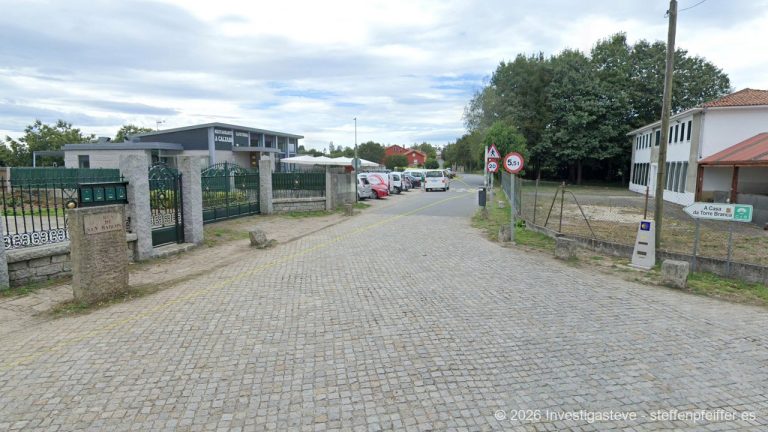
San Marcos – The Gateway to Anticipation and the Last Threshold Place
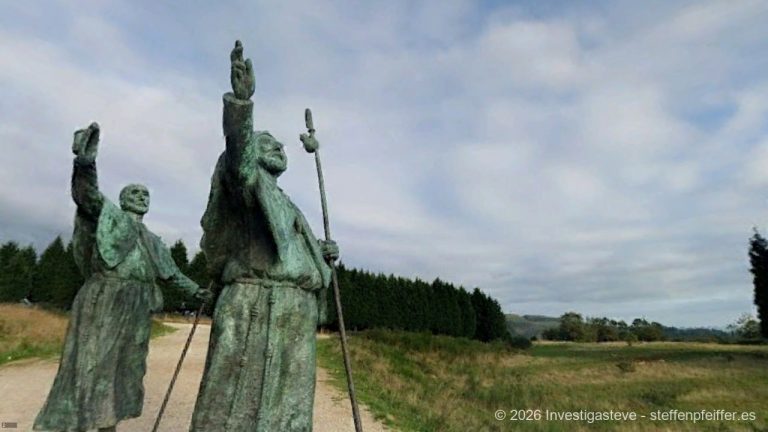
Monte do Gozo – The Hill of Tears and Triumph