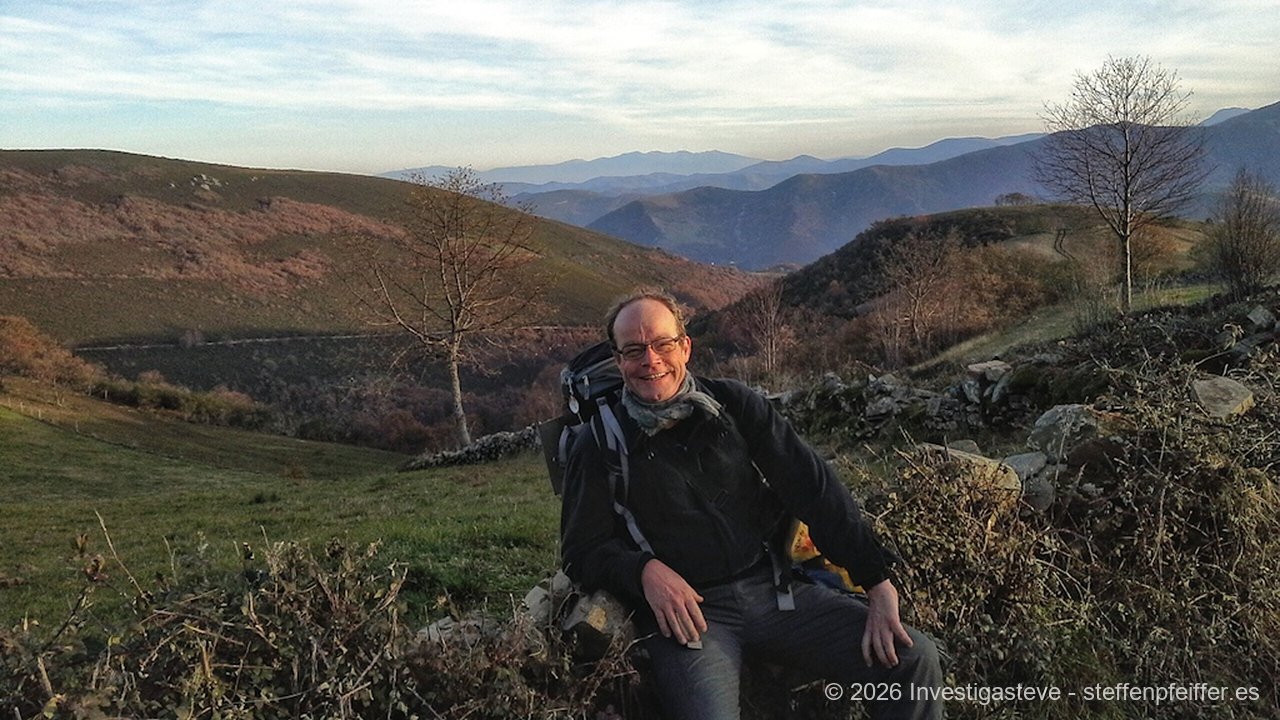
A new stage day – entering the stage
The morning in Villafranca del Bierzo begins with a solemn weight that hangs over the confluence of the rivers Burbia and Valcarce. When you walk through the Rúa del Agua in the early twilight, the echo of your own footsteps on the facades of the noble palaces and bourgeois houses envelops you, telling of the former splendor of this “little Compostela.” Before you finally leave the town, the path leads you past the Iglesia de Santiago. Here lies the Puerta del Perdón, the Gate of Forgiveness. A place of immense historical causality: in the Middle Ages, pilgrims who were too ill or too exhausted to overcome the last wall into Galicia received the same indulgences here as at the tomb of the apostle in Santiago. You feel the cool aura of the Romanesque portal as the mist lies like a delicate veil over the vineyards of the Bierzo. It is a moment of pause before the great test. You smell the damp earth and the aroma of the nearby river, while the coolness of the morning forces you to quicken your pace to bring your body up to operating temperature.
Psychologically, this departure marks the transition from the charming wine landscape into the rugged, relentless mountain world of the Montes de León. The certainty that almost a thousand meters of elevation gain await you today lies like an invisible weight on your shoulders, yet at the same time you feel an electrifying anticipation. The departure from Villafranca is a ritual leaving of the valley’s security. You pass the castle of the Marquises, whose massive walls appear like silent guardians in the half-light. The sounds of the awakening small town – the distant rattling of a shutter, the first starting of an engine – slowly fade, making way for the steady rushing of the Valcarce, which will accompany you for kilometers. You feel the hard asphalt of the bridge beneath your soles and know: behind the next bend begins the long journey up into the clouds, to where Galicia with its Celtic heritage awaits you.
Route and elevation profile
Distance: 28.4 km
Elevation gain: ↑ 980 m / ↓ 110 m
Difficulty: Very Hard. The physical strain results from the combination of considerable distance and the extremely steep final ascent, which occurs after already covering 20 kilometers.
Special features: The march through the narrow valley of the Valcarce, the psychologically demanding passage under the highway bridges, and the relentless path from Las Herrerías up to O Cebreiro.
Today’s stage can be divided into two completely different phases. The first 20 kilometers run at a moderate incline through the valley of the Rio Valcarce. You move on a narrow valley floor, often squeezed between the river and the modern infrastructure of the A-6 highway. The gradient here is so gentle that you easily find a steady rhythm, yet the monotony of the asphalt and the acoustic presence of traffic demand mental discipline. The ground is firm, allowing for brisk progress, but it fatigues the joints. The haptic contrast occurs abruptly behind Las Herrerías: the path leaves the valley and transforms into a narrow, stony trail that climbs the mountain in steep switchbacks.
The elevation profile reveals an almost vertical line here. In the last eight kilometers, over 600 meters of elevation gain must be overcome. The ground changes to coarse slate and granite rock, often rolling loosely underfoot. Especially the section between La Faba and Laguna de Castilla demands everything from the thigh muscles and lungs. Up here, on the bare ridges, you are also exposed to wind and weather without protection. The descent at the end of the stage is negligible, as O Cebreiro lies on a high plateau. It is a stage that requires stamina in the valley and pure will on the mountain – a physical metamorphosis from lowland walker to mountaineer.
Variants and small detours
Shortly after Villafranca del Bierzo, the pilgrim faces a far-reaching decision: the path through the valley (Camino del Valle) or the variant over the mountains to Pradela (Camino de la Montaña). The valley variant follows the Rio Valcarce and is the physically easier choice, as it avoids inclines in the first part. However, it is atmospherically burdened by its proximity to the main road and highway. Those seeking solitude and spectacular panoramic views, however, choose the ascent to Pradela. This variant offers an intense immersion in ancient chestnut forests and allows a view over the entire Bierzo, but demands additional elevation gain and time.
Another nuance offers itself in the valley itself. In many sections, you can choose between the marked footpath directly next to the road and small paths on the opposite side of the river. The latter are often more shaded and offer better haptic contact with the forest floor. Shortly before Las Herrerías, you should also pay attention to the small detours to the old forges that gave the place its name. In the final wall to O Cebreiro, there are no more variants – there, the terrain relentlessly dictates the path. Any decision for a variant in the morning should therefore be made with an eye on the energy reserves for the afternoon, because the “wall” of Galicia forgives no carelessness in energy management.
Description of the path – with all senses
The path out of Villafranca first leads you into the shadow of the highway viaducts. It is a strange feeling, almost surreal, when you as a pilgrim walk in your archaic rhythm beneath the gigantic concrete pillars of modernity. You hear the dull thrumming of tires on the asphalt high above you, an acoustic sign of the speed of a world from which you have long since disconnected. The river Valcarce to your left forms the gentle counterpart; its gurgling over the rounded pebbles is the steady timekeeper of your morning. The air in the valley is often damp and cool; it smells of moss, wet slate, and the sweetish scent of chestnut blossoms still hanging on the trees in the lower elevations. You feel the hard resistance of the asphalt beneath your hiking boots, a material that absorbs no energy and forces you to consciously roll every step.
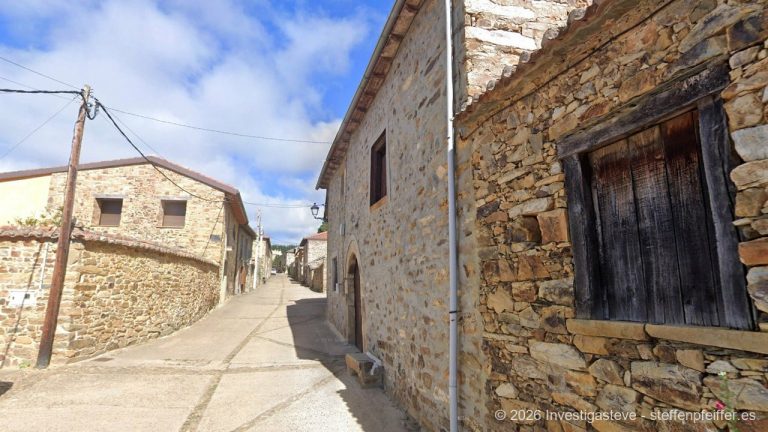
In Trabadelo, the valley widens a little, and the first gardens appear. You smell the scent of freshly dug earth and the aroma of livestock housed in the small stables behind the granite houses. Here, you encounter rural Spain in its most honest form. The historic walls of the houses are covered with lichens, whose rough texture you feel when you briefly reach out your hand as you pass. You pass La Portela de Valcarce, where a toll gate once controlled the path. The historical causality is tangible here: the path was always a bottleneck, a strategic point monitored for centuries by kings, Templars, and customs officers. You hear the distant barking of a dog and the crowing of a rooster, acoustic anchor points in a world that still orients itself by the sun here.
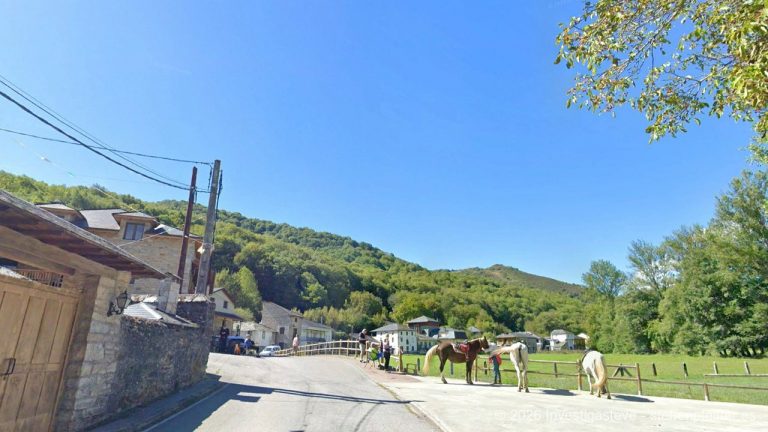
The march through Vega de Valcarce and Ruitelán is characterized by a growing psychological tension. You know that the end of the valley is near. Arriving in Las Herrerías, the atmosphere changes noticeably. The place, named after the medieval iron hammers that once thundered here, seems like a last bastion before the inevitable. You hear the sharp metallic echo of a hammer on stone, perhaps just a repair on a house, yet in your mind it connects with the hard work of the smiths of old. You feel the moisture of the nearby meadows and the cooler wind now blowing down from the peaks. Here, you fill your water bottles one last time at the village fountain; the water is ice-cold, haptically almost painful on the teeth, but it tastes pure and alive.
Behind Las Herrerías, you leave the civilization of the valley. The path turns sharply and plunges you directly into the incline. Suddenly, the ground changes: the asphalt gives way to a rough, uneven path of slate slabs and quartz rock. You hear only your own heavy breathing and the rhythmic clicking of your poles as they search for hold between the stones. Your lungs work hard; the air becomes thinner and purer with every meter. You feel your thighs begin to burn, a haptic proof of the gravity trying to hold you back. The forest of oaks and sweet chestnuts surrounds you like a green cathedral. The light falls only filtered through the dense canopy, drawing dancing shadows on the path. The smell of dry leaves and resin fills the air, an olfactory reward for the effort.
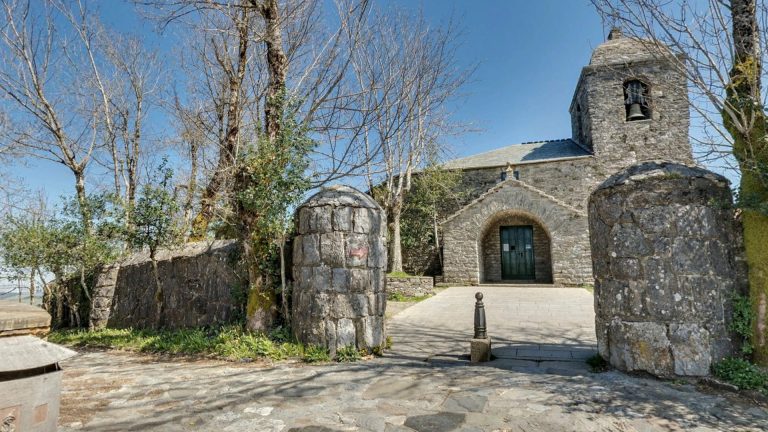
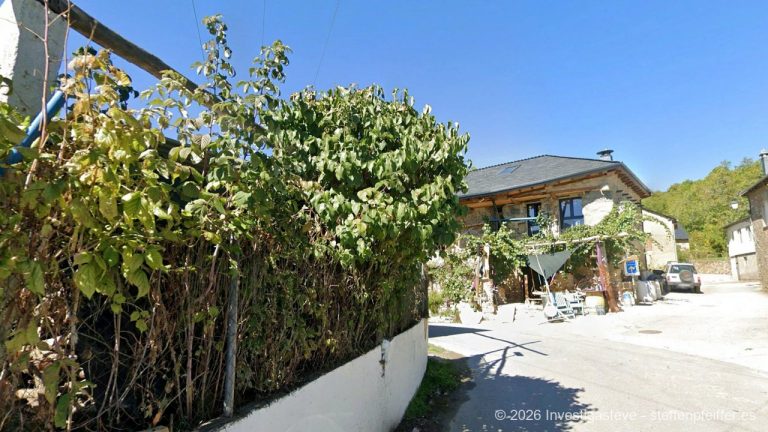
Arriving in La Faba, you grant yourself a moment of rest. The small 16th-century church offers a cool refuge. You feel the rough texture of the wooden pews and smell the scent of old stone and candle wax. Psychologically, this place is an important caesura; you have completed half of the ascent. Outside, the view widens back into the valley of the Valcarce, now lying deep below you. The highway looks from up here like a tiny, silent ribbon of grey plastic. The visual expanse inspires your mind, while the body longs for recovery. You feel the wind, blowing stronger up here, drying the sweat on your forehead, a haptic sign of the altitude gained.
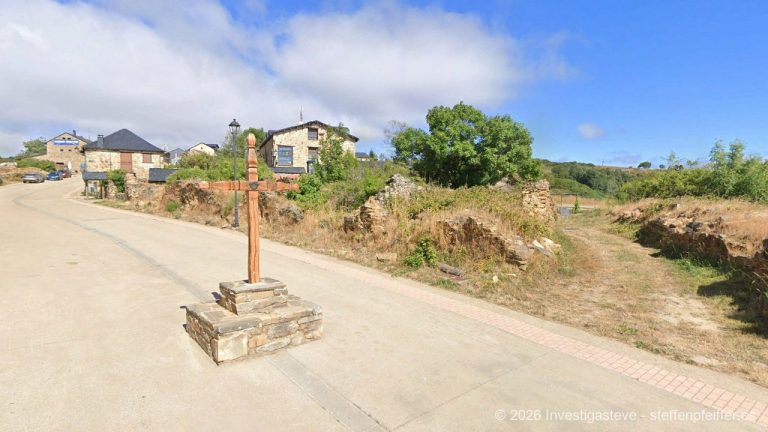
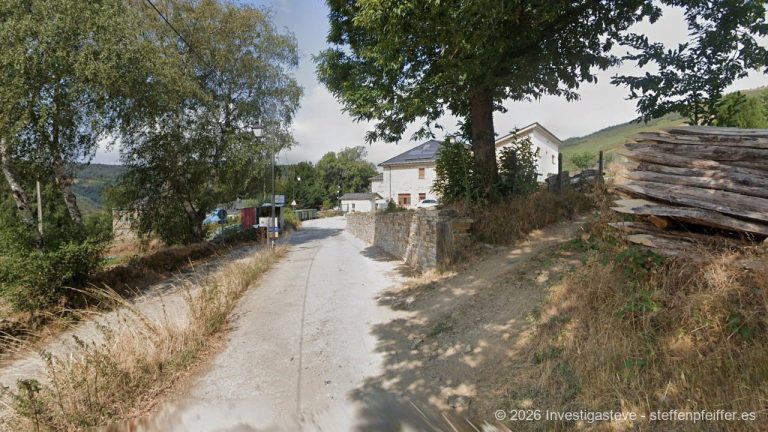
The path from La Faba to Laguna de Castilla leads you above the tree line. The vegetation becomes sparser; broom and heather now dominate the landscape. You hear the whistling of the wind in the low shrubs, a lonely, melancholic sound. The ground here is often dusty, finely ground slate that settles like powder on your clothes. Laguna de Castilla is the last hamlet in Castile and León. You pass the stone houses clinging tightly to the slope and smell the aroma of Galician stew wafting from the open doors. Up here, the air is different – it tastes salty, of the distant ocean you cannot yet see, but whose proximity you already sense. The historical causality becomes clear here in the borders: you stand on the threshold of Galicia, the land of mist and legends.
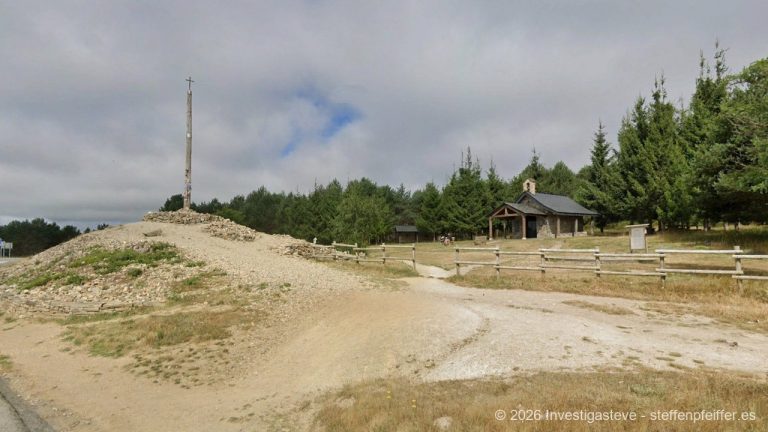
Then you reach the boundary stone. A massive block of granite with the inscription “Galicia.” You stop, run your fingers over the engraved letters. It is a haptic triumph. You have conquered the wall. The path now leads at almost the same altitude the last meters to O Cebreiro. You hear the distant, irregular tinkling of cowbells, which in Galicia has a very own, wistful sound. The mist often begins here to envelop you. It settles like a fine drizzle on your skin, cools the heated limbs, and muffles all sounds. Visibility shrinks to a few meters, radically changing the psychology of the path; you are thrown entirely back on yourself and the next yellow arrow.
Arriving in O Cebreiro, you enter a different world. You hear the deep rumble of the surf… no, it is the wind sweeping over the stone roofs and sounding like the sea. The Pallozas, these round stone houses with their mighty thatched roofs, seem to have fallen out of time. You feel the coarse granite of the church of Santa María la Real beneath your hands. The building is low and squat, built to withstand the storms. Inside, it is dark; only a few candles illuminate the Grail miracle. You smell the scent of damp stone, old wood, and incense. The silence inside is haptically tangible, a sharp contrast to the raging elements outside. You sit in the crypt, feel the coolness of the floor through your shoes, and grasp the historical causality of this place as a center of Christendom and a refuge for millions of souls.
Outside in the village, the smell of burning oak wood mixes with the aroma of “Queimada,” the traditional Galician magic drink of spirits and herbs. You hear the laughter of the pilgrims who also made it, a polyphonic chorus of relief. The cobblestones of O Cebreiro are uneven and challenge your tired ankles one last time. The visual power of the Pallozas immersed in mist creates an atmosphere somewhere between fairy tale and archaic reality. You feel the fatigue in your bones, but it is overlaid by a feeling of sublimity. You have left the hardest ascent of the Way behind you. You are in Galicia.
When you finally check into your accommodation, the first thing you feel is the pleasant warmth of a solid room. The haptic contrast to the rough mountain world outside is overwhelming. You hear the distant howling of the wind against the shutters, a sound that reminds you of your own fragility and strength. Psychologically, you have grown today; the wall into Galicia has honed you. You smell the scent of fresh bread and Galician cheese (Queso de Cebreiro), which tastes creamy and tangy at the same time. The reflection of the day is characterized by the realization that the goal of Santiago is no longer a distant idea, but a tangible reality. O Cebreiro is the gate, and you have earned the key through your own effort.
The night in O Cebreiro is often filled with dreams in which the wind and the legends of the Grail play the main role. You lie under the heavy woolen blanket, feel the peace settling into your muscles, and hear the distant striking of the church bell counting the hours in infinity. The smell of damp slate seeps through the cracks in the walls, an olfactory memento of the land you conquered today. You know that tomorrow’s descent to Triacastela will also be demanding, but the strength you gained today at Poio and on the wall will carry you. O Cebreiro has received you, and with you the history of millions of pilgrims who shed the same sweat to see the same light on the horizon.
Dining, accommodation & supplies
The supply situation on this stage can be described as good up to kilometer 20 in Las Herrerías, but afterwards requires iron discipline. In Trabadelo and Vega de Valcarce, there are numerous bars and small grocery stores, ideal for a final boost in the valley. It is strongly recommended to take an extended break in Las Herrerías to fill the glycogen stores for the final ascent. After that, only La Faba and Laguna de Castilla offer rudimentary provisions. Water is particularly critical in the last section, as the physical exertion massively increases fluid requirements and there are no public fountains between the steep mountain villages.
O Cebreiro itself, as a significant pilgrim site, offers a variety of accommodations, but due to its popularity and the small size of the village, they are often booked up early. The historic public hostel is a place with a special flair but requires an early arrival. Private accommodations and small hotels like the Venta Celta offer higher comfort, often felt as a blessing after the day’s exertion. Culinary-wise, you should focus on regional specialties in O Cebreiro: Caldo Gallego (Galician stew) and the famous fresh cheese with honey are the ideal recovery meals for exhausted pilgrims.
Gastronomy: In Las Herrerías, the restaurant El Rebollar offers excellent last refreshment. In O Cebreiro, the Venta Celta is a culinary anchor point for traditional Galician cuisine.
Accommodation: The Albergue de Peregrinos de O Cebreiro is the historic base. For higher demands, Hotel O Cebreiro offers rooms with authentic charm.
Public facilities: In O Cebreiro, there is a small tourist office and a post office, but no ATM; the next one is only found again in Triacastela on the next stage.
The special thing today
The outstanding feature of this day is without a doubt the miracle of the Holy Grail in the church of Santa María la Real. The legend tells of a farmer from the village of Barxamaior who, despite a heavy snowstorm, undertook the arduous ascent to mass. The priest mocked him for his trouble for “a little bread and wine.” At the moment of consecration, however, the bread and wine turned into real flesh and blood. This relic is still preserved in O Cebreiro to this day and is the reason for the immense spiritual significance of the place. It lends the stage a mystical dimension that goes far beyond sporty hiking; you reach not only a geographical point, but a place of faith and miracles.
Another special element is the legacy of Elías Valiña Sampedro, the long-time parish priest of O Cebreiro. In the 1970s and 80s, he was the one who revived the almost forgotten Camino. He was the inventor of the yellow arrows, which he originally painted with leftover paint from roadworks. His grave is located in the village church. As a pilgrim, you feel here the historical causality of modern pilgrimage: without the vision of this man, you might not be walking on these paths today. O Cebreiro is thus not only the gateway to Galicia, but also the heart of the Camino’s rebirth.
Finally, the architecture of the Pallozas deserves mention. These round or oval stone houses with their extremely thick thatched roofs are perfectly adapted to the climatic conditions of the high mountains. They served for millennia as shelter for both people and livestock, with the body heat of the animals heating the living spaces. In O Cebreiro, you can visit some of these structures, which now serve as a museum. They convey a haptic and visual impression of the harshness of life in the Galician mountains and are a symbol of the constancy of Celtic culture, which has endured longer here than anywhere else on the Iberian Peninsula.
Reflection at the end of the stage
When you sit on the stone walls of O Cebreiro in the evening and watch the mist swirl between the Pallozas, a deep melancholy sets in, paired with infinite pride. The 28.4 kilometers were a journey through the physical pain threshold and spiritual elevation. The reflection of today’s day shows you that humans are capable of far more than they think in their sheltered daily lives. The “wall into Galicia” was not just a topographical hurdle, but a mirror of your own determination. In the haptic experience of the steep path and the cool mountain air, you have found a clarity that the valley could not offer you.
You realize that O Cebreiro is more than just a place to sleep; it is a place of transformation. You set out in the Bierzo in the morning and arrived in the evening in a different country, in a different culture, and in a different state. The historical causality of your path has led you to this point where legends become tangible. You feel that Galicia now welcomes you with open arms, ready to accompany you on the last stages to Santiago. In the silence of the night, when the distant howling of the wind is the only music, you know: you have touched the heart of the Way.
Camino of the Stars
This stage lies on the Camino Francés, on the stage from Villafranca del Bierzo to O Cebreiro. The sequence of places is:
| Stage | Start | Destination | Distance (km) | Elevation gain | Difficulty | Intermediate places |
|---|---|---|---|---|---|---|
| 25 | Villafranca del Bierzo | O Cebreiro | 28.4 | ↑ 980 / ↓ 110 | very hard | Trabadelo → Vega de Valcarce → Ruitelán → Las Herrerías → La Faba → La Laguna |
Did you feel the moment when the mist opened and O Cebreiro welcomed you? Did the “Yellow Arrow” of Elías Valiña show you the way through the wall into Galicia? Share your story of the Holy Grail of the Camino with us – your words are the stars on the path of those who are still searching for the Grail today.
About the Author

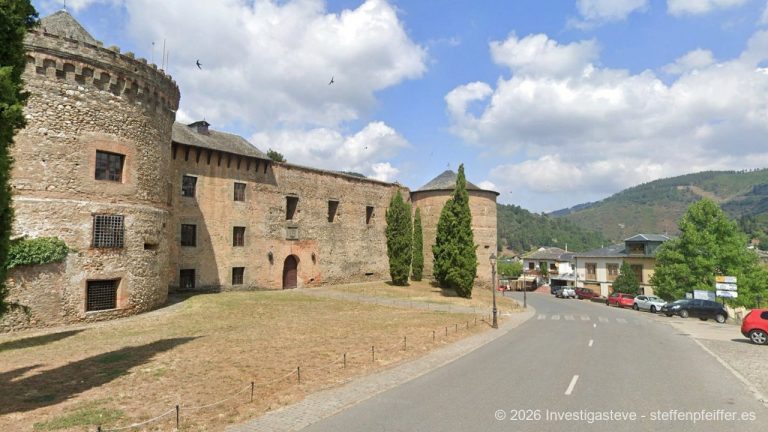
Villafranca del Bierzo – The Gate of Mercy in the Heart of the Vineyard
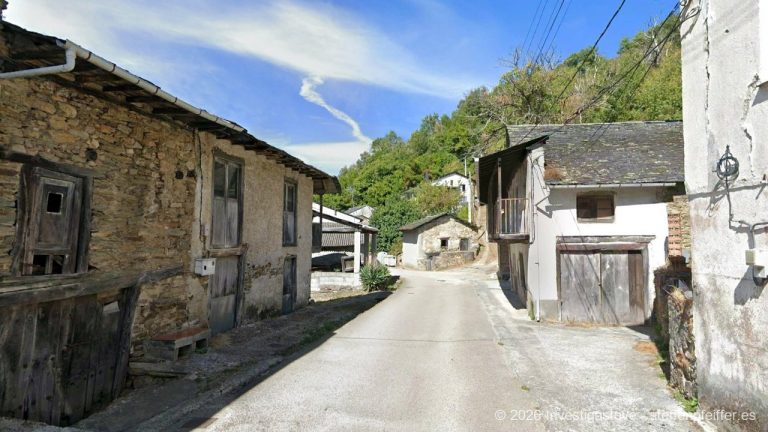
Pereje – Where the Whisper of the Stones Breathes the Spirit of the Border
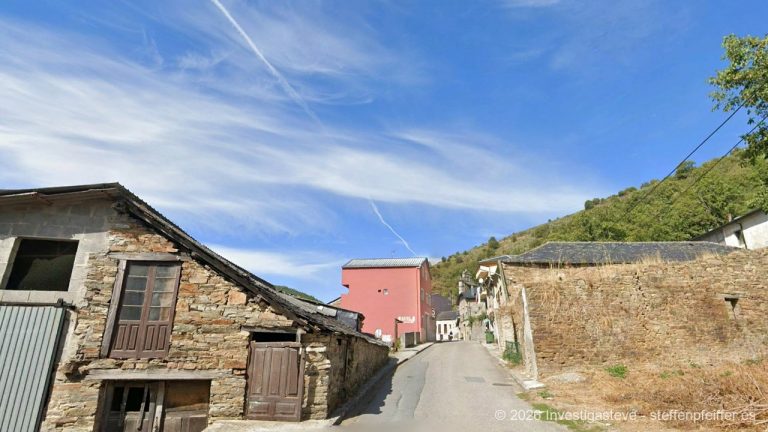
Trabadelo – The Green Portal of the Chestnut Forests
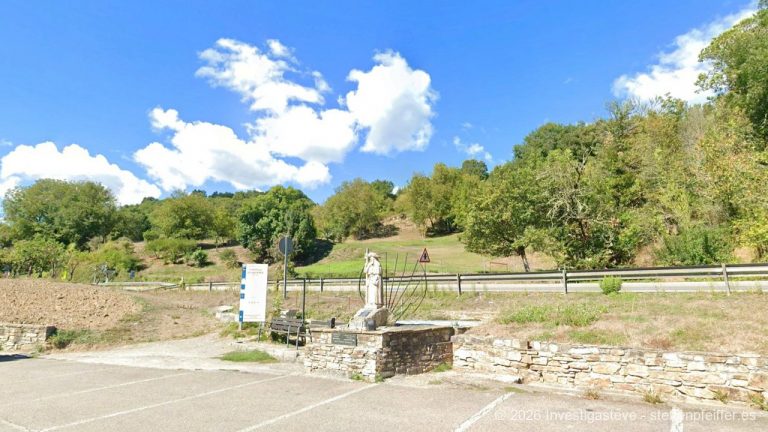
La Portela de Valcarce – The Little Gate to the Galician Mountains
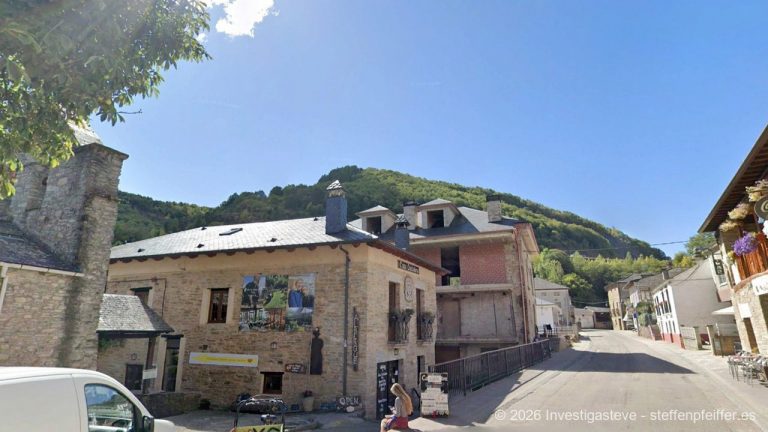
Ambasmestas – Where the Waters Whisper and the Mountain Calls the Pilgrim
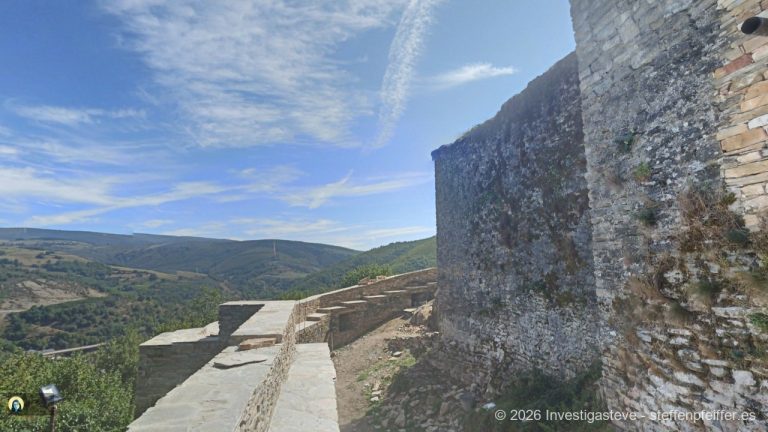
Vega de Valcarce – The Green Vestibule to the Galician Heavenly Kingdom
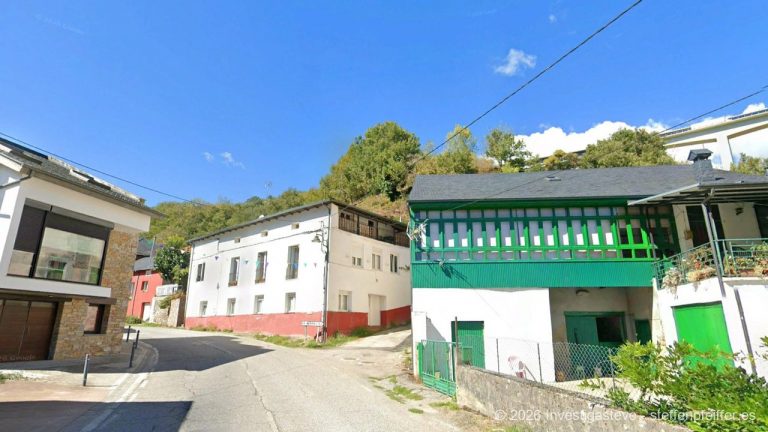
Ruitelán – The Green Cathedral of Silence at the Foot of the Legend
Las Herrerías – The Village of Iron Forges at the Foot of the Giant
La Faba – The Stone Guardian at the Gate to Galicia
La Laguna – The Village of Two Lies at the Threshold of Galicia