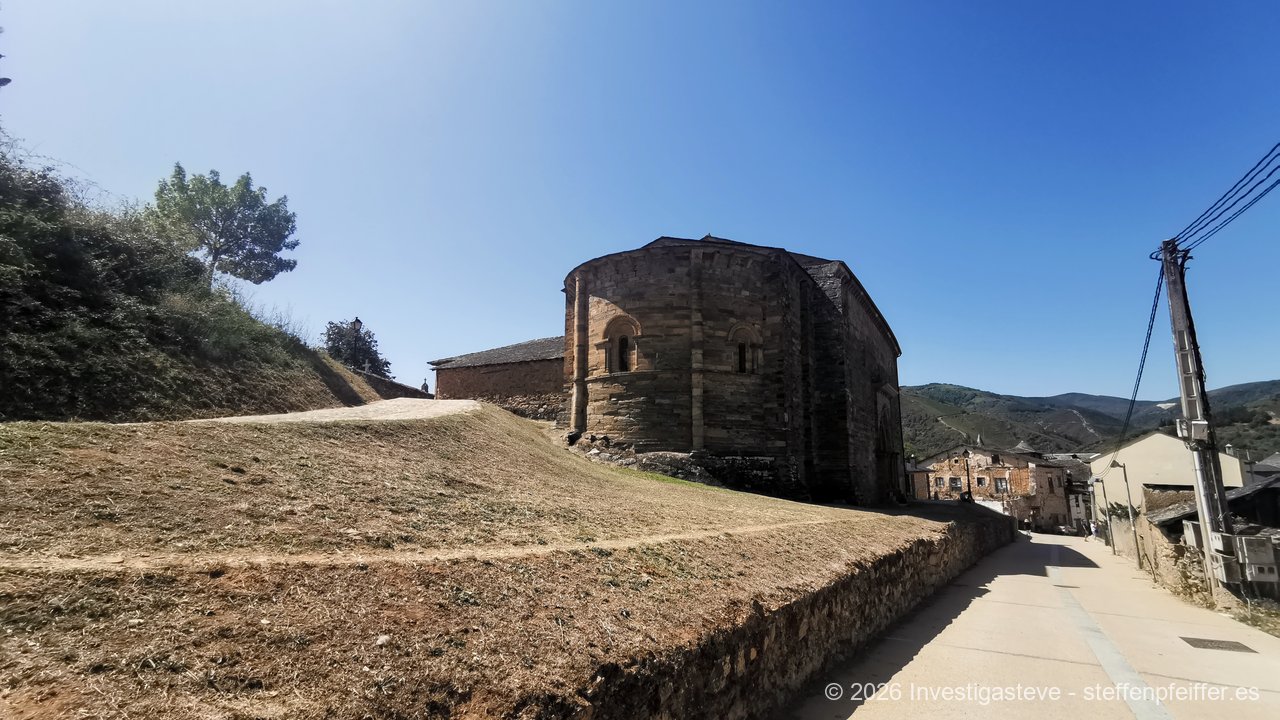
A new stage day – entering the stage
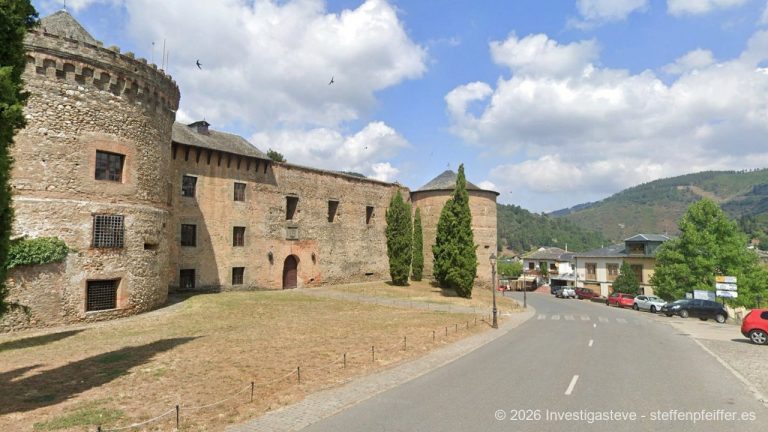
When morning breaks over Ponferrada, a cool, almost metallic stillness often lies over the mighty Templar castle, whose massive walls stand like silent guardians over the departure of the pilgrims. Today marks a profound change in the landscape dramaturgy of the Camino: we finally leave the rugged mountain ranges and the barren Meseta behind and immerse ourselves in the “Garden of Eden” of Spain, the fertile and gentle Bierzo. It is a moment of relief, in which the lungs inhale the first damp, mild air that already hints at the distant ocean and the green hills of Galicia. Today, the path leads us not against the elements, but with them, through a landscape characterized by an almost maternal gentleness.
This Stage 24 is an invitation to enjoyment and inner contemplation on light steps. As the sun slowly rises over the mountains of León and the shadows of the battlements of Ponferrada grow longer, the pilgrim feels a new lightness in their limbs. The mind prepares for a hike characterized less by physical hardship than by sensory abundance. We move through endless vineyards and orchards, a green sea that leads us directly into the spiritual surrogate center of the Camino – a stage that, like few others, embodies the reward for the previous hardships.
Route and elevation profile
Distance: 24.1 km
Elevation gain: ↑ 240 m / ↓ 270 m
Difficulty: Easy. A true “rest stage” after the demanding ascents of recent days.
Special features: Predominantly flat or gently undulating paths through vineyards; asphalt in the suburbs at the beginning, later picturesque paths.
The topographic nature of today’s path presents itself as a gentle wave play that spares the body and almost dictates the rhythm of steps by itself. After the industrial suburbs of Ponferrada are traversed, the terrain opens up into a wide, fertile plain, framed protectively by the surrounding mountains. The elevation profile shows no significant peaks; the moderate 240 meters of ascent are distributed so subtly over the 24 kilometers that they are barely perceived as an incline, but rather as a rhythmic swaying of the landscape.
Particularly noteworthy is the ground, which in the second third of the stage changes from hard asphalt to softer vineyard paths. This offers the strained soles of the feet the urgently needed cooling and relief. There are hardly any mental tests today; rather, it is an exercise in mindful walking and enjoying. The path along the country roads to Cacabelos is secured by wide sidewalks, allowing the pilgrim to concentrate fully on the visual: the play of colors of the leaves and the ripening of the fruits.
Variants and small detours
Although the main route leads through the heart of the Bierzo, the stage offers small nuances in the route that can be chosen according to personal preference. The classic route leads through the centers of Columbrianos and Fuentesnuevas, where you experience the close interlocking of industrial history and rural awakening up close. Those seeking total silence can try to leave the asphalt strips early in some places, but the Bierzo is a cultural landscape where the paths are often functionally linked to the vineyards.
Behind Camponaraya, the actual “garden variant” begins. Although there are no official detours here, the paths meander so playfully through the vines that you almost feel like you are leaving the direct path. Arriving in Cacabelos, the town itself is the goal of small explorations; the main street with its bodegas invites you to briefly interrupt the spiritual path for an oenological discovery. Every small detour into the side alleys reveals the deep rootedness of the region with the Mencía wine.
Description of the path – with all senses
The departure from Ponferrada initially feels functional and sober. You leave the mighty stones of the Templar castle behind and walk through the suburbs of Columbrianos and Fuentesnuevas. Here, the ground is hard, and the asphalt only slowly releases the coolness of the night. You hear the distant roar of the city, mixing with the rhythmic beat of your own hiking poles. It is a phase of transition, in which the industrial past of the region is still present in the form of old chimneys and factory halls, while the first fruit trees in the front gardens already announce the fertility of the Bierzo.
As soon as you leave Camponaraya behind, a small climatic sensation occurs: the microclimate of the Bierzo takes over. The air becomes softer, almost velvety, and carries the first sweet, sticky scent of overripe cherries to us, glistening in the sun by the wayside. The eye calms in the endless green of the vines. It is the psychological moment when the tension of the mountains of León finally falls away. You are no longer fleeing from the heat or the cold of the heights; you have arrived in a zone of peace.
In Cacabelos, we cross the Rio Cúa, whose water creates a soft, soothing murmur under the stone bridge. The town is the pulsating heart of viticulture, and you can feel it with every breath. A sour-pungent smell of fermenting grape must wafts up from the deep cellars of the bodegas, an olfactory testimony to the work that has been done here for generations. The main street is lined with buildings that look like storage for liquid gold; everywhere, the famous Mencía wine matures, the red symbol of this fertile earth.
Behind Cacabelos, the undoubtedly most beautiful part of the day begins. The path to Pieros leads us right through the vineyards, away from the asphalt, towards a softer feeling of the earth beneath our soles. In spring, you are enveloped here by a white cloud of cherry blossoms, while autumn bathes the vines in a triumphant gold and red. It is a haptic joy how the ground yields here, how it cushions the steps and invites the pilgrim to slow down in order to literally taste the heavy sweetness of the air.
The ascent to Pieros is hardly worth mentioning, but the view you reap from up there is majestic. You see Villafranca del Bierzo lying before you, like a stone jewel nestled at the confluence of the Burbia and the Valcarce. The town looks from a distance like a place from another time, surrounded by rugged slopes that act like a natural amphitheater. In this moment of visual discovery, anticipation mixes with a deep gratitude for the gentleness of the day.
During the descent to Villafranca, the acoustics change again. The distant ringing of the many monasteries’ bells breaks in the narrow valley and accompanies the entry into the town. You do not simply enter Villafranca; you glide into an atmosphere dominated by noble palaces and monastic silence. The scent of fresh laurel and damp stone in the narrow alleys signals to the pilgrim that they have now entered the realm of the “gift of grace.”
In the Calle del Agua, the haptic immersion reaches its peak. You run your hand over the cool smoothness of the massive bronze fittings on the gates of the coat-of-arms houses. The stone beneath your feet here is centuries old, polished by millions of feet seeking solace and shelter here. It is a place of pause, where the wealth of the wine trade and the power of the church seem to breathe in every stone of the wall.
Finally, you reach the church of Santiago at the entrance to the town. Here, before the Puerta del Perdón, the path becomes eternity for a moment. You feel the cool aura of the Romanesque stone and recognize the psychological significance of this “Plan B” of God. Villafranca offers solace, a spiritual embrace, before tomorrow the final “wall” to Galicia must be climbed. It is the humility before what has been achieved that makes this section of the path so precious.
Intermediate places & special features
Cacabelos marks the cultural turning point of the stage. Here, it becomes clear that wine is not just an agricultural product, but the lifeblood of an entire region. Whoever crosses the bridge over the Rio Cúa should pause briefly and observe the water, which here forms the lifeline for the surrounding gardens. The town is a place of rest that invites you to shed haste and adapt to the rhythm of the Bierzo.
Villafranca del Bierzo is far more than just a stage destination; it is a “little Santiago” with a unique papal privilege. The architectural elegance of the Calle del Agua testifies to the immense wealth that the Camino brought to this remote corner over the centuries. The mighty monastery of San Nicolás el Real dominates the skyline and recalls the former power of the Jesuits in this religious center.
Packing and shopping tips
Shopping: In Cacabelos, there are numerous small delicatessen shops for wine and cherries. Villafranca offers full-fledged supermarkets and specialized pilgrim shops.
Supply situation: Excellent due to many bars and water points in the intermediate towns.
Packing recommendations: Sufficient sun protection for the exposed vineyard paths and a water bottle that can be exchanged for grape juice in the bodegas.
Today, an apple or a handful of cherries from Pieros carries you further than any energy bar. The region is so rich in natural gifts that you hardly need to burden your backpack with heavy supplies. It is enough to let yourself drift and enjoy the products of the earth directly by the wayside.
The sensory saturation through the scent of the fruits often replaces the need for a large meal while walking. You should only make sure to keep a small bag ready for purchases in Cacabelos to crown the evening in Villafranca with regional delicacies. Remember that after Villafranca, supplies become sparser on the ascent into Galicia.
Enjoyment is in the foreground today, but preparation for tomorrow should not be forgotten. A light rain jacket belongs in the luggage, as the weather often changes when crossing the border into Galicia. But for today: less is more; the lightness of the Bierzo is your best companion.
Dining, accommodation & supplies
The gastronomic landscape of this stage is a feast for the senses, with the Mencía wine as the liquid symbol at its center. In Cacabelos, the bodegas invite you to experience the tart note of the fermenting must directly at the source. The culinary offering ranges from simple pilgrim menus to upscale gastronomy in the Parador of Villafranca, where the quality of the ingredients is always outstanding due to the proximity to the gardens of the Bierzo.
Regarding accommodation, the pilgrim has the choice between legendary places and modern comfort. The Albergue Ave Fénix in Villafranca is known far beyond the borders of the region and symbolizes with its history the rebirth of the Camino. Those seeking Level 5 comfort will find chivalric elegance in the Parador, which perfectly matches the stately ambiance of the town.
Public facilities such as pharmacies and banks are plentiful in Ponferrada, Cacabelos, and Villafranca. The mood in the hostels today is often particularly relaxed, as the stage is considered the “garden of rest” before the last great ascent. It is a place of solace and community before the solitude of the Galician mountains calls.
The special thing today
The outstanding feature of this stage is the privilege of the Puerta del Perdón in Villafranca del Bierzo. It is a testament to deep papal compassion: those who, due to illness, cannot make it over the mountains to Santiago receive the same indulgence here. This spiritual “gift of grace” makes Villafranca a psychological anchor point where the sincerity of the path is placed above the physical place.
Another highlight is the visual and olfactory dominance of viticulture. The Mencía wine is not just a drink, but a cultural heritage that has shaped the architecture and the lives of the people here for centuries. The vineyards around Pieros offer a backdrop so perfect that it almost appears like a staging for the pilgrim.
Finally, the Calle del Agua in Villafranca is an architectural jewel that reflects the immense historical wealth of the region. Strolling between the noble palaces conveys a feeling of chivalric elegance that stands in stark contrast to the simplicity of the preceding Meseta stages. It is the moment when the pilgrim realizes that the Camino is also a path of beauty and prosperity.
Reflection at the end of the stage
When you stand in the evening in Villafranca del Bierzo beneath the mighty walls of San Nicolás el Real, humility mixes with a quiet joy. You have traversed the green heart of the Bierzo and learned that grace is often found where you least expect it – in a substitute gate or a glass of wine. The reflection of the day teaches us that the goal does not always have to be the distant place of Santiago, but that every step in the “Garden of Spain” is already an arrival in itself.
You look back on the vineyards and orchards and feel how the body has gathered solace and new strength. The “wall” to Galicia may be high tomorrow, but tonight the silence of the noble palaces rocks us into the certainty that we are ready. Villafranca is God’s Plan B, reminding us that the path itself is the holiest destination.
Camino of the Stars
This stage lies on the Camino Francés, on the stage from Ponferrada to Villafranca del Bierzo. The sequence of places is:
| Stage | Start | Destination | Distance (km) | Elevation gain | Difficulty | Intermediate places |
|---|---|---|---|---|---|---|
| 24 | Ponferrada | Villafranca del Bierzo | 24.1 | +240/-270 | easy | Columbrianos → Fuentesnuevas → Camponaraya → Cacabelos → Pieros |
Did you feel the “grace of substitution” in Villafranca, or did you set out towards Galicia with new courage? Which wine from Cacabelos warmed your soul on this stage? Share your moment in the garden of the Bierzo with us.
About the Author

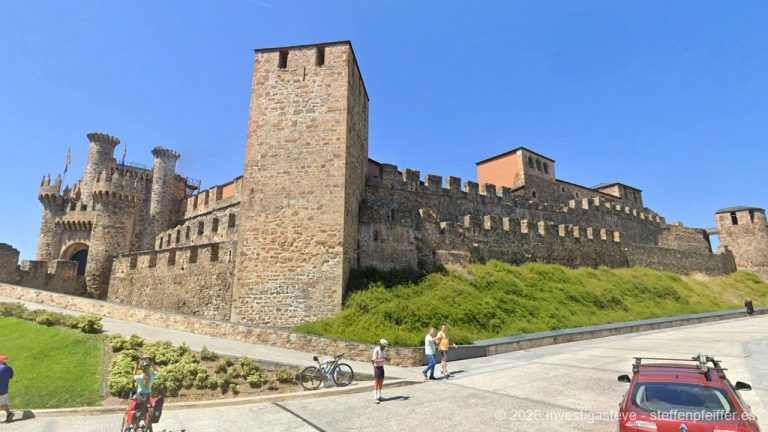
Ponferrada – The Iron Bridge under the Protection of the Knights Templar
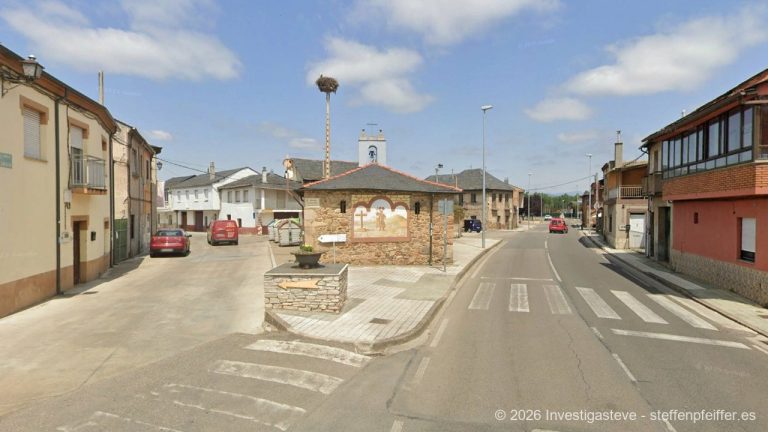
Columbrianos – The Fertile Gateway to the Garden of the Bierzo
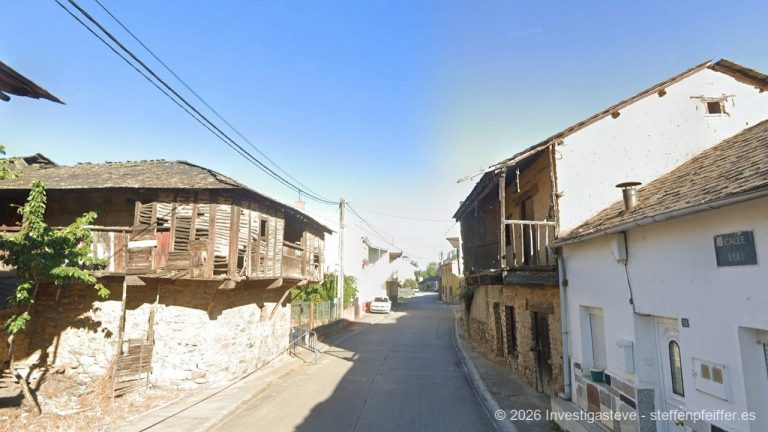
Fuentesnuevas – The Fertile Threshold between Templar Splendor and Sea of Wine
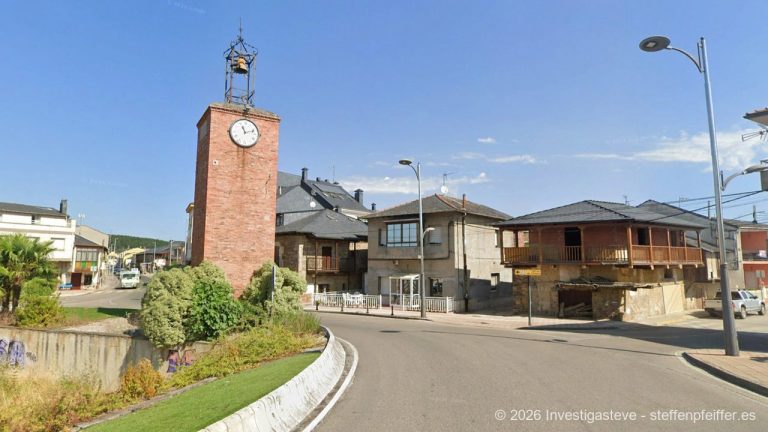
Camponaraya – Where Wine Kisses Silence and History Beats the Rhythm
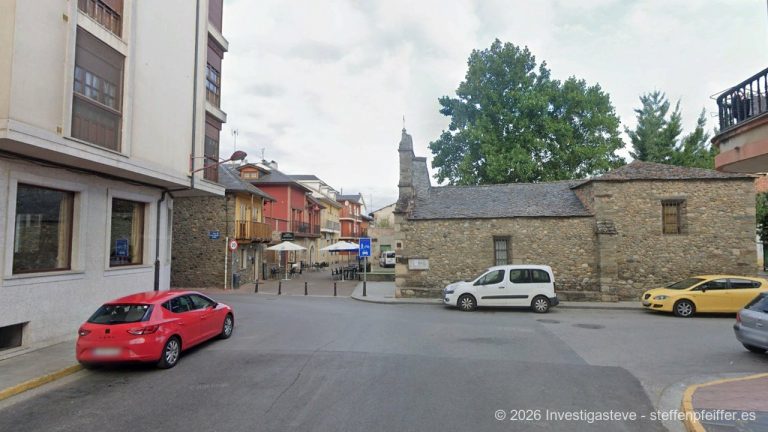
Cacabelos – The Pulsating Heart of the Bierzo on the Banks of the Cúa
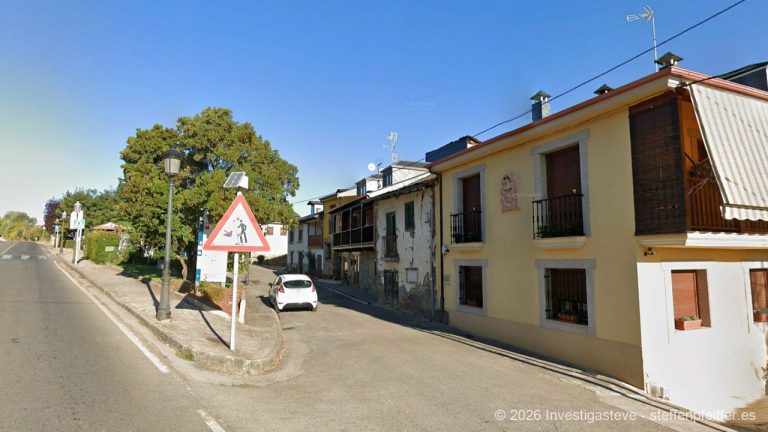
Pieros – The Stone Rest in the Sea of Vines