A new stage day – entering the stage
The morning in Rabanal del Camino begins with an acoustic signature that cuts deep into the soul and grounds the pilgrim in a way that only a few places on the Camino can. While the world outside is still bathed in a deep, pre-alpine blue and the mist hangs like a protective veil over the granite houses of the Maragatería, the Gregorian chants of the Benedictines from the chapel echo through the quiet alleys. It is a moment of absolute caesura. When you step into the cool, clear morning air, you feel the haptic presence of the mountains: the air is thinner, sharper, and carries the pungent scent of thyme, damp stone, and the first smoke of the chimneys. You leave the security of the last village before the great pass and mentally prepare for the ascent to the roof of the Camino Francés. The steps on the uneven cobblestones of Rabanal seem heavier in the morning silence, almost ritualistic, while the gaze inevitably wanders upward to the peaks of the Montes de León.
Psychologically, this departure marks the end of a long phase of preparation. The Meseta lies far behind us, and the mountains of León now demand the full attention of mind and body. It is the stage of emotional release. Many pilgrims have carried a physical stone in their backpack since Saint-Jean-Pied-de-Port or Astorga – a symbol of a burden, a promise, or a farewell – which will find its purpose today at the iron cross. This anticipation, coupled with the physical exertion of the upcoming ascent to Foncebadón, creates an electrifying atmosphere in the pilgrim stream. You feel the slight trembling of muscles in the cold and the rhythmic breathing in sync with your companions on the path. It is a ritual stepping out of the civilization of the plain into the archaic wilderness of the highlands, where the history of the Templars and the myths of antiquity seem to breathe in every boulder.
Route and elevation profile
Distance: 32.5 km
Elevation gain: ↑ 480 m / ↓ 950 m
Difficulty: Hard. The combination of considerable distance and the technically demanding, steep descent of almost a thousand meters challenges knees and concentration to the utmost.
Special features: Crossing the pass at the Cruz de Ferro (1,504 m), passage through the ghost village of Manjarín, and the brutal descent to El Acebo on loose slate rock.
The elevation profile of this stage resembles a dramatic parabola. From Rabanal del Camino, the path rises steadily and relentlessly, leading through barren heathland and past the ruins of times gone by, until it reaches its culmination point at the Cruz de Ferro. Up here, on the roof of the Way, the horizon expands, but the physical relief lasts only a short time. After an exposed ridge walk that leaves the pilgrim defenseless against the elements, the dreaded descent into the Bierzo valley begins. It is not a gentle glide down, but a technical feat on unstable ground.
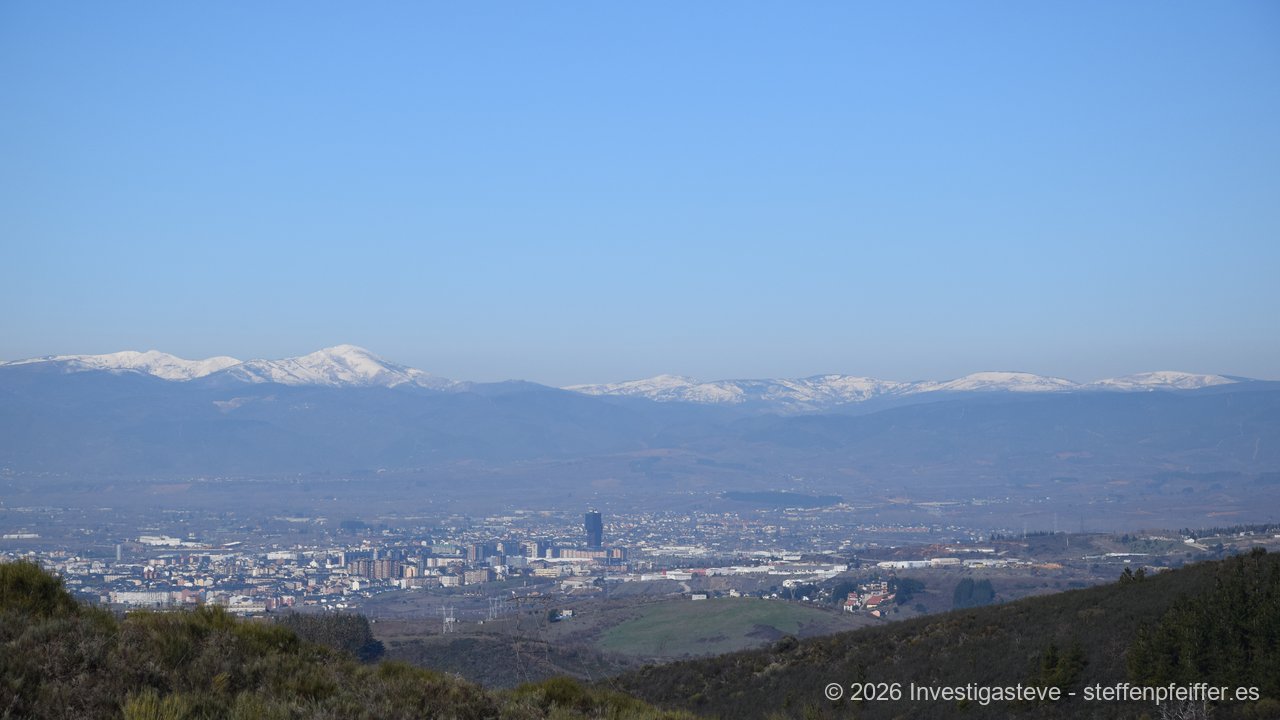
The ground changes from firm mountain paths to loose slate and coarse scree, especially in the section between Manjarín and Riego de Ambrós. This requires constant muscular stabilization, which becomes a mental test, especially after already covering 20 kilometers. The psychological turning point is Molinaseca, where the terrain finally flattens out and the rushing of the Meruelo river releases the pilgrim into the milder climate zone of the Bierzo. The final section to Ponferrada is largely flat but stretches through monotone suburban architecture, while the silhouette of the Templar castle rises on the horizon as a motivating focal point.
Variants and small detours
On this stage, there are hardly any official detours that would change the fundamental course, as the geography of the Montes de León dictates the path through the valleys and over the ridges. Nevertheless, there are small nuances in the route for the mindful pilgrim. Shortly after Foncebadón, there is a choice between the direct path along the road and narrower, more wind-sheltered paths through the heath. Those seeking silence should opt for the paths away from the asphalt, as the haptic experience of the soft ground and the intense scent of broom are far more intense there.
A significant, albeit unofficial, “variant” is the longer stay in Molinaseca. Some pilgrims decide to end the stage there to let the brutal descent sink into their bones and enjoy the medieval atmosphere on the riverbank, rather than forcing the last kilometers into the city of Ponferrada. In Manjarín itself, the small “detour” into the spiritual world of the “last Templar” residing there is worthwhile. It is less a geographical detour than a temporal one, allowing you to absorb the historical causality of the place through the ringing of bells and the fluttering flags of all nations before dedicating yourself again to the steep path to El Acebo.
Description of the path – with all senses
The departure from Rabanal first leads you over gentle ramps, while the sun slowly bathes the peaks of the Montes de León in a pale gold. You feel the resistance of the ground; it is a mixture of compacted earth and the first slate slabs that crunch under your steps. The smell of damp fern and the ethereal aroma of lavender and thyme fills the air. With every meter of altitude gained, the wind becomes stronger and cooler, tugging at your clothes and reminding you of the ruggedness of this high mountain landscape. Psychologically, this ascent is a phase of inner gathering. You hear only the steady breathing of your fellow pilgrims and the distant ringing of church bells from the valley, which sounds like a fading echo of civilization.
Arriving in Foncebadón, you enter a place of melancholy. The half-ruined stone walls of the village look like skeletons of a long-gone era. The smell of damp stone and old wood hangs in the air. You run your hand over the rough granite blocks of the ruins and feel the harshness of life that once prevailed up here. Up here, the silence is different – it is not empty, but saturated with the history of those who have sought shelter from snowstorms here since the Middle Ages. You feel the historical causality in every joint of the masonry, a testament to human perseverance against the force of nature.
The path to the Cruz de Ferro is a crescendo of emotions. Suddenly, it appears before you: a simple wooden pole, crowned by a small iron cross, on a huge mountain of stones. Here, the acoustic moment of immersion reaches a climax – not through noise, but through the inaudible prayers of thousands and tens of thousands who have already passed this point. You hear the soft clattering of stones as pilgrims throw their burdens onto the pile. You feel the weight of the stone in your own pocket, which now seems haptically heavier, shortly before you let it go. The smell of fresh mountain air and the fluttering of countless prayer flags and photos create an atmosphere so dense it could almost be cut. Psychologically, this is the point of catharsis. When you lay down your stone, you feel a physical relief in your shoulders, a symbolic liberation from the baggage of your life.
Behind the cross, the path leads over the ridge to Manjarín. You move on the roof of the world. The wind whistles unhindered over the plateau, and the view of the distant, snow-capped peaks of the Ancares is of a visual force that takes your breath away. You hear the rhythmic ringing of a bell – it is Tomás, the last Templar, announcing the arrival of every pilgrim. In Manjarín, it smells of herbal tea and old metal. The historical causality here becomes a living performance. You feel the cool smoothness of the Templar crosses and the fluttering of the flags, a haptic and visual melting pot of the nations meeting here at this lonely outpost.
The subsequent descent to El Acebo is a haptic challenge for your senses and your joints. The ground consists of sharp-edged slate and loose scree that gives way with every step. You hear the constant sliding and crunching of stones under your soles. Your knees vibrate under the weight of the descent, a dull pain that forces you into absolute concentration. The landscape changes radically: the barren highland gives way to the first mountain forests. The smell of resin and warm slate hangs in the air as the midday sun heats the dark stones. It is a phase of physical exhaustion, where the mind is focused only on the next step.
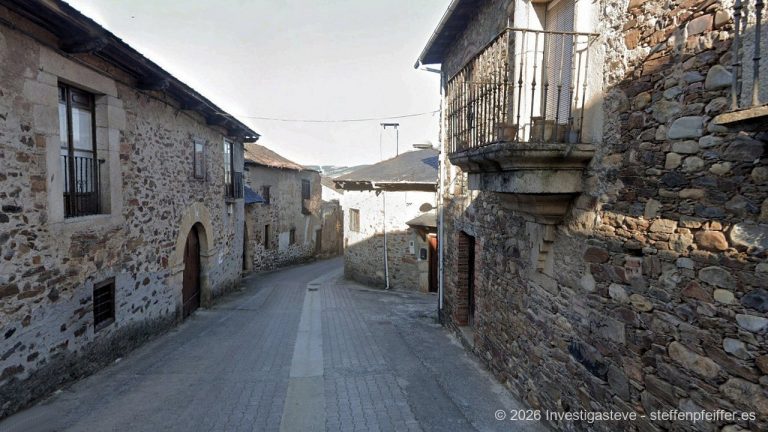
Arriving in El Acebo, the architecture of Galicia welcomes you… or at least its harbinger. The houses now have slate roofs and dark wooden balconies projecting over the narrow alleys. You feel the confinement of the alleys, where the heat of the day is stored. The smell of freshly baked bread and roasted meat wafts from the inns, an olfactory promise of reward. You sit down on a stone bench, feel the hard material beneath you, and let the trembling subside from your legs. Up here, the air is still fresh, but it already carries the mildness of the Bierzo within it.
The further descent to Riego de Ambrós leads through dense chestnut forests. The light now falls only filtered through the dense canopy, a play of light and shadow that is almost hypnotic. You hear the rustling of leaves in the wind and the distant rushing of a mountain stream. The air is damper, cooler, saturated with the scent of moss and decaying wood. In Riego de Ambrós, time seems to stand still. The massive stone houses look like fortresses against solitude. You feel the historical causality in the way the houses are closely huddled together, an image of community in a harsh environment.
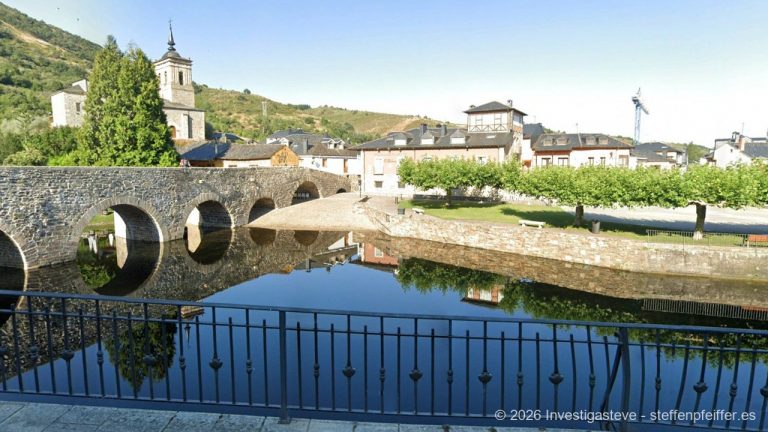
The final descent to Molinaseca is brutal and steep. Your body protests against the constant braking, your toes hit against the caps of your shoes – a haptic memento of your physical limits. But then, suddenly, you hear it: the powerful rushing of the Rio Meruelo. When you step onto the Roman bridge of Molinaseca, everything changes. You feel the smoothness of the ancient stones beneath your feet, the haptic security of a construction that has survived millennia. The air by the river is cool and fresh, an olfactory contrast to the dusty path of the mountains. You go to the water, take off your shoes, and feel the icy cold of the river on your burning feet – a haptic shock that instantly recalls the spirits.
Molinaseca is a place of sensory saturation. The clatter of dishes from the restaurants, the laughter of pilgrims on the terraces, and the scent of grilled meat and Bierzo wine fill the scene. You feel the relief of arriving in the Bierzo, a region known for its enjoyment. The psychology of the path changes here from ascetic mountain hiking to pleasurable reward. You walk the last kilometers across the flat land to Ponferrada, accompanied by the song of birds in the orchards. The ground is now level again, a softer sand path that spares your feet.
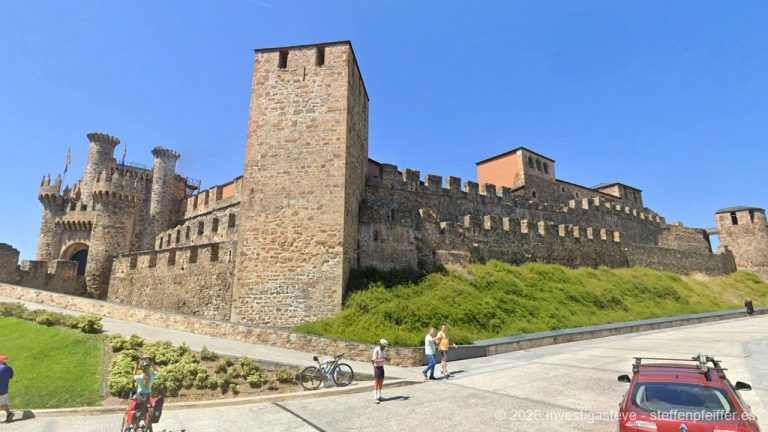
The approach to Ponferrada is characterized by urban stimuli. You hear the distant roar of the highway and the noise of the city, an acoustic sign of your return to modernity. But then it rises before you: the Castillo de los Templarios. A mighty fortress of dark stone, whose battlements pierce the sky. You feel the historical impact of this place. The smell of city dust mixes with the cool aura of the castle walls. You cross the iron bridge that gave the city its name (Pons Ferrata) and feel the vibration of the steel under your feet. Arriving in Ponferrada, the exhaustion of the 32-kilometer march mixes with the reverence for the chivalric history.
At the end of the day, you stand on the square before the Basilica de la Encina. You hear the ringing of bells ushering in the evening. The smell of roasted chestnuts and Galician soup wafts from the taverns. Your senses are flooded by the contrasts of the day – from the icy silence at the Cruz de Ferro to the pulsating life in the Templar city. You feel the heaviness of your limbs, but the lightness of your heart is the haptic result of your inner journey. The psychological metamorphosis is complete: you have left the burdens of the past at the mountain and are ready to immerse yourself as a new person in the gardens of the Bierzo.
In the silence of your hostel in Ponferrada, you hear only the distant murmur of the city. The haptic feeling of the soft sheet on your skin is the final reward for the hardships of the Montes de León. You remember the feeling of the stone in your hand in the morning and the liberating sound of its impact on the pile at the Cruz de Ferro. The historical causality of your own path has led you today over the roof of the world, and tomorrow you will advance deeper into the “Garden of Eden” of Spain, carried by the power of the Templars and the light of the setting sun.
Intermediate places & special features
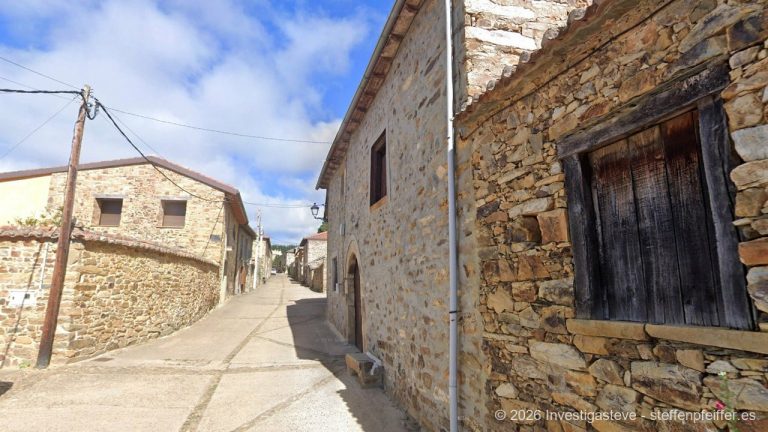
Rabanal del Camino – Rabanal del Camino is the gate to the mountains and preserves a monastic calm that ideally prepares the pilgrim for the spiritual experience at the Cruz de Ferro. The architecture of rough fieldstone reflects the harshness of the Maragato highlands. It is advisable to check your supplies one last time here, as the next kilometers are barren and exposed.
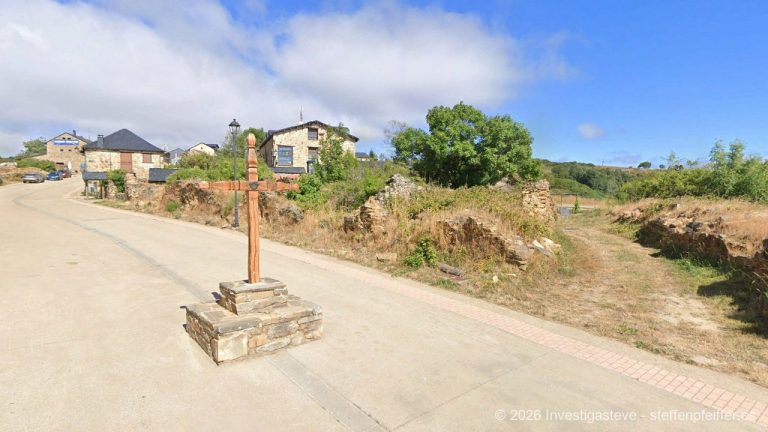
Foncebadón – A village that seems frozen in time. The ruins and the silence tell of a glorious past when it was an important stop for pilgrims. Today, it is a place of melancholy and retreat, where the wind often carries the only sound. It marks the last inhabited place before the pass.
El Acebo – The first village after the descent from the pass. Its slate-roofed houses and wooden balconies already announce the architecture of Galicia. El Acebo offers a first respite after the demanding descent and a magnificent view of the valley stretching out below.
Molinaseca – Molinaseca acts as an oasis after the strenuous descent. The Calle Real is one of the most beautiful streets of the entire Way and leads directly over the historic bridge into the center of enjoyment. Here begins the Bierzo, and you immediately feel the climatic change in the lushness of the vegetation and the warmth of the air.
Ponferrada – Ponferrada is the monumental end of this stage. The city is dominated by the Castillo de los Templarios, one of the best-preserved medieval fortresses in Europe. The historical significance as a place of protection for pilgrims is palpable in every stone of the wall. The old town around the Basilica de la Encina also offers excellent infrastructure for regeneration after this long stage day.
Packing and shopping tips
Shopping: In Rabanal, there are small shops for the essentials. The next comprehensive supply is found only in Molinaseca or Ponferrada.
Supply situation: Between Foncebadón and El Acebo, supplies are sparse. Public fountains are available in the mountain villages but should be used with caution in high summer.
Packing recommendations: Sufficient water (min. 2 liters) and high-energy snacks are essential for the 32-km march. A hiking pole is strongly recommended for the slate descent to Molinaseca to relieve the knees.
Today, a stone in your shoe carries you less far than the mental power of letting go at the Cruz de Ferro. Nevertheless, physical preparation is crucial. A lightweight windbreaker is invaluable for the ridge walk at Manjarín, as temperatures at over 1,500 meters can drop noticeably even in summer.
Remember that you will walk through three different climate zones today. Your clothing should follow the layering principle: warm layers for the cool morning in Rabanal, a windbreaker for the high plateau, and light, breathable clothing for the warmth of the Bierzo valley. Sun protection for the exposed stretches on the mountain is also mandatory.
At the end of this stage, you will be grateful for every gram you did not carry. The descent to Molinaseca will show you the importance of well-fitting shoes. Apply blister plasters preventively if you feel pressure points, before the loose rock challenges your balance.
Dining, accommodation & supplies
The gastronomic supply on this stage is characterized by the contrast between sparse mountain provisions and the richness of the Bierzo. In Foncebadón and Manjarín, you find rustic, often spiritually oriented stations offering simple but strengthening meals. In Molinaseca and Ponferrada, however, the cornucopia of regional cuisine opens up: Botillo (stuffed pig stomach) and the famous Mencía wine invite you to replenish the burned calories in stylish surroundings.
Regarding accommodation, Ponferrada offers a wide range from the large municipal hostel “Albergue de Peregrinos de Ponferrada” to comfortable hotels near the castle. In Rabanal, the Christian hostel of the Benedictines is a recommendation for those who want to let the day fade out spiritually. Private hostels in Molinaseca often offer a family atmosphere directly by the river.
Public facilities such as pharmacies, banks, and supermarkets are concentrated in Ponferrada. Supplies along the way in the mountain villages are limited to small shops and catering stations in the hostels. It is important not to underestimate the distance of over 32 kilometers and to ration your strength so that you reach the Templar city before nightfall.
The special thing today
The outstanding feature of this day is undoubtedly the ritual at the Cruz de Ferro. It is a place of universal spirituality, where the physical (the stone) and the metaphysical (the burden of the soul) merge. You do not stand there alone; you stand amidst the hopes and prayers of millions of people who have shaped this hill over the centuries. It is the most intense moment of psychological metamorphosis on the entire Camino.
Another highlight is the presence of the Templar tradition in Ponferrada and Manjarín. In a world that often seems modern and disenchanted, these places offer a bridge to a mystical past. Tomás in Manjarín preserves a heritage that understands the Way as a chivalric path of inner quest. The castle in Ponferrada is the stone monument of this history and conveys a feeling of protection and permanence that gives the pilgrim security at the end of this strenuous day.
Finally, the climatic and landscape change is fascinating. You begin the day in the harsh, almost Scottish-looking highlands of León and end it in the subtropical-flavored garden of the Bierzo. This change of vegetation, smells, and colors within a few hours is a sensory journey that illustrates the diversity of the Iberian Peninsula. The arrival in Molinaseca over the Roman bridge feels like entering a new chapter of the journey – away from the struggle against the mountain, towards the enjoyment of the destination.
Reflection at the end of the stage
When you sit in the evening in the shadow of the Templar castle of Ponferrada, you feel a deep, full satisfaction that goes far beyond physical arrival. The 32.5 kilometers were a journey to the limits of your body and into the depths of your mind. The reflection of today’s day teaches you that true strength often lies in letting go. The stone you left at the Cruz de Ferro is now part of the history of the Way, and without it, you have become a little lighter – inwardly and outwardly.
You recognize that the challenges of the descent have shaped you just as much as the spiritual highlights at the pass. Ponferrada with its massive walls now offers you the space to process what you have experienced. You are no longer the same pilgrim who set out in Rabanal this morning. You have crossed the roof of the world and arrived in the “Garden of Eden.” In the silence of the night under the battlements of the castle, you know: you are ready for the finale, carried by the power of the mountains and the spirit of the Templars.
Camino of the Stars
This stage lies on the Camino Francés, on the stage from Rabanal del Camino to Ponferrada. The sequence of places is:
| Stage | Start | Destination | Distance (km) | Elevation gain | Difficulty | Intermediate places |
|---|---|---|---|---|---|---|
| 23 | Rabanal del Camino | Ponferrada | 32.5 | ↑ 480 / ↓ 950 | hard | Foncebadón → Cruz de Ferro → Manjarín → El Acebo → Riego de Ambrós → Molinaseca |
Did you feel the moment of liberation at the Cruz de Ferro when your stone touched the pile? Did Tomás the Templar ring the bell for you, or did the cool water in Molinaseca refresh you more? Share your moment of catharsis between the peaks of León and the castles of the Bierzo with us – your story is a light on the path for all who still carry their burdens.
About the Author

Rabanal del Camino – The Last Post before the Roof of the World
Foncebadón – The Stone Resurrection at the Pass of Monte Irago
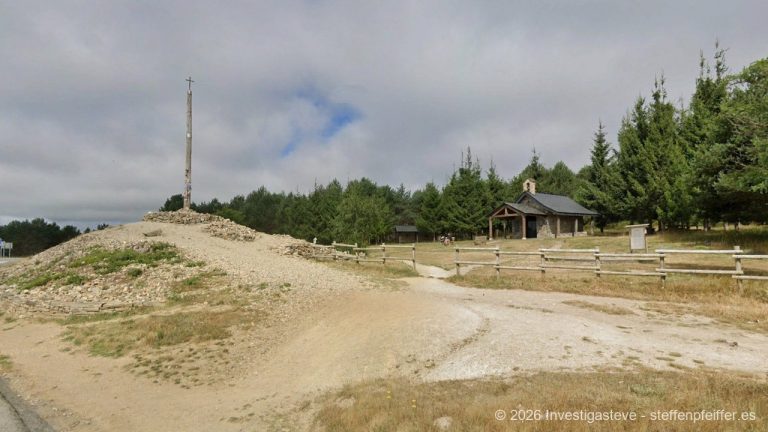
Cruz de Ferro – The Iron Cross at the Summit of Forgiveness
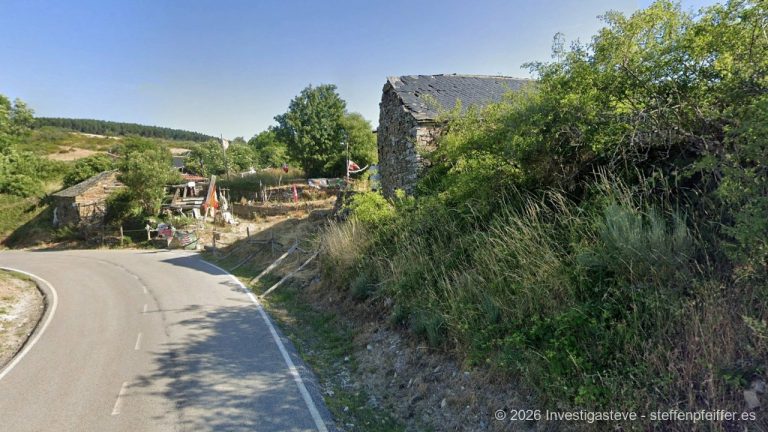
Manjarín – The Lonely Echo of the Templars on the Roof of the World
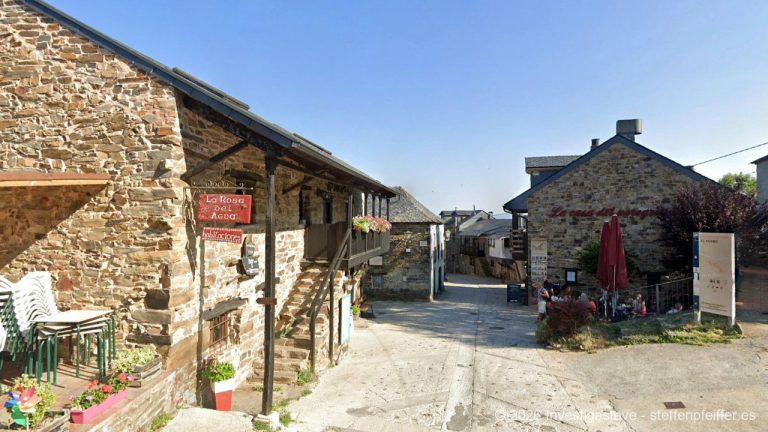
El Acebo de San Miguel – The Slate-Gray Gateway to the Garden of the Bierzo
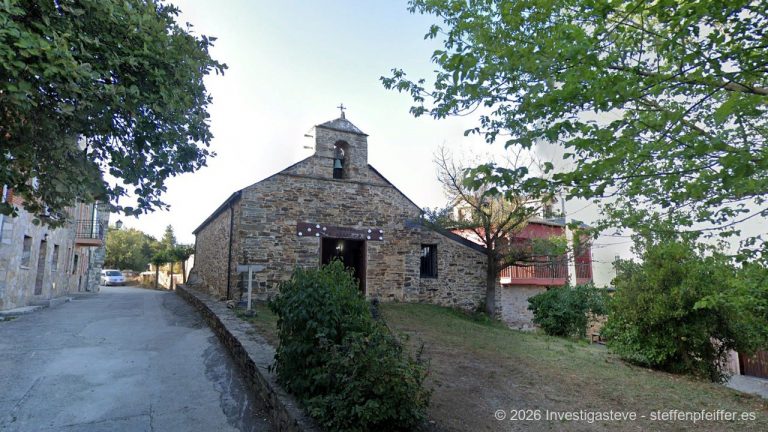
Riego de Ambrós – The Stone Refuge at the Threshold of the Bierzo
Molinaseca – The Stone Gate to the Fertile Plain of the Bierzo
Campo – The Stone Echo of History in the Heart of the Bierzo