First Glance – Introduction & Atmosphere
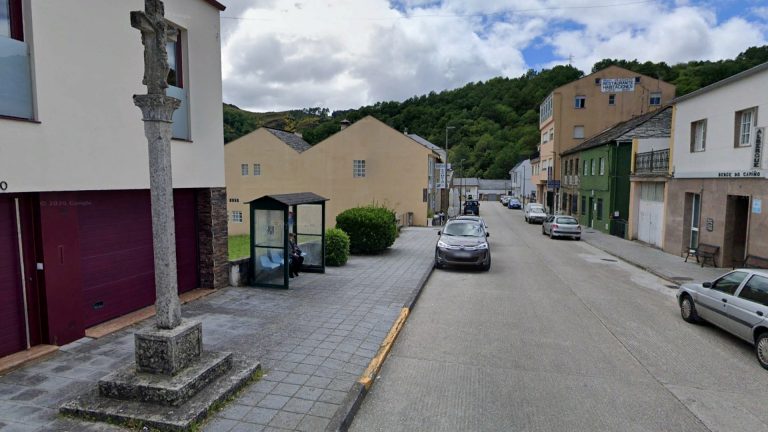
When you have left behind the arduous, almost relentless ascent from Rabanal del Camino, when your calves are burning and your breath moves in rhythm with the increasingly steep switchbacks, Foncebadón emerges from the often low-hanging mist of the Montes de León like an apparition from a long-forgotten time. It is a place that does not welcome you with opulent architecture or gentle hills, but with the rough, unvarnished honesty of the high mountains. At 1,430 meters altitude, civilization has a different meaning here; here, slate rules, the dark, foliated primordial rock that makes a dry, almost plaintive crunch under your pilgrim boots with every step. The air up here is thinner, clearer, and often of a cutting coolness that, even in high summer, makes the heat of the Meseta seem like a distant memory. You feel the wind, sweeping unhindered over the mountain ridge, tugging at your backpack and weaving the sounds of nature – the distant ringing of cowbells or the cawing of ravens – into an orchestral background hum.
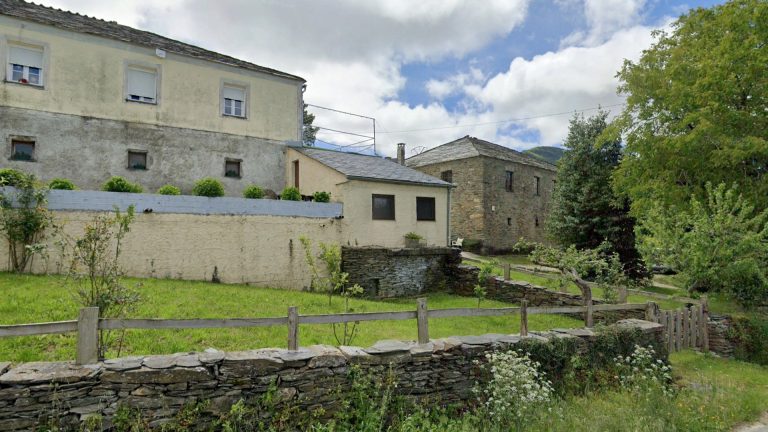
Arriving in Foncebadón means entering a world of transition. For a long time, this place was considered a “pueblo abandonado,” a ghost village whose walls slowly collapsed under the weight of solitude and decay. Yet today, you sense a very own, almost defiant energy. It smells of damp earth, the tart scent of broom and thyme stubbornly clinging to the rock crevices, and – as soon as you reach the first inhabited houses – the pleasant, smoky aroma of wood fires providing warmth in the small hostels. The haptic quality of the place is shaped by the rough, irregular surfaces of the stone walls, stacked without mortar, only by gravity and skill. It is an archaic aesthetic that psychologically prepares you for what awaits just behind the village: the Cruz de Ferro, the highest point of your journey. Foncebadón is the place of last gathering, a stone outpost that shows you that new life can grow from ruins when the longing of people – in this case, the pilgrims – is only great enough.
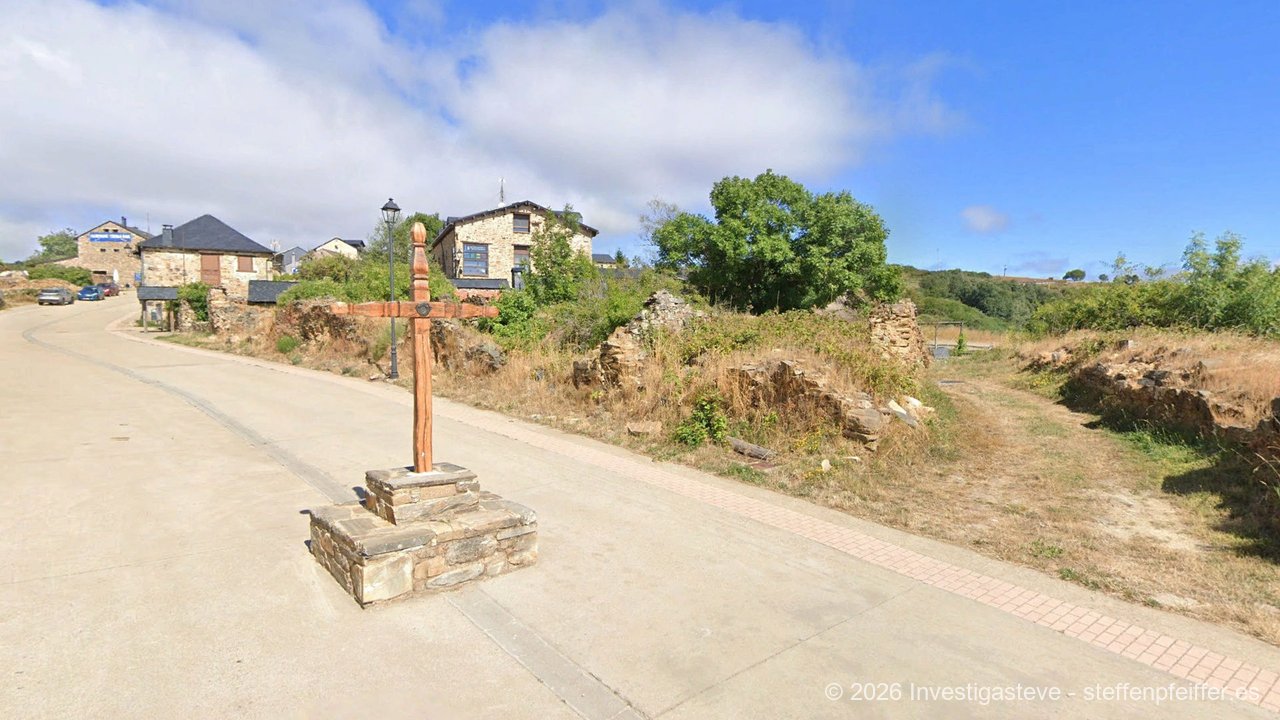
The atmosphere in the narrow, often muddy alleys is characterized by a productive melancholy. You see the skeletons of old houses, in whose window cavities the wind plays, right next to lovingly restored hostels that, with their colorful flags and inviting wooden doors, form a stark contrast to the gray of the slate. It is a place of contrasts: the harshness of the mountains meets the warmth of hospitality. When the sun hangs low in the late afternoon and bathes the village in a golden, almost unearthly light, while the shadows of the ruins creep long across the path, you grasp the spiritual force of this place. Up here, you are a step closer to heaven, and the weight of your backpack seems to merge with the vastness of the horizon. Foncebadón is not a place for the hurried; it is a place for those who can endure silence and find beauty in the imperfect. The rhythmic tapping of your walking poles on the uneven ground becomes the metronome of an inner reflection that leads you deeper into your own story as you wander through the remnants of others’ history.
What This Place Tells
The story of Foncebadón is an epic of rise, total decline, and an almost miraculous rebirth through the modern pilgrim stream. Its roots reach deep into the Middle Ages, when Monte Irago was one of the most feared passages on the way to Santiago. In the 10th century, exactly in the year 946, the place gained historical fame when an important council took place here under the chairmanship of King Ramiro II. You have to imagine it vividly: in this now so lonely mountain world, the powerful of that time gathered, bishops and nobles, to deliberate on the fate of the kingdom and the church. This underscores the former strategic importance of this pass, which was not only a pilgrim route but a vital transportation artery. Yet nature up here is relentless, and without the protection of the community, survival was hardly possible.
In the 11th century, it was Saint Gaucelmo, a hermit and visionary hospitalero, who made Foncebadón a saving anchor point for travelers. He founded a hospice and a church, thus creating an infrastructure of mercy. Gaucelmo was also the one who initiated the famous Cruz de Ferro to provide pilgrims with orientation in fog and snow. For centuries, Foncebadón was a flourishing base, where the inhabitants could lead a modest existence through the privilege of tax exemption – granted in exchange for maintaining the path and setting marker posts in winter. Yet with the slow decline of the pilgrim tradition and increasing rural exodus in the 19th and 20th centuries, the slow death of the village began. The houses emptied, the roofs collapsed, and in the end, Foncebadón was only a name on the map, a ghost place where only the wind howled through the empty alleys and a handful of indomitable souls held the position.
The psychological turning point came with the renaissance of the Way of St. James in the 1980s and 90s. It is an almost mystical causality: precisely because the place seemed so destroyed and lost, it exerted an irresistible attraction on modern pilgrims. They sought the authentic, the original, far from the over-optimized civilization. Pioneers of hospitality began to clear rubble in the ruins and build the first hostels. Today, every newly built wall in Foncebadón tells a story of resilience. When you stand before the ruin of the old church, whose tower still defiantly rises into the sky, you feel the historical weight of centuries. It is as if the stones themselves had a memory, telling of the prayers of medieval pilgrims and the hard work of the farmers. Foncebadón today is a living monument to the power of renewal. It teaches us that no place – and no person – is ever completely lost as long as there is someone willing to lay the first stone for a reconstruction.
Addresses & tips in Foncebadón
Camino Distances
After the steep and exhausting ascent from the valley, Foncebadón is the last larger village before you reach the spiritual highlight of the pass.
| Previous Location | Distance (km) | Next Location | Distance (km) |
|---|---|---|---|
| Rabanal del Camino | approx. 5.6 km | Cruz de Ferro | approx. 2.0 km |
Sleeping & Arriving
Arriving in Foncebadón is a haptic and emotional boundary experience. After you have climbed the last kilometers over rocky paths, the village opens up like a rough embrace. You feel the physical relief of having reached the altitude, yet at the same time, the harsh climate immediately demands your attention. Those who check in here are not seeking the luxury of a wellness hotel, but the security of a solid stone wall against the often howling mountain wind. Today, the village offers an astonishing variety of accommodations, from the very spiritual, almost monastic atmosphere of the Albergue Parroquial Domus Dei to private hostels that score with rustic charm and communal dinners.
In the Albergue Monte Irago, for example, the tradition of hospitality is highly valued. The smell of freshly baked bread and hot tea often greets you at the door, an olfactory comfort after the cool mountain air. The beds here are often in rooms with visible beams and thick slate walls, conveying a sense of security and historical depth. You hear the creaking of the floorboards and the soft murmuring of pilgrims in various languages – an acoustic mosaic of the world community that feels particularly intense up here, far from cities. Psychologically, arriving in Foncebadón is an important milestone: you are on the eve of your visit to the Cruz de Ferro. The excitement is palpable, and dinner conversations often revolve around letting go and the stones to be laid down tomorrow.
A special gem is the hostel El Convento, which was built in the ruins of an old monastery. Here, you feel the haptic connection to history particularly clearly; the cold stones of the old walls tell of asceticism and constancy. Arriving here also means dealing with reduction to the essentials. There is often no high-speed Wi-Fi to disturb the silence, but instead a view from the window onto the barren peaks and drifting clouds. Those who sleep here do so in the awareness that they are part of a centuries-old chain of people who sought shelter from the adversities of nature exactly at this spot.
Arriving in Foncebadón is also a visual shock for those who only know the modern cities of Spain. The unfinished quality of the place, the many construction sites, and the piles of rubble convey a feeling of “work in progress.” It is a village that is reinventing itself right now. This is what makes the stay here so exciting: you are not just a guest in a finished setting, but a witness to a real transformation process. When you stroll through the only main street in the evening, you feel the raw energy of this place, grounding you and preparing you for the spiritual experience of the next morning.
For many pilgrims, spending the night in Foncebadón is a conscious decision against the comfort of the lower-lying Rabanal. They want to be up high, want to feel the cold of the night and the clarity of the morning before walking the last two kilometers to the cross. It is a decision for immersion in the mountain world. The haptic appeal of the heavy wool blankets in the hostels, the smell of fireplace smoke, and the certainty of having mastered the most difficult part of the ascent make spending the night in Foncebadón one of the most formative experiences on the entire Camino Francés.
Eating & Drinking
The gastronomy in Foncebadón is what you would expect in a mountain village: hearty, warming, and tailored to the needs of people who have performed physical labor all day. The heart of regional cuisine is without a doubt the Cocido Maragato. This traditional stew is a culinary specialty of the León region and is celebrated in Foncebadón in almost every eatery. What is special about it is the order: first, the various types of meat (often seven, from bacon to chorizo) are eaten, then the chickpeas with vegetables, and only at the very end the soup. This “reversed” order supposedly comes from the time of the carters, who wanted to eat the hearty meat first in case they were forced to continue their journey by a sudden departure. Sitting in the warm parlor of a restaurant in Foncebadón while the fog presses against the windows outside and enjoying this rich, fragrant stew is a haptic and gustatory revelation.
The smell in the dining rooms is characterized by garlic, pimentón (smoked paprika), and the strong aroma of braised meat. The wooden tables are often massive and marked by the traces of countless meals – a haptic invitation to settle down and forget time. Besides the Cocido, there is of course the classic pilgrim menu, which is often prepared up here with special attention to detail. Fresh trout from the mountain streams or hearty omelets are not uncommon. The bread is usually robust, with a hard crust and a soft crumb, ideal for soaking up the last remnants of the soup.
Drinking in Foncebadón also has a social component. A glass of robust red wine from the nearby Bierzo or Tierra de León region is part of it. The wine tastes of dark berries and earth, a perfect complement to the rustic surroundings. When the pilgrims gather in the bars in the evening, the sounds of clinking glasses mingle with laughter and reports of the agonies of the ascent. It is an atmosphere of relief and anticipation. The psychological effect of a warm meal in this cool place should not be underestimated; it gives the body back what the mountains have taken from it and warms the soul for the upcoming stage.
Those who prefer something simpler can often find regional products in the small shops of the hostels, such as Cecina (dried beef) or strong cheese from the Maragatería. Having these things in your backpack when you set off for the Cruz de Ferro the next morning gives a feeling of security. Eating in Foncebadón is a lesson in gratitude. You learn to appreciate the value of a hot soup and a dry spot by the fire again. It is a return to the essentials that wonderfully matches the barren character of the landscape. The taste of Foncebadón remains in memory as a mixture of smoke, meat, and the sweetness of success in conquering the mountain.
Supplies & Logistics
Logistically, Foncebadón is a miracle of improvisation and commitment. Although the place is small and remote, it is today astonishingly well adapted to the needs of pilgrims. Nevertheless, one must be aware that one is in the high mountains. There are no large supermarkets or shopping centers. Supplies are provided through the small shops in the hostels or specialized pilgrim shops that offer the essentials: blister plasters, socks, energy bars, and of course walking poles for those who realized during the ascent that they need support. The logistics of delivering goods here is laborious; everything must be brought up the narrow mountain road, which sometimes makes prices a little higher than in the valley. This should be respected as a pilgrim, for it is the price of the privilege of being supplied at this exposed location.
Digital supply is – as so often in the mountains – capricious. In most hostels, there is Wi-Fi, but the connection can be unstable in bad weather or when overloaded. However, this is part of the experience: you are forced to take your eyes off the smartphone and engage with the physical reality of Foncebadón. Psychologically, this digital radio silence can be very liberating. You start listening again to the flapping of flags in the wind and your own breathing. Anyone urgently needing a reliable internet connection should take this into account when choosing a hostel or take care of their affairs in Rabanal or Astorga. Medical emergencies are handled through the regional health system, with the next major ambulance far away – so caution on the steep paths is advised.
Shopping: There are no real supermarkets. Small shops in the hostels offer basic foodstuffs and pilgrim equipment for cash or card. Gastronomy: Several restaurants and bars offer hearty regional cuisine (Cocido Maragato) and pilgrim menus. The quality is consistently high and rustic. Accommodation: A large selection of hostels (parochial, private) as well as some hostals and guesthouses. In high season, a reservation is strongly recommended. Public Facilities: No ATMs or post offices. The nearest bank is in Astorga or Ponferrada. Sanitary facilities are only available in the accommodations.
In summary, despite its remoteness, Foncebadón is a functioning hub that offers exactly the right mix of deprivation and comfort. The logistics of the place are designed to get you fit for the highest point of the way. Those who arrive here should check their water and energy supplies once more, as the path to the Cruz de Ferro and the subsequent descent to El Acebo offers no significant shopping opportunities. Foncebadón is the last bastion of civilization before you devote yourself entirely to the mountain and your inner ritual. The haptic experience of strapping on your backpack one more time and tightening your boots is part of the ritual preparation of this place.
Don’t Miss
– The ruins of the church of San Salvador: An impressive monument to decay and constancy. The view through the open roof structures into the sky is a must for every photographer and a place of deep reflection. – The evening prayer in the Albergue Parroquial: Even for non-religious people, the atmosphere during the communal moments in the Domus Dei is of an incredible emotional density. It is the moment when strangers become a community of fate. – The sunrise over the Maragatería: If you set off early, look back once more. The light slowly creeping over the plain of León while you stand in the shadow of the mountains is a visual spectacle of rare beauty. – Eating a real Cocido Maragato: It is more than a meal; it is a cultural statement. The hearty warmth of this dish will carry you for kilometers yet. – The wall remains of the old monastery: Look for the oldest stones of the village. They are the silent witnesses of Gaucelmo’s time and connect you haptically with the 11th century.
Insider Tips & Hidden Places
Beyond the main street, now again lively with pilgrims, Foncebadón hides corners that only those willing to look around in the rubble and on the edge of the village will find. One of these places is a small, almost completely overgrown wall ruin on the western edge of the village, from which you have an unobstructed view of Monte Irago. Here, far from the hustle of the hostels, the silence is almost tangible. You hear only the hum of insects in the broom and the distant rustle of the wind in the pines. It is the perfect place to take your stone for the Cruz de Ferro in your hand once more, to look at it, and to ask yourself what you truly want to leave there tomorrow. This psychological retreat is important so that the spiritual significance of the mountain is not lost in the tourist noise.
Another insider tip is the search for the “guardians of the mountain” – the few local inhabitants who were already here when Foncebadón was still a ghost village. If you are lucky enough to get into conversation with one of them, you will hear stories found in no guidebook. They tell of the harsh survival in winter, when the snow lies meters high in the alleys, and of the almost eerie silence of the years when no pilgrims came. These conversations are an acoustic time travel and give the place a human depth far beyond the restored facades. In their houses, you can often still smell the scent of dried herbs and old leather – a smell that has preserved the essence of old Spain.
Those who look closely can sometimes still find scratched symbols or dates in the walls of the old houses that are hundreds of years old. They are the business cards of those who were here before us. The haptic quality of these engravings, rough under the fingertips, connects you immediately with the past. It is a form of communication across the centuries. The flora around Foncebadón is also a hidden treasure. After a rain, the damp ground releases a mix of moss, slate, and wild thyme that is almost intoxicating. In these moments, the village becomes a multisensory experience that addresses all five senses: you see the ruins, hear the wind, feel the stone, smell nature, and sense the historical weight.
One last tip: find a spot a little outside the village on a clear night and look up at the sky. Light pollution is minimal up here, and the Milky Way stretches above you in a brilliance you will never experience in the valleys. It is the visual counterpart to the vastness of your way. In this cosmic silence, all the blisters and worries of the day are relativized. You understand why this place has always been considered sacred. Foncebadón is not just a place on the map; it is a state between worlds, an insider tip for the soul that only unfolds its true splendor when you pause.
Moment of Reflection
Foncebadón challenges you. It confronts you with decay, but also with an irrepressible zest for life. In the ruins of this village, you might recognize your own fractures and construction sites. The psychological effect of a place that almost died and is now flourishing again is immense. It asks you the question: What in your own life is in need of repair? What have you given up that would be worth rebuilding? The harshness of the surroundings forces you to an honesty often lost in the busy bustle of cities. When you sit here on a stone wall and look over the wide land, you realize that transformation takes time and effort, but is possible.
The silence of the mountain and the presence of history at Monte Irago act as a catalyst for your thoughts. You feel that you are on the verge of a turning point. The Cruz de Ferro is only a short march away, and in Foncebadón you make the final decision about what you truly want to lay down there. It is a place of preparation, a psychological lock between the physical ascent and the spiritual discharge. The roughness of the place is a mirror of the efforts of your journey so far. You have left the Meseta behind, crossed the plains, and now stand on the roof of the world. This realization fills you with a pride that has nothing to do with arrogance, but with deep humility before your own strength and the constancy of the way.
When you leave Foncebadón, you take more with you than just a full stomach and a stamp in your Credencial. You take the certainty that beauty and hope arise precisely where you least expect them – amidst rubble and cold. The spirit of Foncebadón teaches you that every step, no matter how painful, is part of a greater healing. The mountain has received you, it has tested you, and now it lets you move on, a little wiser and ready for the cross and the subsequent descent into the green valleys of the Bierzo. It is the moment of total presence, where past, present, and future merge in a single breath at the pass of Monte Irago.
Camino of the Stars
This place lies on the Camino Francés, on the stage from Rabanal del Camino to Ponferrada. The sequence of locations is:
Rabanal del Camino → Foncebadón → Cruz de Ferro → Manjarín → El Acebo → Riego de Ambrós → Molinaseca → Campo → Ponferrada
Did you also feel that special sense of transience and new beginning in the ruins of Foncebadón? Which experience – perhaps over a Cocido Maragato or in one of the rustic hostels – remains particularly memorable for you? Was it the howling wind or the sudden silence of the night on the mountain? Share your stories and impressions of this stone outpost at Monte Irago with us. We look forward to your very personal Camino moments!
About the Author