First Glance – Introduction & Atmosphere
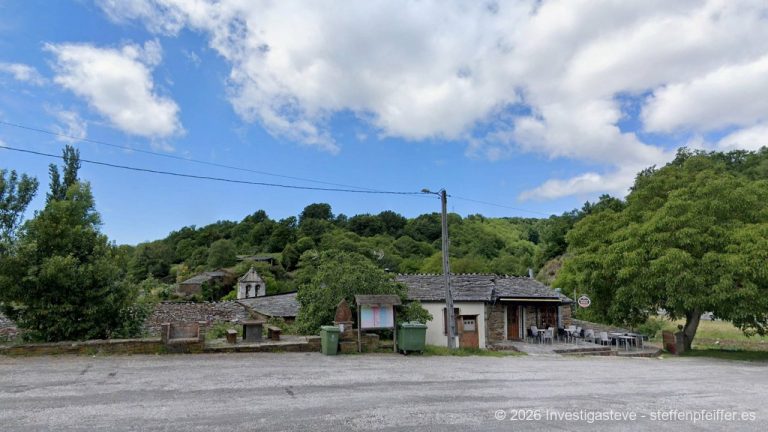
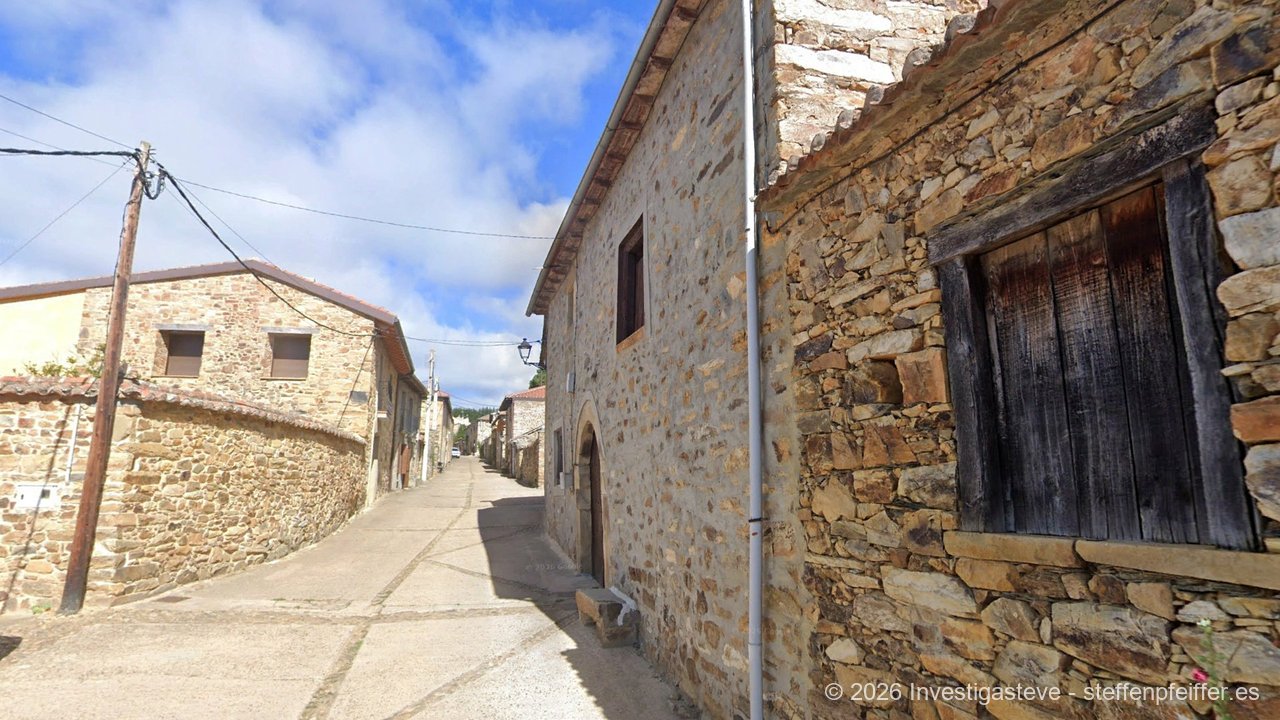
When you approach Rabanal del Camino, you can feel it in your bones: the endless expanse of the Castilian high plateau lies behind you, and the air begins to take on a new, sharper quality. You stand at about 1,150 meters altitude, and the view to the west reveals the silhouette of the Montes de León, blocking the way to the Cruz de Ferro like dark guardians. Rabanal is not simply a village; it is a psychological gateway. The ground beneath your feet has changed. The red dust of the Meseta has given way to gray, foliated slate, which makes a dry, almost metallic crunch with every step in the village’s narrow alleys. The architecture up here is a haptic revelation: massive fieldstone walls, heavy oak doors, and the characteristic slate roofs that reflect the light of the low-hanging sun in silvery nuances. It is a place that smells of constancy – a mix of the tart scent of pine wood, the smoky aroma of fireplace fires, and the damp coolness wafting from the ancient walls of the church of Santa María.
The acoustic profile of Rabanal is dominated by a deep, almost sacred silence, broken only by the rhythmic striking of church bells or the soft murmuring of pilgrims preparing in the street cafés for the upcoming mountain stage. It is the calm before the storm, the silence before the great ascent. As you stroll along the Calle Real, you feel the roughness of the uneven pavement through the soles of your hiking boots. The narrowness of the alleys creates a sense of security, a final embrace of civilization before the wilderness of Monte Irago receives you. Psychologically, Rabanal is a place of gathering. Here you sort your gear, fill your water supplies, and feel a mixture of awe and anticipation. It is the moment when pilgrimage transforms from a sporting hike into an inner expedition. The atmosphere is charged with the energy of millions of people who, for over a thousand years, have made the same decision right here: tomorrow I will conquer the mountain.
What This Place Tells
Rabanal del Camino is a stone witness to an eventful history closely intertwined with the protection of pilgrims. In the 11th and 12th centuries, this region was a dangerous no-man’s-land, marked by unpredictable weather and the constant threat of highwaymen. It was during this time that Saint Gaucelmo appeared, a hermit and visionary hospitalero who recognized that crossing Monte Irago without a safe refuge at the foot of the mountain was hardly manageable. He founded a hospice, thus laying the foundation for Rabanal’s importance as a strategic base. Shortly thereafter, the Knights Templar took on the task of securing the pass. As you walk through the streets today, you can almost hear the echo of the shod hooves of their horses. The Templars not only offered pilgrims physical protection but also gave the place a mystical, almost untouchable aura. They understood the way as an initiation, and Rabanal was the last station of purification before the symbolic death and rebirth at the Iron Cross.
The historical causality of Rabanal is characterized by phases of flourishing prosperity and almost total oblivion. During the heyday of the Way of St. James in the Middle Ages, the place was a vibrant small town with several hospitals and churches. Yet with the decline of pilgrimages in the 18th and 19th centuries, Rabanal sank into a deep Sleeping Beauty slumber. The magnificent stone houses fell into ruin, the fields became barren, and only the most tenacious Maragatos remained to defy the solitude of the mountains. It was the renaissance of the way in the 1980s that literally resurrected Rabanal from the ruins. Pioneers from all over Europe, including many English and Germans, recognized the potential of this historical shell and began to rebuild the walls stone by stone. Today, Rabanal is a model example of successful restoration, where the original character of the place has been preserved while simultaneously offering state-of-the-art infrastructure for modern pilgrimage.
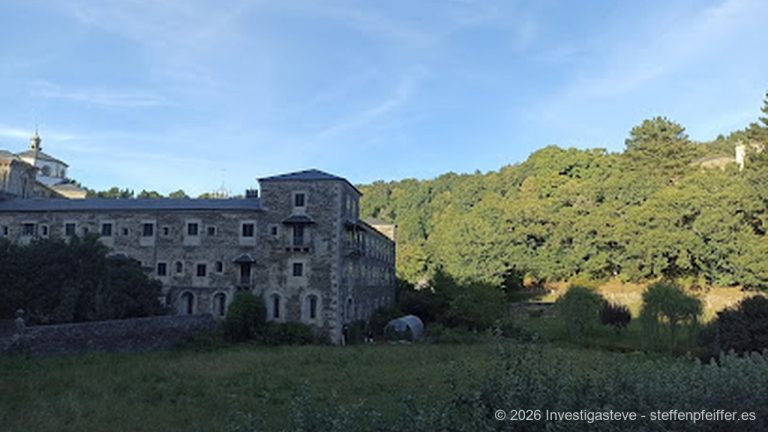
Culturally, Rabanal today is inseparable from the presence of the Benedictine monks. The founding of the monastery of San Salvador del Monte Irago in 2001 marked a spiritual turning point. The monks not only brought Gregorian chant back to the church of Santa María but also returned the place to its original function as a center of spiritual reflection. The pilgrim’s psychological metamorphosis in Rabanal is closely linked to these chants. When the deep, harmonious voices of the monks resonate through the Romanesque nave, time seems to stand still. The history of Rabanal is thus not a closed narrative, but an ongoing process. It tells of survival in a harsh landscape, of the protection of the weak by the strong, and of the indomitable power of a tradition that refused to be defeated even in the darkest times. Rabanal is the memory of Monte Irago, a place that whispers to you that constancy is the only answer to transience.
Addresses & tips in Rabanal del Camino
Camino Distances
The stage to Rabanal marks the transition from the high plateau of the Maragatería into the alpine zone of the Montes de León. From here on, the path becomes steeper and the ground conditions demand the highest concentration.
| Previous Location | Distance (km) | Next Location | Distance (km) |
|---|---|---|---|
| El Ganso | approx. 6.8 km | Foncebadón | approx. 5.6 km |
Sleeping & Arriving
Arriving in Rabanal del Camino feels like returning to a cozy base camp. The place is perfectly attuned to the needs of pilgrims without losing its rustic charm. Those who arrive here often feel a physical exhaustion accompanied by mental alertness. The selection of accommodations is remarkable for a village of this size and reflects the internationality of the way. There are hostels housed in centuries-old Maragato houses, where the haptic experience of rough stone and dark wood conveys a feeling of historical security. In the sleeping quarters, it often smells of dried lavender and the typical, slightly acidic scent of hiking clothing, which, up here, is less bothersome than in the stuffy cities of the plain.
An absolute highlight for many pilgrims is the Albergue Gaucelmo, run by the British Confraternity of St James. Here, the tradition of afternoon tea is maintained, offering an almost surreal but highly welcome change from the Spanish daily routine. Arriving here becomes a social ritual: you sit together, exchange experiences, and feel the community of seekers. The psychological effect of this shared exhaustion over a cup of tea is immense; it breaks down barriers and creates connections that often last beyond the way. Those seeking a more spiritual atmosphere find accommodation in the Refugio Papal in the Benedictine monastery, characterized by silence and monastic discipline. Here, arriving is an act of reduction – you leave the noise of the world outside and concentrate on the essentials.
The private hostels and guesthouses in Rabanal, such as La Posada de Gaspar, offer a higher level of comfort that, after the sparse weeks on the Meseta, often feels like pure luxury. The beds here are often equipped with heavy wool blankets, as the nights at this altitude can become noticeably cool even in summer. The feeling of slipping into these blankets after a hot shower while the mountain wind howls around the slate roofs outside is a haptic reward for the day’s exertions. The smell in these houses is characterized by the cleanliness of freshly washed sheets and the distant aroma of the kitchen, where dinner is already being prepared. Rabanal does not receive you as an anonymous guest, but as part of a millennia-old procession.
Arriving is often accompanied by the impressive panorama that unfolds when you climb the last rise before the village. You see the church towers and the squat stone houses nestling into the slope and know immediately: here I am safe. In the evening hours, the place transforms into a stage for human interaction. On the small squares, pilgrims from all over the world sit, massaging their feet, writing in journals, or simply staring at the setting sun that bathes the Montes de León in a deep violet. This visual reward is the conclusion of every walking day in Rabanal and prepares you inwardly for the quiet of the night. It is an arrival that allows body and mind to come to rest alike.
At dusk, the acoustics of the place change again. When most pilgrims have disappeared into their accommodations, nature takes over once more. You hear the distant murmur of mountain streams and the whisper of the wind in the pines. The haptic coolness of the night air flows through the alleys and reminds you that you are in the high mountains. Those who spend the night in Rabanal do so in the awareness that they will reach the highest point of their journey the next morning. This certainty resonates in every moment of arrival and lends the stay a seriousness and depth often lacking in other places on the way. Rabanal is the last station of reflection before the great step into the unknown.
Eating & Drinking
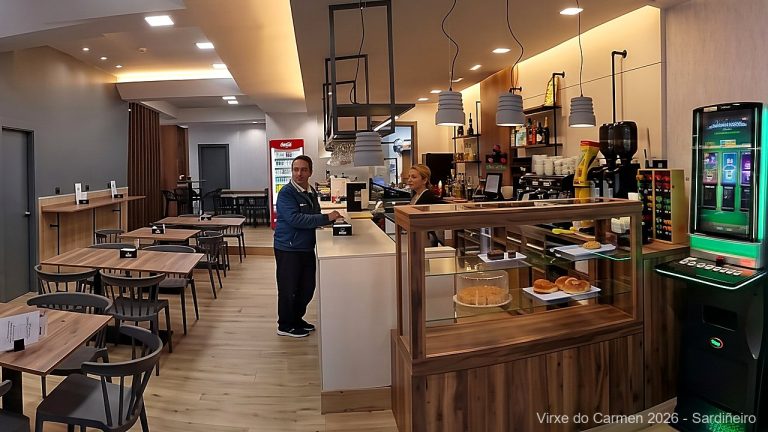
Culinarily, Rabanal del Camino is a feast for the senses, deeply rooted in the tradition of the Maragatería. Those who arrive hungry here can look forward to the famous Cocido Maragato, a dish that is more than just a meal – it is a ritual. The special feature of this stew lies in the reversed order of consumption: first, the various types of meat (chorizo, bacon, pig’s feet, beef) are eaten, then the chickpeas with cabbage, and only at the very end the soup. Olfactorily, the Cocido is a powerhouse; the scent of smoked meat and robust herbs fills the dining rooms and makes your mouth water. The taste is earthy, honest, and incredibly nutritious – exactly what a pilgrim needs before the ascent into the mountains. In restaurants like the Taberna de Gaia, this classic is often served in an environment reminiscent of a medieval tavern with its dark beams and heavy oak tables.
Alongside the hearty stews, Rabanal also offers an excellent selection of regional cheeses and Cecina, the air-dried beef of the León region. Cecina has a haptic texture almost reminiscent of ham but with a much deeper, smokier taste. It is usually accompanied by a robust red wine from the nearby Bierzo or Tierra de León region. The wine tastes of dark berries and slate soil, a perfect complement to the tart mountain landscape. The sound of clinking glasses and the cheerful babble of voices in the bars form the acoustic backdrop for these culinary delights. It is a time of reward and enjoyment before the asceticism of the mountain takes over again the next day.
For a small hunger in between or as trail provisions for the ascent to the Cruz de Ferro, the local bakeries offer delicious empanadas and sweet mantecadas. Mantecadas are small, butter-rich cakes that almost melt in your mouth and provide an immediate energy boost. The smell of fresh butter and sugar in the bakeries is a wonderful contrast to the spicy mountain air. Those who eat in Rabanal taste the history of the carters who shaped this region. It is a cuisine of strength and endurance. The feeling of satiety and warmth after a Cocido is the best psychological preparation for the cold and wind that await you on the pass tomorrow.
In the summer months, culinary life often moves outdoors to the small terraces. Here, the aromas of the food mingle with the fresh mountain air, further stimulating the appetite. It is a communal experience; you share platters of cheese and Cecina, sample your neighbor’s wine, and feel the universal language of good food. The haptic quality of the heavy, hand-baked bread, with which you wipe the last remnants of sauce from your plate, is a deeply satisfying conclusion to every meal. Rabanal teaches you that eating on the Camino is far more than just calorie intake – it is an act of appreciation for the land and its traditions.
A special drink to try in Rabanal is Orujo, a local pomace brandy often refined with herbs or honey. A small digestif after the heavy meal warms the stomach and ensures a pleasant heaviness for bed. The brandy burns pleasantly in the throat and leaves a note of anise and wild thyme. It is the taste of the mountains in liquid form. Those who have experienced Rabanal culinarily take home a lasting memory of the generosity and warmth of the Maragatos. It is a cuisine that makes no compromises – just like the way itself.
Supplies & Logistics
Logistically, Rabanal del Camino is excellently equipped, which is by no means a given for a place of this size. It is the last reliable bastion of full supply before the mountain pass. Those who forget something here will sorely miss it. There are several small shops where you can find everything a pilgrim’s heart desires: from fresh fruit and energy-rich nuts to replacements for broken gear. The haptic experience of assembling your supplies for the next day has something ritualistic about it. You check the weight in your backpack, inspect your water bottles, and feel the responsibility for your own progress. In the shops, it often smells of a mix of fresh food and the typical scent of outdoor gear – a combination that immediately awakens the spirit of adventure.
For medical care, Rabanal has a well-stocked pharmacy, the Farmacia del Camino. Here, the staff knows exactly what pilgrims need: blister plasters, magnesium, anti-inflammatory ointments, and sunscreen. The psychological relief one feels when being able to replenish one’s travel pharmacy is considerable. It gives you a sense of security essential for the upcoming ascent. The acoustics in the pharmacy are characterized by quiet professional conversations and the rustling of medication packages – a place of rational preparation amidst the spiritual mountain world. Anyone with medical problems should definitely have them checked here, as the next pharmacy is only found again far behind the mountains.
Shopping: Several small tiendas offer food, drinks, and pilgrim supplies (socks, poles, rain ponchos). Prices are moderate, and the offering is specialized for hikers.
Gastronomy: A high density of restaurants and bars, offering everything from rustic stews (Cocido) to modern pilgrim menus. Especially in the evenings, a reservation is advisable at popular establishments.
Accommodation: A wide spectrum from church-run hostels to private hostels and guesthouses. In high season, places fill up quickly.
Public Facilities: There are no ATMs in Rabanal; the nearest ones are in Astorga. Card payment is possible, however, in most establishments. A taxi service for luggage transport or emergencies is available.
The logistics of the place are also supported by the presence of the post office and luggage transport services. Those who realize their backpack is too heavy for the mountain can easily organize transport to the next stage here. This decision is often a psychological liberation: you let go of the burden to concentrate fully on the way and nature. The haptic quality of the lighter backpack the next morning gives your steps new energy. The water supply in Rabanal is also exemplary; there are several public fountains with clear, cold mountain water that seems to come directly from the peaks. The sound of flowing water is a constant companion and symbolizes the freshness of the mountains.
Overall, Rabanal offers infrastructure that conveys security without destroying the character of seclusion. It is a place that professionally prepares you for the adventure of Monte Irago. The logistical perfection of Rabanal is the result of decades of experience with the flow of pilgrims. When you leave the place the next morning, you do so with the certainty that your body and your gear are ready. You have everything you need, and the knowledge of this supply at your back allows you to enter the ascent with a clear head. Rabanal has done its duty – now it is up to you.
Don’t Miss
– The Gregorian chants of the Benedictines: Daily at 7:00 PM (Vespers) and 9:30 PM (Compline) in the church of Santa María. The acoustics of the Romanesque building amplify the meditative voices and create goosebump moments. A must for spiritual purification before the mountain.
– The church of Santa María del Camino: A Romanesque jewel from the 12th century. Pay attention to the simple, powerful architecture and the haptic roughness of the stones inside. It is one of the few churches on the way that has almost completely preserved its original character.
– The afternoon tea at the Albergue Gaucelmo: Even as a non-guest, you can often participate in this British ritual for a small donation. It is a wonderful place for cultural exchange and relaxation.
– Eating a real Cocido Maragato: At the Posada de Gaspar or the Taberna de Gaia. Take at least two hours for this culinary ritual – it is worth it for body and soul.
– The old washhouse (Lavadero): A testament to the harsh daily life of past generations. The splashing water and the cool stone atmosphere offer a quiet retreat away from the pilgrim streams.
Insider Tips & Hidden Places
Beyond the Calle Real, there are corners in Rabanal that only the attentive pilgrim discovers. One such place is the small path leading behind the church of Santa María toward the old pastures. Here, away from the hostels, you can feel the original silence of the Montes de León. You hear only the hum of bees in the broom bushes and the distant rustle of the wind. It is the perfect place to take your stone for the Cruz de Ferro in your hand once more and enjoy the calm before the storm. The scent of wild thyme and dry grass is particularly intense here. This place offers psychological relief from the often bustling hostel life and lets you become one with nature again.
Another insider tip is visiting the small chapel of San José. It is often locked, but if you ask for the key nearby (usually in one of the bars), a small, intimate room full of local piety opens up. The haptic quality of the old wooden pews and the smell of incense and beeswax create an atmosphere of deep honesty. Here you often find handwritten prayer notes from pilgrims from all over the world – silent witnesses of hope and pain. Reading these hidden messages (of course with respect) lets you understand the global dimension of your journey. It is an acoustically isolated room where only your own breath and the ticking of an old clock can be heard.
Those who keep their eyes open will find stones with Celtic or Roman symbols walled into the walls of some old Maragato houses. These spolia are testimonies of millennia-old settlement and connect Rabanal haptically with pre-Christian times. When you place your hand on these sun-warmed stones, you feel the continuity of life. Another hidden place is the small square behind the post office, where locals often gather for a chat. Here you learn more about real life in the mountains than in any guidebook. The sound of the local dialect, the laughter, and the relaxed way of life of the Maragatos are a wonderful contrast to the often-hurried pilgrim mentality.
In the evening hours, a walk to the edge of the village toward Foncebadón is worthwhile. When the sun disappears behind the mountains, the rocks of the Montes de León begin to glow. It is a visual spectacle of rare intensity. In these moments, the village becomes an island of light in a sea of shadows. You might hear the distant barking of a dog or the call of an owl – sounds that underscore the solitude of the mountains. These moments of total presence are the true insider tips of Rabanal. You cannot buy them; you must earn them through pausing. They recharge your mental batteries for the next day and give you deep inner peace.
One last tip: look at the windows of some restored houses. You often find intricate glasswork there that casts the light in colorful patterns onto the cobblestones. It is these small aesthetic details that make Rabanal so endearing. The village is a total work of art that only unfolds its full splendor through slow walking and careful observation. Rabanal is not a place to quickly check off; it is a place to absorb with all your senses. The combination of historical weight, spiritual lightness, and culinary abundance makes it one of the most valuable insider tips of the entire way.
Moment of Reflection
Rabanal del Camino forces you to take stock. You stand at the end of a long section and at the beginning of a new challenge. The psychological effect of this threshold should not be underestimated. In the silence of the church of Santa María, accompanied by the timeless sounds of Gregorian chant, you are inevitably confronted with your own motives. Why are you walking this way? What have you learned on the plains, and what do you hope for from the mountains? Rabanal offers you the space to allow these questions without having to give an immediate answer. The constancy of the stone walls and the calm of the monks act like a psychological anchor, preventing you from losing touch with yourself in the hectic pace of kilometer-chasing.
The haptic experience of preparation – packing the backpack, lacing the boots, filling the water bottles – becomes a meditative exercise here. You prepare not only your body but also your soul. The mountain forgives no negligence, and Rabanal teaches you the necessary humility. When you walk through the alleys in the evening and feel the community of other pilgrims, you recognize that we are all in the same boat. We all have our fears of the ascent and our longing for the summit. This collective energy is the strongest force of Rabanal. It gives you the courage you need to take the first step into the incline tomorrow morning.
The Moment of Reflection in Rabanal is also marked by deep gratitude. You look back on the path you have already covered and recognize how far you have come. The barren mountains before you are not an obstacle, but an invitation to growth. Rabanal is the place where you learn that strength does not come from speed but from endurance. The silence of the night and the clarity of the air cleanse your senses. When you finally go to sleep, you do so with the knowledge that you have done everything necessary. You are ready. Monte Irago awaits, and Rabanal has given you everything you need for this path: nourishment for the body, silence for the mind, and the certainty that you are not alone.
Camino of the Stars
This place lies on the Camino Francés, on the stage from Astorga to Ponferrada. The sequence of locations is:
Astorga → Valdeviejas → Murias de Rechivaldo → Santa Catalina de Somoza → El Ganso → Rabanal del Camino → Foncebadón → Cruz de Ferro → Manjarín → El Acebo → Molinaseca → Ponferrada
Do you still hear the echo of the Gregorian chants in the church of Santa María, or was it the incomparable taste of the Cocido Maragato that impressed you most in Rabanal del Camino? Perhaps you found an answer to a question that has accompanied you for a long time in the silence of the monastery walls? Share your personal moments of reflection, your photos of the slate roofs, or your tips for the best hostel with us. We look forward to hearing about your very personal preparation for Monte Irago!
About the Author