First Glance – Introduction & Atmosphere
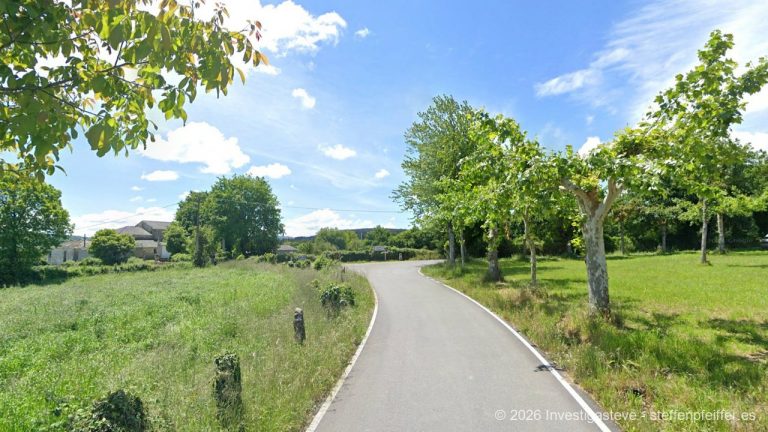
When you have left the dust of Astorga and the flat uniformity of the preceding kilometers behind, El Ganso pushes into your field of view like a silent promise. You feel it beneath your soles: the ground changes, becomes more stony, more stubborn, while the air here at over a thousand meters altitude takes on a new, almost crystalline sharpness. It is that moment on the Camino Francés when the vast, sun-scorched Meseta gradually loosens its grip and releases the pilgrim into the arms of the Montes de León. El Ganso welcomes you with a haptic primeval ruggedness – the gray granite of the Maragatería houses feels cool and rough under your fingertips, covered with a fine film of mountain dew and the history of countless generations. The acoustics of the village are characterized by a deep, almost reverent silence, broken only by the rhythmic striking of your pilgrim staffs on the hard slate ground or the distant, melancholic calling of mountain birds. It is a place of liminality, a threshold space that signals to you psychologically that the time of flat stages is over and the majestic trial of the Cruz de Ferro is imminent.
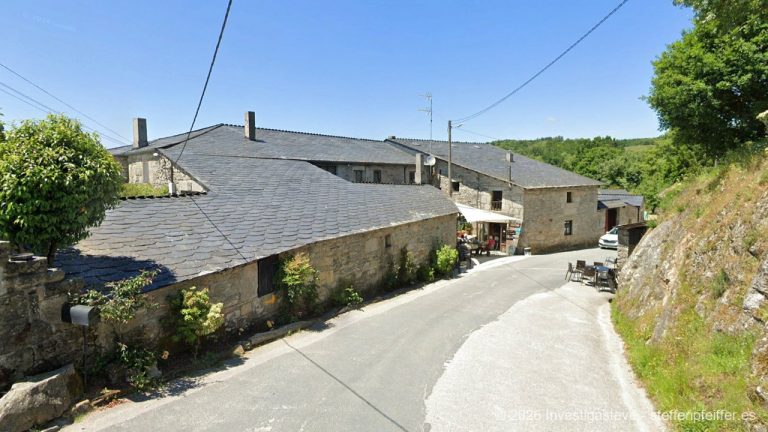
In the narrow alleys of El Ganso, time seems to have a different density; it does not flow, it rests in the stone. Olfactorily, the aroma of dry earth and sunlit slate mingles with the spicy scent of wild broom and the distant, smoky promise of a fireplace fire that provides coziness in the cool evening hours. As you wander along the Calle Real, which is simultaneously the lifeline of the place and the path of the pilgrims, you feel a peculiar vibration. It is the energy of a place that, since the 12th century, has done nothing other than to host, protect, and let people continue on their journey. The village appears like a silent guardian at the edge of the horizon, a cluster of robust homesteads huddling closely together to withstand the fierce west winds that often hiss up here with unbridled wildness. The visual aesthetic is shaped by the contrast between the gray stone and the vibrant green of the surrounding mountain slopes, an image of constancy in a world of constant change. You sit on one of the low stone walls, breathe in the salty sea air that the wind carries all the way here, and grasp: here begins a new chapter of your own transformation.
What This Place Tells
The stones of El Ganso whisper stories of a time when the Way of St. James was not only a path of inner reflection but also a logistical masterpiece of the Middle Ages. In the 12th century, when the reform movement of Cluny covered all of Europe with a network of monasteries and hospitals, the monks recognized the strategic necessity of a base exactly at this point. In 1142, Cluniac monks founded a pilgrim Hospital here, under the jurisdiction of the cathedral of Astorga. You must imagine the psychological effect of this place on a medieval pilgrim: after the hardships of the high plateau, this massive stone building offered not only physical nourishment and a bed of straw but also the spiritual support necessary to dare the dangerous ascent to Monte Irago. In those centuries, El Ganso was a place of existential security, a hub in a functional network of charity, whose ruins still live on in the foundations of the houses today and establish the historical causality of the region.
But El Ganso is more than just a monastic heritage; it is inseparable from the proud tradition of the Arrieros Maragatos. These long-distance trade specialists, who for centuries transported goods across the Iberian highlands on the backs of their mules, lastingly shaped the architecture of the village. The massive houses with their wide inner courtyards, the patios, were not purely residential houses but functional logistics centers for carts and pack animals. In El Ganso, you can still feel the spirit of this itinerant trade today, that mixture of cosmopolitan openness and deep roots in the barren soil of the Maragatería. It is a culture of hard work and long distances, manifested in the robust granite blocks that show hardly any weathering even after centuries. This sociocultural layering gives the place a down-to-earth quality that grounds the pilgrim and reminds him that the way has always also been a place of exchange of goods and ideas.
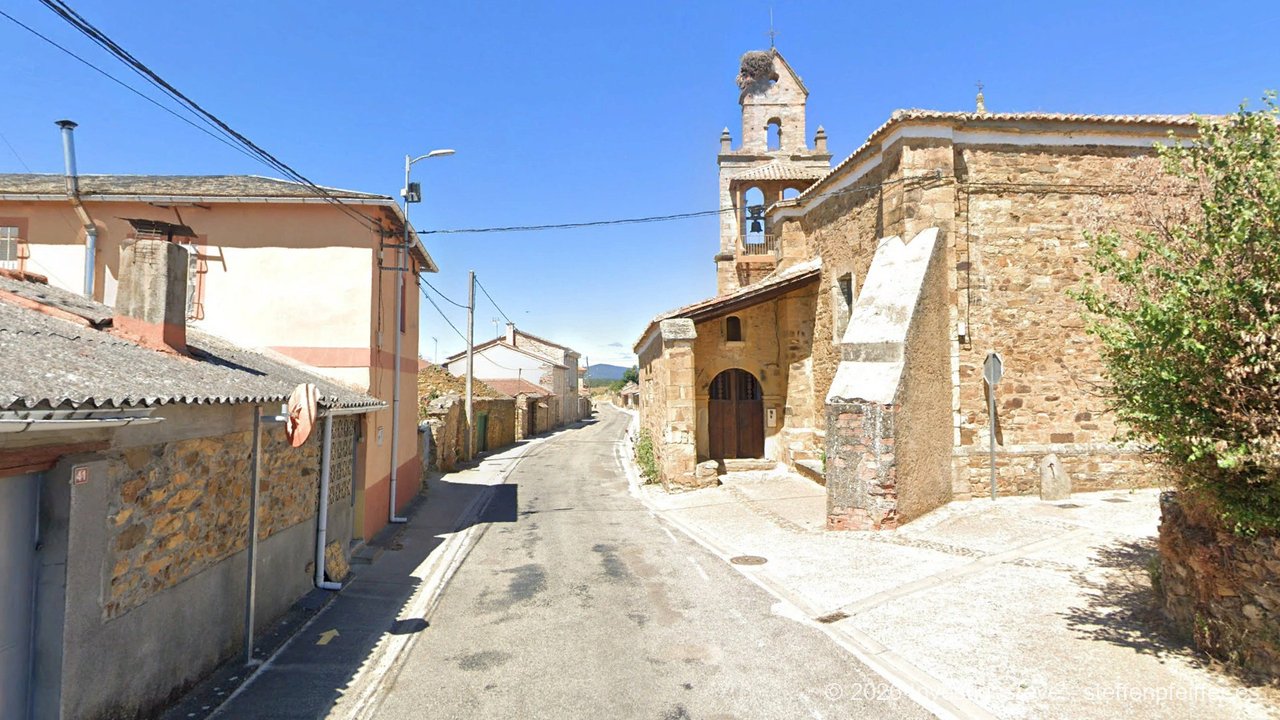
In the psychological metamorphosis of the Camino, El Ganso plays the role of the outpost. The name of the place itself – “The Goose” – leads us deep into the world of esoteric Way of St. James symbolism, closely linked to the “Game of the Goose” and gematria. Some researchers see in places with goose references stations of an initiatory journey that gradually prepares the pilgrim for the “end of the world.” In El Ganso, you feel this fine, almost invisible vibration of the mystical, hiding behind the rustic facade. The historical presence of the Templars in the region, who secured the pass from here, reinforces this feeling of sublimity. When you stand before the modest village church today, you are not just looking at a building but at a remnant of a time when faith, protection, and trade formed an inseparable unity. El Ganso is a living archive that teaches us that every step we take today follows in the footsteps of monks, merchants, and soldiers who all had the same mountain before their eyes.
Addresses & tips in El Ganso
Camino Distances
After about 13.5 kilometers of gentle but steady ascent from the bishop’s city of Astorga, the view opens onto the barren hills that surround the hamlet of El Ganso like a stone treasure.
| Previous Location | Distance (km) | Next Location | Distance (km) |
|---|---|---|---|
| Santa Catalina de Somoza | approx. 4.2 km | Rabanal del Camino | approx. 6.7 km |
Sleeping & Arriving
Arriving in El Ganso feels like slipping into a warm, stone cave while outside the wind of the mountains already tugs at your backpack straps. The accommodation situation in this tiny hamlet has experienced remarkable dynamism in recent years, far beyond what one would expect from a place with barely thirty inhabitants. When you loosen your hiking boots in front of the door of one of the hostels, you feel the physical relief accompanied by an almost childlike anticipation of the coming night. The Albergue Sigo Mi Camino, which only opened its doors in 2024 under the passionate leadership of Manuel, is a prime example of the new pilgrim renaissance. Here, arriving is not a bureaucratic act but an emotional embrace. You smell the scent of freshly prepared paella or a hearty stew wafting through the halls and hear the international babble of voices in the communal kitchen, which like a soothing murmur washes away the exhaustion of the day.
The haptic experience of sleeping in El Ganso, however, can also be completely unconventional. In the Albergue Indian Way, the almost surreal opportunity arises to sleep in real tipis. It is a psychological break with the monastic tradition of the way, a playful element that reminds you that the Camino is also a place of freedom and experimentation. The rustling of the tent canvas in the nocturnal mountain wind and the feeling of lying almost directly on the Galician earth, separated only by a thin layer of fabric and mat, connects you in an archaic way with nature. It is an acoustically intense experience, perceiving the sounds of the night – the call of the little owl, the distant barking of a dog – so immediately, while you snuggle into your sleeping bag and the exertions of the ascent from Astorga echo in your muscles.
For those seeking the traditional coziness of a Maragato house, the Albergue Gabino offers a return to the roots. Here you feel the coolness of the thick stone walls, which keep out the heat in summer and preserve the warmth of the day in autumn. The acoustics are characterized by the heavy wooden floorboards that creak softly under every step and whisper stories of generations of travelers. Sleeping in these houses means physically grasping the weight and solidity of the Maragatería. The smell of old wood, lavender, and clean laundry creates an atmosphere of security that is vital for the pilgrim to gather the psychological strength for the upcoming march to the Cruz de Ferro. Arriving in El Ganso is thus a preparation for the solitude of the mountains, a last station of human warmth before the paths become narrower and the peaks barer.
Those who come in the quieter months experience a Foncebadón-like feeling of isolation, which, however, is cushioned in El Ganso by the family-run management of the accommodations. In the hostels, meals are often taken together, which solidifies the temporary community of fate among the pilgrims. You sit at massive wooden tables, your hands wrapped around a warm cup of tea, and you feel the tension of the day slowly dissipate. It is a moment of total presence, in which the kilometer count of the next day becomes secondary to the moment of sharing. The accommodations in El Ganso are more than just sleeping places; they are psychological anchor points that remind the pilgrim that despite the solitude of the way, he is never truly alone.
In summary, despite its tiny size, El Ganso offers infrastructure that caters to every type of pilgrim. Whether you seek the modern, warm leadership of Manuel at Sigo Mi Camino, the adventure of the tipi, or the classical peace of an old homestead – the place adapts to you. The high verification rate of the accommodations and the positive feedback from the pilgrim community show that a new form of quality has moved in here, respecting the rustic character of the village without forgoing modern comfort. When you leave El Ganso the next morning, you do so with the feeling of having been well cared for, ready for the rugged splendor of the Montes de León.
Eating & Drinking
The gastronomy in El Ganso is an honest homage to the culinary traditions of the Maragatería, shaped by the necessity of strengthening body and soul for the upcoming meters of elevation. Even though the place is small, the culinary experience is of remarkable intensity. The heart of it is often the communal dinner in the hostels, where the scent of Pimentón de la Vera, garlic, and olive oil impregnates the air. Here, the Cocido Maragato is often celebrated in its simpler form – a hearty stew that tastes of earth, smoke, and endurance. It is a haptic experience to dip the heavy, rustic bread into the rich broth and feel the texture of the tender meat that has been simmered for hours on a low flame. In El Ganso, you don’t just eat; you absorb the power of the mountains, an olfactory and gustatory preparation for the asceticism of the ascent.
An absolute visual and atmospheric must is a visit to the Bar Cowboy, also known as La Barraca. This place is a living anachronism on the Camino, a Western bar in the middle of the Spanish mountain world, whose decor consists of saddles, old posters, and dusty relics. The acoustics here are determined by the clinking of glasses and the international murmuring of pilgrims recovering from their exertions over a cool beer or a glass of local red wine. A bocadillo here, filled with robust chorizo or hearty cheese, tastes of freedom and adventure. The contrast between the medieval surroundings of the village and this almost surreal Western atmosphere provides a psychological refreshment that breaks through the monotony of walking. It is a place of lightness, where the seriousness of pilgrimage yields for a moment to sociability.
Those who prefer finer fare benefit from the passion of hospitaleros like Manuel at the Albergue Sigo Mi Camino. Here, emphasis is often placed on fresh, regional ingredients that combine the flavors of the Bierzo and the Maragatería. The olfactory quality of this cuisine is characterized by fresh herbs like rosemary and thyme growing right behind the house. A glass of robust Mencía wine, tasting of dark berries and slate soil, rounds off the meal and ensures the necessary heaviness for sleep. Drinking in El Ganso is always also an act of hydration for the coming nine kilometers to the Cruz de Ferro. The clear, cold water from the village fountain, falling with a steady gurgle into the stone basin, is a true blessing for the dusty pilgrim – a haptic pleasure to feel the ice-cold water on your wrists and to quench your thirst with the purity of the mountains.
Supplies & Logistics
Logistically, El Ganso functions as the last small island of security before the definitive entry into the solitude of the Montes de León. Although the place is tiny, its supply function for the pilgrim stream is precisely balanced. There are no large supermarkets, no ATMs, and no pharmacies – a circumstance that makes forward planning in Astorga absolutely necessary. Yet it is precisely in this reduction that an important lesson of the way lies. In the small tienda, often attached to the Albergue Gabino, you find the absolute basic supplies: water, energy bars, perhaps a can of tuna or a piece of local cheese. The haptic quality of this shopping is characterized by reaching into the narrow shelves and exchanging coins for life-sustaining calories. It is an archaic form of commerce that does without the sterile atmosphere of modern shopping centers and focuses attention on the essentials.
The digital infrastructure in El Ganso is surprisingly stable, which represents a psychological relief for pilgrims wanting to book their next accommodation or share their experiences. Almost all hostels offer free Wi-Fi, whose signals fight their way almost silently through the thick granite walls. Nevertheless, mobile phone reception in the hollows around the village is sometimes capricious, forcing you to set aside the smartphone and consciously perceive the acoustic quality of the surroundings – the whistling wind and the distant chiming of the church bell. The logistical challenge of the place lies in its exposed location; water is a precious commodity, and the public fountain in the center is the most important fixed point for all those who need to replenish their supplies for the ascent to Monte Irago.
Shopping: No large shops. A tiny selection of foodstuffs and pilgrim supplies is available at the Albergue Gabino or Sigo Mi Camino. For extensive shopping, Astorga is the last resort.
Gastronomy: Two main spots – the legendary Bar Cowboy for snacks and atmosphere, and the hostel restaurants for nourishing pilgrim menus and communal dinners.
Accommodation: Well-positioned with about 70 beds in various categories (hostel, guesthouse, tipi), but quickly at capacity in high season. Reservation via platforms or phone is recommended.
Public Facilities: No medical care or police on site. The nearest doctor is in Astorga (14 km). A public fountain with drinking water is available and reliable.
The conclusion of the logistical block in El Ganso leads to the realization that this is the place where you check your equipment one last time. Do you have enough water? Are the blister plasters within reach? Do you need another pack of nuts for the mountain? The physical preparation in El Ganso is the key to a successful crossing of the pass. It is the functional link between the urban security of Astorga and the spiritual wilderness of Foncebadón. Those who replenish their supplies here do so with a sense of seriousness, for the mountains before you forgive no negligence. El Ganso offers you everything you need to survive, but nothing that unnecessarily weighs you down.
Don’t Miss
– A visit to the Bar Cowboy: A ritual stop for almost every pilgrim. The Western atmosphere is a unique visual experience, and the photo in front of the facade is part of the standard repertoire of any Camino diary. – The church of Santiago Apostol: Step into the cool silence of this granite building. Admire the simple apse and take a moment to let the sacred acoustics work on you before the wind of the mountains catches up with you again. – Tipi overnight stay at Indian Way: Even if you don’t sleep there, a glance at the striking white tents on the edge of the village is a must. It symbolizes the colorful diversity of modern pilgrim culture. – The chapel of Cristo de los Peregrinos: In this small chapel in the atrium of the church, you find wooden figures from the 15th century. The depiction of Santiago as a pilgrim is a profound visual symbol for your own journey. – The public fountain: A place of encounter. Fill your bottles, wash the dust from your face, and feel the haptic freshness of the mountain water – a simple but sacred moment of purification. – The Maragatería masonry: As you walk through the village, pay attention to the technique of stone setting. The dark granite and the massive door lintels tell of the wealth of the Arrieros and the harshness of winter. – Sunrise over the plain: If you set off early, look back. The light flooding the Meseta while you stand in the shadow of Monte Irago is a visual gift of nature. – Manuel’s stamp: Get the stamp at the Albergue Sigo Mi Camino. It is often lovingly designed and documents your passage through this important threshold place.
Insider Tips & Hidden Places
Off the Calle Real, where the alleys transition into the dusty paths of the surrounding pastures, El Ganso reveals its quiet, almost invisible treasures. One such place is the Roble del Peregrino, a monumental oak tree standing about 800 meters south of the village directly on the path. This tree, estimated to be over five hundred years old, is a living monument to timelessness. The haptic quality of its deeply furrowed bark and the wide shade cast by its mighty crown offer a psychological retreat where the pilgrim can shed the weight of his backpack and feel the connection to the deep time of Galicia. It smells here of old leaves and damp bark, an olfactory refuge that takes you out of the stream of walkers for a moment and offers you the silence of nature as a conversation partner.
Another hidden point is the small cruceiro, a stone wayside cross, located somewhat hidden behind a crumbling wall at the edge of the village. It is often overlooked by hasty pilgrims, but those who stop discover the fine craftsmanship of the weathered granite. These crosses historically often marked not only paths but also spiritual protection zones. When you pause here, you feel the cool weight of the stone and the acoustic isolation created by the thick walls of the surrounding ruins. It is the ideal place for a short prayer or meditation before the long, lonely ascent to Rabanal begins. The visual poetry of the decaying stone in contrast to the blooming broom creates an image of melancholic beauty that remains in the memory for a long time.
A true insider tip is a conversation with the few remaining Maragatos in the late afternoon hours. When the daily bustle of passing pilgrims subsides, the old folks sometimes sit on the benches in front of their houses. Their voices, marked by a hard life in the mountains, carry the sound of a disappearing world. Here you hear stories about the Arrieros that do not appear in the official guides – anecdotes about mule caravans that got stuck in the snow in winter and about the deep connection of these people to their barren land. This acoustic time travel gives the place a human depth that elevates it far beyond a mere overnight stop. In these moments, you often smell the scent of freshly cut hay and feel the honest hospitality that lies in a simple nod.
Lastly, one should pay attention to the fine details of “Arriero architecture,” revealing themselves in the hidden corners of some patios. Those who peer through a half-open door sometimes still discover the old rings in the wall to which the mules were once tied. The haptic quality of this rusty iron in the cool stone is a direct connection to the 18th century. These small, inconspicuous relics make El Ganso a true insider tip for those who walk the Camino with the eyes of an explorer. It is the beauty of the fragmentary that rules here – a decayed archway, an overgrown fountain, a glint in the granite at sunset. El Ganso is not a museum; it is a breathing organism that shows its treasures only to those willing to slow down their pace.
Moment of Reflection
In El Ganso, your pilgrimage reaches a critical psychological turning point. You have left behind the flat, often monotonous expanses of the Meseta, that inner space of emptiness that forced you to confront your own thoughts. Here, at the foot of the Montes de León, the focus shifts from horizontal vastness to vertical challenge. The physical presence of the mountains before you acts like a mirror of your own ambitions and fears. El Ganso offers you the space to experience this transition consciously. It is a time of radical inventory: What do you take with you into the heights, and what do you leave behind in the plain? The shedding of mental burdens begins here, often unconsciously, as you gaze at the robust stone walls that have withstood every storm for centuries.
The silence of the Maragatería and the tart beauty of El Ganso foster a form of introspection that can be almost painfully honest. When you stand at the village fountain in the evening and let the cold water run over your hands, you grasp the finiteness of your path so far and the inevitability of the coming ascent. It is a moment of total presence, in which the time between the yesterday of the plain and the tomorrow of the mountain seems to stand still for the blink of an eye. You feel the responsibility for every step you take more clearly than before. El Ganso teaches you humility before the elements and the importance of shelter. It is the psychological preparation for the Cruz de Ferro – that place where you symbolically leave your old self by the wayside. In this tiny hamlet, you begin to understand: the way leads not only to Santiago; it leads inevitably to your own core.
The hardness of the slate and the constancy of the granite in El Ganso become metaphors for your own will. You see the traces of the Arrieros and the Cluniacs and recognize yourself in this chain of wanderers. This Moment of Reflection is characterized by a deep gratitude for simplicity. Up here, it does not matter what you own, but how much strength you still have in your legs and how much hope you still carry in your heart. When you finally lie down to sleep, in the tipi or behind thick stone walls, you take with you the knowledge that you are ready. El Ganso has grounded you, nourished you, and given you the silence you need to storm the summit. It is the gateway to a new version of yourself, a place of purification before the grand finale in the clouds of Monte Irago.
Camino of the Stars
This place lies on the Camino Francés, on the stage from Astorga to Rabanal del Camino. The sequence of locations is:
Astorga → Valdeviejas → Murias de Rechivaldo → Santa Catalina de Somoza → El Ganso → Rabanal del Camino
Did you also feel that special premonition of the approaching mountains in the narrow stone alleys of El Ganso? Which moment – perhaps a conversation with Manuel at Sigo Mi Camino, a night in the tipi, or simply the silence under the ancient pilgrim oak – impressed you most on your way? Share your personal experiences, your photos of the legendary Cowboy Bar, or your thoughts as you looked back at the Meseta with us. Your story brings this small threshold place to life for other pilgrims!
About the Author