First Glance – Introduction & Atmosphere
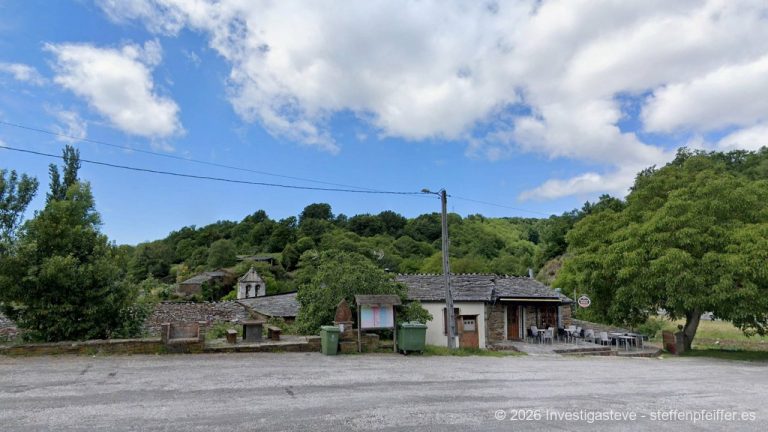
You leave the proud Roman walls of Astorga, and as the rhythmic echo of your footsteps on the urban asphalt slowly fades, the world around you changes with an almost tangible speed. Barely two kilometers behind the bishop’s city, Valdeviejas slides into view like a gentle, stone bolt between the urban bustle and the coming solitude of the mountains. It is a place of threshold experience, located at about 865 meters altitude, where the wide breath of the Castilian Meseta meets the first, forested foothills of the Montes de León. When you enter Valdeviejas, you feel the ground beneath your boots become hard and demanding; the fine dust of the plain gives way here to a firmer, more stony surface that makes a dry, almost crunching sound with every step. The air up here has a different quality than in the valley – it is sharper, clearer, and already carries the tart scent of wild thyme and broom, which will be your constant companion in the coming days.
Olfactorily, Valdeviejas welcomes you with a mix of honest, rural labor and the spiritual weight of centuries. It smells of dry earth, the distant aroma of oak wood fires providing warmth in the squat stone houses, and the damp coolness rising from the small Río Jerga. Haptically, this place is a journey back to the essentials: the walls of the houses are built of rough, dark fieldstone, whose surfaces feel rough and unyielding under your fingers. The sun, which often burns unobstructed up here, stores its heat in these stones, so that even at dusk they still radiate a comfortable, earthy warmth. Acoustically, the village is dominated by a deep, almost reverent silence, broken only by the distant chiming of the bells from Astorga or the hissing whisper of the wind in the rows of poplars. It is a psychological moment of gathering; you stand at the gate to the Maragatería, and Valdeviejas signals to you with every fiber of its simple architecture that the time of easy paths is now definitively over.
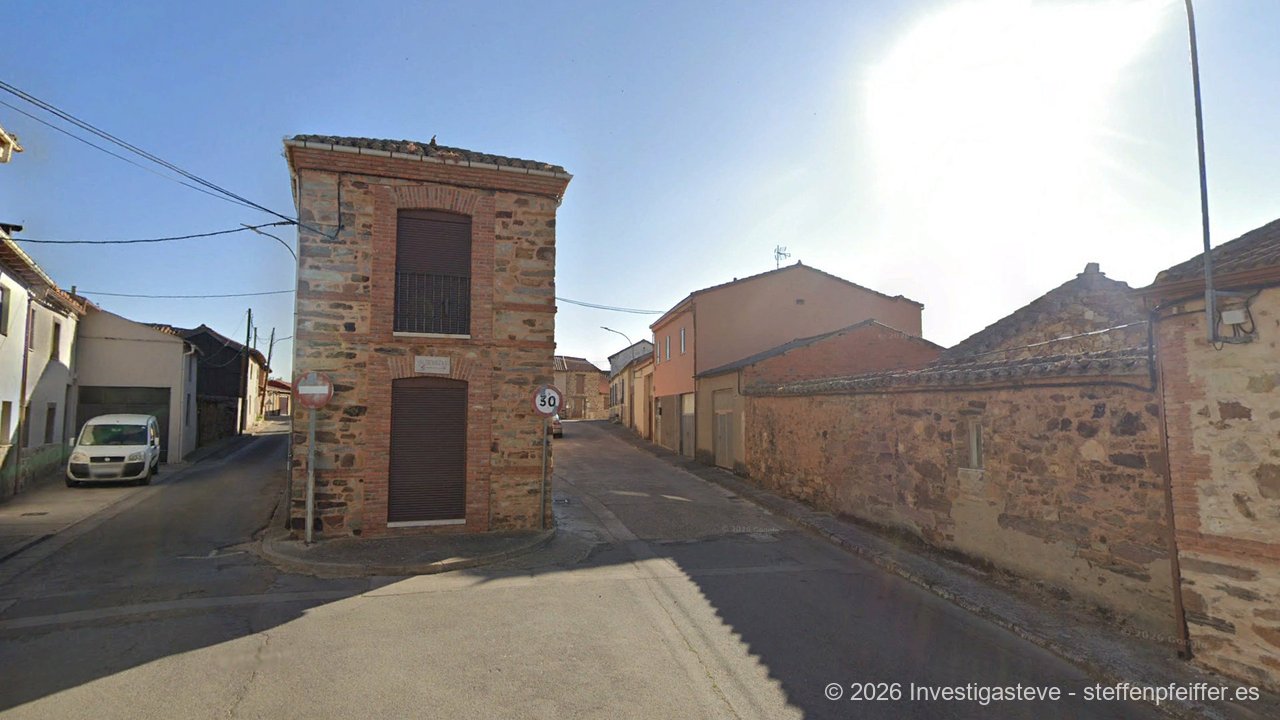
The atmosphere in the narrow alleys is characterized by a productive melancholy. You see the massive portals of the Maragato houses, constructed to protect the heavy mule carts of the Arrieros, and grasp the historical weight of this region. Everything here appears stable, designed for eternity, and yet of a touching modesty. When the light of the late afternoon sun bathes the ochre-colored facades in a deep gold and the shadows of the Ermita del Ecce Homo creep long across the path, a feeling of deep anchoring sets in. You are no longer just a hiker; you have become part of the topography. Valdeviejas is the base camp of your soul before the ascent, a place that does not want to impress you with pomp, but with its pure, unvarnished presence. Here, between the ruins of old Hospital tradition and the blossoming of modern pilgrim culture, you find the rhythm that the city briefly took from you.
What This Place Tells
The story of Valdeviejas is a narrative of transformation and divine intervention, cast in the dark stone of the Maragatería. Originally a small outpost in the shadow of the mighty Asturica Augusta, the village developed in the Middle Ages into an indispensable link in the chain of pilgrim care. Here, at this strategically favorable point where travelers took their last rest before the Montes de León, the Hospital system flourished. Historically documented is the existence of a pilgrim Hospital run by the brotherhood of the “Sancti Spiritus.” You must imagine the psychological situation of a medieval pilgrim: he had hundreds of kilometers of the Meseta behind him, was exhausted, perhaps sick, and looked with concern at the rugged peaks on the horizon. Valdeviejas was the place where this fear was transformed into hope. The walls tell of tens of thousands of souls who sought comfort here, a warm soup, and a blessing for the dangerous pass of Monte Irago.
The heart of local tradition and the undisputed landmark of the place, however, is the Ermita del Ecce Homo. The chapel, whose present appearance dates from the 18th century, houses a miracle deeply burned into the collective memory of the region. The legend tells of a desperate pilgrim woman who lost her only child in the treacherous waters of the Río Jerga (or, according to other versions, wanted to save her child from drowning). In her distress, she called upon the image of the Ecce Homo. A small bird – often described as a robin or a swallow – is said to have swooped down and pulled the child from the floods with its beak. This “miracle of the bird” gave the chapel supra-regional significance. When you stand before the altar today and breathe in the smell of old wax and cold stone, you feel the resonance of this myth. It is a historical causality of grace: from a natural danger (the river), faith created a place of power. The chapel was magnificently renovated in the 18th century through the generosity of local nobles and the donations of the Arrieros, reflecting the prosperity of the Maragatería at that time.
Culturally, Valdeviejas is inseparable from the identity of the Maragatos. This ethnic group, whose origins remain shrouded in the mists of history – theories range from Gothic roots to Moorish refugees – shaped the village through their itinerant trade. The Arrieros were the freight forwarders of the Spanish Empire; they transported fish from Galicia to the center and brought luxury goods back. In Valdeviejas, you still find the typical architectural features of this class: large, double-leaf wooden gates, wide inner courtyards for the mule teams, and thick walls to protect against thieves and cold. This sociocultural layering makes the village a living open-air museum. It does not tell of great battles, but of the tough endurance of the carters and the deep piety of those who understood the Camino as their life’s mission. As you walk through Valdeviejas, you wander through a narrative of constancy that shows that even a small hamlet in the shadow of a large city can possess its own, indomitable soul.
Addresses & tips in Valdeviejas
Camino Distances
Only a short walk separates Valdeviejas from the Roman walls of Astorga, but scenically it is already a completely new section of your path.
| Previous Location | Distance (km) | Next Location | Distance (km) |
|---|---|---|---|
| Astorga | approx. 1.7 km | Murias de Rechivaldo | approx. 2.5 km |
Sleeping & Arriving
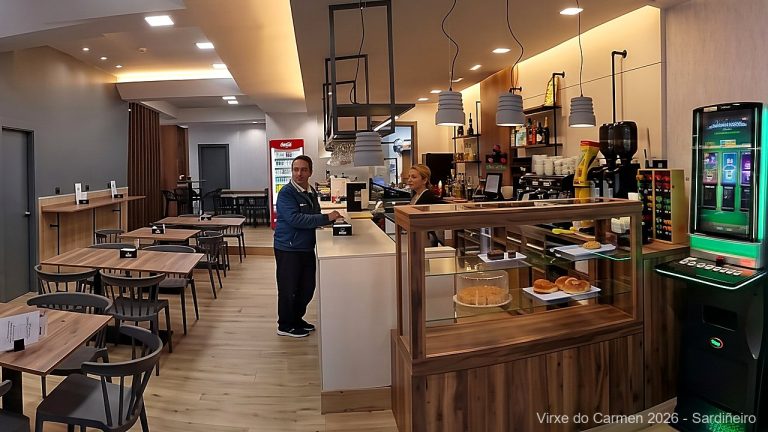
Arriving in Valdeviejas means making the decision for silence. While most pilgrims stay in Astorga to enjoy the comforts of the city, those who stop in Valdeviejas choose conscious deceleration. The welcome in the village is characterized by an almost familial warmth, standing in stark contrast to the often anonymous operation of large urban hostels. Arriving here is a haptic process: you set down the heavy backpack on one of the stone benches in front of the hostel, feel the release of pressure on your shoulders, and breathe in the clear, cool air drifting down from the distant peaks. The village offers with the pilgrim hostel a place of simplicity reminiscent of the original hospitality of the Middle Ages. Here it does not smell of modern cleaning products, but of aired rooms, fresh spring water, and the anticipation of those who can hardly wait for the ascent.
Psychologically, arriving in Valdeviejas is an important filter. You escape the “pilgrim jam” of the city and find your way back to yourself. The acoustics of the evening here are not determined by traffic noise, but by the rhythmic clattering of storks on the church tower or the soft murmuring of pilgrims writing their diaries in the shade of the Ermita del Ecce Homo. It is a moment of mental reorientation. The operators of the local accommodations are often deeply rooted in the Maragatería tradition and, upon reception, share not only keys but also stories about the Río Jerga and the upcoming route. You do not feel like a number on a bed occupancy plan here, but as a valued guest at a historical threshold. The thick stone walls of the hostels offer thermal protection that feels almost maternal – cool on hot afternoons and warming when the sun sinks behind the Montes de León.
Those who choose a room in one of the small guesthouses or country houses immerse themselves even deeper into the haptic world of the Maragatería. You often sleep under heavy beams, gaze at uneven, whitewashed walls, and feel the solidity of the architecture beneath your feet. The sound of steps on the floorboards connects you acoustically with the generations of Arrieros who once stretched their tired limbs here. Arriving in Valdeviejas is a ritual act of cleansing from urban hustle. You wash the dust of Astorga from your face, use the clear, ice-cold water of the village fountains, and feel ready for the next big chapter. It is a gentle arrival, a slow gliding into rural peace that grounds you psychologically and generates the necessary strength for the elevation gains of the next day.
The arrival is often accompanied by the visual dominance of the chapel. When you approach the place, the hermitage is the first thing your eye fixes on. It acts like a magnet for the pilgrim’s attention. This heading towards a fixed, sacred point has a centering effect on the mind. You know exactly where you are and why you are here. In the evening hours, when the first stars appear over the barren landscape, Valdeviejas transforms into an island of light. The conversations in the common rooms often revolve around the “miracle of the bird,” and you feel how the legend of the place fuels your own imagination. That is the true quality of staying overnight in Valdeviejas: you do not just sleep in a bed, you sleep in a story.
In summary, Valdeviejas offers the pilgrim a strategic and emotional niche. It is the perfect place for those who want to leave Astorga late in the afternoon to gain a head start for the next morning, or for those who prefer the spiritual density of a small, miracle-believing place to the busy bustle. Arriving here is a decision for the quality of silence and the haptic reality of village life. Once you have experienced the cool peace of a night in Valdeviejas, you will tackle the following stages with a different, deeper serenity.
Eating & Drinking
The culinary identity of Valdeviejas is inseparable from the Arriero culture and the gifts of the Maragatería earth. Those who stop here should prepare their senses for the absolute culinary highlight of the region: the Cocido Maragato. In the small eateries and hostels, this stew is celebrated with a seriousness that almost resembles a religious ritual. The smell emanating from the kitchens is an intoxicating mix of paprika (smoked paprika powder), garlic, seven different types of meat, and the legendary Garbanzos de Pico Pardal. These chickpeas, small and firm in texture, are the haptic heart of the dish. The taste is intense, salty, and characterized by a deep, earthy spiciness that fills every corner of your palate. The peculiarity that you eat the meat first, then the vegetables, and only at the very end the soup, will be explained to you by the hosts with proud pathos – a legacy of the carters who always had to be ready to consume the most important part of the food first in case of danger.
Alongside the mighty Cocido, Valdeviejas offers the simple, honest cuisine of the Castilian highlands. A breakfast here often consists of robust, hand-baked bread, drizzled with extra virgin olive oil and sprinkled with a pinch of sea salt. The scent of freshly roasted coffee mixes with the cool mountain air in the early morning hours and provides an immediate wake-up effect. Haptically, the food here is rustic: you use heavy ceramic plates and often still traditional wooden spoons that do not dissipate the warmth of the food as quickly. For drinking, a robust red wine from the León region or nearby Bierzo is usually served. The wine tastes of slate soil, dark forest berries, and the irrepressible power of the sun that has beaten down on the vines all summer long. A sip of this wine in the shade of the hermitage is a sensory revelation that connects the pilgrim immediately with the terroir.
For a quick hunger in between, Valdeviejas also offers authentic delights. Cecina de León, an air-dried and lightly smoked beef, is a haptic delicacy. You feel the fine grain of the meat on your tongue and taste the salty breeze of the mountains. A piece of robust cheese from the Maragatería alongside, and you have the perfect energy package for the onward way to Murias de Rechivaldo. The water in Valdeviejas deserves a special mention: it is ice-cold, clear, and tastes of the purity of the Montes de León. When you fill your bottle at the village fountain, you feel the cold of the metal and hear the rhythmic splashing that sounds like a promise of refreshment. Eating and drinking in Valdeviejas means absorbing the power of the earth and steeling yourself for the coming physical challenges.
Supplies & Logistics
The logistics in Valdeviejas are characterized by the proximity to Astorga, yet they retain an independent, rural character. Those who come here need not fear supply shortages, but should understand the specific structure of the place. There are no huge supermarkets, but small, fine supply points tailored to the needs of pilgrims. In the hostel and the few private shops, you find the essentials: water, blister plasters, fresh fruit, and energy-rich snacks like nuts or dried fruit. Shopping here is a haptic experience – you exchange a few coins for goods, exchange a few words with the owner, and feel the personal level of trade. Prices are fair and reflect the honesty of the region. Those needing specialized medication or technical equipment can walk back to Astorga in just twenty minutes, making Valdeviejas a logistical safety net.
The supply of digital infrastructure is surprisingly good for such a small village, thanks to the modern pilgrim movement. In most accommodations, there is stable Wi-Fi, whose signals fight their way almost silently through the thick granite walls. The mobile network is excellent due to the flat terrain towards Astorga. Nevertheless, the atmosphere of the place invites you to put digital devices aside and engage with the acoustic reality of the village – the clattering of the storks is the most important “network” here. The water supply is exemplary; the public fountains are well maintained and provide drinking water of the highest quality. There are central stations for waste disposal, and pilgrims are asked to respect the cleanliness of the place, especially around the Río Jerga and the chapel.
Shopping: No large supermarkets in the village. Basic supplies (snacks, water, fruit) in the hostel or in Astorga (approx. 1.7 km away).
Gastronomy: Focus on regional cuisine (Cocido Maragato) in the hostels and small bars. Excellent value for money.
Accommodation: Choice between a public pilgrim hostel and private country houses/guesthouses. Reservation in high season recommended.
Public Facilities: The Ermita del Ecce Homo is the spiritual center. Public fountains with drinking water are available in the village center.
In summary, Valdeviejas represents logistically the perfect “light version” of a pilgrim stage. You have the security of the big city behind you, but already enjoy all the advantages of rural peace. The infrastructure is minimalist but highly functional. Those who arrive here should check their supplies for the further ascent into the mountains once more, as the places beyond Murias de Rechivaldo become significantly lonelier. Valdeviejas thus serves as a logistical springboard: it gives you everything you need on your way without burdening you with excess. It is the logistics of reduction that frees the mind for the actual experience of walking.
Don’t Miss
– The Ermita del Ecce Homo: The absolute must. Step into the cool silence, look at the image of the Ecce Homo, and let the magic of the legend be told to you. The atmosphere inside is characterized by an almost tangible piety. – The stork spectacle: Pay attention to the nests on the roofs and the tower. The rhythmic clattering of the storks is the authentic soundtrack of Valdeviejas and a wonderful photo motif. – The chapel stamp: Get the pilgrim stamp in the hermitage. It is often one of the most beautiful on the entire way, showing the symbol of the chapel or the Ecce Homo – a valuable document of your journey. – The miracle-bird relief: Look on the facade or inside for depictions of the legendary bird. It is a fascinating game of discovery to find the history behind the stones. – The Río Jerga: Go down to the small river where the miracle happened. Feel the cool water, hear the rustle of the poplars, and take a moment for a meditation by the watercourse. – Maragato architecture: As you walk through the village, pay attention to the massive portals. The haptic quality of the old wood and the size of the gates tell of the former wealth of the Arrieros.
Insider Tips & Hidden Places
Off the main path, which leads pilgrims directly past the hermitage, Valdeviejas hides small, almost invisible treasures revealed only to the attentive eye. One such place is the small path that branches off immediately behind the Río Jerga toward the old pastures. Here, far from the yellow arrows, you find a peace that is almost eerie. You hear only the hum of bees in the broom and the distant rustle of leaves. It is the perfect place to lie in the grass for an hour and watch the drifting clouds. The smell of damp earth and wild mint is particularly intense here. This place offers psychological relief from the constant forward movement of the Camino and allows you to simply “be” for a moment.
Another insider tip is the back of the hermitage. While all pilgrims focus on the portal and the interior, the rear wall reveals the true age of the structure. Here you find stones that could date from Roman times, reused in medieval walls. The haptic quality of this masonry is like a braille script of history; you feel the uneven edges and the different layers of time. It is a place for hobby archaeologists and those who love the constancy of stone. Here, in the shadow of the apse, the acoustics are isolated, and you can almost interpret the whisper of the wind as voices from the past. It is a place of absolute authenticity, untouched by tourist staging.
Those who look closely will find in the walls of some private gardens in the village small niches in which simple religious symbols or flowers are placed. These “private altars” are expressions of the deep, almost archaic piety of the Maragatos. They are olfactory oases, as roses or lavender are often planted here, whose scent sweetens the dry village air. A conversation with one of the few permanent residents about these details can open doors to stories not found in any guidebook. You learn about local customs, about the hard work in the fields, and about the importance of water in this barren region. These encounters are the true “hidden places” of the Camino – the spaces between people.
Lastly, note the light shows early in the morning when the mist still hangs in the Jerga valley. When the first sunbeams break through the haze and blur the contours of the hermitage, an almost mystical scene emerges. In these moments, Valdeviejas appears like a village from another dimension, detached from time and space. It is a visual immersion that touches you deep inside. You feel the presence of the “miracle” more clearly than at any other time of day. This fleeting moment of beauty is the ultimate insider tip for early risers ready to learn wonder anew. Valdeviejas is not what you see, but what you feel when you are ready to look closely.
Moment of Reflection
In Valdeviejas, your pilgrimage reaches a critical turning point of inner reflection. You stand at the border between civilization and wilderness, between the history of a city and the legend of a village. The sight of the Ermita del Ecce Homo and the knowledge of the “miracle of the bird” challenge your rational mind. It is not about historical evidence, but about the psychological readiness to consider the impossible possible. The miracle teaches us that help often comes from the smallest, most unexpected sources – like from a small bird. In your own life: who was the “robin” that pulled you from the floods in difficult moments? Valdeviejas forces you to pause and formulate this gratitude before you undertake the arduous path into the mountains.
The silence of the place and the simplicity of the Maragatería act as a catalyst for your thoughts. Here, far from the comfort of Astorga, you recognize how little material possessions are actually worth when faced with the vastness of nature and the depth of faith. The haptic roughness of the stones reflects the resilience of your own soul. You feel that you are ready to shed the old shells. The psychological gate of Valdeviejas opens for those willing to examine their burdens not only physically but also mentally. What do you take with you over the pass, and what do you leave on the banks of the Jerga?
When you leave Valdeviejas, you take a new form of serenity with you. The spirit of the place – a mix of belief in miracles and stoic endurance – becomes part of your inner compass. You grasp that the way to Santiago is not a race, but a procession of small wonders. The encounter with the legend has expanded your heart and sharpened your senses. You now walk more consciously, pay more attention to the birds by the wayside and the flow of the water. Valdeviejas has taught you that the greatest truths are often hidden in the smallest villages. You are now ready for the Maragatería, for the slate and the broom, for you carry the peace of the “Ecce Homo” within you.
Camino of the Stars
This place lies on the Camino Francés, on the stage from Astorga to Rabanal del Camino. The sequence of locations is:
Astorga → Valdeviejas → Murias de Rechivaldo → Santa Catalina de Somoza → El Ganso → Rabanal del Camino
Did you feel the “miracle of the bird” at the Ermita del Ecce Homo yourself, or did the haptic peace of the Maragato houses in Valdeviejas touch you in a completely different way? Perhaps you took a photo of the storks on the church tower or experienced a very personal moment of reflection by the Río Jerga? Share your stories, your impressions, and your insider tips with us. Your experience enriches the way for all who come after you – we look forward to your contribution!
About the Author