A new stage day – entering the stage
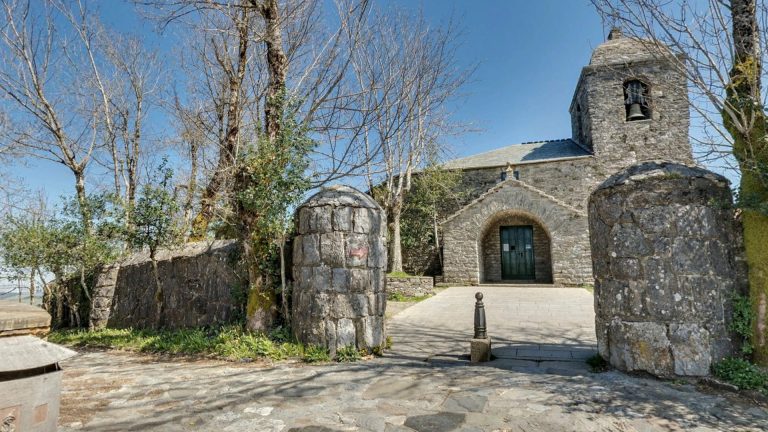
The morning in O Cebreiro does not simply break; it reveals itself. When you step out of one of the ancient Pallozas, whose thatched roofs seem pressed deep into the granite to withstand the hurricane-like autumn storms, you often stand above the things. It is the “sea of clouds,” the Brétema, lying deep in the valleys of Galicia, allowing only the mountain ridges to rise like dark islands from a white ocean. The air up here at 1,300 meters is thin, sharp, and tastes of freedom and farewell at the same time. You feel the moisture of the mist on your skin, a fine film settling on your clothes and bathing the world around you in a diffuse, mystical light. It is the moment of caesura: the hard Castile lies behind you, and before you opens the green labyrinth of Galicia. Psychologically, this departure is marked by an almost solemn weight. You leave the place of the Grail miracle, a space where legend and reality have been inseparably woven together since the 9th century, and begin the long descent into the valleys, where life has a different, more earthy rhythm.
As you take the first steps on the rough stone pavement that forms the core of the village, you feel the historical causality beneath your soles. Every stone here has been polished by millions of pilgrim feet; every gust of wind carries the echo of the prayers of centuries past. The smell of damp slate, mixed with the aroma of burning oak wood from the chimneys of the inns, forms the olfactory signature of this morning. You hear the distant ringing of the bells of Santa María la Real, a deep, resonant sound that accompanies you like an invisible bond for a while longer as you turn westward. Your senses are sharpened; your eyes scan the horizon for the first glimpse of distant Santiago, even though it is still days away. In this moment of immersion, your own journey merges with the 1200-year-old tradition of the Way. You are no longer a hiker; you are part of a breathing, historical organism that today pours over the ridges of the Sierra de Rañadoiro.
Route and elevation profile
Distance: 20.8 km
Elevation gain: ↑ 230 m / ↓ 850 m
Difficulty: Moderate. The challenge lies less in the ascents than in the strain on the joints during the long, partly steep descent to Triacastela.
Special features: A spectacular ridge hike over two passes (San Roque and Poio), exposed paths with wide panoramic views, and the transition from the high mountain landscape into the dense forests of Galicia.
Today’s stage can be described as a “dance on the ridge” before the great fall into the depths follows. After leaving the mystical enclave of O Cebreiro, the path initially leads in an undulating manner over the ridge. It is one of the most visually impressive passages of the entire Camino. You move on a natural viewing platform, flanked by deep valleys and distant mountain ranges. The technical demands are moderate at the beginning, but the physical strain changes abruptly behind the Alto do Poio. Here begins a descent that annihilates over 800 meters of elevation. The ground changes from paved paths to narrow forest trails and stony farm tracks, which require high concentration especially when wet.
The elevation profile shows two prominent elevations: the Alto de San Roque (1,270 m) and the Alto do Poio (1,335 m). The latter is the highest point of today and simultaneously marks the beginning of the final downward movement. The descent to Triacastela is less a technical than a conditioning problem for the knees and shins. It is a steady downward glide through different vegetation zones – from the barren high pastures down into the lush chestnut and oak forests. The psychological component of this stage is the change of rhythm: from the euphoric expanse of the ridge hike to the focused work of the descent, where every step on the often uneven granite and slate needs to be placed consciously.
Variants and small detours
On this stage, there are hardly any official variants that would fundamentally change the course, which considerably simplifies navigation. The route largely follows the historical path that uses the elevations to avoid the marshy valleys. Nevertheless, there are small nuances in the route for the mindful pilgrim. Shortly after Hospital da Condesa, one can choose between the official path along the road and narrower paths that cut somewhat deeper into the landscape. These paths offer significantly higher atmospheric density and protect the walker from the often cutting wind that sweeps over the exposed asphalt surfaces. It is the choice between the efficiency of the direct path and the haptic experience of the soft forest floor.
Another, rather unofficial variation arises in the area of Fonfría. While most pilgrims follow the call of the large hostel, it is worth exploring the small side paths that lead to old cattle troughs and abandoned stables. These short detours open up insights into the archaic Galicia that still exists away from the modernized pilgrim highway. Further on towards Triacastela, the path is without alternative, as it squeezes like a funnel through the narrow valley of the Rio Ouribio. Any small deviation here would inevitably end in steep, impassable terrain. Thus, the “variant” today remains more of a mental one – the decision whether to keep your gaze fixed on the ground to master the descent, or to pause again and again to absorb the historical depth of the passing hamlets like Filloval or Pasantes.
Description of the path – with all senses
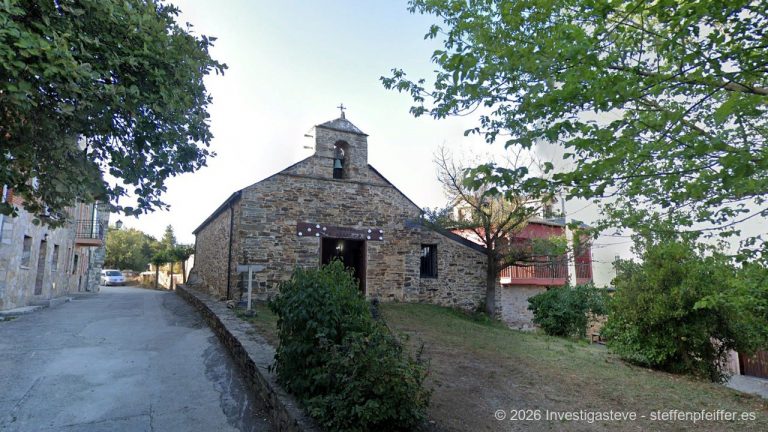
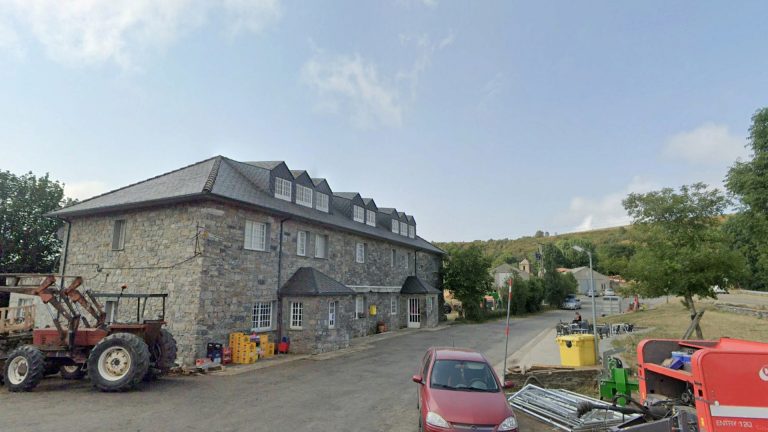
The path out of O Cebreiro first leads you gently downhill towards Liñares. You feel the hard slate beneath your soles, a material that determines the entire architecture here. The air is cool, almost icy, when the wind blows over from the peaks of the Ancares. You hear the rhythmic pounding of your steps on the ground, a monotonous beat that puts you into a trance-like state. Arriving in Liñares, you pass the church of San Esteban. The smell of damp incense and old stone emanates from the open portal, a brief, sacred reminder of the depth of your journey. You run your hand over the rough granite blocks of the church wall and feel the coolness of the centuries. The historical causality is tangible here; Liñares was once famous for its flax cultivation, which provided the sails for ships and the shirts for pilgrims – a haptic legacy that now lives on only in the names of the fields.
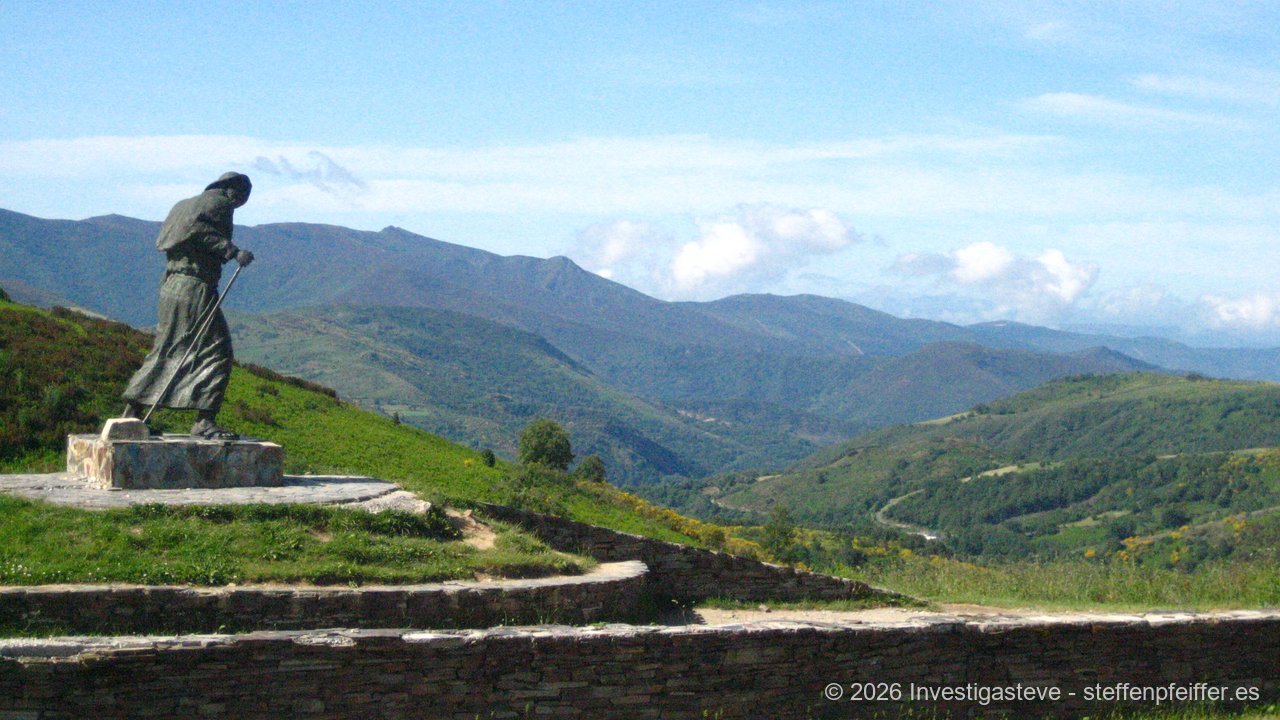
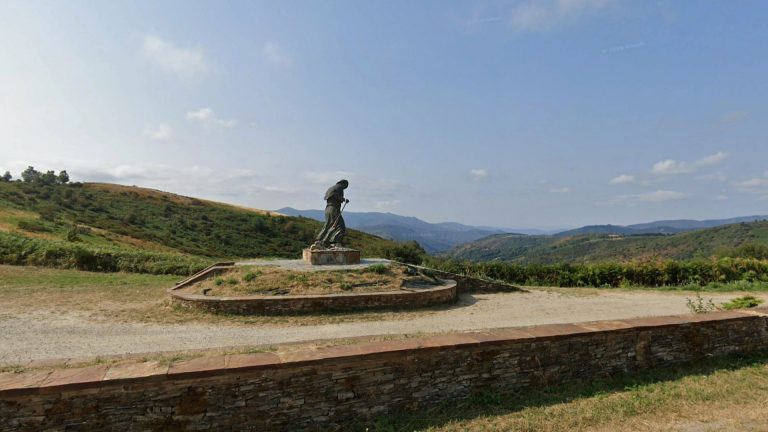
Behind Liñares, the path winds up to the Alto de San Roque. Here, you encounter the “Pilgrim in the Storm,” a monumental bronze statue braced against the invisible wind. You feel the symbolism of this place in every fiber of your body. The wind tugs at your clothes, whistles in your ears, and carries the scent of wild broom and heather to you. It is an auditory experience of immense violence and beauty at the same time. Psychologically, this point is a place of power: like the statue before you, you too have fought through adverse circumstances to stand up here. Your gaze sweeps over the endless waves of the Galician mountains, a visual crescendo that can bring tears to your eyes. You feel the connection to all those who stood here before you, a haptic bond of endurance and longing.
The descent to Hospital da Condesa leads you into a quieter valley. You hear the distant ringing of cowbells, an irregular, metallic sound that underscores the silence of the high pastures. The smell changes abruptly; the ethereal aroma of the mountains is replaced by the heavy, earthy scent of livestock and freshly mown hay. Hospital da Condesa is a place of haptic weight. The houses are massive, almost fortress-like. You feel the history of the place, founded in the 9th century by a countess to offer shelter to pilgrims in need. The water from the village fountain tastes metallic and ice-cold, a haptic refreshment that sharpens your senses for the upcoming ascent to the Alto do Poio.
The ascent to the Poio is short but sharp. You hear your own heavy breathing; blood pounds in your temples. The ground beneath you consists of loose scree; every step demands concentration and strength. Arriving at the top, at the Alto do Poio, the world opens up again. You stand at the highest point of the day and look out at the distant silhouettes of the next stages. The wind up here is your constant companion; it carries the distant roar of the main road to you, an acoustic sign of modernity in this archaic world. You sit down on a stone bench, feel the rough texture of the granite, and watch the shadows of the clouds chasing across the valleys – a visual spectacle of dramatic intensity.
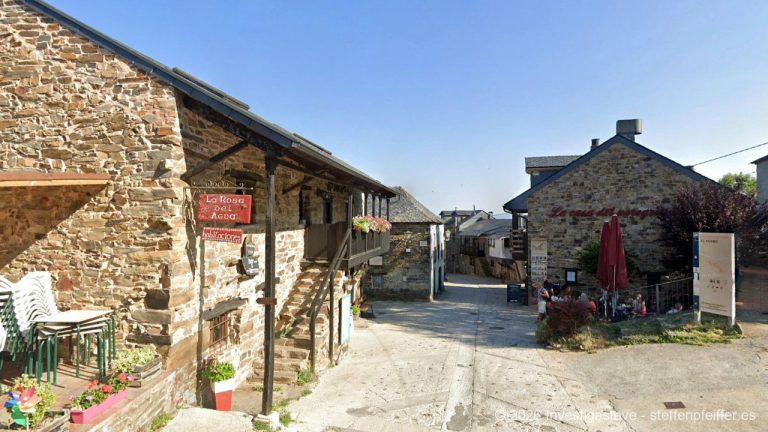
Behind the Poio, the “fall” begins. The path leads you down to Fonfría. Here, the vegetation changes; the first chestnut trees appear, whose leaves clap in the wind like a thousand small hands. You hear the rustling of leaves under your steps, a dry, crackling sound heralding autumn. In Fonfría, it smells of fresh bread and “Queimada.” The haptic experience of this place is characterized by community; you sit at long wooden tables, feel the warmth of the fire and the energy of the other pilgrims. The historical causality is shown in the construction of the houses, which here already possess the typical Galician wooden balconies, a haptic transition from the stone world of Cebreiro into the wood and stone world of the valleys.
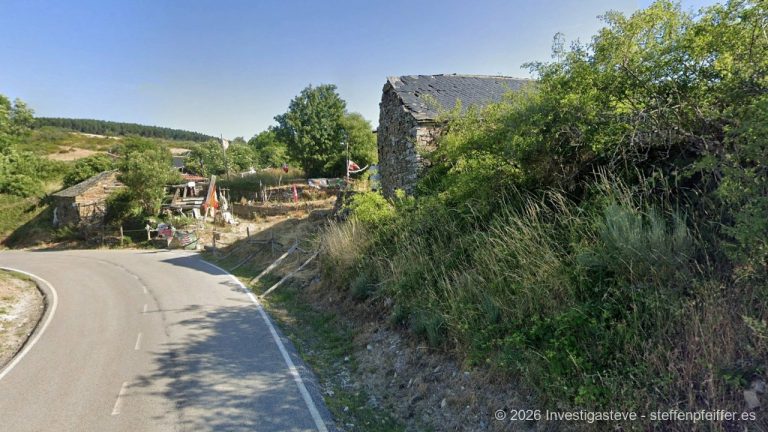
The further descent leads you through Filloval. The path is steep and crossed by deep furrows that rainwater has carved into the stone over centuries. You feel the resistance of the slate rock beneath your soles, a hard, unyielding material. You hear the distant echo of your own steps on the rock faces, a hollow sound that emphasizes the solitude of the descent. The air down here becomes warmer, more humid, saturated with the scent of moss and ferns. You pass small streams splashing over the path, an acoustic sign of Galicia’s water abundance. Your body is now fully attuned to the rhythm of the descent, a psychological phase of concentration in which the outside world merges into a green tunnel.
In Pasantes, you reach a zone of silence. The place seems deserted, almost museum-like. You feel the coolness of the shade cast by the giant chestnut trees. Their trunks are gnarled and covered with lichens, a haptic texture of immense complexity. You run your hand over the bark and feel the life force of these tree giants that have witnessed pilgrim trains of the Middle Ages. The smell of damp earth and decaying leaves is particularly intense here. You hear the soft hum of insects in the afternoon sun, a peaceful soundtrack that makes the hard descent forgotten. Psychologically, this is a moment of grounding; you have arrived back in the “down,” in the heart of rural Galicia.
Shortly before Triacastela, you reach the hamlet of Ramil. Here stands a chestnut tree that is said to be over 800 years old. Its sight is a visual revelation. You stand before a living being that has witnessed the entire history of the Camino. The haptic presence of this tree is overwhelming; you feel as if you can sense the vibrations of the centuries in its trunk. The air here is heavy with the scent of chestnut blossoms or ripe fruit, depending on the season. You hear the distant rushing of the Rio Ouribio, an acoustic signpost guiding you directly into the center of Triacastela. The ground becomes flatter here again; the hard asphalt of the first houses catches your steps.
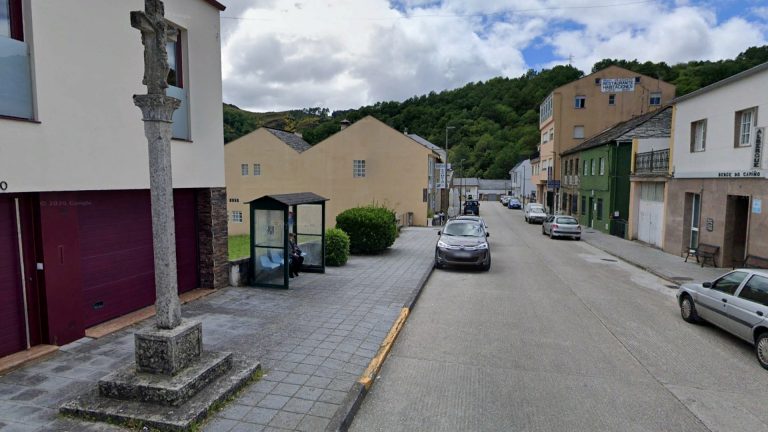
The entry into Triacastela is characterized by a hard, almost urban acoustics. You hear the clatter of dishes from the bars, the murmur of arriving pilgrims, and the bustling activity of the locals. The smell changes again: the aroma of grilled meat and Galician soup (Caldo Gallego) fills the streets. You feel the resistance of the pavement in your knee joints, a clear signal from your body after the long descent. You pass the church of Santiago, whose walls are built of light limestone – a haptic and visual contrast to the dark slate of the morning. The historical causality is omnipresent here; Triacastela is the place of the “three castles,” none of which still stand, but whose spirit lives on in the massive foundations of the houses.
When you finally reach the hostel and let your backpack slide from your shoulders, you feel a sudden, almost painful lightness. Your body still vibrates from the rhythm of the descent. You sit down on a wooden bench, feel the hard material beneath you, and let the day pass in review. The psychological metamorphosis is complete: from the “king of Cebreiro,” who sat enthroned above the clouds, you have become the humble wanderer in the valley again. You smell the scent of fresh laundry and disinfectant in the hostel, a clinical contrast to the wild nature of the Poio. In your mind, the images of the day merge into a feeling of deep gratitude. You have entered Galicia, you have conquered the mountain, and you are ready for the next chapter.
In the silence of the night in Triacastela, you hear only the distant rushing of the river. It is a soothing sound that rocks you to sleep. You feel the coolness of the sheet on your skin, a haptic luxury after the hardness of the path. In your dreams, the clouds of Cebreiro pass by you once more, and you feel the wind at San Roque on your face. You know that tomorrow’s stage will lead you deeper into the green heart of Galicia, but the strength of the mountains you now carry as a firm core within you. Triacastela is not just a stage destination; it is the place of reorientation – where the stone of the mountain becomes the strength of the plain.
Dining, accommodation & supplies
The supply situation on this stage is excellent, which significantly eases the mental burden of the hard descent. Just a few kilometers after O Cebreiro, Liñares offers the first opportunity for a second breakfast. However, the strategically most important point is the Alto do Poio. The bar there is legendary; it is the last outpost before the long descent and offers, besides strong coffee, the necessary psychological support for the coming kilometers. In Fonfría, local specialties like freshly baked bread and homemade cheese lure, often offered directly by the wayside. It is advisable to refill water supplies here, as the subsequent forest section no longer offers guaranteed springs until reaching the outskirts of Triacastela.
In Triacastela itself, the infrastructure is completely geared towards the pilgrim. The town offers a high density of hostels, guesthouses, and small hotels. The public hostel at the entrance of the town is functional and clean, while private accommodations often boast an extra dose of comfort and family atmosphere. Culinary-wise, Triacastela is a feast for meat lovers; the local gastronomy is famous for its excellent regional beef. It is advisable to reserve a table early in one of the mesóns, as the town bubbles with life in the evening and the community of pilgrims is celebrated here with particular intensity.
Gastronomy: Mesón Vilasante in Triacastela offers authentic Galician cuisine. At the Alto do Poio, a rest is obligatory to gather energy reserves for the descent.
Accommodation: The municipal Albergue de Triacastela is a solid anchor point. Privately, the Complexo Xacobeo offers a modern standard with an integrated restaurant.
Public facilities: Triacastela has all necessary facilities such as pharmacies, small supermarkets, and a medical center.
The special thing today
The outstanding feature of this stage is without a doubt the statue of the pilgrim at the Alto de San Roque. It is more than just a photo motif; it is the haptic and visual symbol of the pilgrim’s determination. In the bronze, every muscle, every fold of the cloak, and the tension of the struggle against the elements is frozen. When you stand beside it while the wind whips over the pass, you feel a physical resonance. It is the moment when the individual effort is elevated into a collective, historical dimension. You recognize that your struggle against exhaustion and the wind is the same that pilgrims have fought at this very spot since the Middle Ages.
Another special element is the Pallozas in O Cebreiro and Liñares. These pre-Romanesque round buildings with their meter-high thatched roofs are haptic testimonies of a bygone era. Their architecture is a perfect response to the extreme climate of the Galician mountains. When you step inside a Palloza, a peculiar silence and warmth envelops you. The smell of old straw, soot, and damp stone tells stories of a hard struggle for survival. They are the visual landmark of this region and mark the entry into a Galicia that proudly carries its Celtic roots to this day.
Finally, the historical phenomenon of the limestone of Triacastela deserves mention. Even if no pilgrim carries heavy stones in their backpack today, the story is present in the collective memory of the place. The name Triacastela (Three Castles) refers to a military significance, but its true importance for the Camino was logistical and spiritual. The knowledge that the building material for the destination of all longings – the cathedral – originated here changes the perception of the ground beneath your feet. You walk on the foundation of Santiago, a historical causality that casts the hard descent in a completely new, dignified light.
Reflection at the end of the stage
When the day draws to a close in Triacastela and the shadows of the mountains engulf the valley, the time of inner harvest begins. You stand in the middle of the town and look back at the distant peaks now glowing in the evening light. The 20.8 kilometers were a lesson in humility and endurance. The reflection of today’s day leads you to the realization that the descent is often harder than the ascent – a metaphor for life itself. It requires more strength to yield in a controlled manner and not lose the ground beneath your feet than to storm uphill with the goal in sight.
You feel that Galicia has now fully taken you in. The cool, damp air, the smell of the forests, and the constancy of the stone have grounded you. You realize that the journey is approaching its end, even though kilometers still lie ahead. In the silence of your hostel, when exhaustion transitions into a deep satisfaction, you know: you have crossed an important threshold. Triacastela is the place where you have exchanged the expanse of the mountains for the intimacy of the valleys. With this new feeling of security, you are ready for the green labyrinth that will lead you to Sarria tomorrow.
Camino of the Stars
This stage lies on the Camino Francés, on the stage from O Cebreiro to Triacastela. The sequence of places is:
| Stage | Start | Destination | Distance (km) | Elevation gain | Difficulty | Intermediate places |
|---|---|---|---|---|---|---|
| 26 | O Cebreiro | Triacastela | 20.8 | ↑ 230 / ↓ 850 | moderate | Liñares → Alto de San Roque → Hospital da Condesa → Alto do Poio → Fonfría → Filloval → Pasantes → Ramil |
Did you greet the “Pilgrim of San Roque” in the storm, or did you already feel the first Galician limestone for your destination in Triacastela? How did the rhythm change from the expanse into the green labyrinth feel for you? Share your story of the descent from the clouds with us – your words are the stars on the path of those who are still searching for the Grail today.
About the Author

O Cebreiro – The Mystical Throne of Galicia in the Mist of Time
Liñares – The Quiet Echo of the Linen Weavers on the Roof of Galicia
Alto de San Roque – Where the Wind Shapes the Soul of Galicia
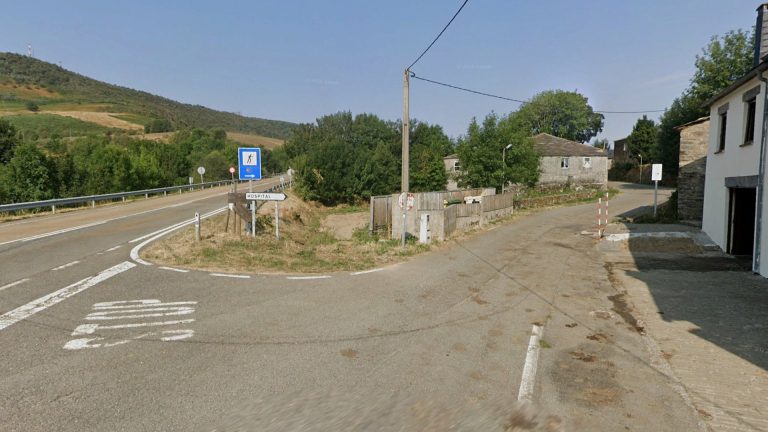
Hospital da Condesa – The Stone Legacy of the Countess in the Sea of Mist
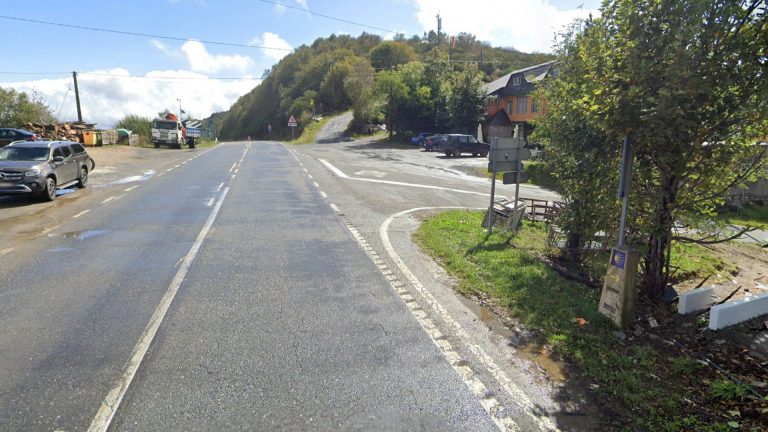
Alto do Poio – The Summit Victory on the Roof of Galicia
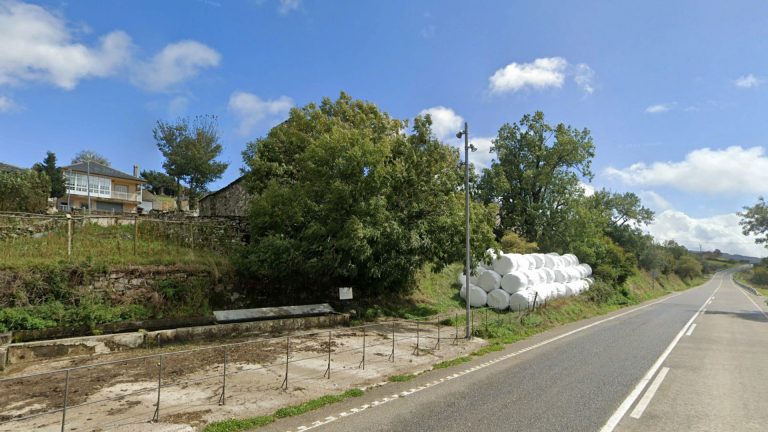
Fonfría – The Stone Legacy of the Icy Spring on the Ridge of Galicia
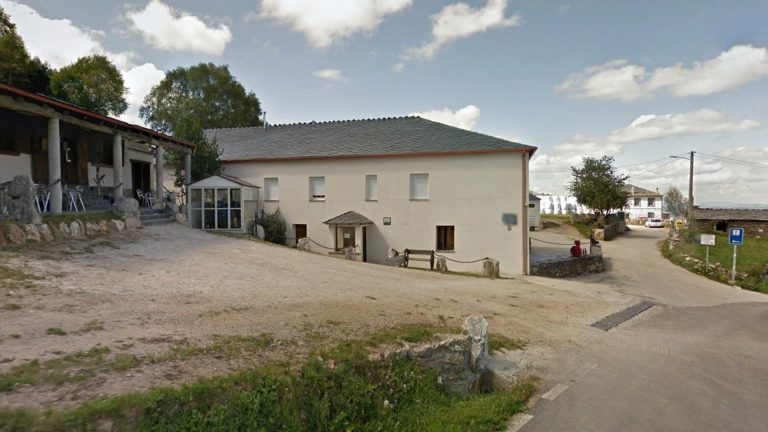
O Biduedo – The Stone Threshold between the Peaks and the Green Heart of Galicia
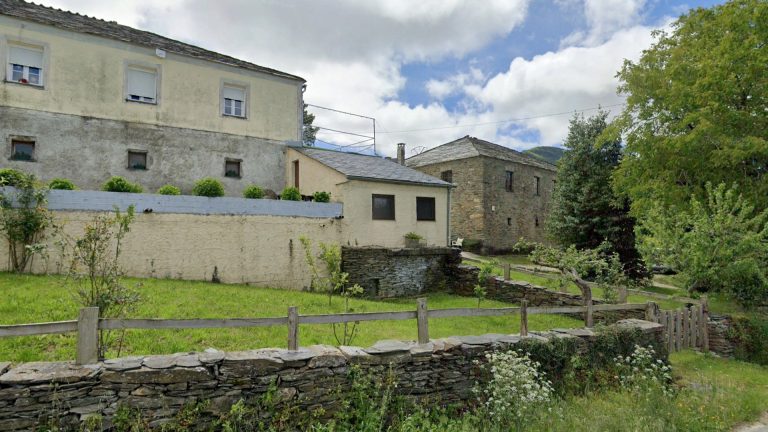
Fillobal – The Stone Refuge in the Shaded Lap of the Oribio Valley