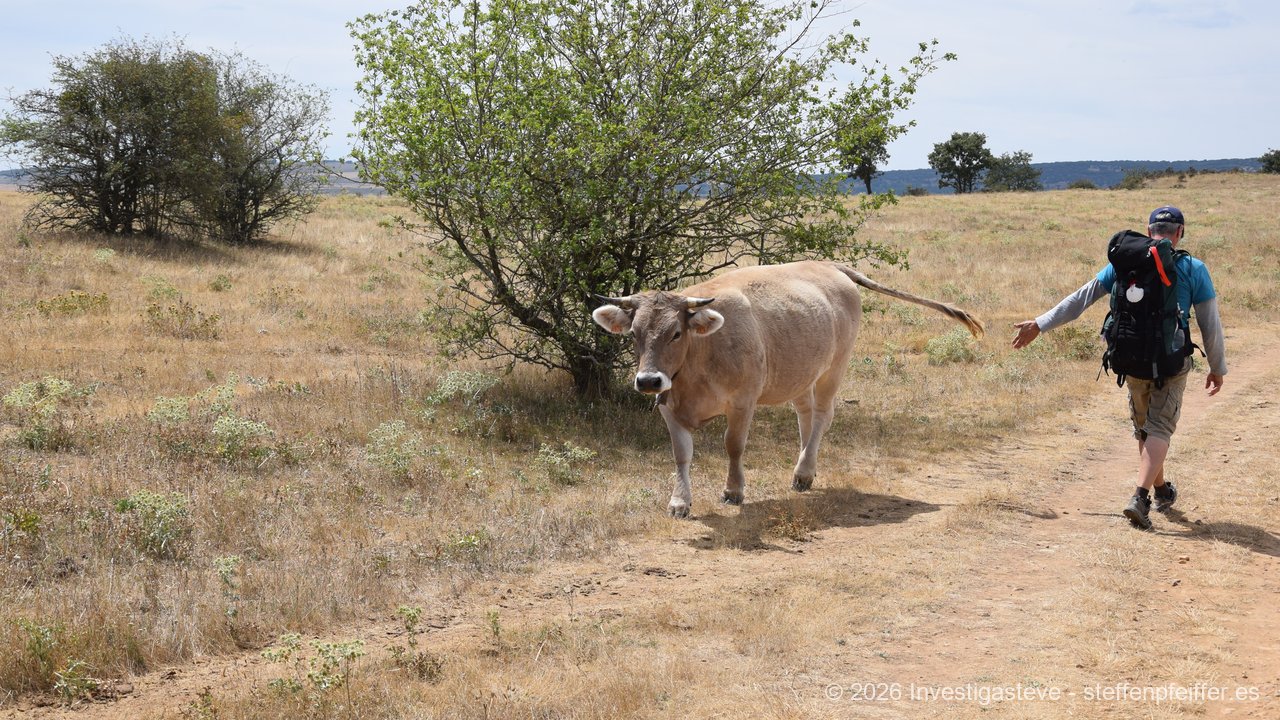
A new stage day – entering the stage
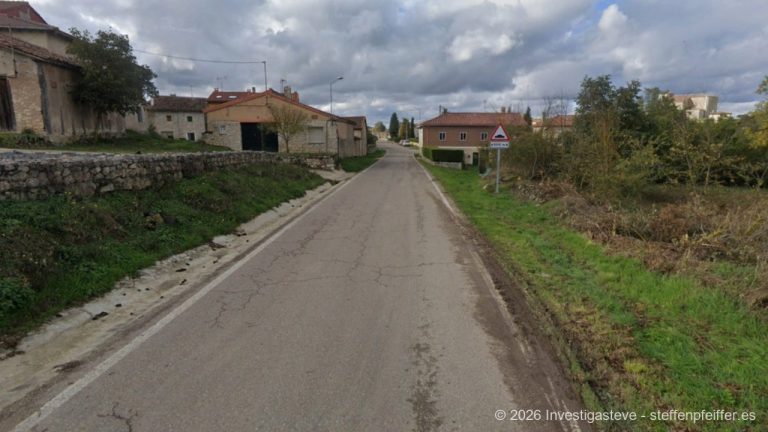
The morning in Belorado begins with an almost tangible silence, broken only by the distant, rhythmic clattering of storks on the towers of Santa María. When you leave the narrow alleys of this historic town, a cool, almost damp veil of mist often lies over the valley of the Río Tirón, bathing the massive limestone cliffs that surround the village like protective walls in a mystical grey. The air is sharp and carries the pungent scent of damp earth and the first smoke of chimney fires. It is a moment of caesura: behind you lie the fertile plains of La Rioja, ahead of you rises the first serious barrier on the way to Santiago – the notorious Montes de Oca. Your gaze wanders westward, where the horizon already appears darker and more wooded, and you feel a slight pull in your shoulders as you adjust your backpack for a day that will lead you deep into solitude.
This departure is a ritual leaving of familiar paths. As the rhythmic clicking of your hiking poles echoes on the asphalt of the town exit, you feel the transition from urban order to archaic wilderness. The ground beneath your soles is still firm here, a mixture of old asphalt and compacted earth, but the character of the landscape is already subtly changing. The light breaks in the dewdrops on the edges of the grain fields, and the psychological weight of the coming “robber forest” begins to transform into anticipation and respect. You breathe in deeply, taste the clear, oxygen-rich air, and notice how your pulse slowly adapts to the rhythm of your steps. Today, you leave the world of villages behind to seek silence in the shade of the oaks – a silence found only by those willing to traverse the unknown.
Route and elevation profile
Distance: 27.4 km (to Agés) / approx. 30 km (to Atapuerca)
Elevation gain: ↑ 480 m / ↓ 250 m
Difficulty: Moderate to Hard. The technical challenge of the ascent is moderate, but the enormous distance and the psychological burden of the long forest passage without supplies make this stage demanding.
Special features: Steep ascent behind Villafranca Montes de Oca, 12 km of absolute solitude in the forest, historic monastery of San Juan de Ortega.
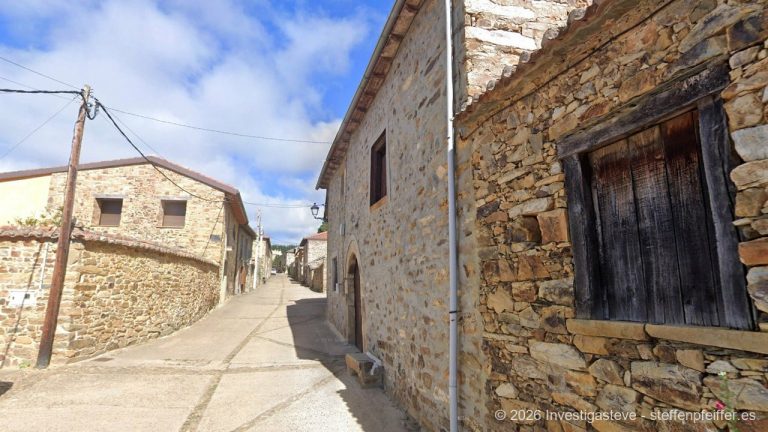
Today’s route is a dramaturgical composition in two acts. The first part leads us through the flat, almost gentle terrain of the Oja Valley. We pass small, sleepy villages like Tosantos and Villambistia, where the path is flat and orientation simple. Here, the ground is inviting, often reddish from the high iron content of the soil. The elevation profile shows only minimal fluctuations here, an almost deceptive calm before the actual heart of the day. We walk on wide agricultural paths lined with sunflower fields and vines, as the sun slowly gains strength.
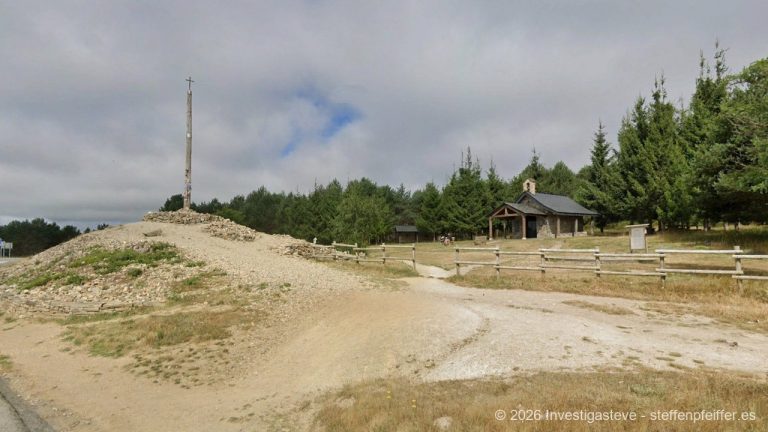
The second act begins in Villafranca Montes de Oca. Here, the topography changes abruptly. Immediately behind the village church, the path rises steeply and relentlessly into the mountains. We leave civilization behind and enter a high plateau dominated by dense oak and pine forests. Over the next 12 kilometers, there is no village, no fountain, no electricity pole. The profile rises steadily to the monument at the Alto de la Pedraja at 1,150 meters, before transitioning into a gentle but long descent towards the monastery of San Juan de Ortega. It is a stage of mental endurance, where the visual monotony of the forest becomes a meditative test.
Variants and small detours
There are hardly any significant scenic variants on this stage, as the path through the Montes de Oca is largely fixed by topography. Nevertheless, a small, spiritual detour offers itself to the attentive pilgrim in Tosantos. Instead of following the direct path through the village, one can dare the short ascent to the rock church of Ermita de la Virgen de la Peña. This church is carved directly into the soft limestone and looks like a swallow’s nest on the rock face. It is not a physical challenge, but a worthwhile expansion of perspective, as from up there you get a first glimpse of the distant mountains you will cross in the afternoon.
Another subtle decision must be made in Villafranca Montes de Oca: if you do not feel physically capable of managing the full 12-kilometer forest passage in one go, you should definitely rest here or split the stage. There are no “official” detours to bypass the forest without incurring massive extra kilometers on country roads. The true variant today is the decision for silence. Those who choose Agés as their destination gain a quieter evening in an almost museum-like village, while Atapuerca already breathes the breath of the approaching city of Burgos and the monumental weight of human history.
Description of the path – with all senses
The path out of Belorado begins with a haptic experience of softness. The path nestles against the contours of the river valley, and you feel the yielding ground beneath your feet, still marked by the night’s dew. The sound is a soft, muffled rustling as your boots glide over the edges of the grain fields. In Tosantos, the acoustics change: the distant barking of a dog and the rhythmic clatter of tractors in the distance accompany you. The smell here is earthy and sweetish, a mixture of blooming broom and the mineral note of the limestone cliffs. As you walk past the rock church, you feel the cool radiation of the stone, an archaic feeling that makes you pause briefly.
In Villambistia, the Camino presents you with a legend of water. You hear the bright splashing of the fountain on the plaza. Tradition says that you must wash your face with this water to drive away fatigue. You feel the icy cold of the water on your skin, a tingling contrast to the already rising midday heat. Your mind clears, and the taste of the water on your lips is metallic and pure. The path to Espinosa del Camino leads over reddish clay paths that begin to shimmer in the sun. The historical causality becomes tangible here: you are walking on a route that already served as a strategic corridor in the Middle Ages. Your senses are sharpened for the small details – the grain of a weathered vine, the distant ringing of a church bell, which sounds strangely sharp in the dry air.
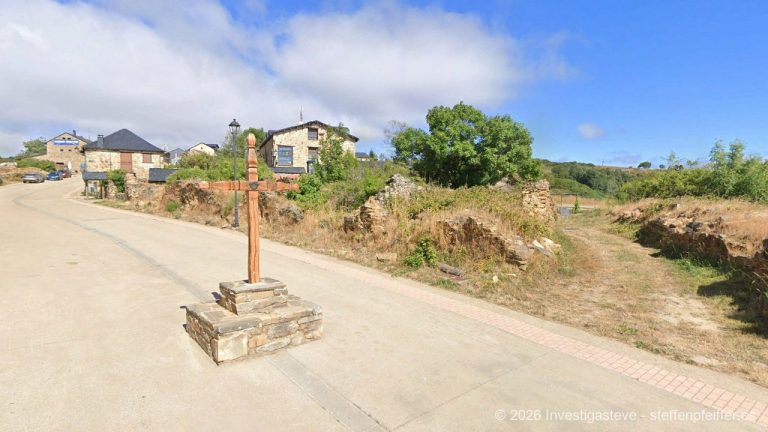
The entry into Villafranca Montes de Oca is an auditory surprise. Suddenly, the noise of the main road cutting through the village dominates. It is a sensory shock after the quiet of the fields. But as soon as you begin the steep ascent behind the church, the forest swallows you. The acoustic backdrop changes radically. The roar of the cars is replaced by a deep, sonorous whistling of the wind in the treetops. It is a five-dimensional immersion in nature. You feel how your calf muscles tense during the ascent, how every step on the loose stones of the “wall” requires a conscious decision. The smell changes from agricultural-sweet to spicy-resinous. You breathe in the scent of pine needles and damp moss, an aroma that penetrates deep into your lungs and gives you new strength.
On the high plateau of the Montes de Oca, the psychological metamorphosis reaches its peak. The solitude here is tangible. You hear nothing but your own breath and the occasional cracking of a branch under your feet. The visual world reduces to the eternally same green and brown of the oak trunks. The light is filtered through the dense canopy and falls in long, dusty fingers onto the path. You taste the fine dust on your tongue, a dry, earthier aroma. It is a phase of reduction. Your mind, still occupied with the worries of daily life in the morning, is forced into calm by the monotony of the forest. You feel the historical weight of this place – once feared as a hiding place for robbers and wolves, it is today a shrine of silence.
The arrival at the Alto de la Pedraja is a haptic milestone. You touch the cool stone of the monument to the victims of the Civil War. Here, the beauty of nature merges with the weight of human history. You feel the wind, sweeping unprotected over the summit up here, cooling the sweat on your temples. The acoustics here are wide and open. The distant whistling of a bird of prey is the only sound interrupting the silence. The descent towards San Juan de Ortega leads you over wide forest tracks, where the ground becomes firmer again. The visual exhaustion of the forest gives way to anticipation of the spiritual center of the day.
San Juan de Ortega welcomes you with a sacred atmosphere that appeals to all senses at once. You step out of the glaring sun into the cool darkness of the monastery. The smell of incense, old dust, and cold granite envelops you like a protective blanket. You hear the hollow echo of your own footsteps on the stone slabs of the cloister. It is an acoustic holiness. When you stand before the tomb of the saint, you feel the energy of a place that has served as a refuge for pilgrims for 800 years. The haptic experience of the smooth stone, polished over centuries, beneath your fingertips is a connection to the infinity of the path. Here, you smell the famous “Sopa de Ajo,” the garlic soup, whose hearty aroma wafts through the monastery walls and gives you the promise of a well-deserved strengthening.
The final section to Agés leads through a more open landscape. You hear the rustling of dry grass in the wind and the humming of insects in the afternoon heat. The ground here is dusty and light, reflecting the light and causing the colors of the distant hills to fade. The psychological relief of having left the forest behind mixes with a deep satisfaction. Arriving in Agés, the haptics of the ground change: cobblestones, uneven and full of character. You smell the aroma of wine cellars and damp clay. The architecture of the half-timbered houses looks like a backdrop from another time. You feel heavy, dusty, but inwardly more composed than rarely before.
The reflection at the end of the stage usually takes place in the silence of the hostel or with a glass of wine on the plaza. You hear the murmur of the different languages merging here in the confines of the village. You taste the robust note of the regional wine, which tastes of this hard earth. The psychological metamorphosis is complete: from a pilgrim of the plain, you have become a wanderer of the wilderness. Today, you have learned that silence is not emptiness, but a space you must fill with your own thoughts. The path through the Montes de Oca has stripped you bare, only to fill you again tomorrow with the monumental history of Atapuerca.
Intermediate places & special features
Tosantos – A small village often underestimated. The special feature is the rock church “Virgen de la Peña.” It is a testament to archaic piety and appears as if grown directly from the rock. The church houses a Romanesque statue of Mary and radiates a calm that gently prepares the pilgrim for the coming challenges. Tosantos is a place of verticality – the upward gaze to the rocks opens the mind to the dimensions of nature.
Villambistia – This village is famous for its legendary fountain. In the Middle Ages, the fear of exhaustion was a constant companion of pilgrims. Villambistia offered physical and psychological refreshment with its iron-rich water. The church of San Esteban is a simple but dignified building that reflects the down-to-earth nature of this region. Here is the ideal place for a short rest to sharpen the senses with the cool water for the ascent into the mountains.
Villafranca Montes de Oca is a strategically significant place. In the Middle Ages, it was the seat of a diocese and possessed a large pilgrim Hospital financed by the royal house. Today, it is the “checkpoint” before the forest. The massive church of Santiago el Mayor stands like a guardian at the beginning of the ascent. Villafranca is the place of logistical preparation; here, you stock up on supplies and gather the mental strength for the 12 kilometers of absolute solitude that begin immediately behind the last houses.
San Juan de Ortega – This is the spiritual and architectural highlight of the stage. The monastery was built by the saint of the same name, a disciple of the bridge-builder Domingo de la Calzada. It is a place of light. Twice a year, at the equinoxes, the “Miracle of Light” occurs here, when a ray of sunlight exactly illuminates the capital of the Annunciation. The Romanesque and Gothic architecture radiates a harmony that touches the pilgrim deeply within. San Juan de Ortega is not just a village; it is an island of culture in a sea of forest.
Agés is a perfectly preserved medieval village. With its half-timbered houses of wood and clay, it looks like a living museum. Agés was historically a place of rest after the dangerous forest passage. The atmosphere is warm and intimate. Here, the community of pilgrims is felt particularly strongly, as the village is small enough to welcome every newcomer. It is the last bastion of rural idyll before plunging into the suburbs of Burgos the next day.
Dining, accommodation & supplies
The supply situation on this stage is a logistical challenge that requires precise planning. Up to Villafranca Montes de Oca, there are bars and cafés in every village. However, after that follows the approximately three- to four-hour forest passage without any infrastructure.
Gastronomy: In Villafranca, you should definitely stock up on supplies. In San Juan de Ortega, the traditional garlic soup is a must – it has been the symbol of pilgrim strengthening after the forest for centuries. In Agés, the hostels often offer communal dinners that reflect the spirit of the region.
Accommodation: The selection in Agés is excellent. “El Pajar de Agés” or “La Plazuela de Agés” are private hostels with high standards and personal management. Those seeking absolute peace stay directly in the Albergue of San Juan de Ortega to enjoy the monastic silence in the evening.
Public facilities: Belorado, as a regional hub, offers pharmacies and banks. In the Montes de Oca, there are no public facilities. Only in Agés and Atapuerca do you find basic services for pilgrims again.
The special thing today
The absolute unique selling point of this stage is the crossing of the Montes de Oca, the former “robber forest.” In the Middle Ages, this was the most dangerous section of the entire Way. The sensory experience of absolute solitude is today the greatest gift of this section. The special thing is the psychological journey: you begin in the security of the villages and are then thrown back upon yourself for hours. This isolation acts like a chemical process that purifies the mind. There is no distraction from architecture or social interaction. Only the green of the leaves and the brown of the earth. This radicalness of reduction makes the 11th stage one of the most intense of the Camino.
A second highlight is the architectural jewel of San Juan de Ortega. The fact that a single man founded a Hospital, a church, and a community here in the 12th century to protect pilgrims from the dangers of the forest gives this place a heroic aura. The “Miracle of Light” on the capitals is a testament to the astronomical and mathematical knowledge of the Middle Ages. The special thing today is the continuation of this tradition: even if there are no more robbers, the monastery remains a place of refuge for the modern soul that has lost its bearings in the forest of thoughts.
Finally, the connection to prehistory in Atapuerca is a special aspect of this stage. While you were still in the medieval world of Belorado in the morning, you stand in the evening at the cradle of humanity. The Atapuerca archaeological sites, the oldest settlement traces in Europe, are just a stone’s throw away. The special thing is this extreme time travel: in one day, you traverse history from the early Middle Ages, through the Romanesque, back to the origins of our species. This stage deconstructs your sense of time and reassembles it in a larger, universal context.
Reflection at the end of the stage
When you walk through the narrow alleys of Agés in the evening, while the setting sun bathes the half-timbered houses in a warm, honey-yellow light, you feel a form of exhaustion that feels completely right. It is not the hustle of the city that is in your bones, but the honest weight of the kilometers covered through the forest. You look back towards the dark silhouette of the Montes de Oca and realize that you have crossed an invisible boundary today. You are no longer a tourist visiting a sight; you have become part of the landscape.
In the silence of Agés, while the wind still blows softly from the mountains, it becomes clear to you that today’s stage was a necessary filter. The noise of the world now lies far behind you. You have learned that you can survive with little water, a lot of silence, and your own thoughts. This realization is the true gift of the forest. The dust on your shoes is not dirt; it is the color of your transformation. You are ready for the coming days, because today you have discovered that in the deepest solitude lies the greatest clarity.
Camino of the Stars
This stage lies on the Camino Francés, on the stage from Belorado to Agés/Atapuerca. The sequence of places is:
| Stage | Start | Destination | Distance (km) | Elevation gain | Difficulty | Intermediate places |
|---|---|---|---|---|---|---|
| 11 | Belorado | Agés/Atapuerca | 27.4 | ↑ 480 / ↓ 250 | moderate-hard | Tosantos → Villambistia → Espinosa del Camino → Villafranca Montes de Oca → San Juan de Ortega |
Did you feel the moment when the forest of the Montes de Oca completely enveloped you and the world outside fell silent? What light did you find for yourself in the monastery of San Juan de Ortega, when after the solitude you touched the cool stone of history again? Share your story of the wilderness and silence with us – your experiences are stars in the sky of the pilgrim community.
About the Author

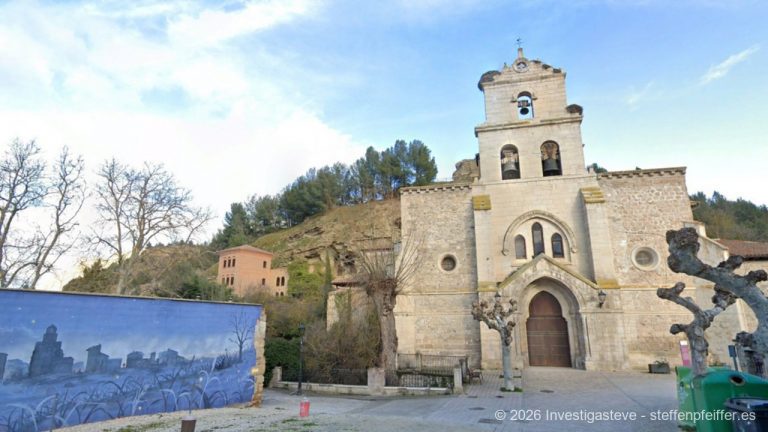
Belorado – The Gate of Leather and Stone Between Worlds
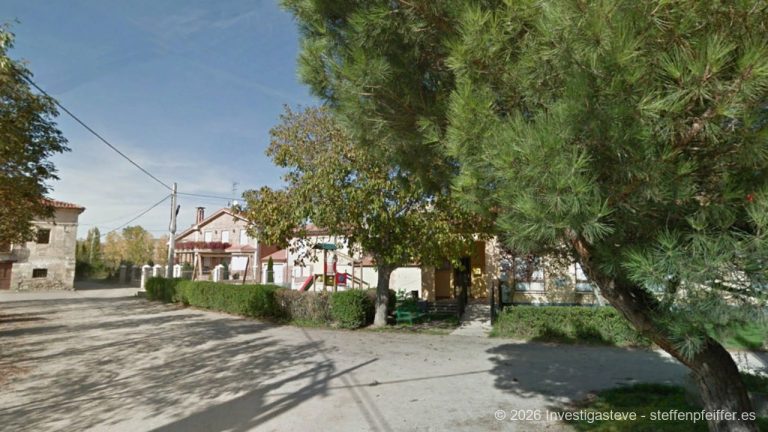
Tosantos – The Refuge in the Heart of the Red Rock
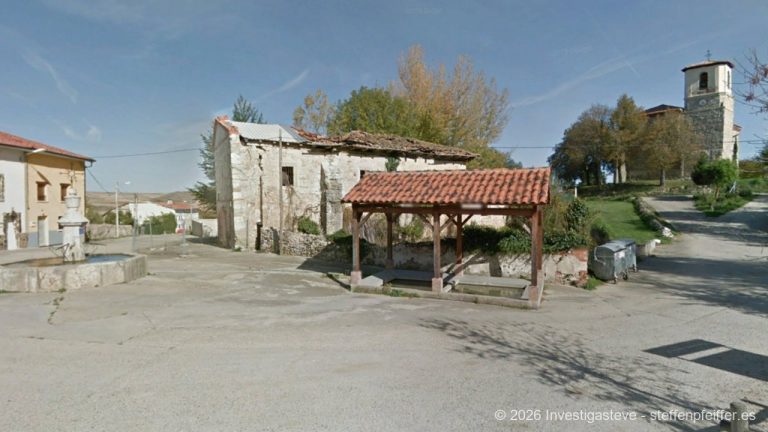
Villambistia – The Whispering Water of Wishes
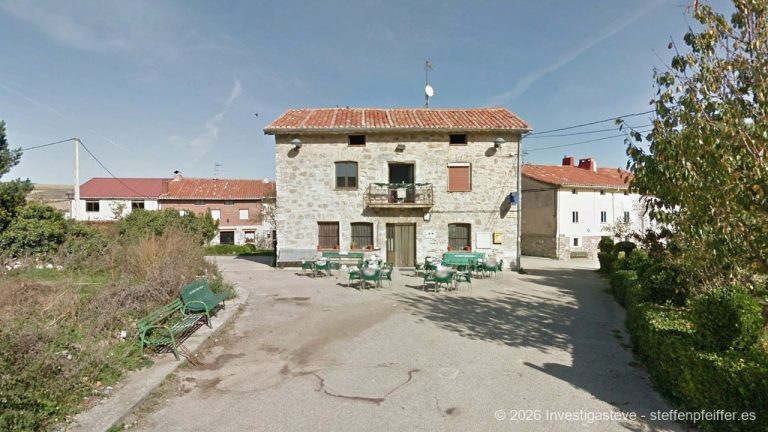
Espinosa del Camino – The Silent Gateway to the Legendary Mountains
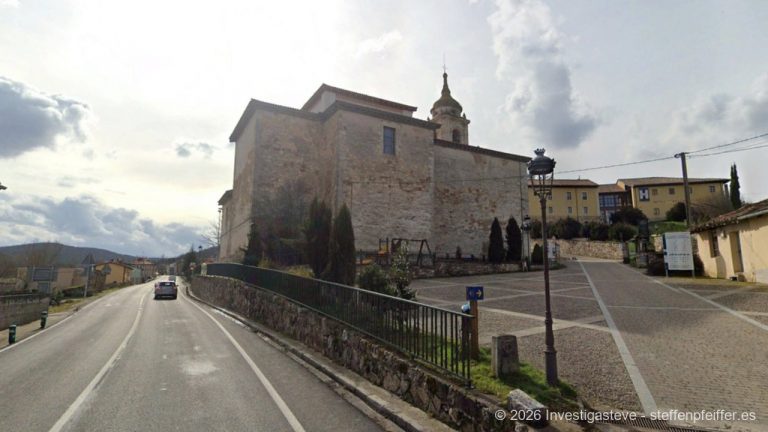
Villafranca Montes de Oca – Where the Safety of the Valley Ends and the Wilderness of the Mountains Calls the Pilgrim to Trial.
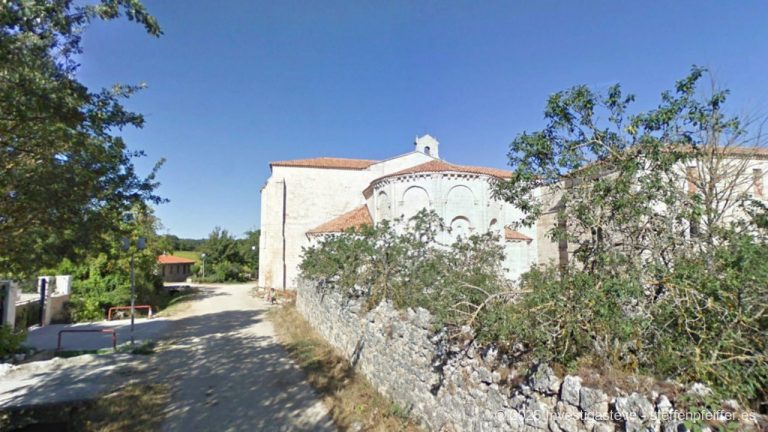
San Juan de Ortega – The Stone Oasis in the Heart of the Montes de Oca
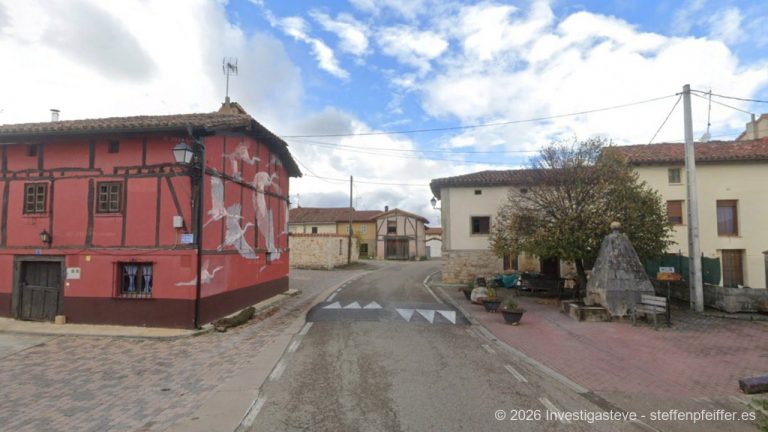
Agés – Where the Shadows of Kings Fade and the Silence of the Red Earth Welcomes the Pilgrim.