A new stage day – entering the stage
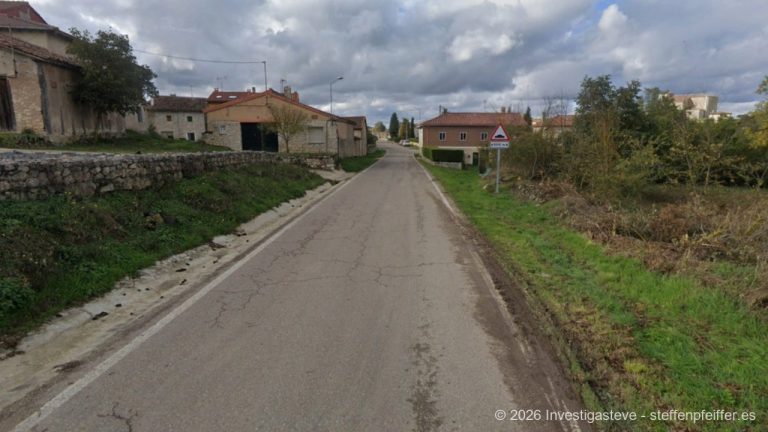
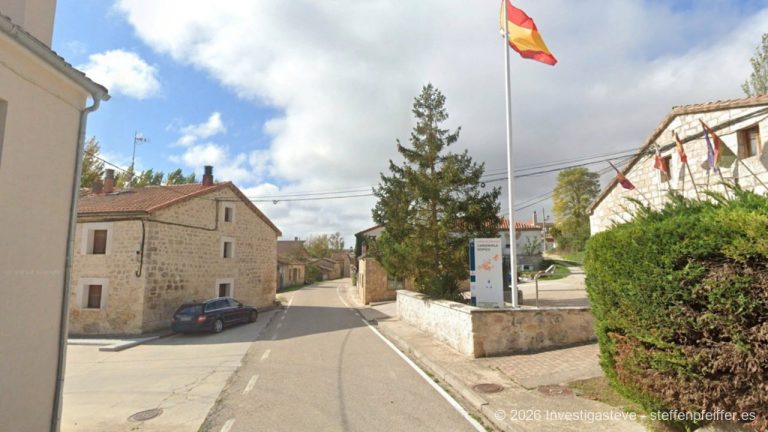
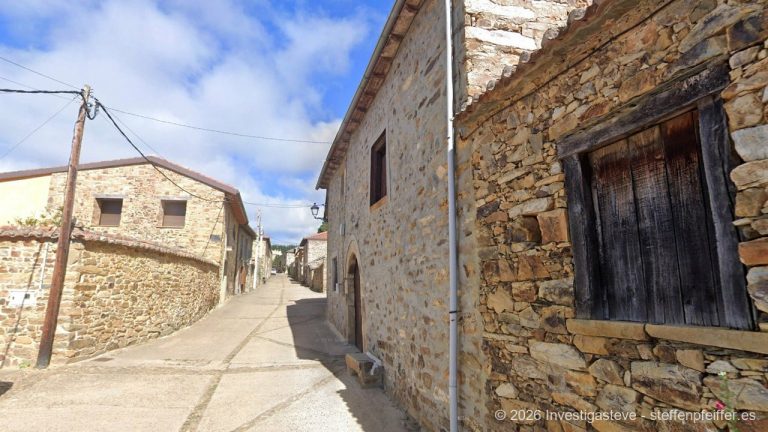
The morning in Agés begins with an almost archaic silence, broken only by the distant, rhythmic clattering of a stork on the bell tower of San Juan Bautista. When you leave the narrow alleys of this humble village built of stone and clay, a cool, almost damp veil of mist still lies over the Castilian plateau, softening the contours of the surrounding hills. The air is sharp and carries the pungent scent of damp limestone, mixed with the first fleeting aroma of burning oak wood from the chimneys of the old houses. It is a moment of absolute caesura. Behind you lies the rural seclusion of the Montes de Oca, ahead of you stretches a path that will lead you from the deepest roots of humanity directly into the pulsating heart of one of the greatest Gothic masterpieces in Europe. Your gaze wanders westward, where the horizon still lingers in the pale grey of early light, but already hints at the electric tension of the nearby provincial capital.
The departure from Agés is more than just physical progress; it is a ritual leaving of security. As the rhythmic clicking of your hiking poles echoes on the old asphalt of the country road to Atapuerca, you feel the transition from the vertical world of the mountains into the wide basin of Burgos. The distance of barely three kilometers to Atapuerca serves as a meditative warm-up phase. Here, at the foot of the Sierra de Atapuerca, you feel an almost physical weight of time. It is a haptic experience of the ground: the path changes from firm asphalt to a loose, stony track that demands the attention of your feet. The smell of dry broom and wild thyme rises as soon as the first sun kisses the dew from the plants. You breathe in deeply and notice how your body adjusts to the long, contrasting day. Today, you leave the cradle of humanity to seek the crown of medieval architecture.
Route and elevation profile
– Distance: 20.5 km (from Atapuerca) / approx. 23.0 km (from Agés)
– Elevation gain: ↑ 160 m / ↓ 280 m
– Difficulty: Moderate. The initial ascent to the Matagrande plateau is short but stony. The true challenge is mental: the long, monotonous march through industrial areas.
– Special features: Historical dimension of the Atapuerca archaeological sites, spectacular panoramic view from the Matagrande Cross, brutal urban contrasts in Villafría and Gamonal.
Today’s route is a dramaturgical composition of three acts that could not be more different. The first act is characterized by the rough, archaic beauty of the Sierra de Atapuerca. Immediately behind the village of Atapuerca, the path rises steadily and stonily until it reaches the Matagrande plateau. Up here, at just under 1,070 meters, the ground is uneven, characterized by calcareous rock that makes every step a small haptic challenge. The elevation profile shows its apex here before transitioning into a long, almost step-free descent into the valley of the Río Arlanzón.
The second act is the transition. We leave the solitude of nature and head towards the suburbs of Burgos. The villages of Villalval, Cardeñuela Riopico, and Orbaneja Riopico lie like small oases of tranquility on the path to civilization. Here, the path becomes flatter, the tracks wider, and the ground firmer again. But the third act is the true test of the day. From Villafría onwards, the hard, unyielding asphalt of the industrial areas dominates. The linearity of the path parallel to the airport and the N-1 highway requires enormous psychological endurance. There is no natural shade here, no topographical distraction – only the monotonous advance through a world of concrete and logistics centers, until finally the towers of the cathedral appear on the horizon as visual redemption.
Variants and small detours
Shortly after Villayuda, just before the gates of the city center, every pilgrim faces a classic strategic decision. There are two ways into the center of Burgos. The official main route leads through the Villafría industrial estate and the Gamonal district. This variant is the most direct, but also the loudest and haptically hardest route. However, it offers the advantage of uninterrupted supply through supermarkets and cafés and leads directly through the pulsating, modern life of the city. It is the path for those seeking the hard contrast and wanting to experience the city in its full, unvarnished reality.
The scenically more attractive variant branches off at Castañares and follows the course of the Río Arlanzón. This path is about one to two kilometers longer, but leads almost entirely through shady parks and green lungs of the city. Instead of walking on asphalt, you walk on soft park paths, hear the rustling of water and the birds in the poplars, rather than the roar of trucks. This variant is a balm for the senses and the joints, as it gently glides the pilgrim into the old town instead of pushing them through the industrial gate. The choice between efficiency and aesthetics is a very personal one here, often depending on the degree of physical exhaustion at midday.
Description of the path – with all senses
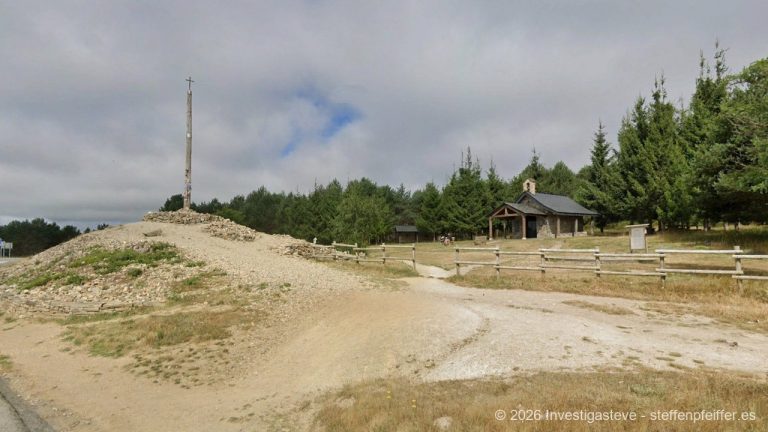
The path out of Agés is a haptic experience of silence. Your boots do not yet find a proper rhythm on the damp asphalt, while the cold of the morning creeps through your clothing. But as soon as you reach Atapuerca and step onto the stony path to the Matagrande plateau, the acoustics change radically. The monotonous clicking of your hiking poles on the hard stone becomes the dominant sound. It is a sharp, dry sound that echoes from the low rocks of the Sierra. You hear the wind, sweeping unhindered over the plateau up here – a deep, resonant roar that clears the senses. The smell of dry grass and the metallic scent of calcareous earth hang in the air. When you place your hand on the wooden cross at the summit, you feel the rough surface, tanned by wind and weather, a symbol of constancy in an ever-changing landscape.
From Matagrande, a visual shock awaits you. In the distance lies the basin of Burgos, often shrouded in an industrial haze, from which only the delicate spires of the cathedral protrude like stone needles. The historical causality becomes tangible here: you stand at a place where, 800,000 years ago, humans already scanned the horizon. The psychological metamorphosis begins with the descent. You leave the archaic world and immerse yourself in the agricultural zone. In Villalval and Cardeñuela Riopico, you hear the distant barking of a dog and the rhythmic hum of a tractor. The smell of fresh hay and the sweetish scent of orchards replace the sparse minerality of the plateau. The ground beneath your feet becomes softer; the reddish earth of Castile yields slightly with every step.
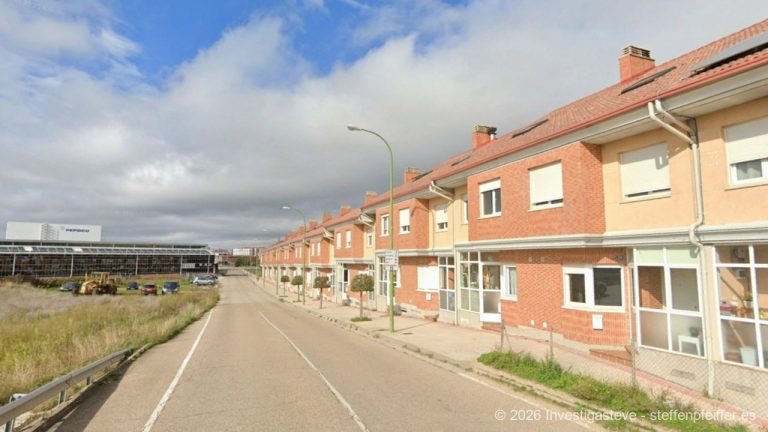
But then the path reaches Orbaneja Riopico, and the atmosphere turns. You hear the first distant rumble of Burgos airport. The acoustic environment condenses; the roar of the highway takes the place of silence. The transition to Villafría is a sensory break. The ground beneath your feet becomes relentlessly hard. The asphalt reflects the heat of the sun, now burning mercilessly from the wide sky. You smell burnt rubber, diesel exhaust, and the metallic dust of the logistics centers. It is a five-dimensional immersion into modernity that often pushes the pilgrim to their psychological limits. You taste the salt on your lips and feel the vibrations of the roaring trucks in the soles of your boots. Here, the Camino becomes an exercise in mental discipline – a long tunnel of concrete that must be traversed to earn the goal.
In Villafría, the visual world is reduced to linearity. Miles of fences, industrial halls, and billboards line the path. Your mind wanders back to the prehistoric finds of Atapuerca, and you recognize the ironic development of civilization: from the cave to the warehouse. But in the midst of this monotony, there are small haptic glimmers of hope. A cool breeze blowing through a gap between two halls, or the redeeming feeling of cooling your wrists at one of the few fountains. The water tastes different here – metallic, urban, but infinitely precious. The psychological weight of this section is intentional; it is the filter that makes the splendor of the old town shine even brighter later.
Gamonal welcomes you with the acoustic density of a working-class neighborhood. You hear the murmur of people, the clatter of coffee cups in the bars, and the ringing of the bells of Santa María la Real y Antigua. The architecture changes from functional halls to dense residential blocks. The smell of freshly baked bread from the bakeries mixes with the aroma of garlic and olive oil from the open kitchen windows. Here, the Camino is human again, loud, and alive. You feel the energy of the city, carrying you like a wave towards the center. The asphalt here is smoother, polished by millions of steps, and the haptic experience of walking becomes more rhythmic again, almost dance-like.
The final entry into the historic center is through the city gate or along the grand avenues. The air becomes cooler, sheltered by the massive granite facades. The smell changes again: it becomes more sacred. A hint of incense, old dust, and the scent of parks wafts towards you. You hear the rhythmic clopping of the mounted police’s horses and the polyphonic concert of tourists and locals. The visual dominance of the cathedral is now absolute. When you finally stand on the Plaza de Santa María, you feel the coolness of the massive stone walls, so different from the shimmering heat of the suburbs.
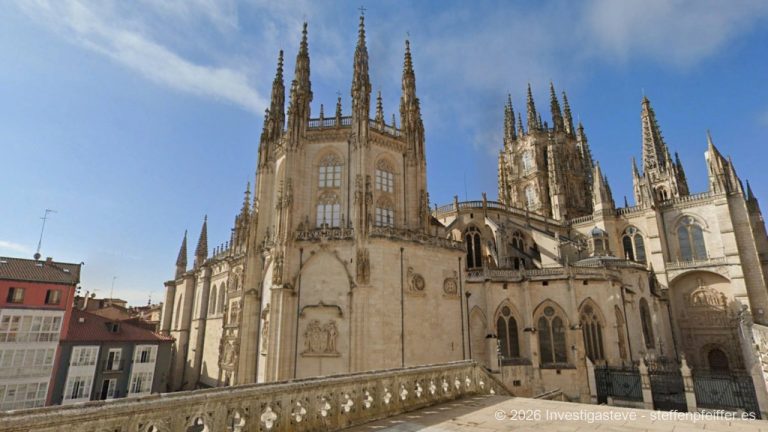
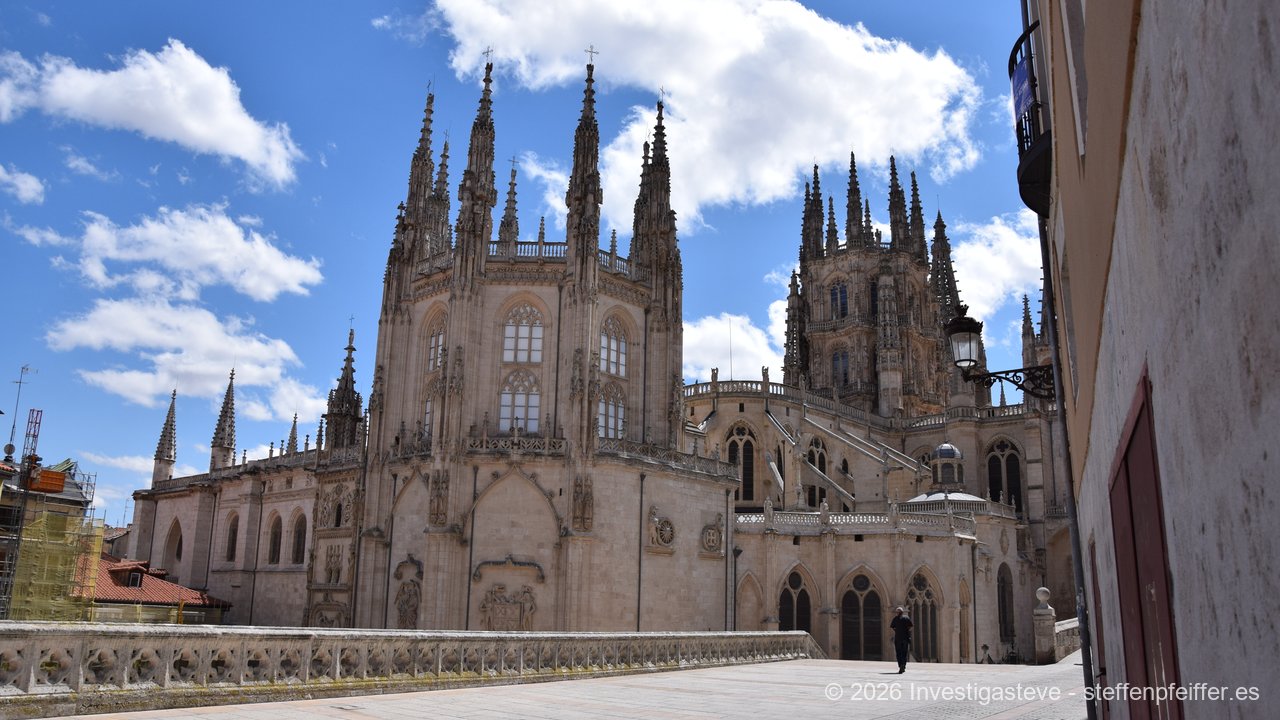
The haptic experience of Burgos Cathedral is overwhelming. As your hand glides over the finely carved limestone, you feel the centuries of craftsmanship. The cold of the stone seems to travel directly into your bones, washing away the heat of the stage. The psychological metamorphosis is complete: from the exhausted wanderer through the wasteland of industry to the amazed visitor of one of the most splendid cathedrals in the world. You hear the distant organ music from inside, a deep, vibrating tone that makes the ground beneath your feet tremble. Here, in the shadow of El Cid, you realize that every hard kilometer on the asphalt was necessary to fully appreciate this sublimity.
The reflection at the end of the stage often takes place on one of the park benches along the Arlanzón. You hear the soft gurgling of the river, radiating the same calm as a thousand years ago. The smell of damp earth and river vegetation soothes your senses. Your body is heavy, your feet burn, but your mind is as clear as the stained glass windows of the cathedral. Today, you have traversed the history of humanity in a single day – from the first stone tools to High Gothic. Arrival in Burgos is not merely the end of a hike; it is immersion in a cultural oasis that makes all the hardships of the day forget with a single glance at its towers.
Intermediate places & special features
Atapuerca This small village is the guardian of one of the most important treasures in world history. The archaeological sites (Yacimientos) in the immediate vicinity have revolutionized the understanding of human evolution. Remains of Homo antecessor, over 800,000 years old, were found here. Atapuerca radiates a calm, almost humble dignity. The architecture is simple, characterized by stone and wood, forming a stark contrast to the coming metropolis. A visit to the information center or a guided tour of the excavation sites is a journey to the origin of our species.
Sierra de Atapuerca and Matagrande Plateau This is the geographical and spiritual highlight of the stage. The Matagrande plateau offers an almost 360-degree view over the Castilian plateau. The wooden cross on the summit is a place of pause. The special feature here is the climatic exposure – the wind is a constant companion here, and the light is of a purity that intensifies the colors of the landscape. It is the last place of absolute nature before the urban entry begins.
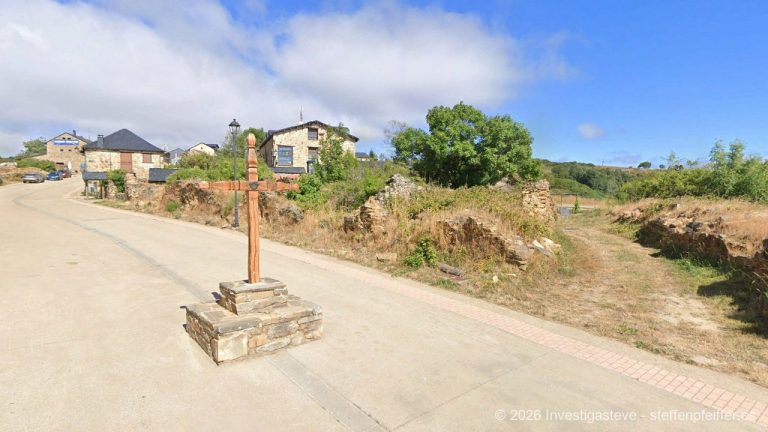
Cardeñuela Riopico and Orbaneja Riopico These two villages are the last bastions of rural tranquility. They seem frozen in time, with their shady squares and small churches. Here, you still feel the original pilgrim hospitality before the anonymity of the big city takes over. Particularly noteworthy is the church of Cardeñuela with its beautiful altarpiece. These places serve as a psychological buffer zone, where you can take one last deep breath before the industrial noise of Villafría begins.
Burgos The city of El Cid Campeador is a monumental treasure chest. The Cathedral of Santa María de Burgos, a UNESCO World Heritage Site, is the undisputed center. Its delicate towers and magnificent interior with the Escalera Dorada and the tomb of El Cid make it one of the most significant sacred buildings in the world. Burgos also offers exquisite gastronomy and a vibrant old town with the splendid Arco de Santa María. The city combines medieval severity with modern Spanish joie de vivre and is a place where you can easily take a rest day.
Dining, accommodation & supplies
The supply situation on this stage is excellent, making it attractive for pilgrims who do not want to carry large supplies. In Atapuerca and the following small villages, there are charming bars specializing in the pilgrim breakfast. Gastronomy: In Burgos, the culinary selection is virtually endless. You should definitely try the “Morcilla de Burgos” (blood sausage with rice), considered the best in the country. The tapas bars around the Plaza Mayor and on Calle San Lorenzo offer an incredible variety of regional delicacies. Accommodation: Burgos has excellent infrastructure. The Albergue Municipal directly behind the cathedral is modern and functional. Private hostels like “Casa de Cubos” offer a high standard. For a luxurious Level 5 regeneration, the Hotel Palacio de la Merced, a former monastery with a spectacular view of the cathedral, is recommended. Public facilities: As the provincial capital, Burgos offers all amenities: pharmacies, ATMs, specialized outdoor shops, and an excellent medical care network.
The special thing today
The absolute unique selling point of this stage is the extreme time travel that the pilgrim undertakes both physically and mentally. In Atapuerca, you stand at the threshold of human evolution, gazing at finds that have shaken the scientific worldview. Only a few hours later, you stand before the Cathedral of Burgos, the epitome of the cultural and religious flowering of the Middle Ages. The special thing is this contrast: from the archaic bones of our ancestors to the transcendent geometry of Gothic stone. This stage deconstructs human history and reassembles it for the pilgrim in a single day.
A second special aspect is the legend of El Cid, Rodrigo Díaz de Vivar. His spirit pervades all of Burgos. From the monumental statue at the Glacis to his tomb in the cathedral, he is the identifying figure of the city. The special thing today is the engagement with this myth of honor, bravery, and loyalty. As you wander through the suburbs and finally enter the splendid old town, you feel the chivalric aura that still shapes this city today. It is a stage that challenges the pilgrim to reflect on their own values and the constancy of fame and honor.
Finally, the urban experience of Gamonal is a special element. It reminds the pilgrim that the Camino not only leads through idyllic landscapes but is a living part of modern Spain. The confrontation with industrial reality and the pulsating life of the city districts grounds the wanderer. The special thing here is the discovery of beauty in the everyday – the smell of coffee in a workers’ bar, the smile of a shop assistant, or the rhythmic bustle on the avenues. It is a stage of reality experience that makes the subsequent visit to the cathedral seem even more sacred.
Reflection at the end of the stage
When you walk through the illuminated streets of Burgos’ old town in the evening and see the warm light on the bright limestone of the buildings, a strange kind of clarity sets in. You notice how your perception has sharpened over the last 20 kilometers. The noise of Villafría is now only a distant memory, a necessary level of noise that first made the silence of the cathedral audible. In the quiet of the evening hours, surrounded by the majestic architecture, you become aware that you have passed a test of the senses today.
Burgos is a place of pause and reward. Here, in the shadow of the mighty towers, the effort of the day is put into perspective. You realize that the path has led you today through all layers of existence – from the dark past of the Sierra de Atapuerca, through the glaring industrial present, to the radiant eternity of Gothic art. In the reflection of the day, it becomes clear to you that the cathedral is not just a building, but a mirror of your own journey: laboriously built from thousands of stones, just as your path consists of thousands of steps. You are ready for what is to come, because today you have learned that true splendor always requires a long, sometimes hard approach.
Camino of the Stars
This stage lies on the Camino Francés, on the stage from Agés/Atapuerca to Burgos. The sequence of places is:
| Stage | Start | Destination | Distance (km) | Elevation gain | Difficulty | Intermediate places |
|---|---|---|---|---|---|---|
| 12 | Agés | Burgos | 23.0 | ↑ 160 / ↓ 280 | moderate | Atapuerca → Matagrande → Villalval → Cardeñuela Riopico → Orbaneja Riopico → Villafría → Gamonal |
Did you feel the moment when the noise of industry suddenly turned into the silence of the cathedral? Which part of Burgos challenged you more: the heat of the asphalt in Villafría or the overwhelming history in the old town? Share your arrival in the city of El Cid with us – your story is another stone in the edifice of the Camino.
About the Author