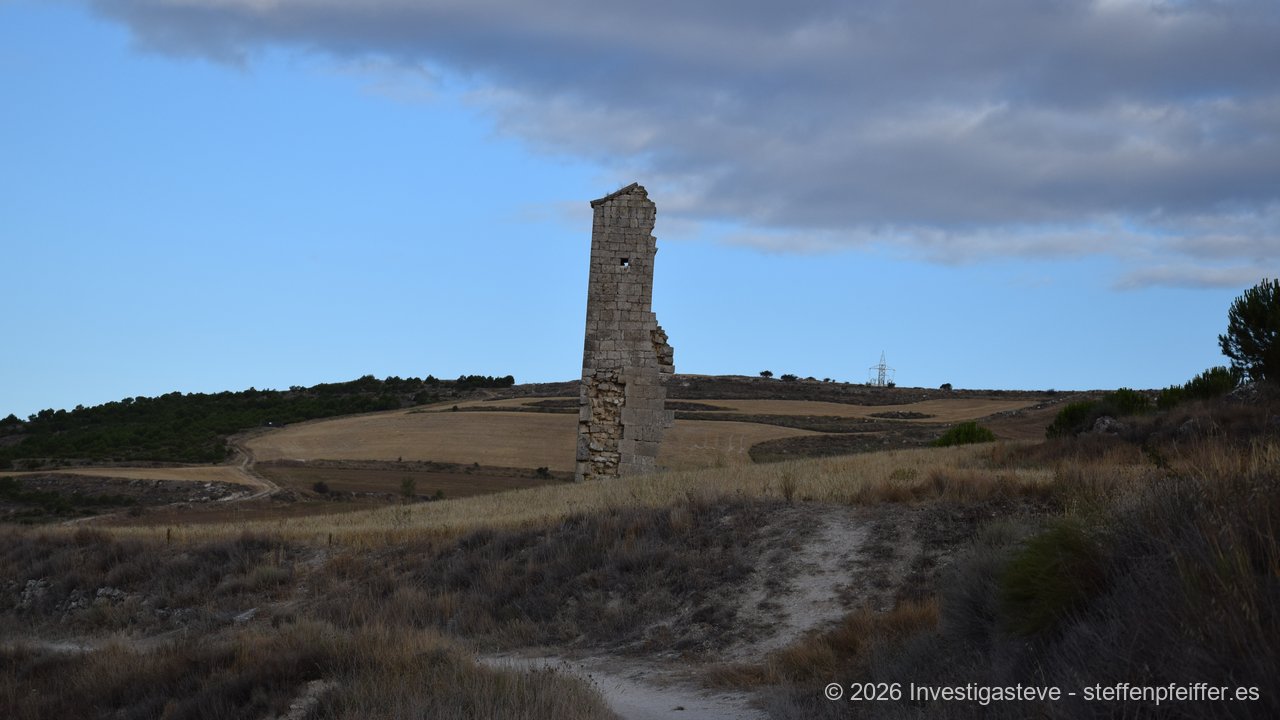
A new stage day – entering the stage
The morning in Hornillos del Camino begins with a silence so dense that you can hear your own heartbeat pounding against the cool morning air. When you close the heavy wooden door of your hostel behind you, a bluish twilight envelops you, in which the adobe facades of the houses look like sleeping guardians of a bygone time. The air is sharp, almost cutting, and carries the pungent, earthy scent of damp clay and the distant smoke of the first chimney fires being lit in the tiny kitchens of the village. It is that moment of absolute caesura, in which the security of the village ends and the infinite expanse of the Meseta swallows you like a silent sea. Your steps on the cobblestones of the main alley sound hollow and rhythmic, an acoustic harbinger of the solitude that will accompany you over the coming kilometers across the high plateau.
The departure from Hornillos is a ritual leaving of the vertical world. As soon as you master the gentle ascent to the first plateau, the roofs of the village disappear behind you, as if the earth had simply swallowed them. Before you opens a horizon that knows no mercy – a perfect horizontality, only cut by the pale gold of the first sunlight. You feel the hard, unyielding ground beneath your soles, which here in Castile possesses an almost metallic firmness. It is a departure into reduction. Your mind, which may still be occupied with the conversations of the previous evening or the worries of home, is forced into calm by the sheer emptiness of the landscape. In this early hour, when the dew still glistens on the stalks of wild oats, you feel an archaic freedom: you are nothing more than a tiny dot moving through a thousand-year history, carried by hope and the simple necessity of the next step.
Route and elevation profile
Distance: 19.9 km
Elevation gain: ↑ 230 m / ↓ 250 m
Difficulty: Moderate. The technical challenge is low, but the psychological burden of the exposure on the plateau and the sudden descent to Hontanas demand concentration.
Special features: Long passage over the windswept plateau without natural shade; the “invisible” village of Hontanas; the monumental passage under the arch of the ruins of San Antón.
Today’s route is a dramaturgical composition of expanse and surprise. After leaving Hornillos, we ascend steadily but gently onto a high plateau that embodies the name “Meseta” in its purest form. The path here is a dead-straight line of white limestone and light gravel cutting through endless grain fields. There are no trees, no walls, only sky and earth. The elevation profile shows a flat but exposed line at just under 900 meters above sea level, where the wind sweeps unhindered over the land and sharpens the pilgrim’s senses.
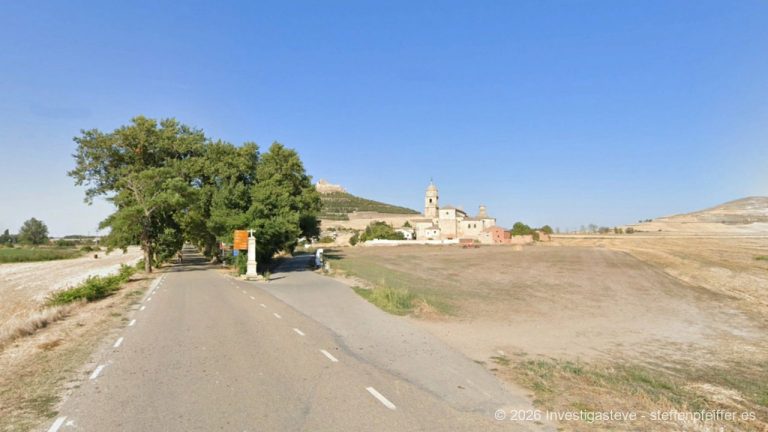
The most radical moment of the stage is reaching Hontanas. The village is absolutely invisible from a distance, as it lies hidden deep in a fold of the high plateau. The path seems to abruptly drop into a green valley, and only at the last moment do the rocks reveal the view of the church tower. The second part of the stage leads us through a gentler valley, watered by the Arroyo de San Bol, before we head towards the architectural highlight: the ruins of the monastery of San Antón. The path here leads directly under the massive Gothic arches, which act like a stone gateway to the day’s final destination. The final approach to Castrojeriz is across a wide plain, above which the ruin of the mighty castle on the mesa looms like an impregnable crown.
Variants and small detours
On this stage, there are no significant scenic variants, as the topography of the plateaus and valleys largely dictates the route. Nevertheless, there is a psychological variant: the decision for a stopover. Many pilgrims choose the secluded San Bol as a place for a meditative break or even for an overnight stay in the very simple hostel there. Those seeking absolute silence and willing to forgo the comfort of a village will find a place of power in this depression, far from the usual stage destinations. It is a detour of the mind, not of the path.
Another subtle choice offers itself shortly before Castrojeriz. One can take the direct route along the road or – highly recommended – choose the path through the ruins of San Antón. It is less a detour than a conscious immersion in history. Those who hurry past the arches miss the opportunity to feel the energy of this place, where once the victims of St. Anthony’s Fire sought healing. These small moments of pause are the true variants of the Camino; they decide whether you merely cover a distance or whether you truly experience it.
Description of the path – with all senses
The path out of Hornillos begins with a haptic experience of resistance. The gentle ascent to the plateau challenges your calf muscles, while your backpack still seems heavy from the cold of the night. You hear the rhythmic clicking of your walking poles on the limestone, a sound that sounds strangely metallic and sharp in the clear morning air. As soon as you reach the edge of the plateau, the acoustics change radically: the wind takes command. It is a constant, deep roar that sweeps over the endless fields and transforms the stalks of grain into a surging, silvery-green sea. You feel the wind on your skin; it cools the sweat on your temples and carries the dry, dusty smell of earth and wild thyme, which up here is the only vegetation besides the wheat.
The psychological dimension of the Meseta becomes physical reality up here. The visual emptiness is almost numbing. Your gaze travels for miles without getting caught on a tree or a house. The light is relentless; even when the sun is still low, the bright ground reflects the brightness so strongly that you have to squint. You taste the fine dust on your lips, a mixture of lime and dryness that makes you reach for your water bottle again and again. The water tastes more alive in this environment, almost sweet, as if it were the only link between you and the world you have left behind. In this phase of the stage, a metamorphosis takes place: the monotony of walking becomes a form of meditation, in which your thoughts slowly order themselves and finally fall silent entirely, until only the rhythm of your steps remains.
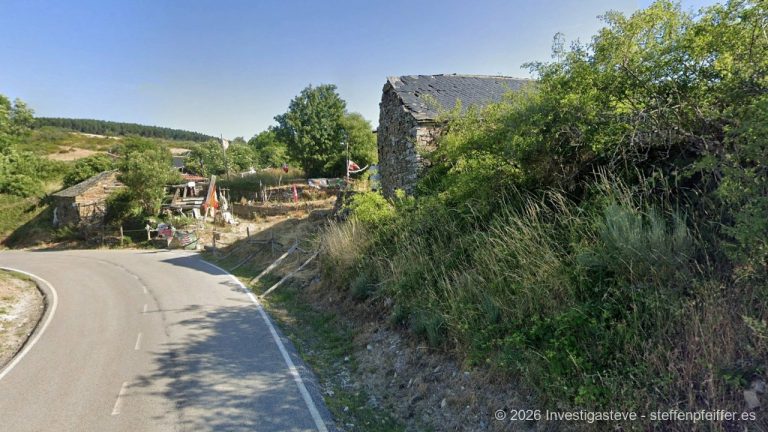
When you approach the Arroyo de San Bol, the texture of the path changes. The ground becomes softer, more reddish, and suddenly the smell of damp grass and mint mixes with the dust. You hear the soft gurgling of a stream, an almost forgotten sound after the dryness of the plateau. San Bol is an oasis for the senses. The air here is cooler, sheltered by the depression, and the ruins of the old settlement seem like a mute echo of medieval piety. You feel the coolness of the water at the small spring when you moisten your wrists, and the tingling on your skin feels like a small electric shock of refreshment. It is a place of healing, even if no hospitals stand here today – the psychological effect of the silence in San Bol is a medicine for the exhausted mind.
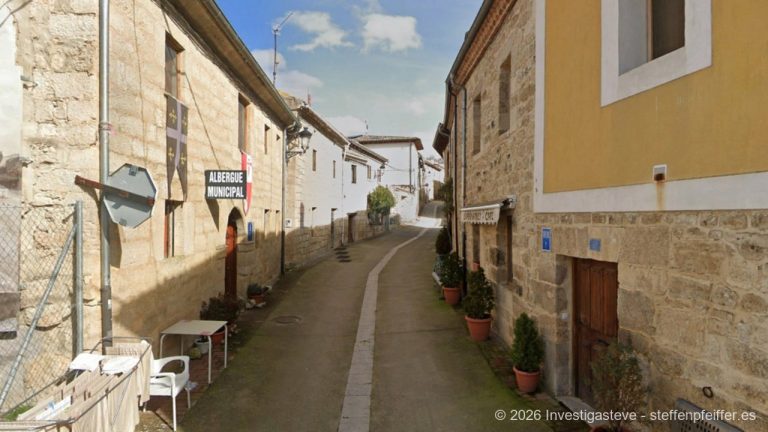
The descent to Hontanas is a visual surprise that tears you from your trance. A moment ago you thought you were on an endless plain, and suddenly the ground opens before you. The path winds down in switchbacks, and you feel the pressure change in your ears. Hontanas smells of security: of fresh coffee from the bars, of stone, and of the water of the numerous fountains that gave the place its name. The acoustics down here are concentrated; the voices of other pilgrims echo from the narrow house walls, and the clatter of dishes mixes with the ringing of church bells. It is a moment of sensory overload after the emptiness of the plateau. You feel the warmth of the pavement beneath your soles, which has stored the energy of the sun, and for a moment you enjoy the feeling of being part of a human community again.
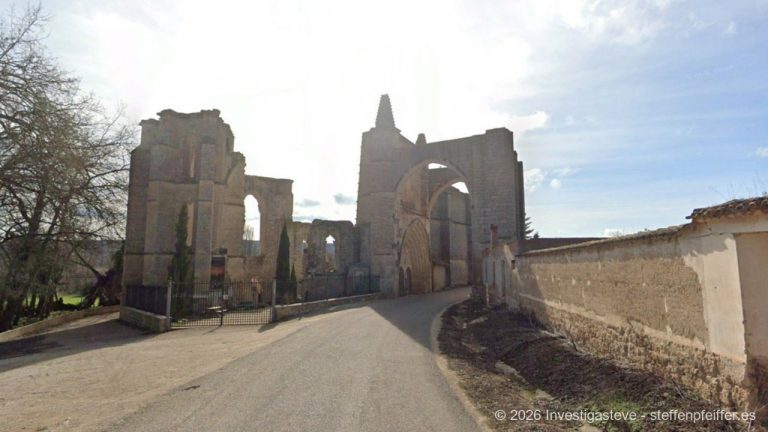
Behind Hontanas, the path leads through a narrow, shady valley that gently guides you towards Castrojeriz. The air here is heavier, laden with the scent of the poplar rows lining the stream. You hear the rustling of leaves in the wind, a papery, dry sound that stands in stark contrast to the whistling on the high plateau. And then, almost abruptly, San Antón appears. The ruins of the monastery are not mere piles of stone; they are a monumental gateway of light and shadow. When you pass under the Gothic arch, you feel an almost physical weight of history. The massive walls radiate a coolness that sends a shiver down your spine. The smell here is old: it smells of lime, of damp moss, and of the infinite patience of the stones.
In San Antón, the historical causality becomes tangible. Your hand glides over the rough stone of the niches where pilgrims once placed their offerings for the Antonite monks. You hear the echo of your own footsteps in the ruin, and for a moment the centuries seem to merge. You think of the sick who came here, marked by the holy fire, and feel a deep connection to human fragility. The psychological effect of this place is a mixture of awe and melancholy. It is a transitional space, a limbo between the wilderness of the Meseta and the civilized splendor of Castrojeriz.
The final section of the stage is characterized by the visual dominance of the mesa of Castrojeriz. The castle ruin seems to float above the plain, a constant point of orientation that, despite hours of walking, seems hardly to get closer. You feel the exhaustion in your tendons, the pulling in your lower back, as the sun now burns relentlessly from the side. The smell of dry hay and the dust of the nearby road accompany you. The acoustics become more urban now; you hear the distant rumble of a tractor and the barking of dogs from the suburbs.
When entering Castrojeriz, the haptics of the ground change again. You step onto the Calle Real, one of the longest village streets on the Camino. The cobblestones here are smoother, polished by millions of feet over generations. You smell the scent of garlic and olive oil wafting from the kitchens, and you feel the anticipation of a warm meal. The historical density of Castrojeriz, with its churches and palaces, is visually almost overwhelming. You feel small between the mighty facades, but at the same time safe.
When you finally stand before the Albergue Rosalia, the psychological weight of the day falls from you. You hear the warm welcome and feel the soft cushion of a bench when you sit down for the first time. The smell of freshly washed laundry and the cool stone of the courtyard offer a five-dimensional reward for the hardships of the plain. Arrival in Castrojeriz is not merely the end of a hike; it is entering a community that carries and heals you, just as San Antón did centuries ago.
The reflection of the day takes place in the evening on the ruins of the castle, when you watch the sunset over the Tierra de Campos. You hear only the distant wind and smell the cool night air, which smells of rosemary and stone. Your body is tired, but your mind is as clear as the Castilian sky. The stage has challenged you, has led you through the emptiness, only to complete you here, in the heart of history.
Intermediate places & special features
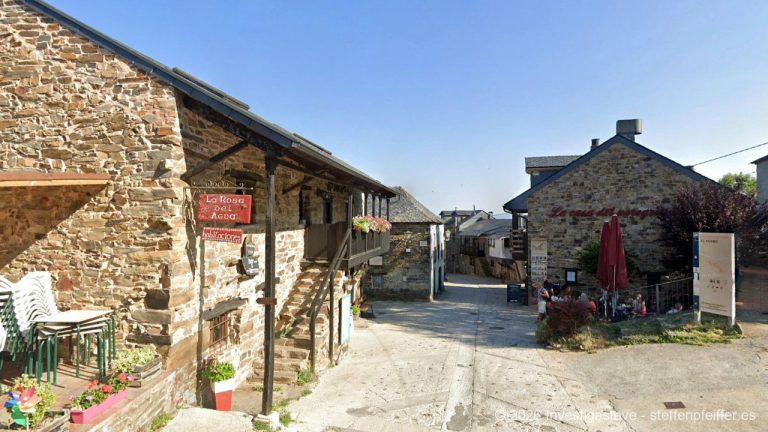
Hornillos del Camino – This village is a prime example of a settlement that grew entirely around the pilgrim path. As a classic linear village, it nestles in a depression. The parish church of San Román dominates the townscape and houses significant Romanesque remains. In Hornillos, one still feels the archaic power of the Meseta; the people here are marked by a stoic friendliness that stems from the knowledge of the harshness of the landscape. It is the perfect place to mentally prepare for the isolation of the coming hours.
Arroyo de San Bol is a mystical place of silence. A monastery and a village once stood here; today only the reconstructed remains of a hostel are found. San Bol is considered one of the most energetically powerful points of the Camino Francés. The spring is often described as healing, and the absence of any modern distraction makes this place a spiritual filling station. Whoever rests here feels the connection to the earth and the healing power of reduction.
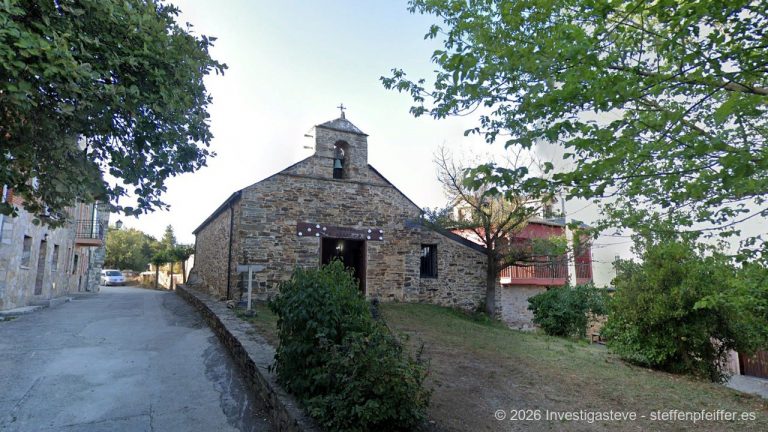
Hontanas – “The source of surprise.” The name derives from the many water sources (Fontanas). The village is famous for its location in a hidden fold of the plateau. Architecturally, the church of Inmaculada Concepción with its defensive tower is remarkable. Hontanas offers a security that feels almost maternal after being exposed to the high plateau for hours. A place that invites you to linger and catch your breath.
San Antón – The ruins of the monastery of St. Anthony are one of the most emotional monuments of the entire Way. In the Middle Ages, this was the center of the Antonite Order, which specialized in healing “ergotism” (St. Anthony’s Fire). The fact that the path leads directly through the ruin is unique in the world. The Gothic rose windows and the empty niches tell of pain, hope, and a deep humanity preserved over the centuries.
Castrojeriz is a monumental small town that guards the path like a stone bolt. Dominated by the mesa with its castle ruin, Castrojeriz offers an architectural diversity ranging from the collegiate church of Santa María del Manzano to the church of San Juan. The town was an important Jewish and Christian center in the Middle Ages. Today it is known for its extraordinary hospitality and its ability to transport the pilgrim to a different time.
Dining, accommodation & supplies
The supply situation on this stage is excellent, making it a pleasant march despite the heat. In Hontanas, there are numerous cafés specializing in the pilgrim breakfast – be sure to try the regional pastries here.
Gastronomy: In Castrojeriz, culinary tradition is deeply rooted. You should take the opportunity to try the Castilian stew or regional lamb in one of the mesones to replenish your energy reserves for the coming stages.
Accommodation: Castrojeriz offers a wide range of accommodations. An absolute insider tip and place of the soul is the Albergue Rosalia. If you stop there, feel free to send my warm regards to my good friend Javier Castro, the operator. Javier embodies the spirit of the Camino in its purest form, and moreover, he is an active pilgrim himself. What I take my hat off to him for is that he has pilgrimaged the Kumano Kodo in Japan. For those who prefer something more upscale, the Hotel Oriol offers excellent premium-level regeneration.
Public facilities: Castrojeriz has a pharmacy, ATMs, and small grocery stores where you can stock up on provisions for the long stretch to Frómista.
The special thing today
The absolute unique selling point of this stage is the historical and spiritual depth of San Antón. It is the only place on the entire Camino where the architecture of the past physically encloses the pilgrim as they simply walk their path. The arches of San Antón are not a museum; they are part of the path. In this moment, the boundary between the 21st century and the Middle Ages is completely dissolved. The special thing is the realization that today we pilgrim with similar inner suffering as people 800 years ago – we seek healing, meaning, and a place of rest.
A second special aspect is the history of the Antonites. This order understood how to combine medical care with spiritual support. St. Anthony’s Fire, caused by ergot in rye, was one of the scourges of the Middle Ages. In San Antón, one still feels the aura of mercy today. It is the place of the “Angels of the Way.” This theme continues in Castrojeriz, where modern hospitaleros like Javier Castro continue the tradition of unconditional help. The special thing today, therefore, is not just the landscape, but the lived solidarity across the ages.
Finally, the visual phenomenon of Hontanas is an architectural wonder of nature. That an entire settlement is so perfectly embedded in the topography that it remains invisible is a lesson in humility. It teaches the pilgrim that the essential is often hidden and that one must first dare a descent to find the source of refreshment. This stage is thus a metaphor for the entire Camino: the great rewards often wait where they are least expected, deep inside a fold of time.
Reflection at the end of the stage
When you walk through the narrow alleys of Castrojeriz in the evening and your gaze wanders up to the castle ruin, which in the last light of day looks like glowing iron, you feel a deep metamorphosis. The Meseta has not only challenged you today, it has purified you. The expanse of the plateau has silenced the noise in your head, and the ruins of San Antón have reminded you that you are part of a greater whole. You notice how your rhythm has changed; you are no longer fleeing from time, but flowing with it.
Castrojeriz is the place where the soul of the Way seems to breathe. The encounters, the silence, and the monumental history merge into a feeling of deep gratitude. You realize that the Camino has no destination that you simply check off with arrival in Santiago, but that every kilometer, every pain, and every moment of wonder is the true destination. In the security of places like the Rosalia, you find the strength to set out again into infinity tomorrow, for you now know: the Way carries you when you are ready to surrender yourself completely to it.
Camino of the Stars
This stage lies on the Camino Francés, on the stage from Hornillos del Camino to Castrojeriz. The sequence of places is:
| Stage | Start | Destination | Distance (km) | Elevation gain | Difficulty | Intermediate places |
|---|---|---|---|---|---|---|
| 14 | Hornillos del Camino | Castrojeriz | 19.9 | ↑ 230 / ↓ 250 | moderate | Arroyo de San Bol → Hontanas → Ruins of San Antón |
Have you ever lost yourself in a moment of perfect silence on the plateau, or did you feel the magic as you passed under the arches of San Antón? Were you at Javier’s in the Rosalia and experienced true pilgrim healing there? Share your story of the angels and ruins with us – your experience is a star in the sky of all seekers.
About the Author

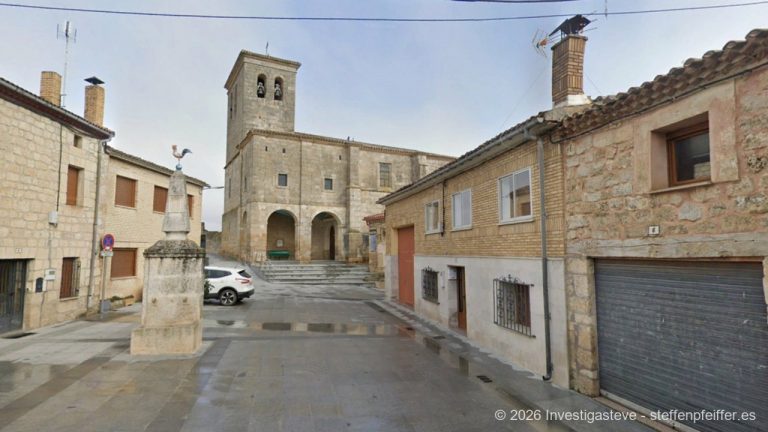
Hornillos del Camino – The Ochre Heart of the Infinite Meseta
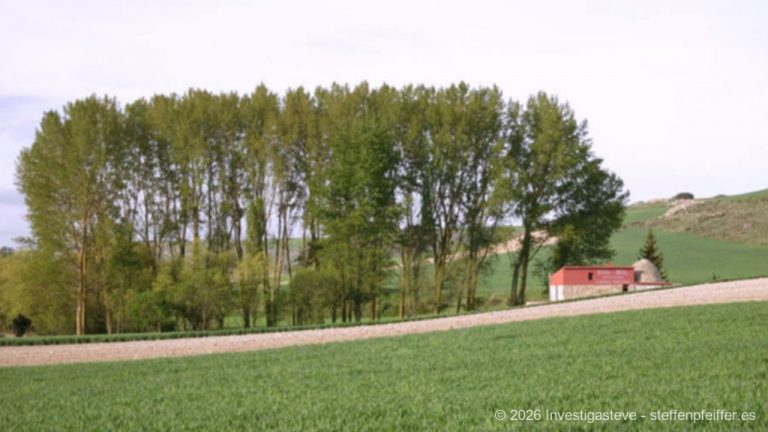
San Bol – The Mystical Healing Spring in the Valley of Oblivion
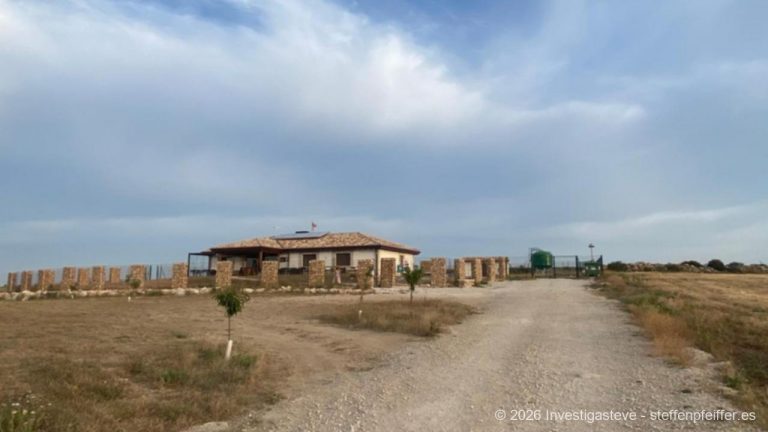
Fuentes Sidres Albergue – The Glass Refuge of the Meseta Pioneers
Hontanas – The Hidden Spring in the Depths of the Meseta
San Antón – The Stone Portal of Healing and Silence