A First Look – Entry & Atmosphere
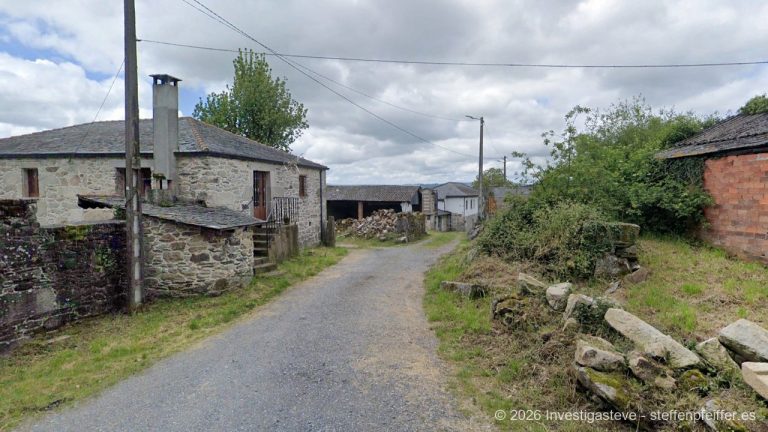
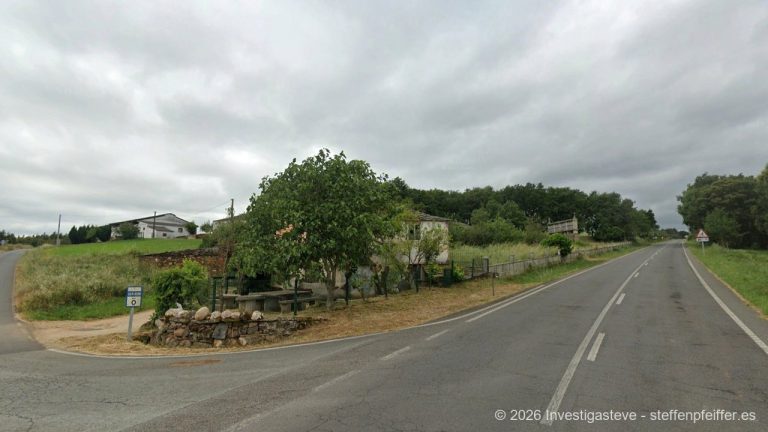
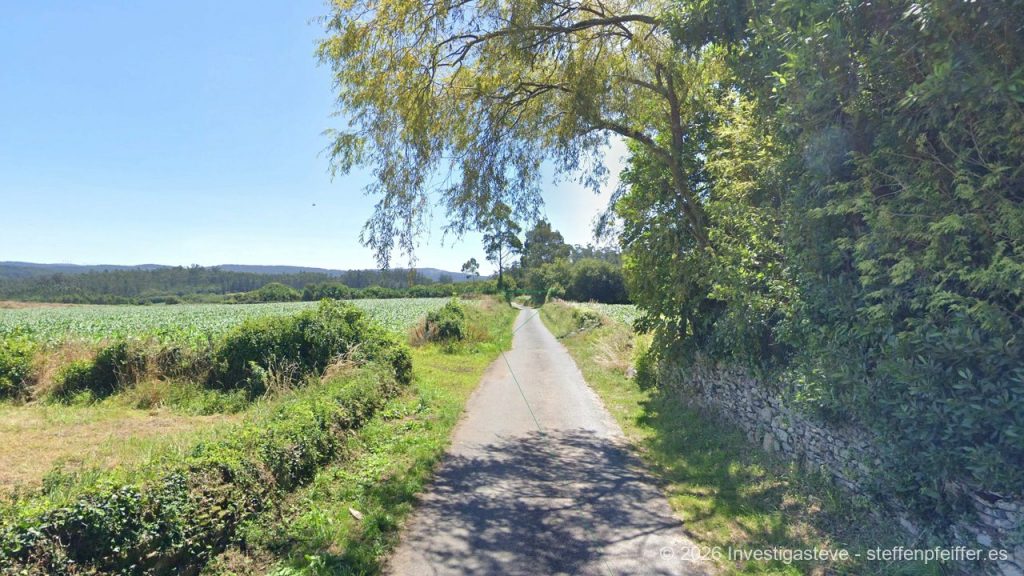
When you have left behind the dense, almost primeval-seeming forests and the deep depressions around Trasufre, the landscape opens up in a way that briefly takes your breath away. You reach Senande, one of those places that at first glance seems like a mere collection of stones, but on closer inspection turns out to be a living, pulsating heart of rural Galicia. Here, on a rise about 250 to 300 meters above sea level, the texture of your path changes. The soft forest floor gives way to the rough, sun-warmed asphalt and the packed dirt paths of an Aldea that leans against the hills of the Costa da Morte with an almost defiant coziness. It is a place that does not greet you with loud spectacle, but with a deep, earthy honesty that you can feel in every joint of the massive granite buildings.
The air in Senande is an olfactory revelation for the hiker. It is a heavy, rich scent that tells of the millennia-old symbiosis between man, animal, and soil. You inhale the aroma of freshly turned hay drying in the Galician sun, mixed with the damp coolness of the nearby Rego de Vao Salgueiro stream and the unmistakable, slightly sharp note of burning oak wood creeping from the chimneys of the old farmhouses. Acoustically, your arrival is accompanied by a rural orchestra: the distant scratching of chickens in the backyards, the rhythmic, almost meditative ringing of cowbells on the surrounding pastures, and the constant, soft rustle of the wind in the leaves of the ancient chestnut trees. Senande is a place of sensory grounding – a point on the map where the clacking of your trekking poles on the stone pavement sounds like an echo from a time when clocks were still set by the position of the sun and the hunger of the livestock.
What This Place Tells
The history of Senande is a narrative of tenacity and rural permanence. As part of the history-steeped Parroquia de San Martiño de Ozón, this hamlet looks back on a past that is closely interwoven with ecclesiastical power and agricultural self-sufficiency. While the great monasteries like Moraime held spiritual sovereignty, it was places like Senande that ensured daily survival. The architecture of the village is an open book of this history. The houses are not delicate works of art, but massive bastions of gray granite, built to withstand the lashing winter storms of the Atlantic and the relentless humidity of Galicia. Many of the walls are covered with a dense carpet of bright green moss and silvery lichens – a living testimony to the age of this settlement and the purity of the air that circulates up here.
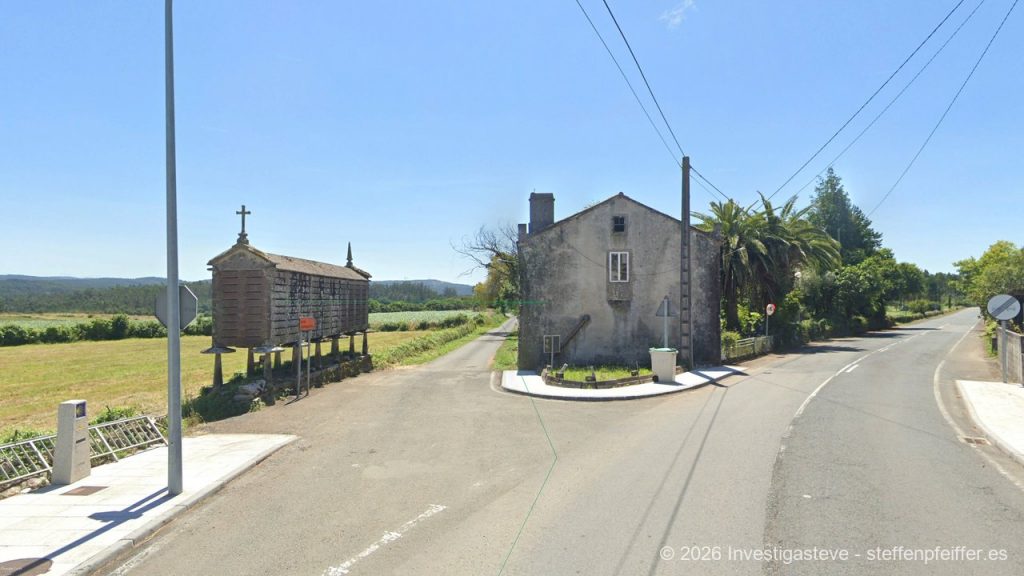
In Senande, you encounter the soul of Galician agriculture in its purest form. The terraced fields, which cling to the hills like green steps, tell of generations of farmers who laboriously wrested their daily bread from the stony soil. Here, the corn for the typical “Pan de Maíz” was stored in the Hórreos, those iconic granaries on stilts that also characterize the townscape of Senande. Every stone in these walls, every slate slab on the roofs was moved and set by hand. It is an architecture of will. When you wander through the narrow lanes, you step into the invisible footprints of people who survived wars, famines, and the massive wave of emigration in the 20th century. Senande did not perish; it transformed itself, integrating the stream of pilgrims as a new element into its fabric without betraying its rural identity.
Today, Senande functions as a strategic hub for those who choose the path to Muxía. It is a place that bridges the gap between the solitude of the mountains and the approaching coast. Historically, the region around Ozón was a supply center for the wanderers of the Middle Ages, and this spirit of hospitality is still alive in Senande. You feel a form of “Resignación Christiana” here, a serene acceptance of fate, paired with an unshakable pride in one’s own land. The stones of Senande do not tell of heroic epics, but of heroic everyday life – of milking at dawn, of mending fences, and of the ritual greeting to the passing stranger. It is this unfiltered authenticity that makes Senande an indispensable chapter in the chronicle of your journey.

Camino Distances
Addresses & tips in Senande
Opening hours
In the following table, you will find the distances for the current stage on the Camino Fisterra y Muxía (CFM 3b):
| Previous Location | Distance (km) | Next Location | Distance (km) |
|---|---|---|---|
| Trasufre | approx. 3.0 km | Quintáns | approx. 2.1 km |
Sleeping & Arriving
Arriving in Senande often marks the middle of the day’s stage, a point where the body demands a break and the spirit seeks a brief interruption to the monotony of walking. When you leave the last meters of the forest path and reach the first houses of the hamlet, a feeling of security sets in. There is no magnificent cathedral here to welcome you, but the open door of a bar and a shady spot under an old stone wall. Arriving here is a profane, yet deeply satisfying act: you loosen the backpack straps, feel how the cool air reaches your sweaty back, and sink onto one of the wooden benches. In Senande, you are no longer just the solitary wanderer in the forest; you are part of a small, busy world.
Although Senande is not a classic stage destination with a large public albergue, the place still offers opportunities to linger for the individualist. Those who decide to spend the night here usually seek the radical silence away from the beaten path. In the village and its immediate surroundings, there are private guest rooms and small, lovingly run pensiones, often housed in restored farmhouses. Spending the night here means sinking into a bed that smells of fresh laundry and the faint scent of a wood fire. The night in Senande is of a darkness and silence that is hardly to be found in Central Europe anymore. Only the distant hoot of a tawny owl or the soft creaking of the roof timbers accompany your sleep.
The psychological moment of arriving in Senande is marked by the certainty that you have left the “wildest” part of the stage after Dumbría behind you. You are now in a cultivated space where help and supplies are within reach. Many pilgrims use Senande as a place for a “long rest” to replenish their energy reserves for the upcoming ascent to Quintáns. It is a moment of pause, where you study the map, refill your water bottles at the village fountain, and exchange the first small stories with other pilgrims whom you may have seen repeatedly in the distance since the morning hours. Senande is the place where individualists become a fleeting community again.
The hospitality in Senande is unexcited and honest. You are not welcomed here with tourist pathos, but with pragmatic warmth. A “¿De dónde vienes?” (Where do you come from?) when ordering a coffee is often the door opener for a short conversation that goes beyond the weather. Whoever arrives here is perceived as a guest at eye level, as someone who bears the hardships of the Way and earns respect for it. This feeling of acceptance makes arriving in Senande a healing experience for the soul, before you surrender yourself again to the rhythm of your own steps.
Food & Drink
The culinary epicenter of Senande is undoubtedly the “Bar A Coxa.” For the pilgrim, this place is much more than just a gastronomic establishment; it is an institution of rescue. When you enter the bar, you are greeted by an atmosphere that seems like a time capsule: dark wooden shelves, the clinking of glasses, and the sonorous murmur of the locals spending their morning here. The specialty of the house is the “Tortilla de Patatas,” often still prepared in the traditional way here – juicy in the center, with golden-yellow homegrown potatoes and eggs that taste of sun and freedom. A piece of this tortilla, served on a simple porcelain plate with a thick slice of Galician bread, is a revelation. The texture of the potatoes, the sweetness of the onions, and the coarse sea salt combine to create a taste experience that instantly makes you forget any energy bar.
Alongside the tortilla, it is the “Bocadillos” (filled rolls) that make Senande famous. Whether with aged cheese from the region or with savory ham – the bread is the main character here. It is not pre-baked industrial bread, but the heavy, robust variant with a crust you truly have to fight for. With it, you drink a “Café con Leche,” often served at an almost frightening strength here, or a cool glass of “Estrella Galicia,” which wipes away the dusty dryness of your throat within seconds. If you prefer something more traditional, you should ask for the “Vino de Cunca” – wine from the ceramic bowl. It is often young, tart, and carries the mineral note of Galician granite soil within it. Eating in Senande means absorbing the strength of the earth directly.
Another important aspect of sustenance in Senande is the small shop, often attached to the bars. Here you will find everything that ensures survival on the next kilometers: juicy apples that were still hanging on the tree, dark chocolate, and perhaps a piece of Galician almond cake. It is the logistics of short distances. You stock up here, fill your pockets, and walk on with the pleasant feeling that your physical well-being is taken care of. The prices are honest and fair, far removed from the surcharges in tourist hotspots. Eating in Senande is not a luxury, but a necessary and deeply enjoyable part of the pilgrim’s everyday life. It is the nourishment that sharpens the spirit and makes your legs light again.
Supplies & Logistics
Senande is a small but excellent supply hub in the “in-between.” Logistically, the place functions as the most important point of contact between Trasufre and the ascent to Quintáns. Anyone passing through here should take the opportunity to check their supplies. There is no large supermarket, but the Bar A Coxa offers an assortment of basic foods and hiking supplies that is astonishingly well tailored to the needs of pilgrims. From blister plasters to batteries to fresh fruit, the essentials are available here. It is a supply of short distances, uncomplicated and pragmatic.
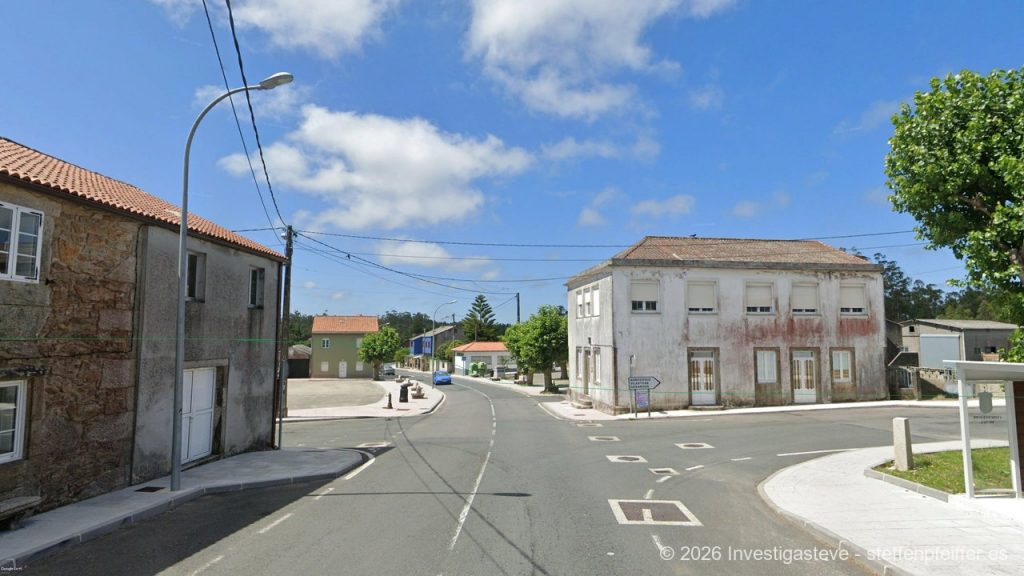
The paths within the village are clearly marked. The yellow arrows lead you safely past the stone houses and guide you onto the path that slowly ascends again. Those who use logistical support in the form of backpack transport will find that Senande is a fixed stop for the transport services. The bags usually wait in the shade of the bar walls for their onward journey. It is a perfectly oiled system that allows the hiker to fully concentrate on the landscape while the logistics function silently in the background.
Shopping: A small shop at Bar A Coxa offers the most important food, fruit, and first-aid items for pilgrims.
Gastronomy: Bar A Coxa is the central point of contact for homemade dishes, tapas, and drinks; there are also one or two other small bars for a short rest.
Accommodation: No large public hostels in the village; overnight options are limited to a few private rooms or guesthouses in the surrounding area.
Public Facilities: No banks or pharmacies available; the next major service points can be found in Muxía.
In conclusion, logistically speaking, Senande is the last bastion of civilization before the path becomes more solitary again. The supply here is not a service in the traditional sense, but an act of neighborly help for those passing through. You leave Senande with full bottles, a satisfied stomach, and the good feeling of being well-equipped for the coming exertions. It is the logistics of reliability that makes this small place so valuable.
Not to Be Missed
Bar A Coxa: The indispensable stop for every pilgrim; try the tortilla and enjoy the authentic atmosphere of village life.
The Village Fountain: An ideal place to refill your water bottles with ice-cold spring water and cool your face.
The Hórreos of Senande: Pay attention to the different construction styles of these traditional granaries; they are masterpieces of ventilation and statics.
View of the Valley: Pause briefly at the edge of the village and look back at the forested hills you have just emerged from; the perspective is magnificent.
The Stone Cross (Cruceiro): A simple but powerful symbol by the wayside, reminiscent of the deep Christian roots of the region.
Secret Tips and Hidden Places
Off the marked path, if you take the small lane at the edge of the village leading down to the Rego de Vao Salgueiro stream, you will find a place of almost eerie stillness. Here, where the water glides over smoothly polished granite slabs and the ferns grow as tall as a man, time seems to have stood still for centuries. It is a place for the “Meigas,” the Galician witches, whom you can well imagine sitting on the bank on misty nights. Whoever lingers here for ten minutes hears the whisper of the water and feels the archaic power of Galician nature most intensely. It is a private refuge of silence, far from the yellow arrows.
Another secret tip is the small, often overlooked chapel in one of the backyards, which is rarely open. However, if you are lucky enough to be allowed a glimpse inside, you will see a simplicity that almost moves you to tears. A few wooden benches, a simple crucifix, and the smell of cold wax and old stone. It is a place for a prayer without words, a space that needs no cathedral to be sacred. In the wall crevices of this chapel, you often find tiny notes with requests that locals have left there – a silent archive of hope.
If you keep your eyes open, you can also discover small signs carved into the granite in Senande, which could date back to the time before the pilgrims. They are simple lines, circles, or crosses, often found on the thresholds or window lintels of the oldest houses. They served as protective signs against evil and as blessings for the house. Searching for these signs is like a treasure hunt in the folk soul of Galicia. Senande reveals its secrets not to the hasty, but to those who are willing to adapt their pace to the beat of the cowbells.
Finally, there is the old washhouse of the village, which is barely used today but has remained a place of encounter. Once, the women met here, and the rhythmic beating of laundry on the stone was the beat of the village gossip. Today, it is a peaceful place where you can sit on the stone steps and hang your tired feet in the water. It is a moment of absolute presence, in which the path ceases to exist for a moment and only the cool water and the warm sun count.
Moment of Reflection
In Senande, you stand at a point in your journey that is neither beginning nor end, but the pure, unadulterated “in-between.” The place has no spectacular sight that is listed in every travel guide, and precisely therein lies its deepest lesson. The question arises: How often in our lives do we overlook the small stages because we only stare at the big goal on the horizon? Senande teaches us the dignity of the inconspicuous. It is the place of “small victories” – the freshly refilled water, the brief laugh in the bar, the peaceful moment in the shade. Here you realize that life does not take place in the great moments of triumph, but in the constancy of the everyday.
Rural Galicia in its rawest form challenges you to reconsider your own standards. In a world programmed for growth and speed, Senande seems like a healing obstacle – a place that simply is. Perhaps that is the most important insight of this hamlet: The acceptance of the sufficient. You don’t need a cathedral to pray, nor a hostel with WiFi to feel secure. The stone walls of Senande offer you protection through their mere existence. They have stood for centuries and they will stand when you have long moved on. This permanence gives you a security that goes deeper than any technological assurance.
When you leave Bar A Coxa and direct your gaze northward again, you take some of the peace of this place with you. You understand that you yourself are just a wanderer in the stream of time, no more important, but also no less important than the farmer who is just mending his fences. In Senande, the roles merge. You are no longer just the pilgrim with the high-tech equipment; you are a human being on the soil of Galicia who is hungry, feels thirst, and searches for meaning. This grounding is necessary before you step before the sea in Muxía. Senande washes spiritual pride away from you and leaves you in your pure humanity. It is the “in-between” that prepares you for the “end” – and teaches you that every step, no matter how small, carries its own destination within itself.
Camino of the Stars
This place lies on the Camino Fisterra y Muxía (variant CFM 3b), on the stage from Olveiroa/Dumbría to Muxía. The sequence of locations is:
Olveiroa → Hospital → Dumbría → Trasufre → Senande → Quintáns → Moraime → Os Muiños → Muxía
Did you also feel that moment of absolute community in the Bar A Coxa in Senande while the rain lashed against the windows outside? Or did you discover a detail in the alleys of the hamlet that we are still missing here – perhaps an inscription in an ancient Hórreo or a hidden path to the stream? Share your personal impressions and your photos of this small but significant stop on the way to Muxía with us. Your story makes this guide a living companion for all subsequent pilgrims. Write us a comment!
About the Author