A First Look – Entry & Atmosphere
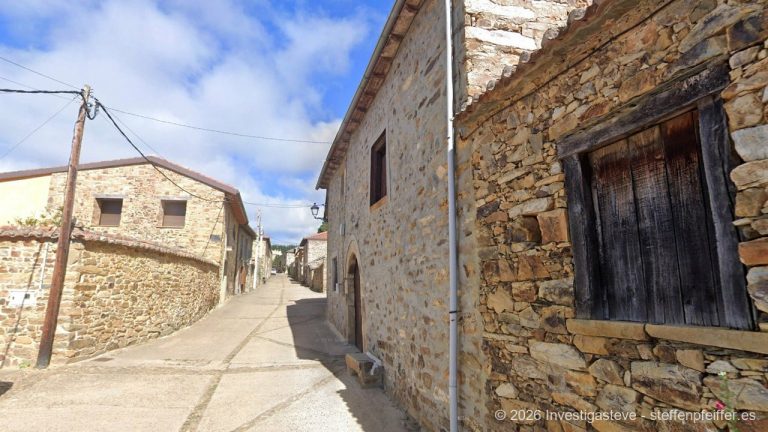
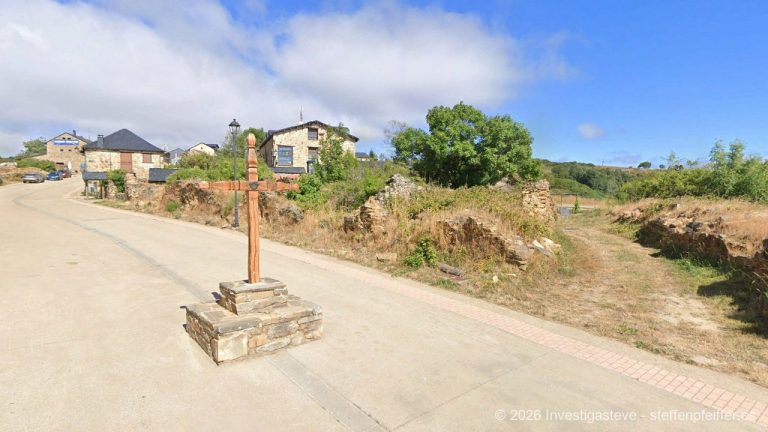
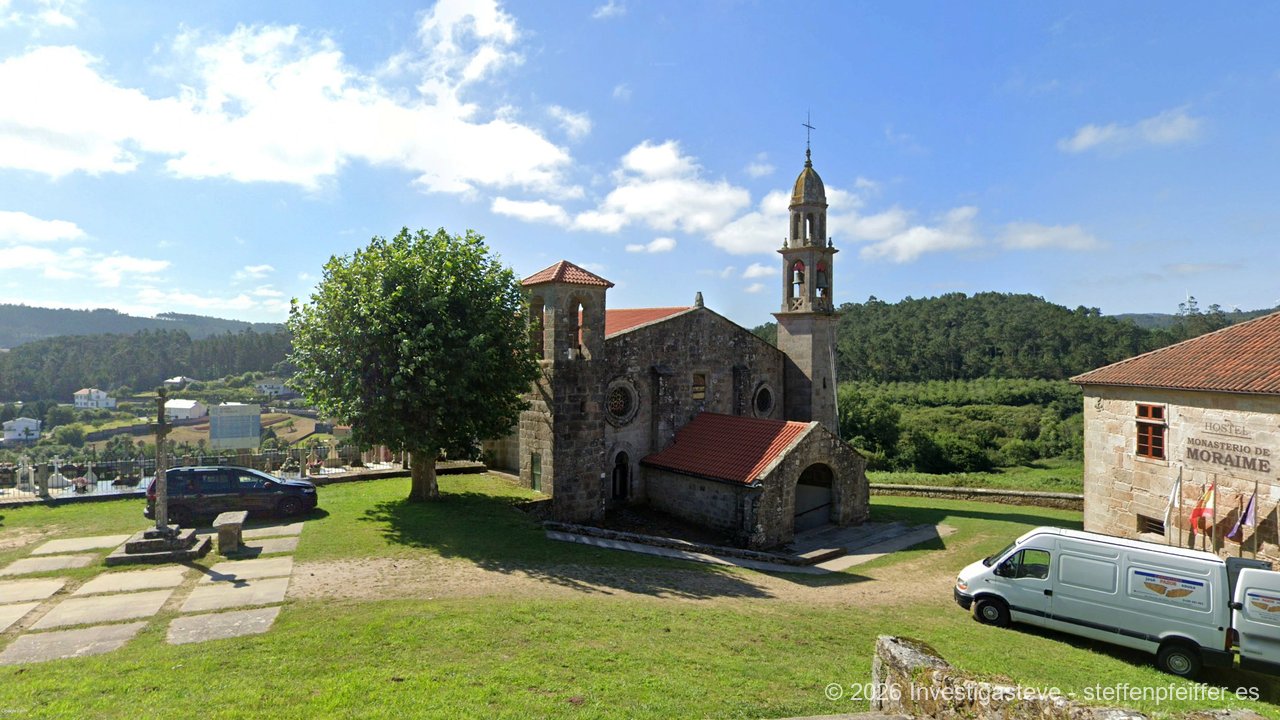
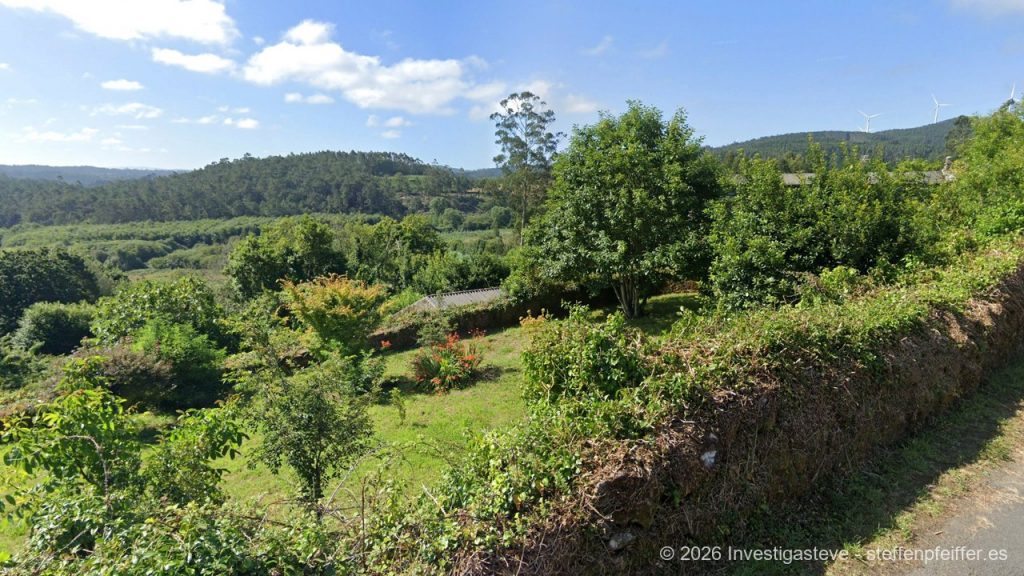
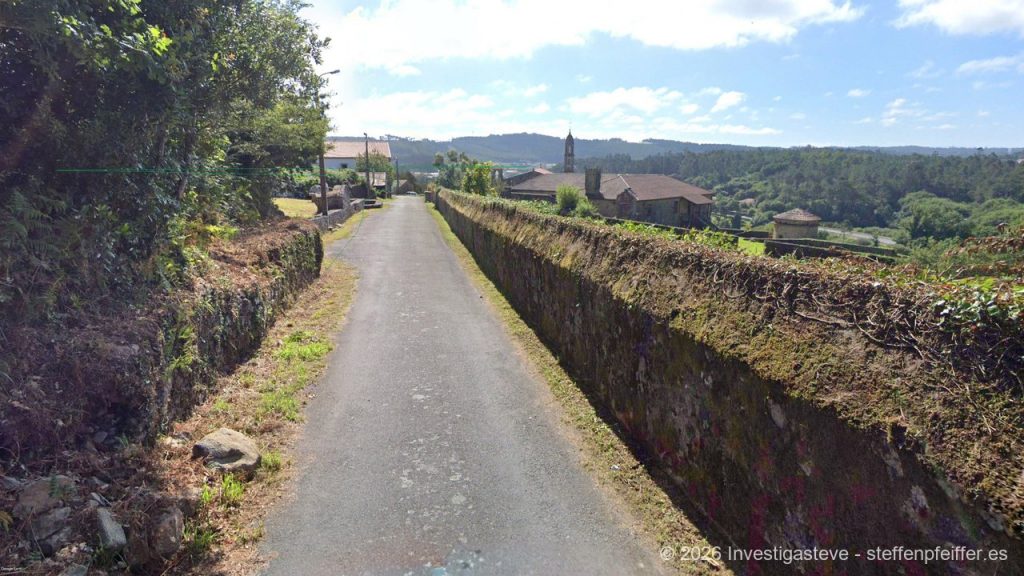
When you leave behind the gentle ascent from the green, almost sleepy-looking river valley and push aside the last shadows of the dense alder forests, what rises before you is not simply a hamlet, but a monument of permanence that seems to have fallen out of time. Moraime is not a village in the traditional sense; it is a historical island in the relentless surf of centuries. Even from afar, the massive, almost defiant silhouette of the Church of San Xulián greets you, looking less like a delicate house of worship and much more like a spiritual fortress, built to withstand the storms of the Atlantic and the storms of history in equal measure. The wind that blows over from the nearby Costa da Morte carries a very specific note: the tart, almost sharp saltiness of the ocean, mixed with the heavy, earthy smell of damp granite and the sweetish aroma of wild fennel thriving in the cracks of the walls.
You enter this sacred precinct, and the frequency of your perception shifts abruptly. The hectic pace of the kilometers, the rhythmic clatter of your trekking poles on the asphalt, and the noise of your own thoughts rebound off the meter-thick walls of the monastery complex. A deep, almost tangible peace reigns here – a silence so dense that you feel you can hear the stones breathe. Moraime lies embedded between the lush, almost unreal glowing green of the Galician meadows and the timeless gray of Romanesque architecture. In the early morning hours, when the “Brétema,” the mystical coastal mist, creeps like a shroud around the massive columns and reveals the outlines of the basilica only vaguely, you sense an archaic power. It is a place of transition: you are almost at your destination, the sanctuary of Muxía is almost within reach, and yet Moraime challenges you to pause, to shake the dust of the road from your clothes and your soul, and to face the sheer force of twelve centuries of history.
What This Place Tells
The stones of Moraime whisper stories as gruesome as they are glorious. We stand here before the remains of one of the most significant monasteries of medieval Galicia, a Benedictine abbey whose roots stretch back to the Suebi-Roman period. But the idyll is deceptive; for centuries, Moraime was a coveted target for those who came from the sea and brought nothing but destruction. In the 11th and 12th centuries, it was the Vikings, the “Norsemen,” whose dragon boats appeared in the nearby Ría. They pillaged the monastery, searching for the treasures the clergy was suspected of hiding here. Barely had the Norsemen withdrawn when Saracen pirates followed, and later English privateers. Each of these waves of invasion left scars in the granite, yet each time, San Xulián de Moraime rose like a phoenix from the ashes – a testament to Galician indomitability.
The present-day basilica, a masterpiece of the Romanesque, was built in the 12th century under the protection of King Alfonso VII, who was educated here in his youth. When you stand before the west portal, you look into the faces of a world long past. The capitals and archivolts are populated by biblical figures, mythical beasts, and tormented souls, still admonishing us today. But the true, dark heart of Moraime beats inside. On the walls of the main nave, rare frescoes from the 15th century depicting the seven deadly sins have been preserved. It is a “Biblia Pauperum,” a Bible of the Poor, which shows in drastic, almost surreal images what awaits those who stray from the righteous path. Pride, Avarice, Lust – in the cool, dimly lit atmosphere of the church, these paintings are like a silent but insistent echo of medieval moral concepts.
Beneath the floor of the present-day church also rest the foundations of a Roman villa and an early Christian necropolis. Excavations have shown that this place was already a center of power and faith when the word “pilgrim’s path” did not even exist. Moraime was a spiritual hub, a place where scholarship and agriculture, spirituality and defense formed an inseparable unity. The monks of San Xulián administered vast estates, controlled fishing rights, and offered protection to wanderers. Anyone who walks through the side aisle today and feels the cold of the stone through their soles steps into the footsteps of millions of people who sought comfort, refuge, or simply a moment of safety from the violence of the coast here. Moraime is a stone chronicle of Galicia – a place where time does not pass, but settles in layers.

Camino Distances
Here you will find the distances for the current stage on the Camino Fisterra y Muxía (CFM 3b):
| Previous Location | Distance (km) | Next Location | Distance (km) |
|---|---|---|---|
| Quintáns | approx. 2.5 km | Os Muiños | approx. 1.3 km |
Addresses & tips in Moraime
Sleeping & Arriving
Arriving in Moraime has nothing to do with a triumphant entry into a big city. It is more of a gentle “gliding” into a protective shell. The path leads you almost imperceptibly onto the forecourt of the basilica, and suddenly you are standing in front of the massive monastery building, which today houses one of the most atmospheric hostels on the entire route. To arrive here means not simply to put down your backpack, but to bring it to a place that has been welcoming guests for almost a thousand years. The feeling when you push open the heavy wooden door of the Albergue and are greeted by the cool, slightly musty, but clean smell of old monastery walls is, for many pilgrims, the moment when the spiritual journey overtakes the physical hiking.
Staying overnight in the former monastery is an experience of radical simplicity and historical depth. The rooms are high, the window openings cut deep into the granite, and the light falls in narrow, concentrated cones onto the floor. When you lie down in your bed in the evening, surrounded by walls that have withstood Viking raids and the murmur of centuries of prayers, a form of security sets in that is sought in vain in modern hotels. There is no WiFi to disturb the silence, and no noise from cars speeding past. Only the occasional rustle of your fellow pilgrims’ sleeping bags and the distant, barely perceptible breathing of the sea accompany you into sleep. It is a night of purification, in which you recognize yourself as a tiny part of a vast chain of seekers.
In the morning, waking up in Moraime is an almost sacred act. When the first light brushes the Romanesque arches of the church and you walk barefoot across the cool tiles to the washroom, you feel a clarity that only such places of power can bestow. The anticipation of the nearby destination of Muxía mixes with the regret of having to leave this protective haven again. Breakfast in the hostel is often simple – a strong coffee, a piece of Galician bread – but taken in the company of those who walked with you through the silence of the night, it becomes a communion. Arriving in Moraime is an arrival at oneself, a moment of absolute presence, before the road leads you back out into the windswept landscape of the Costa da Morte.
Food & Drink
The gastronomy in Moraime is as purist and honest as the architecture of the place. There are no glittering restaurants or fast-food chains here; the catering focuses on the essentials that nourish body and soul. In the hostel or the adjoining small guesthouse, a pilgrim’s menu is often served, celebrating the treasures of the region. A classic is “Caldo Gallego,” a hearty soup of cabbage, potatoes, beans, and a piece of bacon, which arrives steaming at the table in ceramic bowls. The smell of this soup, permeating the salty air of the dining room, is, for the exhausted hiker, the promise of warmth and new energy. The bread served with it has that heavy, dark crust and juicy crumb that can only be achieved in the stone ovens of Galicia.
A special experience is the enjoyment of products that come directly from the surrounding area. The coast is near, so you often find fresh fish or seafood on the menu, landed in Muxía just hours earlier. A glass of tart Ribeiro wine, drunk from the traditional “Cunca” (a white ceramic bowl), rounds off the meal. The wine tastes of the granite soil and the Galician sun; it is honest and without frills. You sit at long wooden tables, sharing bread and wine with strangers who, in this moment, become companions on the road. Eating in Moraime means continuing the monastic tradition of sharing. It is a form of nourishment that fills not only the stomach but strengthens the community.
For a small snack in between or for the backpack on the last stage to Muxía, local almond cakes are a good choice, often handmade in small workshops in the area. They are sweet, nutritious, and carry the aroma of roasted almonds and lemon. Those who dine in Moraime taste history: it is the food of monks, fishermen, and pilgrims – a timeless cuisine that focuses on quality rather than quantity. It is the conscious enjoyment of the simple, which sharpens the palate for the nuances of a landscape that is as barren as it is rich.
Supplies & Logistics
Logistically, Moraime is a place of absolute concentration on the bare necessities. Those who come here are not looking for shopping malls or banks. Supplies are primarily dependent on the Albergue and the few surrounding houses. There is no supermarket in the true sense, which forces the pilgrim to either stock up on provisions in Quintáns beforehand or rely on the hospitality of the monastery. In the hostel, you can usually find a small shop with the most important things: water, energy bars, blister plasters, and perhaps a postcard with a picture of the basilica. It is a minimalist logistics that perfectly matches the spiritual orientation of the place.
The connection to the onward route is excellently marked. The yellow arrows lead you safely through the monastery grounds and direct you onto the path towards Os Muiños. Those who need help with luggage transport can rely on the fact that the usual services stop at Moraime as a fixed base. Taxi services from Muxía are also quickly on hand should the body fail after hundreds of kilometers. Nevertheless, Moraime is a place that should be reached by walking; the logistical reduction is part of the experience.
Shopping: Only limited basic supplies possible in the hostel; larger purchases should be made in Muxía (approx. 3.5 km) or beforehand.
Gastronomy: Pilgrim meals and breakfast are available in the hostel/pensión; no standalone restaurants in the village.
Accommodation: The San Xulián monastery hostel is the centerpiece; reservations are urgently recommended, especially in high season.
Public Facilities: No banks or pharmacies; the nearest medical center is in Muxía.
The logistical strength of Moraime lies in its strategic position. Located just a few kilometers before the stage destination of Muxía, it serves as an ideal place for a final rest or a final night in silence. The infrastructure is designed to prepare the pilgrim mentally for the finale, rather than burdening them with worldly distractions. It is the logistics of deceleration.
Not to Be Missed
The West Portal of the Basilica: Admire the Romanesque sculpture; pay special attention to the depiction of the Elders of the Apocalypse and the fascinating details of the capitals.
The Frescoes of the Seven Deadly Sins: Inside the church, you will find these rare wall paintings from the 15th century – a drastic testimony to medieval didactics.
The North Portal: Often overlooked, it shows the influence of the workshop of Maestro Mateo (the builder of the Portico de la Gloria in Santiago) and captivates with its elegant symmetry.
The Archaeological Excavations: Around the church, you can discover remains of Roman walls and early Christian stone tombs, testifying to thousands of years of settlement.
Overnight Stay in the Monastery: Treat yourself to a night in the Albergue to experience the peace and power of the thick walls up close – a true Camino highlight.
Secret Tips and Hidden Places
Away from the basilica, if you follow the small path behind the monastery buildings towards the sea, Moraime reveals its wilder, more hidden side. There you will find old stone walls shaded by huge, ancient oaks and chestnuts. These are places where time seems to stand still. In the early evening hours, when the light falls diagonally through the leaves, almost unreal sceneries emerge. You can sit there on one of the flat stones and look out over the wide Ría de Muxía without encountering a single soul. It is a place for “Morriña,” that untranslatable Galician feeling of wistfulness and longing that often overtakes one quite unexpectedly here.
Another secret tip is the small, almost overgrown garden in the rear part of the monastery grounds. Herbs and plants that the monks once used for their medicinal cures can still often be found here. When you rub the leaves between your fingers, a scent of mint, sage, and thyme is released, catapulting you straight back into the Middle Ages. In the crevices of this garden’s walls, with a bit of luck, you can observe small lizards basking in the sun – a tiny, peaceful ecosystem amidst monumental history.
For those on a spiritual quest, there is a small niche in the side aisle of the church where the echo of prayers seems particularly strong. It is a spot where the room’s acoustics amplify your own voice (or even just your own thoughts) in a way that feels almost frighteningly intimate. Many pilgrims leave small, handwritten notes with requests or thanks in the crevices of the stones here. It is a silent, collective memory of hope. Moraime is not a place for loud spectacle; its secrets are revealed only to those who are willing to listen and to open their eyes to the inconspicuous.
Moment of Reflection
In Moraime, you stand before the frescoes of the seven deadly sins, and as your gaze glides over Pride, Envy, and Wrath, a question inevitably arises: What have you learned about yourself on this journey? We often go on pilgrimage with the aspiration of becoming “better people,” but the hard, gray stones of San Xulián remind us of our human fallibility. The monastery was a fortress against pirates, but the church was a fortress against inner demons. The Camino is a radical form of self-encounter. In the exhaustion of walking, the masks fall; pride breaks under the weight of the backpack, envy of the faster pilgrims vanishes in the pain of one’s own blisters, and anger at the weather gives way to humble acceptance.
Moraime urges you to take inventory. Before you step before the sanctuary of the Virxe da Barca in Muxía, this is the place of confession – not necessarily in a religious sense, but as an act of honesty towards yourself. What of the baggage you packed in Santiago or even earlier is truly yours? And what of it are just the sins and expectations of others that you dragged along out of habit? The monks who lived here for centuries knew about the transformative power of silence. In the quiet of Moraime, you can hear what your soul has to say to you when the noise of the world is finally silent.
Perhaps you will recognize here that the “sins” on the wall are nothing other than failed attempts to find happiness. Avarice is the fear of scarcity, Lust the craving for connection, Wrath the pain over injustice. In Moraime, you are allowed to acknowledge these shadow sides without letting them control you. When you set off tomorrow, you will not walk as a “healed saint,” but as a person who has seen their own abyss and still decides to walk on towards the light. The Basilica of Moraime grants you forgiveness through permanence: the stones still stand, and you are still here, too. You have survived, you have grown, and the ocean, the symbol of infinity, is already waiting for you.
Camino of the Stars
Moraime is an integral part of the Camino Fisterra-Muxía (variant to Muxía) on the stage from Olveiroa/Dumbría. The sequence of locations is:
Olveiroa → Hospital → Dumbría → Trasufre → Senande → Quintáns → Moraime → Os Muiños → Muxía
Did the monumental silence of the Basilica of Moraime touch you as deeply as it did us, or did you discover a detail in the reliefs of the portals that no travel guide mentions? Maybe you experienced an encounter in the monastery hostel that changed your view of the Camino? Share your personal impressions, your photos of the medieval frescoes, or your very own reflection on this place of power on the Costa da Morte with us. Your story turns this guide into a living companion for all subsequent pilgrims. Write us a comment!
About the Author