A First Glimpse – Arrival & Atmosphere
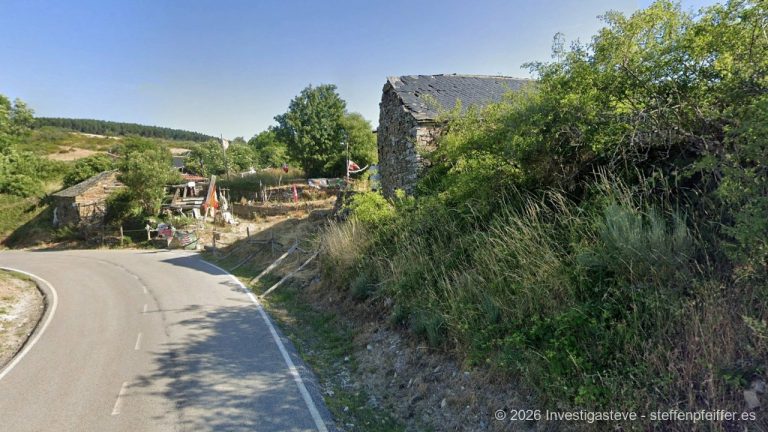
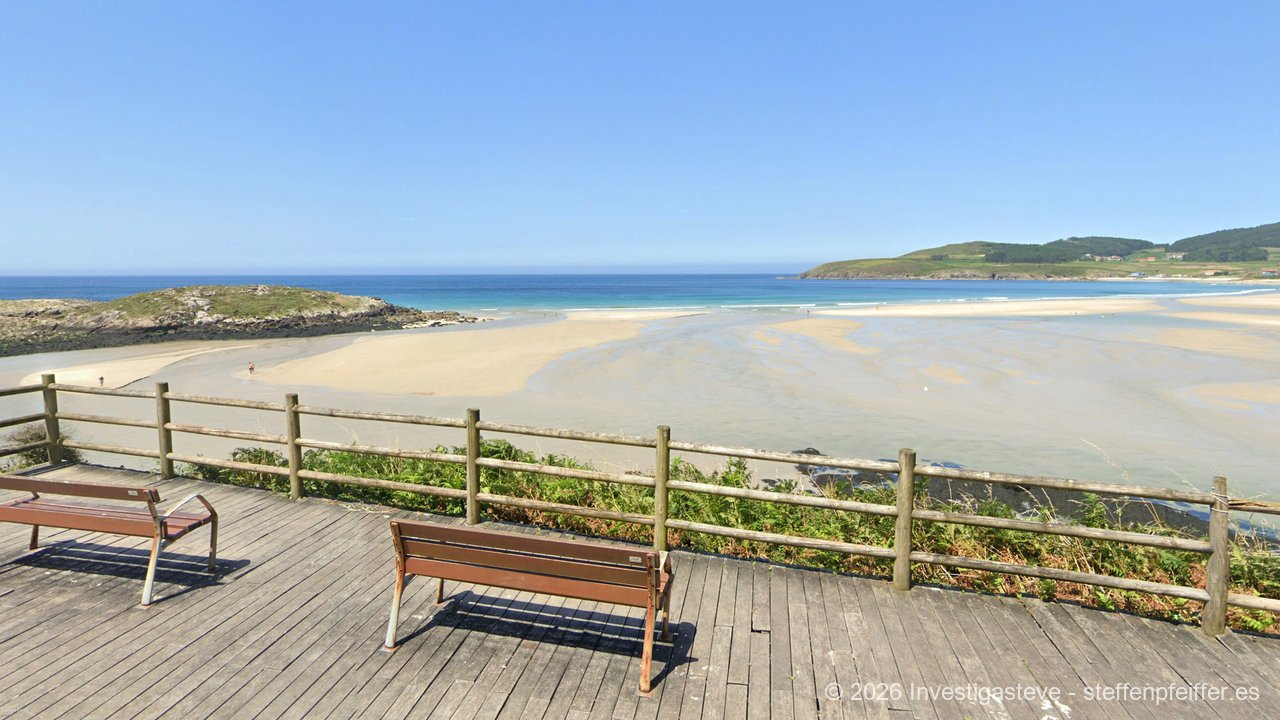
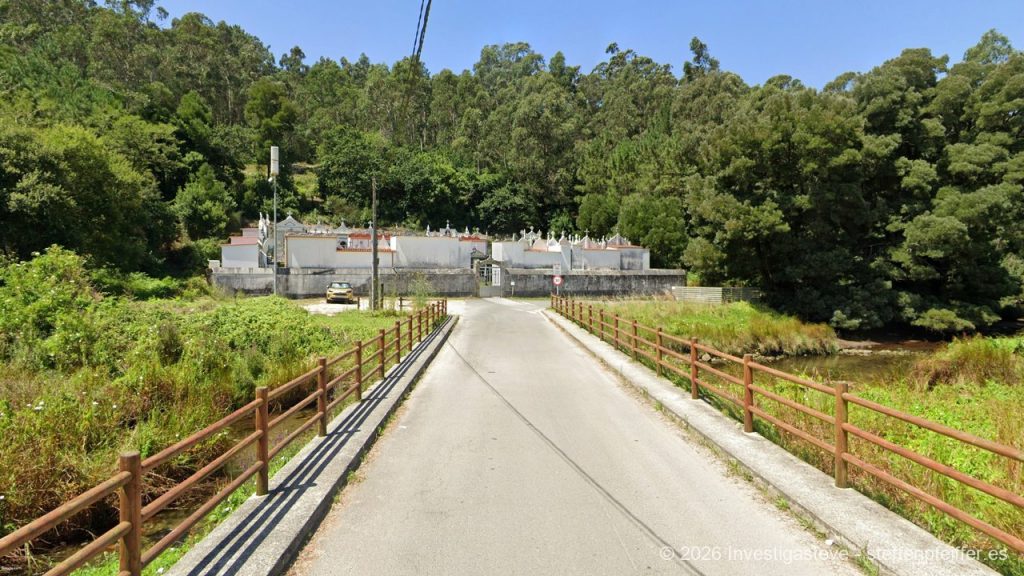
When you have left behind the gentle, often gorse- and eucalyptus-lined descent from A Canosa and the path slowly approaches the valley, something happens to the air that instantly puts your senses on high alert. The harsh, often dusty dryness of the Galician hinterland gives way to a soft, almost tender humidity that tastes of salt, algae, and the promise of infinity. You reach Lires, a village that rests like a precious jewel in the estuary of the Río Castro and the Río Lires. It is a place where the tides dictate not only the water level but the entire rhythm of human existence – a silent, monumental theater between ebb and flow, reenacted anew each day in the Ría de Lires. The first thing you perceive is the light: it is softer here, more diffuse, almost as if the nearby Atlantic transforms its untamed, destructive power into a gentle, silvery shimmer that bathes the gray stone houses and the deep green meadows in an almost unreal, nearly sacred aura.
In Lires, you are welcomed by an atmosphere of deep, maternal security. While the wind on the Costa da Morte often whips relentlessly over the cliffs and chafes the soul raw, the village, due to its sheltered location in the deeply incised bay, acts like a natural refuge, a sanctuary of tranquility. Only the rhythmic gurgling of the river, which marries the ocean here in an eternal kiss, and the distant, soothing roar of the surf on the vast beaches of Nemiña form the orchestral backdrop for your arrival. It smells here of an intoxicating mixture of salty sea breeze, the heavy, fertile humidity of Galician earth, and the tart, medicinal aroma of eucalyptus, which wafts over from the surrounding hills like a protective forest mantle. You feel the ground beneath your feet – the cool, yielding sand of the river plains and the hard, honest granite of the narrow alleys, anchoring you with every fiber of your being in the depths of Galicia. Lires is not a place you simply walk through; it is a psychological gateway to the ocean, a space of transition that teaches you to slow down before the journey leads you further into the wilderness towards Muxía.
What This Place Tells
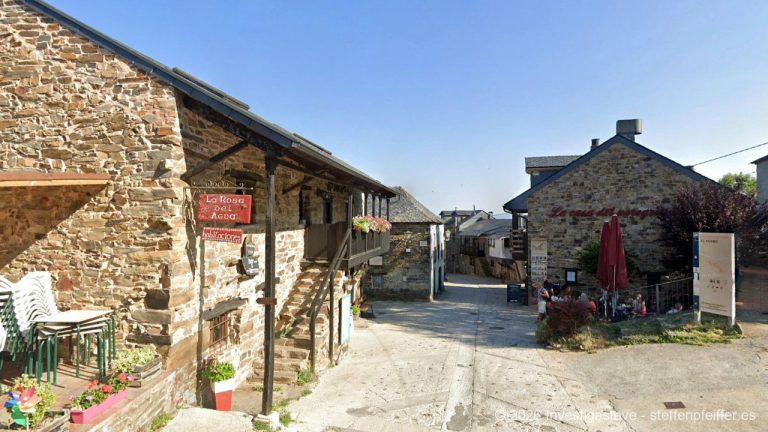
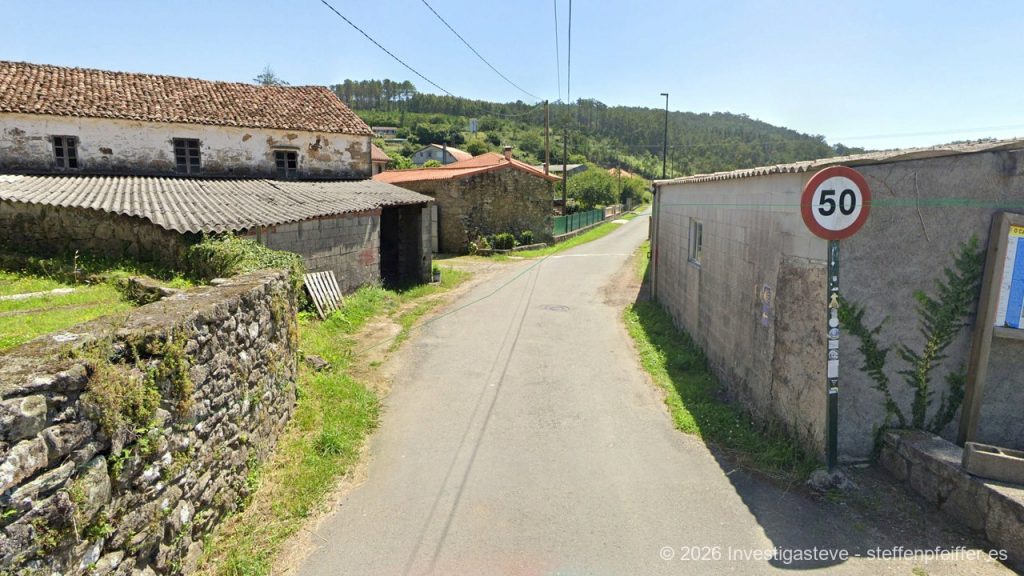
Lires, officially San Estevo de Lires, is a place whose stones tell stories of a time when the rivers were still the all-decisive lifelines of trade, communication, and fishing. Administratively, this small port village belongs to the municipality of Cee, but it marks the striking, almost mystical border with the municipality of Muxía, which extends directly on the other side of the river mouth. This border location gave Lires a strategic significance over centuries that goes far beyond its current size. The history of Lires is inseparably linked to its location on the Ría – a place that has offered people shelter and sustenance since the times of the Celts and Romans. As you wander through the winding alleys, you notice the massive granite houses, often covered with bright yellow lichen. They are not mere buildings; they are testimonies to an architectural resilience developed to defy the heaviest Atlantic winter storms with stoic composure.
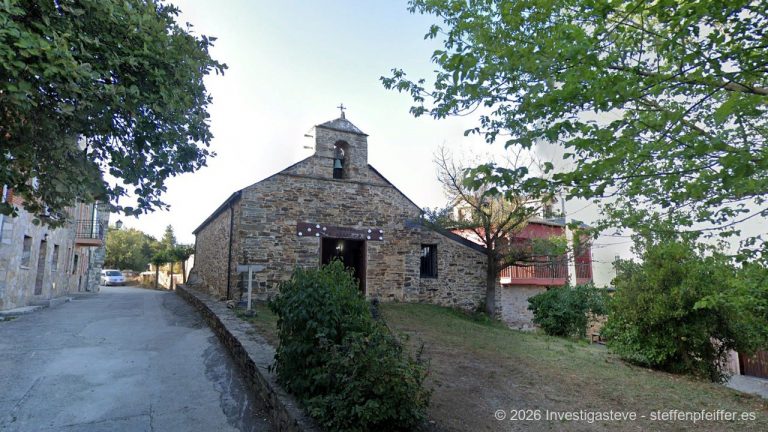
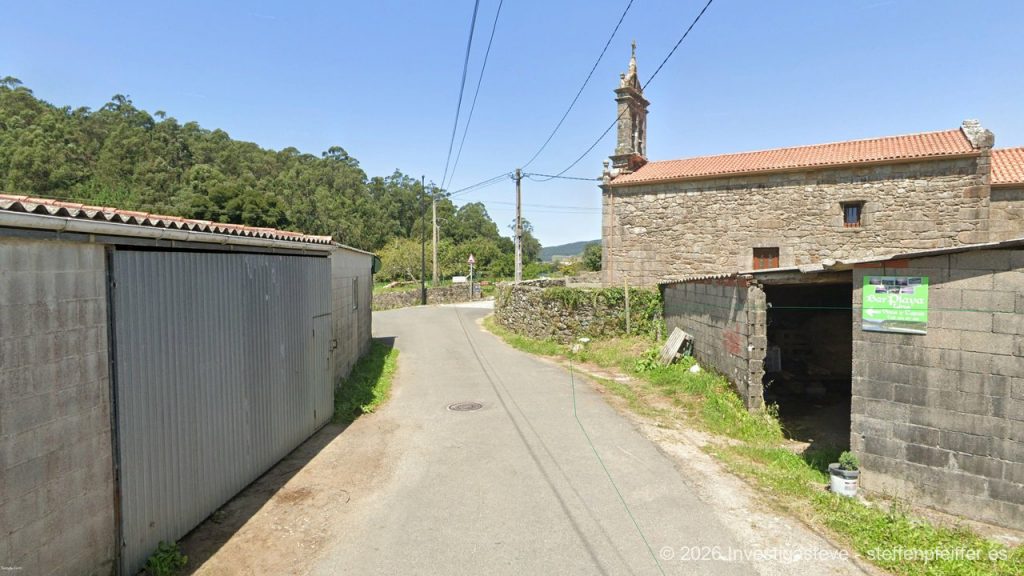
The spiritual and historical heart of the village is the church of San Estevo de Lires. In its simple but immensely dignified architecture, it reflects the deep, almost archaic religiosity and the proud rural-maritime identity of the inhabitants. Even if the current building is shaped by later reforms, the massive stone blocks whisper of Romanesque roots that reach back to the heyday of medieval pilgrimage. Here, generations of seafarers and pilgrims sought solace from the unpredictable dangers of the sea and the path. Particularly fascinating is the geological duality of the landscape: on one side, the peaceful, almost lovely river landscape of the Río Castro, on the other, the wild, untamed beaches of Lires and Nemiña. These beaches are notorious for their murderous rip currents, but at the same time world-famous for their raw, unadorned beauty. This dramatic environment has made Lires a melting pot of legends – stories of castaways saved only by the faint light in the windows of the fishermen’s houses, and of pilgrims who, in the absolute silence of the Ría, rediscovered their inner voice they believed lost.
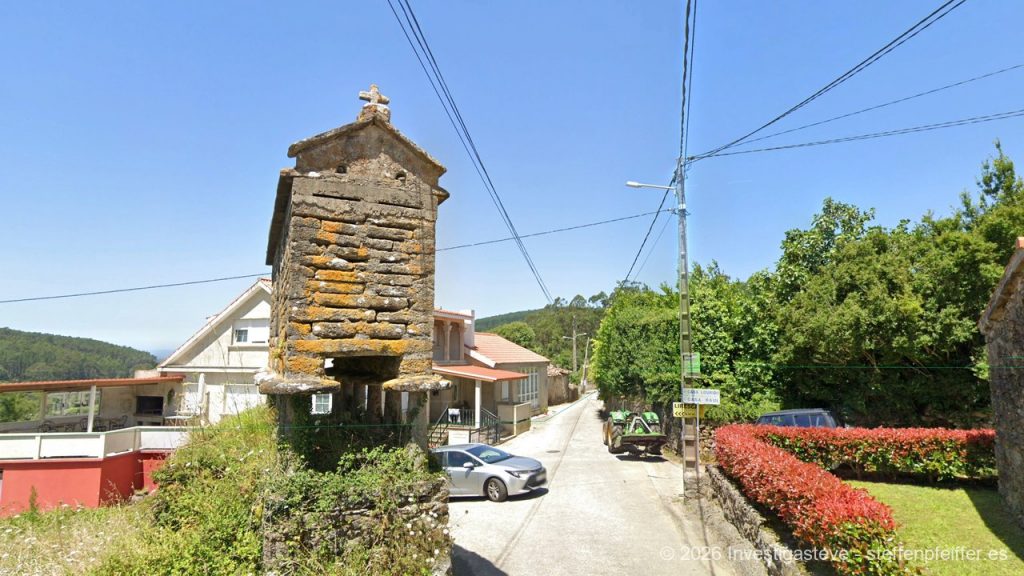
The economic history of Lires is a story of subsistence and the wise use of nature’s resources. For centuries, the village was a center of artisanal fishing and agriculture based on the principle of minifundismo. Each house in Lires often owns a small plot of land and access to the water, creating a self-sufficiency that gave the inhabitants their very own form of pride and independence. The numerous Hórreos you find in the village are not just storage for corn; they are symbols of victory over humidity and hunger. Lires is a place where the rural gravity of Galicia meets the infinite, promising vastness of the Atlantic, which gives it its very own, almost mystical significance on the Camino de Fisterra y Muxía. When you walk through Lires today, you step into the footsteps of millions who felt the same awe for this estuary before you.

Camino Distances
After about 2.1 kilometers of steady, often picturesque descent from the height of A Canosa, the valley suddenly opens up, revealing the view of the glittering estuary and the welcoming village of Lires.
Addresses & tips in Lires
Opening hours
Opening hours
Accommodation & Arrival
Arriving in Lires means immersing yourself in an oasis of deep regeneration, which stands in stark contrast to the often dusty and windswept hinterland of the previous kilometers. The village has admirably managed to preserve its unadulterated authenticity despite the steadily growing stream of pilgrims. Arriving here is a multi-layered, almost ritual process: you feel the physical tension of stage CFM 4 gradually falling away from you as you wander through the narrow alleys, often lined with hydrangeas and geraniums, to your accommodation. Many of the old stone houses have been carefully restored in recent years and now serve as charming Casas Rurales or private Albergues, perfectly combining the rustic charm of heavy granite with the comfort of modern lodging.
Anyone staying overnight in Lires should seize the valuable opportunity to experience the quiet, often taciturn, but deeply felt hospitality of the residents. In the common areas of the hostels – such as in the legendary Albergue La Espiral or the cozy Casa Ceferinos – you feel the spirit of the Camino in a density that is often lost in the big cities. It is a space for exchanging stories, for shared silence over a glass of local red wine, and for the feeling of having arrived at the right place. The atmosphere in the village is characterized by a serenity that only places can radiate which have lived in direct harmony with the rhythmic pulse of the tides for millennia. Lires is the ideal place to refresh burning feet in the cool, clear water of the estuary while the sun, a glowing ball, slowly sinks on the Atlantic horizon, painting the sky in colors for which there are no names.
A special highlight of the region, often mentioned in the same breath as Lires, is the nearby Hostel Monasterio de Moraime. Even if it is a few kilometers away, the monastic silence of this historic place shapes the entire surroundings. In Lires itself, you will find in Restaurant As Eiras or in the affiliated accommodations like O Cabanel a quality of lodging that makes this village one of the most popular and most praised stops on the entire route. Lires is small enough to feel safe and secure immediately, but at the same time large enough to offer all the necessary amenities that an exhausted body needs after days of walking. Here you learn one of the most important lessons of pilgrimage: the goal is not the end of the effort, but the quality of the pause in a place that accepts you as you are.
Food & Drink
The culinary world of Lires is a passionate declaration of love to the treasures of the Ría and the untamed power of the nearby ocean. Even if the village seems unremarkable at first glance, it offers gastronomic experiences that are among the absolute highlights along the entire Costa da Morte. At the center is the unadulterated Galician cuisine, which captivates with its freshness, quality, and almost radical simplicity. The Restaurant As Eiras is an institution that you must not miss. Here you can enjoy freshly caught octopus á feira, its meat so tender it melts on the tongue, or mussels harvested from the Atlantic just that morning. The aroma of grilled fish, garlic, and sea salt hangs like an invisible, delicious fog in the alleys, almost automatically guiding hungry pilgrims to the tables.
The fertile surroundings of Lires also ensure excellent quality in meat dishes and fresh vegetables, which often make their way directly from the small neighborhood gardens into the pots. A dinner in Lires is much more than just the intake of calories; it is a ritual feast for all five senses. As you sit on the terrace, letting your gaze wander over the changing estuary, the sparkling, mineral taste of the Albariño wine mixes with the salty breeze drifting over from the sea. Pilgrims particularly appreciate the extremely rich and lovingly prepared pilgrim menus, which are often served here with a pride that shows hospitality in Lires is a matter of honor. Eating in Lires means tasting the true essence of Galicia – the perfect symbiosis of land and sea, reflected in every single bite. For many hikers, this culinary stop is the last great feast before the spiritual seriousness of Muxía finally takes hold of them.
Supplies & Logistics
Logistically, Lires functions as a small but highly efficient supply island in the midst of the rugged coastal landscape of the Costa da Morte. Compared to the tiny hamlets with almost no infrastructure that you traversed before, Lires offers a solid and reliable basic structure that massively eases the pilgrim’s daily life. While there are no gigantic supermarkets with anonymous checkouts here, the small shops and the integrated services inside the hostels ensure that you are well equipped for the coming, demanding kilometers to Muxía.
The entire supply situation in Lires is geared towards allowing pilgrims to regenerate physically and mentally. Most accommodations offer excellent laundry facilities – an invaluable advantage on a long journey. In addition, there are often small sales points for the essentials: blister plasters, sunscreen, or energy bars for the next ascent. However, those in need of specialized medical help, a pharmacy, or an ATM should keep in mind that these services are more likely to be found in the larger, nearby town of Cee. Lires teaches you the art of getting by with the essentials, while offering exactly that bit of comfort that makes a pilgrimage a pleasure rather than pure torture.
Shopping: Small, specialized shopping opportunities for daily pilgrim needs can be found directly in the hostels or at local providers in the village.
Gastronomy: First-class restaurants like As Eiras offer everything from quick tapas to high-quality seafood platters and the obligatory pilgrim menu.
Accommodation: The selection is impressive, ranging from the affordable, communal Albergue to upscale Casas Rurales for individual travelers.
Public Facilities: The church of San Estevo forms the spiritual center; additionally, the village is excellently connected to the local hiking trails and coastal paths.
Lires thus remains an indispensable and reliable partner for the entire logistics of your pilgrimage, perfectly mastering the difficult balancing act between rural isolation and professional service. It is the place where you refill your reserves of energy and anticipation for the grand finale in Muxía to the brim.
Don’t Miss
The Ría de Lires: You absolutely must observe the fascinating play of the tides in the estuary. An extended walk at sunset, when the receding water shimmers in all shades of gold and purple, is one of the most profound aesthetic experiences on the entire path.
Nemiña Beach: Even if geographically located on the other side of the river, this wide sandy beach is an absolute paradise for wave watchers, surfers, and nature lovers. The contrast between the gentle river water and the wild Atlantic surf is breathtaking.
San Estevo Church: Take the time to immerse yourself in the cool silence of this Baroque-Romanesque sacred building. It is the perfect place to light a candle far away from the hustle and bustle of the hostels or simply to listen to your own thoughts.
Birdwatching in the Meadows: Lires is an important resting place for numerous migratory bird species. If you sit quietly on the banks of the Ría, you can observe herons, curlews, and, with a little luck, even rare seabirds in their natural habitat.
Tide Watching: Pay attention to the small signs in the village that indicate the times of low and high tide. It is a fascinating lesson in natural history to see how the entire topography of the bay changes radically within just six hours.
Insider Tips and Hidden Places
Beyond the marked paths that most pilgrims hurry through carelessly, Lires reveals small, almost invisible treasures for the attentive soul. One such place is the narrow, often somewhat overgrown path that runs directly along the southern shore of the Ría and leads to hidden views of the open Atlantic that hardly any hiker notices. Here, far from the yellow arrows, you can enjoy a silence so pure that you hear the rush of your own blood in your ears. It is an ideal place to take off your shoes and directly feel the contact with the Galician earth.
Another insider tip is observing the traditional, often centuries-old stonework on the village’s wells and walls. Every detail, every carved year, and every symbol tells of the incredible craftsmanship and pride of past generations who shaped Lires from the hard granite. When the light falls on the estuary at a very flat angle in the late afternoon, the water glitters like billions of tiny, dancing diamonds – a magical moment of visual poetry best enjoyed in complete silence and with a deep feeling of gratitude.
Also look for the small, hidden Cruceiro that stands somewhat off the main street in a little garden. These stone wayside crosses are the silent guardians of the path, and in Lires you can find specimens that are particularly finely crafted and often decorated with fresh flowers by the villagers. A brief moment of pause at such a place connects you with the long chain of those who have been wandering through this landscape in search of meaning and healing for 1200 years. Lires is a place that reveals its secrets only to those willing to adapt the pace of their steps to the heartbeat of the Ría.
Moment of Reflection
In Lires, your pilgrimage reaches a critical, almost sacred point of inner contemplation. The view of the water of the Río Castro, flowing incessantly and with stoic serenity towards the infinite ocean, inevitably reminds you of your own journey – of the painful letting go of old certainties and the courageous immersion into the completely unknown. Are you truly ready for the last, decisive kilometers to Muxía? In the protective security of Lires, you often find the answer to this question not in words, but in a deep feeling of calm.
The silence of the village and the sheer, overwhelming vastness of the sea put all the hardships, all the blisters, and all the doubts of the past days into perspective. Your heart becomes wide here, like the estuary at high tide. Here you grasp on an almost cellular level that the journey is indeed the destination, and every single moment in Lires is a precious, irreplaceable gift of time. The rhythm of your breath adapts here to the great breath of the Atlantic, and you feel a deep connection to nature that will release you from this place purified and strengthened. Lires is the moment when the pilgrim becomes the arrival.
Camino of the Stars
This place lies on the Camino Fisterra y Muxía, on the stage from Fisterra via Lires to Muxía. The sequence of places is:
Fisterra → San Martiño de Arriba → Hermedesuxo → San Salvador de Duio → Buxán → Castrexe → Lires → Frixe → Guisamonde → A Canosa → Morquintián → Xurarantes → Muxía
Has the archaic tranquility of the Ría de Lires touched you as deeply as it has us, or did you experience a moment on the wild beach of Nemiña that you will carry in your heart for the rest of your life? Perhaps you discovered a specialty in Restaurant As Eiras that we should definitely mention here? Share your very personal story with us via the contact form – your experiences make this guide a living companion for all subsequent pilgrims!
About the Author