A First Glance – Introduction & Atmosphere
When you approach Puente la Reina, you feel an almost electric tension in the air that goes far beyond the mere physical exhaustion of the walking day. It is the place where the two great streams of the Camino de Santiago – the Navarrese route from Roncesvalles and the Aragonese route from the Somport Pass – merge like two mighty rivers. Even from afar, you see the silhouette of the town, rising defiantly yet invitingly over the valley of the Arga. It smells here of damp river water, mixed with the pungent aroma of wild rosemary and the distant scent of freshly baked bread wafting over from the bakeries of the Rúa Mayor.
The auditory experience here is unique: the rhythmic clicking of walking sticks on the ancient paving sounds in the narrow alleys like a collective heartbeat. It is an echo from centuries past, mingling with the murmuring of pilgrims in dozens of languages. You feel the tactility of the place in the rough, sun-warmed limestone walls you brush against in passing, and in the slight resistance of the ground that has absorbed so many stories here. Psychologically, arriving in Puente la Reina is a turning point. You are no longer alone on your path; you become part of a larger movement. The individuality of the first days gives way to the feeling of a universal brotherhood as you pass through the town gate.
It is this incomparable atmosphere of a “melting pot” that makes Puente la Reina so special. When the golden evening light bathes the façades of the medieval palaces in a warm ochre, the pilgrim experiences a deep emotional metamorphosis. The pain in the legs fades into the background, replaced by an awed admiration for the architectural mastery that has endured here since the 11th century. You stand at a crossroads of world history, and every breath here feels like a deep inhalation of European cultural history.
What This Place Tells
The history of Puente la Reina, or in Basque “Gares”, is a narrative of royal foresight and strategic mastery. The name itself – “The Queen’s Bridge” – refers to Queen Doña Mayor of Navarre, wife of Sancho el Mayor, or possibly her daughter-in-law Estefanía. In the 11th century, the necessity was recognised to provide pilgrims with a safe crossing of the often raging Arga River. This historical causality created not only a bridge, but an entire town that grew organically around this crossing. Walking along the Rúa Mayor, you move through an urban layout precisely tailored to the needs of the pilgrim streams – a linear town in which every house, every chapel, and every fountain fulfilled a function in the service of the Peregrinatio.
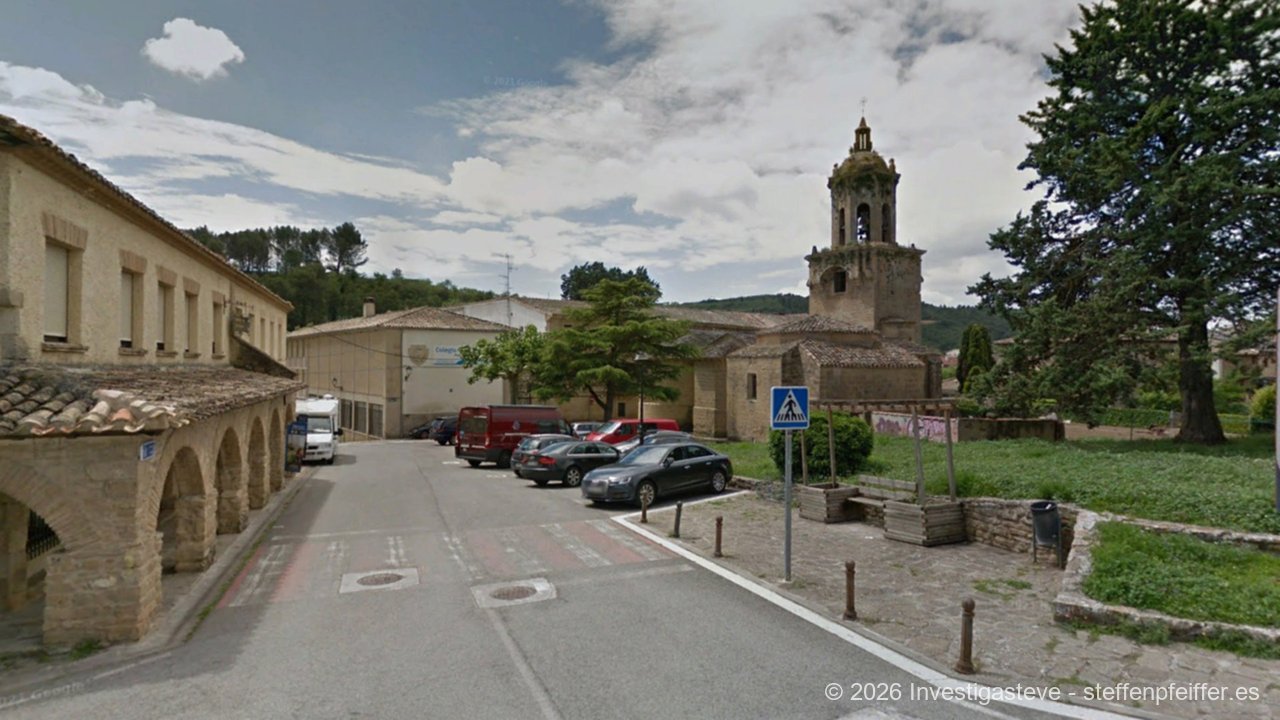
Particularly fascinating is the presence of the Knights Templar, who left their mark in the Iglesia del Crucifijo. Here, at the eastern entrance to the town, you feel an almost tangible mysticism. The building tells of the protective function this order once held. The tactile weight of the Romanesque arches and the mysterious Y-shaped crucifix, considered one of the most significant Gothic artworks in Spain, testify to a deep spirituality that goes beyond the purely ecclesiastical. It is said that this cross was brought by pilgrims from the Rhineland – striking proof of the cultural exchange the Camino enabled almost a thousand years ago. The stones here whisper of crusades, promises of protection, and the unshakeable hope of those who sought their salvation here.
The bridge itself, the iconic landmark with its six round arches, is far more than an engineering feat. It is a symbol of overcoming obstacles. When you cross the slightly rising, flat steps of the bridge, you feel the power of millennia-old construction under your feet. In the past, a small tower stood in the middle of the bridge with a statue of the Virgin “Virgen del Puy”, which was cleaned by a small bird, the “Chori” – so the legend goes. This mythological layer lends the place a psychological depth: even nature, the pilgrims believed, took part in their journey. Puente la Reina is a place where the great political ambitions of the Navarrese kings intersected with the intimate, personal search of every single walker, and which remains alive in the architecture to this day.
Addresses & tips in Puente la Reina
Camino Distances
In Puente la Reina, the paths come together, making the distance calculation a central theme for further stage planning. The path now continues united towards the gentle hills of Navarre.
Sleeping & Arriving
Arriving in Puente la Reina is a tactile and emotional experience. As soon as you pass the monumental town sign, the solitude of the fields gives way to a lively bustle. The hostels here are legendary and offer a broad spectrum between medieval flair and modern hospitality. The “Albergue de los Padres Reparadores” in particular, housed in a former monastery at the entrance to the town, offers an atmosphere that immediately grounds you. The smell of old stone, floor polish, and the cool draught in the long corridors convey a feeling of timeless security. Here, arriving is a ritual act of letting go – the heavy backpack sinks to the floor, and the silence of the cloister catches the thoughts of the day.
In the dormitories, you hear the soft rustling of sleeping bags and the whispering of pilgrims exchanging their experiences. It is an auditory backdrop of solidarity. Many hostels, such as the “Albergue Santiago” or the more modern “Estrella Guía”, have small inner courtyards where you can dip tired feet in cold water – a tactile shock that awakens the spirits. The psychological effect of arriving in Puente la Reina is the certainty of having mastered the first major quarter of the Way (if you started in Saint-Jean-Pied-de-Port). A feeling of competence and pride sets in, amplified by the historic setting of the place.
For pilgrims seeking a more individual experience, there are numerous guesthouses in the restored bourgeois houses of the old town. There you sleep under heavy oak beams, and the view from the window falls on the bustling Rúa Mayor. The feeling of being part of a living monument is omnipresent here. When the church bells call for the pilgrim blessing in the evening, arriving becomes a spiritual conclusion to the day. You do not feel like a tourist, but like a rightful inhabitant of this historic place, which opens its doors for one night to the walkers of the world.
Eating & Drinking
The cuisine in Puente la Reina is a celebration of the fertile Navarrese earth. Here, vegetables reign, ripening to the highest quality in the gardens along the Arga under the Spanish sun. When you stop in one of the traditional taverns, the scent of roasted peppers – the famous “Pimientos del Piquillo de Lodosa” – and hearty stews envelops you. The tactility of a thick, hand-crafted bean soup, the “Alubias de Tolosa”, which glides velvety over the tongue, is the perfect answer to a long day of walking. The taste is earthy, honest, and deeply nourishing, exactly what the body and soul now demand.
Particularly noteworthy is the “Menestra de Verduras”, a vegetable garden on a plate, where asparagus, artichokes, peas, and broad beans merge into a symphony of freshness. Served with it is a robust red wine from the nearby Valdizarbe region or a sparkling Rosado, for which Navarre is world-famous. The coolness of the wine glass in hand and the warmth of the food in the stomach create a sensory balance that fills the pilgrim with new energy. In the bars along the main street, you can also try “Pinchos”, the small works of art of Navarrese cuisine, where the crispness of fresh baguette meets the saltiness of Serrano ham or the creaminess of local sheep’s cheese.
An evening meal in Puente la Reina is also a social event. You often share the large tables with pilgrims from all over the world, and the breaking of bread together becomes a universal language of community. Psychologically, this is the moment when cultural differences disappear and only the shared experience of the Way matters. When a piece of “Leche Frita” (fried milk) or homemade cheesecake is served for dessert, the emotional metamorphosis is complete: the exhausted wanderer has become a contented connoisseur who feels the fullness of life in every bite.
Supplies & Logistics
Logistically, Puente la Reina is a true paradise for pilgrims, as the place is completely geared to the needs of travellers. The infrastructure is so dense and efficient that you can easily supplement equipment here or resolve minor medical issues.
Shopping: In the Rúa Mayor and side streets, you will find several well-stocked supermarkets and small “Ultramarinos” (delicatessens). Here you can stock up on local cheese, chorizo, and dried fruit for the next stages. Outdoor equipment is also available in specialised shops.
Gastronomy: The density of bars, restaurants, and cafés is impressive. From a quick breakfast with “Café con leche” and “Tostada” to an upscale dinner, every wish is fulfilled.
Accommodation: With a capacity of several hundred beds in various categories (albergues, hostals, hotels), the place is a safe haven, although advance reservation is advisable in high season.
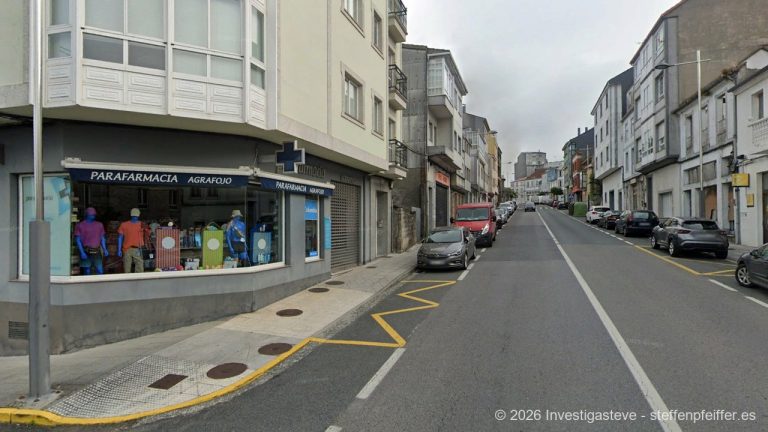
Public Facilities: There are several pharmacies specialising in pilgrim ailments such as blisters or joint pain, as well as ATMs and a post office (Correos) if you wish to send excess luggage ahead to Santiago.
The logistical causality here is clear: since Puente la Reina is the junction of two paths, a service sector has developed over the centuries that is second to none. The pilgrim finds a security here that allows him to focus entirely on his inner journey. The bus connections to Pamplona or Estella are excellent, which also makes the place an ideal starting or ending point for short stages. Everything is within walking distance, which massively supports regeneration after a long march.
Don’t Miss
Puente la Reina is rich in architectural and spiritual treasures. You should definitely incorporate these points into your experience:
– The Romanesque Bridge: The heart of the place. Walk it several times, especially at sunrise or during the blue hour, when the water of the Arga reflects the arches like a mirror.
– Iglesia del Crucifijo: Visit the mysterious Y-shaped crucifix of the Knights Templar. The silence in this church is of a special quality, almost as if you could stop time.
– Iglesia de Santiago: Admire the magnificent portal with its Moorish influences (multifoil arches) and the statue of Saint James inside, which has shown pilgrims the way for centuries.
– Plaza Mayor: The central square with its arcades is the perfect place for a short rest, to observe the colourful bustle of the town and study the architecture of the Navarrese manor houses.
– The Pilgrim Statue: A modern monument at the entrance to the town that precisely marks the point where the two paths become one. A tactile moment to place your hand on the stone and become aware of your own journey.
Insider Tips & Hidden Places
Beyond the beaten paths, Puente la Reina offers corners often overlooked. One such place is the small riverside path along the Arga, running below the town wall. While most pilgrims hurry directly to the bridge, this path offers a perspective on the massive foundations of the town. Here it smells of damp earth and river mint, and the auditory experience of the flowing water is much more intense. It is an ideal place for a short meditation, far from the bustling activity of the Rúa Mayor. The psychological effect of this small detour is enormous: you reconnect with nature, which made the town possible in the first place.
Another insider tip is the monastery “Sancti Spiritus”. Although it often seems closed to the public, it is worth paying attention to the small details of the façade, which tell of the long tradition of nursing and hospitality. In some of the old bakeries in the side streets, you can also try “Garroticos”, a local chocolate speciality often still baked according to family recipes. The tactility of the flaky pastry and the melting of the chocolate are a small, private luxury to be enjoyed on the Plaza Mayor.
If you keep your eyes open, you will often find small, hidden stonemason’s marks or almost faded inscriptions in the archways of the Rúa Mayor. These marks are the business cards of medieval craftsmen. Running your fingers over these indentations creates a direct tactile connection to the people who worked here 800 years ago. It is this historical causality in the small details that makes a visit to Puente la Reina a true journey of discovery. These hidden details are like the footnotes of a great epic that you can only read if you are willing to slow your pace.
Moment of Reflection
When you finally stand in the middle of the great bridge and look back at the town, while the Arga flows ceaselessly beneath you, this is the perfect moment for a deep reflection. Puente la Reina is the metaphor for unification. Two paths that began in different places, with different landscapes and challenges, become one here. In this silence, ask yourself: Which parts of my own life, which previously seemed separate, might come together here? Which inner contradictions can I reconcile on this “bridge”?
The psychological metamorphosis of the pilgrim reaches a new level here. You recognise that you are not only a walker in a physical landscape, but part of a historical continuum. The permanence of the bridge, which has survived wars, floods, and millions of steps, gives you confidence in your own resilience. In Puente la Reina, you become aware that every step you have taken so far – however arduous – has led you precisely to this point of unity. It is a moment of emotional clarification: the path before you is now clearer, the community stronger, and the goal, although still hundreds of kilometres away, suddenly feels achievable. Take this certainty with you when you leave the bridge behind tomorrow and continue walking into the heart of Navarre.
Camino of the Stars
This place lies on the Camino Francés, at the confluence of the routes from Roncesvalles and the Somport. The sequence of places is:
Pamplona → Cizur Menor → Zariquiegui → Uterga → Muruzábal → Obanos → Puente la Reina → Mañeru → Cirauqui → Lorca → Villatuerta → Estella
Did you also experience that magical moment on the bridge of Puente la Reina when the evening light gilds the arches? Which of the two paths led you here, and did you also feel that special shiver in the Church of the Crucifix? Share your story of the unification of the paths, your culinary discoveries in the alleys, or your very personal insider tips with us. Let us keep the legacy of the queen alive together!
About the Author