A First Glance – Introduction & Atmosphere
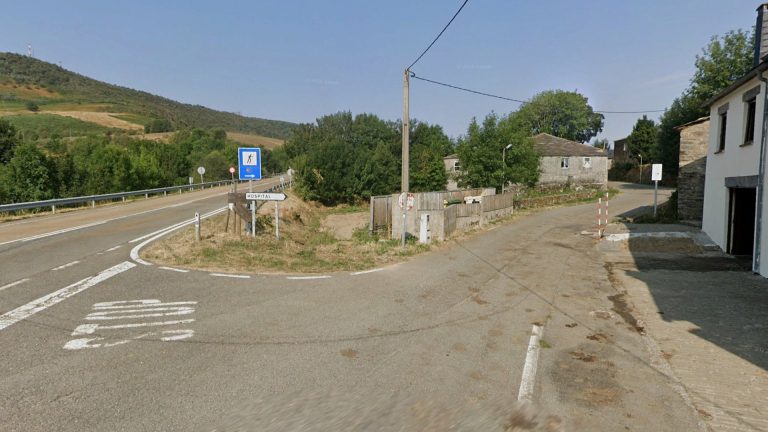
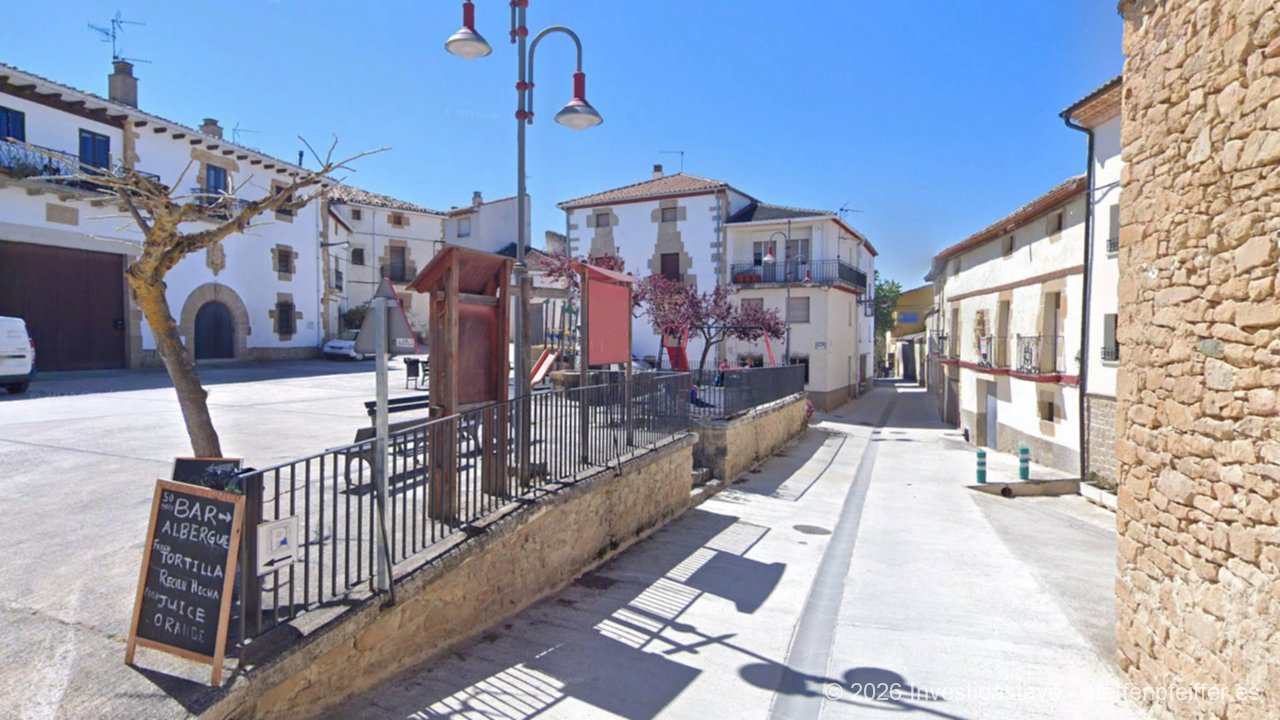
When you descend the dusty path from Cirauqui and the wide, often wind-swept panorama of the Valle de Yerri spreads out before you, Lorca at first appears like a silent, almost defiant island of yellowish sandstone. It is a moment of total sensory condensation. The first thing that reaches you is the acoustic profile of solitude: the steady, dry rustling of the wind in the low bushes and the rhythmic, almost meditative clicking of your walking sticks on the hard marl ground. Then, suddenly, the acoustics change. The alleys of Lorca swallow the wind and replace it with the muffled echo of your own steps, echoing off the massive walls of the old noble houses. It is an atmosphere of archaic tranquillity that instantly forces you to shift down a gear internally. The world out there, the kilometres already in your legs, seem to lose significance here, between the heavy wooden doors and the wrought-iron balconies.
Tactilely, you experience Lorca through the roughness of its surfaces. When you run your hand over the sun-warmed stones of the house façades, you feel the grooves of time and the craft seriousness with which this settlement was built. The air up here smells of dry earth, of the pungent aroma of wild thyme, and, in the early morning hours, of the fine scent of woodsmoke rising from the chimneys of the few inhabited houses. Psychologically, Lorca marks a critical point of the stage. You stand between the monumentality of Puente la Reina and the noble splendour of Estella. Lorca offers you not pomp, but protection. It is the feeling of having landed in a safe harbour before the path leads you back out into the unprotected vastness of Navarre. Here, the exertion of the ascent is transformed by the sheer permanence of the surroundings into a deep, almost reverential gratitude.
What This Place Tells
Lorca is a palimpsest of pilgrim history, a stone chronicle whose most important chapter was written on the banks of the nearby Rio Salado. Historically, the place is inextricably linked with the first pilgrim guide in history, the Codex Calixtinus from the 12th century. Aymeric Picaud, its author, warned walkers urgently about the dangers of the “salt river”, whose water was said to be poisonous and where deceitful locals waited to see the pilgrims’ horses die in order to skin them. This historical causality has lent Lorca a mystical, almost dark heritage over the centuries, which, however, stands in stark contrast to today’s peaceful reality. The settlement itself, belonging to the Valle de Yerri, was once an important strategic point on the royal road of Navarre. The massive Baroque houses with their proud coats of arms tell of a prosperity generated by trade and the accommodation of travellers, long before modern tourism discovered the Way.
The spiritual heart of the place beats in the Iglesia de San Salvador. Standing before this structure, you look upon architecture that, despite later Baroque alterations, has never wholly denied its Romanesque roots from the late 12th century. The thick walls and narrow window openings appear like a stone bulwark against the inclemencies of the world. Inside, a cool, twilight silence prevails, where the smell of old incense and cool masonry soothes the senses. It is a historical space in which the prayers of generations of walkers have condensed into an invisible but palpable aura. The metamorphosis from a settlement once known for its dangers to a place of refuge is seamlessly tangible in Lorca. You can almost feel the presence of the Templars and other knightly orders who provided security in this region and helped pilgrims overcome the treacherous fords of the Salado.
Yet Lorca also tells a story of rural survival. The designation “dandelion village”, used by some pilgrims, points to the visual splendour of the surroundings in spring, when the yellow of the flowers forms a harsh contrast to the grey of the rock. Psychologically, this contrast acts as a metaphor for the Camino itself: the hardness of the stone (the deprivation) and the luminosity of nature (the reward). The historical development from medieval enclave to modern pilgrim station shows that Lorca has never sacrificed its identity to the spirit of the times. It is a place that shows you that true significance arises not through size, but through depth. To understand Lorca, you must grasp the causality between its exposed position in the valley and its role as guardian of the bridge. It is a place of transitions – geographical as well as spiritual.
Addresses & tips in Lorca
Camino Distances
Lorca marks the ideal point for a rest or an overnight stop on the demanding stage through the hilly landscape of Navarre.
| Previous Place | Distance (km) | Next Place | Distance (km) |
|---|---|---|---|
| Cirauqui | ca. 5.5 km | Villatuerta | ca. 4.5 km |
Sleeping & Arriving
Arriving in Lorca is a ritual act of psychological relief. When you have managed the slight incline to the village, you feel how the weight of your backpack becomes almost secondary as soon as you step into the shade of the first row of houses. The physical moment of arrival here is defined by the tactile experience of sitting on one of the stone benches in front of the Albergue La Bodega del Camino and loosening your hiking boots. The feeling of cool stone under your hot soles is a five-dimensional reward for the kilometres of the day. The hostels in Lorca are not anonymous mass accommodations; they are refuges within historic walls, where the thick stone walls effectively keep out the summer heat. In the dormitories, it often smells of freshly washed laundry and dried herbs, conveying an almost maternal sense of security.
Acoustically, arriving is marked by a deep silence, interrupted only occasionally by the soft murmuring of other pilgrims in the communal kitchen or the distant barking of a dog. It is an atmosphere of shared destiny that strengthens you psychologically. You are not just a number here, you are a guest in a community that has welcomed walkers since the 11th century. The historical continuity of hospitality is physically tangible as you walk down the worn steps to the dining hall. The psychological metamorphosis from the lonely fighter on the path to the resting member of the community takes place particularly gently here. Especially in the evening hours, when the light of the setting sun bathes the façades in a deep gold, arriving transforms into a meditative experience.
Those who stay overnight in Lorca consciously choose deceleration. While hustle and bustle often prevail in the larger stage destinations, Lorca offers the luxury of pause. The tactile feeling of a warm blanket after a shower with ice-cold mountain water is the definition of happiness at this place. You lie in your bed, hear the wind brushing around the corners of the old houses, and feel the tension of the day slowly falling away from you. The historical aura of the place resonates in these moments. You are resting in a house that may have already hosted pilgrims 200 years ago. This continuity gives sleep a depth that is missing in modern hotels. It is an arrival in the bosom of tradition, a deep breath before the path leads you back into the next valley the next morning.
Eating & Drinking
The cuisine in Lorca is an honest celebration of Navarrese agriculture. Here you taste the power of the earth and the honesty of craftsmanship. When you sit down in one of the small bars or hostel restaurants, you are often greeted by the scent of slowly braised meat and fresh olive oil. A classic of the region you should try here is the “Chistorra”, a thin, spicy paprika sausage often served on crusty bread. The tactile experience of biting into the warm, fatty meat while the crust of the bread crunches under your teeth is the ultimate sensory reward for the day’s exertions. It is food that not only fills the stomach, but celebrates the historical causality between the hard work in the vineyard and the high art of enjoyment.
Another jewel of local cuisine are the “Pimientos del Piquillo”, small red peppers often stuffed with meat or fish. Their smoky aroma and silky texture are an olfactory and tactile revelation. Served alongside are, of course, the robust red wines from the nearby Estella basin or the Rioja. When you raise the glass to your lips, you taste the mineral note of the soil and the warmth of the sun that you have felt on your neck all day. The bread in Lorca is firm and nourishing, often homemade, and it smells of freshly ground grain and the fire of the oven. This food is not mere calorie intake; it is a grounding, a connection to the rhythm of nature, which still sets the pace here in Lorca.
In the evening, when the pilgrims gather at the long tables, eating becomes an act of community. You hear the hiss of wine bottles, the clatter of cutlery, and the polyphonic laughter in various languages. Tactilely, you feel the coolness of the wine glass in your hand as you taste your way through the aromas of Navarre. Psychologically, this communal eating acts as a catalyst for social contact; you share bread and wine and feel part of a timeless pilgrim family. Eating in Lorca means tasting the zest for life of a region that knows how to conjure pure quality of life from simple ingredients. Every bite is a homage to the land you have just crossed on foot and strengthens the will for the coming kilometres.
Supplies & Logistics
Logistically, Lorca is an oasis of reduction. You should not expect shopping centres here, yet that is precisely the psychological value of the place. It forces you to focus on the essentials and plan your provisions with foresight. The infrastructure is perfectly tailored to the basic needs of walkers. The paths within the village are short, which is an invaluable relief for aching legs. Everything is within walking distance: from the small sales point for hiking supplies in the hostel to the public water point where you can fill your bottles with ice-cold spring water.
The supply of food is secured by the hostels and a small bar, which often also offers regional products for trail provisions. Psychologically, this seamless but simple logistics gives a deep feeling of security. You do not have to worry about abundance and can focus your mind entirely on the spiritual dimension of your journey. The tactile component of logistics is experienced when packing your backpack: the fresh supplies, the certainty that your equipment is ready, and the weight of the full water bottles that will carry you through the next stage. Lorca functions here as a kind of technical outpost, where you can equip your body and equipment for the onward path.
Shopping: Usually only small supplies are available in the hostels; for larger purchases, one should use Puente la Reina or wait for Villatuerta/Estella.
Gastronomy: Several bars and hostel restaurants offer hearty pilgrim menus and breakfast, with regional products in focus.
Accommodation: There is a good selection of private and communal hostels, often housed in lovingly restored stone houses.
Public Facilities: Basic medical care or ATMs are not available here; these are only found again in Villatuerta, about 4.5 km away, or in Estella.
Lorca’s logistical strength lies in its function as a link between the larger towns. Here you order your thoughts, perhaps wash your clothes in one of the hostel’s washing tubs, and mentally prepare for the coming challenges. It is a place that has your back. The historical metamorphosis from the dangerous ford of the Rio Salado to a modern, safe pilgrim station is palpable in every service here. Those who leave Lorca logistically well-prepared usually do so with a feeling of completeness – physically satiated and psychologically strengthened for the path that continues westwards behind the medieval bridge.
Don’t Miss
In Lorca, there are details that only reveal their full splendour upon closer inspection. Take the time for these discoveries:
– Iglesia de San Salvador: Admire the Romanesque heritage and the Baroque details; the thick walls tell stories from eight centuries.
– The medieval bridge over the Rio Salado: A tactile testimony to construction art that enabled millions of pilgrims to cross safely.
– The coat-of-arms houses on Calle Mayor: Look for the stone insignia of the old nobility; they are silent witnesses of the place’s former significance.
– The view into the Valle de Yerri: Climb to the edge of the village and enjoy the panorama; here you feel the vastness of Navarre most intensely.
– The Albergue La Bodega del Camino: The architecture of this hostel alone is worth a visit; the vaults radiate an incomparable tranquillity.
Insider Tips & Hidden Places
A true insider tip in Lorca is the small, almost inconspicuous path leading from the village down to the bank of the Rio Salado, yet away from the main route. While most pilgrims hurry stubbornly over the bridge, you find an oasis of absolute silence on the riverbank. It smells intensely of river water, moss, and damp earth. When you sit on one of the smoothly polished stones by the water, you feel the vibrations of the flowing water in your body. The acoustics here are so fine that you perceive the distant clicking of walking sticks on the road above like a rhythmic echo. It is a place of total psychological immersion, where for a moment you forget time and connect fully with the legend of the river, without feeling the danger of earlier times.
Another hidden treasure is the small vegetable garden behind one of the oldest walls in the upper village. It is not publicly signposted, but those who walk with open eyes see the lovingly tended rows of artichokes and beans. Here it smells of fertile humus and fresh water. The tactile experience of feeling the coolness of the leaves or inhaling the scent of mint growing wild at the edge is a wonderful grounding. This place recalls the historical causality of rural self-sufficiency and shows that the old wisdom of the farmers still bears fruit today.
Those who delight in small details should look for the stonemason’s marks on the portals of the church of San Salvador. These tiny scratches in the stone are the tactile fingerprints of the craftsmen of the Middle Ages. Each mark is an individual greeting from the past, a historical causality showing that this monumental work was created by human hands. Finding them requires patience and a sharp eye, but rewards with a deep feeling of connection with history. Such discoveries make the Camino a treasure hunt for the soul, far from the beaten paths.
Finally, mention should be made of the small square behind the church, where the older residents of the village often sit on their chairs in the evening. It is not a classic tourist spot, but the true social heart of Lorca. Here you hear the lively Spanish of the inhabitants, smell the smoke of the cigarillos, and feel the unpretentious joy of life in Navarre. Those who dare to start a conversation are often rewarded with stories that are in no guidebook. The psychological experience of this human warmth is the most valuable insider tip Lorca has to offer – a tactile embrace by a community that has accepted the pilgrim as part of its own history for centuries.
Moment of Reflection
In Lorca, the pilgrim often reaches a point of inner consolidation. The first great euphoria of the start has faded, physical exertion has become routine. Here, in the face of the massive stone walls and the unshakeable tranquillity of the Romanesque church, a deep psychological clarity often sets in. You look at the legend of the poisoned Rio Salado and recognise that your journey too is a form of purification: What about you is “real”, and what are merely layers you have accumulated over the years? The historical metamorphosis of Lorca – from a place of fear to a place of protection – mirrors your own development.
In the silence of a night in the hostel, ask yourself: What are my inner “salt rivers” that hinder my progress, and where do I find the bridges to cross them safely? The tactile and spiritual grounding you experience in Lorca is a gift that helps you master the coming challenges with serenity. Take this feeling of centring with you into your sleep under the old roofs; it will be the foundation on which you continue tomorrow. Lorca teaches you that true strength does not come from speed, but from the depth of connection with history and with oneself. Those who pause here find not only water and bread, but also a piece of their own soul in the unshakeability of the Navarrese sandstone.
Camino of the Stars
This place lies on the Camino Francés, on the stage from Puente la Reina to Estella. The sequence of places is:
Puente la Reina → Mañeru → Cirauqui → Lorca → Villatuerta → Estella
Did you also experience the mysterious silence at the Rio Salado in Lorca as such a powerful moment of peace? Or was it the warm community in the Albergue La Bodega that impressed you most? Share your very personal experiences, your photos of the medieval bridge, or your thoughts on this historic place of power in Navarre with us. Every story enriches the community of pilgrims and keeps the legends of Lorca alive for everyone!
About the Author