A First Glance – Introduction & Atmosphere
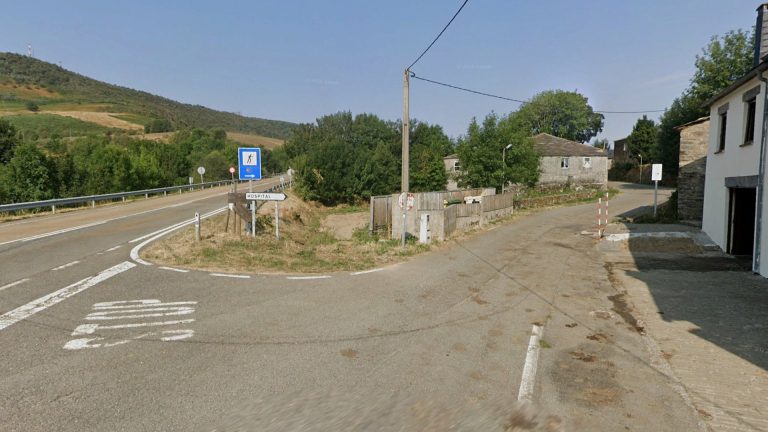
When you leave the last outposts of the parklands of the University of Navarre behind and the asphalt of the big city Pamplona slowly gives way to the dusty white of the pilgrim path, Cizur Menor appears like a promising promise on the horizon. It is that moment of the pilgrim journey when the urban hustle finally falls away from you and the psychological transformation into the walker of the meseta begins. Your gaze widens, and before you the village rises on a gentle hill, as if wanting to test you before releasing you into the vastness of Navarre. The auditory experience here is remarkable: the distant roar of city traffic from Pamplona grows progressively quieter, replaced by the rhythmic clicking of your walking sticks on the gravel and the first, tentative whistling of the wind blowing over from the nearby Sierra del Perdón.
Olfactorily, Cizur Menor greets you with a mixture of the scent of freshly mown grass from the surrounding fields and a subtle, pungent note of dry stone and pine. It is a smell that cries “departure.” Tactilely, you feel the transition clearly: the ground under your boots becomes more uneven, more demanding, and the first significant ascent of the day gets your blood pumping. When you reach the first houses of the place, you might brush against the rough, sun-warm limestone walls of the old buildings. These stones have stored the heat of the day and now release it as a gentle radiation, which feels on the skin like a warm welcome. Psychologically, Cizur Menor is the place of decision: do you still have the strength for the Sierra, or do you seek your first refuge here, in the shadow of the Knights of Malta?
The atmosphere of the place is characterised by a strange symbiosis of suburban modernity and archaic heritage. While the new residential areas of Pamplona greet in the background, the core of Cizur Menor preserves an almost defiant silence. The wide fields surrounding the village shimmer in the midday heat, and the eye finds rest in the gentle ochre and green tones of the landscape. Here begins the pilgrim’s emotional metamorphosis: you are no longer a visitor to a city, you become part of a 1200-year-old chain of seekers who felt the same wind on their faces and carried the same hope in their hearts at this very point.
What This Place Tells
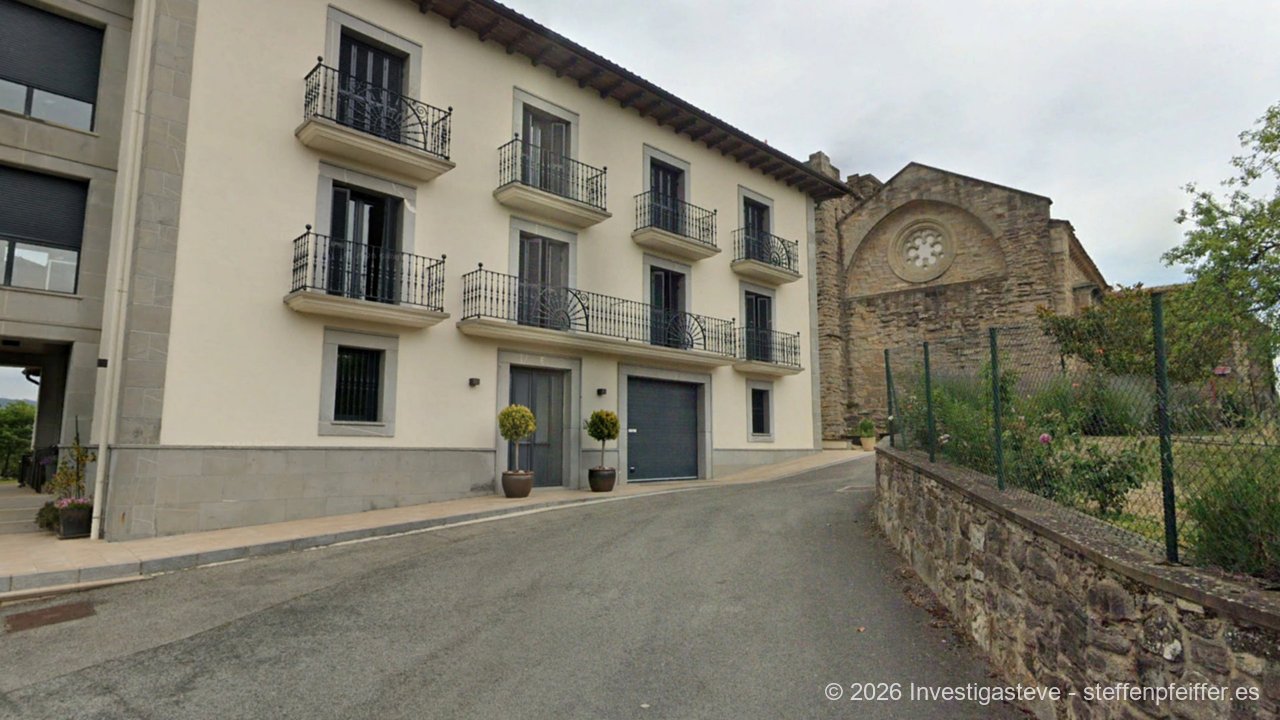
Cizur Menor is a history book made of stone, whose pages were written above all by the powerful Order of the Knights Hospitaller – today known as the Order of Malta. The historical causality that made this place so significant lies in its strategic position directly before the arduous ascent to the Sierra del Perdón. As early as the 12th century, the knights of San Juan de Acre recognised that pilgrims here, on the threshold of the mountains, needed special protection and medical care. Standing before the church of San Emeterio and San Celedonio, you look upon architecture that is both house of God and fortress. The massive walls and the defensive appearance tell of a time when the protection of pilgrims was not only a spiritual but a very real military task.
The Romanesque church of San Miguel, another jewel of the place, whispers stories of architectural mastery and religious fervour. Its walls from the 12th century have survived wars, sieges, and countless generations of walkers. The tactility of the hewn stone, which has acquired a unique texture through centuries of wind and weather, connects you directly with the stonemasons of the Middle Ages. It is a place where time possesses a different consistency. In the narrow windows, the light breaks in a way that bathes the space in a sacred coolness, a tactile and visual contrast to the burning sun outside. Here, history is not only taught; it is made tangible through the coolness of the air and the smell of old incense and damp rock.
Psychologically, the presence of the Order of Malta in Cizur Menor is a powerful symbol of the constancy of helping. That the order still runs the pilgrim hostel today – almost a millennium later – creates a historical continuity often lacking for modern people. It is the narrative of the duty of hospitality, enduring beyond fashions and political systems. As you wander through the streets, pay attention to the embedded Maltese crosses. They are not merely decoration, but seals of a destiny. Cizur Menor tells us that every path, however individual it may be, is built on the foundations of those who came before us to ease our transition.
Addresses & tips in Cizur Menor
Camino Distances
Cizur Menor marks the first true milestone after setting out from Pamplona. The stage here demands a moderate ascent for the first time, setting the rhythm for the rest of the day.
| Previous Place | Distance (km) | Next Place | Distance (km) |
|---|---|---|---|
| Pamplona | ca. 5.0 km | Zariquiegui | ca. 6.5 km |
Sleeping & Arriving
Arriving in Cizur Menor means definitively shedding the protective shell of the big city. The act of arriving here becomes a ritual experience through the choice of accommodation. The “Albergue de la Orden de Malta”, housed in the historic buildings of the Knights of Malta, offers an atmosphere that instantly transports you to another era. Upon entering, you are enveloped by the silence of thick stone walls. The smell is a mixture of floor polish, old wood, and the freshness of the surrounding gardens. It is a place that invites contemplation. The tactility of the heavy wooden gates and the simplicity of the dormitories remind the pilgrim that they are on a journey to the essential.
A psychological aspect of arriving in this particular hostel is the feeling of being “at home.” The hospitaleros, often volunteer members of the Order of Malta from all over the world, welcome you with a warmth that goes beyond mere room allocation. You hear the clattering of key rings, the soft murmuring of pilgrims in various languages, and the distant ringing of church bells – an auditory backdrop that signals security and community. Setting down the backpack here is more than just a physical relief; it is the psychological signal to the mind that the first hurdle after the city has been taken.
For those seeking a slightly more modern but equally welcoming environment, the “Albergue de Maribel Roncal” offers an excellent alternative. Here you feel a family’s passion for the Camino. The garden of this hostel is a tactile oasis: the soft grass under bare feet after a march in heavy boots is one of the greatest joys a pilgrim can experience. The scent of blooming oleanders and the coolness of the water from the garden fountains regenerate the senses. Arriving in Cizur Menor is thus a rite of passage – you leave the comfort of civilisation behind and inwardly prepare yourself for the barren beauty of the coming kilometres. It is a moment of pause before the path rises steeply to the “Mountain of Forgiveness.”
Eating & Drinking
The gastronomy in Cizur Menor reflects the location of the place between urban sophistication and rural tradition. When you sit down in the evening in one of the local taverns, you are enveloped by the scent of roasted meat and regional vegetables. Navarre is famous for its “Huerta”, its vegetable gardens, and you taste that in every bite. The tactility of a thick, hand-crafted bean soup or the bite of a fresh asparagus from the region are sensory highlights. The taste is earthy, honest, and deeply nourishing – exactly what the body craves after the first exertion of the day.
Particularly noteworthy is the “Menu del Peregrino”, which is often prepared here with a care that goes beyond the standard. A glass of robust red wine from the nearby bodegas of Valdizarbe rounds off the experience. The glass feels heavy and cool in the hand, the wine smells of dark berries and dry earth. When you sit together with other pilgrims at long wooden tables, the auditory impressions of clattering cutlery and laughing voices merge into a symphony of camaraderie. Psychologically, the meal in Cizur Menor is the moment when the social metamorphosis is completed: you are no longer just a walker, you are part of a table community.
For dessert, the “Cuajada” must not be missed, a sheep’s milk pudding traditionally served with honey and walnuts. Its cool, almost velvety texture forms the perfect conclusion to a hearty meal. In the small bars on the square, you can also try local “Pinchos”, the small works of art of Navarrese cuisine. Here, the crispness of fresh baguette meets the saltiness of Serrano ham or the creaminess of local cheese. Eating in Cizur Menor is thus a source of strength, not only for the muscles, but also for the soul, which can refresh itself here on the hospitality of Navarre.
Supplies & Logistics
Although Cizur Menor appears small, it offers the pilgrim a logistical infrastructure that leaves nothing to be desired. Since it is practically a suburb of Pamplona, it benefits from its proximity to the city but retains its independence as a pilgrim station.
Shopping: There are several small grocery stores (Ultramarinos) where you can stock up on fresh fruit, nuts, and water for the ascent to the Sierra del Perdón. The quality of local products like cheese and bread is excellent.
Gastronomy: The selection ranges from simple pilgrim bars to more sophisticated restaurants. Especially around the church square, you will find cosy places for a hearty breakfast or a strengthening dinner.
Accommodation: With two large, well-run hostels and several private guesthouses, every budget and need is catered for. A reservation is still advisable in high season, as many pilgrims leave Pamplona early and take their first rest here.
Public Facilities: A cash machine is available, as is a pharmacy. This is especially important for replenishing the travel pharmacy for blisters or minor injuries before heading into the more solitary sections.
The logistical causality is simple: everything is within walking distance. The paths in the village are short, which spares tired legs. The psychological security that such good provisions offer allows the pilgrim to focus entirely on the spiritual aspects of their journey. Those who fill logistical gaps here go into the next day with a clear conscience. The connection to Pamplona is also ensured by regular bus services, should you need to return to the city or have forgotten something important. Cizur Menor is thus the perfect logistical lock between the city and the wilderness.
Don’t Miss
Take the time to experience Cizur Menor beyond merely passing through. These points are the visual and tactile anchors of your visit:
– Church of San Miguel: A masterpiece of Romanesque architecture. Touch the massive outer walls and feel the coolness of the interior. The Maltese cross above the portal is a must for every photo album.
– Church of San Emeterio and San Celedonio: Admire the defensive architecture, which resembles more a fortress than a church. It is the symbol of the protection of pilgrims in uncertain times.
– The view back to Pamplona: From the higher points of the place, you have a spectacular view of the city you have just left. It is a visual moment of distancing and pride.
– The Malta Hostel: Even if you are not sleeping there, a look into the courtyard is worthwhile. The atmosphere radiates a deep historical tranquillity rarely found.
– The fountains of the village: Letting the cool water run over your wrists is a tactile shock that awakens the spirits. The splashing is the soundtrack of your first real rest.
Insider Tips & Hidden Places
Beyond the beaten pilgrim paths, Cizur Menor conceals corners that only the attentive observer discovers. One of these places is the small path leading behind the church of San Miguel towards the fields. Here, away from the clattering of sticks on asphalt, you stand in the middle of the Navarrese landscape. The auditory experience here is characterised by the buzzing of bees and the rustling of the wind in the tall grain. It is a place of absolute psychological freedom, where for a moment you forget the world of odometers. The scent of wild thyme is particularly intense here, an olfactory gift from nature to the mindful walker.
Another insider tip is the search for the small, rock- or stone-carved markings of the stonemasons on the backs of the old houses. These tiny signs are the business cards of the craftsmen of the Middle Ages. The tactility of these indentations under your fingertips connects you directly with the human labour that created this place. It is a silent communication across the centuries. Those with an eye for these details recognise that Cizur Menor consists not only of large monuments, but of millions of small, loving handiworks.
Those who still have energy in the evening should seek out the small viewpoint on the southwestern edge of the village. From there, you see how the Camino stretches as a white ribbon through the hills. When the sun sets and the Sierra del Perdón is bathed in a deep violet, you experience a moment of deep emotional metamorphosis. It is the calm before the storm, the quiet before the ascent. In these hidden corners, you find the true soul of Cizur Menor – a place that does not merely shelter you, but gently prepares you for what may yet come. It is these moments of discovery that transform a pilgrimage from a hike into a spiritual experience.
Moment of Reflection
When you sit in the evening on one of the stone benches in front of the church of San Miguel and watch the shadows grow longer, a deeper reflection imposes itself. Cizur Menor is the place of the first reckoning. You have left Pamplona, accomplished the first small stage. Psychologically, you stand at a threshold. The Knights of Malta, who once stood guard here, are a symbol of protection. In this silence, ask yourself: What do I want to protect myself from on this path? And what am I ready to leave behind, just as I left the city of Pamplona behind?
The permanence of the stones around you gives you the confidence that every journey needs a firm foundation. The historical causality that made Cizur Menor a place of refuge reminds us that we are never truly alone on our path. We walk in the footsteps of those who cared for us. This emotional realisation can fundamentally change the way you approach the onward path. Cizur Menor teaches us that greatness does not always lie in the distance, but often in the quality of the first step after the threshold. When you begin the ascent to the Sierra tomorrow, take the peace of this place in your heart. It is your most valuable provision.
Camino of the Stars
This place lies on the Camino Francés, on the stage from Pamplona to Puente la Reina. The sequence of places is:
Pamplona → Cizur Menor → Zariquiegui → Alto del Perdón → Uterga → Muruzábal → Obanos → Puente la Reina
Did you also feel that special feeling in Cizur Menor when the city noises of Pamplona fell silent and the stillness of the Knights of Malta welcomed you? Which of the two churches impressed you more, or did you have an encounter in the gardens of the hostels that changed your path? Share your experiences, your photos of the Maltese crosses, or your very personal tips for the first stage after the city with us. Your story makes the Camino alive for all who are still at the beginning!
About the Author