A First Glance – Introduction & Atmosphere
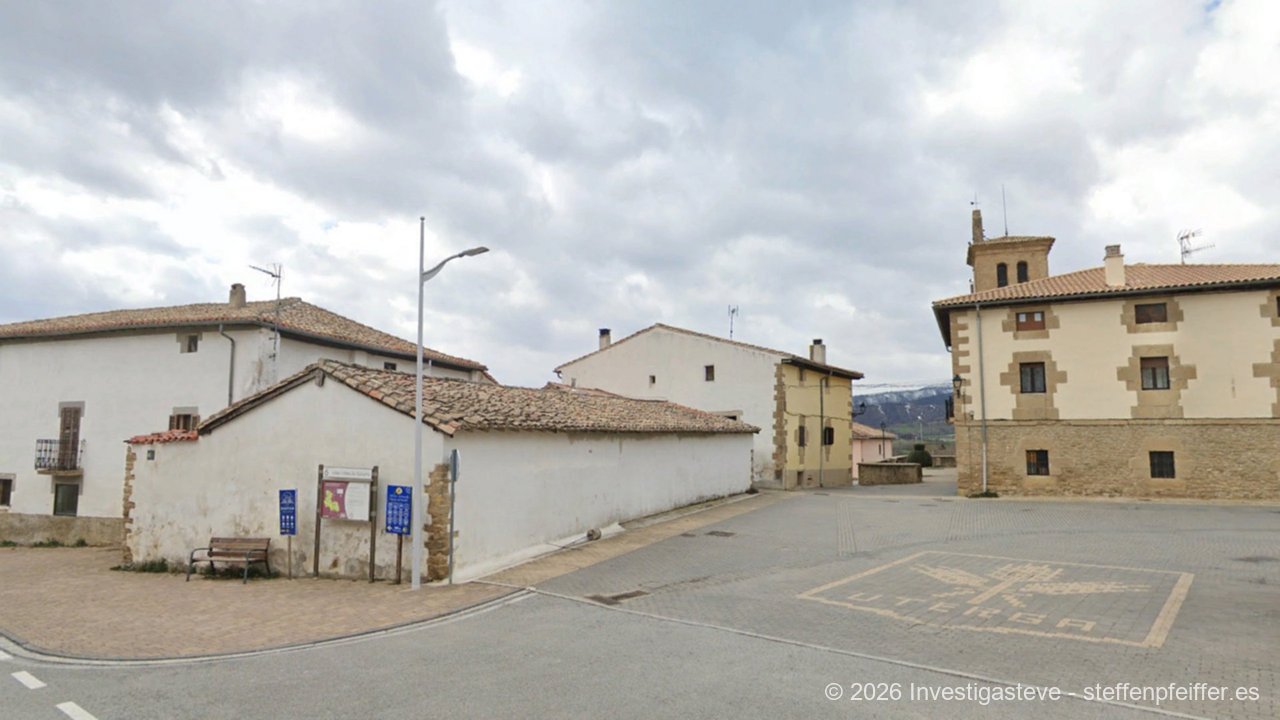
When you have left behind the wind-swept ridge of the Sierra del Perdón, that place where the iron pilgrim figures silently battle against the untamed force of nature, a descent begins that is far more than just a loss of altitude. It is a psychological relaxation, a slow return to the safety of the inhabited world. Amidst this undulating landscape of the Valle de Izarbe, characterised by ochre and green tones, lies Uterga. Even from afar, you perceive the village as a harmonious ensemble of light limestone façades and red tiled roofs, nestling like a protective cocoon in a gentle hollow. Here, in the lee of the mountains, the atmosphere changes abruptly. The auditory experience of the lashing wind on the pass gives way to an almost sacred silence, broken only by the distant bleating of a flock of sheep or the rhythmic clicking of your own walking sticks on the hard, dusty ground.
The path into Uterga is a tactile experience of a special kind. The dust of the Navarrese earth, fine as icing sugar and heated to white heat by the sun in summer, crunches under your boot soles. You feel the dry heat rising from the surrounding grain fields, while a faint hint of thyme and wild rosemary plays around your nose. This olfactory welcome is typical of the Valdizarbe region – pungent, honest, and deeply rooted in agriculture. The closer you come to the first houses, the more clearly you feel the stone permanence of the place. The walls of the houses radiate the stored warmth of the day, a tactile embrace that signals to the pilgrim: you have left the hardest part of today behind you.
Psychologically, Uterga marks the moment of the first true reflection after the exertion of the ascent from Pamplona. The view back to the Sierra del Perdón shows you the distance you have already overcome, while the view forward into the fertile valley heralds a new stage of your journey. Arriving in Uterga means leaving the vertical and surrendering to the horizontal of enjoyment and rest. It is a place that does not impress through spectacular monuments, but through its architectural integrity and the deep, almost tangible tranquillity it radiates. Here, time becomes a malleable commodity, and the feeling of haste that often accompanies the start in Pamplona simply melts away in the midday sun of Navarre.
What This Place Tells
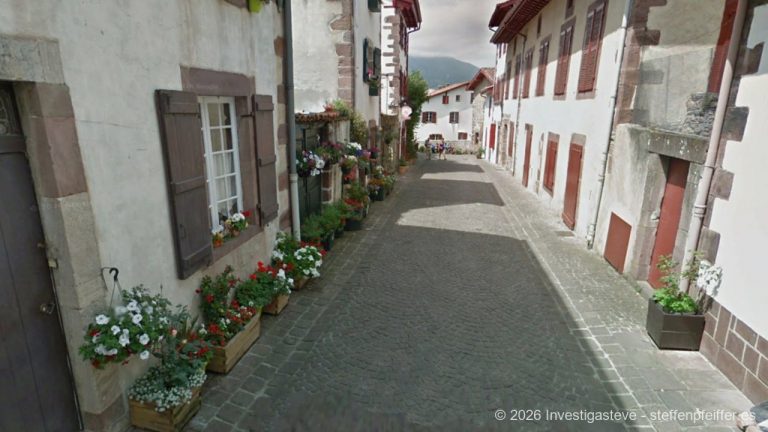
Uterga is a memory made of stone of the Kingdom of Navarre. Its history is inseparable from the strategic importance of the Valle de Izarbe, which since the Middle Ages served as one of the most important transit stations for pilgrims, merchants, and kings. Wandering through the Calle Mayor, which forms the backbone of the village, the massive portals of the manor houses tell you of a time when nobility and church were the unshakeable pillars of society. Many of these houses date from the 16th to the 18th centuries and bear proud family coats of arms on their façades. The tactile experience of tracing the deeply carved reliefs with your fingers makes historical causality tangible. Here, people did not only live; here, history was administered, protected, and lived.
The architectural jewel and spiritual anchor point of the place is the church of Nuestra Señora de la Asunción. Its origin dates back to the 16th century, resting on the foundations of far older, Romanesque structures. The portal with its characteristic pointed arch is a masterful example of the transition from Gothic to Renaissance. Standing before the church, you are enveloped by the cool aura of the massive masonry. The smell of old stone and incense, often subtly emanating from the interior, instantly connects you with the 1200-year tradition of the Camino. The building tells of the religious fervour of the inhabitants, who for centuries tended this space as a refuge and centre of their communal life.
Another aspect of Uterga’s narrative is its connection to the Order of the Knights Hospitaller, those knights who in the Middle Ages were responsible for the protection and medical care of pilgrims. The historical causality of this presence explains why places like Uterga, despite their small size, possess such an impressive built substance. You can almost feel the psychological security these defensive walls must have offered the exhausted walkers of the past. The rows of houses are so tightly and stably joined that they defy the winter storms of the Sierra as much as the relentless summer heat. Uterga is not a place of ruptures, but of continuity. Every crevice in the wall, where stonecrop and small ferns now grow, is a witness to permanence. When you linger here, you become part of a long chain of people who have found comfort and a home for a night in these stones. It is an emotional metamorphosis that transforms the pilgrim from a mere passer-by into a participant in a centuries-old narrative.
Addresses & tips in Uterga
| Accommodation | 2 |
| Restaurants | 1 |
| Sights | 1 |
| Services | 1 |
Camino Distances
Uterga is strategically located in the first third of the descent from the Alto del Perdón towards Puente la Reina. The paths here are characterised by gentle slopes and wide views over the Valdizarbe.
| Previous Place | Distance (km) | Next Place | Distance (km) |
|---|---|---|---|
| Legarda | ca. 2.1 km | Muruzábal | ca. 2.5 km |
Sleeping & Arriving
Arriving in Uterga is a ritual act of letting go. As soon as you set down your backpack in front of one of the hostels like the well-known “Albergue Casa Baztán”, you feel the physical relief down to your spine. The tactile experience of exchanging heavy hiking boots for light sandals and feeling the cool tiled floor under your burning soles is one of the most intense moments of the day. The hostels in Uterga are characterised by an almost family-like intimacy often lost in the larger towns. In Casa Baztán, for instance, you are enveloped by the atmosphere of a carefully restored traditional house, where the old oak beams still exude the scent of past decades.
The auditory backdrop of arriving is shaped by the quiet conversations of pilgrims in the inner courtyard and the distant splashing of a fountain. It is a soothing sound that marks the transition from activity to rest. Psychologically, Uterga is an ideal place for those who wanted to leave the hustle of Pamplona behind but are not yet ready for the bustle of Puente la Reina. Here you find the space for a first real stocktaking. In the gardens of the hostels, often surrounded by flowering oleander bushes and vines, a deep contentment sets in. You feel the sun on your skin, hear the buzzing of the bees, and recognise that the goal of the day is not only a place, but a state of inner peace.
The olfactory also plays a major role when staying overnight in Uterga. It smells of freshly washed laundry fluttering on the lines in the light wind, and of the hearty aroma of the evening meal already being prepared in the communal kitchen. The tactility of the clean sheets and the cool freshness of the stone walls provide the perfect environment for regenerative sleep. Arriving in Uterga also means experiencing the hospitality of the Navarrese in its purest form. The hosts are often deeply rooted in their village and share not only their spaces, but also their stories and their pride in this region. This emotional connection makes the overnight stay more than just a logistical necessity; it becomes a precious memory of the human warmth along the Way.
Eating & Drinking
The gastronomy in Uterga is a homage to the fertile earth of Navarre. Here you taste the quality of the “Huerta”, the vegetable gardens that traverse the valley. A typical culinary experience often begins with a simple but delicious plate of regional specialities. Think of the white asparagus from Navarre, whose tender texture and subtle sweetness melt on the tongue, or the famous Pimientos del Piquillo, those small, intensely red peppers roasted over an open fire. The smell of roasted aromas and garlic fills the small taverns and awakens vital spirits you did not know you still possessed after the descent from the Perdón.
A special highlight is the “Menú del Peregrino”, often prepared with particular care in Uterga. You should definitely try the “Alubias”, a hearty bean stew that simmers for hours until it reaches a creamy consistency. The taste is earthy, robust, and deeply nourishing. Served with it is usually a red wine from the Valdizarbe region, often a Tempranillo or Garnacha, which has stored the warmth of the Navarrese sun in every drop. The tactility of the heavy glass in your hand and the deep red glow of the wine in the candlelight create an atmosphere of pleasant heaviness. Psychologically, communal eating on the Camino is the moment of strongest social cohesion. You share not only the bread, but also the pains, the hopes, and the small victories of the day.
For dessert, the “Cuajada” must not be missed, a sheep’s milk pudding traditionally served with honey and walnuts. Its cool, almost velvety texture forms the perfect conclusion to a hearty meal. Eating in Uterga means tasting the historical continuity of the region – many recipes have been passed down unchanged through generations. It is a form of communication without words: the earth nourishes the pilgrim, and the pilgrim carries the appreciation for these gifts out into the world. The evening in one of the local bars, surrounded by the laughter of the locals and the murmuring of the pilgrims, is the auditory finale of a day that began in storm and finds its peaceful end in the culinary comfort of Uterga.
Supplies & Logistics
Although Uterga is a tranquil village, it offers the modern pilgrim a functional infrastructure precisely tailored to his needs. The logistical causality of the place is logical: it functions as the first real supply station after the strenuous crossing of the Sierra del Perdón.
Shopping: There are no large supermarkets, but small local shops or the sales points of the hostels where you can buy the essentials for the next day. Here you will find fresh fruit, nuts, water, and often homemade cheese or dried meat. The tactility of the plump tomatoes and the scent of fresh bread from the region are an invitation to healthy fortification.
Gastronomy: Several bars and restaurants, mostly attached to the hostels, offer breakfast, lunch, and dinner. Especially at lunchtime, the square in front of the church is a lively meeting point where you can gather new strength with a Café con Leche.
Accommodation: Uterga has a considerable capacity of pilgrim beds in private hostels and Casas Rurales. The quality of the accommodation is consistently high, with an emphasis on cleanliness and pilgrim-friendly service.
Public Facilities: There is no cash machine in the village (the nearest is in Puente la Reina), so you should carry sufficient cash. A small pharmacy or basic medical service is available for emergencies, which is especially essential for treating blisters or tendon irritation after the descent.
The logistical compactness of Uterga supports the pilgrim’s psychological regeneration. You do not have to walk long distances to satisfy your basic needs. Everything is within a few minutes’ walk, which spares the joints and muscles. The good signage guides you safely through the place, and the connection to regional bus services allows you to get to Pamplona or Puente la Reina quickly in an emergency. For the pilgrim, the logistics in Uterga mean: less organisation, more being. It is the perfect preparation for the coming stages, where the distances between places can become greater again.
Don’t Miss
Take the time to view Uterga not merely as a transit station. These points are the tactile and visual anchors of your visit:
– Church of Nuestra Señora de la Asunción: Admire the Late Gothic portal and the magnificent altarpiece inside. The sacred silence and the cool air offer the ideal space for a short meditation.
– The portals of the manor houses: Pay attention to the stone round arches along the Calle Mayor. Many still bear the original keystones with dates or symbols you can feel with your fingers.
– The view back to the Alto del Perdón: Go to the northern edge of the village. From there, you see the silhouette of the wind turbines on the ridge – a visual proof of your achievement today and a psychological strengthening.
– The fountain in the village centre: The sound of flowing water is an auditory delight. Letting the ice-cold water run over your wrists is a tactile shock that immediately dispels fatigue.
– The local vineyards: When you leave the place, consciously walk slowly through the rows of vines. Feel the rough texture of the vine leaves and breathe in the scent of the ripening grapes.
Insider Tips & Hidden Places
Beyond the main street, Uterga conceals corners that only the attentive observer discovers. One of these places is the small path leading west behind the church. Here, away from the usual pilgrim streams, you look over a wide valley that glows in an almost unnatural green in spring. The auditory experience here is characterised by the distant ringing of the church tower bells and the rustling of the wind in the tall grass. It is a place of absolute psychological freedom, where for a moment you feel like the only person on earth. The scent of wild sage and chamomile is so intense here it acts like an invisible hand clearing the mind and expanding the lungs.
Another insider tip is the visit to one of the small, often private bodegas in the village, should you receive an invitation or the opportunity. The cool, rock-hewn cellars exude a smell of damp earth, old wood, and the sweetish aroma of fermenting wine. The tactility of the cold walls and the absolute darkness inside are an archaic experience that connects you directly with the farming tradition of Navarre. Here you become aware that Uterga does not only live from the Way, but from the power of its soil. In some of these cellars, treasures are stored that never reach the international market, but carry the soul of the region within them.
When you leave Uterga early in the morning, pay attention to the old dry-stone walls that border the fields. They are a tactile masterpiece without mortar, held together only by gravity and skill. Small lizards and rare insects often find shelter between the stones. Observing these tiny worlds of life in the silence of dawn is a meditative act. It teaches you that even the largest structures consist of small, well-placed elements – just like your path to Santiago. These hidden details are what transform Uterga from a mere point on the map into a living, breathing part of your personal pilgrimage. They turn physical locomotion into an emotional journey of discovery that will echo within you long after your return.
Moment of Reflection
When you sit in the evening on the stone wall opposite the church and watch the last swallows circling over the roofs of Uterga, a deeper reflection imposes itself. Uterga is the place of relief. The descent from the Perdón, the mountain of forgiveness, has a symbolic power. What did you symbolically leave behind up there? And what do you newly receive down here in the silence of the valley? The psychological metamorphosis of the pilgrim in Uterga consists of understanding the newly gained lightness not only as a physical state, but as a mental opportunity.
The permanence of the stone houses around you gives you the confidence that every change needs time and a firm foundation. In this silence, ask yourself: Where in my life am I rushing past what truly matters, just to arrive faster? Uterga teaches you that time is not an enemy to be defeated, but a space to be filled with presence. The historical causality that made this place a refuge reminds us that we all need protection and community to grow. When you leave the village tomorrow, take not only the dust on your boots, but also the certainty that every descent is the preparation for a new, clearer ascent. In Uterga begins the understanding that the path consists not of kilometres, but of the moments when the heart comes to rest and the mind begins to understand the language of the stones.
Camino of the Stars
This place lies on the Camino Francés, on the stage from Pamplona to Puente la Reina. The sequence of places is:
Pamplona → Cizur Menor → Zariquiegui → Alto del Perdón → Uterga → Muruzábal → Obanos → Puente la Reina
Did you also feel that incredible silence and the peace of the valley in Uterga after the windy descent from the Alto del Perdón? Perhaps you discovered a special inscription on one of the noble houses in the alleys, or had an encounter in the hostel garden that changed your path? Share your experiences, your photos of the Navarrese coats of arms, or your tips for the best red wine of the region with us. Your story makes the Camino alive and tangible for all who come after you!
About the Author