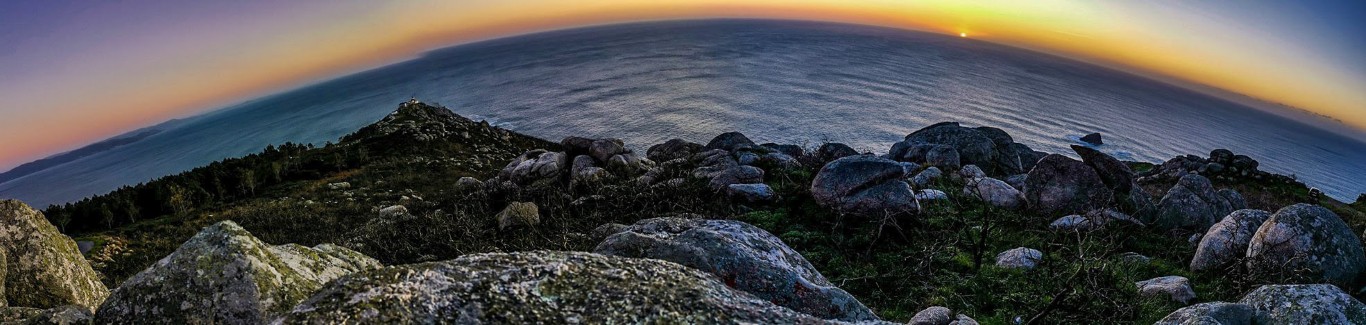
A new stage day – Entry into the stage
The morning in Fisterra begins with an awakening that is fundamentally different from the arrival the day before. While most pilgrims view this place as the absolute end of their journey and are already preparing for their journey home, you feel an almost electrifying mood of departure with the first step outside the door of the hostel. In the narrow alleys of the fishing village, the cool, salty humidity of the night still hangs, and the wind blowing up from the harbor carries the smell of seaweed, tar, and freshly landed fish. It is a moment of conscious turning away from the tourist hustle and bustle of the cape. You leave the lighthouse and the kilometer stone 0.00 behind you and turn north, into the untouched heart of the Costa da Morte. This departure is a quiet promise to yourself: the journey is only complete once the sanctuary of maritime healing in Muxía is also reached. Psychologically, this moment marks the transition from the solar farewell in Fisterra to the spiritual completion on the coast of stones.
The clicking of your poles on the damp asphalt of Fisterra sounds different this morning – more determined, more rhythmic. The path leads you first out of the village, past the wide bay where the waves of the Atlantic roll onto the beach with a deep, soothing rumble. You feel the cool breeze on your cheeks, which acts like a gentle cleansing. In the distance you see the silhouette of Monte Facho, but your path turns off into the green hinterland. The transition from the maritime world into the dense pine and eucalyptus forests of Galicia occurs gradually. The ground under your soles becomes softer; the hard surface gives way to a carpet of needles and moss that cushions every step. In this early hour, when the fog still hangs in the valleys, you feel like an explorer in a land that time has forgotten. It is the stage of silence, on which the sea remains your constant, invisible companion, its rushing penetrating through the trees sometimes distantly, sometimes threateningly close.
Route and Elevation Profile
- Distance: 29.3 km
- Elevation: ↑ 640 m / ↓ 620 m
- Difficulty: Medium to Hard. The challenge lies less in extreme inclines than in the considerable distance and the constant, energy-sapping up and down through the hill chains.
- Special Features: Long forest passages without supply points, the crossing of the Rio Castro in the valley of Lires, and the exposed coastal path shortly before Muxía.
The topography of this stage is a homage to the wild geography of Galicia. It can be described as a continuous wave profile that rarely leaves the pilgrim on a flat plane. The path leads out of the basin of Fisterra and winds over several hill chains that shield the inland from the coast. The terrain frequently changes between narrow, root-filled forest paths, coarse gravel roads, and small, asphalted connecting roads between the hamlets. It is a route that requires absolute attention, as the weather on the Costa da Morte can change within minutes and the paths can quickly become small streams in the rain.
The decisive physical fixed point is the valley of Lires, approximately in the middle of the stage. Here the path sinks almost to sea level, only to laboriously work its way back up again afterwards. The ascent behind Lires is one of the mental tests of the day, as it occurs when the legs already feel the first 15 kilometers. The last third of the stage to Muxía is flatter again, but offers hardly any wind protection, which can become a hard test of steadfastness given the typical westerly winds of the Atlantic. Only the final descent to the harbor of Muxía releases the body from the tension of the hill country and prepares the spirit for the grand finale.
Variants and small detours
The classic route leads through the picturesque village of Lires, which lies exactly halfway between the two coastal towns. There are hardly any official variants, as the terrain largely dictates the path through the deep incisions of the river mouths and the steep cliffs. Nevertheless, some experienced hikers opt for unofficial coastal paths in good weather, which run even closer to the surf. These paths are, however, not marked, often heavily overgrown, and require sure-footedness as well as an excellent sense of direction. Although they offer spectacular views of the untamed sea, they lengthen the stage considerably in terms of time and should under no circumstances be used in fog or heavy rain.
A small but history-steeped detour is available in the area of San Martiño de Duio. Here you can leave the modern paths and go in search of the traces of the ancient city of Dugium, which according to legend is said to have sunk in the floods. Anyone who takes the time to look at the old walls and the Romanesque church of the village feels the deep historical roots of this stretch of coast. Another option arises shortly before Muxía in the area of Os Muiños: here you can choose whether to take the direct route via the road or follow the narrow path along the old water mills. The latter is indeed more arduous, but offers an atmospheric density that optimally prepares the pilgrim for the maritime healing at the destination.


Description of the path – with all senses
The departure from Fisterra leads you first through San Martiño de Duio. You feel the hard asphalt under your feet, but your gaze is drawn to the massive granite walls of the old farmhouses. The smell of damp stone and the first smoke from the chimneys mixes with the salty air of the morning. Here, on the ground of the ancient Celts and Romans, you feel the historical causality of your path. It is a place of thresholds; you leave the familiar world of pilgrim streams and enter the realm of legends. The echo of your steps in the narrow alleys of Duio sounds hollow and admonishing, as if the ground itself were whispering the stories of the sunken city of Dugium, whose temples were once dedicated to the sun.
Behind Duio, the path dives into the dense pine forests. Here, the acoustics change abruptly. The rushing of the sea is replaced by the soft whispering of gusts of wind in the treetops. The ground here is soft, saturated with the scent of resin and dry fern. You hear the cracking of branches under your soles, a haptic contact with nature that grounds you. The light falls only filtered through the dense green, creating a almost sacral atmosphere. You feel the solitude, which here is not a burden but a liberation. Psychologically, this forest section is a phase of purification; the mind clears while the senses react to the smallest stimuli – the distant call of a buzzard or the sharp aroma of the eucalyptus capsules lying by the wayside.
When you reach the valley of Lires, the landscape opens up. You feel the moisture of the Rio Castro, whose mouth forms a small natural paradise. The haptic contrast between the shady forests and the sunlit river landscape is intense. You hear the gurgling of the water making its way to the ocean. In Lires, time seems to stand still. The stone houses with their flower-decorated windows radiate a calmness that invites you to rest. The smell of homemade stew wafts from an open door, an earthy, nourishing scent that awakens your spirits. You sit on the edge of a stone wall, feel the rough texture of the granite, and watch as the low tide reveals wide stretches of sand in the riverbed – a visual symbol for the constant giving and taking of nature.
The ascent behind Lires leads you across barren high plateaus. Here, the wind is your constant companion. It tugs at your clothes and carries the intense smell of gorse and heather. You hear the distant thundering of the surf lashing against the invisible cliffs – an acoustic hint that you are at the “Coast of Death.” The ground here is often stony and uneven; every step requires concentration. You feel the exertion in your thighs, an honest, physical interaction with the geography. But when you reach the crest and the view becomes clear to the endless horizon, your chest expands. The blue of the Atlantic seems deeper, more inexorable here than in Fisterra. It is the untamed power of the elements that surrounds you here.
Near Os Muiños, the path dives back into a wooded valley. Here, old water mills, whose stone skeletons are covered with moss, accompany you. You hear the splashing of small waterfalls, a gentle, cool contrast to the rough high plateau. The air here is heavy with moisture and the scent of decaying wood and fresh fern. You feel the coolness of the shade on your skin, a beneficial moment of regeneration. Psychologically, you prepare yourself here for the last stretch. The historical dimension of this path, which was used for centuries by millers and farmers, connects you with the everyday life of Galicia. You are no longer a stranger, but part of this organic weave of nature and culture.
The approach to Muxía takes place via the beach of Moreira. You feel the sand under your shoes, a haptic harbinger of the nearby coast. The wind becomes stronger here; it carries the spray directly into your face. You taste the salt on your lips, an archaic communion with the ocean. The cliffs rise majestically here, shaped by the waves over eons. You hear the screeching of the seagulls soaring in the updraft – a wild, free sound that celebrates the triumph of your progress. The path now leads you along the coastal road, where you see the first houses of Muxía. The transition from the solitude of nature back into civilization is gentle here, carried by the constant rhythm of the waves.
The march through the town of Muxía is a path of expectation. You pass the harbor, where the fishing boats sway in the rhythm of the tides. You smell the fish and the seawater, hear the clattering of the masts and the calling of the sailors. Your steps on the asphalt feel hard after the forest paths, but the anticipation drives you on. You pass the Pazo de Cotón (in Galicia there are many such manor houses), but your destination lies further ahead, at the outermost edge of the promontory. The air here becomes even sharper, even purer. You feel the vibration of the ground when a particularly heavy wave strikes against the granite rocks of the Punta da Barca. It is a deep rumble that you feel more in your stomach than in your ears.
Finally, you stand before the Santuario da Virxe da Barca. The building made of light stone seems to offer defiance to the sea. You enter the area of the sacred stones. Your fingers touch the rough, sun-warmed granite of the “Pedra de Abalar,” the rocking stone. You feel the immense mass of this rock, which according to legend was the sail of the boat with which the Virgin Mary appeared. The haptic connection with this stone is a moment of total immersion. You hear the roar of the surf, which can be deafening here at the cape. The spray sprays high up and settles like a fine mist over the chapel and the pilgrims. It is a ritual purification, a moment of maritime healing for which you have been searching.
You sit on the rocks at the edge of the world. The stone beneath you has been worn smooth by centuries of surf. You feel the coolness of the wind and the warmth of the sun at the same time. Before you, the Atlantic stretches to the horizon, an infinite expanse of deep blue and white foam. Psychologically, this is the point of complete metamorphosis. In Fisterra you let go, here in Muxía you are recharged. The primal force of the Costa da Morte does not act destructively, but transformingly. You look at the monument “A Ferida,” this massive, split granite block that commemorates the oil spill of the Prestige. You feel the vulnerability of nature and your own strength in having mastered these 29 kilometers today and the hundreds of kilometers before that.
The reflection of the day takes place in the silence of the chapel, when you smell the incense and see the candles flickering. The echo of your steps on the church floor reminds you of the silence of the forests this morning. You have completed the triangle Santiago-Fisterra-Muxía. In your body, you feel a pleasant exhaustion, a haptic testimony to your achievement. The smell of seawater and the coolness of the stone accompany you back into the town. When you finally sit in a bar at the harbor, drink a glass of white wine, and enjoy the freshly grilled octopus, all the impressions of the day merge into a feeling of deep unity. You have arrived at your destination – not at a place, but at yourself, carried by the waves and the stones of Galicia.
The night in Muxía is characterized by the unceasing dialogue between water and rock. You lie in the bed of the hostel and hear the distant thundering of the surf. It is a soothing sound that lulls you to sleep. You feel the warmth under your blanket and remember the feeling of the spray on your skin. Psychologically, the journey is now complete. The circle has closed. You have seen the end of the world and experienced the healing of the stones. The path from Fisterra to Muxía was the wildest and most honest stage of your pilgrimage – a journey through solitude that ultimately led you to the deepest connection with creation.
Stopping, Overnight Stay & Supplies
The supply situation on these 29.3 kilometers is a logistical exercise in self-sufficiency. After leaving Fisterra, there is no significant infrastructure for almost 15 kilometers. It is absolutely vital to carry sufficient water and food in your backpack. The forests and high plateaus offer shade and beauty, but no cafes. Only in Lires, about halfway along the path, can an oasis of hospitality be found. Here there are several bars and restaurants that have specialized in pilgrims and offer excellent local cuisine. Those who wish to divide the stage will also find some of the most beautiful private accommodations in the region in Lires.
In Muxía itself, the supply situation is excellent. The place lives from fishing and tourism, which is reflected in a high density of excellent restaurants and hostels. The municipal hostel is functional and offers the coveted stamp for the “Muxiana” certificate. Private hostels like the “Bela Muxía” also set architectural standards and offer a level of comfort that is highly welcome after the exertion of the day. It is recommended to spend the evening in one of the harbor bars to soak up the authentic life of the Costa da Morte and to replenish supplies for the return journey or the next day.
- Gastronomy: In Lires, the “Casa Trillo” is known for its authentic hospitality. In Muxía, you should definitely try “Pulpo á feira” or “Longueiróns” (razor clams), which come directly from the bay here.
- Overnight Stay: The hostel Lires Caetano is a legendary stop for intermediate overnight stays. In Muxía, the Hotel Sol de Muxía offers modern comfort for those who want to treat themselves to some luxury after the finale.
- Public Facilities: Muxía has all the necessary facilities such as pharmacies, banks, and supermarkets, as well as the tourist office for the issuance of certificates.
What is special today
The outstanding feature of this stage is the arrival at the Santuario da Virxe da Barca. It is a place where Christian mysticism and the pagan primal power of Galicia are inextricably interwoven. Legend has it that the Virgin Mary appeared to the Apostle St. James in a stone boat to assist him in his mission in Hispania. The massive rocks in front of the chapel are considered the remains of this ship: the sail (Pedra de Abalar), the hull (Pedra dos Cadrís), and the rudder. The ritual crawling under the Pedra dos Cadrís is a haptic experience that pilgrims have performed for centuries to pray for healing for their ailments.
Another special element is the monument “A Ferida” (The Wound). It is a massive, eleven-meter-high granite block divided into two halves by a crack. It was erected as a memorial after the disaster of the tanker Prestige in the year 2,002, which threatened the entire Costa da Morte with an oil spill. The monument symbolizes the pain of nature and the resistance of the people. For the pilgrim, it offers a space for ecological and personal reflection – a place where one becomes aware of the fragility of creation and one’s own responsibility.
Finally, the geographical peculiarity of Muxía itself should be mentioned. As a promontory jutting far into the Atlantic, it offers a 360-degree experience of the sea. One feels the isolation and at the same time the freedom of the expanse more intensely here than at almost any other place on the St. James Way. While Fisterra is often considered the tourist end, Muxía is perceived by many as the spiritual end. The contrast between the wild surf at Punta da Barca and the protected silence in the harbor reflects the dual nature of the human soul, which seeks between adventure and security.
Reflection at the end of the stage
When you sit on the rocks in front of the chapel in the evening and watch the sun dip the horizon into a glowing red, a deep silence sets in within you. The 29.3 kilometers from Fisterra to Muxía were more than just a hike; they were the completion of a search. You have passed through the solitude of the forests and braved the wind on the high plateaus. In the haptic experience of the stone and the salty spray, you have found a grounding that goes far beyond physical arrival. You feel that the “maritime healing” of which the legends speak is not a metaphor, but a palpable reality in your tired but satisfied limbs.
The reflection of today leads you to the realization that the St. James Way does not end at a cathedral, but where you are ready to embrace infinity. Muxía has shown you that healing often happens through confrontation with the elements. The thundering of the waves has washed away the last doubts, and the permanence of the sacred stones has given you a new foundation. You do not return as the same person who set out weeks ago in Saint-Jean-Pied-de-Port or two days ago in Santiago. You are now a part of the Costa da Morte, a border crosser who has seen the end and found a new beginning in it.
Camino of the Stars
This stage is located on the St. James Way of Fisterra and Muxía, on the stage from Fisterra to Muxía. The sequence of locations is as follows:
| Stage | Start | Destination | Distance (km) | Elevation (+/–) | Difficulty | Intermediate locations |
| 4 | Muxía | Fisterra | 28 | +540 / –560 | moderate | San Martiño de Arriba, Hermedesuxo, San Salvador de Duio, Buxán, Castrexe, Lires, Frixe, Guisamonde, A Canosa, Morquintián, Xurarantes |
Did you seek healing for your back under the “Pedra dos Cadrís” or did you make peace with your own history at the “A Ferida” monument? Was Muxía the true conclusion of your journey for you, or just another step into infinity? Share your moment at the sanctuary of the stones with us – your story is the wind that fills the sails of future pilgrims.
About the Author


Muxía and the Santuario Virxe da Barca – Where the Virgin's Stone Ship Anchors in the Atlantic
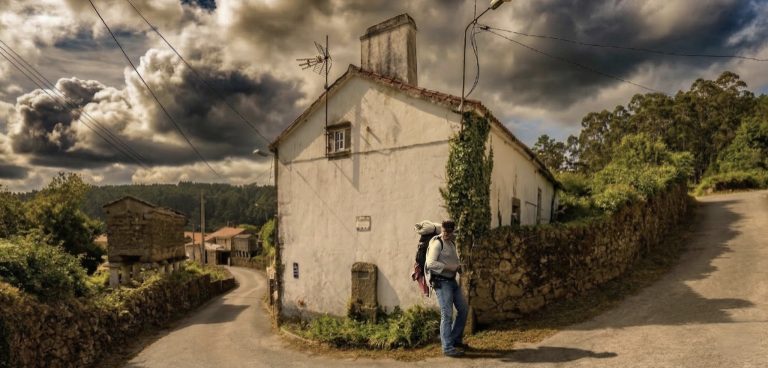
Xurarantes – The Whispering Granite Hamlet at the Edge of the Ocean

Morquintián – The Stone Prayer Before the Summit of the Facho
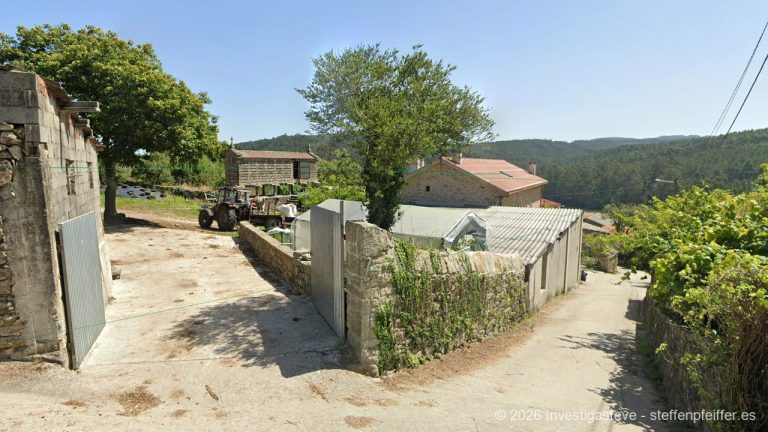
A Canosa – The Stone Bridge Between Worlds
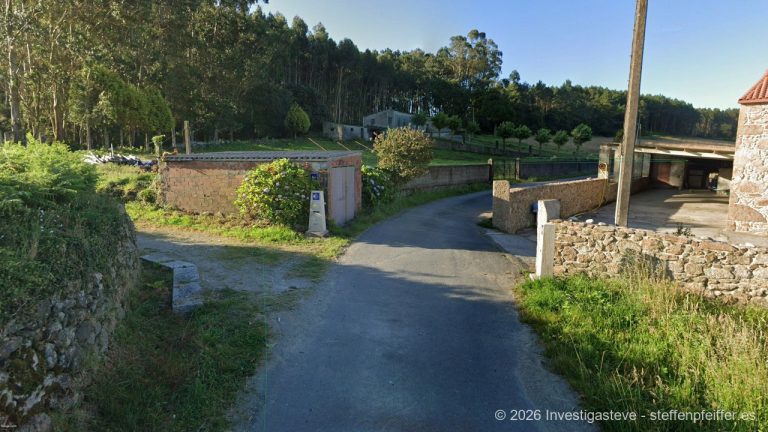
Guisamonde – The Green Atrium Before the Great Ascent
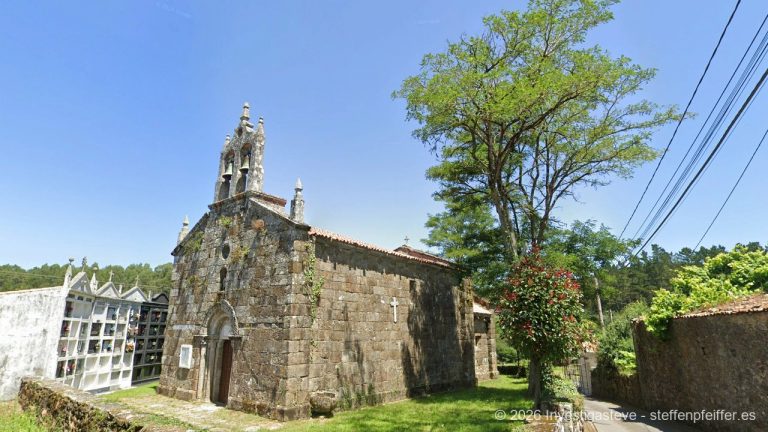
Frixe – The Stone Heart of Silence Before the Great Mountain
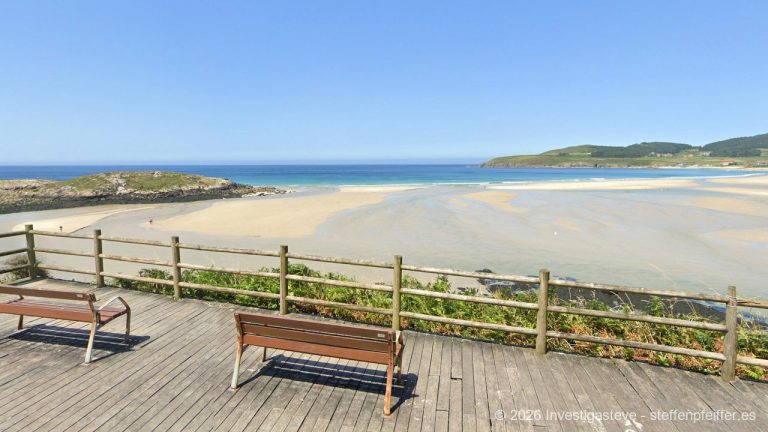
Lires – The Whispering Village Between River and Ocean
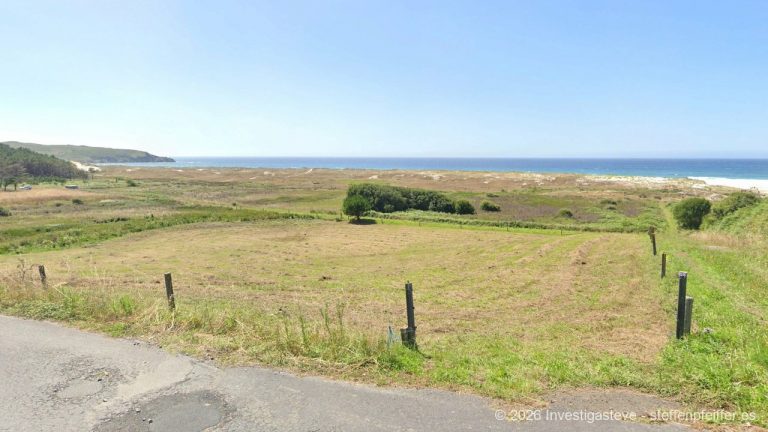
Castrexe – The Stone Echo of the Surf at the Edge of the World
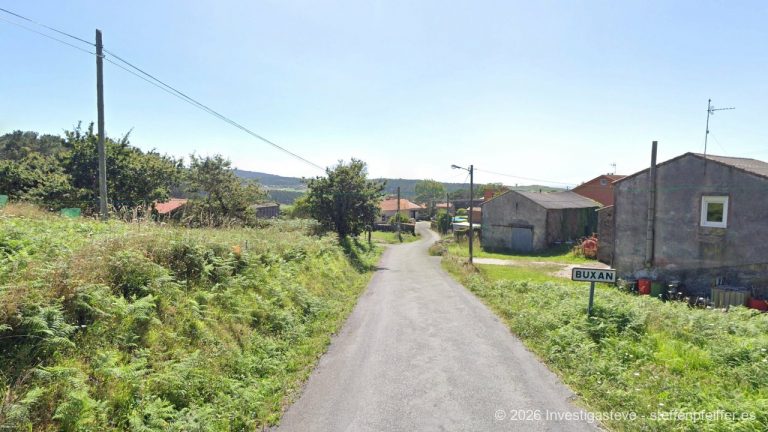
Buxán – The Stone Sentinel at the Back of the World
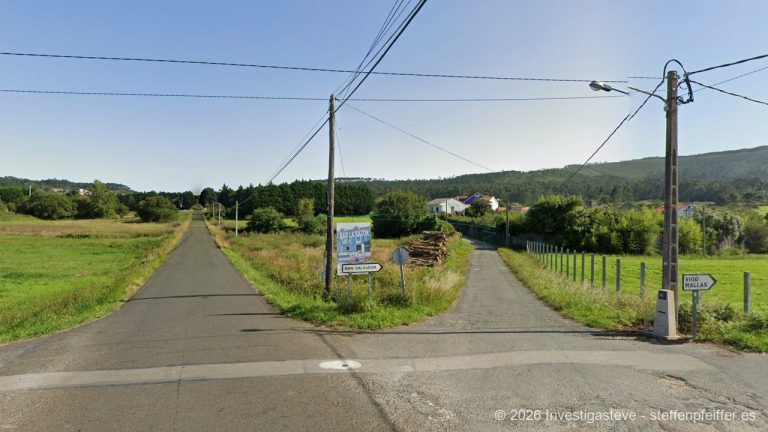
San Salvador de Duio – Where the Sunken City Sleeps Beneath the Cross
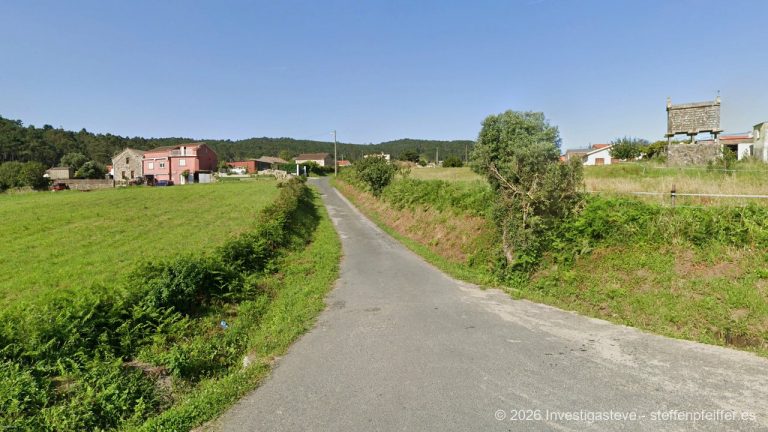
Hermedesuxo – The Silent Crossroads of the Gallaeci
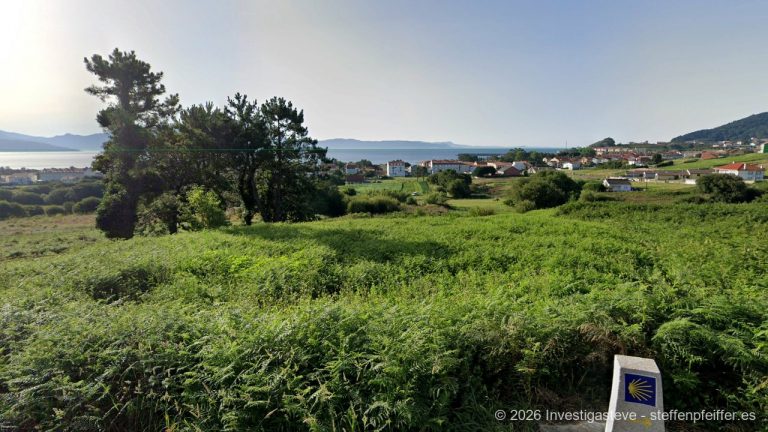
San Martiño de Arriba – The Stone Guardian Above the End of the World