A First Glance – Introduction & Atmosphere
When you leave Hospital de Órbigo and the monumental bridge of the Paso Honroso behind you, the topography of the Camino Francés changes in a subtle but profound way. The path leads you away from the busy highway into a rolling hill country that looks like a gentle sea of red earth and green specks. Shortly before you reach Santibáñez de Valdeiglesia, you feel a change in the air. The vastness of the Leonese plateau seems to concentrate here, becomes more intimate and at the same time more steeped in history. It is the moment when the crunch of the reddish quartz gravel under your boots becomes the dominant rhythm. You hear the distant rustling of the rows of poplars that line the irrigation canals, a sound that seems like a constant whisper of the landscape. It smells of dry earth, of the tart scent of wild thyme, and, when the sun is at its highest, of the warm aroma of ripe grain and hay.
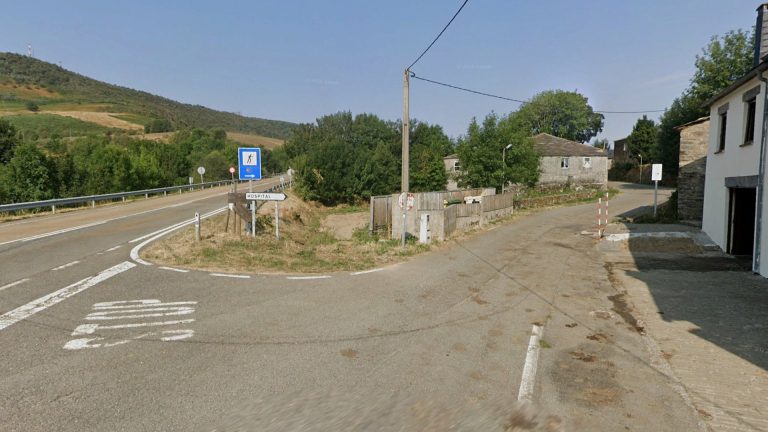
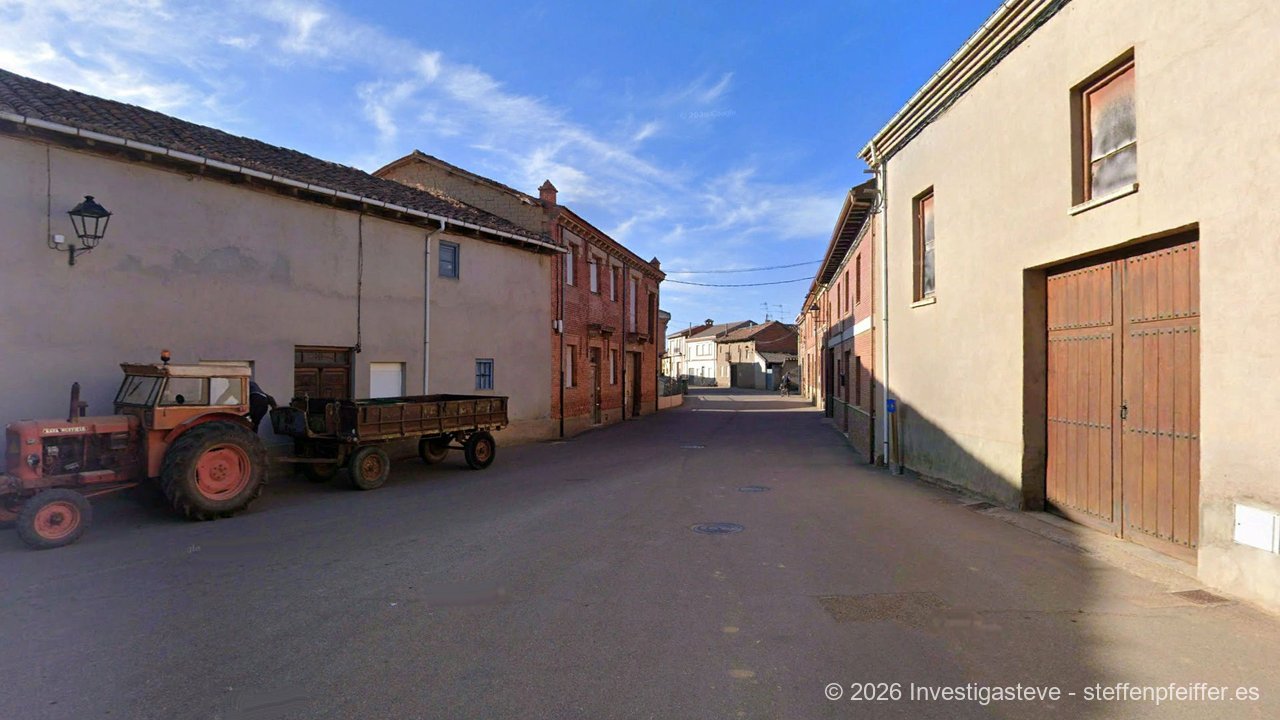
Santibáñez de Valdeiglesia receives you with a tranquility that seems almost unreal. The village lies at an elevation of 816 meters, nestled in the so-called “Valle de las Iglesias” – the Valley of the Churches. Psychologically, this place marks for many pilgrims a phase of inner contemplation. The euphoria of the morning has faded, the exertion of the first kilometers makes itself felt, and it is precisely here that the landscape offers a tactile grounding. The houses of adobe bricks and field stones look as if they have grown directly out of the earth. When you run your hand over the rough, sun-warmed surface of an old wall, you feel the centuries of work embedded in these stones. It is an atmosphere of permanence that invites you to slow down your own pace and not just pass through the surroundings, but to perceive them. You are here in the heart of a rural world that observes the pilgrim stream with a stoic but warm equanimity.
What This Place Tells
Santibáñez de Valdeiglesia is a place whose name already reveals its purpose. “Santibáñez” derives from Saint John (San Juan), and the addition “de Valdeiglesia” refers to the former density of religious buildings in this fertile valley. The historical causality is closely linked to the Reconquista and the subsequent resettlement by Christian knightly orders. It is assumed that the Hospitallers or Templars were present here to offer protection to pilgrims on their way to Astorga. When you stand before the Iglesia Parroquial de San Juan Evangelista today, you are looking at a structure that in its core reflects this defensive and at the same time protective function. The massive construction and the striking bell gable (Espadaña) are typical of the region and tell of a time when the church was not only a spiritual center but also a physical refuge.
Life in the village has always been determined by water. The intricate system of the Acequias, the irrigation canals, whose origins often date back to Roman times, has transformed the Vega del Órbigo into a flourishing oasis. The tactile reality of the water flowing through the narrow ditches is the lifeline of Santibáñez. You hear the rhythmic gurgling in the canals, an auditory testament to human engineering that has wrested fertility from this arid plateau. Historically, Santibáñez has always been a place of supply. Hops, beets, and grain were grown here, later traded on the markets of Astorga. This economic connection to the nearby bishop’s city shaped the social structure of the village: a community of proud farmers who have learned to cope with the adversities of nature and the shifting powers of history.
The psychological depth of the place becomes particularly apparent through its location in the “Valley of the Churches.” This name is not merely a geographical designation but a reference to the former sacred landscape that once lined this section of the Camino. Traces of chapels and small hermitages are found everywhere, often existing today only as field names or ruins. This invisible presence of the spiritual lends a meditative quality to the walk through Santibáñez. You walk through a land that has been soaked in prayers and hopes for over a thousand years. Every bend in the path, every hill you climb, has witnessed millions of destinies. In Santibáñez, the emotional metamorphosis of the pilgrim becomes tangible: moving away from the purely athletic challenge toward an understanding of the historical and spiritual continuity in which one is oneself only a small but significant part.
Addresses & tips in Santibáñez de Valdeiglesia
Camino Distances
The stage leads you through the gentle hill country of the Leonese plateau, with the distances between the places allowing for a pleasant rhythm to the walking day.
| Previous Place | Distance (km) | Next Place | Distance (km) |
|---|---|---|---|
| Villares de Órbigo | approx. 2.7 km | San Justo de la Vega | approx. 8.1 km |
Sleeping & Arriving
Santibáñez de Valdeiglesia offers an arrival that immediately pulls you out of the stress of everyday life. The village is small, and that means every hostel here has a very personal character. One of the best-known addresses is the Albergue San Roque. As soon as you enter, you feel the tactile warmth of the wood and the smell of freshly baked bread or a hearty soup being prepared in the kitchen. The hostel is famous for its communal dinners, which often become a central experience of the entire pilgrimage. People sit at long wooden tables, the clinking of glasses and murmuring in various languages fill the room. It is here that psychological healing takes place – in sharing stories, in laughing about the hardships of the day, and in shared silence before sleeping.
The amenities in the hostels of Santibáñez are often simple, but it is precisely this simplicity that many pilgrims find liberating. There is no distraction through luxury; the focus is on regeneration. The tactile experience of a cool shower after a hot day on the dusty path is indescribable. In the dormitories, a respectful silence prevails, broken only by the occasional rustle of a sleeping bag. Many pilgrims choose Santibáñez as an overnight stop because they want to avoid the anonymity of larger cities like Astorga. Here, you still know the hospitalero by name, and you often receive valuable tips for the next day that are not in any guidebook.
For those seeking a little more privacy, there are also private rooms and smaller guesthouses in the village, often housed in lovingly restored farmhouses. These accommodations retain the charm of traditional architecture with their thick adobe walls, which maintain a natural coolness even in high summer. You sleep here under old wooden beams, and the first thing you hear in the morning might be the crow of a rooster or the distant ringing of church bells. This arrival in the rural idyll is an important part of the emotional journey; it grounds you and prepares you for the upcoming elevation gain that awaits you beyond Astorga.
Those who arrive in Santibáñez should take time to simply sit on one of the benches on the main square and observe village life. You see the farmers returning from the fields, the old women sitting in front of their doors knitting, and the cats dozing in the sun. It is a tactile and visual still life that shows you that life can function without haste and constant accessibility. For many city dwellers, this experience is one of the most important lessons of the Camino. You learn to understand slowness not as an obstacle but as a quality. In Santibáñez, you find the space to simply be, before the path draws you back into its spell the next morning.
Eating & Drinking
The cuisine in Santibáñez de Valdeiglesia is honest, down-to-earth, and deeply rooted in the region. There is no haute cuisine here, but nourishment for the soul and the exhausted body. A typical pilgrim menu often consists of a Sopa de Ajo (garlic soup), prepared in the traditional way with plenty of paprika, old bread, and eggs. The smell of roasted garlic and smoked Pimentón de la Vera wafts through the alleys in the evening, attracting hungry hikers to the inns. The taste is intense and savory, a tactile warmth that spreads from the stomach throughout the body. As a main course, regional meat is often served, accompanied by the famous chickpeas from the Vega, which have a buttery soft consistency and perfectly absorb the flavor of the sauces.
Particularly noteworthy is the regional vegetables. Since Santibáñez lies in a fertile irrigation zone, tomatoes, peppers, and onions often come directly from the garden behind the house. You can literally taste the freshness – the tomatoes are sun-ripened and have a sweetness that is hard to find in supermarkets. A robust, dark country bread is served with it, its crust so hard that you almost have to break it open, while the interior is soft and aromatic. It is a tactile pleasure to dip the bread into the olive oil or sauce, soaking up the last remnants of the regional flavors.
For drinks, one naturally chooses a wine from the province of León in Santibáñez, perhaps a fruity Mencía or a robust Prieto Picudo. These wines have a mineral note that pairs perfectly with the earthy atmosphere of the place. The clinking of glasses as you toast to community is the soundtrack of the evening. For dessert, there is often homemade rice pudding (Arroz con leche) with a generous pinch of cinnamon, whose scent evokes childhood memories and sweetly rounds off the evening. Eating in Santibáñez is a ritual act of restoration – you take in the strength of the earth to be able to endure again the next day.
Supplies & Logistics
Although Santibáñez de Valdeiglesia is a small village, it is logistically surprisingly well adapted to the needs of pilgrims. There is a small village shop, which often simultaneously serves as a meeting point for the locals. Here you find the most necessary things for the path: fruit, nuts, water, and perhaps a fresh chorizo for the picnic along the way. The shop smells of a mixture of cleaning products, fresh bread, and the spicy aroma of hanging hams. It is a place for quick errands, but also for short conversations, where you often get a friendly “¡Buen Camino!” on your way.
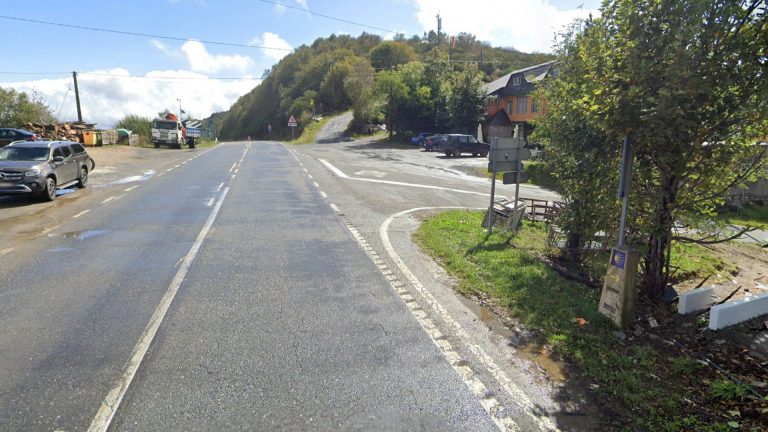
The logistical infrastructure is supplemented by the hostels, which often have small kiosks or vending machines for emergency supplies. However, those who need to do larger shopping or replace specialized equipment should do so in Astorga. Santibáñez serves more as a place for basic supplies and mental preparation. The paths in the village are short, everything is reachable within a few minutes on foot. Since the place lies directly on the Camino Francés, orientation is child’s play – the yellow arrows guide you safely through the narrow alleys and back out into the open landscape.
Shopping: A small, authentic village shop offers the most necessary food and hygiene items for daily needs.
Gastronomy: Several hostels and a local bar serve pilgrim menus, tapas, and hearty regional dishes.
Accommodation: Two to three hostels as well as private guest rooms offer sufficient space for pilgrims seeking peace and quiet.
Public Facilities: There is no bank or pharmacy directly in the village; the nearest major supply points are in Astorga.
In summary, logistics in Santibáñez are characterized by a pleasant simplicity. You don’t have to worry about complicated processes; everything is designed to allow you a stress-free rest. It is wise to replenish your water supplies here, as the section to San Justo de la Vega leads through open terrain where shady spots are scarce. Being in Santibáñez means reducing yourself to the essentials and enjoying the security of the community.
Don’t Miss
1. The Iglesia Parroquial de San Juan Evangelista: Admire the simple beauty of the Baroque altarpiece and feel the cool stillness inside the church.
2. The Crucero at the entrance to the village: A classic stone cross that has guided pilgrims for centuries and is a popular spot for a brief pause.
3. The traditional adobe houses: Pay attention to the construction using unfired clay bricks, so typical of the rural architecture of this region.
4. The system of Acequias: Observe the flowing water in the narrow canals and learn about the importance of irrigation for survival in the valley.
5. A communal dinner at the Albergue San Roque: One of the most intense social experiences that the Camino has to offer.
6. The sunrise over the hills: When the first light makes the red earth glow and the shadows of the poplar rows fall long across the path.
7. The old Bodegas on the edge of the village: Wine cellars partially dug into the ground, bearing witness to the region’s long wine-growing tradition.
8. The view back into the Valle de las Iglesias: From the heights behind the village, you have a fantastic panoramic view of the sacred landscape.
9. The rhythmic ringing of the church bells: An auditory anchor that structures the day in the village and reminds you of the centuries-old tradition.
10. The small vegetable gardens of the residents: Discover the diversity of local products and feel the love with which people cultivate their land.
Insider Tips & Hidden Places
Beyond the yellow arrows, Santibáñez de Valdeiglesia conceals corners that only those willing to deviate a little from the main path will find. One of these places is the old washing place (Lavadero), where the village women used to wash their laundry. Today, it is a place of absolute silence, where you can almost still hear the echo of past generations. The water splashes here particularly quietly, and the smell of moss and cool stone creates an almost sacred atmosphere. It is a tactile experience to dip your hands into the cold spring water and forget the outside world for a moment. Psychologically, this is a place of cleansing, not only of clothes but also of thoughts.
Another insider tip is a small path leading to a hill north of the village, where ruins of an old hermitage are suspected. From up there, you have an unobstructed view of the sacred mountain of the Maragatos, the Teleno. In clear weather, the summit seems tangibly close, and the play of light and shadow on the mountain’s slopes is a visual spectacle. Up here, a light breeze always blows, smelling of dry grasses and freedom. It is the perfect place to write in your diary or simply gaze into the distance. You feel the historical causality – how people have sought landmarks in the landscape since time immemorial, whether spiritual or geographical.
Tucked away on one of the side streets is also a small house whose façade is adorned with unusual carvings and symbols. It is said to be the house of a former miller or craftsman who carved his life story into the stone. The tactile quality of these reliefs is fascinating; you want to follow the grooves with your fingers and unravel the stories hidden there. It reminds you that every place on the Camino has its own, individual narratives waiting to be discovered. These small details are what enrich the journey and connect you more deeply with the local culture.
Finally, a visit to one of the few remaining artisans in the area who still make traditional baskets or ceramics is worthwhile. If you are lucky enough to enter a workshop, you are enveloped by the smell of moist clay or freshly cut willow branches. Watching how simple natural materials are transformed into everyday objects by skilled hands is an auditory and visual experience of great calm. It shows you the permanence of human creativity in the midst of an ever-changing world. These encounters are the true treasures of the path – moments of authenticity that money cannot buy.
Moment of Reflection
Pausing in Santibáñez de Valdeiglesia means becoming aware of the power of reduction. After the many kilometers on the path, you may notice that you need less and less to be content. The simplicity of the village reflects your own inner development. Ask yourself: What is the ballast that I am still carrying with me – not only in my backpack but also in my head? The silence of the Valley of the Churches gives you the answer. It is a place of psychological clarification. When you observe the Acequias channeling the water to where it is needed, recognize that you, too, can direct your energy more purposefully.
The Camino has shaped you up to this point. In Santibáñez, you stand at a threshold: behind you lies the vast Meseta, before you the proud city of Astorga and the majestic mountains. Use this moment of stillness to examine your motivation. Are you still the same person who set out weeks ago? The historical causality of the place shows you that change is the only constant. Absorb the peace of Santibáñez, feel the tactile connection to the earth and the spiritual heritage of the pilgrims before you. With this strengthened awareness, you will approach the next stages with new lightness and determination.
Camino of the Stars
This place lies on the Camino Francés, on the stage from Hospital de Órbigo to Astorga. The sequence of places is:
Hospital de Órbigo → Villares de Órbigo → Santibáñez de Valdeiglesias → San Justo de la Vega → Astorga
Did you also feel this special, almost palpable stillness in Santibáñez de Valdeiglesia, or did a communal dinner at the Albergue San Roque particularly impress you? Share your experiences from the Valley of the Churches with us – tell us about your discoveries at the washing place or your moment of reflection before the church of San Juan. Your story enriches the pilgrim community and makes this quiet place even more alive!
About the Author