A First Glance – Entry & Atmosphere
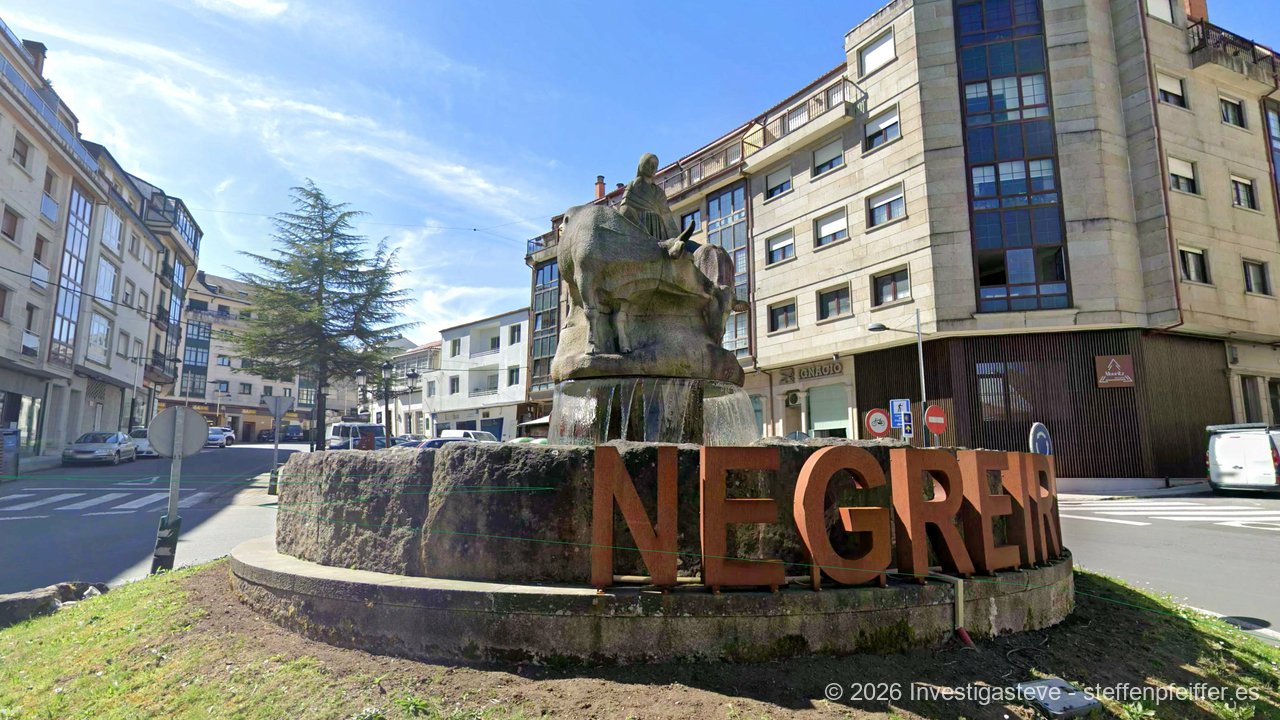
When you have left the shadow of the massive cathedral of Santiago de Compostela behind you and the path has led you through the deep, almost hypnotically fragrant eucalyptus forests of the Galician hinterland, your body reaches that state where the rhythm of walking becomes one with the heartbeat of the earth. You set foot in Negreira – and immediately you realize that you have crossed an invisible border. Here, in the wide basin of the Río Barcala, the spiritual weight of Santiago loses its dominance and gives way to an earthy, pulsating liveliness. Negreira welcomes you with an atmosphere characterized by an almost archaic power. It is the place where the dust of the first day after the great goal gives way to a deep, regenerative rest. The air here is saturated with the moisture of the river, mixed with the tart aroma of ferns, wet granite, and the sweet scent of burning oak wood rising from the chimneys of the lower-lying houses.
The auditory backdrop of Negreira is a masterpiece of contrasts. You hear the steady, calming rumble of the Río Barcala, echoing under the bridge arches and vibrating like a deep bass through the soles of your feet to your very core. Intermingled with this is the rhythmic clacking of hiking sticks on the old cobblestones, a metallic beat that is strangely amplified in the narrow alleys under the Pazo do Cotón. It is a place of encounter, where the many-voiced murmuring of pilgrims from all over the world in the bars meets the guttural, honest Galician of the locals. When evening descends over the town, the sound changes: The distant tolling of church bells combines with the hiss of espresso machines and the laughter of people celebrating the first day of their journey to the end of the world.
Tactilely, Negreira is an experience of textures. You feel the cool relentlessness of the massive granite when you place your hand on the walls of the Pazo, those stones that have defied the Atlantic winds for centuries. The moisture of the “orballo,” that fine Galician drizzle, settles like a silky film on your skin and makes the colors of the surroundings glow in an almost unnatural emerald green. It is a place that grounds you physically. The resistance of the ground, the warmth of the guest rooms, and the weight of your own backpack, which you set down here for the first time after the long hike – all of this condenses into a feeling of having arrived in a world that needs no masks.
Psychologically, Negreira marks the moment of transformation. Here you are no longer a “Santiago arriver”; you become a seeker again, a wanderer who turns his gaze to the west. The place acts as a psychological sluice that releases you from the monumental grandeur of the pilgrim metropolis and prepares you for the raw, unadorned beauty of the Costa da Morte. In Negreira, the melancholy of saying goodbye to Santiago and the euphoric curiosity about the unknown mix into an emotional elixir that will carry you through the coming hills. It is the feeling of freedom that becomes tangible here on the banks of the Barcala – a freedom that does not result from the goal, but from the pure act of continuing.
What This Place Tells
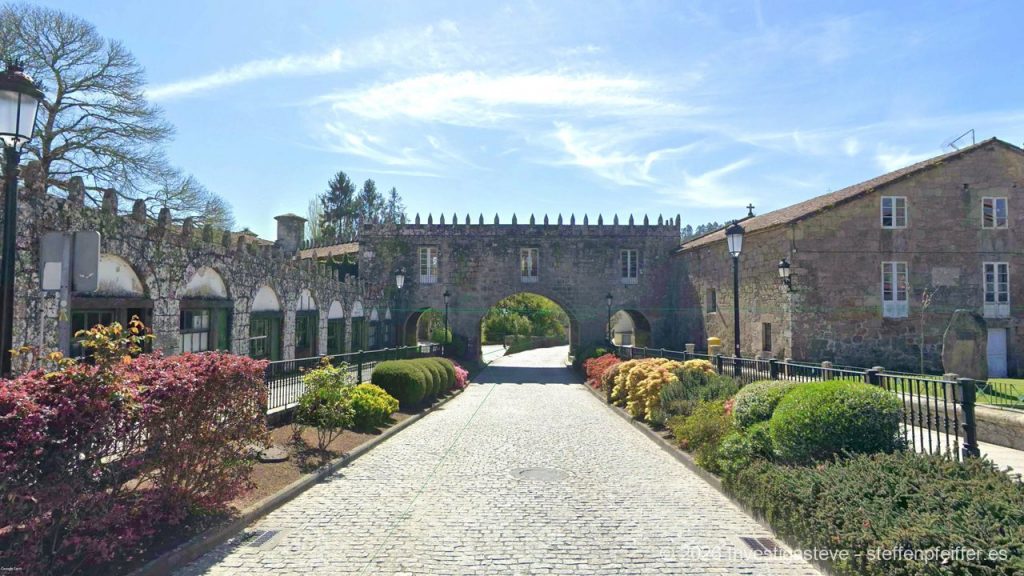
The history of Negreira is a chronicle of power, resistance, and deep religious symbolism. As a strategic junction between Santiago and the coast, the place has always been the scene of significant historical upheavals. Anyone who walks through the monumental arched gateway of the Pazo do Cotón today is walking on paths that have been shaped by noble families such as the Mariño de Lobeira since the 14th century. This Pazo is much more than just a stately residence; it is an architectural exclamation mark of feudal rule. With its crenellated towers and elaborately carved coats of arms, it tells of a time when Galicia was a patchwork of claims to power and religious zeal. The bridge that connects the building with the Chapel of San Mauro is a stone symbol of the inseparable link between worldly power and spiritual blessing.
But the narrative of Negreira reaches even deeper into the world of Galician myths. Just outside the gates of the town, in Pontemaceira, the legend of Queen Lupa and the miracle of the bridge manifests itself. It is the story of the first pilgrims who accompanied the body of the Apostle James and fled from their pursuers. As they crossed the bridge, it collapsed behind them and swallowed the soldiers – an act of divine intervention that first made the way to Fisterra possible. In Negreira, this myth is no distant legend; it is present in every granite block of the old houses. The place tells of the Christianization of pagan cult sites and of the irrepressible will of the people to take root in the raw wilderness of the Barcala region.
Over the centuries, Negreira developed into an important trading center for the agricultural hinterland. The history of the place is also a history of labor. The mills on the Barcala, which are today often picturesquely dilapidated, bear witness to the early industrial age when the river water ground the flour for the pilgrims’ daily bread. During the Napoleonic Wars and the later civil unrest, Negreira remained an anchor point of the region due to its stable social structure. Historical causality becomes visible here in the architecture: from the simple farmhouses to the proud townhouses of the 19th century, every building reflects the pride and permanence of a community that refuses to sacrifice its identity to the spirit of the times.
The spiritual dimension of Negreira is found in the small chapels and the numerous cruceiros that line the paths. Each of these stone crosses is a silent prayer, a landmark of hope, and a testimony to deep folk piety. Negreira tells us that the way consists not only of miles, but of the stories of those who walked it before us. It is a place of continuity, where the modern world with its supermarkets and pharmacies forms only a thin layer over a foundation of granite and legends. Anyone who closes their eyes in Negreira hears the echo of oxcarts as well as the whispering of the Hospitallers who have cared for the sick here since the Middle Ages. Here, history is not taught – it is breathed.




Camino-Distances
After about 21 kilometers of steady walking through shady forests and across the famous bridge of Pontemaceira, you reach this important junction of the Barcala region.
| Previous Place | Distance (km) | Next Place | Distance (km) |
|---|---|---|---|
| Santiago de Compostela | approx. 20.6 km | A Pena | approx. 8.2 km |
Addresses & tips in Negreira
| Accommodation | 15 |
| Restaurants | 5 |
| Bars & Cafés | 13 |
| Shopping | 5 |
| Health | 12 |
| Sights | 15 |
| Services | 20 |
Show all 85
Opening hours
Opening hours
Opening hours
Opening hours
Opening hours
Opening hours
Opening hours
Opening hours
Opening hours
Opening hours
Show all 15
Opening hours
Opening hours
Opening hours
Opening hours
Opening hours
Show all 13
Opening hours
Show all 12
Opening hours
Show all 15
Opening hours
Show all 20
Opening hours
Opening hours
Staying & Arriving
Arriving in Negreira means having successfully mastered the first major physical hurdle after Santiago. The feeling of relief is almost physically tangible when you reach the first modern outskirts of the town and slowly immerse yourself in the historic core. The range of accommodation in Negreira is as diverse as the pilgrim community itself: from the puristic municipal albergue to privately run hostels and charming hotels, the place offers the right refuge for every need. In the albergues, there is often an electrifying spirit of optimism; one feels the energy of those who have just set out, mixed with the experience of those who already have thousands of kilometers behind them.
Arriving in Negreira is a sensory process of regeneration. When you check into one of the private hostels like Alecrín or San José, you are often welcomed by the smell of fresh linen and the cool cleanliness of Galician hospitality. The first setting down of the backpack is a ritual act of liberation. You feel the blood returning to your legs as you walk barefoot across the cool floor. In the common rooms, the walls whisper stories of blisters, longings, and the anticipation of the sea. People huddle together, exchange tips about the best pasta in town, and enjoy the privilege of being part of this mobile home for one night.
The psychological effect of arriving in Negreira should not be underestimated. For many, this is the first evening after the “post-Santiago blues,” that strange feeling of emptiness that can befall you after reaching the main goal. In the hostels of Negreira, you find the answer to this emptiness: the continuation of the path. The innkeepers here often act as emotional anchors; they know exactly when a pilgrim needs an encouraging word or simply absolute peace. The social fabric is intense – you share not only the dormitory but also the first euphoria about the freedom gained away from the crowds of the French Way.
Particularly noteworthy is the quality of the accommodations, which are often housed in modernized old buildings. Here, the robustness of Galician granite blends with modern comfort elements. One sleeps deeply and soundly while outside the rain lashes against the windows or the wind sweeps through the narrow alleys. The security that these massive houses radiate is transferred to the pilgrim. You wake up the next morning with a clarity that only a place entirely dedicated to the needs of walkers can give. Staying overnight in Negreira is an act of conscious preparation for the wilder, lonelier stage that lies ahead of you.
If you let the day fade away in one of the pensions by the river, Negreira offers an almost meditative conclusion. The rushing of the Barcala is a natural lullaby that washes away all thoughts of the modern world. Arriving in Negreira means surrendering to the immediacy of nature and the simplicity of being. You are not a tourist here; you are a temporary resident in a town that has known for centuries how to welcome weary wanderers. The warmth of the locals is not a mask, but a deeply rooted part of their identity. Anyone who has slept here once takes a piece of Negreira’s stoic calm with them on their journey to the Cape of Promise.
Food & Drink
The culinary world of Negreira is a powerful homage to the treasures of Galicia. Those who stop here should prepare their palate for a journey that ranges from the earthiness of the fields to the freshness of the nearby rivers. The gastronomic heart of the town beats in the numerous mesóns and pulperías, where the air is thick with the scent of olive oil, pimentón, and freshly baked bread. An absolute must for every pilgrim is the “Ternera Gallega,” the tender beef of the region, which is often served in its purest form in establishments like Casa Barqueiro. The taste is intense, honest, and deeply rooted in the soil of the Comarca Barcalesa.
A special experience is a visit to a traditional pulpería in the evening. The cooking of the octopus in large copper kettles is a ritual act that one experiences with all senses. The sound of the steaming water, the tactile tenderness of the perfectly cooked pulpo, and the fine heat of the paprika combine into a culinary revelation. In Negreira, this is often accompanied by the sparkling white wine of the region, an Albariño or a Ribeiro, served in the typical white ceramic bowls (cuncas). You sit at long wooden tables, the light reflects in the wine glasses, and suddenly you taste the entire richness of Galicia in every bite.
Negreira also offers culinary treasures for a small appetite. The empanadas, savory pastries filled with tuna, meat, or mussels, are the perfect provisions for the road. They smell of oven-fresh dough and spicy sauces – a piece of home in your backpack. The local bakers have mastered the art of the crust like few others. When you walk through the town in the morning, the scent of fresh bread is your constant companion. In Negreira, food is understood not just as nutrition, but as an act of regeneration and a celebration of life.
An insider tip for those with a sweet tooth is the local honey and the cheese of the region, often served as “Postre de Músico” with nuts. The sweetness of the honey harmonizes wonderfully with the mild acidity of the creamy Queso de Tetilla. To eat in Negreira means to connect with the power of the land. It is an honest, unadorned gastronomy that needs no decoration because the quality of the products speaks for itself. Anyone who gathers here in the evening with other pilgrims shares not only a meal but the certainty that the way to the end of the world also leads through the stomach. The warmth of the hosts, who have often stood at the stove for generations, makes every restaurant visit an encounter with the Galician soul.
Supply & Logistics
Logistically speaking, Negreira is the last major “safe space” before the St. James Way dives into the lonely and raw landscapes of the Terra de Xallas. The town functions as a fully equipped supply center that relieves the pilgrim of any worry about equipment or health. From modern pharmacies that know the typical pilgrim ailments like blisters or tendon irritations like the back of their hand, to large supermarkets like Eroski or Gadis, where you can supplement your supplies for the next stages – Negreira leaves nothing to be desired. It is advisable to check your equipment once more here: are the hiking sticks okay? Is there enough water? Do you have enough energy bars for the hills of A Pena?
Medical care in Negreira is excellent. The local health center (Centro de Saúde) is prepared for emergencies, and the pharmacists are often the best advisors for quick help along the way. Financial logistics are also problem-free here; numerous ATMs line the main street, a circumstance you will appreciate in the coming kilometers. Negreira is a place of short distances. Everything is within walking distance, which is a blessing for the exhausted wanderer after 21 kilometers. The strategic importance of the town as a logistical hub is also reflected in the presence of taxi ranks and backpack transport services that have their operational center here.
Shopping: Several large supermarkets (Gadis, Eroski) in the town center offer everything from fresh fruit to outdoor equipment. It is the last opportunity for a large shop before the coast.
Gastronomy: The density of restaurants, cafes, and bars is high. The establishments around the Pazo do Cotón are particularly recommended for an authentic dinner.
Accommodation: Negreira offers a wide range from the municipal albergue to private hostels and comfortable hotels. A reservation in high season is advisable.
Public Facilities: A modern cultural center, post offices, banks, and a medical supply center are available. Wi-Fi coverage in the guest houses is consistently good.
In summary, Negreira is the place where you can take a deep logistical breath once more. The town functions like a well-oiled clockwork and offers the pilgrim the security of being prepared for all eventualities. Those who leave Negreira do so with a full backpack and the certainty that they have the necessary infrastructure for the “jump” to the Costa da Morte behind them. It is a reassuring feeling of safety that surrounds you here before the path becomes wilder and more unpredictable again.
Don’t Miss
The Pazo do Cotón: A monumental noble house from the 14th to 18th century that literally spans the St. James Way with its imposing arched gateway. Look for the twelve magnificent family coats of arms on the facade.
The Chapel of San Mauro: Located immediately next to the Pazo, it forms an architectural unit with it. A place of silence that embodies the deep religious tradition of the region.
The Medieval Bridge over the Barcala: An ideal place to feel the power of the water and let your gaze wander over the green valley. This is where the actual historical core of the town begins.
The Pilgrim Monument (Monumento al Peregrino): A bronze statue symbolizing the exertion and hope of the wanderer – a classic photo motif right by the roadside.
The Barcala Riverside Paths: If you still have strength in your legs, you should follow the marked paths along the river. This is where untouched nature and the old mill ruins show their most beautiful side.
Insider Tips and Hidden Places
Beyond the yellow arrows and the main street, Negreira hides small treasures that reveal themselves only to those ready to go a step slower. One such place is the small “Parque do Coto” immediately behind the Pazo. If you leave the official path for a few hundred meters, you will find an oasis of peace under ancient trees. Here, the rushing of the river is even more intense, and you can sit on one of the stone benches to review what you have achieved so far. It is the perfect place for a short meditation away from the flow of pilgrims, where the air is cooler and time seems to stand still for a moment.
Another almost invisible place is the small alley that leads upwards behind the Chapel of San Mauro. There, remains of old stonework are often found in the house walls, small symbols and signs that tell of the centuries-old tradition of craftsmanship. In these silent corners, you feel the “morriña” – that Galician melancholy – particularly clearly. When the light of the afternoon sun falls on the granite at a flat angle, the mica components in the stone begin to sparkle gently, as if countless tiny diamonds were woven into the town wall. It is a magical spectacle that only those who do not hurry past the stones experience.
For culinary discoverers, a visit to the local weekly market is recommended if you are in town on a Sunday. Here, farmers from the surrounding area sell their products directly from their carts: pimientos, honey, handmade cheese, and the famous Galician bread. It is a feast for the senses, a chaos of colors, smells, and calls that shows you the real, unadulterated Galicia. A bag of fresh apples from one of the local stalls tastes of the Barcala sun and gives you the strength for the climb the next morning. It is these small, unplanned encounters that make a stay in Negreira a lasting memory.
Last but not least, you should cast a glance to the west in the evening, toward the hills you will climb tomorrow. When the sky turns red and purple, the silhouettes of the distant forests stand out like silhouettes against the horizon. It is the moment when Negreira reveals its mystical side to you. The town then seems like a protective harbor that takes you in its arms one last time before releasing you into the wilderness of the Galician hinterland. In Negreira, it is the invisible threads of history and nature that make the difference. Those who listen closely understand that the stones here are not silent – they whisper of the eternity of walking.
Moment of Reflection
In Negreira, your journey reaches a critical, almost sacred turning point. You have left the relief of Santiago behind you, yet the final goal, the vast sea, is still a promise in the distance. This place asks you a quiet but insistent question: Are you ready to finally cast off the ballast of the past and embrace the radical freedom of continuing? In Santiago, a story ends for many – in Negreira, a new one begins. Here you learn that the St. James Way is not a one-time goal, but a state of mind. The “morriña” you may feel here for the first time is not homesickness, but a longing for what lies ahead.
The psychological effect of the Pazo do Cotón is immense. When you walk beneath the massive stone arch, it is like an initiation. You leave the ordered world of the pilgrim metropolis and enter the territory of the Costa da Morte. Negreira shows you that every departure needs a moment of silence. Use the peace on the banks of the Barcala to test your own determination. Do you stay in the safety of the known, or do you dare the step into the unprotected hinterland, where the legends come alive? In Negreira, you understand that the path is not measured in miles, but in the depth of your own transformation. When you set out tomorrow, you take the firmness of the granite and the fluidity of the water in your heart with you. You are now ready for the end of the world.
St. James Way of the Stars
This place is located on the Camino a Fisterra y Muxía, on the stage from Santiago de Compostela to Negreira (CFM 1). The sequence of places is:
Santiago de Compostela → Sarela de Abaixo → Roxos → Augapesada → Trasmonte → Ponte Maceira → Negreira → A Pena → Vilaserío → Santa Mariña → Maroñas → Ponte Olveira → Olveiroa
Did you feel the moment of absolute freedom when you walked beneath the imposing arch of the Pazo do Cotón, or did the historical silence on the banks of the Río Barcala particularly inspire you? Share your personal impressions and experiences from Negreira with us – in any language. Perhaps you took a photo of the sunset over the Galician hills or discovered a hidden corner in the old town? Your story helps to keep the magic of this place alive for other wanderers and to continue writing the “Way of the Stars.”
About the Author