A First Look – Arrival & Atmosphere
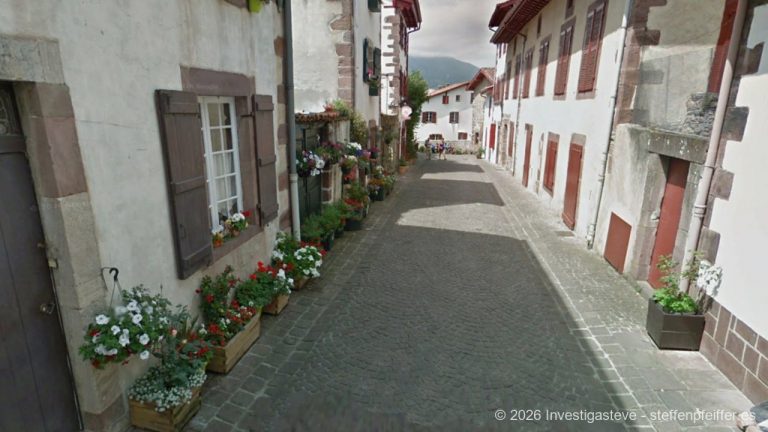
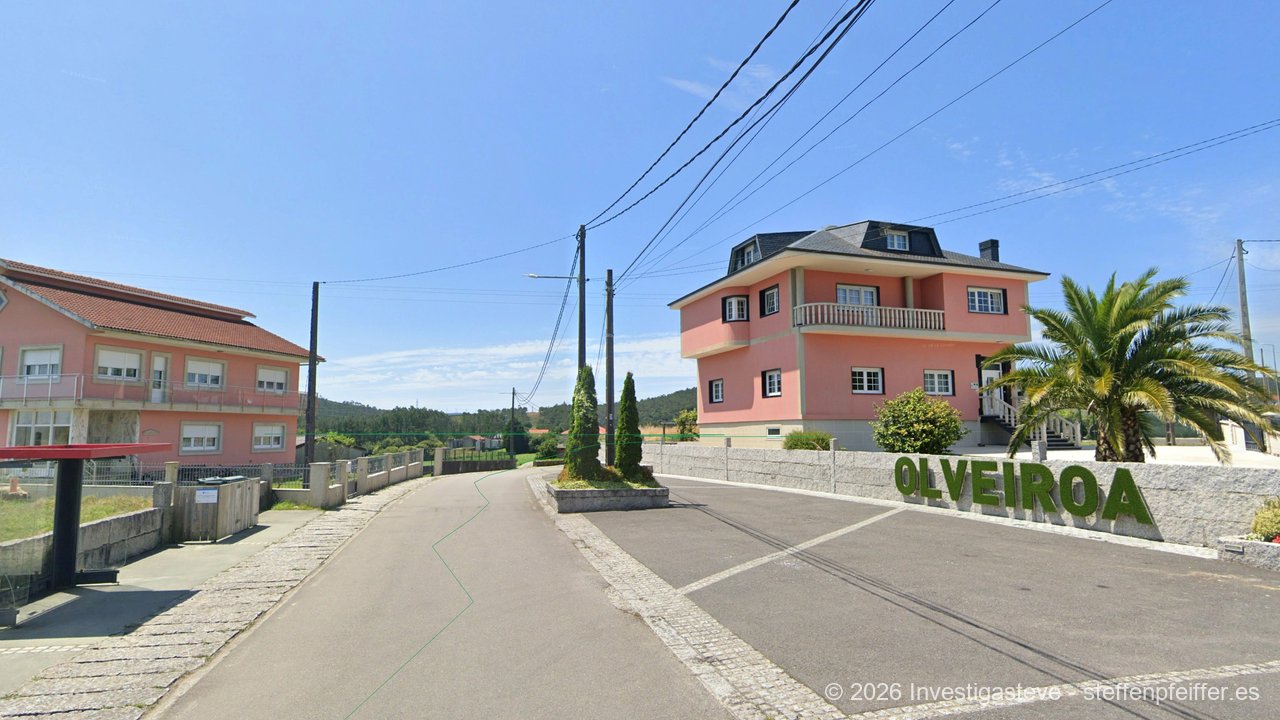
You set foot in Olveiroa—and right away you feel time losing its sharp edges. As you approach the village from the wind-swept ridgelines of Terra de Xallas, where modern wind turbines rise into the often lead-gray sky like futuristic giants, Olveiroa feels like an archaic anchorage. It is a place that seems to have grown out of the hard granite of Galician soil, a stone still life that braces itself with stoic calm against the Atlantic winds. Your first impression is shaped by an almost reverent silence, broken only by the distant, steady roar of the Río Xallas and the rhythmic click of your trekking poles on the old cobblestones. Olveiroa isn’t a place you simply pass through; it is a place that holds you fast with its sheer material presence.
The atmosphere is saturated with the moisture of “orballo,” that fine, almost invisible Galician mist-rain that darkens the granite walls and makes the moss in the cracks glow an almost unnatural emerald green. It smells like an intoxicating mix of wet stone, old wood, the bitter aroma of ferns, and the slightly sweet scent of burning oak that drifts from the chimneys of the low-slung houses. You feel the rough texture of the place through every pore—the cool metal of door handles, the resistance of uneven ground, and the sudden warmth when the sun breaks through the cloud cover for a moment and makes the mica in the stone sparkle.
In Olveiroa, past and present meet at eye level. The village, which only a few decades ago was threatened by decay, was restored with a love of detail that’s hard to match. Yet it’s not a sterile museum atmosphere; it’s a living organism that moves to the rhythm of the Camino. Pilgrims from around the world sit on the low stone walls, faces turned toward the late-day sun, while locals go about their work with an almost shy warmth. It’s a threshold moment in which the spiritual exhaustion of the previous miles gives way to a deep, earthy contentment. Olveiroa is a gateway to a different way of perceiving, a place where you learn to understand the language of stone and wind before the path carries you on toward the endless ocean.
What This Place Tells You
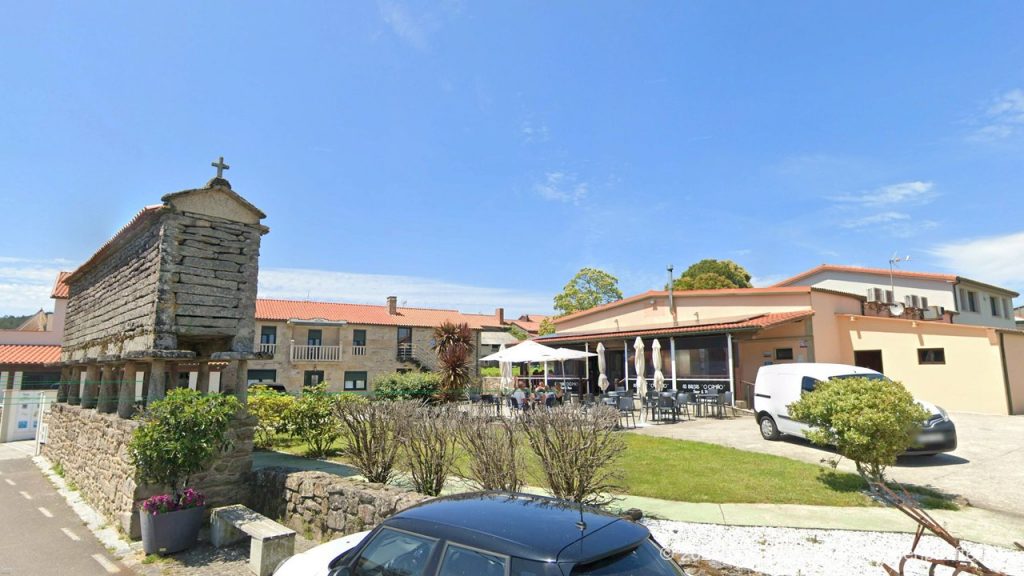
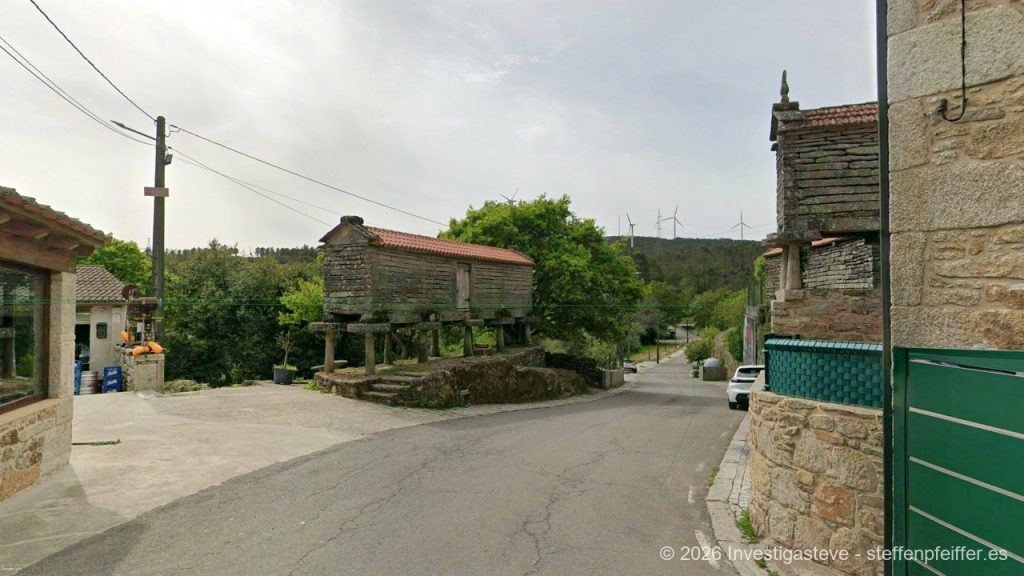
Olveiroa is a stone history book whose pages have been polished smooth by rain and wind. Its geographic position at the transition between the gentle hills and the deep valleys of the Río Xallas has always made it a strategic hub for people and livestock. The village’s story is inseparable from agriculture and from the need to protect harvests from Galicia’s extreme moisture and rodents. Nowhere else on the Costa da Morte is the density of “hórreos,” the traditional granaries, as impressive as it is here. These architectural masterpieces of granite and wood, perched on mushroom-shaped stone supports—the “muelas”—stand in Olveiroa in neat rows like a silent honor guard from the past. They speak of fat years and lean winters, of the cleverness of rural engineering, and of deep respect for the gifts of the earth.
The Church of Santiago de Olveiroa, whose origins go back to the 12th century, is the spiritual center of this ensemble. With its simple Romanesque core and later Baroque additions, it stands as a symbol of the endurance of faith at the edge of the world. When you stand before its portal, you can sense the presence of the millions of pilgrims who, over the centuries, have asked here for protection for the final stretch to Fisterra. But Olveiroa also tells darker, more mystical stories. In the surrounding woods and valleys, the legend of the “Vákner” is still alive—that dreadful monster that, in the 15th century, filled the Armenian bishop Martiros of Arzendjan with fear and dread. It is a tale of the dangers of the wilderness, of shadows that lurk in the fog, and of the inner strength it takes to defeat the demons of the road.
Olveiroa’s modern history is one of resistance and rebirth. While many villages in the Galician interior suffered from rural flight, Olveiroa found a new purpose through the Camino. Old stables and barns were turned into hostels and guesthouses without losing their original character. It’s a metamorphosis that shows how tradition and modernity can exist in a fruitful symbiosis. As you walk the lanes today, you hear the echo of medieval trade caravans as clearly as the multilingual murmur of today’s long-distance hikers. Olveiroa teaches you that nothing is ever truly lost as long as there are people to carry the stones’ stories forward—and willing to attune themselves to the rhythm of nature.
Camino Distances
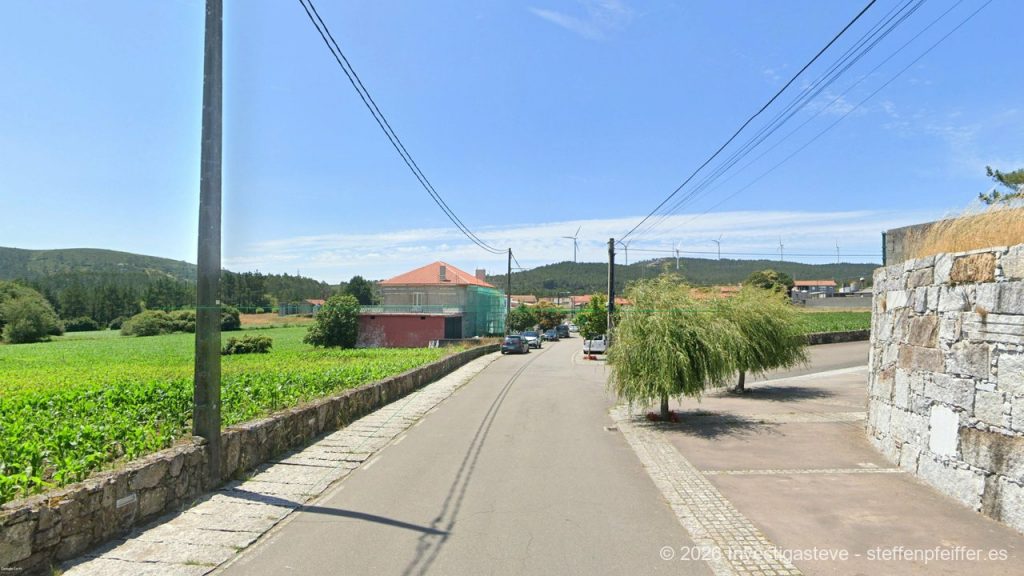
After about 13 kilometers through airy oak woods and along slate-strewn paths often lined by small streams, the green panorama opens up and reveals the striking silhouettes of Olveiroa’s hórreos.
Addresses & tips in Olveiroa
| Accommodation | 3 |
| Restaurants | 1 |
| Bars & Cafés | 1 |
| Sights | 3 |
| Services | 2 |
Show all 10
Overnight Stays & Arrival
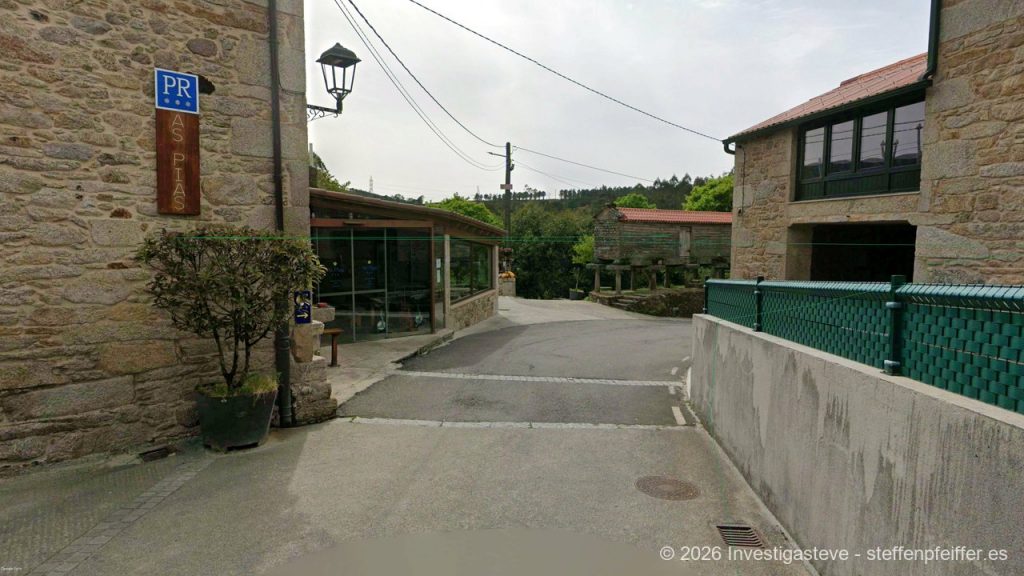
Arriving in Olveiroa feels like slipping into a warm embrace of stone. The village offers a selection of accommodations, almost all housed in lovingly restored historic buildings. In the municipal albergue, set within an ensemble of former storage buildings and homes, the walls whisper stories of community and rest. It’s a special tactile experience to touch the cool, rough granite walls as you set your backpack down in a corner. The rustle of sleeping bags and the soft murmurs of pilgrims in the high, wood-paneled dorm rooms create an atmosphere of monastic calm that promises deep, restorative sleep.
If you’re looking for a bit more privacy, you’ll find small refuges of comfort in the private guesthouses and “casas rurales.” Here, the smell of freshly washed linen mingles with the sharp scent of nearby gardens. It’s not unusual to step into your room and, through the small window, look directly onto a group of hórreos that, in the silver moonlight, can seem almost like alien ships. Hospitality in Olveiroa is understated but deeply rooted: a brief nod from your hosts, a glass of water at just the right moment, or an extra pillow—these small gestures are what make you feel that, after a long journey, you’ve finally reached a safe place.
Arriving in Olveiroa is also an acoustic experience. As the sun slowly sinks behind the hills, the sound of the village changes. The busy bustle of the afternoon gives way to a meditative silence, interrupted only by the distant bark of a dog or the rush of wind in the power lines. You sit down on the stone steps by the door, feel the day’s leftover warmth in the stone beneath you, and watch the first stars appear over Terra de Xallas. In Olveiroa, arrival is not a technical act of reaching a goal, but a gentle drifting into a state of pure presence—where everyday worries feel as far away as the cities you came from.
Food & Drink
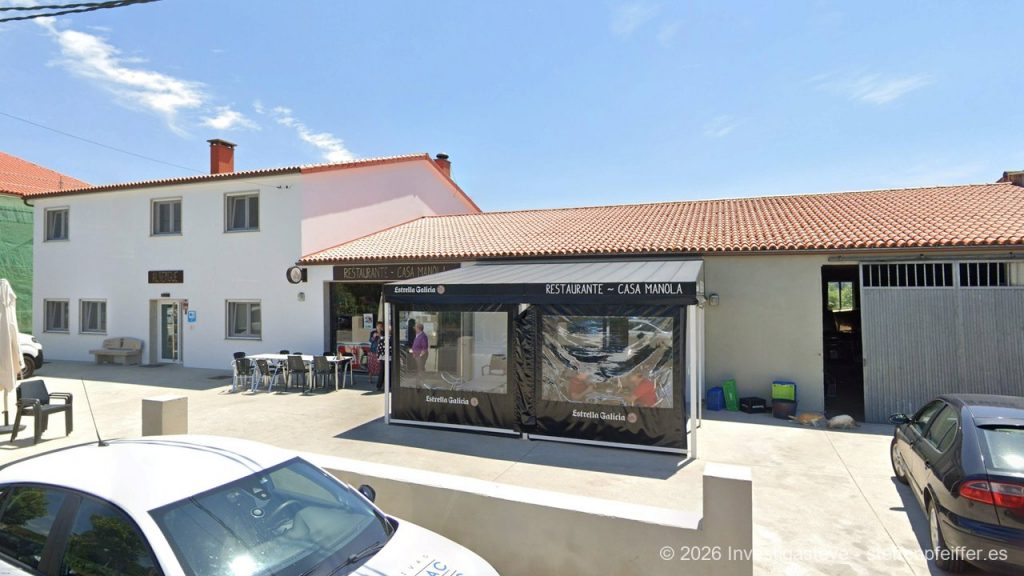
Olveiroa’s culinary world is as robust and honest as the granite the village stands on. You won’t find fussy gourmet experiments here, but rather a cuisine that draws its strength from the immediate surroundings. A pintxo or an empanada here isn’t just a snack—it’s a concentrated piece of Galician joie de vivre. In the few but excellent restaurants in town, the air is ruled by the aroma of homemade “caldo galego,” that legendary stew of greens, potatoes, and beans that brings tired pilgrim spirits back to life at once. The first spoonful of this steaming elixir, accompanied by a piece of rustic bread that tastes of craftsmanship and real flour, is a revelation for the senses.
Especially in the evening, when the fireplaces are lit, Olveiroa’s dining scene unfolds its full charm. The scent of grilled meat—“churrasco”—drifts through the lanes and mixes with the spicy note of pimientos de Padrón, fried in coarse sea salt and the best olive oil. A glass of local red wine, a deep-dark mencía that tastes of dark berries and damp earth, rounds out the experience. You sit at heavy wooden tables, candlelight reflecting in the wine glasses, and suddenly you taste the entire story of this land: the hardness of fieldwork, the abundance of nature, and the deep satisfaction after a long day on your feet.
A local secret for those with a sweet tooth is the honey, often offered directly by beekeepers from the area. It tastes intensely of heather and eucalyptus—a golden essence of the Galician wilderness. If you spread it on your toast in the morning while fog still hangs in the lanes, you’ll feel an energy that will carry you effortlessly over the next hills. In Olveiroa, eating is an act of healing and community; you share not only bread but also the stories of the road, and every dish becomes a building block for memories you’ll carry in your heart for a lifetime.
Supplies & Services
In terms of infrastructure, Olveiroa is a place reduced to what’s essential—which makes it an important lesson in self-organization for you as a pilgrim. There are no gigantic shopping malls here, but everything you need to get by and feel well on the road is available. The small shops, often integrated directly into bars or hostels, offer a selection of fruit, water, and energy bars chosen thoughtfully by their owners. It’s a lovely experience to pick your fruit not from a plastic shelf, but from a woven wicker crate while you philosophize about the coming weather with the shopkeeper.
For medical basics or urgent errands, however, keep in mind that Olveiroa is not an urban center. The nearest pharmacy is a few kilometers away in Dumbría or Cee, which makes a well-stocked first-aid kit in your backpack worth its weight in gold. Still, solidarity in the village runs deep; if a pilgrim truly needs help, there’s always a way—or a helping hand. There are no ATMs in Olveiroa either, so make sure you have enough cash with you for accommodations and those delicious meals.
Shopping: Small points of sale in hostels and bars cover basic needs. For bigger purchases, plan for the next larger center in Cee.
Dining: Excellent restaurants focused on traditional Galician cuisine. The meat dishes and stews in particular are legendary.
Accommodations: A wide range of options from the modern municipal albergue to private guesthouses and charming casas rurales.
Public facilities: The small church is often open for quiet prayer. Wi-Fi is reliably available in most accommodations and eateries, making it easier to plan the next stages.
In Olveiroa, you learn that true provision doesn’t come from the quantity of options, but from the quality of encounters and the reliability of the basics. It’s a place that teaches you to make do with what’s there—and to realize that it’s often more than enough.
Don’t Miss
The hórreo concentration: Take your time to wander among the more than 20 granaries. Notice the different construction styles and the ornate crosses on the roofs that were meant to keep evil spirits away from the harvest.
The Church of Santiago de Olveiroa: A place of deep silence. Pay attention to the Romanesque details on the portal and the simple beauty of the altar that has comforted generations of pilgrims.
The view of the Castrelo reservoir: A short walk out of the village leads to viewpoints from which you can see the glittering water of the Embalse de Castrelo, standing in sharp contrast to the rugged granite rocks.
The Vákner monument: Look for the monument that commemorates the legendary monster. It’s a fascinating testament to Galicia’s world of myths—and a great spot for a photo with a goosebumps factor.
Insider Tips and Hidden Spots
Away from Olveiroa’s main road are small, almost forgotten paths that lead you deep into the green heart of Terra de Xallas. One such place is the small valley just below the village, where the Río Xallas dances in little cascades over mossy granite blocks. If you follow the soft rush of the water, you’ll discover hidden swimming spots where the water is so clear and cold that it revives tired pilgrim feet in seconds. Here, in the shade of ancient alders and willows, the Camino can feel miles away, and you can become one with Galicia’s original pulse. It’s a place of absolute privacy, where only birdsong and the river’s gentle splashing break the silence.
Another hidden treasure is the old connecting bridge over the Xallas, set a little off the modern route. It is built from massive stone slabs and bears witness to a time when heavy ox carts still brought the harvest from the fields into the hórreos. When you stand on the rough stones and let your gaze drift over the river, you feel the deep historical continuity of this place. It’s a magical spot, especially early in the morning when fog still hangs over the water and the world feels wrapped in cotton. Here you can almost grasp “morriña” with your hands—that sweet longing for a place you’ve never been, yet suddenly seem to recognize in Olveiroa.
A true insider tip for anyone who loves solitude is the climb up to a small, ruined shepherd’s hut on the hill north of the village. From up there you get a 360-degree view across the entire plateau, see the shimmering surfaces of the reservoir, and the distant silhouettes of the coastal ranges. It’s a place of radical perspective shift, where your own worries and efforts become small and insignificant in the face of endless vastness. If you sit up here and the wind brushes through your hair, you understand that the path is not made only of kilometers, but of moments of absolute freedom you’ve earned for yourself in Olveiroa.
Moment of Reflection
In Olveiroa, your journey reaches a point of inner maturity. You’ve left Santiago’s hustle behind and grown accustomed to the rhythm of the Galician wilderness. This place, with its solid granite walls and stoic hórreos, asks you a question: What in your life is as enduring as this stone? We live in a world of constant change, of digital noise and fleeting impressions. Olveiroa invites you to examine your own foundations. Are you here to run away from something, or to return to something you’ve buried deep inside you?
The village’s silence is not a lack of sound, but an invitation to listen. When you walk through the lanes in the evening, you feel the dust of the road fall away from your soul. The “morriña” that hangs in the air here isn’t sad—it’s a compass. It shows you that longing is a sign of being alive. Olveiroa reminds you that every climb needs a moment of rest, and that real strength lies in the ability to simply be, without having to prove anything. In this stone memory of Galicia, you realize: the journey doesn’t end at the ocean—it simply transforms there into a new kind of certainty.
Camino of the Stars
This place lies on the Camino Fisterra y Muxía. Olveiroa is the destination on the stage from Negreira to Olveiroa (or as part of continuing on from Olveiroa to Fisterra/Muxía). The sequence of places is:
From Negreira to Olveiroa and onward to Fisterra:
Negreira → A Pena → Vilaserío → Santa Mariña → Maroñas → Ponte Olveira → Olveiroa → O Logoso → Hospital → Cee → Corcubión → Redonda → Amarela → Estorde → Sardiñeiro → Fisterra
And alternatively, from Olveiroa to Muxía:
Olveiroa → O Logoso → Hospital → Dumbría → Trasufre → Senande → Quintáns → Moraime → Os Muiños → Muxía
Did you feel the magic of Olveiroa’s stone granaries, or did the legend of the Vákner follow you through the foggy lanes? Share your personal moments from this jewel of Terra de Xallas with us. Maybe you have a photo of the Iglesia de Santiago in the evening light, or you discovered an insider tip along the banks of the Xallas? We’d love to hear your story—one that will make this place come alive even more for the next pilgrims!
About the Author