A First Glance – Introduction & Atmosphere
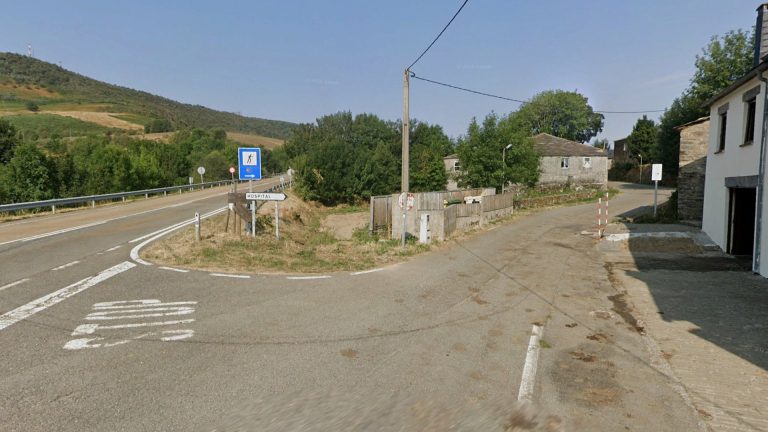
When you have passed through the dense, almost mystical forest belt behind Espinal, the landscape of the Valle de Erro opens up in a way that instantly widens the heart of every hiker. Here, at a proud altitude of about 781 meters, lies Bizkarreta-Gerendiain, a place nestled like a fortress of light stone and dark slate into the gentle swells of the Navarrese foothills. The first impression is one of a deep, almost reverent stillness. It is not the silence of loneliness, but that of a place that knows exactly who it is and what it has experienced over the centuries. The air up here is crystal clear, often interspersed with a cool breeze that seems to blow directly from the nearby peaks of the Montes Alduides, carrying the scent of wild thyme, damp fern, and the tart aroma of pastureland.
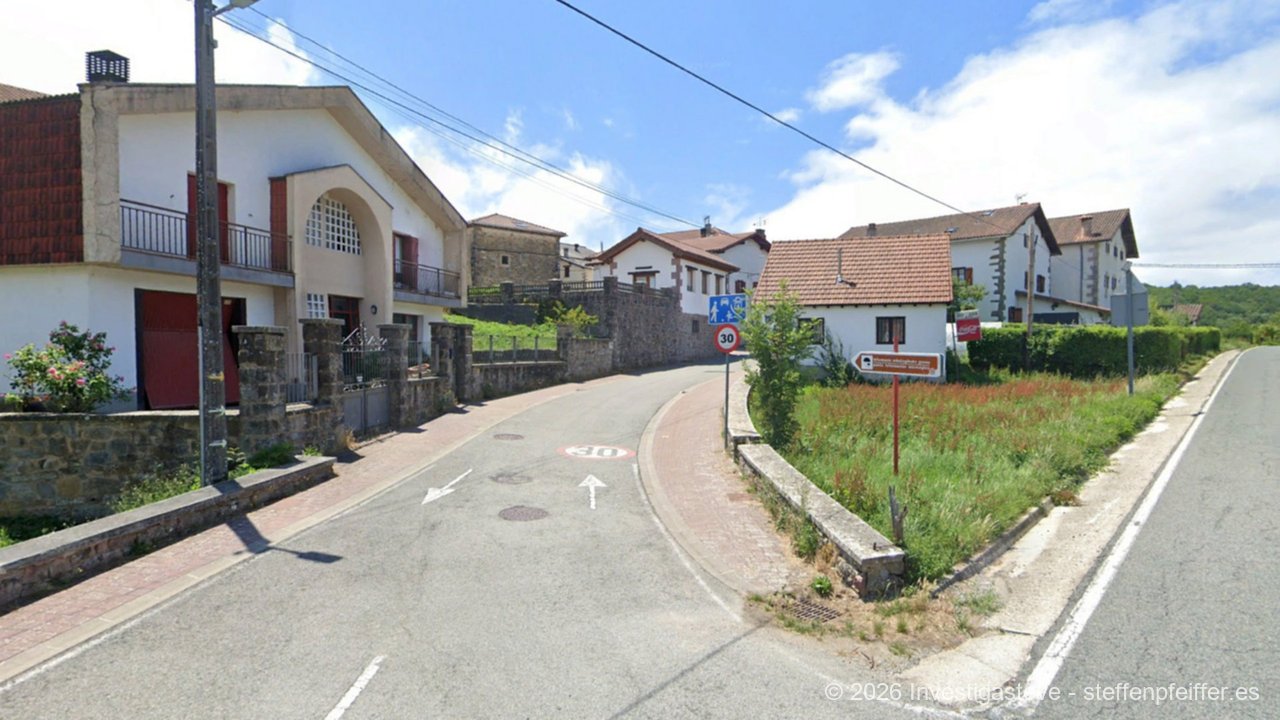
As you enter the village, you immediately feel the change in the texture of your surroundings. The paths are lined with massive manor houses, whose facades consist of roughly hewn reddish-brown limestone. These stones seem to store the warmth of the sun and radiate a solidity that instantly gives you a feeling of security. You hear the distant, melodic ringing of sheep bells, echoing like a natural carillon over the meadows, interrupted only by the deep, rich hum of bumblebees in the flowering gardens. In Bizkarreta-Gerendiain, arriving becomes an act of deceleration; every step on the firm, centuries-old ground feels significant, as if you were becoming part of a long, unbroken chain of people who have sought shelter and reflection here since the 12th century.
The visual composition of the place is a masterpiece of rural aesthetics. The white plaster surfaces between the heavy corner stones gleam almost silver in the afternoon light, while the dark wooden shutters look like eyes patiently watching over the Camino. It is a place of contrasts: the hardness of the stone meets the soft, almost unreal bright green of the surrounding valleys. Your gaze lingers on the ornate lintels, often carved with dates and family coats of arms – silent witnesses of a deeply rooted pride. Here, in the middle of the Valle de Erro, you experience a spiritual resonance that goes far beyond mere hiking. It is the certainty that this place is an anchor point, a necessary caesura before the path leads you further into the deeper valleys of Navarre.
What This Place Tells
Bizkarreta, or Viscarret, as it is called in the old chronicles and the famous Pilgrim’s Guide of Aymeric Picaud, looks back on a glorious past inextricably linked with the golden era of the Camino Francés in the Middle Ages. In the 12th century, this small patch of earth was not merely a point of passage, but a significant stage destination. Here stood one of the most important pilgrim hospitals on the entire route, under the protection of the Navarrese crown. As you walk through the alleys today, you can almost visualize the historical causality: kings, bishops, and common beggars alike found refuge here, often a matter of life and death, after having crossed the dangerous passes of the Pyrenees. The energy of that time seems still to vibrate in the foundations of the houses, an echo of prayers, sighs of relief, and the bustling activity of a long-gone era.
The architectural jewel of the place is undoubtedly the parish church of San Pedro. A building that, in its simple but powerful Romanesque style, embodies the spiritual gravity of that time. The portal of the church welcomes you with a severe beauty; the capitals tell stories of saints and sinners, carved in stone to serve as a moral compass for the mostly illiterate pilgrims of the Middle Ages. Inside, a cool, almost monastic silence prevails, enlivened only by the dancing dust in the light falling through the narrow window slits. It smells of old incense, beeswax, and the damp coolness of masonry that has not seen sunlight for eight hundred years. San Pedro is more than a house of God; it is a monument of constancy in a constantly changing world.
The historical metamorphosis of Bizkarreta-Gerendiain is also evident in the union of two formerly independent villages. Bizkarreta and Gerendiain merged over time into an administrative unit, yet both preserved their individual character. The valley of Erro was of immense strategic importance for the Kingdom of Navarre, and Bizkarreta often served as the last safe bastion before the descent into the basin of Pamplona. The connection to the Basque heritage is palpable everywhere – in the phonetics of the names, in the structure of the farmsteads, and in the deep bond of the inhabitants with their barren but beloved land. When you run your hand over the rough surfaces of the old walls, you touch the layers of history that have made this place what it is today: a living museum of pilgrim culture, stubbornly resisting transience.
Addresses & tips in Bizkarreta
Camino Distances
In Bizkarreta-Gerendiain, the paths of those coming from the heights and seeking the gentleness of the valley cross. The distances here mark the transition between two different landscapes of Navarre.
−## Sleeping & Arriving
Arriving in Bizkarreta is a moment of absolute physical and mental relaxation. Coming from the kilometers through the sometimes demanding forest passages of Espinal, the firm ground of the village feels like a promise of recovery. Pilgrims who choose to stay here often seek the seclusion and authenticity of a place not overrun by mass tourism. The Albergue Sorogain is one of those accommodations that preserve the spirit of the Camino in its purest form. Here, in the dormitories with their solid wooden beds, the smell of fresh linen mixes with the aroma of dry wood and the cool night air penetrating through the shutters.
A special experience is arriving in one of the Casa Rurales, such as Casa Maitetxu. These houses are often former farmsteads, renovated with great attention to detail. You feel the texture of the heavy blankets that protect you at night from the cool mountain air, and you hear the soothing creaking of the floorboards under your steps – a sound that acts like a familiar heartbeat. In these accommodations, you are not an anonymous passer-through, but a guest who often sits in the evening with the hosts by the fireplace, while the fire crackles softly and the shadows of history dance on the walls.
The mental resonance of the place acts like a balm on the often overstimulated senses of the modern hiker. In Bizkarreta, there are no noisy bars or garish advertisements. Instead, there is the common area of the hostels, where pilgrims from all over the world exchange their experiences. The water from the taps is ice cold and tastes of the deep soil layers of the Valle de Erro – a pure pleasure that awakens the spirits. Arriving here means not only physically putting down your backpack but also entrusting your inner burdens to the silence of the village for a moment. It is a preparation for the night, which here is so dark and starry that you can almost grasp the infinity of the cosmos.
The moment you take off your shoes and feel the cool tiles or the warm wooden floor under your feet marks the beginning of your regeneration. Exhaustion turns into a pleasant heaviness as evening descends over the hills of Navarre outside. Bizkarreta welcomes you with a maternal sternness; it offers you everything you need, but nothing superfluous. This reduction to the essentials is what makes arriving here so valuable. You become part of the rhythm of the inhabitants, who have observed the same sunset and enjoyed the same silence for generations, now also enveloping you.
Eating & Drinking
The gastronomy in Bizkarreta-Gerendiain is an honest homage to the products of the Valle de Erro. Here, cooking is not for fleeting effect, but for substance. An absolute highlight is the meat of the Navarrese mountain cattle and sheep grazing on the surrounding meadows. In the local kitchens, it smells of slow-cooked lamb stew, refined with rosemary and garlic, so tender that it practically melts on the tongue. The taste is intense, earthy, and unmistakably connected to the landscape. When you try a piece of the local sheep’s cheese, often still produced in traditional ways in the surrounding hamlets, you experience an explosion of flavor with nutty mildness and a slight smoky note.
The wine served in Bizkarreta usually comes from the lower-lying regions of Navarre. A heavy, ruby-red drop that gleams in the glass like a liquid gemstone. It carries the Spanish sun within and forms the perfect counterpoint to the cool mountain air of the place. As you drink, you feel a pleasant warmth spreading through your body and loosening your muscles. It is often accompanied by the typical Navarrese country bread, whose crust is so crispy that it cracks loudly when broken, while the inside is soft and still slightly moist. It is simple food, but it possesses a dignity often sought in vain in star-rated restaurants.
To finish a meal, the Pacharán must not be missing, the famous sloe liqueur of the region. In Bizkarreta, it is often served home-made. The deep red color and the scent of anise and wild fruits are intoxicating. The first sip is sweet, followed by a tart freshness that clears the stomach and sharpens the senses. In the convivial circle of pilgrims, while the remains of the meal still stand on the table and glasses clink softly, eating becomes a sacred act of community. You taste the love of the inhabitants for their land and the centuries of tradition embedded in every recipe. In Bizkarreta, you do not just eat; you absorb the essence of Navarre.
Supplies & Logistics
Although Bizkarreta-Gerendiain is small, it offers the pilgrim a solid base for continuing their journey. The logistics of the place are concentrated on the essentials and reflect the functional simplicity of the mountain region. Everything is within walking distance, which is a blessing for the weary hiker.
Shopping: There is a small Tienda in the village that covers basic needs. Here you will find fresh fruit, water, local specialties, and everything needed for a snack on the next section of the route. The smell in the shop is a mix of fresh pastries and dried ham.
Gastronomy: Several bars and the restaurants of the hostels provide meals. The bar of the Albergue Sorogain is a particularly popular meeting point to review the day’s experiences over a cool beer or coffee.
Accommodation: Capacity is distributed among the municipal hostel, private albergues, and several Casa Rurales. The quality of the accommodations is consistently high, with a focus on cleanliness and pilgrim-friendly service.
Public Facilities: In the village, there is a well-maintained public fountain with drinking water directly from the mountains. There are also small rest areas with benches strategically placed to enjoy the view over the valley.
The supply in Bizkarreta is characterized by a warm directness. The people here are used to pilgrims, yet they treat them with genuine curiosity and helpfulness. Should you have a technical problem with your equipment or need specific information, you will often be helped with a calm, matter-of-fact ease. The logistics of the place are like its architecture: solid, reliable, and without unnecessary ornamentation. You can rely on finding everything you need to start the next day strengthened and well-equipped.
Don’t Miss
Bizkarreta-Gerendiain holds some treasures that you only discover if you take the time to look closely.
1. The Romanesque portal of San Pedro: Admire the detailed stonework at the entrance of the church. The weathered faces of the figures seem to gaze directly at you from the 12th century.
2. The coats of arms of the manor houses: Look for the stone family crests above the portals of the large houses along the main street. They tell the history of the Navarrese landed nobility.
3. The sunset over the Valle de Erro: Find a spot on the edge of the village and watch how the light bathes the surrounding hills in a deep gold while the shadows in the valleys turn violet.
4. A glass of home-made Pacharán: Taste the sloe liqueur in one of the small bars. It is the authentic taste of Navarre in a glass.
5. The ringing of sheep bells in the early morning: When the village is still shrouded in mist, this sound is the acoustic signature of the Valle de Erro and marks the beginning of a new pilgrim day.
Insider Tips and Hidden Places
Away from the main route of the Camino, just a few steps behind the church of San Pedro, a narrow, almost forgotten path leads down to a small stream that separates Bizkarreta from the lower pastures. Here, where willows at the bank let their silver leaves dance in the wind, you find a spot rarely revealed by the locals. It is a place of absolute silence, where water splashes over smooth-polished pebbles. When you sit there in the damp grass, you feel the cool moisture of the ground and hear the soft rustling of the undergrowth. It is the perfect place for meditation or simply to listen to your own breath. Here, time seems to stand completely still, and the bustle of the Camino is light-years away.
Another hidden corner is in the upper part of the village, near an old, half-ruined stone wall. From there, you have an unobstructed view of the Montes Alduides, without the roofs of the houses obstructing the view. In the early morning hours, when the mist hangs like a white blanket in the valleys and only the peaks of the mountains protrude, this place seems like an island above the clouds. It smells there of fresh dew and the cold stone of the old wall. It is a secret viewpoint where you can feel the grandeur of nature in all its vastness, undisturbed by other walkers.
Also pay attention to the small niches in the walls of the outbuildings. Often you find tiny statues of the Virgin Mary or dried bouquets there, testifying to a deep, almost archaic popular piety. These small signs of faith and hope are like secret messages to the attentive pilgrim. As you wander through the narrow side alleys, where laundry flutters on the balconies in the wind and the scent of fresh wood fires rises from the chimneys, you discover the true, unvarnished face of Bizkarreta. It is a place that does not impose its beauty but gives it to those willing to leave the beaten path for a moment.
In one of the old backyards, which you can see through an open wooden gate, stands an ancient iron plough, slowly being overgrown with ivy. This silent still life tells more about the hard work and constancy of the people in the Valle de Erro than any history book. It is a tactile memory of the roots of this place, deeply anchored in the soil of Navarre. Such discoveries make Bizkarreta-Gerendiain a place of small wonders, waiting to be found by you.
Moment of Reflection
Bizkarreta-Gerendiain offers the pilgrim a unique stage for spiritual introspection. Located in the middle of the Valle de Erro, this place symbolizes the state of “in-between.” You have already left the mighty Pyrenees behind, and the first great euphoria of the start has given way to a deep, often painful physical reality. Here, surrounded by solid architecture and the unshakeable calm of the mountains, the question of one’s own motivation often arises. Why am I here? What am I really seeking? The massive presence of the church of San Pedro and the old pilgrim hospitals gives you the feeling of being part of an infinite movement. Your personal worries and states of exhaustion are placed here in a larger historical context, often bringing immense inner relief.
When you walk through the quiet alleys in the evening and hear the echo of your own footsteps on the asphalt or stones, you begin to understand silence as something positive. It is not a lack of sounds, but an abundance of space for your thoughts. The spiritual metamorphosis that takes place in Bizkarreta is marked by a new seriousness. You understand that the path is not a sprint but a patient endurance. The constancy of the stone and the reliability of the sunrise over the mountains give you a mental stability you will need for the coming weeks. Here in Bizkarreta, you learn to appreciate slowness not as an obstacle, but as a quality. It is the place where the mind begins to keep pace with the body.
Camino of the Stars
This place lies on the Camino Francés, on the stage from Roncesvalles to Zubiri. The sequence of places is:
Roncesvalles → Burguete → Espinal → Bizkarreta → Lintzoain → Zubiri
Did you feel the power of history in the quiet alleys of Bizkarreta, or were you particularly moved by the warm hospitality in one of the Casa Rurales? Perhaps you had an encounter at the old fountain that changed your view of the Way? Share your personal impressions and insider tips from this proud place in the Valle de Erro with us. We look forward to your story and to how Bizkarreta became part of your very own Camino!
About the Author