A new stage day – entering the stage
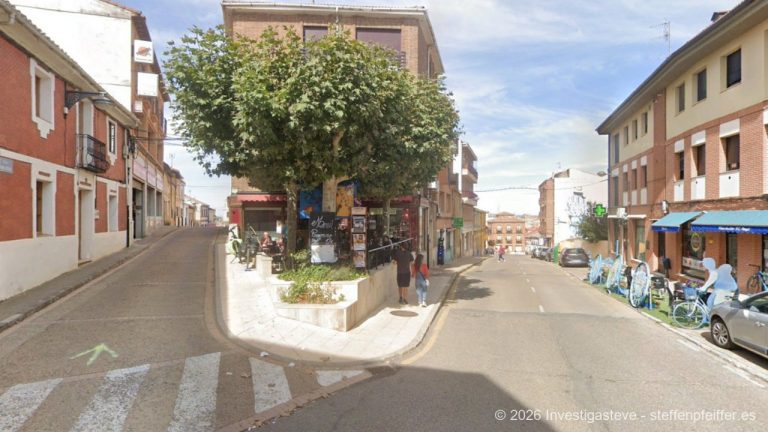
The morning in Carrión de los Condes begins with an almost reverent silence, broken only by the distant, rhythmic ringing of the bells of the monastery of San Zoilo. When you leave the narrow alleys of this historic town and cross the medieval bridge over the Río Carrión, you feel a cool dampness rising from the river, settling like a gossamer veil on your skin. It is a moment of caesura. Behind you lie the intricate church portals and the singing nuns of Santa María; ahead of you stretches the “mother of all trials.” The air smells of damp limestone and the pungent aroma of approaching autumn, mixed with the first fleeting scent of burning poplar wood from the town’s chimneys. Your gaze wanders westward, where the road seems to be drawn like a relentless ruler into infinity.
This departure from Carrión is more than just physical progress; it is a ritual entry into an arena of absolute reduction. As the clicking of your hiking poles fades on the hard asphalt of the town exit, you feel the resistance in your thoughts. It is the certainty that the next 17 kilometers will offer no distraction, no fountain, and no protective shade. The psychological weight of this stage is already tangible here, a subtle throbbing in your temples corresponding with the first harsh sunlight breaking over the rooftops. You breathe in deeply, taste the clear, oxygen-rich air of the Castilian plateau, and notice how your body adjusts to the long, meditative rhythm that will decide today’s victory or defeat of your spirit.
Route and elevation profile
Distance: approx. 39.0 km (total corridor to Sahagún)
Elevation gain: ↑ 210 m / ↓ 250 m
Difficulty: Hard (mentally and physically). The pure incline is negligible, but the enormous distance combined with the sensory deprivation of the first 17 km makes this stage the ultimate challenge.
Special features: The dead-straight Roman Vía Aquitana; absolute lack of supplies on the first third; transition into the province of León.
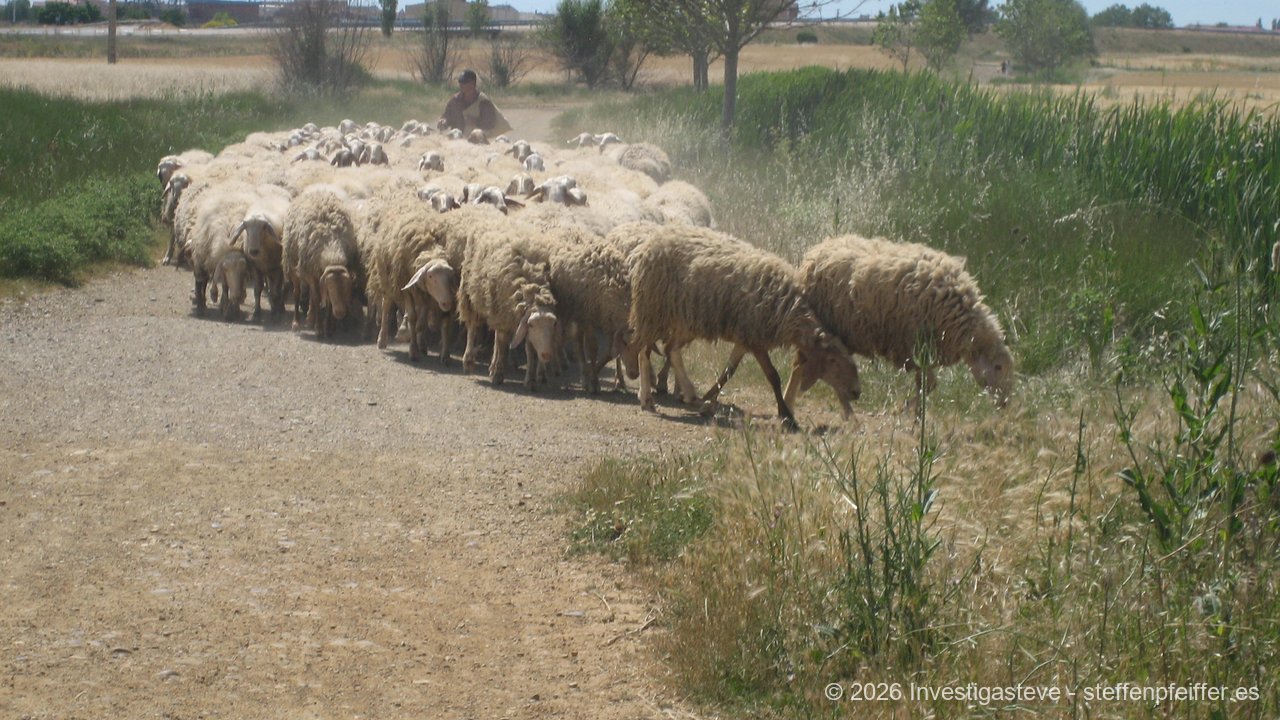
Today’s route is a geometric provocation. After leaving the city limits of Carrión de los Condes behind, the path transforms into the Vía Aquitana, an ancient Roman military road that now serves as a gravel track. The elevation profile shows a barely perceptible but steady incline on the first kilometers, followed by an almost plateau-like course at just under 900 meters above sea level. The ground is merciless: white limestone gravel that reflects sunlight and transmits every unevenness directly to the soles of the feet.
After reaching Calzadilla de la Cueza, the terrain opens up slightly, and the topography becomes more undulating. We leave the strictly linear behind and enter a landscape of gently rolling hills characterized by grain fields and small pine groves. The ground changes here to a reddish clay that becomes heavy and sticky after rainfall but hardens to a dusty track in the heat. The final descent to Sahagún occurs over wide agricultural areas, with the towers of the town already serving as visual anchors kilometers in advance, yet due to the expanse of the landscape, they seem to approach only agonizingly slowly.
Variants and small detours
On this stage, there are no significant scenic variants, as the historical route of the Vía Aquitana represents the only logical connection through this uninhabited wasteland. The only real decision the pilgrim must make is strategic: the choice of the stage destination. Since the total distance of 39 kilometers is overwhelming for most hikers, the stream of pilgrims usually divides into two camps. One group ends the day in Calzadilla de la Cueza, immediately after the 17-kilometer dry stretch, to transform the psychological relief directly into rest.
The other group continues to Terradillos de los Templarios to penetrate deeper into the territory of the former Templar fortresses. There is also the option, shortly before Sahagún, to take a small detour to the Ermita de la Virgen del Puente, a Romanesque chapel lying solitary in the fields. This short detour rewards with a deep silence and a historical atmosphere far from the main path. It is a detour for those seeking the spiritual core of the Camino in solitude before plunging into the bustling market life of Sahagún.
Description of the path – with all senses
When you cover the first meters on the Vía Aquitana, the first thing you feel is the absolute acoustic emptiness. The rushing of the Río Carrión fades quickly, and what remains is the monotonous crunching of your own steps on the bright limestone gravel. It is a dry, hollow sound that echoes in your head and has an almost hypnotic effect. You hear nothing but your breath and the occasional whistling of the wind sweeping unhindered over the Meseta. The historical causality becomes physical here: you are walking on a route built two thousand years ago for legionaries to get from A to B as quickly as possible – without regard for scenic beauty or human needs.
Haptically, this section is a test of textures. The air is dry and dusty, settling like a fine layer on your lips and burning slightly in the corners of your eyes. You feel the heat rising from the ground, a white heat reflected by the limestone, enveloping your legs in an invisible sauna. Your backpack seems to get heavier with every kilometer, while the straps dig into your shoulders as if to remind you of the earth’s gravity. There is no stone to sit on, no tree to lean against – the surroundings are a single, vast denial of comfort.
Olfactorily, the Meseta here is a desert of scents. Everything smells of dust, of dry straw, and the metallic note of hot stone. Only occasionally does a gust of wind carry the sweetish-heavy scent of wild thyme, clinging bravely to the edge of the track. When the midday sun reaches its zenith, the smell of sunscreen and sweat mixes into a distinctive pilgrim-specific aroma that surrounds you like a bell jar. It is an honest, raw smell that wipes away the romance of the path and confronts you with naked existence.
Psychologically, the Vía Aquitana is a hall of mirrors. After the tenth mile, the mind begins to wander, as the eyes find no new stimuli. The static horizon leads to sensory deprivation that fuels inner monologues. You begin to dissect the past, make plans for the future, and finally drop all thoughts until only the “now” of the next step remains. It is a form of metamorphosis through exhaustion. When you finally see the small poplar grove of Calzadilla de la Cueza appear on the horizon, it looks like a mirage – a green promise in an ocean of ochre.
The entry into Calzadilla is a feast for the senses. Suddenly, you hear the hum of insects, the distant barking of a dog, and the redeeming splashing of a fountain. The water on your skin feels icy and alive, a stark contrast to the dry heat of the last hours. You taste the coolness of the metal at the fountain’s edge and the soft water on your tongue – a moment of pure, unadulterated gratitude. The village itself smells of adobe, of damp clay, and the heavy scent of livestock, an archaic smell signaling safety and civilization.
The further path to Terradillos de los Templarios leads through a gentler landscape. The colors change from white to a deep rust red. You feel the softer ground beneath your feet; the earth here gives way and cushions your steps. In Terradillos, the atmosphere is mystical. The name recalls the Knights Templar, who once protected pilgrims here. When you sit before the hostel in the evening, you feel the historical weight of the place. The air becomes cooler, and the smell of pine needles from the nearby forests mixes with the scent of freshly prepared lentil soup, the “gold of the Meseta.”
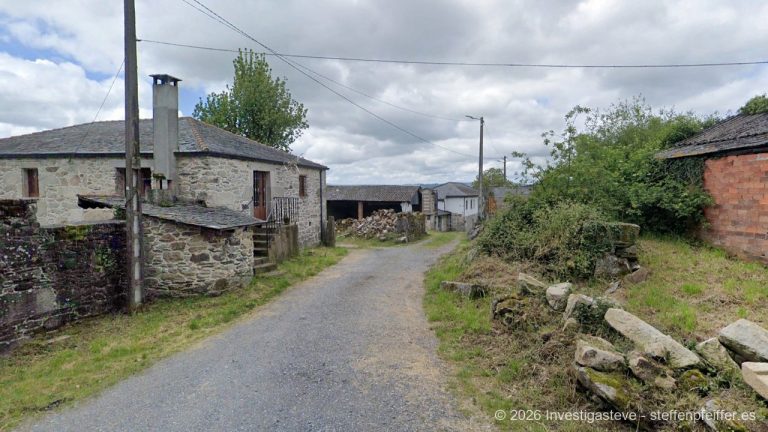
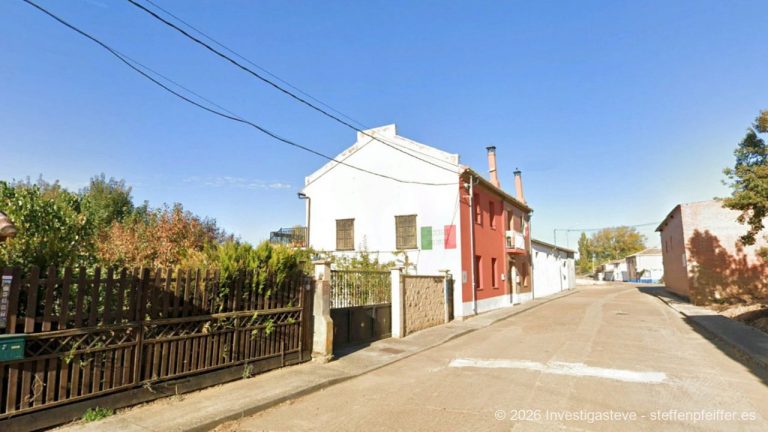
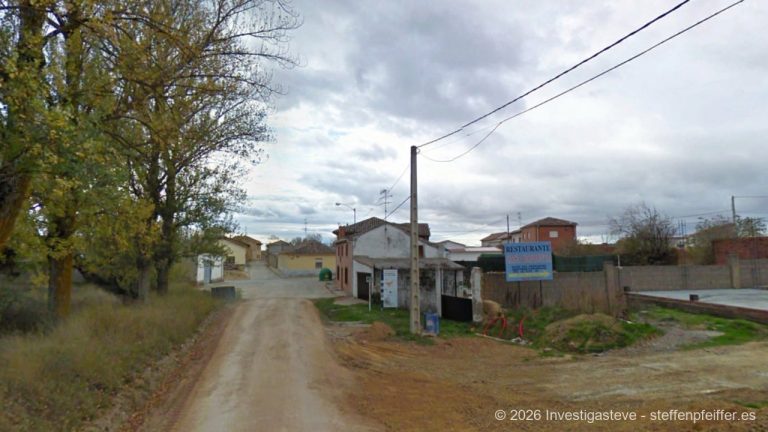
The section between Moratinos and San Nicolás del Real Camino is characterized by an almost meditative calm. The small villages with their earth houses seem to have grown directly from the ground. You run your hand over the rough clay walls, which still hold the warmth of the day, and feel the connection of the people to this barren land. Here, you hear the rustling of grain stalks in the wind, a dry, papery sound that accompanies you to the border of the province of León. The crossing into the new province is a psychological milestone – an invisible gate you pass through.
The final path to Sahagún is an aesthetic preparation for the Mudéjar architecture. You see the massive brick towers from afar. The smell changes again: it becomes more urban, busier. You smell the smoke of the first chimney fires and the aroma of roasted almonds. The acoustic backdrop condenses; the monotonous clicking of your poles is supplemented by the murmur of people and the distant ringing of church bells. When you finally cross the bridge over the Río Cea, you feel the massive weight of the stones beneath you and the cool water flowing under the arches.
Sahagún welcomes you with a visual splendor of red brick. The geometric patterns of the Mudéjar arches look like frozen music. You feel the rough texture of the fired bricks when you place your hand on the walls of San Tirso. It is a haptic connection to a time when Orient and Occident architecturally merged here. Your legs are heavy, your mind is empty, but your heart is filled with the sheer distance you have conquered today. Arrival in Sahagún is not merely the end of a stage, but the reaching of the geographical and spiritual heart of the Way.
The reflection of the day takes place in the silence of one of the many churches of Sahagún. You hear the creaking of the old wood of the pews and smell the heavy scent of incense and old dust. The psychological metamorphosis is complete: from the frightened wanderer before the 17-kilometer track to the proud conqueror of the Meseta. You realize that beauty did not lie in the panorama, but in the strength you found in the emptiness. The path has stripped you bare today, only to refill you with the peace of the stones.
Intermediate places & special features
Carrión de los Condes – The starting point is a monument of history. Once the capital of the Counts of Carrión, every stone here breathes power and piety. The facade of the church of Santiago with its frieze of craftsmen is a masterpiece of Romanesque art. Particularly noteworthy is the monastery of San Zoilo with its magnificent Plateresque cloister. Carrión is the last place that offers the pilgrim urban security before being released into the absolute emptiness of the Vía Aquitana.
Calzadilla de la Cueza – This village is the first lifeline after 17 kilometers of solitude. It lies like an oasis in a depression and consists almost only of a main street. Its significance for the Camino is purely functional and emotional: it is the place of the first relief. The simple church of San Martín houses an interesting altarpiece, but the true shrine for the pilgrim here is the first open bar at the village entrance.
Terradillos de los Templarios – A place with a legendary aura. It is the historical territory of the Knights Templar, who maintained a Hospital here in the 12th century. The name literally means “small earthen roofs of the Templars.” The atmosphere is characterized by mysticism and the wide view over the Castilian plain. Here, one feels the historical causality of pilgrim protection by the knightly orders, giving the stay a special spiritual depth.
Sahagún – The “Cluny of Spain.” In the Middle Ages, Sahagún was one of the most powerful religious centers of the Iberian Peninsula. The town is famous for its Mudéjar style – a fusion of Christian Romanesque and Moorish craftsmanship using brick. The churches of San Tirso and San Lorenzo are national monuments. Sahagún is also considered the geographical center of the Camino Francés, lending arrival here a special symbolic significance.
Dining, accommodation & supplies
The supply situation on this stage is a logistical challenge requiring precise planning. Since there are no possibilities between Carrión and Calzadilla, carrying at least two liters of water and sufficient calories is absolutely mandatory.
Gastronomy: In Calzadilla de la Cueza, there are traditional inns specializing in hearty pilgrim fare. Particularly recommended are the “Legumbres,” the regional pulses that provide energy for the further path. In Sahagún, you find a wide range of restaurants, from the classic pilgrim menu to upscale Leonese cuisine.
Accommodation: In Terradillos de los Templarios, the private hostel Jacques de Molay offers a very high standard and an atmospheric dinner. In Sahagún, the Albergue de Peregrinos in the former monastery is a historically significant choice. For a more upscale regeneration, the Hostal San Juan is recommended.
Public facilities: Pharmacies and banks are only found again in significant numbers in Sahagún. In Calzadilla, there is minimal basic medical care for emergencies.
The special thing today
The absolute unique selling point of this stage is the Vía Aquitana. It is not a hiking trail in the modern sense, but an ancient piece of engineering. The fact that pilgrims today still follow exactly the same line as the Roman cohorts two thousand years ago creates a deep historical resonance. The special thing is the absolute absence of any human trace off the track – no electricity poles, no houses, only the wide sky and the earth. This sensory deprivation acts like a chemical process that purifies the mind and reduces it to the essential. It is the place where the “inner path” completely dominates the outer path.
A second special aspect is the Mudéjar style in Sahagún. While the previous path was characterized by heavy, Burgundian Romanesque, here suddenly the delicate, mathematical beauty of the Orient emerges. The use of brick instead of natural stone changes the entire aesthetic of the place. The geometric patterns and the horseshoe arches tell of a time of cultural symbiosis, in stark contrast to the warlike Templar history of the preceding kilometers. Sahagún is thus not only a geographical but also an architectural turning point.
Finally, the “Templar heritage” in Terradillos is a special magnet for the collective memory of pilgrims. Legend has it that the knights hid a secret treasure here. Even if this was never found, the true treasure is today’s shelter that the village offers in the expanse of the Meseta. The psychological effect of staying in a village explicitly founded to protect pilgrims lends the exhaustion of the day a heroic note.
Reflection at the end of the stage
In the evening in Sahagún, when the setting sun bathes the red bricks of the churches of San Lorenzo and San Tirso in an almost glowing purple, a strange kind of clarity sets in. You look at your dusty shoes and realize that the white stones of the Vía Aquitana have left their mark. Today’s stage was not a pleasure hike, but a mental marathon. You feel a deep satisfaction that does not result from the beauty of the landscape, but from the discovery of your own endurance. The 17 kilometers of solitude have sorted the noises in your head.
Sahagún is the place where you leave the province of Palencia behind and are welcomed into León. It is a moment of pause at the equator of your journey. You have crossed the Meseta in its harshest form and learned that silence is not an enemy, but a teacher. In the quiet of the evening hours, surrounded by the warmth of the old brick walls, you become aware that you are now ready for the mountains waiting in the distance. The 17 kilometers were the filter your mind needed to perceive the coming wonders of the path with a new, unadulterated purity.
Camino of the Stars
This stage lies on the Camino Francés, on the stage from Carrión de los Condes to Sahagún. The sequence of places is:
| Stage | Start | Destination | Distance (km) | Elevation gain | Difficulty | Intermediate places |
|---|---|---|---|---|---|---|
| 17 | Carrión de los Condes | Sahagún | 39.0 | ↑ 210 / ↓ 250 | very hard | Calzadilla de la Cueza → Ledigos → Terradillos de los Templarios → Moratinos → San Nicolás del Real Camino |
Did you conquer the 17 kilometers of the Vía Aquitana in one go, or did you seek shelter in Calzadilla? What did your mind find in the “nothingness” of the Castilian steppe, when only the sound of your own steps was to be heard? Share your moment of psychological truth with us – your story is another milestone in the sky of the pilgrim.
About the Author

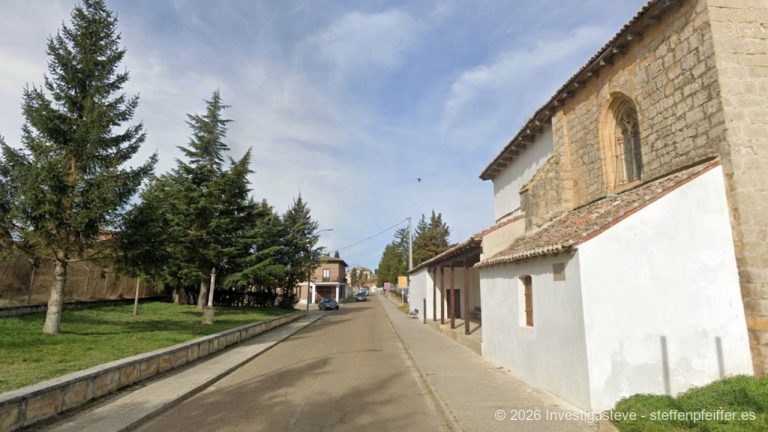
Carrión de los Condes – The Stone Archive on the Bank of Time
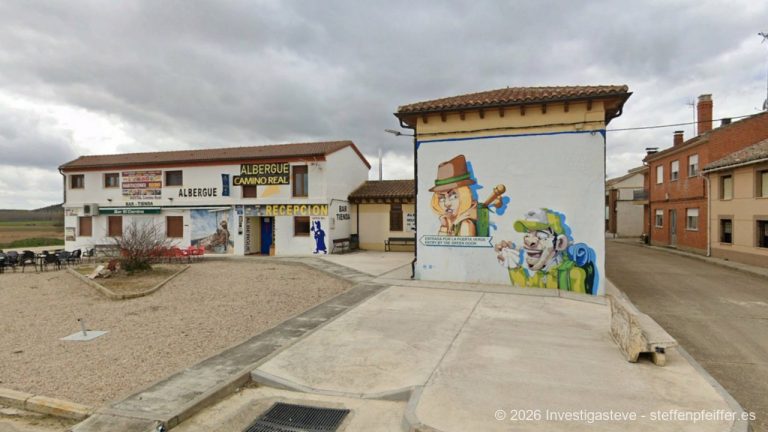
Calzadilla de la Cueza – The Saving Island After Infinity
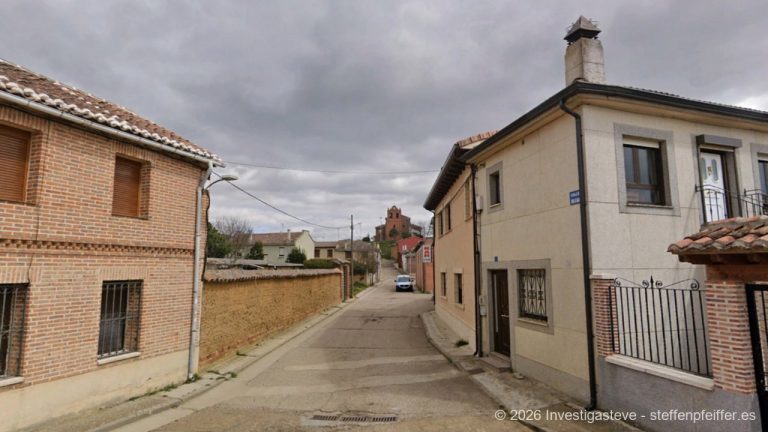
Lédigos – The Stone Archive of the Queen and the Three Apostles
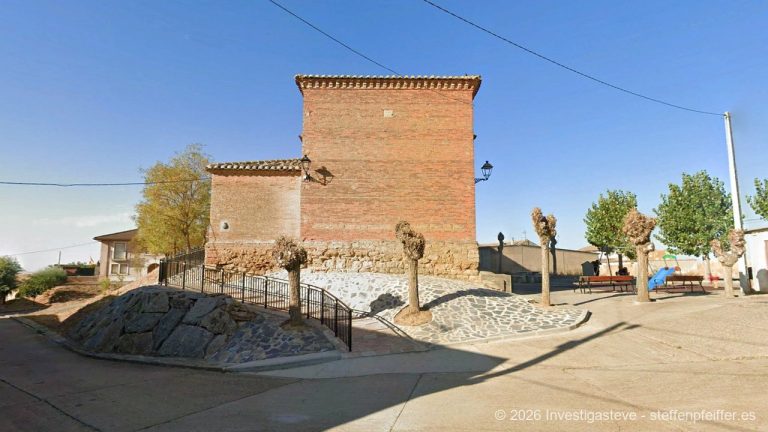
Terradillos de los Templarios – The Legacy of the Red Earth
Moratinos – The Village of Earth Mounds and Mozarabic Silence
San Nicolás del Real Camino – The Silent Gate to the Kingdom of León