First Glance – Introduction & Atmosphere
When you leave the gentle rolling hills leading down from Camponaraya behind you and the view widens, there lies down in the fertile basin of the Bierzo a place that looks like a promise of stone and water: Cacabelos. Even from afar, you notice a change. The dry, almost dusty air of the Leonese high plateau has given way here to a softer, more humid breeze carrying the breath of nearby Galicia. It is a haptic experience when the first cool gust from the Río Cúa brushes against your heated skin – a relief after kilometers under the relentless sun. Cacabelos does not welcome you with the reverent silence of a monastery, but with the living pulse of a market town that has served as a hub between worlds for two millennia.
Your hearing adjusts to a new symphony here. The rhythmic tapping of your hiking poles on the old asphalt of the main road mingles with the murmur of the river sweeping under the mighty stone bridge. You hear the distant laughter of locals sitting in the cafés of the Plaza Mayor and the clinking of glasses – an acoustic signal of arrival. The scent is intoxicating: ripe grapes, the heavy, sweetish aroma of fermenting must in the wineries, and the tart scent of charcoal fires preparing the traditional Botillo in the distance. Cacabelos is a place of total immersion: the reddish shimmer of the earth, the texture of the coarse slate on house facades, and the sparkle of the water create a feeling of deep grounding. Psychologically, this place marks a caesura – you feel the lightness of the valley embracing you one last time before the threatening shadows of the Ancares mountains appear on the horizon.
What This Place Tells
The stones of Cacabelos whisper stories of legions, pilgrimages, and the eternal cycle of viticulture. Here once stood Bergidum Flavium, a Roman administrative center of strategic brilliance. As you walk through the streets, you literally tread on the ruins of an ancient world power. The Romans came for the gold in nearby Las Médulas, but they stayed because of the fertility of this soil. The historical causality is palpable on every street corner: Cacabelos exists only because the Río Cúa offered a natural ford here, later tamed by the monumental stone bridge. This bridge, whose foundations were reinforced in the 12th century under King Alfonso VI, is the stone backbone of the town. It has seen everything: medieval armies, Napoleonic troops in retreat, and millions of pilgrims who steeled themselves here for the leap to Galicia.
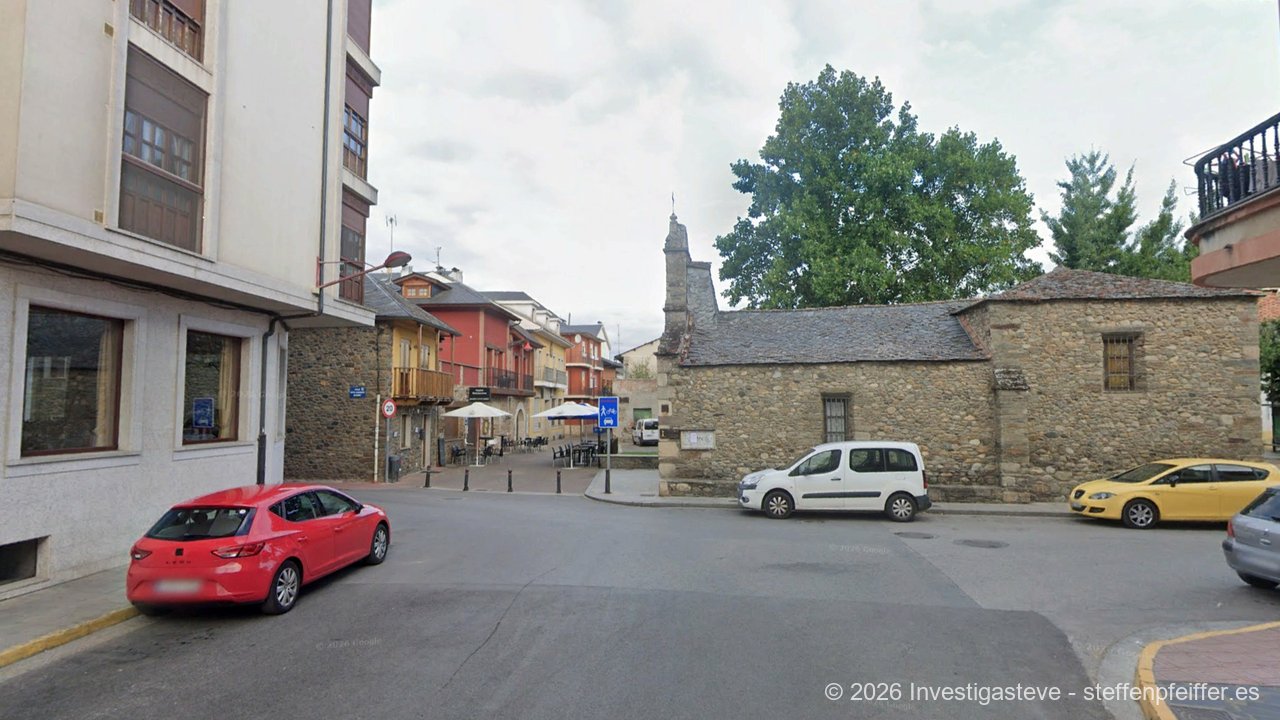
Particularly fascinating is the spiritual duality of the place. On one side stands the Iglesia de Santa María, whose Romanesque roots are still felt in the apses and tower. In the 11th century, this place was the scene of a bitter dispute between the dioceses of Astorga and Santiago de Compostela over spiritual supremacy – a psychological power struggle underscoring the importance of Cacabelos in medieval Europe. On the other side, you find the Santuario de la Quinta Angustia at the western edge of town. Here lives one of the way’s most charming legends: the image of the “Niño de la Baraja” (Child of the Playing Cards). It is said that the baby Jesus on the lap of the Virgin Mary once played cards with a sick pilgrim child to comfort and heal him. This myth gives the place a human, almost playful warmth that stands in stark contrast to the often strict asceticism of other pilgrim stations.
The architecture of Cacabelos also tells of the golden age of agriculture. The magnificent manor houses with their sweeping wooden balconies and stone coats of arms testify to the wealth of wine dynasties. Here, Mencía wine was not only produced but lived. The metamorphosis of the town from a Roman military station to a flourishing pilgrim center in the Middle Ages and finally to the modern wine capital of the Bierzo is a process of constant reinvention. In the cellars beneath the houses, where the air is cool and heavy with alcohol fumes, you feel the continuity of millennia. The slate quarried here not only roofs the houses but also shapes the taste of the wine – a haptic and flavorful unity of soil and culture that finds its perfect expression in Cacabelos.
Addresses & tips in Cacabelos
Camino Distances
In this table you will find the distances to the immediate neighboring villages. Please note that the path to Cacabelos is largely flat through vineyards, while the onward march to Pieros marks the first noticeable ascent of the region.
| Previous Location | Distance (km) | Next Location | Distance (km) |
|---|---|---|---|
| Camponaraya | approx. 6.0 km | Pieros | approx. 4.5 km |
| Fuentesnuevas | approx. 9.5 km | Villafranca del Bierzo | approx. 9.0 km |
Sleeping & Arriving
Arriving in Cacabelos is a sensory feast of deceleration. When you cross the bridge over the Cúa, you feel the end of a stage that has led you through the heart of the Bierzo. The haptic experience of setting down your heavy backpack on the riverbank and dipping your burning feet into the ice-cold water of the Cúa is one of the purest joys of the way. The water here is clear and mineral; it not only cools your skin but seems to wash away the exhaustion of recent days. The Albergue Municipal, located just behind the Santuario de la Quinta Angustia, is an architectural unique feature on the Camino. Instead of being housed in a large dormitory, you sleep here in small, horseshoe-shaped “cells” for two people, grouped around the cloister of the chapel.
The atmosphere in this hostel is characterized by an almost monastic sense of security without being strict. You hear the soft murmuring of fellow pilgrims in the courtyard, the rustle of sleeping bags, and outside the steady rustle of the wind in the poplar trees by the river. It smells of incense, old stone, and the freshness of the surrounding gardens. Psychologically, this accommodation offers a high degree of privacy, an invaluable asset at this stage of the way when nerves are often raw. You don’t feel like a number in a pilgrim factory, but like a guest in a sacred precinct. The light of the evening sun falls in long, slanting rays into the courtyard, bathing everything in a golden, conciliatory glow.
For those seeking more comfort, the numerous hostals and guesthouses in the center of Cacabelos offer a completely different haptic quality. Here you feel the fine cotton sheets and the peace of thick stone walls that shut out the noise of the bustling Calle Santa María. Arriving here also means becoming part of village life. You sit in the evening on the plaza, hands cupped around a cool glass of wine, and watch the bustle. It is a metamorphosis from hiker to observer. Arriving in Cacabelos means embracing the hospitality that has a thousand-year tradition here. The warmth of the people is not put-on politeness, but a deeply rooted attitude born from constant encounter with strangers.
Eating & Drinking
The cuisine in Cacabelos is a passionate love letter to the earth of the Bierzo. Those who eat here embark on a sensory journey dominated by the heaviness of meat and the elegance of wine. The undisputed king of the local table is Botillo. When the steaming plate sits before you, the first impression is overwhelmingly olfactory: an intense scent of smoked paprika, garlic, and heavy pork fills the room. It is an archaic dish, once a feast for poor peasants and now a cult favorite. The taste is strong, fatty, and deeply satisfying – exactly the energy source your body needs for the coming mountains. It is usually served with potatoes and cabbage that soak up the meat juices, becoming a haptic pleasure.
It is accompanied by the obligatory Mencía from Cacabelos. The wine has a deep, almost violet color that sparkles in the glass like liquid ruby. When you swirl the glass, you smell wild berries, ripe cherries, and a fine, slate minerality. The first sip is a revelation: the tannins are soft as velvet, but the wine has the structure to stand up to the Botillo. In the wine bars of Calle Santa María, such as the legendary “La Moncloa de San Lázaro,” you sit at heavy oak tables, hands wrapped around the cool glasses. It is a ritual act of satiety. Here, food is not just consumed, it is celebrated. The sounds of clattering cutlery, the laughter of winemakers, and the hiss of beer taps form an acoustic backdrop that immerses you deep in the lifestyle of the Bierzo.
For dessert, you should try the apples and pears of the region, often stewed in wine or served as a fine tart. The nutty aroma of chestnuts, roasted everywhere in autumn, mingles with the scent of freshly brewed Café Solo. It is a cuisine of honesty, free of frills, drawing its strength from the quality of basic ingredients. A special highlight is the tapas generously served with wine in many bars. The haptic experience of balancing a slice of spicy chorizo on a crust of fresh country bread while discussing everything under the sun with pilgrim friends is the essence of the Camino experience in Cacabelos. Here you don’t just eat to get full; you eat to understand the history and character of this fertile valley.
Supplies & Logistics
Logistically, Cacabelos is a true oasis and a strategic anchor point on the way to Santiago. As an important economic center of the lower Bierzo, the place offers infrastructure far beyond what the small surrounding villages can provide. Here, the pilgrim recalibrates his gear. The numerous shops along the main axis offer everything a hiker’s heart desires – from specialized outdoor clothing to simple replacement parts for hiking poles. The psychological security of being able to get “everything” once more in Cacabelos takes the pressure off the upcoming passage through the more remote mountain zones.
Medical care is exemplary thanks to a well-equipped Centro de Salud and several pharmacies. Here you often see pilgrims stocking up on blister plasters and magnesium, an olfactory experience of essential oils and disinfectants included. The drinking water supply is excellent; the public fountains are fed by springs from the nearby mountains, offering a freshness that puts any artificial energy drink to shame. Haptically, you experience logistics through the weight of your backpack, which you might lighten here using postal services to tackle the ascent to O Cebreiro with less burden.
Shopping: Several large supermarkets (e.g., Gadis) and specialized small shops for regional products and pilgrim supplies available.
Gastronomy: A huge selection of bars, restaurants, and wine shops; specializing in Botillo, Empanada Berciana, and Mencía wines.
Accommodation: Excellent infrastructure with a large municipal hostel, private albergues, hostals, and upscale hotels.
Public Facilities: ATMs, post office, medical center, tourist office, and regular bus connections to Ponferrada.
In summary, Cacabelos is logistically the last “comprehensive service station” before the way becomes lonelier and physically more demanding. Those who check their supplies and treat their minor ailments here set out with a feeling of strength for the final third of the Spanish pilgrimage. The professionalism of the local services is paired with a warm serenity that grounds the pilgrim both logistically and emotionally.
Don’t Miss
– The Roman bridge over the Río Cúa: A historic crossing whose stones carry the vibrations of two millennia of pilgrim history. – Santuario de la Quinta Angustia: Visit the chapel and look for the image of the card-playing baby Jesus – a place full of mischievous spirituality. – Museo Arqueológico de Cacabelos (MARCA): A must for history enthusiasts, housed in an old winery; here the Roman past of the town comes alive. – The Plaza Mayor: The perfect place for the “Hora del Vermut” to hear and see the social heart of the place beating. – Castro Ventosa: Only a few kilometers outside; the immense ruins of a pre-Roman and Roman fortress offer a majestic view over the Bierzo. – La Moncloa de San Lázaro: An atmospheric complex of restaurant and shop combining the best of regional crafts and cuisine. – The banks of the Río Cúa: Ideal for a picnic or a cool footbath in the afternoon; here you feel the town’s lifeline most intensely. – Iglesia de Santa María: Admire the Romanesque apse and feel the medieval austerity that once made this place a bone of contention among bishops.
Insider Tips & Hidden Places
Beyond the yellow arrows, where the vineyards almost reach the doors of the outer neighborhoods, there is a small path leading to the old cemetery. It is a place of absolute silence, only the distant cawing of alpine choughs and the soft rustle of the wind in the tall cypresses can be heard. It smells of dry grass and old stone. From the wall, you have a view of the back of Castro Ventosa, that dark, threatening mass on the hill that has watched over the valley for millennia. It is a place for total auditory immersion; no traffic noise reaches here, only the voice of the landscape. Whoever sits here feels the historical causality of the region most deeply: life in the valley is fleeting, the stone on the hill is eternal.
Another hidden treasure is the small park by the river, about 500 meters above the bridge. While most pilgrims crowd around the bridge, you find shady spots under willow trees here where the water is deeper and darker. Wild thyme grows on the bank, and when you rub the leaves between your fingers, an aroma unfolds that anticipates the wildness of the nearby mountains. It is a haptic experience to feel the cool moss under your feet and to completely switch off your head for a moment. Down here by the river is the ideal place to keep a secret diary or simply watch the fish standing silently against the current – a symbol of the pilgrim seeking his own way against the stream of time.
A special tip is to visit one of the smaller, family-run bodegas in the side streets off Calle Santa María. The doors are often open, and for a few euros you can taste straight from the barrel. In these cellars, where cobwebs hang from the ceilings like gray silk, you experience the true olfactory soul of Cacabelos: a mixture of damp earth, old oak wood, and the living fruit of the wine. Here, nothing is staged for tourists; here, work is done. Those who take the time to exchange a few words of Spanish with the winegrowers are often rewarded with stories found in no guidebook – tales of harsh winters, glorious harvests, and the indestructible love for this reddish soil of the Bierzo.
Moment of Reflection
In Cacabelos, you encounter your own zest for life. After the deprivation of long paths and often lonely trails, this place challenges you to embrace abundance. Psychologically, Cacabelos is a mirror of your ability to enjoy. Can you celebrate the moment without already thinking of the hard ascent tomorrow? The historical weight of the region, telling of Roman conquerors and medieval pilgrims, gives you a deep serenity. You recognize that you are only a tiny part of a vast, thousand-year-old movement. This historical causality is liberating: your pain, your doubts, and your joy have already been felt millions of times here.
The pilgrim’s metamorphosis in Cacabelos takes place in the dialogue between the river and the wine. As you sit on the bank of the Cúa and watch the water flow tirelessly toward the sea, you recognize the necessity of moving forward. But the wine teaches you to linger. In this field of tension, your inner strength grows. Perhaps, when looking at the card-playing baby Jesus in the Santuario, you realize that spirituality does not always have to be serious and heavy. Sometimes the greatest enlightenment lies in a laugh or a shared glass of wine. Cacabelos gives you back the lightness you need to endure the coming heaviness of the mountains. It is a place to catch your breath – breathe deeply, feel the ground beneath your feet, and take the power of the Bierzo into your heart.
Camino of the Stars
This place lies on the Camino Francés, on the stage from Ponferrada to Villafranca del Bierzo. The sequence of locations is:
Ponferrada → Columbrianos → Fuentesnuevas → Camponaraya → Cacabelos → Pieros → Villafranca del Bierzo
Did you also find that moment of perfect peace on the riverbank in Cacabelos while the town pulsed around you? Was it the taste of the Mencía or the legend of the card-playing child that impressed you most? Share your experiences, your photos of the Río Cúa, or your tips for the best Botillo with us. Every story makes this path a little brighter and more alive for the pilgrims who follow!
About the Author