A new stage day – entering the stage
The morning in Sarria begins with an energy that is fundamentally different from the silence of the previous Galician nights. When you step out of your accommodation, a polyphonic murmur envelops you, echoing in the narrow alleys of the upper town like in a resonance chamber. It is a cool, often foggy departure, with the moisture of the Rio Sarria hanging like a fine veil over the rooftops. Yet beneath this veil, a new dynamic pulsates. Sarria is the place of the great caesura; here, the adventure of the Camino begins for thousands, while for you, who may have been walking since the Pyrenees or the Meseta, it has long since become a second skin. You smell the scent of fresh coffee and toasted bread wafting from the numerous bars and feel the almost nervous excitement of the “new ones,” whose backpacks are still immaculately clean and whose shoes have no stories to tell yet. Psychologically, this moment is a challenge: you must defend your inner rhythm against the external restlessness, while the first rays of sunlight try to transform the grey of the morning into a soft Galician green.
The path first leads you over the medieval bridge and up the steep stairs to the church of San Salvador. The ground beneath your feet here consists of firm, smooth granite, polished over centuries by millions of pilgrim feet. You feel the coolness of the stone penetrating through your soles, while your breath condenses in the fresh morning air. It is a ritual ascent, a leaving behind of Sarria’s modern infrastructure towards the historic paths that now drive you inexorably towards the destination of Santiago. The smell of damp moss and old masonry on the castle walls of Sarria forms the olfactory frame for this departure. In this moment of threshold, you become aware that you are now entering the “zone of 100 kilometers” – that magical boundary that for so many is the goal of all longing, but for you is just another milestone on an epic journey. The historical causality is tangible here; Sarria was already an important stage stop in the Middle Ages, where kings and beggars alike rested before facing the final sprint.
Route and elevation profile
Distance: 22.2 km
Elevation gain: ↑ 420 m / ↓ 450 m
Difficulty: Moderate. The stage is characterized by a constant, typically Galician up and down (“Rompepiernas”) that, while not alpine, continuously challenges the muscles due to the frequency of small inclines.
Special features: The passage at the magical 100-kilometer stone, the passage through ancient oak forests (Corredoiras), and the final, steep descent into the valley of the Miño.
Today’s route is a choreographed sequence of landscapes presenting rural Galicia in its purest form. After the urban departure, the path winds through a mosaic of small hamlets, deeply incised hollow ways, and wide pasturelands. Topographically, the stage can be described as a series of waves. There is hardly a flat stretch where you could find a steady trot; instead, the terrain forces the pilgrim into a constant change of load. The ground varies between soft forest floor covered with a layer of leaves and needles and hard, often uneven stone paths that require high attention when wet. Especially the knees are challenged by the constant changes in direction and elevation, which can make these 22 kilometers more strenuous than the pure distance would suggest.
The physical highlight is reached shortly after Barbadelo, where the path leads onto a high plateau offering a view over the gentle hill ranges of the province of Lugo. Here, one feels the expanse of the land before the path descends again into the protected “Corredoiras.” A critical point is the descent to Portomarín: on the last two kilometers, the terrain drops noticeably, with the path often consisting of loose slate and granite fragments. Surefootedness is required here, while you can already see the blue ribbon of the Miño reservoir glittering in the depths. The final crossing over the bridge of Portomarín and the subsequent stair climb form the haptic and visual conclusion of a stage that continuously engages both the legs and the senses.
Variants and small detours
On this heavily frequented stage, there are hardly any official variants that would fundamentally change the course. The Camino Francés is so firmly anchored in the geography here that the main route appears almost without alternative. Nevertheless, there are small nuances for the mindful pilgrim. One of these offers itself in Barbadelo: while the marked path leads directly past the Romanesque church of Santiago de Barbadelo, some choose to use the small, almost invisible paths connecting the surrounding farmsteads. This extends the path only insignificantly but offers moments of silence away from the main artery, where one can perceive the authentic, rural Galicia even more intensely.
Another, rather unofficial detour presents itself shortly before Portomarín in the area of Vilachá. Here, one can choose whether to strictly follow the paved path or use the narrow paths through the adjacent vineyards, which offer an intoxicating display of colors, especially in autumn. These small excursions, however, require a good sense of direction and the willingness to forgo the familiar yellow arrows for a moment. Most pilgrims, however, stay on the tried-and-tested path, driven by the collective energy of the group and the desire not to miss the 100-kilometer stone – that stone which for many represents the most important marker of the entire journey.
Description of the path – with all senses
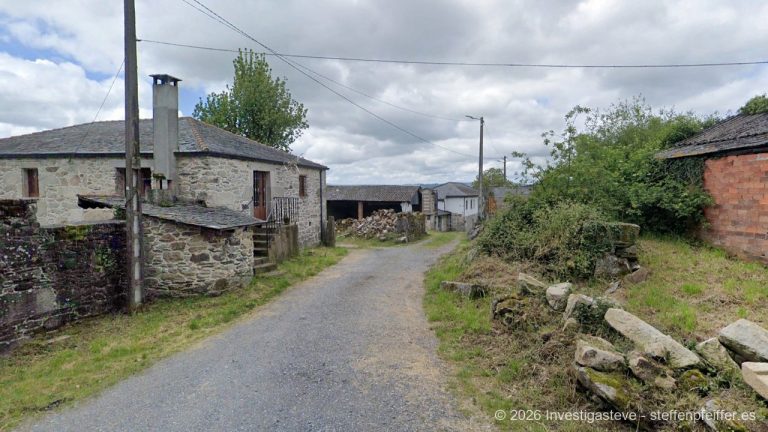
When you leave Sarria and reach the height of Vilei, the acoustics of your journey change. The bustling activity of the town is replaced by a multilingual murmur. You hear the rhythmic clicking of hundreds of hiking poles on the asphalt, a sound that acts like a mechanical timekeeper for this day. But soon, the hard ground gives way to a soft earth path lined with ancient stone walls. Arriving in Barbadelo, you feel the historical weight of the Romanesque church. The air here smells of incense, damp stone, and the first hay of the day. When you run your hand over the rough granite blocks of the church, you feel the coolness of the centuries stored in this structure. Psychologically, this is a place of reflection; you realize that despite the many people, the path has not lost its spiritual depth as long as you are willing to seek it.
The path leads you further through deep oak forests, the so-called “Corredoiras.” Here, the canopy closes above you like a green cathedral. The light falls only in narrow, golden lances through the branches, creating a play of light and shadow on the damp ground. You hear the rustling of leaves in the wind, a deep, calming roar that momentarily swallows the voices of the other pilgrims. The smell here is heavier, earthier – it smells of fern, moss-covered bark, and the typical aroma of Galician cattle standing behind the stone walls on the pastures. You feel the moisture of the air on your skin, settling like a cool film on your face. It is a haptic immersion in a landscape that has been tended in this way for generations, a testament to the deep connection of the people with their land.
One of the most emotional moments of the day is reaching the 100-kilometer stone in the area of Peruscallo. Visually, it is unassuming, often covered with small stones, photos, or shells, but its psychological effect is immense. You involuntarily stop, feel the smoothness of the stone beneath your fingers, and realize: it has become double digits. The clicking of countless smartphone cameras forms the modern soundtrack of pilgrimage here. In this moment, pride and wistfulness mix. You smell the scent of sunscreen and fresh sweat, the typical aromas of the “Tourigrinos,” who often take their first big break here. For you, this place is a reminder of the distance you have already overcome, a historical causality of your own endurance that has led you to this point.
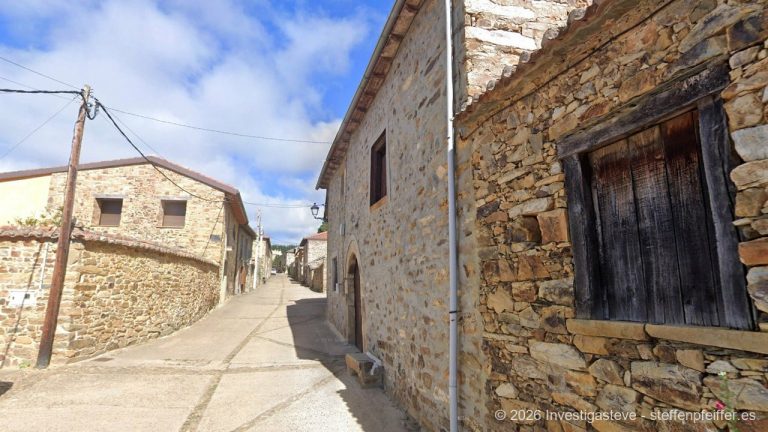
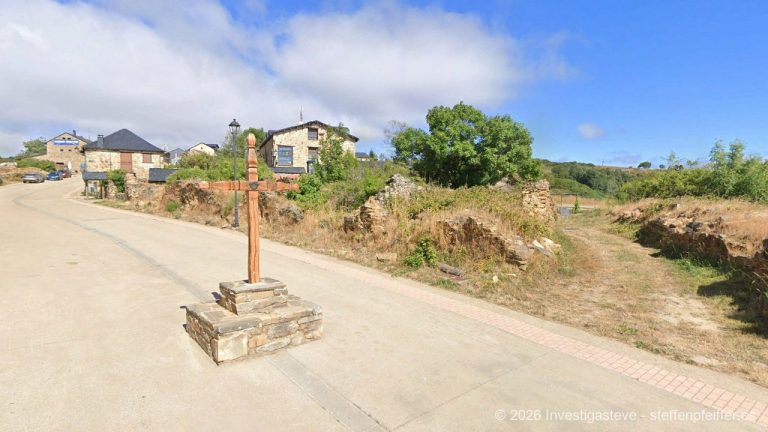
Behind Ferreiros, the terrain opens up. You traverse small hamlets where time seems to stand still. The ground beneath your feet here is often asphalted, reflecting the warmth of the midday sun. You feel the heat on your calves and the sweat running down your spine under your backpack. Yet the visual compensation is great: the gaze sweeps over the wide valley of the Miño. You hear the distant hum of a tractor and the clucking of chickens from the backyards. The smell changes again – now the aroma of freshly grilled meat wafts from the small inns along the wayside. It is an earthy, honest scent that whets the appetite and reminds you that Galicia is also a land of enjoyment. The psychological burden of the crowds recedes here, replaced by the sheer joy of movement and landscape.
The descent to Vilachá is a technical challenge. The path is steep and crossed by deep ruts channeling rainwater into the Miño. You must place every step consciously, feel the vibration in your knees and the tension in your tendons. You hear the scraping of your soles on the slate rock, a dry, hard sound. But then, suddenly, the forest opens up and you see it: the Belesar reservoir. A vast, blue-green ribbon cutting deep into the valley. The air down here is warmer, more humid, saturated with the smell of algae and wet mud. In Vilachá, you pass old wine cellars, whose dark openings look like eyes in the earth. You feel the change in energy; the destination of the stage is within reach.
The crossing of the bridge of Portomarín is an experience of almost biblical dimension. You leave the green bank and step onto the long, modern structure spanning high above the water. You hear the rushing of the wind whistling unhindered through the valley and the distant splashing of waves against the bridge piers. The vibration of the bridge under the feet of the many pilgrims is haptically perceptible, a restless trembling reflecting the dynamics of this place. In the depths, you sometimes see the remains of the old bridge and the walls of the sunken Portomarín – visual ghosts of a past that did not survive the construction of the reservoir in the 1960s. Psychologically, this is a moment of transition; you leave nature and enter a town that was moved stone by stone onto the hill to escape the flood.
When you reach the end of the bridge, you stand before the monumental staircase. It is about 40 steps of light stone, leading steeply upwards. You feel the burning in your thighs with every step, a final physical tribute to this day. Arriving at the top, you stop and breathe deeply. The air up here is fresher, freer. You hear the bustling activity in the streets of Portomarín, the laughter of people in the street cafés, and the ringing of the bells of San Nicolás. The smell of fried Pimientos de Padrón and Galician stew fills the scene. You have conquered the Miño, conquered the stairs, and now stand in the heart of a town that has risen like a phoenix from the water. It is a feeling of victory, an emotional metamorphosis from exhaustion to euphoria.
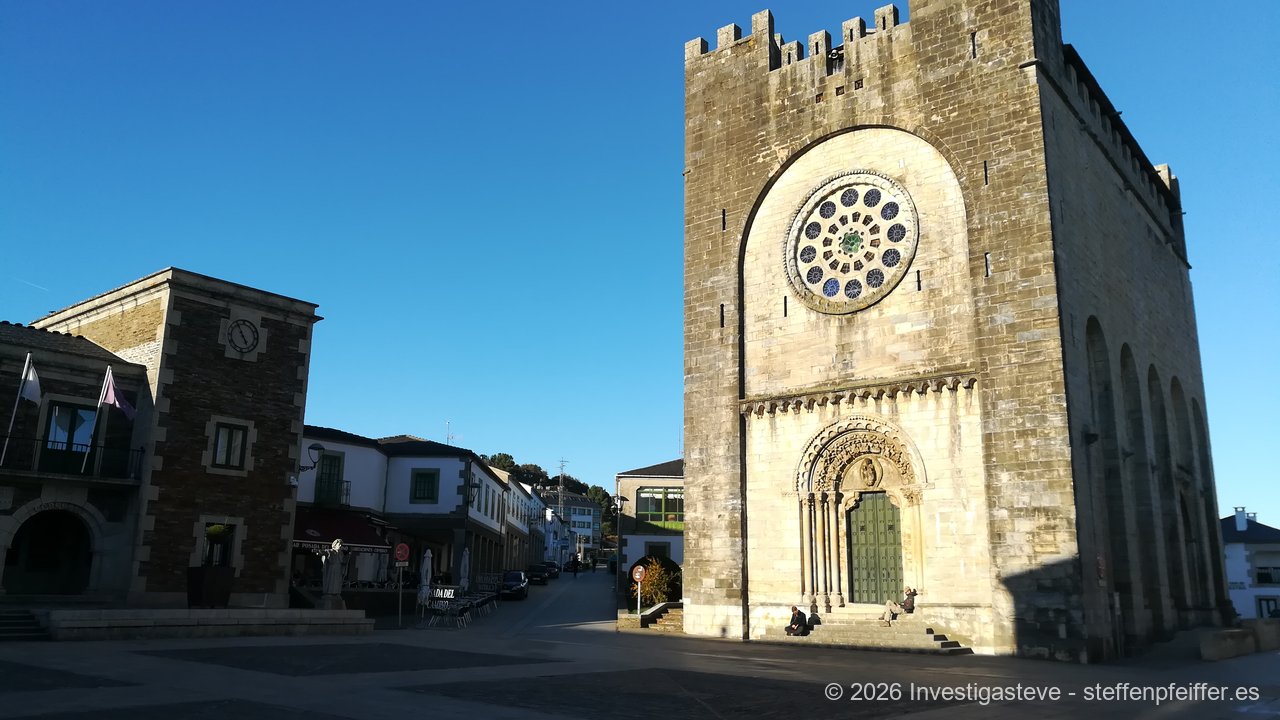
The path to the central square leads you directly to the fortified church of San Nicolás (formerly San Juan). This massive structure of dark granite looks more like a fortress than a house of worship. You step into the shade of the arcades, feel the pleasant coolness on your skin. You hear the echo of your steps on the pavement, a hollow, dark sound emphasizing the massiveness of the walls. If you look closely, you discover small red numbers on the stones – markings of the architects who numbered every piece to be able to rebuild the church exactly on top of the hill. This historical causality is fascinating; you realize that Portomarín is a place of survival and will. The historical dimension of your own path connects here with the history of a town that refused to sink.
In the alleys of Portomarín, the sounds of modernity mix with tradition. You hear the clatter of dishes from the kitchens and the polyphonic murmur of pilgrims now seeking their places in the hostels. The smell of damp laundry hung out to dry wafts through the side streets – a typical aroma of everyday Camino life. You feel the rough texture of the granite facades when you lean against a wall to set down your backpack. This feeling of liberation, when the load slides from your shoulders, is one of the most intense moments of the day. Your body suddenly feels light, almost fleeting. You have arrived, not only at a place, but in a community that will gather tonight in the bars and restaurants of the town to share the experiences of these 22 kilometers.
The evening reflection often takes place on one of the terraces overlooking the reservoir. You sit there, feel the warmth of the fading day on your face, and watch the shadows creep over the valley. The acoustic backdrop has now become quieter; the rushing of the Miño can still be heard in the distance. You smell the sweetish scent of the “Tarta de Santiago,” often served here as dessert. Psychologically, you look back on a day that surprised you with its vitality and its multitude of people. You realize that the “Tourigrinos” are a part of the modern Camino, just like the lonely forests of the previous weeks. In your mind, the images of the Corredoiras, the 100-kilometer stone, and the bridge merge into a mosaic of endurance. You are ready for what is to come, carried by the strength of this place that has reinvented itself time and again.
The night in Portomarín is characterized by a deep silence, only occasionally interrupted by the distant call of an owl or the soft creaking of the roof truss in the hostel. You lie in bed, feel the slight throbbing in your legs, a haptic echo of the kilometers. The smell of clean sheets and the cool night air entering through the open window soothe your senses. Psychologically, you have crossed an important threshold today. The 100 kilometers are no longer a threat but a promise. The historical causality of your path has led you to this point, where water and stone have formed a new unity. You close your eyes and know: tomorrow you will continue, deeper into the green heart of Galicia, while Portomarín silently watches over the Miño.
Dining, accommodation & supplies
The supply situation on this stage can be described as excellent, which is almost a paradox given the rural surroundings. Due to the high pilgrim frequency, there are small bars and rest stations in almost every hamlet (Vilei, Barbadelo, Peruscallo, Morgade, Ferreiros). It is almost impossible to walk longer than 45 minutes without the opportunity for refreshment. Especially in Morgade and Mercadoiro, cozy terraces invite you to rest, with Galician cheese (Tetilla) and fresh bread being the classic energy suppliers. In Portomarín itself, the infrastructure is completely geared towards tourism and pilgrimage; supermarkets, pharmacies, and numerous restaurants offer everything the heart desires.
The accommodation situation in Portomarín is characterized by a large selection of private and municipal hostels, as well as guesthouses and hotels. The municipal hostel is often the first to fill up, but private alternatives like the Albergue Ferramenteiro offer modern standards and often an impressive view of the reservoir. Since Portomarín is the classic end point of the first stage from Sarria, it is advisable to be there early in high season or to book in advance. The town is designed so that almost all accommodations are centrally located and the main sights can be comfortably reached on foot.
Gastronomy: In Portomarín, you should definitely try the “Eel” (Aal), a local specialty, or the famous “Tarta de Portomarín.” The bars on the main square also offer excellent tapas.
Accommodation: The Albergue Ultreia is a private classic, while the Hotel Pousada de Portomarín offers upscale comfort for those who want to reward themselves after the stair climb.
Public facilities: The town hall and tourist office are located directly on the main square. ATMs and medical care are easily found in the town center.
The special thing today
The outstanding feature of this day is undoubtedly the 100-kilometer stone. Even though there are several markings along the Way claiming to be the exact 100-km boundary, the spiritual effect remains unbroken. It marks the limit from which one can acquire the “Compostela” (the official certificate) on foot. For many pilgrims, this stone is a place of prayer, tears, or euphoric joy. One often sees scenes of deep human connection here, when strangers spontaneously embrace upon reaching this milestone. It is the haptic symbol that the impossible has become possible – the goal of Santiago is now reachable in a few days.
Another special element is the story of the relocation of Portomarín. It is fascinating and at the same time disheartening to imagine how an entire town had to yield to progress (the construction of the Belesar reservoir). The fact that the most important buildings, like the church of San Nicolás, were dismantled stone by stone and rebuilt on top of the hill testifies to an enormous cultural self-confidence. As a pilgrim, you walk today through a town that is an artificial, planned replica of itself. In dry summer months, you can see the ruins of the old town rising like ghosts from the water – a visual memento mori, reminding of the transience of home and the inexorability of change.
Finally, the fortified church of San Nicolás deserves mention. Its architecture is unique on the Camino Francés. Built by the Order of the Knights of St. John, it served not only worship but also the defense of the strategically important Miño bridge. The massive walls, the battlements, and the windowless construction in the lower area convey an atmosphere of security and strength. Here, you feel the historical causality of pilgrimage: the Way was once dangerous, and places like this offered physical protection against bandits and invaders. The church is today the emotional heart of the new Portomarín and a place where the martial and peaceful histories of the Camino meet in a very small space.
Reflection at the end of the stage
When you stand on the shore of the reservoir in the evening and watch the sun disappear behind the Galician hills, a deep melancholy sets in. You have crossed the threshold of 100 kilometers today, and the reflection of this day shows you how far you have already come. The Camino has shown itself today from its most lively, loudest side, and yet you found the silence you need in the Corredoiras. You realize that the presence of so many people does not diminish your own journey but places it in a larger, human context. Every pilgrim on this path carries their own burden, just like you.
You feel that Portomarín, with its history of resurrection, is a perfect symbol for your own process. Perhaps you too have been “worn down” a little on this path and reassembled elsewhere. The exhaustion in your limbs is honest and deserved, and the feeling of triumph at the top of the stairs was real. In the silence of the night, when the moonlight glitters on the surface of the Miño, you know: you are ready for the green heart of Galicia. The stars of the Camino light your way, and Portomarín was the anchor today that strengthened you for the final sprint.
Camino of the Stars
This stage lies on the Camino Francés, on the stage from Sarria to Portomarín. The sequence of places is:
| Stage | Start | Destination | Distance (km) | Elevation gain | Difficulty | Intermediate places |
|---|---|---|---|---|---|---|
| 28 | Sarria | Portomarín | 22.2 | ↑ 420 / ↓ 450 | moderate | Vilei → Barbadelo → Rente → Peruscallo (100km) → Ferreiros → Mercadoiro → Vilachá |
Did you feel the moment at the 100-kilometer stone? Was it a moment of relief for you, or did you miss the solitude of the Meseta? Share your story of entering the “Zone of the Compostela” with us – your experiences are the stars that make this Way so unique.
About the Author

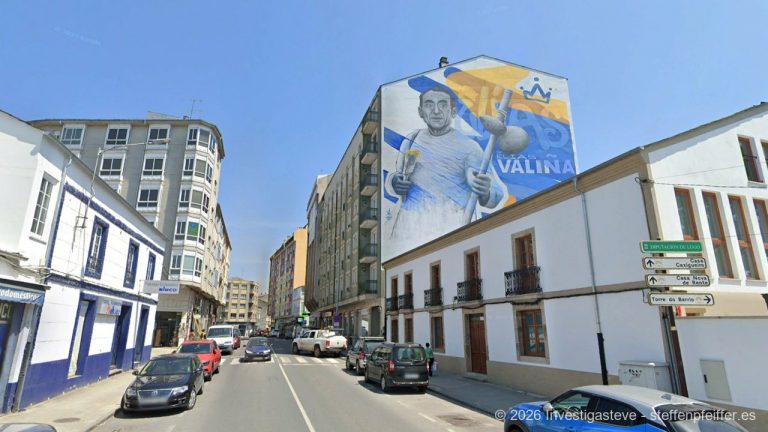
Sarria – The Pulsating Gateway to the Fulfilment of the Camino de Santiago
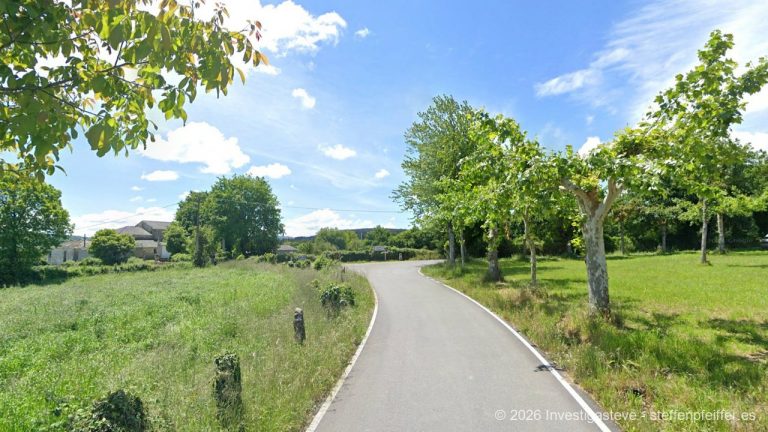
Barbadelo – The Stone Memory of the Monastery by the Wayside
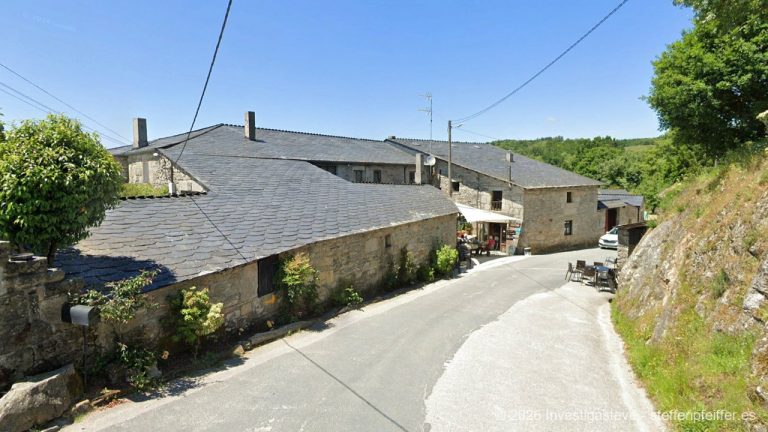
Morgade – The Stone Gateway to Rural Bliss
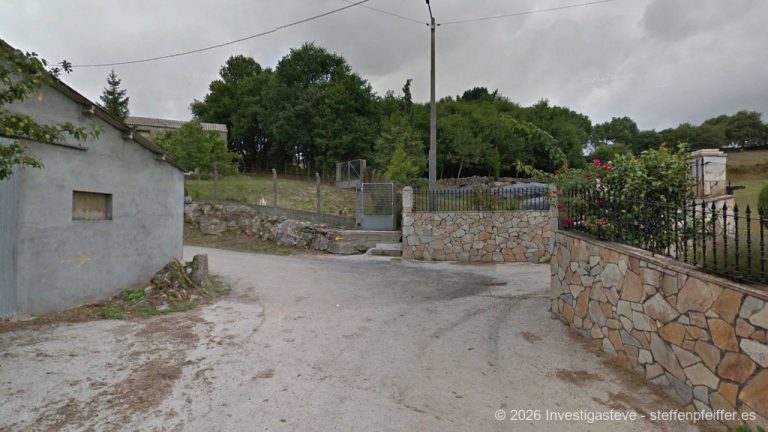
Ferreiros – The Hammering Heart at the Threshold of One Hundred Kilometres
A Pena – The Stone Echo on the Roof of the Ribeira Sacra