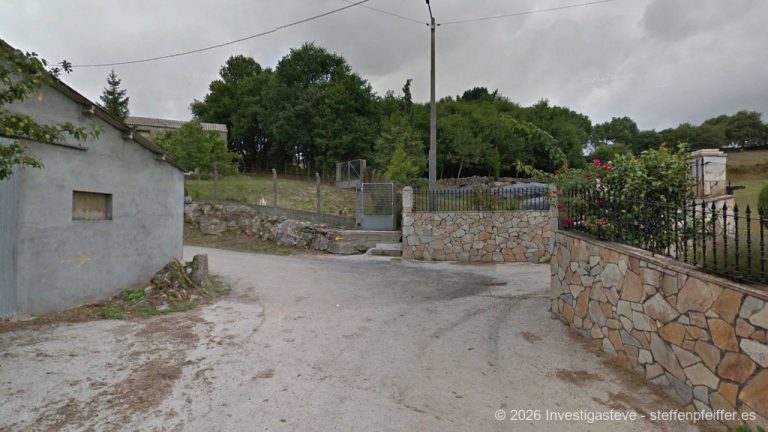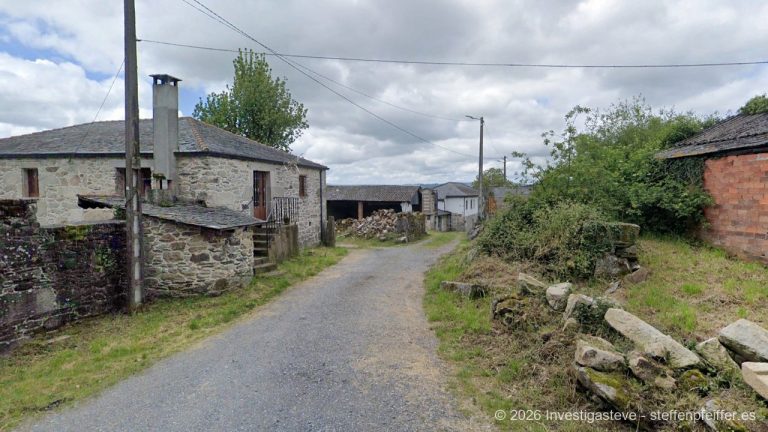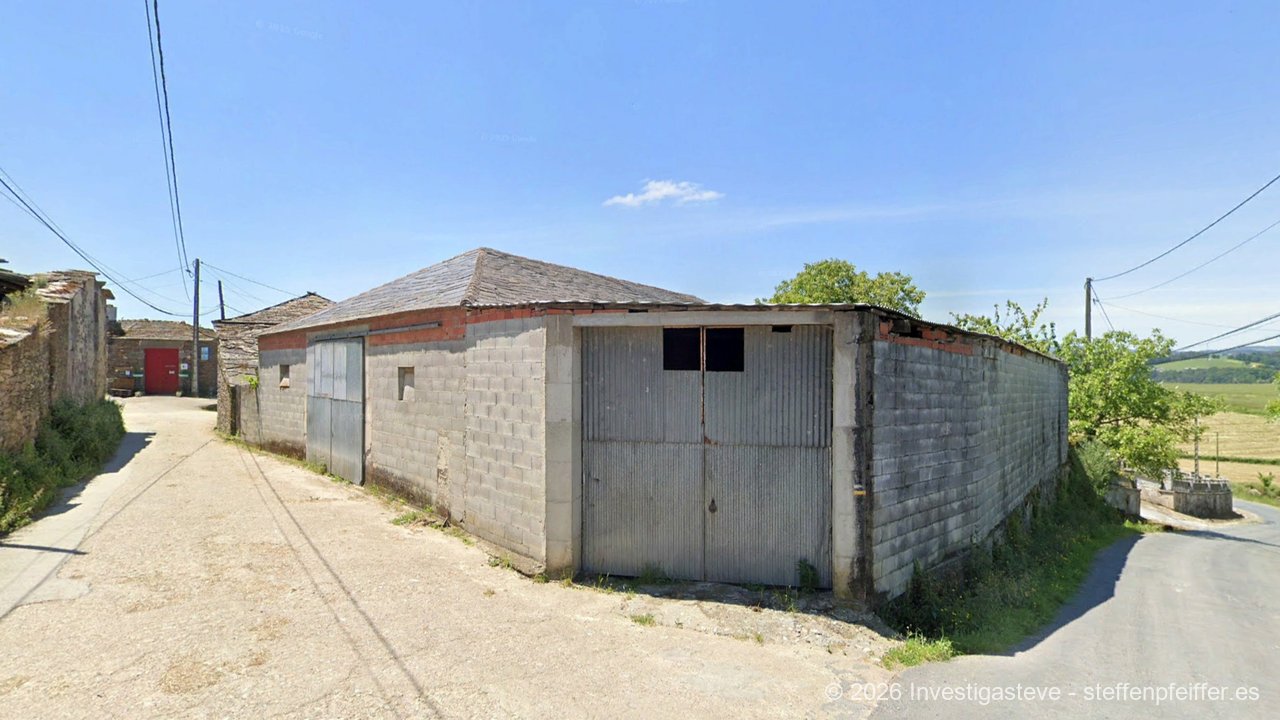
First Glance – Introduction & Atmosphere
When you have left the dense, often mist-shrouded oak forests behind Sarria and the gentle ascents near Ferreiros behind you, the path opens to a plateau that allows the mind to come to rest in a very unique way. Vilachá is not a place of monumental cathedrals or noisy pilgrim markets; it is a hamlet of pause, a stone still life that defiantly watches over the deeply incised valley of the Miño. As soon as you enter the small settlement, you feel a change in the atmosphere. The air up here at about 400 metres above sea level is clear and carries the tart, spicy scent of wild broom and damp fern, mingled with the note of old granite and the distant smoke of a fireplace. It is an olfactory welcome that instantly decelerates you. You hear the rhythmic click of your pilgrim staff on the uneven stone slabs, a sound that finds a deep echo in the silence of the hamlet, only occasionally interrupted by the distant, melancholic ringing of cowbells on the surrounding pastures.
The atmosphere in Vilachá is characterised by an archaic sense of security. While the wind gently brushes through the crowns of the chestnut trees, weaving an acoustic panorama of soft rustling and the occasional chirping of swallows, you feel as if in a time capsule. The visual experience is dominated by the harmony between the grey weight of Galician granite and the almost unnaturally bright green of the surrounding meadows. Psychologically, arriving here marks the moment of the first great promise of the day: deep below you, the blue ribbon of the Miño reservoir glitters, and you know that Portomarín is only a steep descent away. In Vilachá, you are no longer just a walker covering a distance; you become part of a centuries-old chain of seekers who have found a moment of reflection in the simple beauty of this place before plunging into the bustling life on the riverbank. Here you smell the freedom of the wide horizon and feel the coolness of the old walls that have defied the storms of Galicia for generations.
What This Place Tells
Vilachá, also often called Vilachá de Mera, is a silent chronicler of medieval pilgrim glory and the deep rooting of the Christian faith in the province of Lugo. The historical causality of its significance lies in the immediate neighbourhood of the legendary monastery of San Salvador de Loio. Only a few kilometres from here, the foundation for the powerful Order of Santiago was laid in the 12th century – those knights who made it their mission to protect the pilgrim routes. Even if only ruins and a simple chapel remain of the monastery today, the spirit of this knightly hospitalitas still resonates in the massive walls of Vilachá. The village itself functioned for centuries as an agricultural supply centre for the monasteries and the passing walkers. The architecture of the houses tells stories of hard work and a symbiosis between man and soil that does without modern pomp.
The heart of the narrative is the simple chapel of Vilachá, dedicated to Saint James. Inside, it preserves a silence that is almost physically tangible. The smell of old incense, cold stone, and beeswax forms an olfactory bridge to an era when pilgrimage was an act of absolute trust in divine protection. Historical immersion becomes tangible when you look at the stonemason marks on the ashlars – signatures of nameless craftsmen who etched their faith into the hard granite with their chisels. Vilachá also tells of the dramatic caesura of the 1960s, when the construction of the Belesar reservoir caused old Portomarín to sink beneath the waters. From up here, the inhabitants watched as their neighbours in the valley had to leave their homes, while Vilachá remained as a firm anchor point on the heights. This psychological level of constancy makes the place a symbol of survival in a radically changing world.
But the hamlet also reports on the ethnographic depth of Galicia. The numerous hórreos – those typical granaries on stone stilts – that characterise the townscape are functional works of rural architecture. They tell of the causality of harvest and provision against the damp winters. Those who walk through the narrow lanes hear the echo of oxcarts and the murmuring of prayers that have determined the rhythm of life here for over 1200 years. Vilachá teaches us that true history does not lie in monumental splendid buildings, but in loyalty to one’s own soil and the uninterrupted tradition of hospitality. When you touch the rough texture of the stone walls, you connect directly with the millions of pilgrims who expressed their gratitude for the path so far exactly at this point, just before the descent to the Miño.
Addresses & tips in Vilachá
Camino Distances
Vilachá lies as the last quiet outpost on the way to Portomarín and marks the beginning of the final descent to the riverbank.
| Previous Town | Distance (km) | Next Town | Distance (km) |
|---|---|---|---|
| Mercadoiro | ca. 0.7 km | Portomarín | ca. 1.8 km |
Sleeping & Arriving
Arriving in Vilachá is a process of conscious deceleration that feels like a well-deserved embrace for many pilgrims. While the mass of walkers have the larger Portomarín in their sights and hurry past, those who decide to spend a night in Vilachá find a quality of rest that has become rare. The selection of accommodation is limited, which preserves the exclusive calm of the place. Outstanding here is the Albergue Los Andantes, a house that breathes the philosophy of the Way. When you step through the portal, an atmosphere of warm simplicity welcomes you. You put down your heavy backpack and feel the weight of the kilometres fall from your shoulders, while the warm light of the Galician evening sun falls through the windows onto the massive wooden floorboards.
The rooms in the accommodations of Vilachá are places of acoustic purity. The absence of street noise or urban hustle means you perceive sounds at night that you have long forgotten in everyday life: the distant rustling of the wind in the pine forests, the rhythmic chirping of crickets, and your own calm breathing. This auditory isolation is an essential part of psychological regeneration. Those who stay here consciously choose the quality of being. It is a sensory experience to snuggle into the clean sheets while outside the mist creeps over the Miño reservoir, enveloping the world in a soft white. Sleeping in Vilachá means diving deep into the soul of the region and gathering strength for the coming stages in the province of Lugo.
The sanitary facilities in the private hostels are modern and offer that warmth that is indispensable after a day in the changeable Galician weather. The feeling of hot water on tense muscles becomes a ritual act of purification here. Particularly appreciated in Vilachá is the social component: as the place is small, pilgrims find each other much more quickly in the communal kitchens or on the small terraces. Stories are shared, blisters and plans for the next morning are compared, while the scent of freshly brewed tea or coffee wafts through the house. It is this intimate community of seekers that makes Vilachá one of the most authentic overnight stops on the entire Camino Francés.
For pilgrims seeking a more spiritual hostel experience, the simplicity of the surroundings offers the ideal framework. Arriving in Vilachá means taking a step back to a time when hospitality was still a sacred promise. When night falls over the hamlet and only the light of the stars shines over the Miño Valley, you feel a psychological metamorphosis – away from the performance thinking of the long kilometres, towards the conscious experience of the present. Those who come to rest here wake up the next morning with a clarity that will carry them lightly over the bridge of Portomarín. Vilachá gives you the time you need to find your inner balance again before civilisation catches up with you.
Eating & Drinking
The culinary world of Vilachá is small, but of an honest intensity deeply rooted in the Galician soil. In the kitchens of the hostels and the small local food points, eating is celebrated as an act of care. The smell that wafts through the lanes in the late afternoon is an olfactory promise of satiety and warmth: it smells intensely of Caldo Gallego, that hearty soup of cabbage, potatoes, and white beans, refined with a piece of bacon. Each spoonful of this honest food brings the power of the Galician soil directly into your system and immediately revives the spirits. It is a culinary causality that needs no frills to unfold its regenerative effect.
Particularly appreciated in Vilachá is the homemade country bread, whose crust is so crispy that it gives a loud, auditory signal of freshness when broken. Combined with the mild, buttery taste of the regional cheese, Arzúa-Ulloa, a sensory feast of rare purity is created. To drink, there is often the local country wine, served in the typical white ceramic bowls, the cuncas. The coolness of the ceramic in your hands and the earthy, honest taste of the wine form the perfect end to a strenuous day of walking. Eating in Vilachá means literally absorbing the quality of the region. It is a lesson in frugality that shows that true luxury on the Camino lies in the quality of the basic products and the love of preparation.
Those who are lucky enough to take part in a communal dinner in one of the hostels experience the social depth of Galician gastronomy. In the family atmosphere of the small dining rooms, the languages of the world mix with the clatter of cutlery and the scent of freshly roasted meat or vegetables. The taste of homemade desserts, such as a piece of Tarta de Santiago or a simple flan, rounds off the culinary experience. You taste the herbs of the meadows and the purity of the water in every bite. This honest food is the best foundation for the upcoming descent and the subsequent ascent on the other side of the river. Those who dine in Vilachá take a piece of Galician joy of life with them on their onward path.
Supplies & Logistics
Logistically, Vilachá acts as an oasis of reduction and as a strategic safety valve shortly before Portomarín. Those who come here must be aware that this hamlet is not a shopping centre in the modern sense; rather, it offers concentration on the essentials at a geographically important point.
Shopping: There are no large supermarkets or shops in Vilachá. The supply of small snacks or drinks is exclusively through the points of sale within the hostels. Pilgrims should have already replenished their main supplies in Sarria or wait for Portomarín, about 1.5 km away.
Gastronomy: Catering is excellently covered by the offering of the Albergue Los Andantes and local bar services. Here you find hot meals, breakfast, and provisions tailored specifically to the rhythm and needs of long-distance walkers.
Sleeping: With the private hostel, a high-quality overnight accommodation is available. Due to the limited bed capacity compared to the flow of pilgrims, advance reservation is strongly recommended for psychological planning security.
Public Facilities: There are no medical facilities, banks, or post offices in Vilachá. All formal administrative and health infrastructure must be used in nearby Portomarín, which is unproblematic due to the short distance.
Safety in Vilachá is exceptionally high due to the manageability and social control of the small community. You immediately feel part of a small, protected world. Acoustically, the place remains an oasis as long as you stay away from the immediate vicinity of the country road. Logistically, the hamlet acts as a “check-in of the soul” – here you do not check your luggage weight, but your mental state for the coming descent to the Miño. Vilachá proves that good pilgrim logistics sometimes consist of needing nothing but what you carry in your own heart. The efficiency of the on-site supply ensures that you can concentrate entirely on the spiritual preparation for the next stage.
Don’t Miss
- The view of the Belesar reservoir: Stop at the western edge of the village and enjoy the visual panorama over the deep Miño Valley – one of the most spectacular views of the stage.
- The hórreos of Vilachá: Examine these masterpieces of rural architecture up close; they are testimonies of centuries of agricultural wisdom.
- The chapel of Vilachá: Visit the small sacred building and feel the silence between the ancient granite walls – a place of deep spiritual immersion.
- The detour to San Salvador de Loio: If you have time, walk to the ruins of the cradle of the Order of Santiago and breathe the history of the knight monks.
- The stone walls of the hamlet: Touch the rough stones of the ancient dry stone walls that line the fields around the village – a tactile contact with the hard work of past generations.
Insider Tips & Hidden Places
Away from the marked pilgrim path, just a few steps behind the last hórreo of the hamlet, a narrow, almost invisible path leads to a small stone wall that borders a forgotten meadow. When you stand there and lower your gaze towards the Miño Valley, you discover the shadows of the old, sunken bridge of Portomarín when the water level is low. It is a moment of deep melancholy and historical fascination. While most walkers only hurry downhill, this hidden viewpoint offers a perspective on the “Galician Atlantis” that no tourist photo ever captures. The acoustic isolation at this point, where only the distant rushing of the water and the whisper of the wind can be heard, makes it a perfect place for a private reflection on what we leave behind on our path.
Another hidden treasure is the small, mossy stream below the village, which can only be reached via a steep footpath through the fern bushes. Here the water emerges crystal clear from the slate rock and forms tiny cascades. The air is noticeably cooler here and smells intensely of water mint and damp alder. It is a place of ritual purification, such as pilgrims of the Middle Ages might have used to wash the dust of the stage from their skin. The acoustic splashing acts like a natural sedative for the nervous system after the day’s exertion. In this corner of Vilachá, you feel the “true” Galicia – untouched, wild, and of an archaic beauty that only reveals itself to the seeker.
Did you know that there is an old stone near the chapel into which tiny crosses are carved, almost completely covered by lichen? These “petroglyphs of faith” are not official monuments, but personal testimonies of hope from pilgrims of past centuries. When you run your fingertips over these cool, rough notches, you touch the individual history of a person who stood at this very spot three hundred years ago. This form of silent communication across time makes the psychological depth of the Camino truly tangible. It is a space without distraction where the history of Galicia whispers in every crack of the granite.
Finally, it is worth directing your gaze at dusk to the silhouettes of the old stone ovens that can still be discovered in some of the backyards. When the last daylight disappears behind the hills of Paradela, these soot-blackened structures appear as archaic guardians of domestic community. The smell of damp stone and the cool breeze whistling through the lanes create an atmosphere of timeless constancy. Those who lose themselves in these moments in Vilachá often find a part of themselves that they had forgotten in the hustle of everyday life. The hamlet offers the rare opportunity to integrate your own journey once more in absolute silence just before reaching the major stage destination of Portomarín.
Moment of Reflection
In Vilachá, you stand at a threshold of transition. The view down into the deep valley of the Miño confronts you with your own change: you have overcome hundreds of kilometres to stand exactly at this point. The psychological metamorphosis that takes place in this hamlet is the change from physical exertion to mental spaciousness. Vilachá challenges you to pause before you undertake the final descent of the day. It is a filter for your thoughts. In the silence of the granite walls, your worries become small, and your true goals emerge more clearly. In this moment of calm, ask yourself: “What from my previous life do I leave behind here on this plateau before I cross the bridge into the new Portomarín?”
The historical causality of your being here connects you with the knight monks of Loio and the millions of pilgrims for whom this place has been a spiritual anchor for 1200 years. Do you feel the responsibility to carry forward this heritage of respect for the earth? In Vilachá, you become aware that the Camino is not a race against time, but a sequence of moments of presence. The coolness of the rough stone under your hands reminds you of your own resilience. Use this moment of reflection to recalibrate your inner compass. When you leave Vilachá tomorrow, take a piece of the stone calm and constancy of this place with you. It will be your anchor when the hustle of Santiago finally reaches you. Here, above the sunken valley, you have found the strength to continue your journey with a new, clear sovereignty.
Camino of the Stars
This place lies on the Camino Francés, on the stage from Sarria to Portomarín. The sequence of places is:
Sarria → Barbadelo → Rente → Mercado da Serra → A Brea → Morgade → Ferreiros → Mirallos → A Pena → Mercadoiro → Vilachá → Portomarín
Did you also enjoy that breathtaking first view of the Miño reservoir from the heights of Vilachá, or feel the deep silence of the Galician night at the Albergue Los Andantes? Perhaps you have found your own secret corner by the old hórreos or at the chapel of Saint James? Share your personal impressions, your photos of the Miño panorama, or your thoughts on the knightly history of the Ulloa region with us. Every story enriches the magic of this small hamlet on the Camino and inspires other pilgrims to see more than just a short stop in Vilachá – we look forward to your tale!
About the Author