A First Glance – Introduction & Atmosphere
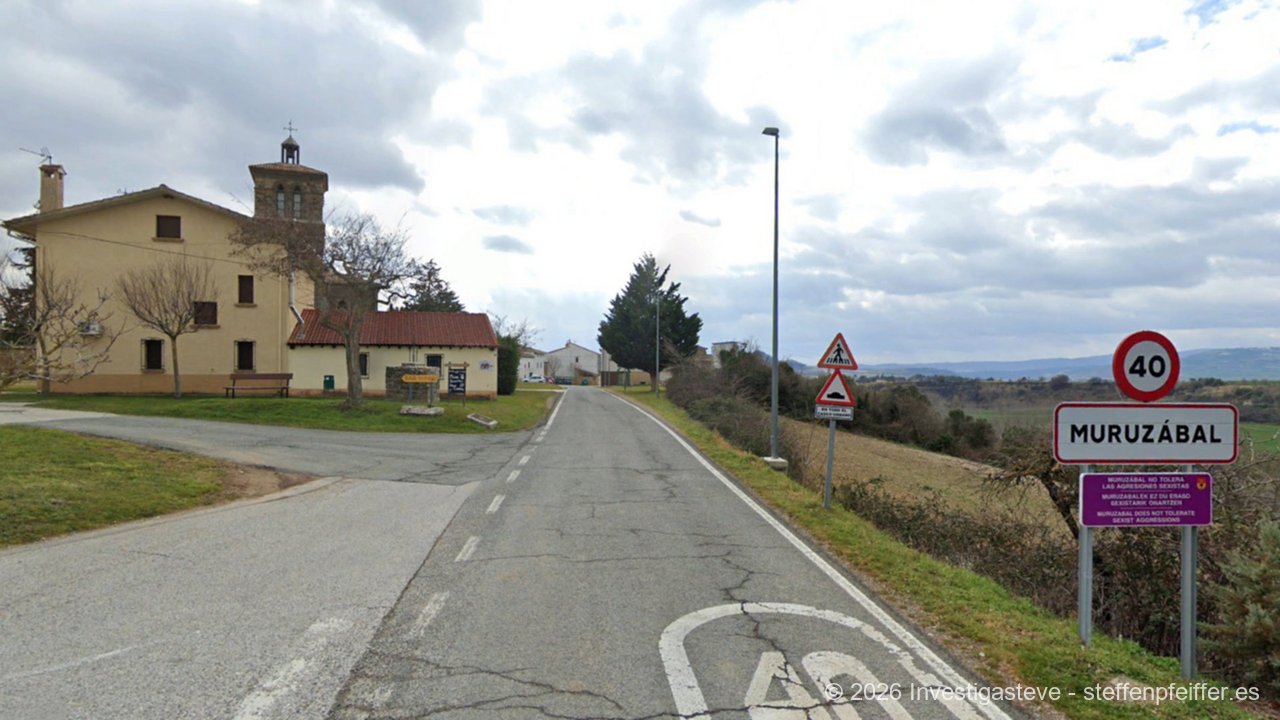
When you have left behind the dusty descent from the Alto del Perdón, that wind-swept height where the iron pilgrim figures gaze silently into the horizon, the world around you changes in a subtle but profound way. The rugged wildness of the Sierra gives way to the gentle, almost maternal embrace of the Valle de Izarbe. Amidst this undulating landscape of grain fields and aspiring vines lies Muruzábal, a place that appears like a sleeping guardian of bright limestone. Even from afar, you perceive the shimmering light breaking on the red tiled roofs, while the deep green of the surrounding gardens forms a vivid contrast to the ochre of the Navarrese earth.
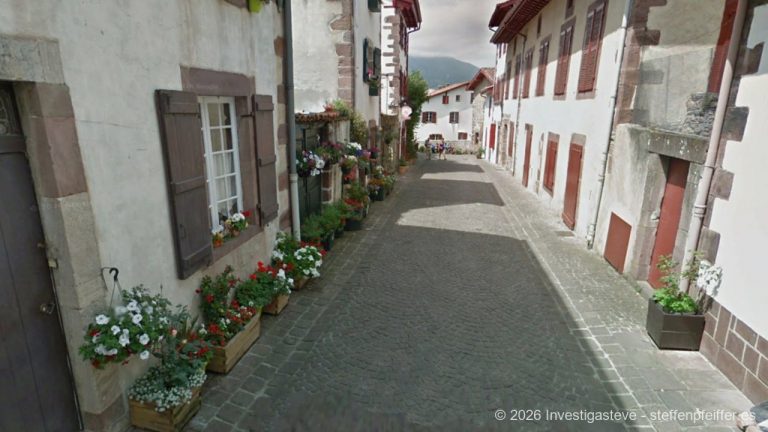
The moment you reach the first houses of Muruzábal is marked by an auditory caesura. The whistling of the wind that accompanied you on the pass falls silent and makes way for a village silence so dense it is almost palpable. You hear the distant rhythmic clicking of shears with which a winegrower trims his vines, and the muted murmuring of pilgrims orienting themselves in the narrow alleys. It smells here of dry earth, of the pungent aroma of rosemary thriving in the crevices of the walls, and – if you are lucky – of the sweetish scent of freshly baked anise bread baking in one of the old stone ovens.
Tactilely, entering Muruzábal is an experience of permanence. The walls of the houses, often metres thick and built of massive stone blocks, radiate a coolness that acts like a remedy after the blazing sunlight of the descent. When you place your hand on the rough stone, you feel the sun’s warmth of the past hours stored in the material, and the fine cracks telling of centuries. Psychologically, Muruzábal is a place of gathering. You have mastered the first major challenge after Pamplona and now find yourself in a transition zone where the pace of the Way slows down and the senses open to the mystical secrets this valley holds. Here begins the anticipation of the near, the hidden, that has made this place famous far beyond its geographical borders.
What This Place Tells
Muruzábal is more than just a name on a map; it is a living chapter in the history of the Valle de Izarbe, the “Valley of the Stars”. The historical causality of this place is inseparable from its location at one of the most significant crossroads of the Middle Ages. As early as the 12th century, this village was an important junction for those walkers who did not choose the direct route to Puente la Reina, but followed the call of the mysterious. The architecture of the place testifies to a former prosperity secured by the protection of the Navarrese crown and the presence of powerful families such as the Muruzábal de Andosilla. Their coats of arms, deeply carved into the stone of the portals, still gaze down with proud defiance upon the passing pilgrims.
The heart of the village narrative is the church of San Esteban. In its present form from the 16th century, with remnants from far older epochs, it stands like a stone anchor point in the middle of the village. Standing before the portal, you feel the psychological weight of history: generations of pilgrims have pleaded here for protection for the onward journey. The building tells of the transformation of styles, from Romanesque to Baroque, thus reflecting the metamorphosis of the Camino itself, which never remained static but constantly reinvented itself. The stones whisper of knightly orders, of the Templars who left their traces in the immediate vicinity, and of the deep piety that has shaped the people of this valley for over a thousand years.
A particularly fascinating aspect of Muruzábal’s history is its function as a “harbinger”. It is the place where the decision is made: Do you stay on the main path or dare the detour to the mystical chapel of Santa María de Eunate? This historical choice has lent Muruzábal a special spiritual aura. The place is not a destination in itself, but a space of possibilities. Here, the streams of pilgrims from the north mingled with those coming from the east, creating a melting pot of cultures and dialects. The tactile reality of the old palace houses, such as the Palacio de Muruzábal, shows that this hamlet was once far more than a simple agricultural community – it was a centre of administration and law in the Kingdom of Navarre. Walking through these streets, you recognise in the arrangement of the stones and the narrowness of the alleys a strategic order designed to offer both protection and hospitality.
Addresses & tips in Muruzábal
| Accommodation | 4 |
| Restaurants | 1 |
| Sights | 2 |
| Services | 2 |
Show all 9
Camino Distances
In Muruzábal, you feel the proximity of the great stage destination Puente la Reina. The conditions here are characterised by a gentle rolling out into the valley, with distances short but possessing high intensity due to the cultural density.
Sleeping & Arriving
Arriving in Muruzábal is an experience of deceleration. As soon as you set down your backpack in front of one of the hostels, the tension of the mountain crossing falls away from you. The pilgrim’s psychological metamorphosis takes place here in the moment when boots are exchanged for sandals and the first sip of cool water from the village fountains runs down the throat. A special place of rest is the “Albergue El Jardín de Muruzábal”. As the name suggests, a lush garden greets you here, a tactile balm for tired senses. The feeling of fresh, green grass under bare feet is a sensory luxury that seems almost unreal after the hard, stony paths of the Perdón.
The atmosphere in the accommodations is family-like and down-to-earth. You hear the distant clatter of dishes from the communal kitchen and the soft hiss of showers, an auditory promise of renewal. It smells of freshly mown grass, of damp laundry fluttering in the wind, and of the unmistakable aroma of sunscreen and hiking boots – the typical olfactory signature of a pilgrim hostel. Here, arriving is not a technical process, but a ritual of being received into the village community. The hostel keepers often know every blister and every worry of their guests and offer, with stoic serenity, that psychological support so urgently needed after the exertions of the first days in Navarre.
In the evening hours, Muruzábal transforms into an oasis of contemplation. When the sun sinks behind the hills and the first stars of the Izarbe Valley appear in the sky, pilgrims often sit together on the stone benches in front of the church. The tactile sensation of cold stone on the back and the warmth of the last sun rays on the face create a moment of complete presence. Stories are exchanged, wine and bread are shared, and the feeling of isolation that may have afflicted one on the mountain gives way to a deep connection. Staying overnight in Muruzábal means consciously choosing silence and escaping the bustle of the larger towns like Puente la Reina for a night. It is an arrival at oneself, in a garden that smells of home.
Eating & Drinking
The gastronomy in Muruzábal is an honest declaration of love to the treasures of Navarre. Here you taste the earth, the rain, and the hard work of the farmers. The culinary experience often begins with a simple piece of bread, which here possesses a tactile quality you would seek in vain in big cities: the crust is hard and resistant, the interior soft and permeated by an intense grain aroma. When dipped in the golden-yellow, locally pressed olive oil, the sharpness of the olives combines with the sweetness of the wheat to create a flavour explosion that immediately grounds the pilgrim.
In the small bars like the “Bar El Gato” or directly in the hostels, the famous “Menús del Peregrino” are often served, which in Muruzábal place a special focus on pulses. The smell of cooking lentils with chorizo or a hearty bean stew wafts through the alleys and acts like an invisible bond drawing hungry walkers to the tables. Psychologically, communal eating in Muruzábal is the most important social anchor point of the day. The warmth of the plate in the hands and the strong aroma of garlic and bay leaves enliven the spirits. Served with it is a red wine directly from the surrounding vineyards – a Tempranillo or Garnacha, whose dark ruby colour sparkles in the glass and whose taste of blackberries and earth tells the story of the landscape.
For dessert, the “Cuajada” must not be missed, a sheep’s milk pudding traditionally heated with a hot stone, giving it a subtle smoky note. The cool, creamy texture is a tactile delight that, together with local forest honey and walnuts, forms the perfect conclusion. Eating in Muruzábal means being part of an ecological cycle that has endured for centuries. There is no room for superfluousness here; every ingredient has its purpose, every dish its meaning. When you sit on the square after the meal with a glass of Pacharán, the typical sloe liqueur of Navarre, you feel the pleasant heaviness of contentment – a state in which the body comes to rest and the soul begins to process the impressions of the day.
Supplies & Logistics
Although Muruzábal is a small village, it offers the pilgrim a functional infrastructure precisely tailored to the needs of those passing through. Logistically, the place is a strategic breathing space before the confluence of the paths in Obanos.
Shopping: There are no large supermarkets, but small village shops offering the necessities for daily needs. Here you can buy fresh fruit, nuts, and water for the next stage. The tactility of the plump tomatoes and the scent of ripe peaches in the baskets are an invitation to healthy fortification.
Gastronomy: Several bars and the restaurants of the hostels provide for catering. Especially at lunchtime, the square in front of the church is a lively meeting point where you can gather new strength with a Café con Leche.
Accommodation: Muruzábal has excellent pilgrim hostels offering both private rooms and dormitories. Capacity is limited, which preserves the family character of the place.
Public Facilities: A small pharmacy is available, essential for treating minor injuries after the descent from the Perdón. A cash machine is located in the village centre, ensuring financial independence for the onward journey.
The logistical causality of Muruzábal lies in its compactness. Everything is within a few minutes’ walk, which supports the regeneration of joints and muscles. You do not have to make long trips for errands here, but can concentrate entirely on resting. The good signage guides the pilgrim safely through the place, whether following the main path or choosing the detour to Eunate. For the modern pilgrim, Muruzábal is proof that less is often more – a lesson in efficiency and modesty deeply rooted in the psychology of the Camino.
Don’t Miss
Take the time to experience Muruzábal beyond merely walking through it. These points are the tactile and visual anchors of your visit:
– Church of San Esteban: Admire the Late Gothic portal and the Baroque altarpiece. The coolness inside and the smell of incense create an atmosphere of sacred silence that lets you forget the outside world for a moment.
– Palacio de Muruzábal: An impressive example of Navarrese civil architecture from the 17th century. The massive stonework and wrought-iron balconies tell of the former pride of the local nobility.
– Detour to Santa María de Eunate: Although technically located 2.5 km away, Muruzábal is the classic starting point for this detour. The church with its octagonal floor plan and mystical open-air colonnade is a spiritual must.
– The noble coats of arms on the façades: Walk with open eyes through the Calle Mayor. Many houses still bear their original family coats of arms, whose finely crafted details you can trace with your fingertips – a direct contact with history.
– The village fountain: A ritual place for every pilgrim. The sound of flowing water and the tactile experience of the ice-cold refreshment on the wrists are a symbol of the purity of the Way.
Insider Tips & Hidden Places
Away from the main street, Muruzábal conceals corners that only the attentive observer discovers. One of these places is the small path leading south behind the palace. Here, far from the pilgrim streams, you look over a wide valley that glows in an almost unnatural green in spring. The auditory experience here is characterised by the distant ringing of sheep bells and the rustling of the wind in the tall grass. It is a place of absolute psychological freedom, where for a moment you feel like the only person on earth. The scent of wild thyme and fennel is so intense here it acts like an invisible hand clearing the mind.
Another insider tip is the visit to the small chapel of San Gil, somewhat hidden on the edge of the district. Its simple masonry and archaic form recall a time when faith was still a tactile necessity of survival. Here you often find small stones left by pilgrims or handwritten notes in the crevices of the walls – emotional testimonies of hope and gratitude. Touching these rough stones connects you directly with the collective soul of the Camino. It is a place that needs no grand words, but convinces through its sheer permanence.
If you explore Muruzábal in the late afternoon, pay attention to the old vegetable gardens, the “Huertas”, on the edge of the village. Here the elders of the village still tend their plants with a devotion that seems almost meditative. The smell of damp earth and the deep green of the tomato plants are an olfactory delight. Sometimes a gardener offers a piece of fruit or a few cherries – a tactile gesture of hospitality that says more about the spirit of Navarre than any guidebook. These hidden encounters are the true treasures of Muruzábal. They transform the place from a mere waypoint into a personal memory stored deep in the heart.
Moment of Reflection
When you sit in the evening on the stone wall opposite the church of San Esteban and watch the last swallows circling over the roofs of Muruzábal, a deeper reflection imposes itself. Muruzábal is the place of choice. Here, not only physical paths cross, but also inner ones. The decision to take the detour to Eunate or choose the direct route to Obanos reflects a fundamental life question: Do I choose efficiency or experience? Do I seek the quick goal or do I engage with the mystery, even if it means extra kilometres?
The psychological metamorphosis of the pilgrim in Muruzábal consists of recognising that the “detour” is often the real path. The historical causality that made Muruzábal this decision point reminds us that we should not be slaves to our odometers. The permanence of the stone houses around you gives you the confidence that every choice you make from the heart will find a firm foundation. In this silence, ask yourself: Where in my life am I rushing past what truly matters, just to arrive faster? Muruzábal teaches you that time is not an enemy to be defeated, but a space to be filled with presence. When you leave the village tomorrow, take not only the dust on your boots, but also the certainty that every step – no matter how small or off the beaten path it seems – is part of a larger, star-strewn plan.
Camino of the Stars
This place lies on the Camino Francés, on the stage from Pamplona to Puente la Reina. The sequence of places is:
Pamplona → Cizur Menor → Zariquiegui → Alto del Perdón → Uterga → Muruzábal → Obanos → Puente la Reina
Did you also experience that moment of pause in Muruzábal when you had to decide between the main path and the mystical detour to Eunate? Perhaps you had a special encounter in the hostel garden or were enchanted by the play of light on the façade of San Esteban? Share your experiences, your photos of the old coats of arms, or your tips for the best stop in the Valley of the Stars with us. Your story enriches the way for all who will come after you!
About the Author