First Glance – Introduction & Atmosphere
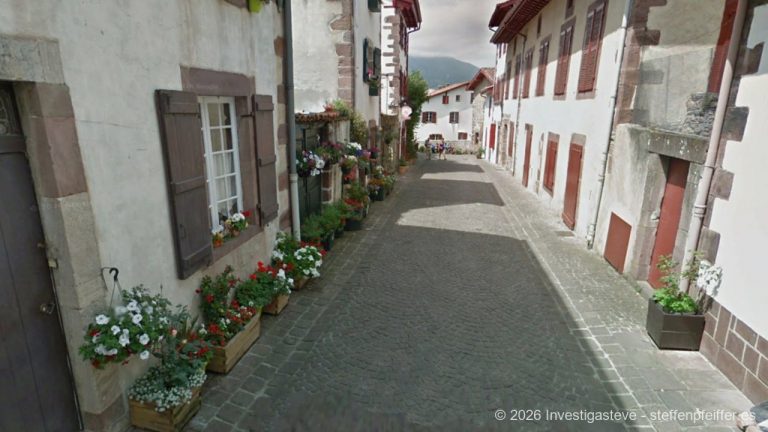
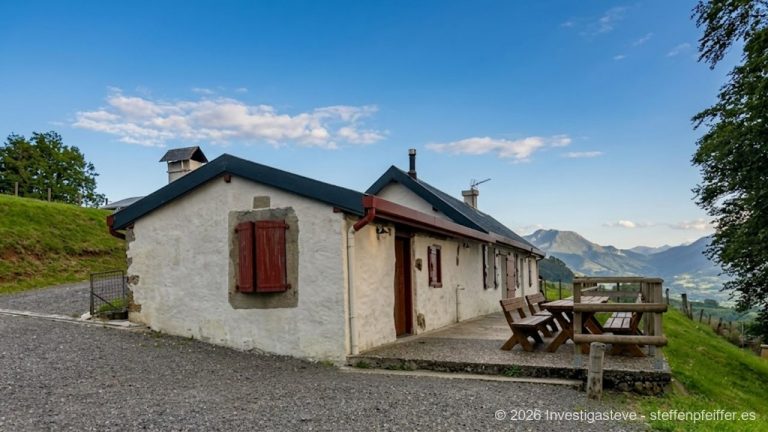
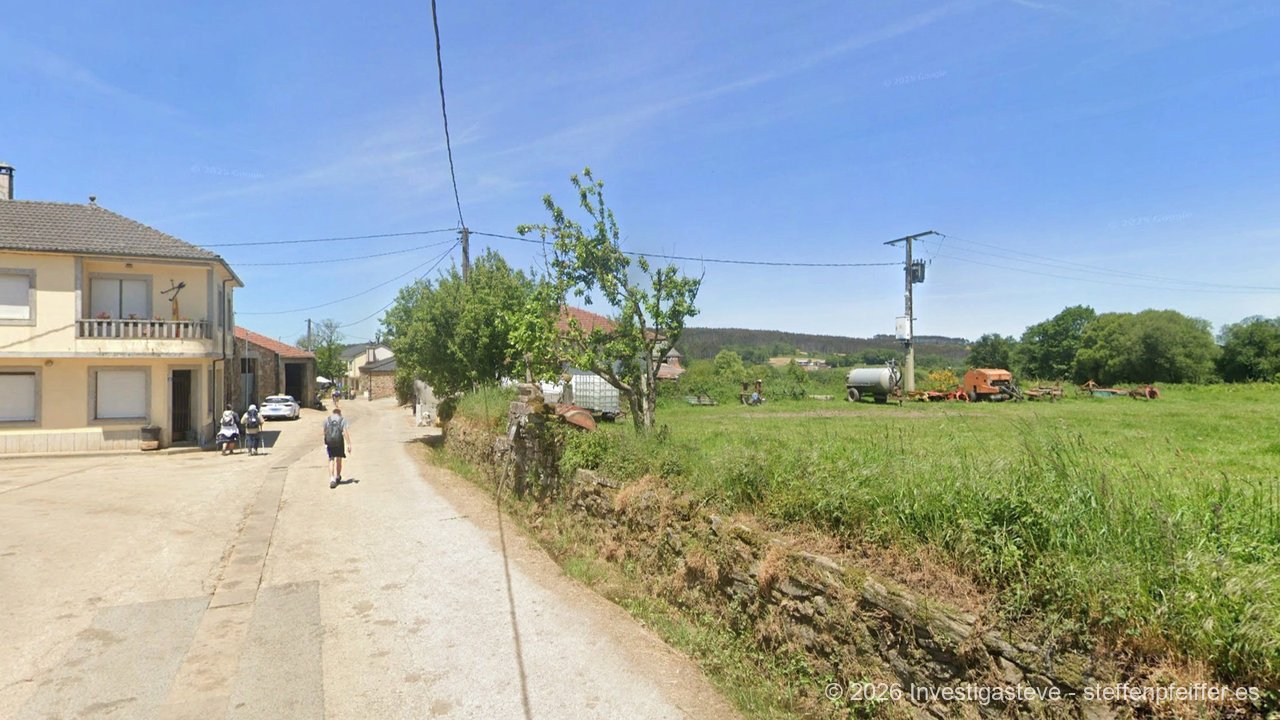
When you have left the gentle heights behind Portomarín and the small village of Airexe behind you, the path opens into a valley that rests like a protective lap between the rugged mountain ranges of the Serra de Ligonde. Here, on a valley floor lined by the spirits of history and the constant rustle of the pine forests, Ligonde welcomes you with an atmosphere that is at once archaic and marked by a deep, spiritual dignity. It is that moment on the 30th stage when the physical exertion of the climb to the highest point of the route gives way to a sudden, almost reverent silence. The air here is often cool and saturated with the Galician orballo, that fine drizzle that settles like a silver veil on the grey granite stones and intensifies the tart, earthy scent of damp humus, ferns, and the resinous aroma of the nearby coniferous forests.
Arriving in Ligonde is a tactile experience of rare intensity. You feel the roughness of the ancient pavement under your soles and the cool moisture of the air on your cheeks, while the rhythmic click of your pilgrim staff creates an echo thrown back by the ancient dry stone walls of the farmsteads. Ligonde consists of two spatially close nuclei – the upper part with its church and the lower part, Lameiros – which together form a harmonious still life. The visual panorama is dominated by the mighty silhouette of the legendary Cruceiro de Lameiros, which stands like a silent guardian by the wayside. Psychologically, this place marks for many pilgrims the transition from mere physical achievement to a deep, inner absorption. It is a place of pause where the noise of the modern world completely fades, making room for the orchestral interplay of nature: the distant ringing of cowbells, the chirping of sparrows in the stone crevices, and the soft whisper of the wind carrying stories from over a thousand years of pilgrim tradition.
What This Place Tells
Ligonde is a stone memory book of the Camino de Santiago, whose first pages were written as early as AD 956. The historical causality of its significance lies in the early realisation of the Galician nobility that protecting pilgrims was an act of highest piety and political wisdom. The donation charter of Count Osorio Vestráriz from the 10th century documents that the goods of this place were expressly intended for the care of the poor and pilgrims. As early as the 12th century, this tradition was consolidated by the foundation of the Romanesque chapel of Santiago de Ligonde, which became the centre of a widely branched parish district. In the archives of the Diocese of Lugo, the Libro de Cuentas still rests today, a medieval account book that records in plain ink the deaths, donations, and food expenses of past centuries – a moving and at the same time fascinating testimony to the harsh reality of medieval pilgrim life.
A particularly brilliant chapter in the town’s history was opened in the 16th century, when Ligonde rose to become a “royal station”. Emperor Charles V and his son, the later King Philip II, passed through this hamlet during their pilgrimages and found accommodation and prayer in the still-existing Casa de Carnero. Historical immersion becomes tangible when you stand before this Baroque manor house and look at the heraldic coats of arms on the façade. You can imagine the scene of 1526: the snorting of the imperial horses, the clinking of armour, and the smell of burning oak wood rising from the chimneys, while the most powerful rulers of the world at that time bowed their heads here in humility. This connection to the high nobility underscores that the Camino was never just a path for the poor, but a universal route that united all social classes before the tomb of the Apostle.
The deepest mystery of Ligonde, however, lies hidden in the Cruceiro de Lameiros from 1670. This monumental wayside cross is far more than just an artistic masterpiece of the Baroque; it is a theological treatise in stone. Its double-sided depiction – the crucified Christ on one side and the sorrowful Mother of God on the other – confronts the pilgrim with the harsh reality of redemption. The base of the cross, decorated with hammer, nails, crown of thorns, and the striking skulls, is a tactile and visual Memento Mori. It tells of a time when the plague ravaged the region and the cross was erected as a symbol of hope and a warning to do penance. In Ligonde, the history of the Camino de Santiago is told not only through buildings, but through symbols that reach directly into the collective subconscious of the seekers and remind them that every step on this ground is part of an infinite chain of faith, pain, and hope.
Addresses & tips in Ligonde
| Accommodation | 2 |
| Sights | 2 |
| Services | 1 |
Camino Distances
Ligonde is strategically located in the last third of the 30th stage, nestled in the gentle waves of the Galician campiña.
Sleeping & Arriving
Arriving in Ligonde is like entering a protected space of silence. While many pilgrims try to cover the last four kilometres to the larger Palas de Rei, those who decide to spend a night in this hamlet find a quality of regeneration that has become rare in larger towns. The selection of accommodation is remarkable for a place of this size and covers a wide range of needs. The Albergue La Fuente del Peregrino is the first choice for anyone seeking a profound spiritual experience. As a Christian-run donativo hostel, it offers an atmosphere of brotherhood that you can literally smell and feel. The scent of freshly baked bread and the warm light that penetrates the small window gaps of the stone walls in the evening create an immediate feeling of home. Here, arriving becomes a communal act of sharing, where meals are included in the accommodation and conversation about the meaning of the Way is at the centre.
For pilgrims seeking a little more comfort and privacy after weeks of deprivation, Casa Tania offers an excellent alternative. This country house in a restored rural building impresses with its cosy double rooms and a family-like calm that instantly lowers the pulse. The tactile experience of sleeping in a room with metre-thick stone walls and heavy wooden beams conveys a feeling of archaic security. The large terrace invites you to enjoy the evening sun over the Galician hills while the body comes to rest in the absolute acoustic silence of the place. Arriving at Casa Tania is an act of conscious self-care, rounded off by the warm reception of the hosts.
Additionally, the Albergue Ultreia in the private sector offers a comfortable mix of dormitories and private rooms. This hostel has earned an excellent reputation for its cleanliness and good value for money. The tactile feeling of fresh, soft sheets and the warmth of the heating in the often cool nights of the Serra de Ligonde are true gifts for the tired body. Those who prefer the classic communal hostel culture will find a solid, clean base in a central location at the Albergue Xunta. In all the accommodations of Ligonde, the historical tradition of hospitalitas is lived – you are not an anonymous tourist here, but a guest of history. Arriving here means putting down your backpack and feeling the weight of the kilometres fall away from you, carried by the centuries-old certainty that you are welcome at this place.
The night in Ligonde is of an acoustic density that one could almost call sacred. Far from road noise or urban bustle, you only hear the distant rustling of the wind in the pines and the occasional, soothing gurgle of a stream. Psychologically, this night prepares the pilgrim for the final sprint of the coming days. When you wake up in the morning and the first light breaks through the mist, you feel a clarity that lets you set off light-footed. Ligonde gives you the time you need to find your inner balance again before the civilisation of Palas de Rei catches up with you. It is an arrival at oneself, made possible by the simplicity and constancy of a place that has served the same purpose for a thousand years.
Eating & Drinking
The culinary world of Ligonde is deeply rooted in the Galician soil and offers an honest, powerful cuisine that warms the pilgrim from the inside out. The heart of the food supply is the Bar-Restaurante Ligonde, which lies directly on the path and impresses with its generous terrace. The smell that wafts through the village at midday is an olfactory promise: it smells of boiling octopus, bay leaf, and the spicy aroma of sweet paprika. The Pulpo á Galega here is an absolute must – the tender meat is served on traditional wooden plates that retain the warmth and make the olive oil shine golden. The tactile texture of the octopus in combination with the soft-boiled cachelos (potatoes) is a sensory feast that fills every fibre of the body with new energy.
Alongside the octopus, Caldo Gallego is the soul of the local fare. This rustic vegetable soup, refined with a piece of bacon and hearty beans, offers a tactile warmth that acts like an elixir, especially on cool or rainy days. It is served with the heavy, dark country bread, whose crust is so crispy that it cracks loudly when broken – an auditory sign of the freshness of the daily bakery deliveries. In the Albergue La Fuente del Peregrino, the tradition of the communal dinner is also maintained, where homemade stews and local specialities are shared in an atmosphere of peace. Drinking a cool Estrella Galicia or a local country wine from the traditional white ceramic bowls, the cuncas, rounds off the gastronomic experience. The cool weight of the ceramic in your hand and the earthy taste of the wine are the perfect soundtrack for a moment of gratitude.
For early risers, Cafe D’Gusta is the ideal anchor point. In the morning, it smells here of freshly squeezed orange juice and the aroma of toasted bread. The combination of a strong café con leche and a warm tostada is the energetic base for the path to Palas de Rei. Eating in Ligonde means literally absorbing the quality of the region. It is a lesson in frugality and quality that shows that true luxury on the Camino lies in simplicity and closeness to the source. You taste the herbs of the meadows and the purity of the Galician water in every bite. Those who dine here take a piece of local identity with them on their onward journey.
Supplies & Logistics
Logistically, Ligonde acts as an oasis of reduction and as a strategic safety valve for the 30th stage. Those who come here must be aware that the hamlet is not a modern commercial centre. There are no large supermarkets, no pharmacies, and no ATMs here. This administrative simplicity requires forward planning, but at the same time offers a psychological liberation from the constraints of consumption. The supply of drinking water is always secured by several public fountains in the village – the tactile feeling of ice-cold spring water on a hot day is one of the simplest yet most valuable resources of Ligonde.
Logistical processes – from luggage transport to stamping the credential – function here with a professionalism that grows from decades of experience. The hostels offer basic services such as laundry; the tactile feeling of freshly washed clothes dried in the Galician air is a small luxury you can enjoy here.
Shopping: No large shops available. Smaller everyday items can be purchased in the hostels or bars; for comprehensive shopping, Palas de Rei, 4 km away, is the destination.
Gastronomy: Three excellent options (Bar Ligonde, Casa Mariluz, Cafe D’Gusta) cover the need for hot meals and breakfast, with opening hours reliably adapted to the flow of pilgrims.
Sleeping: With four hostels and guesthouses, Ligonde offers a considerable capacity of over 80 beds for its size, although advance reservation is advisable for psychological security in high season.
Public Facilities: No medical infrastructure or banks in the village. In an emergency, the connection to Palas de Rei is excellent, where there is a large health centre (Centro de Saúde) and all other urban services.
Safety in Ligonde is exceptionally high due to the manageable size and social control. You immediately feel part of a small, protected community. Acoustically, the place remains a place of peace due to minimal through traffic. Logistically, Ligonde is the ideal place for a “soul pit stop” – you provide the body with the essentials and use the time gained for spiritual and historical exploration. Those who pass through this place should have checked their supplies, but can then rely completely on the excellent hospitality and the unique atmosphere. Ligonde proves that efficient pilgrim logistics do not lie in the quantity of shops, but in the reliability of basic services at a historically significant point.
Don’t Miss
- Cruceiro de Lameiros: Admire the iconic wayside cross from 1670 – pay attention to the fine reliefs of the skulls and the instruments of Christ’s passion.
- Iglesia de Santiago: Look at the Romanesque portal from the 12th century and search for the mysterious depiction of the prophet Daniel between the lions.
- Casa de Carnero: Pause before the manor house where Emperor Charles V once rested, and feel the royal breath of the 16th century.
- Medieval pilgrim cemetery: Visit the historic site next to the cruceiro, where millions of pilgrims before you found their final rest.
- Casa con Escudos: Discover the two stone houses near the church, whose heraldic stones tell of the former power of local families.
- Sunset at the Cruceiro: Experience how the golden light makes the granite texture of the cross glow – an incomparable moment for mind and camera.
Insider Tips & Hidden Places
Away from the marked main path, Ligonde hides corners that whisper their history only to the attentive pilgrim. One such place is the old marker of the medieval pilgrim Hospital next to the cruceiro. While most walkers only photograph the imposing cross, it is worth placing your hand on the small, weathered stone cross beside it. It marks the ground of a cemetery where the poor and those who died on the way were buried without pomp. When you close your eyes, you feel the psychological weight of this place – the tactile connection to an era when the Camino was a journey of life and death. In the air here, there is often a smell of wild thyme and damp earth that makes this hidden corner a place of deep humility.
Another insider tip are the pre-Romanesque traces on the southern outer wall of the nave. There, an ancient stone is embedded, whose iconography – Daniel between the lions – is heavily worn but looks like an archaic glyph from a distant time. This embedding of older sacred fragments into later buildings was a deliberate historical causality to emphasise the continuity of the sacred place beyond the Visigothic period. When you run your fingertips over these almost faded contours, you touch the spiritual DNA of Galicia. It is a form of historical immersion that you will not find in any museum. In these moments, Ligonde becomes a time capsule that connects you directly with the palaeochristian tradition.
Did you know that there is a small path that leads down from Lameiros to the Rio Ulla? While the official path keeps to the heights, this short descent to the water offers an acoustic oasis. The steady splashing of the river over the round granite stones forms a natural sedative for the nervous system. In the air here lies an intense scent of water mint and damp alder. The ground is soft and cushions your steps – a tactile blessing after the hard asphalt of the country road. This is the perfect place for a private meditation, far from the cameras of other walkers. Such places of isolation are what give Ligonde its deeper meaning – as a place of small wonders that only reveal themselves to the seeker.
Finally, it is worth looking at the small details of the Baroque moulding in the Casa de Carnero. The oval shape of the coats of arms and the precision of the 17th-century stonemasonry are a visual delight. When the evening sun bathes the façade in a deep orange, the symbols appear almost alive. It is a place for the flow of your own thoughts, a space without distraction where the history of Spain whispers in every crack of the granite. Those who lose themselves here often find a part of themselves that they had forgotten in the hustle of everyday life. Ligonde offers the rare opportunity to reflect on your own journey once more in absolute silence just before Santiago, before diving into the stream of thousands in Palas de Rei.
Moment of Reflection
In Ligonde, you stand before the Cruceiro de Lameiros and are confronted with the Memento Mori – the remembrance of mortality. This moment challenges you to pause: What on this path have you already allowed to “die”, what old habits or worries have you left behind in the dust of the kilometres? The psychological metamorphosis that takes place here is the realisation that life, just like the Camino, is a gift of limited duration. The skulls at the base of the cross are not a threat, but an invitation to experience the present step with maximum presence. Ligonde teaches you the art of gratitude for the simple “being here”.
The historical causality of your being here connects you with kings and beggars alike. In the cool silence of the Romanesque church, you become aware that you are part of a vast human stream that has harboured the same hope for over a thousand years. Do you feel the responsibility to carry forward this heritage of peace and hospitalitas? The tactile reality of the rough granite under your hands reminds you of your own resilience. Use this moment of reflection to recalibrate your inner compass. When you leave Ligonde tomorrow and set out on the last kilometres to Santiago, take the silence of the cruceiro within you. It will be your anchor when the jubilation of arriving overwhelms you. Here, in the silence of the stones, you have found the strength to continue your journey with a new, clear dignity.
Camino of the Stars
This place lies on the Camino Francés, on the stage from Portomarín to Palas de Rei. The sequence of places is:
Portomarín → Gonzar → Castromaior → Hospital da Cruz → Ventas de Narón → Ligonde → Airexe → Portos → Lestedo → A Calzada → Palas de Rei
Did you also feel that deep moment of awe at the Cruceiro de Lameiros in Ligonde, or experience the royal hospitality of Galicia at Casa Tania? Perhaps you have found your own personal place of power by the Rio Ulla or in prayer in the Romanesque church? Share your personal impressions, your photos of the historic heraldic stones, or your thoughts on the Memento Mori with us. Every story makes this significant place on the Camino come alive for the community – we look forward to your contribution!
About the Author