A new stage day – Entry into the stage
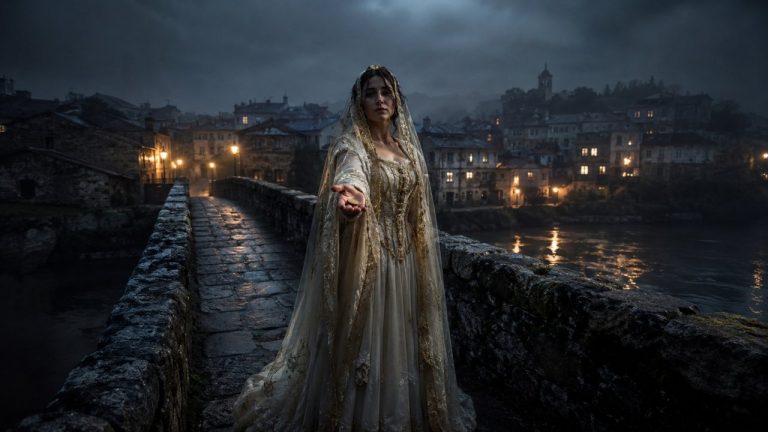
The morning in Olveiroa begins with a silence so thick that you feel you can grasp it with your hands. While the first rays of sun laboriously attempt to penetrate the dense Galician morning mist, the pilgrims prepare themselves in the cool air for a day that will lead them deeper into the heart of legends. It is a moment of absolute concentration: the lacing of the boots, the rhythmic packing of the backpack, and the first fresh water of the day are actions of almost ritual significance. When you step out of the hostel, you feel the dampness of the “Brétema,” that mystical mist that lies like a delicate veil on the skin and bathes the massive granite facades of the hórreos in an unreal light. In this moment of transition, the world is still small, limited to the echo of your own footsteps on the old cobblestones, while the spirit already hurries forward toward the fork that will decide the further course of the journey.
The decision to take the path to Muxía today is often a conscious choice for solitude and the archaic. While the main stream of pilgrims turns left toward Fisterra in Hospital, the path leads right into a landscape that has preserved its wildness and independence. You physically feel how the pressure of the large pilgrim masses subsides and makes room for a deep, almost meditative calm. The path to Muxía is not an appendage; it is the path of stones and silence, a journey to that sanctuary where, according to legend, the Virgin Mary appeared in a stone boat to the Apostle St. James to encourage him in his work. With every kilometer you move away from Olveiroa, the feeling grows of treading a secret path that leads not only through space but through the layers of time, directly into the spiritual primal force of Galicia.
Route and Elevation Profile
- Distance: 32.5 km
- Elevation: ↑ 450 m / ↓ 720 m
- Difficulty: Difficult. The challenge results primarily from the considerable distance and the sparse infrastructure between the widely scattered hamlets.
- Special Features: The lonely crossing of the Terra de Soneira, the history-steeped stop at the Monastery of Moraime, and the final arrival at the cliffs of the Virxe da Barca.
Today’s stage is a physical and mental test of endurance that leads the pilgrim through rural Galicia in its purest form. After leaving Olveiroa and passing through Hospital, the route initially runs across wide plateaus dominated by wind turbines and barren heathlands. The terrain is varied: narrow forest paths alternate with coarse gravel tracks and long asphalt passages on low-traffic side roads. The elevation profile is characterized by a steady but mostly moderate up and down, although the accumulated elevation meters over the distance of more than 32 kilometers still take their toll. Especially the joints are stressed by the steady descent toward the coast during the last third of the stage.
A decisive aspect of this route is the psychological component of distance. The hamlets such as Trasufre or Senande are often hours apart, and the density of services is significantly lower than on the way to Fisterra. This demands a disciplined allocation of strength and supplies. Only upon reaching the Monastery of Moraime, shortly before the destination, does the landscape open up for the final descent to the Atlantic. Here, the character of the path changes from the agrarian heaviness of the inland to the maritime lightness of the coast. The arrival in Muxía is ultimately the triumphant conclusion of a day that has led the pilgrim to their limits, both physically and emotionally.
Variants and Small Detours
The most important navigational decision takes place after about 6 kilometers in the hamlet of Hospital. Here stands the symbolic signpost that divides the streams of pilgrims. Those who decide on Muxía choose the “Route of Silence”. There are no official detours that would shorten the distance, yet in the area of Dumbría, small alternative paths through the adjacent forests are available, though they require a good sense of direction. These forest paths are often softer and more pleasant for the feet, but can be heavily softened after rainfall, deepening the haptic experience of the Galician mud.
A worthwhile, almost mandatory detour is an extensive visit to the church of San Xiao de Moraime shortly before Muxía. While the marked path often leads past the complex, one should take the time to walk through the entire monastery grounds. Here, one feels the historical depth of the place most intensely. In the destination of Muxía itself, there is also no “variant,” but only the logical continuation of the path beyond the harbor to Punta da Barca. This final kilometer to the sanctuary is the crowning achievement of the journey, a ritual act in which one leaves the paved paths and feels one’s way over the naked granite rocks directly to the edge of the ocean.


Description of the path – with all senses
The exit from Olveiroa leads you first over the old bridge, under which the dark water of the Rio Xallas gurgles. You hear the rhythmic clicking of your poles on the damp asphalt, while the mist still denies the view of the distant mountains. The smell of wet fern and eucalyptus lies heavy in the air, an olfactory welcome to deep Galicia. Arriving in Hospital, you feel the psychological weight of the decision. You turn right, and almost instantaneously the soundscape changes. The murmuring of other pilgrim groups falls silent, and you remain alone with the wind that sweeps across the plateaus. The ground becomes rougher; granite gravel crunches under your soles, a haptic proof of the hardness of this land that makes no concessions to comfort.
The path to Dumbría leads through wide, open areas. The wind turbines on the ridges create a monotonous, hollow thumping that lies over the landscape like a mechanical heartbeat. You feel the power of the elements while the wind tugs at your clothing. The scent of dry grass and wild gorse mixes into the air, a tart note that reminds you of the inhospitality of this region. In Dumbría, you encounter modern architecture, which, however, fits respectfully into the old structure of granite and slate. You feel the coolness of the stone when you rest briefly in the shadow of a wall, and perceive the contrast between the smooth surfaces of the modern pilgrim hostel and the rough, lichen-covered walls of the old houses.
Behind Dumbría, the path dives back into dense forests. Here, the air is cooler, saturated with the aroma of decaying leaves and fresh earth. You hear the distant barking of a dog from an invisible hamlet, an acoustic sign of the deep roots of the people in this land. The path leads you to Trasufre, a place known for its healing water. You feel the dampness of the chapel Nosa Señora de Trasufre, a cool, holy place that has attracted pilgrims for centuries. The water of the spring tastes metallic and fresh, a haptic pleasure that sharpens your senses for the further path. The legends about the healing of warts and diseases resonate here in every crevice of the stone, a historical causality that transforms the path from a mere hike into a spiritual search.
The section via Senande and Quintáns challenges your physical substance. The distance makes itself felt in your bones; the backpack seems to become heavier with every kilometer. You feel the heat of the midday sun when you cross the shadowless sections. The smell of cattle and freshly mown hay is your constant companion here, an earthy, honest scent that reflects the hard work of the Galician farmers. The psychology of this section is characterized by solitude. You hardly meet a soul; the path belongs to you alone. The steady breathing and the stomping of your steps become a form of meditation in which the boundaries between your body and the landscape slowly blur.
Arriving in Moraime, you step onto historical ground of world-class significance. The church of San Xiao, a gem of the Romanesque, stands massive and unwavering in the landscape. When you run your fingers over the delicate stonework of the portal, you feel the craftsmanship and the faith of those who erected this monument almost a thousand years ago. The air inside the church is heavy with history; it smells of old stone, candle wax, and a pinch of incense. The echo of your footsteps on the old floor slabs is hollow and reverent. Here, at this place that was already attacked by Vikings and defended by monks, you recognize the permanence of the St. James Way over the centuries.
Behind Moraime, the descent to Muxía begins. Suddenly, the air changes. A salty, fresh breeze blows toward you and cools your sweaty body. You do not hear it yet, but you know that the ocean is near. The path leads you through Os Muiños, where the rushing of small streams accompanies you. The scent of seaweed and tar now mixes with the forest aromas, a sure sign of the approaching coast. Your steps become lighter; the anticipation of the destination acts like an invisible motor. You pass the first houses of Muxía, feel the hard asphalt of the harbor under your feet, and see the fishing boats swaying in the calm water.
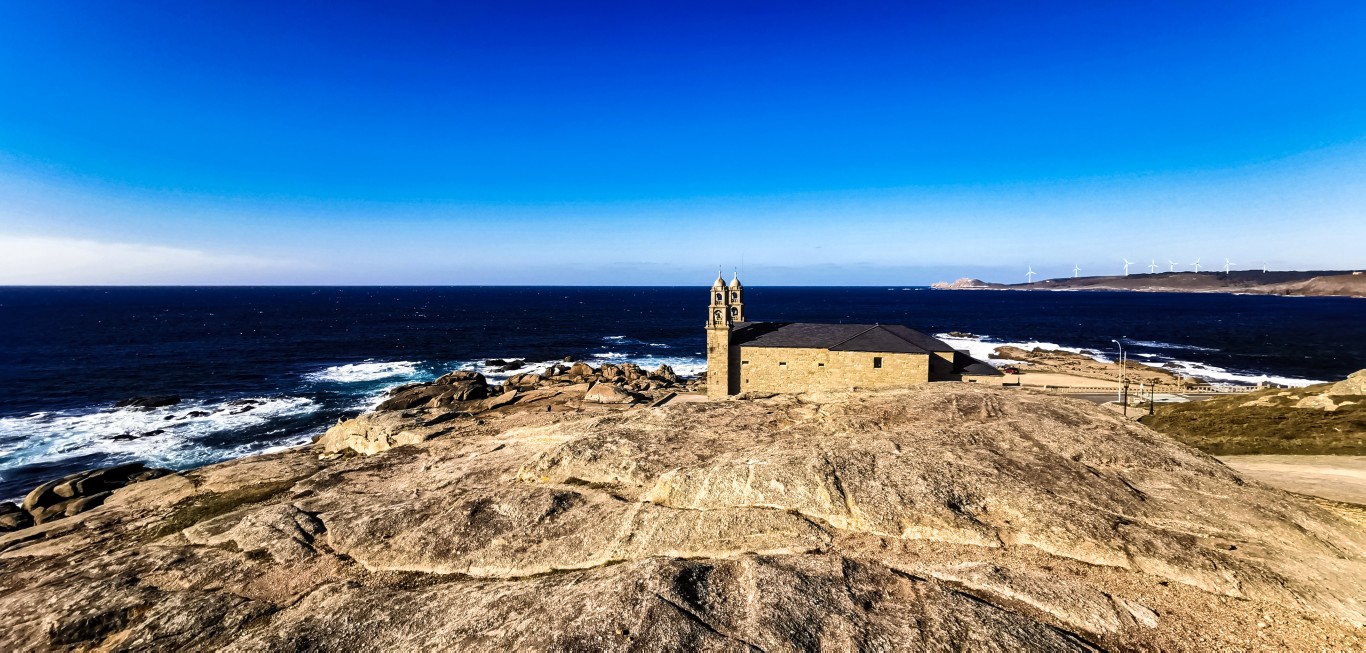
The march through Muxía leads you inexorably to the sanctuary Virxe da Barca. You leave the protected world of the harbor and step out onto the exposed headland. Here, the acoustics are powerful: the thundering of the Atlantic surf against the granite cliffs is a deep, primal rumble that makes the whole ground vibrate. The spray settles like a fine, salty film on your lips and your skin, a haptic proof of the power of the sea. You see the white foaming of the waves breaking on the rocks and feel the primal force of this place. The smell is now purely maritime – salt, ocean, and the freedom of infinity.
Arriving at the sanctuary, you look for the “Pedra de Abalar,” the rocking stone. You lay your hand on the rough, sun-warmed granite and feel the immense mass of the rock. It is a ritual moment; you have arrived at the end of the world, where the legends come alive. The psychological metamorphosis is now complete: the fatigue of the 32 kilometers falls away from you, replaced by a feeling of deep humility and sublimity. You sit on the rocks, watch the seagulls soaring in the updraft, and listen to the infinite dialogue between stone and water. Here, at the edge of Europe, you find the answer to the questions you did not even dare to ask in Olveiroa.
The reflection of the day in Muxía usually takes place on the cliffs at sunset. When the fireball of the sun slowly sinks into the Atlantic, the rocks turn into shades of glowing orange and deep purple.
You feel the cold of the onset of night rising from the sea and wrap yourself tighter in your jacket. The scent of grilled fish wafts over from the nearby restaurants, a promise of satiety and community. Your spirit is now as wide and open as the horizon before you. You have not only overcome a geographical distance but have penetrated deep into your own inner landscape, guided by the silence and the stones of the Galician west.
In the night in Muxía, when the thundering of the waves is your lullaby, you feel the after-effects of the path. Your legs pulse quietly, a physical echo of the long hike. The haptic contrast between the hardness of the granite rocks and the softness of your bed in the hostel is a final greeting of the day. You remember the feeling of solitude in the Terra de Soneira and the spiritual weight of Moraime. In the darkness, it becomes clear to you that Muxía is not a mere place, but a state of being – a place where the earth stops, but the soul begins to breathe.
Stopping, Overnight Stay & Supplies
The supply situation on this stage is to be described as spartan and requires forward-looking planning. After leaving Olveiroa, Hospital offers the last secured possibility for stopping before a long, lonely passage. In Dumbría, there is an excellent infrastructure with an award-winning public hostel and small cafes, which are ideally suited for an extensive midday break. After that, the air becomes thinner; between Dumbría and Muxía there are only occasional possibilities for water intake in the small hamlets like Trasufre, whereby many of these wells are only seasonally reliable.
Muxía itself is an excellently developed pilgrim hub. The selection of hostels is large, with the spectrum ranging from the functional municipal hostel to lovingly designed private houses, which are often located in the immediate vicinity of the harbor. Culinarially, Muxía is a paradise for lovers of seafood. The harbor front offers numerous restaurants that bring the catch of the day directly from the boat to the plate. It is advisable not to underestimate the length of the stage and to carry sufficient calories in the form of nuts or energy bars in the backpack, as the physical load in the lonely Terra de Soneira is often higher than the elevation profile might suggest.
- Gastronomy: In Dumbría there are honest, Galician daily menus. In Muxía, a visit to one of the fish restaurants at the harbor (e.g., Son do Mar) is a must for every gourmet.
- Overnight Stay: The municipal hostel in Dumbría is architecturally award-winning. In Muxía, private hostels like the “Bela Muxía” offer a particularly spiritual and comfortable atmosphere.
- Public Facilities: In Muxía, all necessary facilities can be found, from pharmacies to post offices for the issuance of the “Muxiana” certificate.
What is special today
The absolute highlight of this stage is the arrival at the Santuario da Virxe da Barca. It is one of the most powerful places on the entire St. James Way. The chapel stands so exposed to the ocean that it is regularly enveloped in spray during storms. The “Pedra de Abalar” (the rocking stone) and the “Pedra dos Cadrís” (the stone of the loins) are remains of pre-Christian megalithic cultures that have been harmoniously integrated into the world of Christian legends. Crawling under the Pedra dos Cadrís is said, according to folk belief, to heal back and kidney ailments – a haptic exercise in humility and hope that many pilgrims take upon themselves despite the exhaustion of the day.
Another jewel is the monastery church of San Xiao de Moraime. It is one of the most significant Romanesque buildings in Galicia and houses unique wall paintings depicting the seven deadly sins. The complex acts like a bulwark against time and offers an atmosphere of peace that forms a perfect counterpoint to the wild energy of the sea in Muxía. Here, one feels the intellectual and spiritual work of the monks who maintained this remote outpost of Christendom over centuries. A visit to Moraime is a journey into deep European history, far away from the tourist paths.
Finally, the special role of Muxía in modern history should be mentioned. The place gained sad notoriety through the disaster of the tanker “Prestige” in the year 2,002. The monument “A Ferida” (The Wound) at the cape commemorates this ecological shock and the unprecedented commitment of the volunteers. This monument is a haptic and visual reminder of the fragility of nature, which is so immediately palpable at this wild stretch of coast. Muxía is thus a place where ancient legends, medieval history, and modern challenges merge in a unique way.
Reflection at the end of the stage
When you sit at the harbor of Muxía in the evening and watch the fishermen unloading their nets, a deep, full calm sets in. The 32.5 kilometers are in your legs, but your head is as clear as the air over the Atlantic. You have left the fork in Hospital behind you and decided for the lonelier path. In this decision lies a great truth: The path to Muxía teaches you that the most significant discoveries are often made where you dare to leave the beaten paths and face the silence.
Muxía is not a place that you simply reach; it is a place that changes you. The primal force of the surf and the permanence of the granite rocks give you a new perspective on your own journey. You have arrived at the sanctuary of the stones and found that the destination is not the end, but a new way of perceiving. With the scent of the ocean in your nose and the feeling of victory over your own exhaustion, you look at the horizon and know that the stars of the Camino have safely led you here.
Camino of the Stars
This stage is located on the Camino of Fisterra and Muxía, on the stage from Olveiroa to Muxía. The sequence of locations is as follows:
| Stage | Start | Destination | Distance (km) | Elevation (+/–) | Difficulty | Intermediate Stops |
| 3b | Olveiroa | Muxía | 31.0 | +510 / –610 | moderate | Hospital, O Logoso, Dumbría, Trasufre, Senande, Quintáns, Moraime, Os Muiños |
Did you hesitate at the fork in Hospital, or did your heart know immediately that it had to be Muxía? Has the silence of the Terra de Soneira ordered your thoughts, or has the thundering of the waves at the sanctuary liberated your heart? Share your moment at the sanctuary of the stones with us – your story is the light for those who are still standing at the crossroads.
About the Author

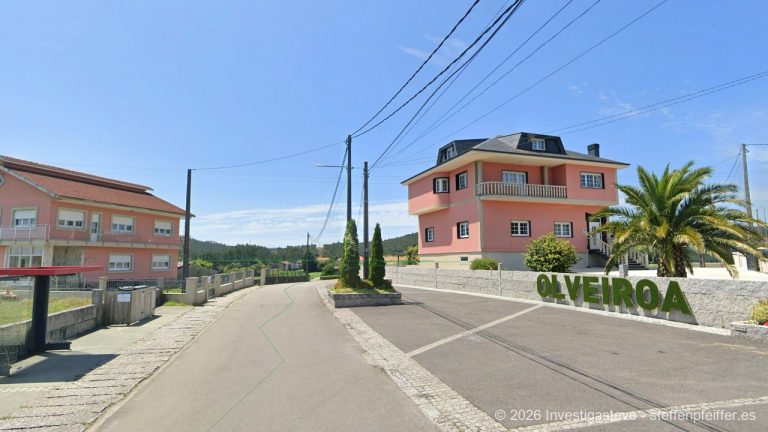
Olveiroa – Stone Memory by the Roaring Xallas
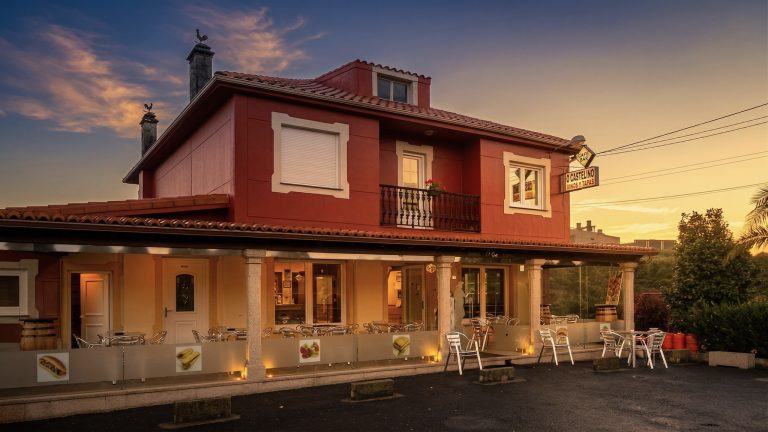
Hospital – Where Paths Split and the Story Holds Its Breath
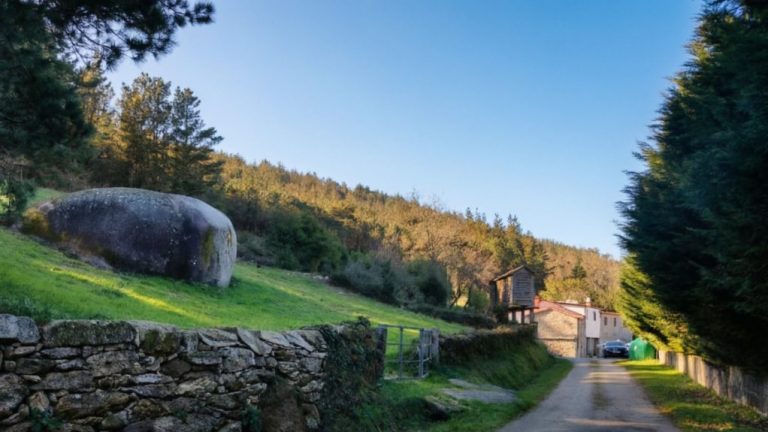
O Logoso – The Quiet First Breath of Liberation
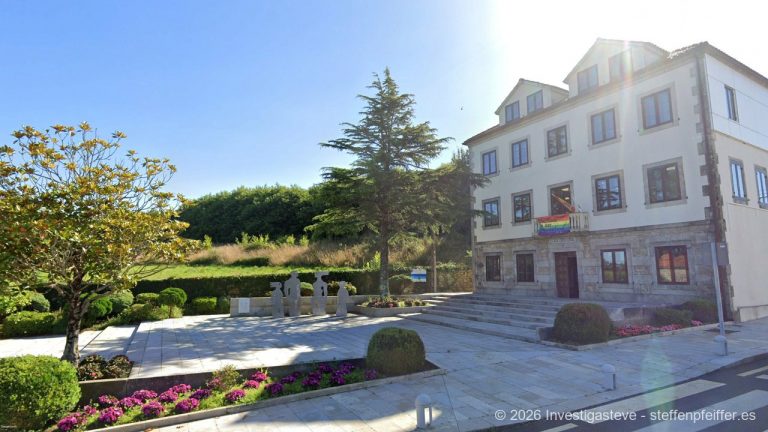
Dumbría – The Strategic Anchorage of Pilgrims' Decisions
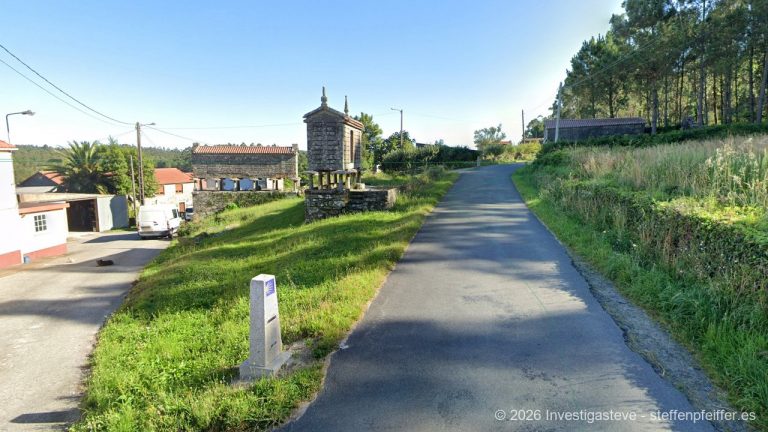
Trasufre – The Timeless Passage on the Royal Way
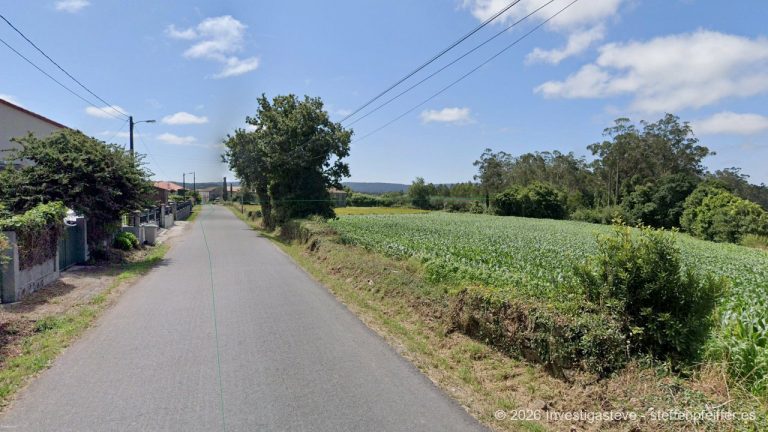
Senande – The Heartfelt Stopover in the Green Labyrinth of Ozón

Quintáns – The Stone Echo Among the Hills of Ozón

Moraime – Where Stone Witnesses Whisper of Pirates and Prayers

Os Muiños – Where the Water Grinds Time and the River Kisses the Sea