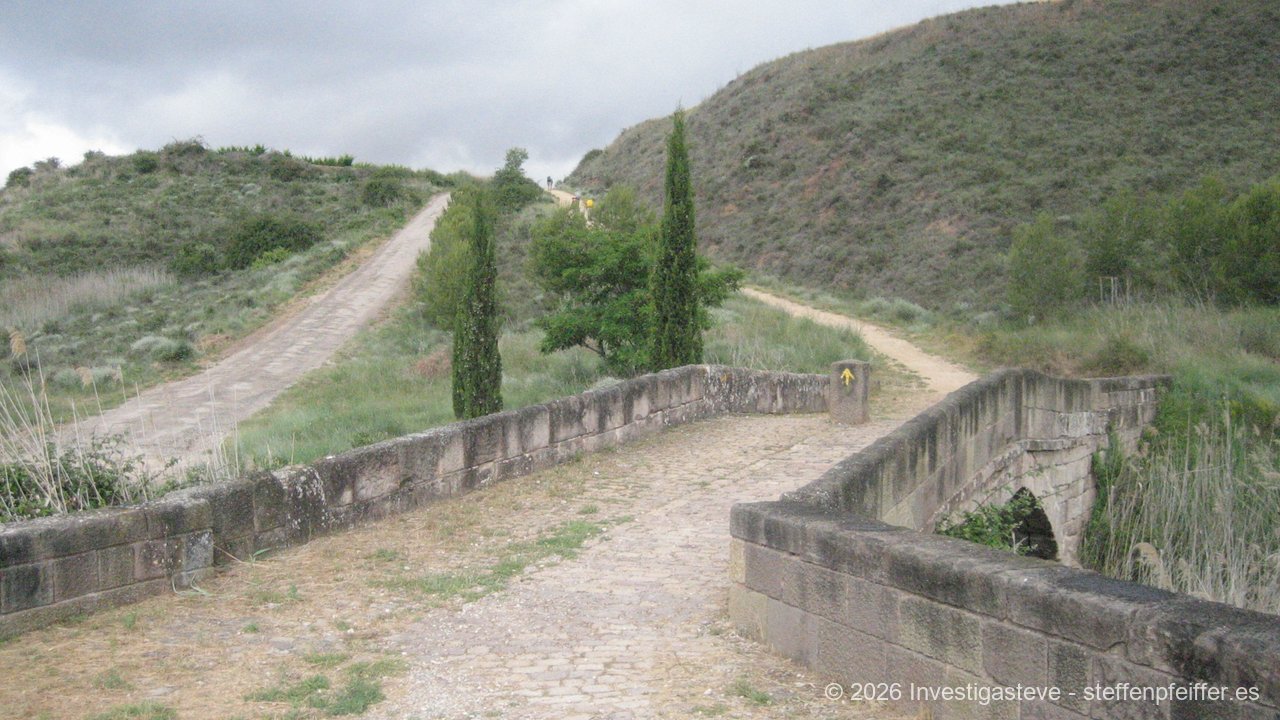
A new stage day – entering the stage
The morning in Puente la Reina begins with an almost solemn silence, which lies like a fine, cool veil over the massive granite facades of the main street. While the first rays of sunlight bathe the spires of the church of Santiago in a pale, almost ethereal gold, the cool, incense-laden breath of the night still lingers in the narrow alleys. It is a moment of absolute caesura: the echo of your own footsteps on the smoothly polished cobblestones reminds you that you are now leaving the place where “all paths become one.” You feel the hard stone beneath your soles, which here in Puente possesses an almost sacred smoothness, polished by millions of feet over the centuries, and you realize that today’s departure has a new quality. It is the farewell to the protective confines of the city and the ritual-slow entry into the heart of the Tierra Estella, a land that smells of wine, red earth, and history.
The step out of the city inevitably leads you over the monumental bridge of the Queen. As you cross the massive stone arches, you feel the vibrations of history beneath your feet. Below you, the Arga rushes, a deep, steady gurgling that swallows the remaining sounds of the awakening civilization like white noise. It is a sound that reminds you of the inevitability of moving on. The Camino now leads you away from the vertical splendor of Gothic portals, towards a horizontal expanse where nature takes command. You breathe in deeply, taste the clear, oxygen-rich air of the Navarrese hill ranges, and mentally prepare for a stage that will lead you over the bones of the Romans directly into the magnificent “City of the Stars.” Today you are not just a hiker; you are a time traveler, penetrating deeper into the medieval backbone of Spain with every kilometer.
Route and elevation profile
Distance: 21.9 km
Elevation gain: ↑ 460 m / ↓ 400 m
Difficulty: Moderate. The paths are technically well-developed, but the constant ups and downs in the undulating terrain, as well as the hard Roman roads, challenge the tendons and joints.
Special features: Original preserved sections of the Roman Calzada near Cirauqui; exposed passages through vineyards with little shade; historic entry into monumental Estella.
Today’s route is a dramaturgical composition of expanse and historical density. After leaving the sheltered alleys of Puente la Reina behind, the path rises gently but steadily through an open landscape characterized by vines and silver-gleaming olive groves. The elevation profile resembles a gentle wave that lifts you over the hills of Mañeru and finally leads into the basin of Cirauqui. The ground changes here from compacted earth to hard, unyielding limestone, which demands the highest concentration, especially on the ancient Roman sections. Here, the ground is not a passive surface but an active participant that punishes every moment of inattention with a stumble.
After passing through Cirauqui, the terrain opens up again and leads us over wide plateaus that begin to shimmer in the midday heat. The inclines are moderate, but noticeable due to the exposure to wind and sun. The final descent to Villatuerta and the subsequent approach to Estella proceed in a gentler rhythm, with the valley of the river Ega offering welcome coolness. It is a stage that trains rhythm: whoever starts too fast here will feel the hardness of the Roman stones twice as much during the midday hours. The challenge lies less in pure physical effort than in adapting to the changing textures of the path.
Variants and small detours
On this stage, the Camino offers a charming variant that begins shortly after Villatuerta. Instead of taking the direct, efficient route along the main road, the pilgrim can opt for a small detour to the Ermita de San Miguel. This variant leads through a shady forest area and offers a moment of complete silence, far from the distant roar of the main road. It is a decision for aesthetics and against speed. The path is softer, mossier, and spares the feet from the hard paving that awaits you in Estella.
Another subtle detour presents itself immediately before the entrance to Estella. One can choose whether to enter the town via the modern bridge or take the small detour over the historic Puente de la Cárcel. This detour of only a few hundred meters is a must for anyone who wants to feel the historical causality of arriving in the city. You climb over the steep ridge of the medieval bridge and see the cathedral of San Pedro de la Rúa towering directly before you – a visual shock of beauty that catapults the pilgrim straight into the 12th century. These small decisions between efficiency and immersion determine whether you merely complete the stage or whether you absorb it deeply within yourself.
Description of the path – with all senses
The path out of Puente la Reina begins with a haptic experience of hardness. The ground beneath your feet is firm, a mixture of dusty red earth and small pebbles that produce a dry, hollow sound with every step. You hear nothing but your own breath and the rhythmic clicking of your poles, as the sun slowly rises behind the hills and casts long, sharp shadows across the path. The air here tastes of dust and freedom. The smell of dry rosemary and the pungent aroma of olive trees hang in the air, an olfactory testament to the barren fertility of Navarre. In this moment, you feel the historical causality: you are walking through a land shaped over centuries by the wars of the knightly orders and the gentleness of the pilgrim streams.
When you reach Mañeru, the acoustic backdrop changes. The wide rustling of the wind is replaced by the echo of the narrow, stone alleys. In Mañeru, you encounter the architecture of silence. As you walk past the massive coats of arms on the houses, you feel the coolness radiating from the thick walls. The air inside here smells of old stone, cool lime, and the centuries-old dampness of the cellars. It is an auditory and olfactory contrast after the heat of the path. You feel the rough texture of the walls beneath your fingers, a haptic prayer in stone that reminds you that the Camino is always also a journey into constancy. Behind the village, the view opens wide over the valley, and you see the village of Cirauqui perched like a stone crown on the opposite hill.
The ascent to Cirauqui is a psychological and physical challenge. The path winds upward in steep switchbacks, and you feel the burning in your calf muscles. You hear the rhythmic “panting” of your own breath, echoing in the narrow alley between the tall houses. But then you enter the town through the medieval gate, and the world changes. Here it smells of history and of the blood of the Reconquista that once soaked these stones. The haptic experience of the ancient paving beneath your soles is relentless; you feel every edge, every unevenness of the centuries-old stones. It is a moment of absolute presence, in which your body and the path merge into a single, vibrating unity.
Behind Cirauqui awaits the absolute highlight: the Roman Calzada. When you enter this section, you are literally walking over the bones of history. The stones are irregular, often worn smooth by two thousand years of erosion and millions of steps. You hear the metallic, almost sharp clicking of your poles on the ancient stone – a sound that could have been heard just the same centuries ago. You feel the instability beneath your feet, every muscle fiber in your ankle working to maintain balance. The smell of hot stone and dusty thyme is omnipresent here. The historical causality becomes physical certainty here: you stand in the succession of Roman legionaries and medieval traders. It is a moment of humility, reminding you how tiny your own span of time is compared to these stones.
The passage over the Roman bridge at the Río Salado is an olfactory and psychological adventure. You smell the brackish, mineral-laden water of the river, which in summer is often just a narrow ribbon in its deep bed. Your mind wanders back to the warnings of medieval chroniclers about the “poisoned water.” You hear the soft splashing, a treacherous, seductive sound in the heat. The haptic experience of the uneven parapet, over which your hand glides, connects you with the fears and hopes of past pilgrim generations. The visual world reduces to the blue of the sky and the dusty yellow of the fields. The psychological metamorphosis is strongest here: you learn to trust the landscape while at the same time guarding against its pitfalls.
The path to Lorca leads you back into the gentleness of the vineyards. The wind, sweeping unhindered over the hills up here, cools the sweat on your forehead and carries the distant scent of pine needles. You taste the salt on your lips, a mixture of exertion and the dryness of the land. Arriving in Lorca, the acoustics change again. The wide whistling of the wind is replaced by the monotonous hum of insects in the gardens. You feel the relentless sun on your neck, a burning sensation that forces you into introspection. The color of the earth here changes to a deep rust red, a visual anchor that underscores the fertility of the Tierra Estella region.
The section to Villatuerta is a phase of psychological decompression. The path is wider, more open, and the senses come to rest. You hear the distant rumble of a tractor, a sign of modern agriculture that gently pulls you out of your historical trance. In Villatuerta itself, it smells of damp earth and river vegetation. The acoustic backdrop is enriched by the cheerful splashing of the Río Iranzu. Here, the Camino is again human, approachable, and a little less heroic. You feel the relief in your tendons as you walk through the shady valley that inexorably guides you towards the “City of the Stars.”
The final approach to Estella is a visual and emotional crescendo. You pass the Basilica of Nuestra Señora del Puy, which towers over the city like an apparition. You hear the increasing ringing of the many bells of Estella, a polyphonic concert of iron and bronze that welcomes you. The smell changes again: it becomes more urban, busier, but also more sacred. A hint of incense, old dust, and freshly baked pastries wafts towards you. The historical density of the city is tangible; you traverse spaces that have received pilgrims and kings alike since the 11th century.
When you cross the Puente de la Cárcel bridge, the five-dimensional immersion reaches its peak. You feel the massive coolness of the stones as you hear the river Ega rushing beneath you. The eye loses itself in the intricate facades of the cathedral of San Pedro de la Rúa, rising before you like a vertical wall of faith and power. The haptic experience of the massive door knockers and the smoothly polished stone portals is overwhelming. You feel dusty, exhausted, but inwardly more composed than rarely before. Arrival in Estella is not merely the end of a stage; it is entering a stone archive of European civilization.
The reflection at the end of the stage usually takes place in the silence of one of the city’s many cloisters. You hear only the echo of your own footsteps and the soft dripping of a fountain. The smell of damp granite and history calms your senses. Your body is heavy, your feet burn from the Roman stones, but your mind is as clear as the water of the Ega. Today you have traversed the history of humanity in a single day – from the legions of Rome, through the knights of the Reconquista, to the present moment. Estella has received you, not as a stranger, but as part of an infinite chain of seekers.
Intermediate places & special features
Mañeru – This small village is a jewel of the Navarrese hill landscape. It nestles against the slope and offers the pilgrim a first wide view back to Puente la Reina. The architecture is characterized by massive stone houses with impressive family coats of arms. In Mañeru, you feel the deep-rootedness of the people with viticulture. It is a place of preparation, a ritual pause before the path becomes steeper and more steeped in history. The simple beauty of the church of San Pedro offers space for a first, silent prayer in the morning.
Cirauqui – Cirauqui is a medieval masterpiece. The town is built on terraces and appears from afar like an impregnable fortress. The true jewel, however, lies beneath the pilgrim’s feet: the Roman Calzada. Here, history is not in a museum, but beneath your soles. The Roman bridge at the edge of town is a technical marvel of antiquity that has withstood two thousand years of storm and stress. Cirauqui is the place where the Camino changes its character from a hiking trail to a historical path.
Lorca – A small, often underestimated place known for its close connection to the Knightly Order of the Holy Sepulcher of Jerusalem. Lorca offers simple but warm hospitality. In the church of San Salvador, one finds peace and coolness. The architecture of the village is functional and robust, characterized by the red clay of the surroundings. For many pilgrims, Lorca is the ideal place for a lunch break to rest their feet from the hard Roman paving before the final stage to Estella begins.
Villatuerta – This village marks the transition into the fertile basin of Estella. The church of the Annunciation is a significant example of the transition from Romanesque to Gothic. In Villatuerta, you feel the bustling activity of an agricultural community. The place is known for its bridges and the shady squares by the river. Here begins the final sprint, and the atmosphere becomes noticeably wetter and greener, providing a welcome change from the dry heat of the vineyards.
Estella (Lizarra) – The “City of the Stars” was so significant in the Middle Ages that it was called the “Toledo of the North.” Estella is a single architectural sensation. From the Palace of the Kings of Navarre, to the Cathedral of San Pedro de la Rúa, to the church of San Miguel, the city offers a density of Romanesque art that is unparalleled. Estella was the seat of the Navarrese kings and a center of trade. Today it is a vibrant cultural city that welcomes the pilgrim with a mixture of historical majesty and modern Navarrese hospitality.
Dining, accommodation & supplies
The supply situation on this stage is excellent, which somewhat mitigates the physical exertion of the distance. In Mañeru and Cirauqui, there are strategically located bars specializing in the pilgrim breakfast.
Gastronomy: In Cirauqui, you should definitely try the local wine, which often comes directly from the surrounding cooperatives. In Estella, the restaurants around the Plaza de los Fueros lure with hearty Navarrese cuisine, especially the famous Pimientos de Piquillo.
Accommodation: Estella offers a huge range of accommodations. The Albergue de Peregrinos (communal) is spectacularly situated on the slope, while private hostels like the “Ágora” are known for their warm atmosphere and community dinners. For a more upscale regeneration, the Hotel Tximista in a former flour mill is recommended.
Public facilities: In Estella, there are pharmacies, ATMs, and specialized outdoor shops in large numbers. In the smaller towns before, the options are limited to the bare essentials.
The special thing today
The absolute unique selling point of this stage is the encounter with the Roman Calzada. It is not just a section of path, but a physical connection to the roots of European civilization. The fact that you can still walk today on stones laid two thousand years ago by legionaries creates a deep historical resonance. The special thing is the haptic feedback of the ground – the “bones of history” that guide your steps. It is the moment when time ceases to be a linear quantity and instead becomes materially tangible beneath your feet.
A second special aspect is the military spirit of the Reconquista, which breathes on every street corner in Cirauqui and Estella. The architecture is defensive, almost defiant. The special thing today is the engagement with power: you see palaces of kings and fortresses of knights. Here, the Camino was never just a spiritual path, but a strategic lifeline defended with the sword. This stage teaches the pilgrim that spiritual development often requires a strong, defensive framework. The “City of the Stars” receives you with a chivalric dignity that honors you and simultaneously humbles you.
Finally, the “poisoned water” motif of the Río Salado is a fascinating element of legend-building. That an entire river was considered deadly for centuries, only because a medieval chronicler had a bad experience, is a special example of the power of narrative. The special thing is the psychological sharpness that this river lends to the day. You approach the water with a mixture of skepticism and fascination. It reminds the pilgrim that on the Camino, nature also has its own laws, and that caution is a form of respect for the landscape.
Reflection at the end of the stage
When you walk through the illuminated streets of Estella’s old town in the evening and see the warm light on the bright limestone of the buildings, a strange kind of clarity sets in. You notice how your perception has sharpened over the last 22 kilometers. The noise of Puente la Reina is now only a distant memory, a necessary level of noise that first made the silence of the cathedral audible. In the quiet of the evening hours, surrounded by the majestic architecture, you become aware that you have passed a test of the senses today. The hardness of the Roman stones has filtered your mind and washed away everything unnecessary.
Estella is a place of pause and reward. Here, in the shadow of the mighty towers, the effort of the day is put into perspective. You realize that the Camino today was a journey through the layers of history – from the functional severity of the Romans to the royal splendor of the Navarrese kings. In the reflection of the day, it becomes clear to you that Estella is not just a city, but a mirror of your own journey: laboriously fought for over stony paths, just as your own path of realization consists of thousands of small resistances. You are ready for what is to come, because today you have learned that true stars only shine brightly in the sky at the end of a hard march.
Camino of the Stars
This stage lies on the Camino Francés, on the stage from Puente la Reina to Estella. The sequence of places is:
| Stage | Start | Destination | Distance (km) | Elevation gain | Difficulty | Intermediate places |
|---|---|---|---|---|---|---|
| 05 | Puente la Reina | Estella | 21.9 | ↑ 460 / ↓ 400 | moderate | Mañeru → Cirauqui → Lorca → Villatuerta |
Did you feel the moment when the rhythmic clicking of your poles on the Roman stones of Cirauqui stopped time? Which part of the “City of the Stars” touched you most deeply after the heat of the day – the monumental silence of the cloisters or the colorful life on the Plaza? Share your story of the path over the bones of history with us – your experience is a star in the sky of all seekers.
About the Author

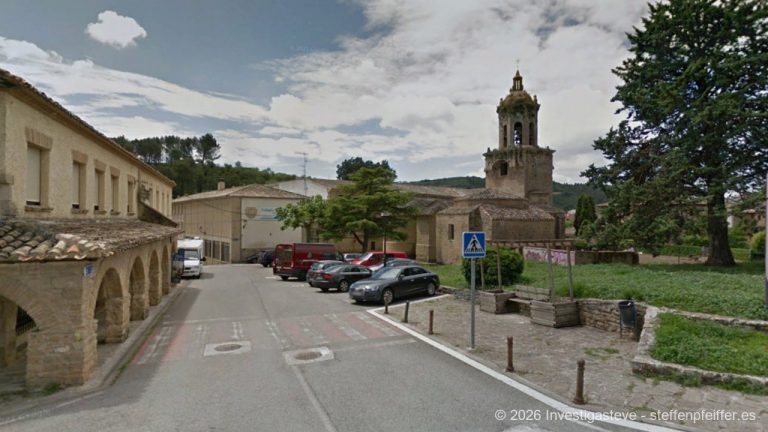
Puente la Reina – Where All Paths Become One
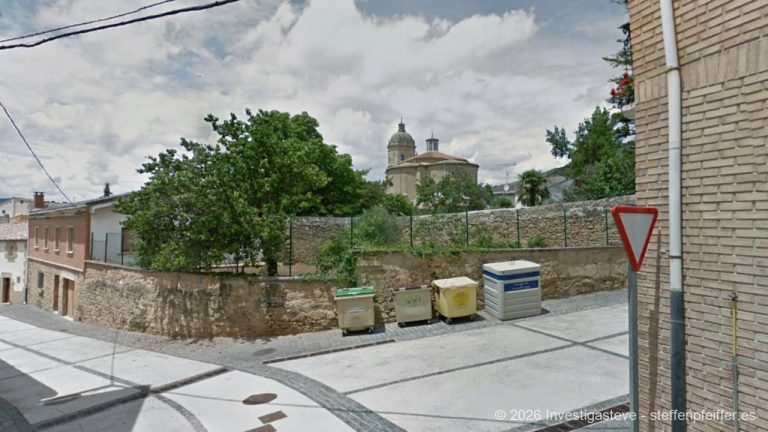
Mañeru – The Stone Echo Between the Vines of Navarre
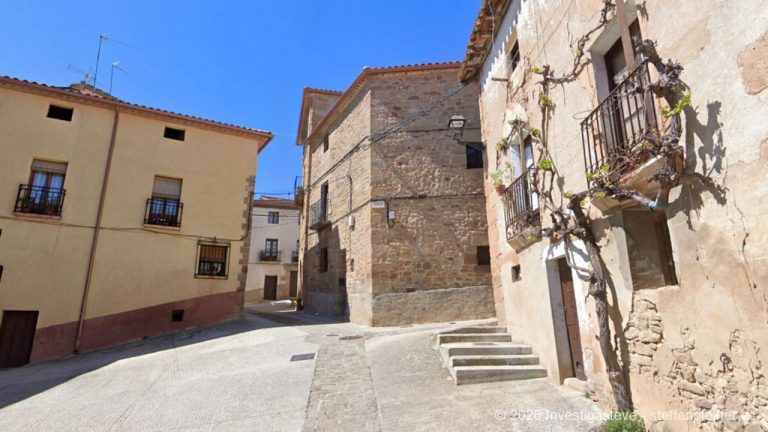
Cirauqui – The Viper's Nest on Navarre's Stone Throne
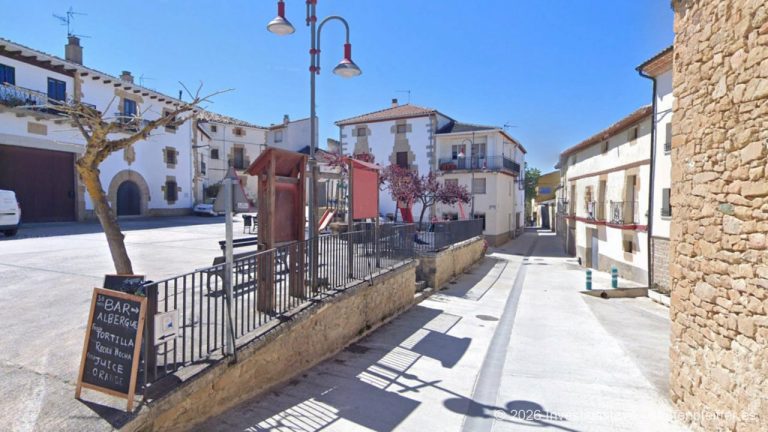
Lorca – The Stone Rest in the Shadow of Legends
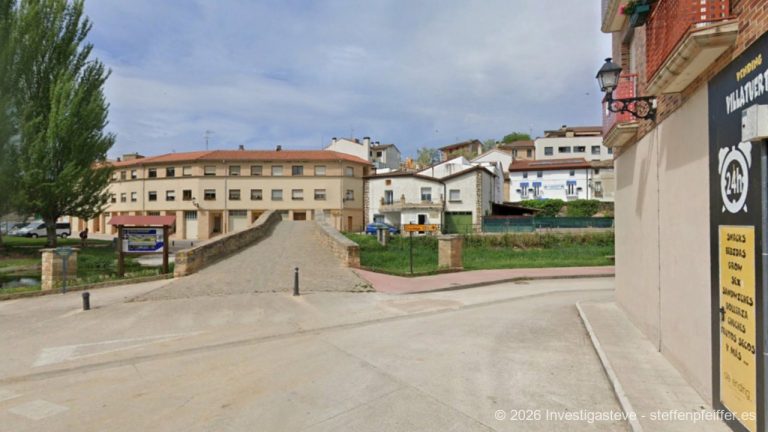
Villatuerta – The Stone Bridge Between Times on the Iranzu