A First Glance – Introduction & Atmosphere
When you have left the legendary bridge of Puente la Reina behind and the path slowly but steadily leads you out of the bustling activity of the valley, the world around you changes. The air becomes drier, carried by a subtle breeze that brings with it the pungent scent of thyme and the dusty promise of the Navarrese earth. Before you, on a gentle hill, rises Mañeru, a place that seems hewn from the stone of the surrounding mountains. It is that moment when the physical exertion of the first ascent after the plain turns into a psychological state of expectation. The distant ringing of the church bells of San Pedro Apóstol mingles with the rhythmic clicking of your walking sticks on the hard ground – an auditory timekeeper that leads you deeper into the silence of the landscape.
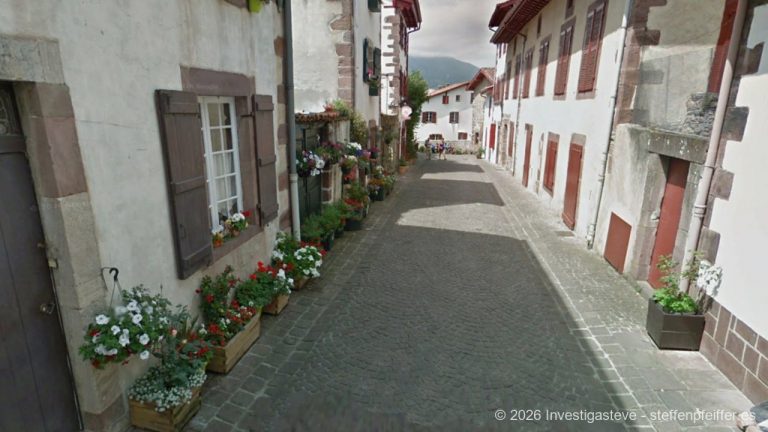
Mañeru does not greet you with loud spectacle, but with a sublime restraint. The houses of bright limestone radiate the heat absorbed during the day, which feels on your skin like a warm embrace as you enter the first shady alleys. Your gaze sweeps over the meticulously laid-out vineyards that surround the place like a green ocean. In summer, the heat shimmers over the vines, and the eye finds rest in the gentle waves of the landscape stretching to the horizon. It is an olfactory journey: the smell of dry grass and the sweetish undertone of ripening grapes lie in the air, a promise of the delights this earth produces.
Up here, on the “balcony of the Val de Mañeru”, you become painfully and simultaneously liberatingly aware of the distance to your former life. The hustle and bustle of the cities lies far behind you, and the tactile reality of the path – the rough stone of the walls you touch in passing, the fine dust on your face – grounds you. Mañeru is a place of preparation, an intermediate realm in which the pilgrim learns that beauty often lies in simplicity and constancy. The silence here is not empty; it is filled with the 1200-year history of those who breathed the same dust before you.
What This Place Tells
The history of Mañeru is inseparable from the fate of the Kingdom of Navarre and the strategic importance of the Camino de Santiago. Walking through the streets, the stone coats of arms on the façades of the manor houses tell you of a time when nobility and faith were the unshakeable pillars of society. These “Casas Blasonadas” are not mere buildings; they are stone testimonies of a proud past. The tactile experience of tracing the deeply carved reliefs with your fingers makes historical causality tangible. Here lived families who not only saw the Way, but shaped, protected, and benefited from it over centuries.
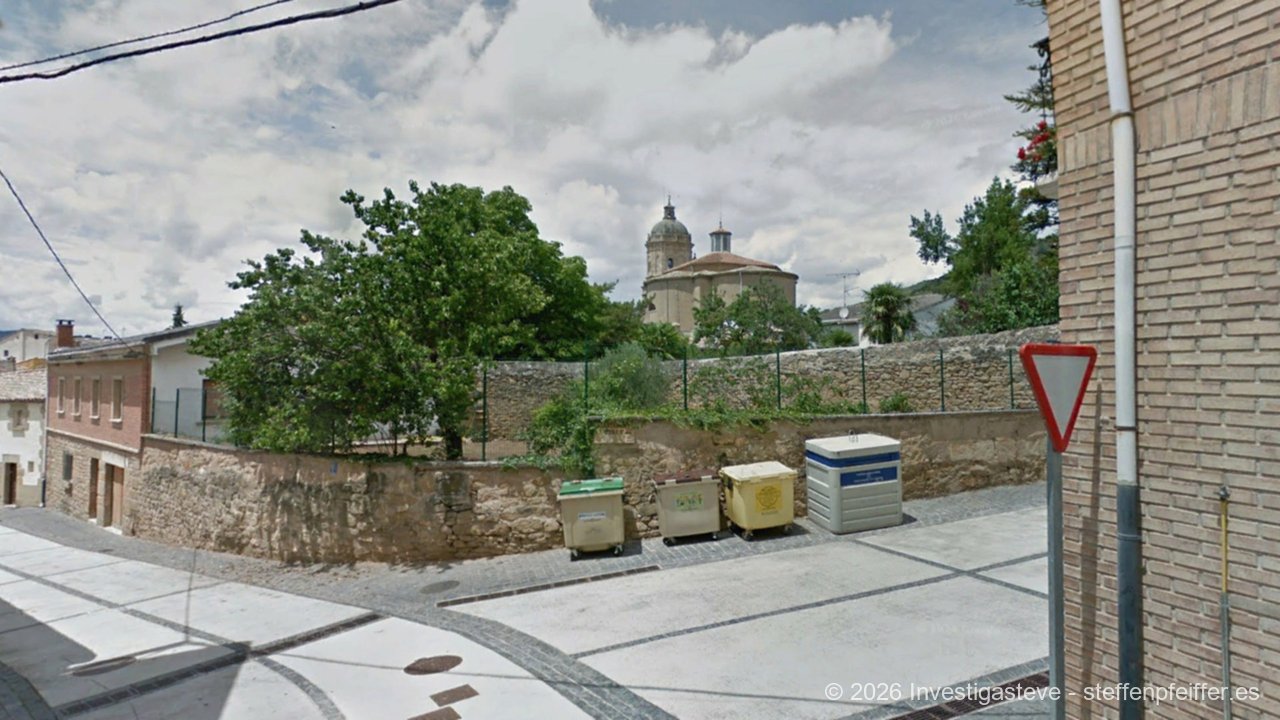
A central element of this narrative is the “Crucero”, the monumental stone cross at the entrance to the village. It stands there like an incorruptible guardian of time. Erected in the 16th century, it marks the transition from the profane path to the sacred space of the village. Psychologically, this cross is an anchor point for the pilgrim: a moment of pause, reflection, and gratitude. The architecture of the church of San Pedro Apóstol, completed in its present Neoclassical form in the 18th century, dominates the silhouette. Its massive walls and clear lines reflect the spirit of the Enlightenment, which also penetrated the most remote corners of Navarre. When you enter the interior, a coolness envelops you that is almost painful after the glaring sunlight outside. The smell of incense and old wood hangs heavily in the air and instantly connects you with the prayers of countless generations.
Yet Mañeru also tells a story of daily survival and agriculture. The place was once an important base of the Knights Hospitaller, those knights who had dedicated themselves to the protection and care of pilgrims. This historical causality explains the deep-rootedness of hospitality in the local DNA. The vineyards surrounding Mañeru are not just a backdrop, but the elixir of life. Every vine that struggles through the stony soil mirrors the pilgrim’s perseverance. The emotional metamorphosis experienced here is the realisation that constancy and growth are only possible through resistance and time. Mañeru is a living archive in which every crevice of the wall and every paved path sings a verse in the endless song of the Camino.
Addresses & tips in Mañeru
| Accommodation | 1 |
| Bars & Cafés | 2 |
| Shopping | 2 |
| Health | 1 |
| Sights | 3 |
| Services | 3 |
Show all 12
Camino Distances
Mañeru lies strategically in the first third of the stage to Estella. The paths here are characterised by gentle but steady ascents that demand rhythm and endurance from the pilgrim.
| Previous Place | Distance (km) | Next Place | Distance (km) |
|---|---|---|---|
| Puente la Reina | ca. 4.5 km | Cirauqui | ca. 2.7 km |
Sleeping & Arriving
Arriving in Mañeru is a process of deceleration. As soon as you reach the first houses, the pressure of the kilometres falls away from you. The place offers accommodations that are far more than just a bed for the night; they are retreats that breathe the spirit of the region. The “Albergue El Cantero” is one such example of a successful symbiosis of tradition and modernity. Housed in a carefully restored stone building, you immediately feel the thick walls upon entering, which form a natural air conditioning in summer. The tactile experience of rough limestone combined with warm wood creates an atmosphere of security essential for psychological regeneration after a long march.
In the dormitories and communal areas, the sounds of pilgrim daily life mingle: the rustling of sleeping bags, the soft murmuring in different languages, and the distant clatter of dishes from the kitchen. It is an auditory backdrop that signals community. Smell plays a special role here – often a hint of freshly baked bread or the aroma of a hearty stew wafts through the house, immediately causing salivation and anticipation. Arriving here becomes a ritual of shedding: shoes off, backpack in the corner, and the feeling of fresh water on a dusty face – a tactile luxury only a walker truly appreciates.
For those seeking more privacy, small guesthouses like “Casa Rural El Mirador” offer a view over the roofs of Mañeru, which is particularly magical at dusk. When the sun sinks behind the hills of Navarre and bathes the stones of the village in a deep ochre, a feeling of deep contentment sets in. You have arrived, not only at a place, but in a moment of complete presence. The emotional metamorphosis takes place here in the silence of the evening, when the exertions of the day melt away in the certainty of having found a safe haven. Mañeru is a place that teaches you that the goal of the day is not just a kilometre count, but a state of peace.
Eating & Drinking
The gastronomy in Mañeru is a declaration of love to the earth of Navarre. Here you taste the sun, the rain, and the hard work of the farmers. The heart of local cuisine is undoubtedly the wine. The bodegas of the region produce drops that are appreciated worldwide, yet here, at the source, they taste most authentic. A glass of cool Rosado or a full-bodied Tinto from the Garnacha grape is more than just a drink; it is the liquid essence of the landscape you have just walked through. The first sip that runs down your throat is a tactile reward for the day’s efforts, a moment of pure sensory delight.
In the local bars and restaurants like the “Bar El Castillo” on the main square, the treasures of Navarre’s garden come to the table. Think of the tender asparagus spears (“Espárragos de Navarra”), so white and pure they look almost like ivory, or the “Pimientos del Piquillo”, those small, red peppers roasted over an open fire. The smell of roasted aromas and garlic fills the small taverns and mingles with the laughter of locals and pilgrims. Psychologically, communal eating on the Camino is the moment when strangers become companions. You share not only the bread, but also the blisters on your feet and the experiences of the way.
A special highlight is the traditional “Menú del Peregrino”, which often begins with a hearty “Menestra de Verduras” – a vegetable stew that brings the freshness of the field directly to the spoon. This is followed perhaps by a “Chuletón” or lamb so tender it melts on the tongue. The tactile texture of the dishes, the combination of crispness and tenderness, is a feast for the senses. To finish, a “Cuajada” must not be missed, that typical sheep’s milk pudding with honey and walnuts, which has a smoky aftertaste as the milk is traditionally heated with hot stones. Eating in Mañeru is a journey through time through the flavours of an old country that guards its traditions like its most precious treasure.
Supplies & Logistics
Although Mañeru is a rather tranquil place, the logistical infrastructure is perfectly adapted to the needs of pilgrims. The central axis of the village forms the backbone of supplies, with everything within a few minutes’ walk – an important aspect for tired walkers.
Shopping: There is a small but fine “Tienda de Comestibles” in the village centre, offering everything necessary. From fresh fruit to local cheese to blister plasters, basic needs are covered here. The personal contact with the shopkeeper is part of the experience; often good advice for the next stretch of the path comes free of charge.
Gastronomy: Besides the hostels, there are two cosy bars on the main square. These are not only supply stations but also social hubs where you can observe real life in Navarre.
Accommodation: Mañeru has a modern pilgrim hostel (Albergue de Peregrinos) and several “Casas Rurales”, which are particularly ideal for groups or pilgrims seeking peace. Early reservation in the summer months is advisable.
Public Facilities: A cash machine is available, as is a small pharmacy specialising in the typical ailments of pilgrims. Medical care is additionally secured by the proximity to Puente la Reina.
The logistical causality is simple: Mañeru offers enough to be self-sufficient without losing the charm of an authentic village. There is no mass tourism, which promotes psychological peace. Those who rest here consciously choose against the hustle and bustle of the larger stage destinations. The connection to regional bus services also allows for a quick connection to Pamplona or Logroño in case of emergency, giving many pilgrims additional security.
Don’t Miss
Mañeru reveals its treasures only upon a second glance. Take the time to discover these details that make the place so unique:
– Iglesia de San Pedro Apóstol: Admire the Neoclassical portal and be surprised inside by the Baroque splendour of the altar area. The acoustics here are phenomenal – listen to the echo of your own footsteps.
– The coats of arms of the manor houses: Search the façades for the stone blazons. Each one tells of the genealogy and pride of the inhabitants. A tactile pleasure to view the weathered reliefs.
– The Crucero at the village entrance: This cross is a mandatory photo stop. It symbolises protection and blessing for all walkers coming to Mañeru.
– The view over the wine plain: Go to the eastern edge of the village. From there you have an unobstructed view of the sea of vines, which can especially cloak itself in mystical fog in the early morning.
– The fountains of the village: The gurgling of water at the public fountains is an auditory highlight. The cool water is not only a tactile refreshment but also a symbol of life in this often dry region.
Insider Tips & Hidden Places
Beyond the marked pilgrim path, Mañeru conceals little jewels often overlooked. One of these places is the old “Lavadero”, the washing place on the edge of the village. In the past, this was the social centre for the village women. Today, an almost reverential silence reigns there, broken only by the distant wind. The stone basin into which the water flows feels cool and smooth – a place where you can wonderfully cool your feet and reflect on the roles of past centuries. The smell of damp stone and moss contrasts sharply with the heat of the Camino.
Another insider tip is a small path that climbs steeply behind the church of San Pedro onto a small rocky ledge. From up there, you not only have Mañeru at your feet, but you also look directly at the next place, Cirauqui, perched like a fortress on its hill. It is a psychologically important place: you see what you have achieved and what still lies ahead. If you visit this point at sunset, the panorama becomes a visual spectacle of gold and red tones that overwhelms any camera.
In the narrow side alleys, you will often find small, hand-painted signs pointing to private wine sales or artisanal products. Dare to knock! Often a heavy wooden door opens and you find yourself in a cool courtyard, where a local producer proudly presents their products. These unplanned encounters are the tactile and emotional highlights of a pilgrim journey. Here it smells of real life, of dust, wine, and the warmth of Navarre. These hidden places are what make Mañeru in your memory more than just a waypoint, but a personal discovery.
Moment of Reflection
When you sit on one of the old stone benches in Mañeru and watch the shadows of the houses slowly grow longer, a deeper reflection imposes itself. Mañeru is a place of the middle. You have left the first euphoria of the start behind, and the great mountains are still far away. It is the phase of consolidation. The permanence of the stone walls around you raises the question: What in your own life is as solid as these limestone blocks? And what is as fleeting as the dust on your boots?
The psychological metamorphosis of the pilgrim in Mañeru consists of recognising beauty in the inconspicuous. The place does not force you to admire; it invites you to observe. In the tranquillity of the vineyards, it becomes clear that growth takes time – just like the wine that needs years of maturity before it unfolds its full character. Perhaps you too are in a maturation process. Mañeru gives you the space to think about which “coats of arms” you bear in your life and which you might want to lay down. The historical causality of the place, showing survival through wars and crises, gives you the confidence that your own challenges are also part of a larger, meaningful path. When you leave Mañeru tomorrow, you will take not only the memory of the wine, but also the certainty that true strength is often quiet and stony.
Camino of the Stars
This place lies on the Camino Francés, on the stage from Puente la Reina to Estella. The sequence of places is:
Puente la Reina → Mañeru → Cirauqui → Lorca → Villatuerta → Estella
Did you also feel that moment of absolute peace in Mañeru when you stood at the old stone cross or wandered through the quiet alleys? Perhaps you discovered a special coat of arms on a house wall or tasted a wine that brought tears to your eyes? Share your experiences and insider tips from this hidden jewel of Navarre with us. Your story helps other pilgrims discover the soul of Mañeru!
About the Author