A First Glance – Introduction & Atmosphere
When you approach Astorga, the world beneath your feet and on the horizon begins to change. After the seemingly endless, meditative days in the vastness of the Castilian Meseta, where the horizon was often just a trembling line of heat or dust, a city rises before you that sits like a massive bulwark of red sandstone and gray granite on a prominent hill. You feel the shift in the air – up here, at 870 meters, it becomes clearer, almost sharper, and carries the distant greeting of the Montes de León, which rise like a dark, promising wall in the west. Astorga does not greet you with the gentleness of a farming village, but with the imperial gravitas of a city that has served as a guardian of the roads for two millennia. It is the moment when the soft yellow of the grain fields gives way to the hard, honest face of the mountains, and you instinctively realize that a new act of your journey begins here.
The atmosphere in the alleys is marked by a strange, almost solemn density. You hear the rhythmic clicking of your pilgrim staff on the ancient pavement, which produces an echo here that sounds deeper than in the villages before. It smells of damp stone, of the heavy, sweet scent of cocoa seeping from the small manufactories into the streets, and of the hearty aroma of Cocido Maragato, steaming at midday from the heavy wooden doors of the taverns. Psychologically, Astorga marks a decisive threshold: it is the place of the last great rest before the physical challenge of the mountains begins. Here, the relief of crossing the plateau mingles with a respectful tension before what lies ahead. You are no longer just a hiker; in Astorga, you become a witness to a history that lies layer upon layer beneath your soles, from Roman legionaries to the muleteers of the Maragatería.
What This Place Tells
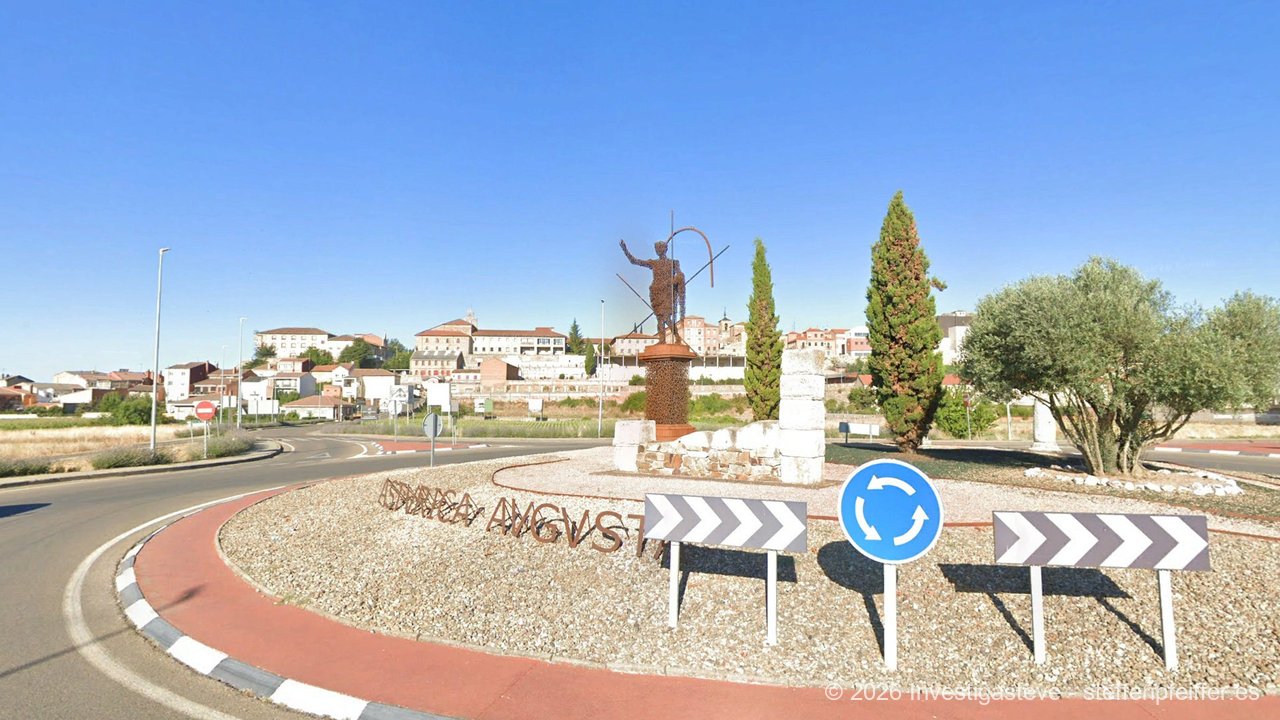
Astorga is a living palimpsest, a parchment roll of stone on which every era has left its handwriting without completely erasing the previous one. The story begins with the dull marching tread of the Legio X Gemina, which established the camp of Asturica Augusta here around 15 BC. You stand on the foundations of a Roman Empire that chose this place as the strategic heart for the gold rush in northern Spain. When you walk through the Roman Museum today or enter the Ergástula – that massive, gloomy vaulted building – you feel the tactile cold of the massive ashlars that once housed slaves or goods. The Romans came because of the gold of Las Médulas, and they built Astorga so solidly that their sewers, the Cloacas, still run beneath the modern streets. You can almost feel the technical perfection when you imagine how, two thousand years ago, water rushed through these precise stone conduits while trade with the “blood of the earth” flourished above.
With the Middle Ages, the face of the city changed from a military fortress to a spiritual lighthouse. Astorga became a bishop’s seat and one of the most important hubs of the Camino Francés, where the ancient Vía de la Plata from the south also converges. This historical causality is palpable everywhere: where the Romans paved their military roads, pilgrims later found their safe way. The city developed an enormous density of hospitals – at times there were over twenty facilities dedicated exclusively to the welfare of the pilgrims. The psychological effect of this tradition is still felt today; Astorga is a city that carries arrival and care in its DNA. The massive walls of the Cathedral of Santa María, which grew over centuries from Gothic to Baroque, tell of an unshakable faith and the wealth brought by the streams of passing people. The red sandstone of the façade seems to store the warmth of the sun and releases it in the evening hours in a glowing orange that feels like a promise of shelter.
But Astorga also tells the story of the Maragatos, those legendary muleteers who dominated long-distance trade between Galicia and Madrid for centuries. These people were the masters of the roads, robust, secretive, and of a proud wealth reflected in the architecture of their houses with their spacious inner courtyards. Their presence is audibly present in the chiming of the town hall clock, where Juan Zancuda and Colasa mark the hours in their traditional costumes. It is a story of mobility and endurance that perfectly fits the pilgrim existence. The city is also inseparable from the name Antoni Gaudí, whose Episcopal Palace rises like a neo-Gothic fairy-tale castle of white granite next to the cathedral. This contrast between the earthy weight of history and Gaudí’s visionary, almost ethereal lightness makes Astorga a place that forces you to constantly shift your perspective – from looking deep into the Roman excavations up to the filigree towers of Modernisme.
Addresses & tips in Astorga
| Accommodation | 30 |
| Restaurants | 18 |
| Bars & Cafés | 27 |
| Shopping | 21 |
| Services | 3 |
Show all 99
Show all 30
Show all 18
Show all 27
Show all 21
Camino Distances
The path now leads you from the plain into the gentle hill country that prepares the great ascent.
| Previous Place | Distance (km) | Next Place | Distance (km) |
|---|---|---|---|
| San Justo de la Vega | approx. 4.2 km | Valdeviejas | approx. 1.6 km |
Sleeping & Arriving
Arriving in Astorga means having the luxury of choice in infrastructure perfectly tailored to the needs of exhausted pilgrims. The Albergue de Peregrinos Siervas de María is the emotional heart of the pilgrim accommodations. It is a place of community, housed in a former monastery building where the murmur of many languages and the rustling of sleeping bags create a familiar, almost monastic setting. When you enter the large dormitory, you are enveloped by the smell of freshly washed laundry and the typical, slightly sour scent of hiking boots standing in long rows on the shoe racks. It is a tactile experience of simplicity and solidarity, rounded off by the warmth of the hospitaleros.
Those seeking a more intimate atmosphere will find an excellent alternative in the Albergue San Javier. It lies directly in the shadow of the cathedral, and the feeling of seeing the heavy church towers directly above you in the morning sun is psychologically immensely powerful. The hostel is known for its cleanliness and its well-organized kitchen, where small groups often form to prepare pasta or salads together. Here you often hear the hissing of gas stoves and the clinking of cutlery, mingling with the deep peals of the cathedral bells – an acoustic testimony to the symbiosis of profane everyday life and sacred surroundings.
For pilgrims who need a night of total regeneration after the exertions of the Meseta, Astorga offers a wide range of hostals and hotels. The Hotel Gaudí, right across from the Episcopal Palace, offers not only comfort but also a view that transports you to another time. When you stand at the window and gaze at Gaudí’s illuminated towers in the darkness, you feel like a guest in a fairy tale. It is an investment in the mental strength that can be invaluable for the upcoming stages through the mountains.
Another popular option is the Albergue My Way, which impresses with a more modern approach and great attention to detail. The beds are comfortable, the showers hot, and the communal area invites you to write in your diary or plan the next stage to Rabanal del Camino. You can sense the pride of the owners in their city here; pictures of Astorga and maps of the Maragatería hang everywhere. Arriving in Astorga is therefore never just a technical act of checking in, but always also an immersion in a deeply rooted hospitality.
No matter which accommodation you choose, the dynamics of the city ensure that you quickly feel part of a larger whole. The streams of pilgrims disperse through the alleys, and you meet again while shopping or on the Plaza Mayor. This feeling of security and excellent provision is important, because Astorga is the last point where you can get everything you need before the paths become narrower, steeper, and lonelier. Use the evening to care for your feet, check your gear, and absorb the atmosphere of these historic walls.
Eating & Drinking
Culinary-wise, Astorga is a revelation that goes far beyond the usual pilgrim menu. The absolute must is the Cocido Maragato. This stew is an olfactory event that envelops the entire city at midday in a cloud of meat, chickpeas, and cabbage. The special feature is the ritual sequence: first, the various types of meat are served – from chorizo to beef to pig’s ears – then come the chickpeas with cabbage, and only at the very end the soup. Historically, this is rooted in the lifestyle of the Maragatos, who ate the hearty food first on their trading journeys in case they had to leave suddenly. It is a heavy, honest meal that fills you up tactilely and gives you energy that lasts for days. The taste is intense, characterized by the aromas of the region and a long cooking time over an open fire.
Besides the savory cuisine, Astorga is world-famous for its chocolate. Just walking down Calle San José de Calasanz, the scent of roasted cocoa beans wafts towards you. In the small shops, you will find hand-scooped bars, pralines, and the famous Mantecadas – a square butter pastry served in small paper boats. When you bite into a Mantecada, you experience a consistency that is simultaneously crumbly and juicy, a sweet relic from a time when Astorga was the center of the chocolate industry in Spain. It is the perfect trail snack for the ascent to the Cruz de Ferro; small, light, and full of quick energy.
In the evenings, the bars around the Plaza Mayor fill up. Here you drink a wine from the nearby Bierzo, often with an earthy, mineral note, pairing perfectly with a tapa of Cecina – the air-dried beef ham of the region. Chewing on the thinly sliced, dark Cecina is a tactile experience; the meat is firm, slightly smoky, and of incredible depth of flavor. While you sit there, watching the bustle in the square and holding the cool glass in your hand, the laughter of the locals mingles with the clinking of glasses to form a symphony of joie de vivre. Astorga nourishes not only your body but also your soul.
Supplies & Logistics
Logistically, Astorga is a paradise for pilgrims and the ideal place to stock up on supplies or replace equipment. In the city, you will find everything from large supermarkets like Mercadona or Alpro to specialized hiking stores that carry everything a pilgrim’s heart desires – from new blister plasters to high-quality merino socks to replacement tips for your trekking poles. The pharmacies are excellently equipped, and the pharmacists here have years of experience dealing with the typical ailments of pilgrims; they advise you competently and without haste.
The city is also an important transport hub. The train station connects Astorga with León, Madrid, and Galicia, making the city a popular starting point for pilgrims who only want to walk the final phase of the Way. The Post Office (Correos) offers the well-established luggage transport service, which is particularly helpful for those who are apprehensive about the upcoming mountain stages. ATMs are plentiful near the Plaza Mayor and along the main streets, ensuring financial supply.
In summary, Astorga offers a logistical security that becomes rarer further along the Way. It is wise to take a thorough inventory of your backpack here once more. The city is large enough to meet every need, yet compact enough to do everything on foot.
Shopping: On Calle Mayor and around the cathedral, you will find numerous delicatessens for chocolate and Cecina, as well as well-stocked supermarkets.
Gastronomy: An enormous density of restaurants offers everything from the inexpensive pilgrim menu to the traditional Cocido Maragato.
Accommodation: Over 10 hostels and numerous hotels cover every budget and comfort level.
Public Facilities: Post office, train station, bus station, and a modern health center are available.
Use the excellent infrastructure to prepare yourself mentally and physically for the solitude of the mountains. Being in Astorga means having the certainty that you are perfectly equipped for the next big step.
Don’t Miss
1. The Cathedral of Santa María: Admire the Retablo Mayor by Gaspar Becerra, a masterpiece of the Renaissance, and pay attention to the details of the late Gothic architecture.
2. The Episcopal Palace by Gaudí: A must for architecture fans; the interplay of light, glass, and white granite is absolutely unique on the entire Camino.
3. The Roman Museum and the Ergástula: Dive deep into the ancient history of the city and feel the cold of the Roman ashlars.
4. The Cloacas Romanas: A tour through the ancient sewer system is an auditory and tactile experience that illustrates Roman engineering.
5. The Chocolate Museum: Learn everything about the sweet history of Astorga and enjoy the scents of cocoa production.
6. Plaza Mayor and the Town Hall: Watch the figures Juan Zancuda and Colasa strike the bell – a ritual moment for every visitor.
7. The City Wall: A walk along the well-preserved walls offers fantastic views of the Montes de León and the surrounding countryside.
8. The Church of San Bartolomé: A rather inconspicuous jewel with beautiful Romanesque capitals, often offering peace away from the tourist crowds.
9. Eat a portion of Cocido Maragato: The culinary highlight of the region, making the history of the muleteers tangible.
10. Santuario de Fátima: A place of silence and devotion, particularly known for its modern stained glass.
Insider Tips & Hidden Places
Away from the major tourist magnets, Astorga has corners that radiate their own quiet magic. One such place is the small neighborhood around the Church of Santa Marta, the city’s patron saint. In the narrow alleys, time seems to have stood still; here you will still find old craft businesses and small bars where there are no pilgrim menus on signs, but where locals drink their coffee. If you sit here on a bench, you hear the distant cries of the swifts circling the towers and the leisurely chatter of neighbors. It is a place where you can set down the psychological weight of the path for a moment, simply to be an observer of timeless Spanish everyday life.
Another hidden treasure is the Garden of the Synagogue (Jardín de la Sinagoga), laid out on a part of the old city wall. It not only offers shade under old trees but also one of the most spectacular views of the Teleno, the sacred mountain of the Maragatos. Up here, a light wind always blows, smelling of pines and dry earth. It is the perfect place for a quiet meditation in the late afternoon, when the light softens and the mountains are bathed in a deep blue. Here you feel the historical continuity – from the Romans who kept watch here to the Jews who once lived and worked in this district.
For history enthusiasts, it is worth searching for the remains of the Roman Forum, often inconspicuously located between modern buildings. Sometimes a glance through a grating into a cellar is enough to sense the monumental dimensions of the ancient city. These small, unsignposted fragments of the past have a powerful tactile effect; you want to touch the cold stone that has occupied the same spot for two millennia. It reminds you that your own journey is but a tiny blink of an eye in the chronicle of this place.
Finally, a culinary insider tip: visit the chocolate factory La Cepedana. While the large shops are on the main street, this place offers an authenticity you can taste. If you are lucky, you might get a glimpse of the production and smell the warm, liquid cocoa solidifying in the molds like a dark river. It is an olfactory experience that takes you back to your childhood and gives you a feeling of security before you set off again the next day into the rugged nature of the mountains.
Moment of Reflection
Pausing in Astorga means confronting finitude and permanence. When you stand before the cathedral and simultaneously see the Roman ruins at your feet, the question arises: What of what I do today will endure? The Camino has led you here, through dust and heat, through doubt and euphoria. Astorga is the place where these experiences condense. The city urges you to take stock. You feel the psychological relief of having left the Meseta behind, but you also feel the awe for the upcoming elevation gain. It is a moment of balance – you stand in the middle of your journey, rich in impressions, but not yet at the destination.
Take the time to sit on the city wall and look west. There lie the Montes de León, your next goal. The silence up here, interrupted only by the distant ringing of bells, is a precious commodity. Reflect on the people who walked this way before you – the legionaries, the gold washers, the merchants, and the millions of pilgrims. They all left traces in Astorga, just as you are doing. This place teaches you that every step is part of a larger narrative. With this awareness of belonging to a two-thousand-year-old tradition, you will find the strength to tackle the ascent to Rabanal and beyond to the Cruz de Ferro with renewed determination.
Camino of the Stars
This place lies on the Camino Francés, on the stage from Hospital de Órbigo to Astorga. The sequence of places is:
Hospital de Órbigo → Villares de Órbigo → Santibáñez de Valdeiglesias → San Justo de la Vega → Astorga → Valdeviejas → Murias de Rechivaldo → Santa Catalina de Somoza → El Ganso → Rabanal del Camino
Did the sight of Gaudí’s palace enchant you just as much as the monumental serenity of the cathedral, or was it the first bite into a Mantecada that saved your day? Share your experiences from Astorga with us – tell us about your discoveries in the Roman Cloacas or your moment of silence on the city wall. Your story inspires others to experience this special place with all their senses!
About the Author