First Glance – Introduction & Atmosphere
When you have left the dusty paths behind Portomarín and the sweat-inducing climb from the Miño Valley behind you, the path opens to a place that rests like an archaic crown on the landscape. Castromaior is not a place that welcomes you with the noise of modernity or the hustle of a logistical hub; it is a pause of the world on an exposed plateau that has defied the storms and sun of Galicia for millennia. From afar, you feel the change in the atmosphere: the air here at almost 700 metres above sea level is clearer, cooler, and carries the tart, almost spicy scent of wild thyme, broom, and the heavy aroma of damp earth. You hear the rhythmic, almost meditative click of your pilgrim staff on the uneven ground, a sound that finds a soft echo in the wide, open landscape and is interrupted only by the distant, melancholic ringing of cowbells that drift through the valley like a relic from another time.
In Castromaior, you feel the tactile reality of history beneath your feet. The path changes from earthen trails to rough stone slabs that store the coolness of the night and release it only hesitantly to the passing walkers in the morning. When you place your hand on the lichen-covered granite walls of the chapel of Santa María, you touch material that has seen generations of pilgrims come and go. Psychologically, this place marks a decisive threshold: it is the moment when the physical exhaustion of the climb gives way to a sudden, euphoric vastness. The visual panorama is of an almost painful beauty – a sea of deep green ferns and eucalyptus groves, softened by the milky Galician mist, the orballo. Here, you are no longer just a walker covering a distance; you become part of a timeless continuum, a spiritual viewpoint that urges you to shed your inner ballast before you set out on the final miles to the tomb of the Apostle.
What This Place Tells
Castromaior is a stone chronicler whose narratives reach deep into the bowels of the Iron Age. Long before the first Christian pilgrims trod this path, this hill was already a centre of power and faith. The historical causality of its significance lies in the strategic superiority of the terrain. The heart of the narrative is undoubtedly the “Castro de Castromaior”, a Celtic settlement founded as early as the 4th century BC. It is one of the most significant archaeological monuments of the Camino de Santiago and of Galicia. When you walk through the exposed foundations of the round and oval houses, you feel historical immersion in its purest form. You can almost hear the distant echo of hammer-on-stone sounds and smell the scent of open fire and tanned leather that once wafted through these lanes. It is the story of warriors, farmers, and craftsmen who created a complex defence system of ditches and ramparts here to protect their lives and livestock.
The sacred level of Castromaior is represented by the simple but dignified Iglesia de Santa María. This Romanesque gem, built in the 12th century on the remains of even older structures, is a masterpiece of rural architecture. Historical causality leads us back to a time when the church was the only place of protection and spiritual nourishment. Inside, it preserves a silence that is almost physically tangible. The smell of old incense, cold stone, and beeswax forms an olfactory bridge to a century when pilgrimage was an act of absolute trust in divine guidance. Particularly impressive is the altarpiece, which acts like an architectural echo of the former splendour that the place enjoyed due to its position on the main route to Santiago. Here, not only was prayer offered; stories of distant lands were shared, wounds were tended, and hope for redemption was nurtured.
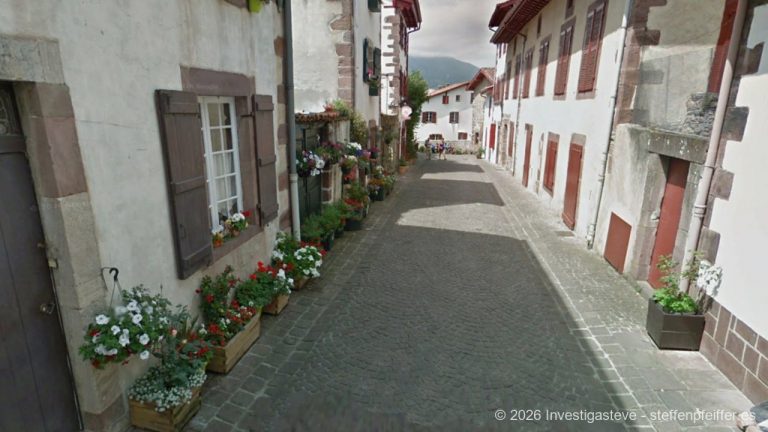
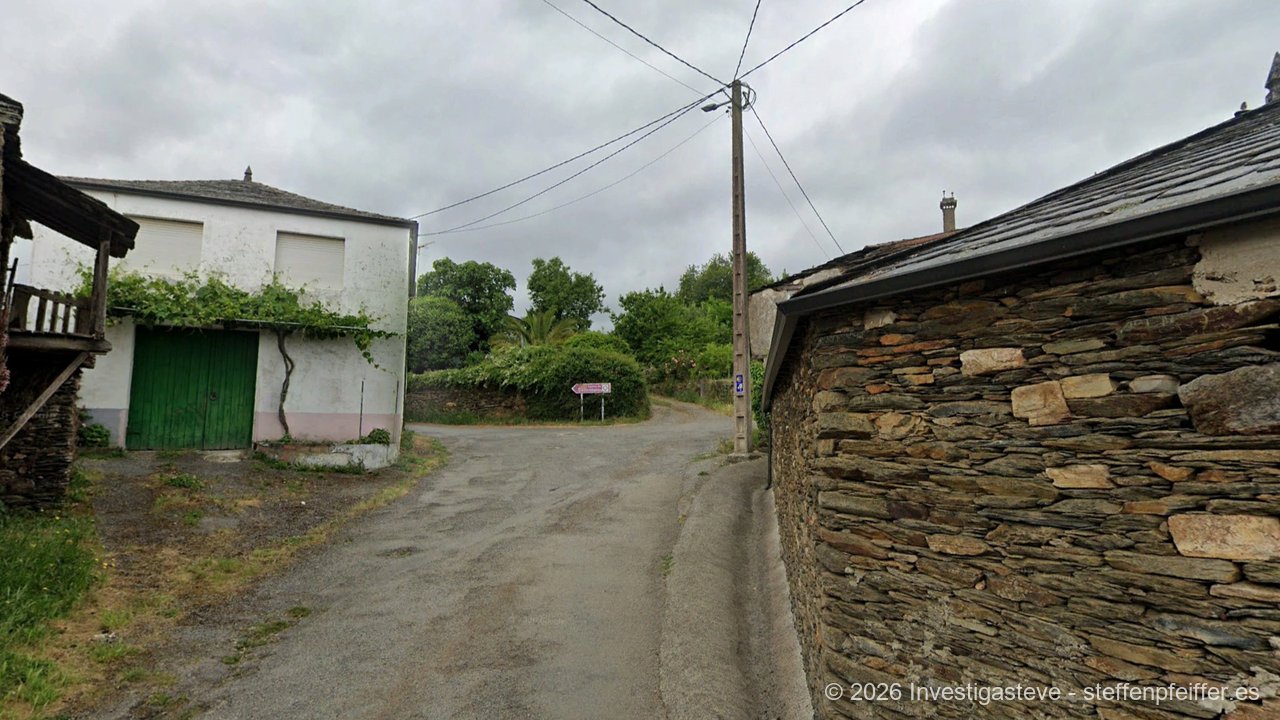
But Castromaior also tells of the everyday business of survival in an often harsh environment. The hamlet was always a hub for traders and pilgrims alike, who gathered new strength here before crossing the Serra de Ligonde. The traditional stone houses, which today nestle almost shyly at the edge of the path, tell of an architecture of necessity: squat construction against the wind, slate roofs against the rain. Every house, every hórreo – those typical Galician granaries on stone stilts – is a functional work of art that speaks of the hard work on Galician soil. In Castromaior, the 1200-year history of the Camino is not read in books but felt through the soles of the feet. Every step on this ground is a tactile document of millions of people who felt the same wind on their faces and carried the same longing in their hearts right here. It is a place that whispers to you that constancy does not lie in monumental splendid buildings, but in loyalty to one’s roots.
Addresses & tips in Castromaior
| Accommodation | 3 |
| Bars & Cafés | 1 |
| Sights | 2 |
Camino Distances
On the 30th stage of the Camino Francés, Castromaior marks the first significant ridge after leaving Portomarín.
| Previous Town | Distance (km) | Next Town | Distance (km) |
|---|---|---|---|
| Gonzar | ca. 1.2 km | Hospital da Cruz | ca. 2.3 km |
Sleeping & Arriving
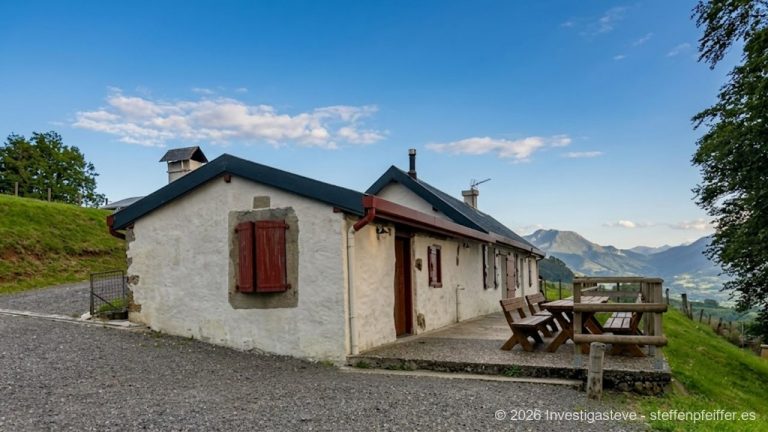
Arriving in Castromaior is like entering a protected space of silence. When you climb the gentle hill and stand before the Albergue de Castromaior, you feel an immediate psychological relief. There are no anonymous bunkhouses here; the hostel is a place of reduction to the essentials, preserving precisely that monastic calm that many miss on the modern path. The tactile experience begins when you set down your backpack on the cool wooden benches and take the first deep breath of the clear mountain air. Arriving here is defined by silence – you hear no engine roar, only the soft rustle of bed linen and the muffled whispers of those who, like you, seek the special energy of this archaeological place of power.
In the hostel, the historical tradition of hospitalitas is lived in its purest form. The rooms offer a tactile mix of rustic stone and functional comfort, creating a microclimate of security. The psychological effect of this setting is immense: you do not feel like a traveller passing through, but like a guest of a house that has outlasted time. The communal areas invite quiet conversations, where you share the experiences of the climb amidst the smell of fresh coffee. It is the quality of isolation that makes Castromaior so valuable as an overnight stop. When night falls over the plateau, you only hear the distant rustling of the wind in the pines – an acoustic panorama that guarantees deep, regenerative sleep.
Particularly noteworthy is the personal touch of the care. Those who arrive here are often greeted with a warmth that goes beyond the purely commercial. The tactile feeling of hot water on tense shoulders after a long day in the Galician hills becomes the highest form of luxury here. Arriving in Castromaior also means reconciling with your own exhaustion and feeling gratitude for the path you have covered. It is that moment of psychological metamorphosis in which the will to reach the destination gives way to the realisation that the moment of rest up here is the true gift. Those who stay overnight in Castromaior consciously choose spiritual closeness to the ancestors and reject the hustle of the larger towns.
The accommodations are often housed in restored stone buildings that preserve the character of the region. The coolness of the walls in summer and the pleasant warmth of the heating in autumn offer that tactile contrast that prepares the body for the next stage. Arriving in Castromaior means taking a step back to a simpler time, when the basic needs – a safe camp, a warm meal, and a kind word – were the most important milestones of the day. It is a place of preparation for the finale of the Way, a moment of concentration before you plunge back into the stream of thousands the next morning. Sleeping in Castromaior means drawing strength from the granite and using the vastness of the landscape as a mirror for your own soul.
Eating & Drinking
The culinary experience in Castromaior is a journey to the roots of Galician country cooking. As the place is small, the gastronomic experience concentrates on the Café Bar O Castro, which for many pilgrims appears like a saving oasis after the climb. As you approach the bar, the scent of freshly brewed coffee mixes with the irresistible aroma of homemade tortilla and fresh country bread. It is an olfactory promise that immediately revives the spirits. The tactile experience of taking a seat at a solid wooden table on the terrace and feeling the sun on your skin is the perfect start to regeneration.
The speciality of the house is often the traditional Galician empanada, whose crust is so crispy that it gives a loud, auditory signal of quality when broken. The taste of the filling – whether juicy tuna or spicy meat – is deeply rooted in the region and provides exactly the energy needed for the further kilometres on the high plateau. An absolute must is also the Caldo Gallego, that hearty soup of cabbage and potatoes, which on especially foggy days provides a tactile warmth that spreads from the stomach throughout the body. You taste the minerality of the soil and the care of the preparation in every spoonful.
Drinking a cool Estrella Galicia or a local country wine from the traditional ceramic bowls forms the perfect end to a meal. The cool weight of the bowl in your hand and the earthy taste of the wine are sensory moments that linger long in the memory. Eating in Castromaior also means perceiving silence as an ingredient. Since there is no urban hustle, you enjoy every bite more consciously. The psychological component of eating is closely linked here to reward: you have reached the plateau, you have arrived, and this meal seals the day’s success. Those who dine here literally absorb the power of Galicia – honest, down-to-earth, and of a quality that needs no extravagance.
Supplies & Logistics
Logistically, Castromaior acts as a zone of specialisation and as a strategic safety valve on the way to Palas de Rei. Those who come here must be aware that this hamlet is not a supply centre in the modern sense; those who come here seek reduction to the essentials. Nevertheless, the place offers everything necessary for an efficient stay, provided you plan your needs in advance.
Shopping: There are no supermarkets or shops on site. The supply of snacks or small travel items is exclusively through the points of sale within the hostel or the bar. Pilgrims should have already replenished their main supplies in Portomarín; the next comprehensive shopping opportunity is only in Palas de Rei, about 15 km away.
Gastronomy: Catering is excellently covered by the Café Bar O Castro. Here you get hot meals, breakfast, and drinks, tailored specifically to the rhythm of the walkers. Opening hours are reliably aligned with the flow of pilgrims.
Sleeping: With a private hostel, a high-quality overnight accommodation is available. As capacity is limited, advance reservation is strongly recommended in the absolute high season for psychological planning security.
Public Facilities: There are no medical facilities, banks, or post offices in Castromaior. All formal administrative and health care must be used in nearby Palas de Rei or in Portomarín behind you. In an emergency, however, the connection via the nearby country road is excellent, and the emergency services are quickly reachable.
Safety in Castromaior is exceptionally high due to the clarity of the site and the social control of the small community. You immediately feel part of a small, protected world. Logistically, the hamlet acts as a “check-in of the soul” – here you do not check your luggage weight, but your mental state for the coming kilometres. The acoustic seclusion ensures that you can concentrate fully on your inner orientation. Castromaior proves that good pilgrim logistics sometimes consist of needing nothing but what you carry in your own heart. Those who pass through this place should have checked their supplies, but can then rely completely on the excellent hospitality and the unique atmosphere.
Don’t Miss
- Castro de Castromaior: An absolute must for every pilgrim; walk through the 2500-year-old foundations of the Celtic settlement and feel the archaic power of the place.
- Iglesia de Santa María: Visit the Romanesque church building and pay attention to the artistic capitals and the simple dignity of the chancel.
- Interpretation Center (2022): Use the newly opened information centre at the castro to deeply understand the historical causality of the Iron Age settlement.
- Sunset on the plateau: Experience how the light bathes the granite walls of the castro in a deep orange – a visual and psychological highlight of the journey.
- The stone wayside cross at the entrance to the village: An iconic photo point symbolising the centuries-long pilgrim presence at this strategic transition.
- The view over the Ulloa region: Stop at the highest point and let your gaze wander over the soft green waves of Galicia – a panorama of freedom.
Insider Tips & Hidden Places
Away from the marked pilgrim path, if you follow the paths behind the castro towards the lower-lying valleys, you reach small hollows where ancient oak forests stand like forgotten guardians. Here the world seems to come to a complete standstill. The ground is covered with a thick layer of moss and fern, making every step silent – a tactile blessing for your strained feet. In this hidden corner, it smells intensely of forest honey and damp bark. It is the perfect place for a private meditation or a psychological inventory of your journey, far from the cameras and conversations of fellow pilgrims. Here you feel the primordial nature of Galicia, just as the Celts saw it two thousand years ago, a space where time has no power.
Another hidden treasure inside the church are the small, often overlooked stonemason marks on the lower ashlars of the apse. While most pilgrims only glance briefly at the altar, it is worth looking for these fine engravings. When you run your fingertips over these notches, you touch the individual handwriting of a craftsman from the 12th century. It is a tactile communication across the centuries that makes historical immersion truly tangible. It is said that these signs were not only signatures but also protective symbols against evil spirits of the forest. Such details reveal themselves only to those who are willing to adapt their pace to the speed of the soul.
Did you know that there is a spot at the edge of the excavation site of the castro where the echo of your own voice is reflected back from the stone walls in a very specific way? When you stand at the right point and speak softly, the stone ruin seems to catch the words and bring them back as a gentle whisper. This auditory phenomenon intensifies the feeling of mystical presence that surrounds this place. It is as if history itself is communicating with you. Those who take the time to explore these acoustic nuances discover a Castromaior that is far more than just an archaeological site – it is a place of fine vibrations that only reveal themselves when you lift your gaze from the ground.
Finally, it is worth following the small path at dusk that leads to an old, ruined well house below the village. Here the water emerges crystal clear from the stone and splashes steadily into a moss-covered trough. The acoustic rushing of the water acts like a natural sedative for the mind. In the air lies the scent of water mint, and the cool freshness of the place cleanses the senses after a strenuous march. In these hidden corners of Castromaior, you feel the “true” Galicia – a place that pretends nothing, but preserves its beauty in silence and detail. Those who lose themselves here often find a part of themselves that they had forgotten in the hustle of everyday life.
Moment of Reflection
In Castromaior, you stand at a point of maximum temporal depth. The presence of the Celtic settlement confronts you with your own transience: What remains of us after two thousand years? The psychological metamorphosis that takes place here is the shift from the identity of the “walker” to that of the “participant in history”. Castromaior challenges you to pause and question your own role in this infinite chain of seekers. The silence of the plateau acts as a filter for your thoughts. In the cool darkness of the Romanesque church, you become aware that wealth on the Camino does not lie in the number of kilometres, but in the depth of the moments experienced.
The historical causality of your being here connects you with the Celts, the Romans, and the medieval knights alike. Do you feel the responsibility to carry forward this heritage of respect for the earth? In Castromaior, you become aware that the Camino is not a race, but a search for your own centre. The tactile reality of the rough granite under your hands reminds you of your own resilience. Use this moment of reflection to recalibrate your inner compass. When you leave Castromaior tomorrow and set out on the final kilometres to Santiago, take the “light of the plateau” within you. It will be your anchor when the hustle of the world catches up with you again. Here, in the silence of the stones, you have found the strength to continue your journey with a new, timeless dignity.
Camino of the Stars
This place lies on the Camino Francés, on the stage from Portomarín to Palas de Rei. The sequence of places is:
Portomarín → Gonzar → Castromaior → Hospital da Cruz → Ventas de Narón → Ligonde → Airexe → Portos → Lestedo → A Calzada → Palas de Rei
Did you also feel that sudden shiver of awe amidst the Celtic walls of Castromaior, or find a moment of absolute peace at the Romanesque altar of the church of Santa María? Perhaps you have discovered your own personal place of power in the oak forest behind the castro or while enjoying a tortilla on the terrace? Share your personal impressions, your photos of the granite walls, or your thoughts on the timeless silence of this plateau with us. Every story makes this special archaeological treasure on the Camino come alive for the community!
About the Author