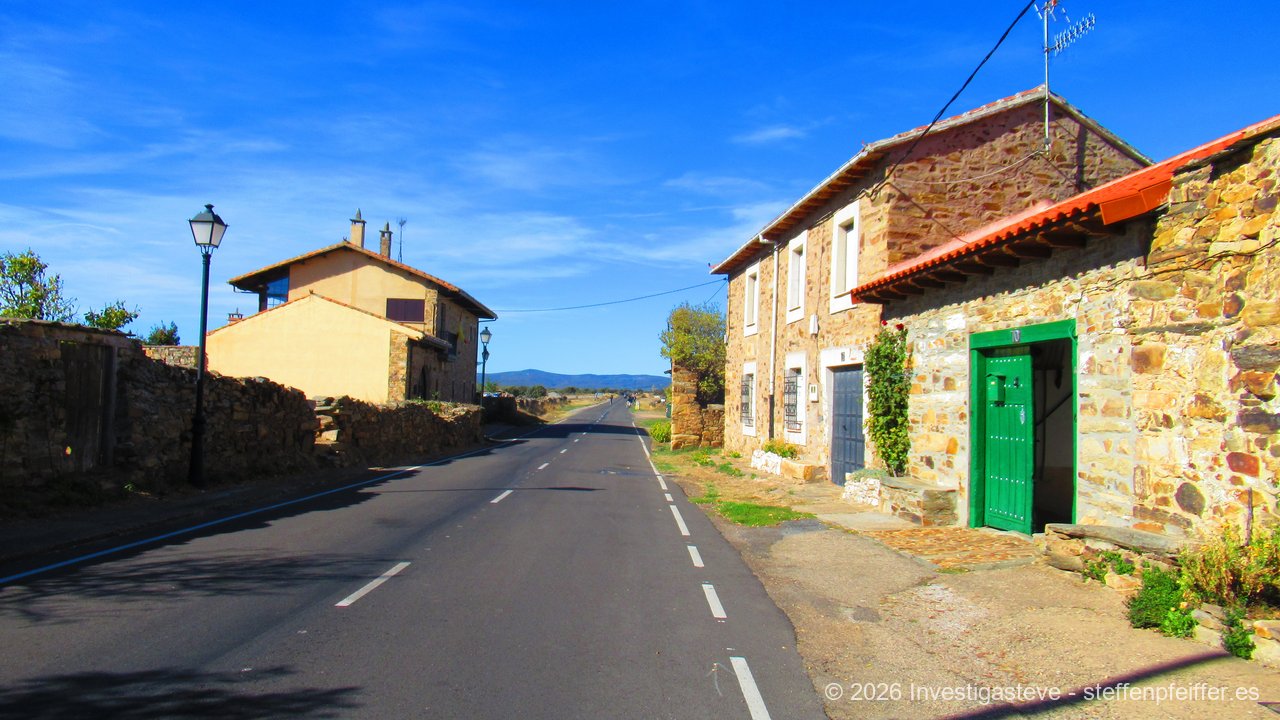
A new stage day – entering the stage
The morning in Astorga begins with a majestic silence, broken only by the distant, irregular striking of the bells of the Cathedral of Santa María. When you step out from the shadows of the massive city walls, the cool, clear air of the Castilian plateau envelops you, taking on a new, spicy quality here at the transition to the Maragatería. It is a departure between eras: behind you lie the splendid testimonies of Roman Asturica Augusta and the playful, almost fairytale-like towers of the Bishop’s Palace by Antoni Gaudí, while ahead of you awaits the gently rising landscape of the Montes de León, characterized by red earth and broom. You feel the historical causality of this place as a strategic bottleneck of the Camino; every step on the cobblestone departure from the city is a bow to the millions of pilgrims who, for over a millennium, have taken exactly this path to cross the mountains.
Psychologically, this stage day marks a phase of transformation. After the wide, often monotonous Meseta, the steady, almost imperceptible ascent into the archaic world of the Maragatería begins here. The smell of freshly baked “Hojaldre,” the typical puff pastry of the city, mingles in the early morning hours with the scent of damp stone and awakening land. The senses expand as the urban structure of Astorga slowly recedes into the background and the gaze seeks the wide, reddish fields that act like a harbinger of the rugged beauty of the coming days. It is a ritual stepping out into a landscape of silence, where the echo of history seems to breathe in the massive granite walls of the houses, and the pilgrim is gradually prepared for the spiritual solitude of the mountains.
Route and elevation profile
Distance: 25.8 km
Elevation gain: ↑ 350 m / ↓ 80 m
Difficulty: Moderate. The challenge lies less in steep ascents than in the continuous, subtle incline over almost 26 kilometers and the psychological burden of the solitary passages.
Special features: Steady transition from the lowlands to the pre-alpine terrain, passage through the typical Maragato villages, and an exposed stretch from El Ganso onwards that demands high endurance in wind and sun.
Today’s topography can be described as a long, steady ascent that challenges the body moderately but continuously. You leave Astorga at about 870 meters in altitude and gain almost 300 meters in elevation by Rabanal del Camino. The path leads over gentle undulations that gradually take the pilgrim from the fertile plain into the more barren zone dominated by heather and cistus. The ground changes from firm asphalt in the suburbs to the characteristic, reddish dusty earth paths of the region, which can become sticky when wet but offer an almost springy haptics in dry weather.
A critical point of the stage is the last third from El Ganso onwards. Here, the path leads over a wide, exposed high plain, where the wind often blows unhindered down from the mountains. Psychologically, this is a phase of patience, as the destination of Rabanal appears on the horizon as a small silhouette, but the distance subjectively stretches due to the uniformity of the landscape. The physical strain is low due to the mild gradient of the descents, sparing the knees, but the monotone strain of the ascent demands good energy management to keep the final “wall” of the following day to the Cruz de Ferro in sight.
Variants and small detours
The classic route of this stage is so deeply burned into the geography of the Maragatería that there are hardly any official variants that would fundamentally change the course. Nevertheless, for the historically interested pilgrim, a small, worthwhile detour offers itself shortly after Murias de Rechivaldo. While the main path leads directly to Santa Catalina de Somoza, you can take a short swing to Castrillo de los Polvazares. This place is a living museum of Maragato culture; its completely cobblestone alleys and the massive stone houses with wide gates for the mule carts offer an atmospheric depth that more than justifies the detour of about two kilometers.
In the further sections, the path remains largely without alternatives, as it follows the natural ridge to avoid the depressions. A small nuance in the route presents itself in the area of El Ganso, where you can choose whether to strictly follow the paved pilgrim path or use the narrower, often parallel paths through the bushes, which offer more wind protection. However, these paths require greater attention to the markings, as they can easily blur in the dense vegetation of the heather plants. Most walkers, however, stay on the main route to enjoy the visual expanse and the first real mountain air that heralds the approaching ascent to Rabanal.
Description of the path – with all senses
The departure from Astorga leads you over the Plaza Mayor, where the two figures of the “Maragatos” at the town hall clock set the rhythm for your day. You feel the hard stone beneath your soles, a material that is still cold and unyielding here. The path leads you down into the plain, and soon the color of the ground beneath you changes: a deep, almost rust-red now dominates the image. You hear the rhythmic pounding of your steps on the compacted earth path, a sound that takes on an almost meditative quality in the expanse of the fields. Arriving in Murias de Rechivaldo, you smell the scent of damp clay and the first coffee of the day wafting from the small bars. The historical causality is tangible here; the simple fieldstone houses mark the definitive break with the urban splendor of Astorga and the beginning of the rural Maragatería.
Behind Murias, you enter a zone of silence. The path leads you through endless fields bordered by low stone walls. You run your hand over the rough, lichen-covered stones, feeling the centuries of work by the farmers who painstakingly made this soil arable. The air here is dry and carries the pungent scent of broom and wild thyme. You hear the distant chirping of crickets, an acoustic sign of the heat building up over the red fields. Psychologically, this is a phase of decompression; the mind lets go of the images of the cathedral and focuses on the fine nuances of the landscape – the metallic gleam of the stones in the sunlight and the infinite expanse of the sky, which here stretches particularly low over the earth.
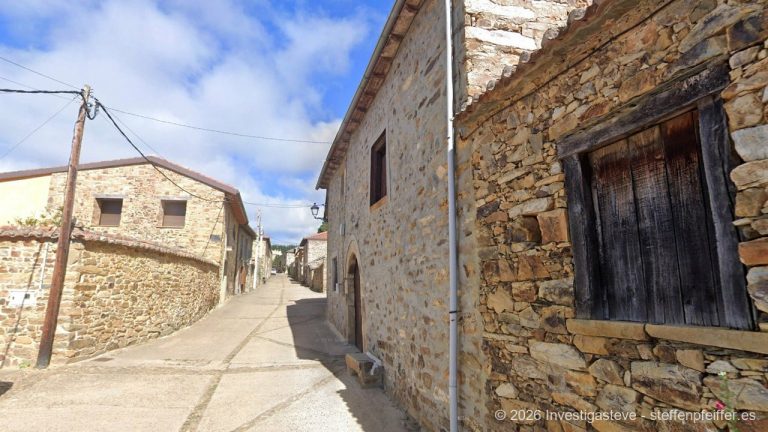
In Santa Catalina de Somoza, the architecture of the muleteers (Maragatos) welcomes you. The houses have wide gateways through which the heavy carts once rolled into the courtyards. You feel the massive coolness of the granite when you pause briefly in the shade of a house. The ground here is paved with rough stones that demand your attention and train your ankles. You hear the soft murmur of a water source, where the cool liquid glides over the dark stone – a haptic refreshment that sharpens your senses for the further ascent. The smell of roasted meat and the heavy “Cocido Maragato” wafts from the open doors of the mesóns, reminding you that this region lives from the strength and endurance of its inhabitants.
The path to El Ganso leads you through terrain that becomes increasingly wild. The fields give way to dense heathlands and small oak forests. You hear the rustling of leaves in the wind, a deep, calming roar that underscores the silence of the high plain. The ground here becomes sandier; fine quartz dust settles like a light film on your shoes. You feel the warmth of the sun on your back as you tackle the gentle ascent. In El Ganso, time seems to stand still; the straw-covered remains of old huts and the simple church of San Sebastián look like film sets. You smell the scent of dry grass and stables, an archaic aroma that immerses you deeply in the history of this region.
Behind El Ganso begins the most demanding part of the stage. The path leads over a wide plateau where the wind blows unimpeded from the peaks of the Montes de León. You feel the resistance of the air, a physical dialogue with the elements that challenges your will. Visibility here is enormous; on the horizon, you already see the dark silhouettes of the mountains that are your destination for tomorrow. You hear the distant roar of the main road, but it only acts like background noise that emphasizes the solitude of your path. The visual dominance of the crimson earth and the yellow broom creates a color dynamic that is almost intoxicating. Your mind is now fully focused on the rhythm of your walking, a psychological harmony between body and space.
Near Rabanal Viejo, you pass the ruins of old Roman gold mines. The historical causality is visually present here; the deep cuts in the landscape tell of the greed and industriousness of past empires. You feel the roughness of the slate rock beneath your feet, which now increasingly replaces the red clay. The smell of pine needles mixes into the air as you traverse the first coniferous forests. The light falls in narrow lances through the dense green, creating a play of light and shadow on the ground. You hear the distant echo of a woodpecker, a lonely tapping that underscores the acoustic isolation of this forest section.
The final ascent to Rabanal del Camino leads you through an avenue of tall trees. You feel the moisture of the shade on your skin, a pleasant contrast to the heat of the high plain. The ground becomes firmer again, the forest gives way to the first walls of dark stone. You hear the steady splashing of a stream accompanying the path, an acoustic signpost to the stage destination. The smell of incense and burning oak wood greets you, a warm, spiritual aroma promising security. In this moment, you realize: you have reached the gate to the mountains. The historical dimension of Rabanal as a significant Templar site and refuge for pilgrims is palpable in every joint of the masonry.
The entry into Rabanal del Camino is characterized by an almost monastic atmosphere. The village lies like an eagle’s nest at the foot of the pass. You hear the heavy striking of the bells of the chapel of San José, a deep, sonorous sound that sanctifies the arrival of every pilgrim. The ground beneath your feet consists of irregular granite slabs that force you to walk slowly and deliberately. You run your hand over the massive wooden gates of the hostels, feel the texture of the wood and the coolness of the iron fittings. Psychologically, this is a place of gathering; you feel the power of the community that will gather here in the evening for the Gregorian chants, and you prepare yourself inwardly for tomorrow’s ascent to the Cruz de Ferro.
In the twilight of Rabanal, perception changes again. The mountains in the background appear like black giants against the purple sky. The air becomes cool, clear, and carries the scent of the nearby forests into the village. You feel the fatigue in your legs, but it is a deserved exhaustion, a haptic confirmation of your 26 kilometers today. You hear the murmur of pilgrims in the narrow alleys, a polyphonic chorus of expectation. The historical causality concentrates here in the church of Santa María, which has stood unwaveringly on the path since the 12th century. You feel the silence inside, smell the age of the stone, and realize that you have crossed an important threshold today – the transition from the land of people into the land of stars.
The evening reflection, as you tend to your feet and study the maps for the next day, is marked by deep gratitude. You feel the smoothness of your skin where the dust of the day has been washed away, a haptic sign of purification after the path. The sounds of the night in Rabanal, the distant howling of the wind in the mountains, and the soft creaking of the roof truss in the hostel form the acoustic conclusion of a stage that has gently prepared you for the finale. You are now ready to leave the “in-between” and climb the highest point of your journey. The historical causality of your entire journey concentrates in this small place, which exists only to grant pilgrims like you a final rest before the iron cross finally calls you to itself.
Packing and shopping tips
Shopping: In Astorga, you should definitely buy the famous “Mantecadas” or “Hojaldres” as an energy reserve. Along the way, in El Ganso, there is a small shop for the essentials. In Rabanal del Camino, you will find specialized pilgrim shops for equipment and regional products.
Supply situation: Good to moderate. Between El Ganso and Rabanal (about 7 km), there are no guaranteed water sources or bars; here you should definitely fill your bottle.
Packing recommendations: As the path steadily ascends, clothing in layers is recommended. A lightweight windbreaker is essential for the exposed areas from El Ganso onwards.
Today, a piece of Maragato chocolate from Astorga carries you further than any synthetic energy bar. The red earth of the Maragatería demands good equipment; make sure to thoroughly clean your shoes in the evening from the fine dust that can otherwise clog the membranes. The supply situation in the villages is stable, but the solitude in between should not be underestimated. An apple from the gardens of Murias not only provides vitamins but also a haptic connection to the fertile land you are leaving behind.
Remember that Rabanal is already at over 1,100 meters in altitude. Temperatures drop here significantly faster in the evening than in Astorga. A warm layer for the evening is therefore mandatory, especially if you want to attend the late service of the Benedictines. The air up here is drier, which unobtrusively increases the need for fluids. Drink regularly, even if the cool wind suppresses the feeling of thirst.
At the end of this stage, you will be grateful for well-fitting socks. The steady, monotonous ascent strains the Achilles tendon more than a steep mountain path. Use the breaks in the Maragato villages to put your legs up and review the texture of the path in your thoughts. It is a stage of mental endurance, prepare yourself to be alone with your own thoughts for a long time.
Dining, accommodation & supplies
The gastronomic supply on this route is a feast for lovers of rustic Castilian cuisine. In Santa Catalina de Somoza and El Ganso, there are numerous opportunities to try the famous “Cocido Maragato” – a hearty stew served in a very specific order (first the meat, then the vegetables, lastly the soup). The bars along the way are entirely geared towards pilgrims and often offer hearty sandwiches (bocadillos) with local ham.
Regarding accommodation, Rabanal del Camino is a true gem. There is a wide range from the traditional public hostel to privately run albergues with a spiritual focus, such as the English hostel “Gaucelmo.” Those seeking more comfort will find several charming guesthouses in the lovingly restored stone houses of the village. The atmosphere in the evening is unique; almost all pilgrims gather for Compline in the Romanesque church, creating a deep sense of community.
Public facilities such as pharmacies or larger supermarkets are concentrated in Astorga. Along the way, medical care is sparse, so a well-stocked travel pharmacy for blisters and minor ailments is essential. In Rabanal itself, there is a small shop for basic foodstuffs and several fountains with drinking water quality. The donativo stands between the villages often offer fresh fruit and water for a small donation, rounding out the supply situation humanely.
The special thing today
The outstanding feature of this day is without a doubt the encounter with the Maragatería. This region is culturally unique; the “Maragatos” were for centuries the logistical backbone of northern Spain. Their massive stone houses and the idiosyncratic cuisine are haptic and visual testimonies of a proud, independent culture. Walking as a pilgrim through these villages, which lie like stone islands in the red earth, gives the day a deep historical causality. You feel that the path here is not just a direction, but an immersion into an almost forgotten way of life.
Another special element is the spiritual atmosphere in Rabanal del Camino. The presence of the Benedictine monks from the Archabbey of St. Ottilien has made the place a center of inner contemplation in recent years. The Gregorian chants in the simple Romanesque church are an acoustic experience that goes far beyond the religious. It is the moment when the physical exertion of the day transitions into a meditative calm. Rabanal is not just a place to sleep, but a place of spiritual realignment before the great pass.
Finally, the landscape itself deserves mention. The slow transition from the fertile plain of Astorga into the barren, stone- and broom-dominated mountain landscape is a sensory journey of reduction. You gradually leave behind the ballast of civilization. The visual becomes simpler, the colors clearer. The deep red of the earth and the bright yellow of the broom form a color spectrum that burns itself deeply into the memory. It is the stage of clear lines and wide horizons that teaches the pilgrim to find beauty in the simple.
Reflection at the end of the stage
When you sit on the walls of Rabanal del Camino in the evening and watch the shadows of the mountains grow longer, a deep, full satisfaction sets in. The 25.8 kilometers were a journey through the red earth and the history of the Maragatería. The reflection of today’s day leads you to the realization that the path now finally puts you to the test. The tension of the departure from Astorga has given way to a quiet endurance that permeates your entire body. You feel the power of the community in the church and the silence of history in the stone walls.
You realize that Rabanal is more than just a place to sleep. It is the gate to the highest point of your path. The historical causality of your steps concentrates in this moment; every meter you have covered today has brought you a step further away from the modern hustle and closer to the essential questions of your life. In the silence of your hostel, when the distant murmur of pilgrims slowly fades, you know: you are ready for the Cruz de Ferro. The path has prepared you today with its gentleness and its depth equally for what awaits you beyond the peaks.
Camino of the Stars
This stage lies on the Camino Francés, on the stage from Astorga to Rabanal del Camino. The sequence of places is:
| Stage | Start | Destination | Distance (km) | Elevation gain | Difficulty | Intermediate places |
|---|---|---|---|---|---|---|
| 22 | Astorga | Rabanal del Camino | 25.8 | ↑ 350 / ↓ 80 | moderate | Murias de Rechivaldo → Santa Catalina de Somoza → El Ganso → Rabanal Viejo |
Did you feel the moment when the red earth of the Maragatería swallowed your steps for the first time? Was the silence in the alleys of El Ganso an invitation to reflection for you, or did the Gregorian chants in Rabanal move you more? Share your story of this gateway to the mountains with us – your words are the stars that light the way for other pilgrims on their path.
About the Author

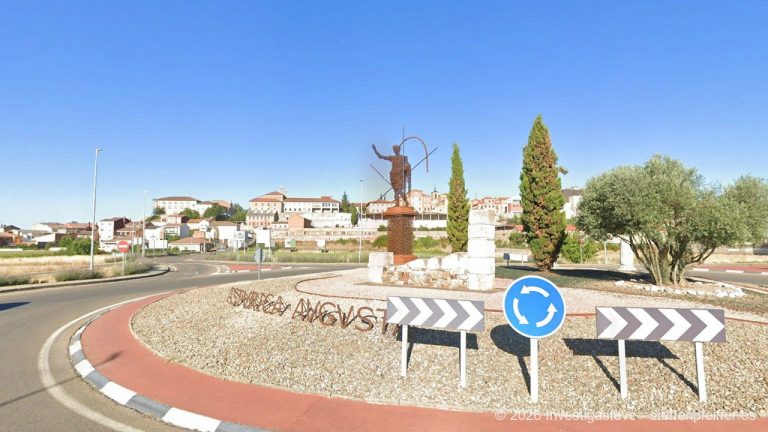
Astorga – The Stone Archive of the Maragatería at the Crossroads of Time
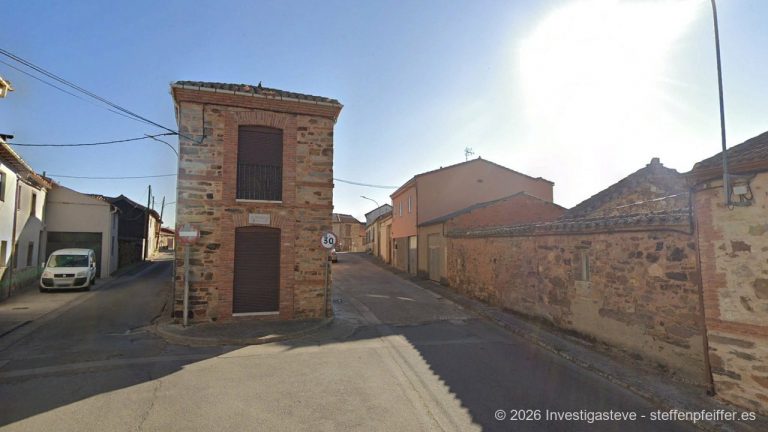
Valdeviejas – The Gateway to the Maragatería and the Miracle by the Wayside
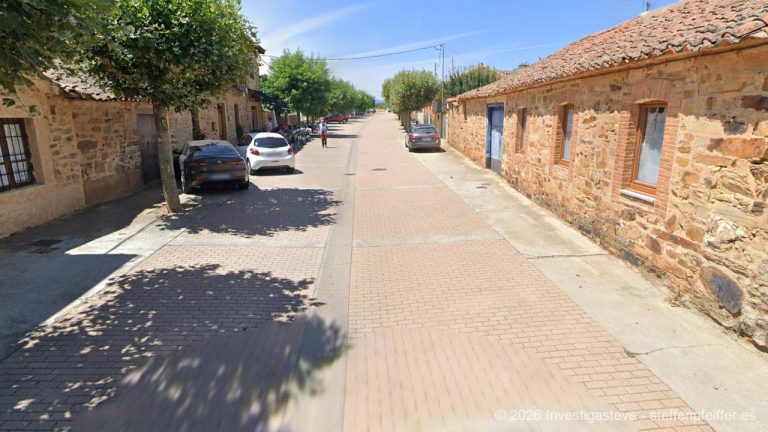
Murias de Rechivaldo – The Red Gateway to the Land of the Maragatos
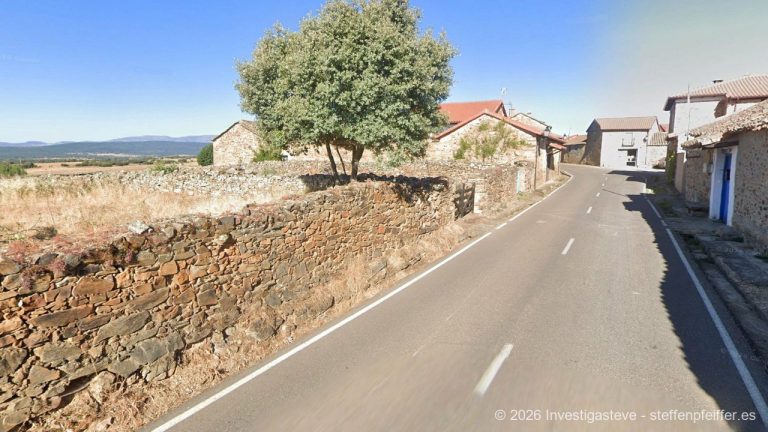
Santa Catalina de Somoza – Where the Colorful Gates of the Maragatería Open the Pilgrim's Heart
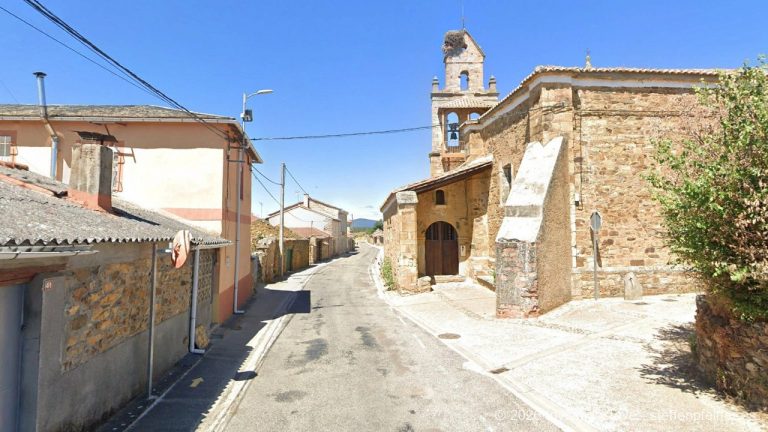
El Ganso – Where the Breath of the Meseta Meets the Coolness of the Mountains