A First Glance – Introduction & Atmosphere
When the pilgrim finally leaves the gentle vineyards of the Rioja behind and the ground beneath the feet gradually takes on the reddish coloration of Castile, a place announces itself that, in its modesty, appears almost like a mirage in the shimmering heat of the plateau. Villamayor del Río lies nestled in a seemingly endless sea of grain, which in summer waves like liquid gold under the deep blue sky. Even from afar, it is not the size that impresses the walker, but the almost defiant silence that hangs over the few rows of houses. It is a place of transition, a threshold between the lovely fertility of the past kilometers and the tart, spiritual severity that heralds the heart of the Meseta. Arriving in Villamayor is characterized by a tactile immediacy: the fine, bright dust of the path settles like a protective film on the skin, and the rhythmic click of hiking poles on the dry asphalt of the village street echoes in the midday heat like a distant heartbeat.
The atmosphere in Villamayor del Río is a composition of rustic earthiness and an almost melancholic peace. You hear here not the noise of the modern world, but the soft hissing of the wind in the tall poplars on the edge of the village and the distant, metallic ringing of the church bell, which does not measure time but rather holds it still. It smells of dry straw, of sun-scorched earth, and the tart aroma of wild thyme blooming in the ditches along the wayside. Psychologically, this place marks for many pilgrims a moment of introspection. The vastness of the landscape forces the gaze inward, and Villamayor, with its unpretentiousness, offers the perfect setting for this mental metamorphosis. Here, the pilgrim is not distracted by magnificent cathedrals, but thrown back upon the essence of their being. The five-dimensional immersion begins with the first step across the village boundary, when the coolness of the first shade-giving walls replaces the burning heat of the fields and the senses concentrate on the essentials.
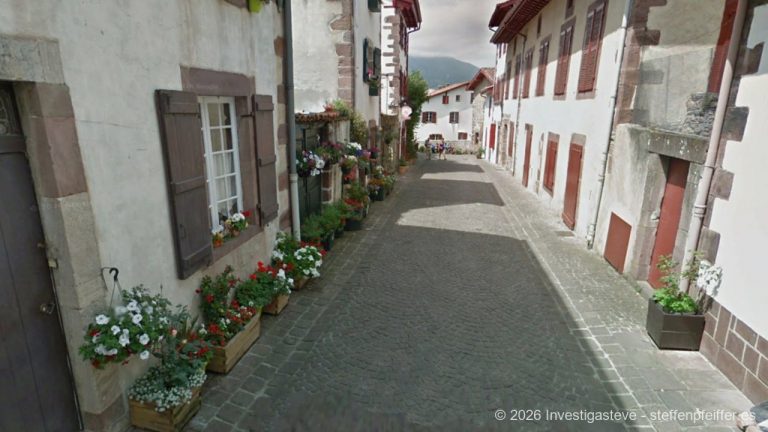
Those who stroll through the narrow alleys feel the historical causality of a place that has served as a resting station for centuries. The rough surfaces of the limestone walls, which glow almost golden in the light of the setting sun, feel warm and alive under the fingers. You feel the constancy of the generations who have wrested their lives from this barren land. Villamayor del Río is not a place for quick impressions; it is a place that only reveals its true depth upon closer inspection. The psychological weight of the past kilometers often falls away here, replaced by a peaceful acceptance of simplicity. It is the “village of three lies,” as the locals say with a smile, yet in its atmospheric density, it is one of the most truthful stations on the way west.
What This Place Tells
Villamayor del Río carries its name with a pinch of Castilian irony, deeply rooted in history and vernacular. It is called the “village of three lies” (Pueblo de las tres mentiras), because it is neither a city (Villa), nor is it large (Mayor), and a significant river (Río) is sought in vain – at least in the sense of a mighty stream. Yet it is precisely this humorous self-reflection that reveals much about the character of the region. Historically, the place was once far more significant, a strategic point on the border between the kingdoms of Navarre and Castile. In the chronicles of the Middle Ages, it is mentioned as a fixed part of the Camino Francés, a place that offered protection and refreshment when the forests of the Montes de Oca were still considered dangerous terrain for solitary wanderers. Historical causality shows itself in the structure of the village, which has developed organically along the pilgrim road, a street village in the truest sense, whose lifeline for over a millennium has been the steady stream of seekers.
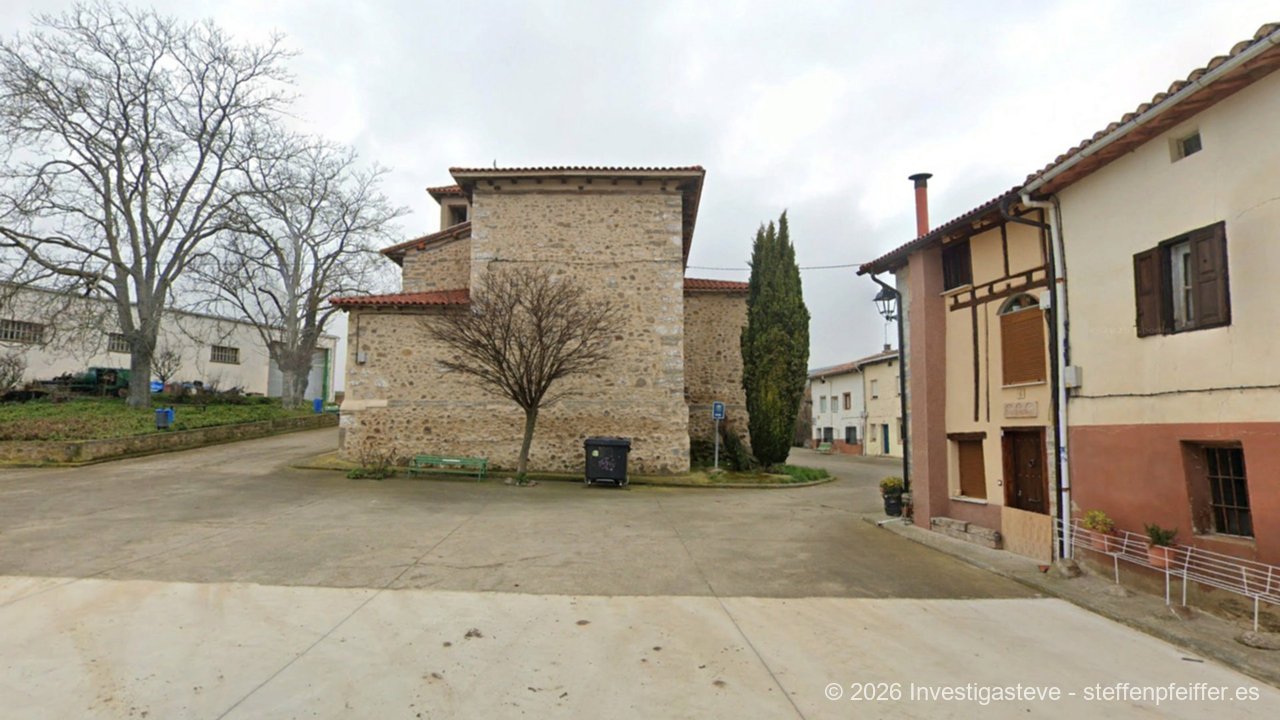
The architectural center and most important historical testimony is the Iglesia de San Gil Abad. The church, whose origins date back to the 16th century, appears with its massive tower like a defensive fortress of faith. Its masonry consists of a mixture of hewn stone and reddish brick, a material mix typical of the transition zone between the Rioja and Burgos. Those who enter the interior are welcomed by a sacred coolness that smells of old incense and damp stone. The altarpiece, a magnificent example of Baroque carving, tells stories of saints and martyrs whose gazes have watched over pilgrims for generations. The acoustics inside are remarkable; even the softest whisper seems to echo in the high vaults, underscoring the spiritual sublimity of the space. Tactilely, it is the smooth-polished pews and the rough floor that create a connection to the millions of people who prayed here before us for strength for the onward path.
The history of Villamayor is also a history of agriculture and sheep farming. Once, significant Cañadas, the centuries-old livestock droving routes of Spain, passed directly by the place. This shaped the economic and social DNA of the village. You can still see it today in the ruins of old barns and the massive wooden gates of the farmhouses, which are so wide that once heavily laden oxcarts could pass through them. The smell of sheep’s wool and leather still seems present in the corners of the old warehouses. Psychologically, this historical anchoring conveys a feeling of security and continuity. In Villamayor del Río, history is not exhibited in a museum; it is lived in. Every generation has left its traces, from the Roman foundations on which some of the cellars rest, to the modern murals that now greet the pilgrims. It is a living organism that has survived time by focusing on the essentials: hospitality and constancy.
Addresses & tips in Villamayor del Río
| Accommodation | 2 |
| Shopping | 1 |
| Sights | 1 |
| Services | 2 |
Camino Distances
The stage through Villamayor del Río leads over flat, easily walkable paths, which, however, offer little shade in the sun. The distances between the places are short, making this section ideal for a relaxed walk.
| Previous Place | Distance (km) | Next Place | Distance (km) |
|---|---|---|---|
| Viloria de Rioja | ca. 3.5 km | Belorado | ca. 4.5 km |
Sleeping & Arriving
Arriving in Villamayor del Río is an exercise in humility and deceleration. After crossing the wide fields, the village opens up like a shady refuge. Most pilgrims reach the place around midday, when the sun is at its highest and the light almost bleaches the colors of the landscape. The moment you put down your backpack in one of the hostels is marked by a physical relief. You feel the easing of pressure on your shoulders and the pleasant coolness of the thick stone walls that keep out the heat of the day. Although Villamayor offers only a limited number of sleeping places, it is precisely this manageability that creates an intimacy often lost in the larger stage towns.
In the Albergue San Luis de Francia, for example, the tradition of personal care is still highly valued. The smell of freshly washed sheets mixes here with the scent of olive oil from the communal kitchen. Tactilely, it is the cool tiles under the bare feet that initiate regeneration. Acoustically, the arrival is characterized by the distant laughter of other pilgrims in the inner courtyard and the soft clatter of dishes. Psychologically, an important metamorphosis takes place here: the walker becomes a guest. The tension of the kilometers gives way to a deep gratitude for a simple bed and a clean shower. In Villamayor, there is no luxury in the material sense, but a wealth of human closeness that warms the soul.
Many pilgrims use the afternoon in Villamayor for a long siesta or to wash their clothes. The tactile experience of hanging the wet laundry in the wind and watching it dry in the dry Castilian air within a few hours is deeply satisfying. You hear the flapping of the fabrics and feel the roughness of the clothesline under your fingers. It is these small, ritual acts that make arriving in Villamayor so valuable. You arrive not only at a place, but also at yourself. The silence of the village acts like a filter that keeps the noise of the world outside and creates space for reflection. When in the evening the swallows chase each other in wild formations around the church tower, you feel the perfect harmony between man, nature, and history.
Another aspect of arriving is the social interaction on the village square or in the small garden of the hostel. Here, experiences are exchanged, blisters are treated, and plans are made for the next day. The murmuring of the various languages forms a tapestry of sound that underscores the internationality of the Camino. Yet despite the many strangers, Villamayor remains at its core an authentic Castilian village. You see the old men sitting on their benches, watching the stream of pilgrims with a mixture of pride and serenity. This feeling of being part of a centuries-old movement, carried by the local population with a quiet naturalness, is the greatest gift upon arriving in this small place.
Eating & Drinking
The culinary world of Villamayor del Río is a homage to the simplicity and strength of the Castilian earth. When you sit down at the heavy wooden table of a bar after a long day, it is often the scent of “Potaje de Garbanzos” (chickpea stew) that welcomes you first. This stew, rich in local vegetables, chorizo, and a hint of Pimentón de la Vera, is more than just a meal; it is an embrace from within. You taste the sun of Castile in every chickpea and feel the warmth of the dish flowing through your tired limbs. It is served with the typical country bread, whose crust cracks so wonderfully when you break it with your hands – a tactile pleasure reminiscent of archaic traditions. The crumb is soft and perfect for soaking up the last sauce from the plate.
Another heart of the local fare is the cheese from the Burgos region, a fresh sheep’s cheese that tastes cool and slightly salty. Combined with a robust red wine from the nearby Rioja or the Arlanza region, a flavor harmony is created that delights the senses. The wine, deep red and full-bodied, carries aromas of dark berries and a hint of oak wood. The heavy weight of the glass in the hand and the rich red of the wine in the sunlight are visual and tactile details that make the meal an experience. You hear the clinking of glasses when toasting and feel the immediate psychological relaxation that a good glass of wine can trigger after physical exertion.
For dessert, the “Cuajada” should not be missed, a kind of curdled sheep’s milk, traditionally served with honey from the surrounding mountains. The creamy, almost velvety texture of the Cuajada in contrast to the sticky, sweet honey is a tactile feast for the palate. The honey smells of wild blossoms and carries the essence of the landscape. Eating in Villamayor means connecting with the rhythms of nature. There are no fashionable frills; what counts is the quality of the ingredients and the love in their preparation. This culinary honesty has a psychologically grounding effect. You leave the table not only satiated, but with a deep feeling of connection to this barren but generous land.
Supplies & Logistics
Logistically speaking, Villamayor del Río is a small oasis of calm between the larger centers. Supplies here are reduced to the essentials, which forces the pilgrim to question their needs and focus on the necessary. There are no large supermarket chains, but the existing facilities are run with a warmth that is sought in vain in anonymous cities. The smell in the small village shop is a fascinating mixture of fresh pastries, dried ham, and the metallic aroma of household goods. Here you find everything you need for the next stage: from fresh fruit to blister plasters.
Shopping: A small grocery store supplies pilgrims with basic foodstuffs, fresh bread, and regional specialties such as honey or cheese. The selection is manageable, but the quality of the local products is excellent and offers authentic provisions for the road.
Gastronomy: One bar in the village functions as a social meeting point and offers, in addition to drinks, simple pilgrim menus and tapas. The atmosphere is familiar, and it is easy to strike up a conversation with the locals, who often have useful tips for the onward path.
Accommodation: Bed capacity is concentrated on a private hostel and a Casa Rural, both known for their cleanliness and hospitality. In the high season, it is advisable to arrive early or book in advance, as spaces are limited.
Public Facilities: In Villamayor, there is a public fountain with drinking water, several benches in the shade of the church, and a small square for resting. Medical care or ATMs are only found in Belorado, 4.5 km away, so you should plan your finances and medications in advance.
The logistical significance of Villamayor lies primarily in its function as a stopover to avoid the midday heat. Many pilgrims use the place for an extended break before tackling the last stretch to Belorado. This tactic is psychologically clever, as it reduces stress and allows for a more conscious perception of the landscape. Tactilely, logistics are supported by the well-marked paths within the village; you do not get lost, the yellow arrows are present on every corner. Villamayor proves that good supply does not depend on the size of the place, but on the efficiency and warmth of the people living there. It is a place that teaches that less is often more.
Don’t Miss
– Iglesia de San Gil Abad: Admire the magnificent Baroque altarpiece and enjoy the sacred silence in this stone witness of the centuries.
– The Village Square at Siesta Time: Experience the absolute peace of Castile, when even the wind in the trees seems to fall asleep and time appears to stand still.
– The Panorama of the Grain Fields: Find a spot at the edge of the village and let your gaze wander over the surging sea of gold – a visual meditation par excellence.
– The Historic Murals: Pay attention to the facades of some houses, which are decorated with modern motifs of the Camino and build a bridge between tradition and the present.
– The Old Livestock Droving Routes: Explore the edges of the village, where the old Cañadas are still recognizable as wide grassy paths and tell of the era of sheep farming.
Insider Tips & Hidden Places
Off the main path, Villamayor del Río hides small treasures that only the attentive hiker discovers. One of these places is the old washhouse (Lavadero), located somewhat off the main street. Formerly, this was the social center of the village, where the women exchanged news under the rhythmic sound of beating laundry on the stone. Today, an almost mystical silence reigns there. The water is ice-cold and clear; when you dip your hands in, you feel a tingling that immediately revitalizes the senses. The sound of the steady dripping into the stone basin has a hypnotic quality. It is a place of ritual cleansing, where you can symbolically wash off the dust of the journey, not only physically but also symbolically. The smell of damp moss and old stone offers a soothing contrast to the dry heat of the surrounding fields.
Another insider tip is the narrow path that leads behind the church to a small hill, from which you have an unobstructed view of the Montes de Oca on the horizon. Especially at dusk, when the light bathes the landscape in a deep violet, this place unfolds a psychological magic. You see the Camino as a thin ribbon stretching through infinity and recognize your own smallness in the fabric of time. The scent of wild rosemary and lavender is particularly intense up here, as the essential oils rise in the cooling air. It is a place of absolute immersion in nature, where you hear only your own breath and the distant ringing of the church bell. Up here, you can reflect on the “three lies” of the village and realize that the truth of a place often lies deeper than its name suggests.
For the curious, there is also a small, unassuming house on the edge of the village, whose facade is decorated with shells from all over the world. It is not an official museum, but the private work of a local who has collected finds from pilgrims over decades. If you are lucky enough to meet the owner, he tells stories of people from countries that the village formerly knew little about. The tactile quality of the smooth shells in contrast to the rough plaster of the wall is fascinating. This place is a symbol of the cosmopolitanism that the Way of St. James has brought even to the smallest hamlets. It is proof of the historical causality of encounter that makes Villamayor much more than just a place of passage.
To conclude a day in Villamayor, a walk to the Río Retorto, that “river” that gave the village its name, is recommended. Even though it is often only a narrow trickle in summer, its banks with the dense willow bushes offer a tactile change from the barren plateau. The soft leaves of the trees and the gentle splashing of the water create an acoustic backdrop that invites relaxation. Here you can put your feet in the cool water and watch the small fish darting swiftly through the current. It is a hidden place of vitality in the midst of a landscape that otherwise seems characterized by stillness. These small discoveries make the stay in Villamayor a mosaic of unforgettable moments that go far beyond mere hiking.
Moment of Reflection
In Villamayor del Río, the pilgrim often reaches a point of inner stillness that is decisive for the onward path. The vastness of the Castilian landscape and the simplicity of the village act like a mirror of one’s own soul. Psychologically, this is the phase of acceptance: you accept the exertion, the blisters, and the solitude. The “three lies” of the place remind us that labels and names are often secondary. What counts is the essence of the experience. In the silence of the Iglesia de San Gil, you can question your own motivation. Why am I walking this path? What am I leaving behind in the dusty alleys of Villamayor? The historical causality – millions of people before me had the same thoughts – gives a feeling of security and connection.
You recognize here that growth often occurs in reduction. Villamayor gives us this space of emptiness to fill it with new insights. When you sit on a stone wall in the evening and watch the shadows of the poplars grow longer, you feel the complete presence in the here and now. The emotional metamorphosis from the hurried everyday person to the calm wanderer happens in Villamayor almost unnoticed. It is the realization that every place on the Camino, no matter how small or inconspicuous, is an important mosaic piece on the path to the goal. Villamayor teaches us patience and the beauty of the simple. It prepares us mentally for the challenges that wait beyond the horizon and at the same time gives us the certainty that we already carry everything we need within ourselves.
Camino of the Stars
This place lies on the Camino Francés, on the stage from Santo Domingo de la Calzada to Belorado. The sequence of places is:
Santo Domingo de la Calzada → Grañón → Redecilla del Camino → Castildelgado → Viloria de Rioja → Villamayor del Río → Belorado
Did you also have to smile in Villamayor del Río when you heard about the “three lies” of the village? Or did you perhaps find a moment of absolute peace at the old washhouse that gave you new strength for the path to Belorado? Share your experiences, your photos of the church of San Gil, or your thoughts on the infinite vastness of the grain fields with us. Your story is a valuable part of the great Camino mosaic that makes this small place so alive!
About the Author