A First Glance – Introduction & Atmosphere
When you have left behind the last, often noisy outskirts of the provincial capital León, a barely noticeable but psychologically profound change takes place shortly before San Miguel del Camino. The urban hustle that has accompanied you since Virgen del Camino gives way to a wide, almost stoic silence, broken only by the steady hiss of the wind over the Meseta. San Miguel del Camino lies on a gentle hill at about 875 meters and appears like a stone outpost before the actual entry into the unforgiving Páramo. You feel the tactile resistance of the ground, which here transitions from asphalt paths into a mix of compacted clay and reddish quartz gravel. It is the moment when civilization takes its hand off your back and leaves you to the vastness. Your gaze sweeps over undulating grain fields that glow in a dull golden yellow in summer, and you smell the tart, almost dusty scent of dry grass, mixed with the distant, cool moisture rising from the small irrigation canals along the wayside.
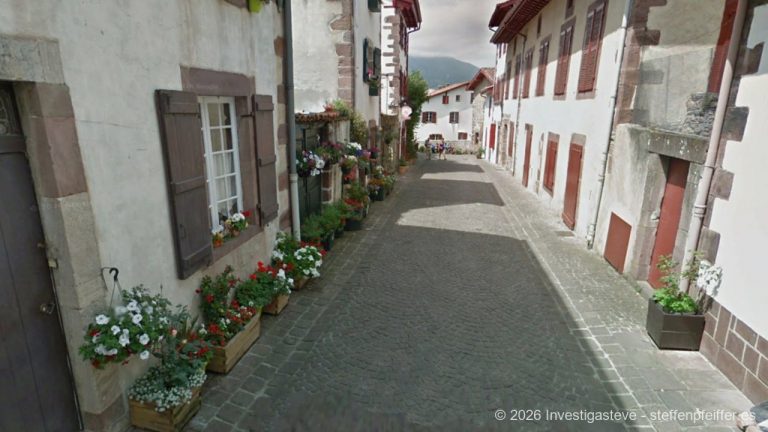
Arriving in San Miguel, you are greeted by an atmosphere marked by a peculiar density. The houses cluster closely around the historic route, as if seeking protection from one another against the unprotected exposure of the high plateau. You hear the rhythmic clattering of stork beaks on the tower of the parish church, an auditory anchor that has marked the village’s pulse for centuries. It is a place of transitions: the psychological exhaustion after the march from León is here replaced by a meditative calm. The walls of adobe and fieldstone radiate a warmth you can almost physically feel when you let your hand glide over the rough surfaces as you pass. Here, walking becomes a form of contemplation; the visual monotony of the landscape forces your mind inward, while San Miguel serves as a physical fixed point in infinity.
What This Place Tells
The history of San Miguel del Camino is a reflection of the Reconquista and the subsequent repopulation policies of the Leonese kings. The historical causality takes us back to the High Middle Ages, when this region was a strategic buffer zone. The very name of the place is programmatic: it is dedicated to the Archangel Michael, the knightly champion of God, whose veneration along the Camino reached a peak in the 12th century. It is no coincidence that it was precisely here, on the threshold of the wide Páramo, that the protection of the Archangel was invoked. You can almost grasp the historical weight tactilely when you consider that beneath the present-day field paths lie the remains of the Roman Via Trajana, that ancient highway connecting Asturica Augusta with the legions in the east. The Romans came for gold, the pilgrims for salvation – and for both, San Miguel was the place to take a deep breath before the vast plain unleashed its full psychological effect.
A central element of the village narrative is the knightly heritage, closely linked to nearby Villadangos. In the plains around San Miguel, fierce fighting took place in 1111 between the troops of Alfonso I of Aragon and the followers of Queen Urraca of Castile. When you walk over the fields today, you are standing on soil literally soaked with the history of Spanish unification. The psychological effect of this historical depth is immense: the pilgrim is not just a walker, but a witness to a millennia-long continuity of movement, conflict, and faith. In the parish church of San Miguel, this history finds its tactile expression in the carved figure of the Archangel from the 15th century. The wood, smoothed by time and the light of countless candles, shows the saint in a pose of triumphant calm – an image that has signaled to pilgrims for generations: you are not alone in the void.
Yet San Miguel also tells a story of peasant perseverance and the taming of a recalcitrant nature. The Laguna de San Miguel and the Acequias, those ancient irrigation canals, are testimonies to engineering that turned the dry Páramo into a fertile oasis. Olfactorily, the smell of freshly plowed earth mingles here with the sweetish note of wild thyme and lavender thriving in uncultivated niches. This symbiosis of sacred protection, military past, and agrarian reality lends San Miguel an authenticity often lost in the larger cities. It is a place that pretends nothing; it stands stoically in the landscape, as it has for eight hundred years, and offers anyone willing to listen a lesson in constancy and humility before time.
Addresses & tips in San Miguel del Camino
| Restaurants | 1 |
| Bars & Cafés | 3 |
| Shopping | 1 |
| Health | 1 |
| Sights | 1 |
Camino Distances
The stage leads you through the flat but wind-prone plains west of León, with San Miguel serving as an ideal point for a short rest.
| Previous Place | Distance (km) | Next Place | Distance (km) |
|---|---|---|---|
| Valverde de la Virgen | approx. 4.8 km | Villadangos del Páramo | approx. 4.5 km |
Sleeping & Arriving
Arriving in San Miguel del Camino is marked by a beneficial reduction to the essentials. When you leave the dust clouds of the N-120 behind and turn into the village, you feel a psychological relief that is almost physically tangible. The Albergue La Casa del Peregrino is a place that celebrates this simplicity. Upon entering, you are enveloped by the smell of pine wood and freshly washed cotton. It is a tactile experience of cleanliness and order in an environment otherwise dominated by road dust. You hear the soft clatter of walking sticks parked in the stands and the rhythmic hiss of the coffee machine – sounds that, in the silence of the Meseta, feel like a promise of community.
The hostel culture in San Miguel is characterized less by mass operations than by an almost monastic calm. Many pilgrims consciously choose this place as an alternative to bustling Villadangos in order to cross the psychological threshold to the Páramo in silence. The tactile nature of the beds, often simple metal or wooden structures, reminds you of your own physical reality and the necessity of rest. In the communal areas, you feel the solidarity of the walkers: blisters are treated, maps studied, and experiences of the Meseta exchanged. It is an auditory tapestry of various languages, held together by the common goal of Saint James.
A special aspect of staying overnight in San Miguel is the proximity to nature. In the evening hours, when the sun hangs low over the fields, it bathes the village in a glowing orange that makes the old adobe walls look almost like gold. The visual spectacle is accompanied by the awakening of nocturnal fauna; you hear the distant call of stone owls and the chirping of crickets in the Acequias. This connection to natural rhythm helps the pilgrim to readjust his own inner clock. The psychological effect of a night in San Miguel is regenerative: you feel grounded, ready for the coming void, and strengthened by the certainty that even in the most barren landscapes, places of security exist.
Those who arrive in San Miguel should take time to perceive the small details of the architecture. Many houses still have the traditional heavy wooden doors with hand-forged iron fittings. The tactile coolness of the metal in contrast to the warm wood is a small but fine detail that underscores the permanence of the place. Arriving here is not merely checking in; it is an immersion into a world that successfully evades the modern tyranny of time. You set down your backpack, feel the liberation of your shoulders, and know: here you are allowed to simply be human, a walker among many, protected by the name of the Archangel.
Eating & Drinking
Culinarily, San Miguel del Camino is a homage to the hearty down-to-earthness of the province of León. Here, cooking is not for gourmets but for people who have fought against wind and sun all day long. In the small bars along the wayside, the midday smell of Sopa de Ajo, the traditional garlic soup, is prepared with such intensity here that its aroma captivates you even before you enter. The tactile warmth of the clay bowl in your hands and the first spoonful of the hot, creamy soup with the soaked bread and the spiciness of the Pimentón are a sensory revelation. It is a nourishment that flows directly into the soul and dispels the psychological cold of solitude.
Another highlight of the local gastronomy is the Cecina de León, the air-dried beef, often served here in paper-thin slices. The tactile texture is firm, almost silky, and as you chew, a smoky, deep aroma unfolds, telling of the vast landscape of the high plateau. You drink a wine from the region with it, perhaps a Prieto Picudo, whose powerful structure and dark fruit notes pair perfectly with the heaviness of the dishes. The clinking of glasses and the laughter of the locals, who often still sit here in work clothes, form an acoustic backdrop of great authenticity. You do not feel like an outsider, but like a guest at the regional table.
For dessert or as trail provisions, you should try the artisanal Mantecados. These small butter cakes smell of lemon and vanilla and have a tactile consistency that is at once crumbly and moist. They practically melt on your tongue and give you the necessary sugar boost for the next kilometers. Eating in San Miguel means understanding the causality between soil and plate: everything served comes from the fertile earth of the Vega or the livestock pastures of the surroundings. It is an honest cuisine that wears no masks and precisely thereby unfolds its incomparable appeal.
Supplies & Logistics
Logistically, San Miguel del Camino is a functional anchor point that offers the pilgrim exactly what he needs for the onward journey. Although the place is small, it has infrastructure specialized for walkers’ needs. There are small shops where you can stock up on fresh fruit, nuts, and water. The smell in these Tiendas is a nostalgic mix of fresh bread, cleaning products, and the spicy aroma of hanging hams. It is a tactile pleasure to choose the plump apples or the firm country bread that will accompany you through the coming day.
Medical care is ensured by a small pharmacy at the village entrance, whose staff have years of experience in treating pilgrim ailments. The psychological security provided by the availability of blister plasters and ointments is invaluable to the walker. ATMs are more likely to be found in larger towns like León or Astorga, but in San Miguel, you can easily pay by card in most hostels and restaurants. Connection to public transport is provided by the N-120; buses run regularly and offer a logistical fallback option should your strength ever wane.
Shopping: Several small village shops offer everything for the daily picnic and basic supplies.
Gastronomy: Three to four bars and restaurants serve hearty pilgrim menus and regional tapas like Cecina.
Accommodation: One public and two private hostels offer sufficient space in a quiet, rural atmosphere.
Public Facilities: Pharmacy, postbox, and regular bus connections to León ensure logistical security.
In conclusion, logistics in San Miguel are characterized by a pleasant efficiency. You don’t have to walk long distances to replenish supplies or find help. Everything is designed to make your stay as smooth as possible, so you can fully concentrate on your inner journey and the challenge of the Páramo. San Miguel is the place where you check your gear one last time, fill your water bottles, and set off with the certainty that you are well equipped for the coming infinity.
Don’t Miss
1. The statue of the Archangel Michael: A 15th-century masterpiece in the parish church, symbolizing protection and knightly strength.
2. The Museum of Agricultural Implements: A private collection of old plows and carts, showing the tactile hardship of former life in the Páramo.
3. The Laguna de San Miguel: A hidden biotope on the edge of the village, offering a visual and auditory spectacle especially during migratory bird season.
4. The Roman milestone: An inconspicuous relic by the wayside that illustrates the historical causality of the Via Trajana.
5. The chimes of the parish church: Listen carefully when the bells ring; their sound has a unique, almost melancholic resonance in the wide plain.
6. The traditional adobe houses: Pay attention to the construction of clay and straw, perfectly adapted to the thermal extremes of the Meseta.
7. Sunrise over the Páramo: When the light ignites the fields and the wind drives away the night’s chill – a magical moment.
8. Taste local Cecina: There are few places where this beef ham tastes more authentic than in the dusty bars of San Miguel.
9. A conversation with the locals: The people here are often taciturn but possess a deep warmth once you break the ice.
10. The view back to León: From the hill, on a clear day, you can still see León’s cathedral – a psychological farewell to the city.
Insider Tips & Hidden Places
Beyond the marked pilgrim path, San Miguel del Camino conceals small oases of tranquility often overlooked. One such place is the small “Garden of Contemplation” behind the church. Here, away from the traffic noise of the national road, you find a bench under an ancient oak. You hear only the rustling of leaves and the distant hum of bees. It is a tactile retreat where you can feel the rough bark of the tree against your back and simply take a deep breath. Here it smells of dry wood and freedom. Psychologically, this place is a gift; it allows you to sort the impressions of León before finally surrendering to the Meseta.
Another insider tip is a small dirt road leading north from the village toward the Laguna. There you find an old stone bench, probably built from remnants of Roman structures. When you settle there, you feel the cold of the stone that has occupied the same spot for millennia. It is an encounter with historical causality – you sit on the ruins of an empire while seeking your personal salvation. The view from here over the lagoon is particularly spectacular in the late afternoon, when the reeds gleam silver in the backlight and the water birds circle overhead.
Tucked away on one of the side streets is also a small bakery that bears no signs but announces itself through the scent of freshly baked yeast dough. If you knock there early in the morning, you might get a still-warm loaf straight from the oven. The tactile warmth of the bread in your hands on the cool morning is an invaluable luxury. This bakery is a hidden place of authenticity, far from the commercial pilgrim stops. Here you experience the true taste of San Miguel – honest, robust, and without frills.
Finally, a look into the old wine cellars (Bodegas), some of which are dug into the slope, is worthwhile. Many are now dilapidated, but their entrances with heavy, lichen-covered doors are fascinating visual motifs. You can almost smell the tactile coolness emanating from the ventilation shafts – a mix of damp cellar dust and the distant echo of past wine festivals. These hidden places tell of the joy of life of the people of the Páramo, who, even in such a barren landscape, found ways to cultivate pleasure. They are small monuments of permanence in the midst of an ever-changing world.
Moment of Reflection
San Miguel del Camino challenges you to think about your own “chivalry.” In a world often characterized by egoism and speed, this place invites you to pause. The Archangel Michael, the patron of the place, is a symbol of the fight against one’s own shadows. When you rest here, ask yourself: What battles am I fighting within myself? What are the “dragons” I want to defeat on this path? The psychological depth of the Camino often reveals itself only in reduction, and San Miguel offers the perfect setting for this.
Feel the tactile reality of your exhaustion and transform it in San Miguel into a new form of strength. The historical context teaches us that constancy and faith outlast even empires. You walk on Roman roads, pass through medieval villages, and breathe the air of the present. This historical causality should give you serenity. Take the time to let the silence of the church affect you. In the darkness before the statue of the Archangel, you may find the answer to a question you haven’t even asked yet. San Miguel is not just a place on the map; it is a state of mind – solid, protective, and ready for departure into infinity.
Camino of the Stars
This place lies on the Camino Francés, on the stage from León to Hospital de Órbigo. The sequence of places is:
León → Trobajo del Camino → La Virgen del Camino → Valverde de la Virgen → San Miguel del Camino → Villadangos del Páramo → San Martín del Camino → Hospital de Órbigo
Did the stoic calm of San Miguel del Camino impress you as deeply as it did us, or did you find a very personal answer for your path in the encounter with the statue of the Archangel Michael? Share your experiences from this knightly guardian place of the Meseta with us – tell us about your moment at the Laguna, the taste of the Cecina, or the silence behind the old adobe walls. Your story inspires other pilgrims to discover the treasures of this often underestimated place with all their senses!
About the Author