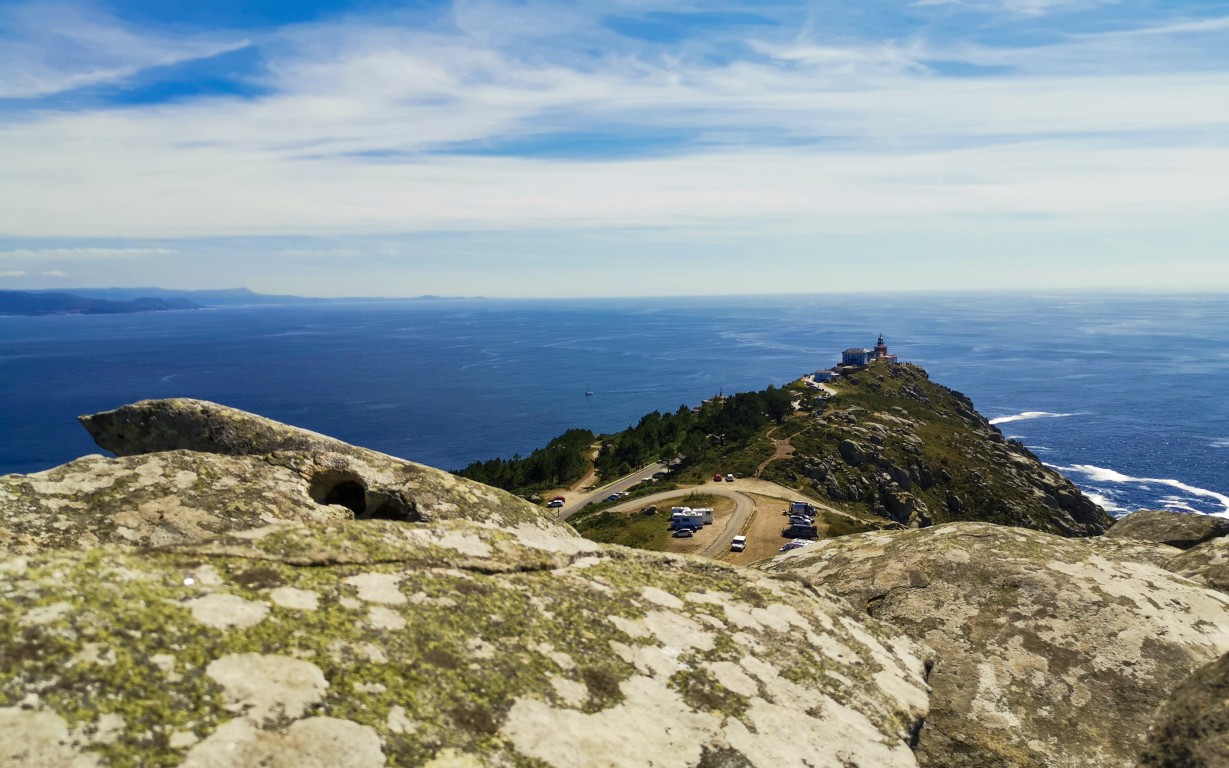
Cabo Fisterra
A new day on the trail – Entering the stage
The morning in Olveiroa often begins with a mysterious melancholy. A dense, white fog, the “brétema,” clings closely to the massive granite facades of the old hórreos and blurs the contours of the village. When you leave the hostel in this early hour, you are greeted by a silence that feels almost material. The only sound is the rhythmic clicking of your trekking poles on the rough pavement, which sounds dull and distant in the fog. It is a moment of absolute contemplation; the world has reduced itself to the small cone of light from your headlamp or the first grey dawn. You feel the cool moisture on your skin, settling like a fine film on your clothes, and taste the salty air, which already lets you guess that the ocean is not far away. Psychologically, this is the stage of great expectation: behind these hills waits the end of the world, the place you have been walking toward for hundreds of kilometers.
With every step you take out of Olveiroa toward Hospital, the inner tension grows. The landscape of the Terra de Xallas shows its roughest side here – barren high plateaus, whipped by the wind that blows unhindered from the Atlantic. You feel the hard, stony ground under your soles, which punishes every carelessness here. The smell of damp fern and burnt eucalyptus wood from the distant chimneys mingles with the tart note of gorse. It is an archaic departure, a ritual march through a land that makes no compromises. You are no longer a tourist, no longer a wanderer; you are a border-crosser approaching the point where the map ends and the unknown begins. This feeling of final approach gives your tired limbs a new, almost electric energy, while the distant rumble of the wind turbines lies over the ancient landscape like a monotonous heartbeat of modernity.
Route and elevation profile
- Distance: 34.9 km
- Elevation: ↑ 510 m / ↓ 780 m
- Difficulty: Difficult. The combination of the considerable distance and the steep, often knee-straining descent to Cee demands the entire physical substance of the pilgrim.
- Special features: The dramatic fork in Hospital, the lonely high plateaus at Marco do Couto, and the triumphant beach walk at Playa de Langosteira.
Today’s stage is a choreographed escalation of emotions and physical exertion. It begins with a moderate but steady ascent to the high plateaus that separate Olveiroa from the coast. The path here often runs along exposed trails that leave the pilgrim defenseless against the elements. The ground is characterized by granite gravel and packed earth, which can form a slippery combination when wet. It is a stretch that offers no shade and thus represents an enormous strain on the circulation in direct sunlight. The elevation profile is characterized by gentle waves until kilometer 20, before the path turns into an almost brutal descent that plunges the pilgrim from the barren heights down to sea level in Cee.
The decisive physical turning point occurs after reaching the “Cruceiro de Armada.” Here, the first, often breathtaking view of the Atlantic and the Bay of Corcubión presents itself. What follows is a technical descent that requires maximum concentration. The path winds down in steep bends, whereby the haptic contrast between the rough rock of the heights and the soft sand of the coast could hardly be greater. The last third of the stage is topographically simpler but demands a high degree of endurance due to the psychological proximity to the goal. The march along the bay and finally across the several-kilometer-long sandy beach of Langosteira is the final reward before the last ascent through the alleys of Fisterra leads to the Cape.
Variants and small detours
The most significant decision of the day falls after just a few kilometers in the hamlet of Hospital. Here stands the famous fork in the road that seals the pilgrim’s fate for the next few days: to the right, the path leads to Muxía, to the left to Fisterra. This fork is more than just a directional choice; it is a matter of the heart. Many pilgrims pause here, touch the signpost, or leave a stone to mark the significance of this moment. We follow the left variant here towards Fisterra, the classic path to the “end of the world.” This route leads us deeper into the maritime soul of Galicia and offers the most direct connection to the mythical Cape.
Another atmospherically appealing variant presents itself shortly before Cee. While the official path leads steeply downhill, there are small forest paths that run parallel and are somewhat easier on the knees, but require a higher sense of orientation. Those seeking solitude can take small detours to old megalithic tombs on the high plateaus after Marco do Couto, which lie hidden in the heath away from the main path. These witnesses to a millennia-old burial culture underline the character of the way as a journey into the underworld or to the edge of the sublime. But most pilgrims are drawn inexorably forward, driven by the longing for the first glimpse of the blue ribbon of the horizon that must flash behind the next rise.


Description of the path – with all your senses
When you leave Hospital behind and enter the high plateau of Marco do Couto, the acoustics of your journey change. The monotonous hum of the wind turbines, standing like gigantic white guardians on the ridges, forms a modern counterpoint to the absolute silence of the heath. You hear the whistling of the wind in the lattice towers and the distant, hollow echo of your own steps on the gravel. It is a haptic experience of emptiness and vastness. The air up here is thinner, sharper, and carries the tart scent of wild thyme and gorse. You feel the sun burning relentlessly on your neck, while your fingers grip the rough texture of your walking poles – a connection to the earth in a landscape that stretches toward the sky.
After hours of solitude, you reach the Alto de Armada. Suddenly, almost like a drumbeat, the curtain opens: before you lies the Atlantic. In this moment, something powerful happens psychologically. The burden of the last 800 kilometers seems to fall from your shoulders for a heartbeat. You see the deep, infinite blue marrying the sky on the horizon. The smell changes abruptly; the earthy note of Galicia gives way to a salty, fresh breeze rising directly from the waves. Your eyes must first adjust to the glistening reflection of sunlight on the water. It is a visual shock after the monochrome world of the high plateau, an eruption of color that can bring tears to your eyes.
The descent to Cee is a haptic challenge for your joints. You feel the resistance of the ground with every braking maneuver of your muscles. The stones roll away under your soles, the crunching of the slate accompanies you down into civilization. Arriving in Cee, the life of a small port town embraces you. You hear the screeching of the seagulls circling over the fishing boats and the busy hustle and bustle in the alleys. The scent of grilled octopus and fresh sardines wafts from the tabernas and mingles with the aroma of tar and algae at the harbor. It is an olfactory explosion that awakens your appetite and reminds you that you have arrived back in a world of senses nourished by the sea.
From Cee, the path leads almost seamlessly to Corcubión, a town whose granite houses stand so close together as if they wanted to protect each other from the winter storms. You feel the coolness in the narrow alleys where the sun hardly reaches the ground. The walls of the church of San Marcos are rough and encrusted with salt, a testimony to centuries of exposure to the sea breeze. Psychologically, this is a place of pausing. You are almost at your goal, yet the path forces you once more to slowness. You pass small gardens where lemon trees grow, whose scent brings an almost Mediterranean lightness to the rugged Galicia. Every step on the asphalt of the waterfront promenade feels heavy, as your feet long for the soft ground of nature.
Behind Corcubión begins the ascent to San Roque, a final hill that separates you from the final section. Your lungs work hard, sweat runs into your eyes. But once at the top, you see the beach of Langosteira. A golden arc of finest sand extending over two kilometers. You decide to take off your shoes. The haptic sensation of the cool, soft sand between your toes is indescribable. It is like a healing for your battered feet. You hear the rhythmic, deep rumble of the surf rolling onto the beach with white spray. The water of the Atlantic is ice-cold when it laps around your ankles – a haptic shock that makes you feel instantly awake and alive.
The march across the beach of Langosteira is a meditative experience. You are alone with the ocean. The wind dishevels your hair, the salt burns on your lips. Psychologically, this is the moment of decompression. You review the path, the encounters, the pains, and the joys of the last weeks, while your feet leave deep prints in the wet sand that are immediately erased by the next wave. It is a symbol of the transience of your journey and at the same time of the permanence of the goal. The horizon seems tangibly close here, a blue promise pulling you inexorably forward, past the skeletons of old shipwrecks buried deep in the sand.
At the end of the beach, you reach the village of Fisterra. The streets are steep and narrow, paved with granite that glistens in the sunlight. You hear the ringing of the bells of Santa María das Areas, a church built so deep into the rock that it seems like part of the mountain. The smell of incense and old stone greets you inside, a final spiritual station before you tackle the final ascent to the Cape. Here, in the cool silence of the nave, you feel the historical causality: thousands before you have asked for protection for the last stage to the end of the world here. The echo of your steps on the church floor reminds you of your own smallness in the face of eternity.
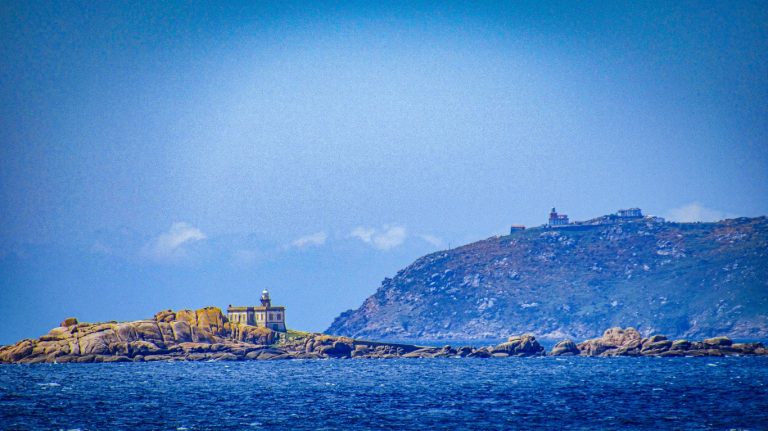
The last kilometer to the Cape runs along a narrow road that hugs the cliffs. To the left, the rock falls away steeply, hundreds of meters down to the thundering sea. You hear the power of the water thundering against the cliffs, an acoustic testimony to the primal force of this place. The wind is your constant companion up here; it tugs at your backpack and tries to lead you off the path. You feel the physical boundary of the world. The lighthouse, the “Faro,” appears before you, a white tower of hope in infinity. The ground under your feet is now pure, sun-warmed granite. You have the feeling of walking on the back of a giant, stone animal projecting far out into the ocean.
When you finally reach the milestone 0.00, you stop. Psychologically, this is the zero point of your existence as a pilgrim. There is no longer an arrow pointing further. Before you lies only the blue. You feel the rough texture of the stone under your hand when you touch the “0.00” – a haptic certification of your achievement. The screeching of the seagulls above you and the incessant rushing of the waves below you merge into a soundtrack of triumph. You sit on the rocks at the very edge, feel the warmth of the stone and the cold of the spray on your face. In this moment of total immersion, there is no past and no future, only the pure, massive now at the end of the world.
Observing the sunset at Cape Fisterra is the final visual highlight. As the fireball of the sun slowly dips into the Atlantic, the sky turns shades of purple, orange, and deep red. You feel the cold of the falling night settling like a heavy cloak over the cliffs. The scent of salty night air and distant fires fills the scene. Inside you, there is a deep, almost painful peace. You have reached the edge of the known world, have conquered the earth beneath your feet, and now stand before the great mystery of the water. The psychological metamorphosis is complete: you are no longer the same person who set out from Olveiroa.
In the darkness, you go back to Fisterra. The lights of the village sparkle like stars on the surface of the sea. The clicking of your poles now sounds different – slower, more deliberate. The smell of seafood and wine lures you into the harbor bars. When you finally sit down at a wooden table and drink the first glass of Ribeiro, you feel the heaviness of your limbs and the lightness of your heart. The haptic experience of sitting, of no longer having to walk, is a luxury that you only now fully appreciate. The murmuring of the other pilgrims who have reached the same goal is like a warm blanket enveloping you and welcoming you into the community of those who have seen the end.
Refreshments, Accommodation & Supplies
The supply situation on these nearly 35 kilometers is a study in contrasts. While the first part of the stage leads through the absolute solitude of the high plateau, the last third on the coast offers a wealth of possibilities. It is essential to leave Olveiroa with full water bottles and sufficient provisions, as Hospital and Logoso are the last reliable stations for a long time. The section between Marco do Couto and Cee is a “supply desert,” where you can only count on your own equipment and mental strength. The first drink in Cee tastes all the sweeter once you have put the hard descent behind you. Cee offers all the amenities of a small town, including a Hospital and large supermarkets. In Fisterra, there are numerous shops for souvenirs and hiking gear. In Cee and Corcubión, you will also find excellent restaurants with daily menus.
In Fisterra itself, the range of accommodation and gastronomy is overwhelming and of a high standard. From the simple municipal hostel to the exclusive hotel in the old lighthouse, every pilgrim finds their place for the night. The gastronomic landscape is dominated by the ocean; nowhere does the fish taste fresher, the seafood more authentic. It is advisable to plan the overnight stay in Fisterra in advance, as the place is a magnet for people from all over the world, especially in the summer months, who want to experience the sunset at the Cape.
A visit to the bistro-restaurant “Casa da Vila” among others, is almost a pilgrim’s duty for lovers of unusual cuisine with Galician charm. The Albergue de Peregrinos de Fisterra is the official point of contact for the “Fisterrana” (the certificate). For a special experience, the hotel “O Semáforo” directly at Cape Fisterra at the 0.0 kilometer point is an excellent choice.
The highlight today
The outstanding feature of this stage is undoubtedly the milestone 0.00 at Cape Fisterra. It is the haptic and visual symbol for the absolute end of a journey. While all other distance markers on the St. James Way show a remaining distance, this stone marks the complete exhaustion of the path. It is a place of ritual acts; in the past, pilgrims burned their clothes here or threw their shoes into the sea to symbolically leave their old lives behind. Even if this is prohibited today for environmental reasons, the spiritual gesture of letting go remains as strong at this point as it was a thousand years ago.
Another special element is the history of the “Ara Solis.” Even the Romans believed that a sun altar existed here, where the pagans celebrated the daily death of the star in the ocean. This deep, pre-Christian level of the path is palpable everywhere at the Cape. One walks on holy ground that attracted people long before Saint James. The connection between the Christian pilgrimage route and the ancient sun cult creates a unique, mystical atmosphere that distinguishes Fisterra from all other places in the world. Here, one feels the unity of the cosmos, the earth, and human searching.
Finally, the maritime heritage of the “Costa da Morte” (Coast of Death) should be mentioned. The path along the cliffs leads past sites of numerous shipwrecks. The wild, indomitable nature of the Atlantic is not a background image here, but an active player. One sees the crosses on the cliff’s edge that commemorate lost sailors and understands the humility that this place demands. Fisterra is not just a beautiful viewpoint; it is a place of existential confrontation with finiteness and the primal force of the elements, making the arrival here a profound, emotional metamorphosis.
Reflection at the end of the stage
When the curtain of night falls over Cape Fisterra, the time of the inner harvest begins. You stand at the edge of the world and look back on a path that has shaped you physically and mentally. The feeling of having no more kilometers ahead of you is strange at first, almost frightening. It is an emptiness that, however, is quickly filled by a deep, rich satisfaction. You have walked the path to the end – an achievement that no one can take away from you. In reflection, you recognize that Fisterra is not the end of the path, but the beginning of a new way of being.
The silence at the Cape, interrupted only by the wind, allows you to distill the essence of your pilgrimage. What remains when the backpack is put down and the shoes are taken off? It is the realization of one’s own strength and gratitude for the fragility of the moment. You have arrived at the “end of the world” only to find that the world within yourself knows no boundaries. With this knowledge, you return to civilization, carried by the power of the ocean and the light of the setting sun, ready to continue your own path in everyday life with the same determination.
Camino of the Stars
This stage lies on the Camino de Fisterra y Muxía, on the stage from Olveiroa to Cape Fisterra. The sequence of places is as follows:
| Stage | Start | Destination | Distance (km) | Elevation (+/–) | Difficulty | Key Stops |
| 3a | Olveiroa | Fisterra | 32.8 | +460 / –910 | moderate | Hospital, O Logoso, Cee, Corcubión, Redonda, Amarela, Estorde, Sardiñeiro |
Have you experienced the moment when your hand touched the 0.00 stone for the first time? What did you leave at the end of the world – and what are you taking with you into your new life? Share your story of the Cape with us. Your words are the light that guides other pilgrims through the darkness.
About the Author

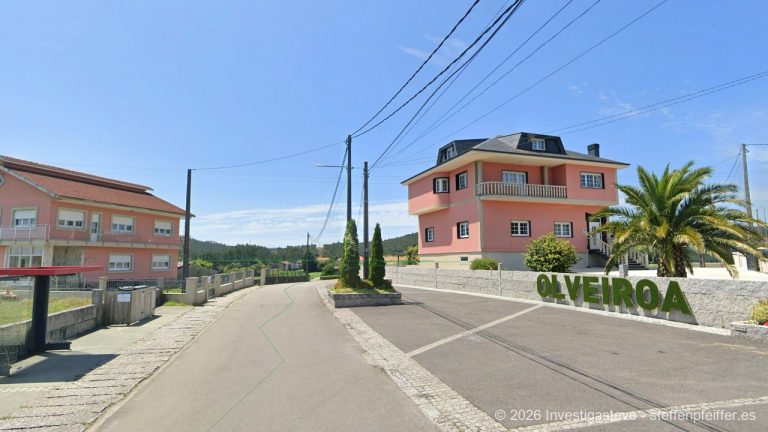
Olveiroa – Stone Memory by the Roaring Xallas
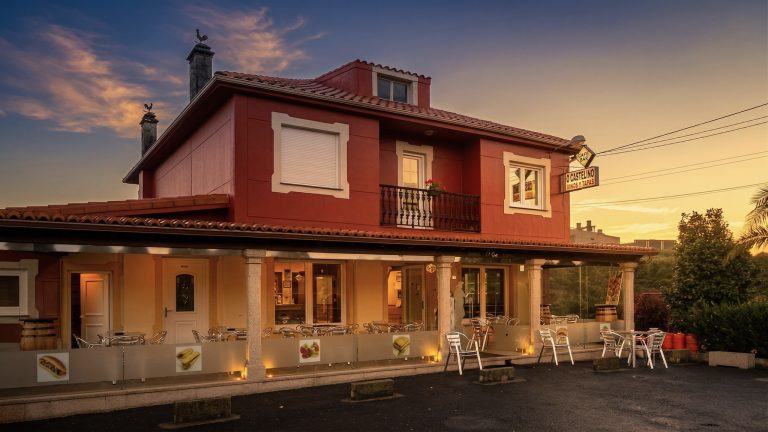
Hospital – Where Paths Split and the Story Holds Its Breath
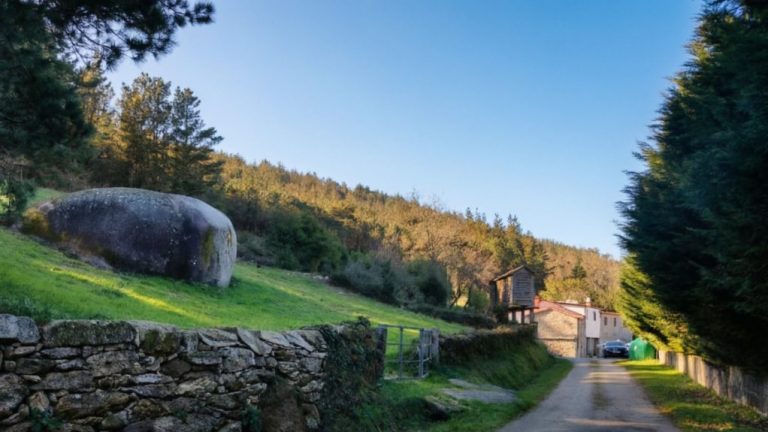
O Logoso – The Quiet First Breath of Liberation
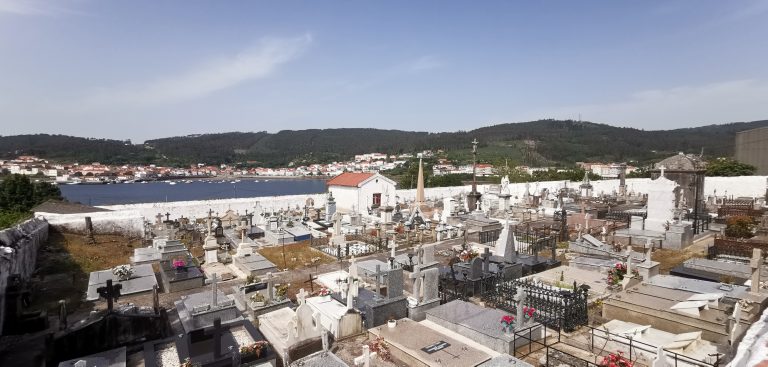
Cee – The Industrial Heart at the Pulse of the Ocean
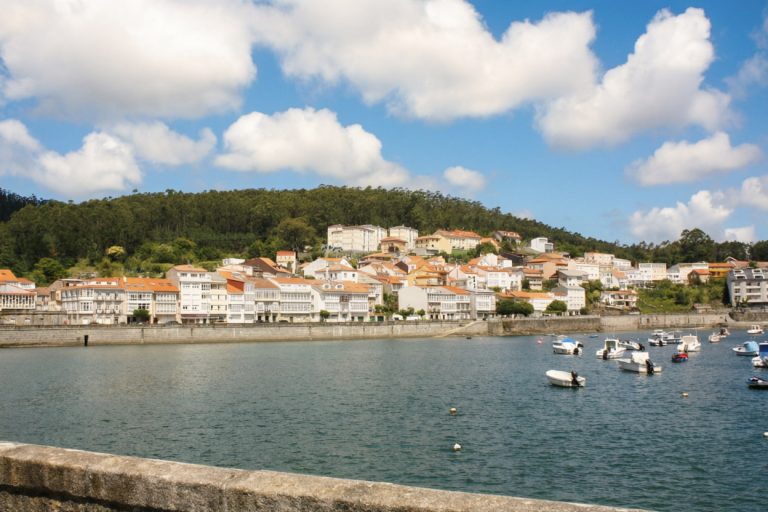
Corcubión - The aristocratic soul at the gateway to the ocean
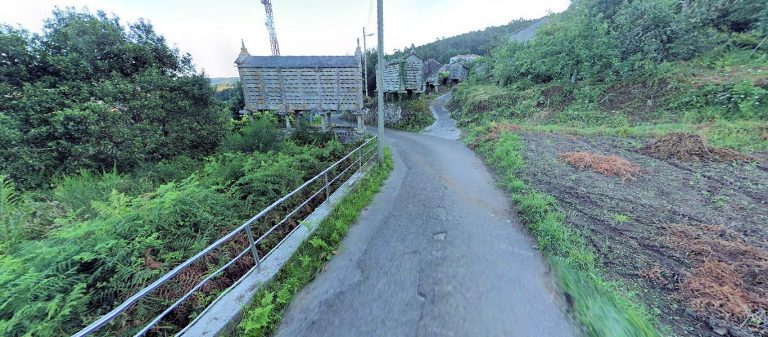
Redonda – The Romanesque threshold guardian over the silvery Ría

Amarela – The silent sigh over the Ría
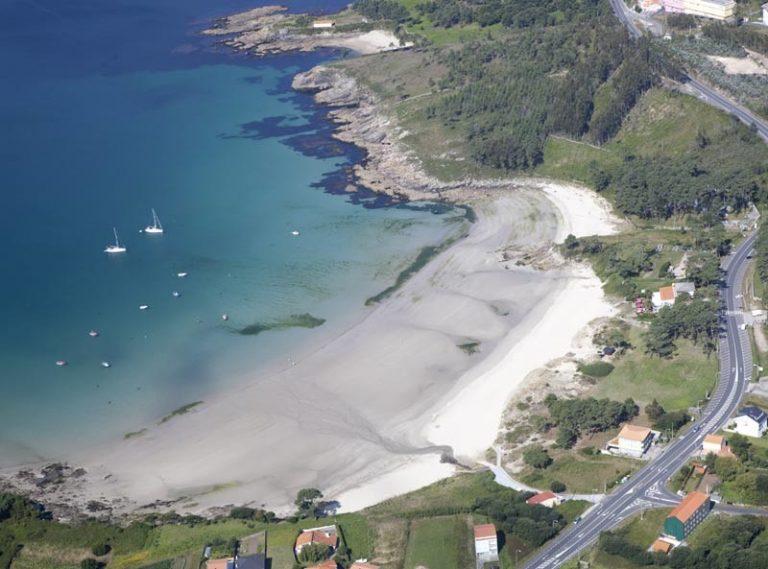
Estorde – The emerald promise between the tides
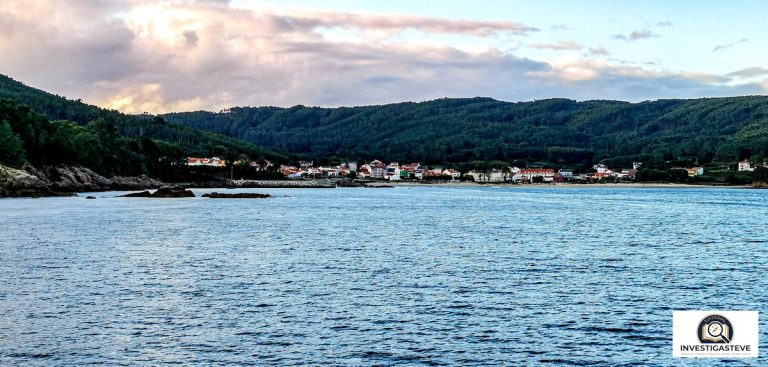
Sardiñeiro