A new stage day – entering the stage
The morning in Portomarín begins with an almost mystical staging of nature. When you step out of your hostel, the deep valley of the Rio Miño lies buried under a dense, cotton-soft blanket of mist, concealing the Belesar reservoir like a white sheet. It is a quiet, cool departure; the air is saturated with the moisture of the water and the pungent scent of wet stone and moss. As you descend the modern staircase leading into the new Portomarín, you feel the historical weight of this place. You know that deep beneath the water’s surface of the reservoir rests the old Portomarín, whose walls and churches were dismantled stone by stone in the last century and reassembled up here. This knowledge lends the first step a peculiar depth – you walk on reconstructed history, while the echo of your steps reverberates in the morning silence of the deserted alleys. Psychologically, this moment marks the definitive entry into the agricultural heart of Galicia; the expanse of the Castilian plateau is now only a distant memory, replaced by the fragmented, almost intimate landscape of the minifundios.
The path first leads you over the mighty bridge spanning the Miño. Up here, high above the water, you feel the first gentle breeze beginning to slowly tear open the mist. The smell changes abruptly: the cool river moisture mixes with the spicy aroma of the first pines and eucalyptus trees lining the steep ascent on the opposite slope. You feel the slight tension in your calves as you tackle the path leading out of the river valley. It is a haptic transition from the smooth, urban paving to a rough, root-covered forest trail demanding your full attention. In this moment of physical activation, your mind expands; the worries of the past weeks seem to grow smaller with every meter of altitude gained, while the distant rushing of the water slowly fades, replaced by the polyphonic awakening of the Galician fauna.
Route and elevation profile
Distance: 25.0 km
Elevation gain: ↑ 480 m / ↓ 310 m
Difficulty: Moderate. The steady ascent from the Miño valley at the beginning challenges fitness, followed by undulating terrain demanding concentration on the descents.
Special features: The long, shady ascent through pine forests at the beginning, the crossing of the fragmented agricultural landscape (minifundios), and the passage of historically significant places like Castromaior and Ligonde.
Today’s stage can be described topographically as a steady conquest of the Galician high plateau. After leaving the river valley of Portomarín, the path winds upward almost continuously for several kilometers. This ascent, however, is not a brutal pass, but a rhythmic sequence of inclines through dense forests and open heathland. The ground here is usually a mixture of compacted earth and coarse slate rock, providing good footing but requiring some caution when wet. The profile is characterized by the typical Galician “wave motion,” where short dips alternate with moderate ascents, putting the pilgrim into a meditative trot that makes the 25 kilometers pass almost by themselves.
The decisive physical fixed point is Ventas de Narón, where the highest point of the day is reached at about 720 meters. From here, the terrain flattens noticeably, transitioning into a gently sloping plain leading the pilgrim through the heart of Galician agriculture. The paths now often run on narrow asphalt strips or paved field tracks flanked by characteristic stone walls. This change in ground conditions – from soft forest path to hard asphalt – is haptically perceptible and challenges the joints in a different way. The final section to Palas de Rei is largely flat but stretches somewhat due to the monotonous proximity to the main road, before the entry into the urban fabric concludes the stage.
Variants and small detours
One of the most significant variants on this stage offers itself shortly after Gonzar. While the main path favors the direct route along the road, a marked detour leads up to the Castro de Castromaior. This small loop is an absolute must for any pilgrim interested in the pre-Roman history of Galicia. You leave the pilgrim stream for a few hundred meters and enter the area of one of the best-preserved Celtic settlements in the region. The haptic contact with the millennia-old stone walls and the visual expanse enjoyed from this strategic point make this detour a worthwhile investment of time and energy.
Another nuance in the route presents itself in the area of Ligonde. Here, you can choose whether to strictly follow the asphalted pilgrim path or use the small, often parallel-running Corredoiras – those hollow ways deeply incised into the landscape that once served as cattle drives. These paths are often damper and shadier but offer significantly higher atmospheric density and protect the walker from the rising wind on the open areas. In Ligonde itself, you should not miss the short detour to the old pilgrim cemetery, lying only a few meters off the path and allowing a quiet moment of reflection on the historical causality of the Way.
Description of the path – with all senses
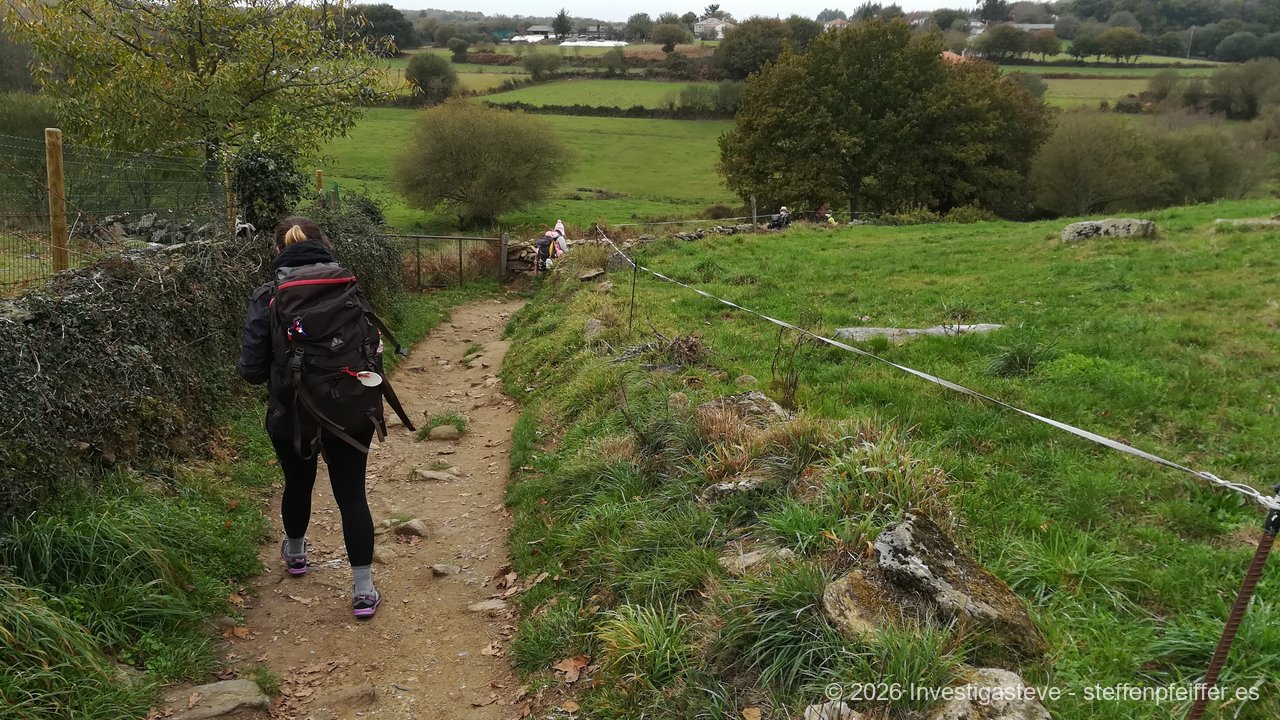
The departure from Portomarín first leads you over the modern bridge, under which the mist of the Miño hangs like sluggish ghosts. You hear the rhythmic pounding of your steps on the hard concrete, a sound strangely amplified in the fog. But soon, the ground changes, and you step onto a narrow path winding steeply up the slope. The ground here is covered with a layer of damp pine needles, cushioning every step and producing a soft, crackling sound. The smell is intense – a mixture of fresh resin, damp earth, and the ethereal aroma of eucalyptus, ubiquitous here in Galicia. You feel how the coolness of the morning slowly gives way to the warmth of your physical exertion. The historic stone walls lining the path are covered with a thick layer of emerald-green moss, feeling like damp velvet under your fingers.
Arriving in Toxibó, the view widens. You pass the first hórreos, those typical Galician grain stores on their stone mushroom feet. The sight of these archaic structures is a visual confirmation that you have now arrived deep in rural Galicia. You hear the distant ringing of a cowbell, an acoustic signal underscoring the silence of the landscape. The path leads you further to Gonzar, where the small church of Santa María stands silently by the wayside. Here, it smells of burning oak wood from the chimneys of the farmhouses, an earthy, calming scent telling of constancy and tradition. You feel the rough granite of the walls when you pause briefly in the shade of the church, absorbing the cool, sacred atmosphere of the place.
The ascent to the Castro de Castromaior challenges your lungs once more. But arriving at the top, you are rewarded with a silence that feels almost tangible. You stand amidst the foundations of a settlement that already existed when the Romans had not even thought of Hispania. The wind whistles unhindered over the hills up here, carrying the scent of wild thyme and broom to you. You run your hand over the rough stones of the fortifications, feeling the millennia-old energy stored in this place. Psychologically, this is a moment of grounding; you recognize your own transience in the face of these stone witnesses of time. The ground beneath your feet here is hard and dry, a haptic contrast to the damp forest paths of the morning.
Behind Castromaior, the path leads you down to Hospital da Cruz. Here, you must cross the main road, an acoustic shock after the silence of the Castro. The distant roar of cars and the hard impact of your soles on the asphalt mark the transition into a more functional section of the path. In Ventas de Narón, you feel the altitude; the air is clearer here, almost a little sharper. The smell of livestock and freshly mown grass hangs in the air, an olfactory testament to intensive agriculture. You pass the small chapel of Maria Magdalena, whose massive masonry acts like a bulwark against the wind. The haptic appeal of this place lies in the simplicity of its forms – granite, wood, and slate merge into a unity radiating calm.
The descent to Ligonde leads through deep hollow ways, the so-called Corredoiras. Here, the canopy closes above you like a natural cathedral. The light falls only in narrow, golden lances through the branches of oaks and chestnuts, creating a play of light and shadow on the damp ground. You hear the gentle seepage water running down the side walls of the hollow ways, a steady splashing accompanying the rhythm of your steps. The smell here is heavier, earthier – it smells of fern, damp leaves, and ancient rock. In Ligonde itself, you encounter history at every turn. You pass the house where Emperor Charles V once stayed overnight on his way to Santiago. The massive lintels and heraldic stones tell of a time when this small place was a strategic center of pilgrimage.
Behind Ligonde, the terrain opens up again. You cross the minifundios, those tiny fields created by generations of inheritance divisions. Each field is bounded by a low stone wall, a haptic labyrinth of granite and slate. You hear the distant hum of an old tractor, mixing with the song of larks over the fields. The scent of flowering clover and wild herbs hangs in the air. Arriving in Eirexe, the church of Santiago de Eirexe draws your attention. The Romanesque portal with the statue of the saint is a haptic masterpiece; you feel the fine chisel marks in the stone, testifying to the devotion of medieval artists. The atmosphere here is characterized by a deep, rural spirituality that does without grand words.
The path leads you further to Lestedo, where the descent into the valley of Palas de Rei begins. Your knees feel the gradient as you glide over narrow forest paths lined with ferns growing almost as tall as a person. You hear the cracking of dry undergrowth under your steps, a short, sharp sound in the otherwise muffled forest acoustics. The smell of damp moss and the first eucalyptus of the afternoon returns. You pass small hamlets where dogs lie sleepily in the sun and barely lift their heads as you pass. It is an image of total deceleration, psychologically preparing you for the end of the stage. The tension of the morning has long given way to a pleasant exhaustion enveloping your body like a warm blanket.
Shortly before Palas de Rei, the path becomes more urban again. You feel the hard asphalt of the suburbs, which has stored the warmth of the day and now releases it to your feet. The noise of traffic increases, mixing with the voices of other pilgrims now gathering again. You pass modern industrial buildings, forming a stark visual contrast to the medieval hamlets of the morning. The smell of fresh bread and coffee from the first bars of Palas de Rei lures you. You feel the relief of having almost reached the day’s destination. The path leads you directly into the center, past the church of San Tirso, whose Romanesque portal acts like a final historical anchor point before the modern bustle of the town.
Arriving in Palas de Rei, you find a spot on one of the stone walls at the square. You feel the rough texture of the granite under your hands and the slow fading of the vibration in your legs. The soundscape is now characterized by the polyphonic murmur of pilgrims from all over the world, the clatter of dishes, and the distant ringing of evening bells. The smell of Galician soup and grilled meat wafts from the restaurants. Psychologically, this is the moment of arrival – not only at a place, but in a state of deep satisfaction. You look at your dusty shoes, the haptic witnesses of the 25 kilometers, and feel a deep connection to this path that has led you today through the green heart of Galicia.
The reflection of today’s day leads you to the realization that beauty often lies in fragmentation. The minifundios, the hollow ways, and the small hamlets have shown you that the Camino does not have to be a monumental event to touch deeply. It is the nuances – the scent of eucalyptus, the coolness of the stone in Ligonde, the distant ringing of bells – that make this stage so special. You feel the historical causality in every fiber; you are part of a chain that never breaks. In the silence of the evening, when the shadows in Palas de Rei grow longer, you recognize that today you have not only covered kilometers but have walked a little deeper into yourself.
Dining, accommodation & supplies
The supply situation on this stage can be described as exemplary. Just a few kilometers after Portomarín, small bars in Toxibó and Gonzar offer an ideal spot for a second breakfast. Especially in Gonzar, the atmosphere is often familial, and the view from the terrace quickly makes you forget the morning ascent. Another strategically important point is Hospital da Cruz, directly at the road crossing. Many pilgrims fortify themselves here before reaching the highest point in Ventas de Narón. It is advisable to refill water bottles regularly, as the open areas behind Ventas de Narón can become very warm in direct sunlight.
In Palas de Rei, the selection of accommodations is immense. The large public hostel San Martín at the entrance of the town is a classic but often offers little privacy. For those who prefer something more exclusive, the surrounding pazos, such as the Pazo de Laia, offer upscale accommodation with historic flair. The town’s gastronomic infrastructure is entirely geared towards pilgrims; almost every restaurant offers an affordable “Menú del Peregrino,” featuring local specialties like Caldo Gallego or Pulpo. It is advisable to secure a spot early, as Palas de Rei is an important stage hub.
Gastronomy: In Ligonde, there are small, often private supply stations (donativo) offering homemade cakes and fresh fruit. In Palas de Rei, the restaurant “A Casina di Marcello” is known for its hearty cuisine.
Accommodation: The Albergue San Martín is functional and centrally located. For a quieter night, the Albergue O Logoso just before Palas de Rei is recommended.
Public facilities: Palas de Rei has all necessary facilities such as pharmacies, banks, and a health center directly in the town center.
The special thing today
The outstanding feature of this day is undoubtedly the visit to the Castro de Castromaior. It is one of those places on the Camino where you can physically grasp the timelessness of Galicia. The settlement, inhabited from roughly the 4th century BC to the 1st century AD, offers a deep insight into the Celtic culture of the region. As you walk through the excavated foundations of the round houses, you feel the strategic importance of this point. The view over the wide land is magnificent, hinting at why people over two thousand years ago chose this very hill for their home. It is a place of silence and historical causality, reminding the modern pilgrim that this path leads through layers of civilizations.
Another special element is the significance of Ligonde for European history. The fact that Emperor Charles V stayed here in 1520 on his way from Santiago to A Coruña underscores the former importance of this now so modestly appearing place. You stand before the remains of the pilgrim Hospital once run by the Ulloa family and realize that hospitality here is not a modern marketing concept but a centuries-old obligation. The nearby pilgrim cemetery is a sobering testimony to the dangers walkers once faced, lending today’s walking a humble depth.
Finally, the landscape of the minifundios deserves mention. This fragmented division of the land, often only separated by low dry stone walls, is a visual and haptic feature of Galicia. It tells of a hard peasant life, of inheritance divisions, and deep respect for the soil. As a pilgrim, you traverse these plots and become part of an organic puzzle that has shaped the region for generations. The mixture of farmland, small oak forests, and the characteristic hórreos creates an atmosphere of security and order that calms the mind and sharpens the eye for detail.
Reflection at the end of the stage
When evening falls over Palas de Rei and the shadows of the granite houses grow longer, a deep satisfaction sets in. The 25 kilometers were a journey through the green lung of Galicia, marked by the discovery of pre-Roman roots and imperial history. The reflection of today’s day leads you to the realization that the path has now definitively “taken you in.” The tension of the Portomarín ascent has given way to a quiet endurance permeating your entire body. You feel the power of community in the bars and the silence of history in the hollow ways.
You realize that Palas de Rei is more than just a place to sleep. It is the gateway to the final third of your journey to Santiago. The historical causality of your steps concentrates in this moment; every meter you have covered today has brought you a step further away from modern hustle and closer to the essential questions of your life. In the silence of your hostel, when the distant murmur of pilgrims slowly fades, you know: you are ready for what is yet to come. The path has gifted you today with its gentleness and its depth equally.
Camino of the Stars
This stage lies on the Camino Francés, on the stage from Portomarín to Palas de Rei. The sequence of places is:
| Stage | Start | Destination | Distance (km) | Elevation gain | Difficulty | Intermediate places |
|---|---|---|---|---|---|---|
| 29 | Portomarín | Palas de Rei | 25.0 | ↑ 480 / ↓ 310 | moderate | Toxibó → Gonzar → Castromaior → Hospital da Cruz → Ventas de Narón → Ligonde → Eirexe → Lestedo |
Did you feel the moment when you stood among the stones of Castromaior and time stood still for a heartbeat? Was the peace in the hollow ways of Ligonde an invitation to reflection for you, or did you use the energy of the minifundios for your final sprint? Share your story of this path through the green heart of Galicia with us – your words are the stars that light the way for other pilgrims on their path.
About the Author


Portomarín – The Stone Atlantis on the Banks of the Miño
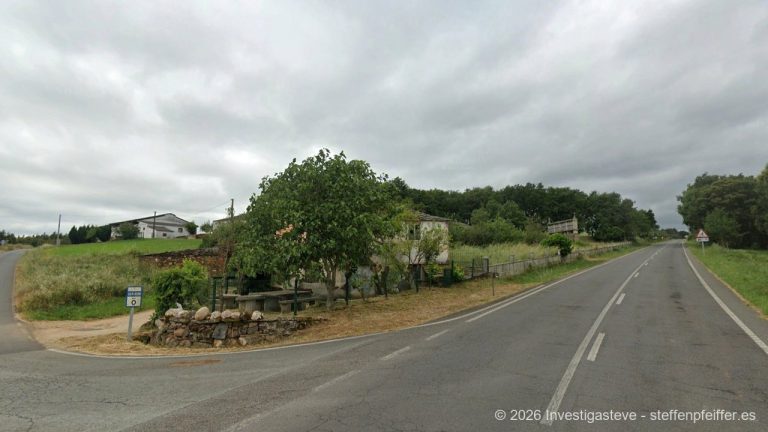
Toxibó – The Stone Silence at the Gate to the High Plateau
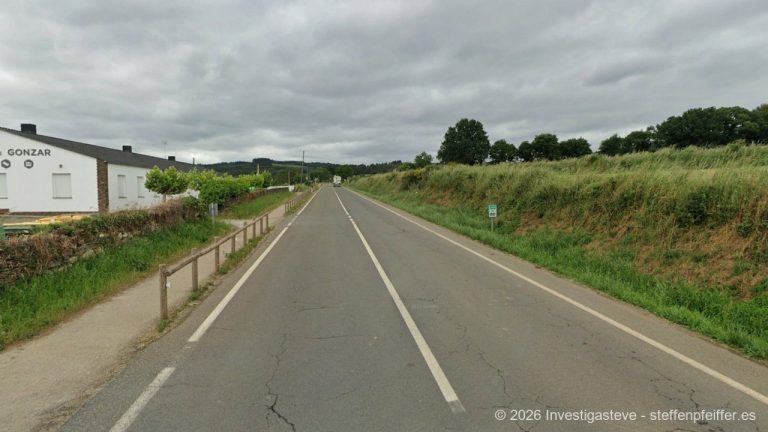
Gonzar – The Stone Rest on the Roof of the Ulloa
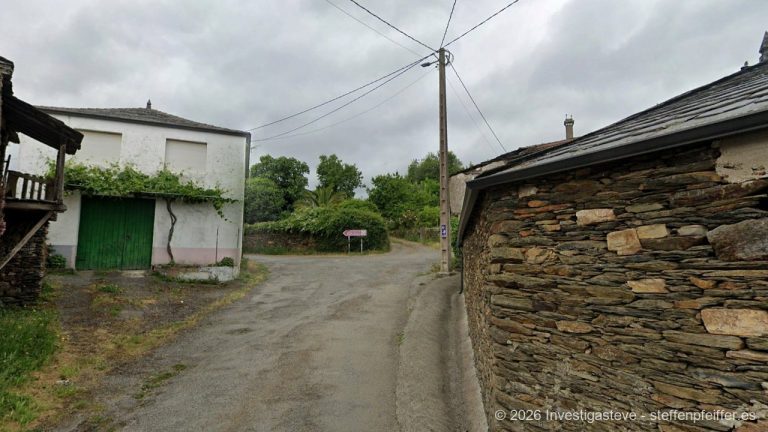
Castromaior – The Stone Heart of the Iron Age on the Roof of Galicia
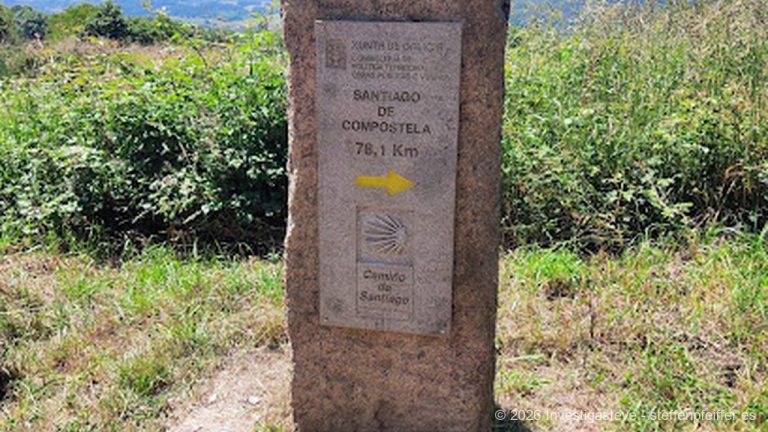
Hospital da Cruz – The Stone Legacy of the Knights Hospitaller on the Windy High Plateau
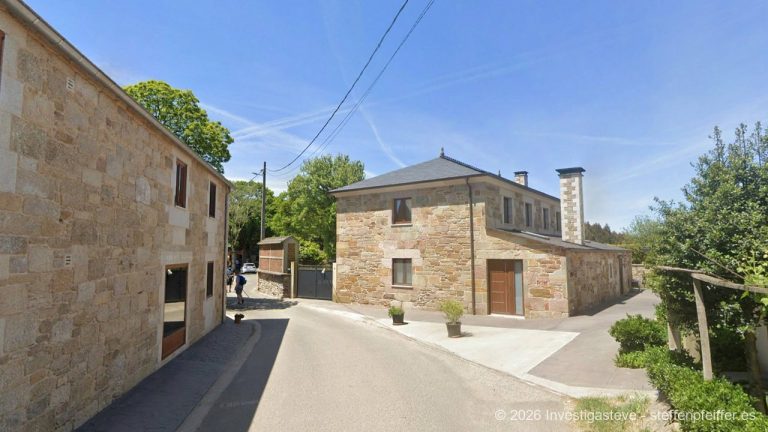
Ventas de Narón – The Royal Silence on the Ridge of History
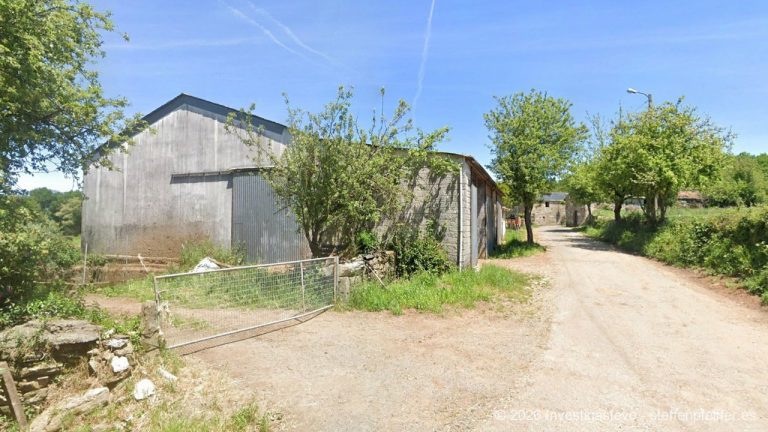
Os Lameiros – The Stone Silence of Time at the Memento Mori of the Way
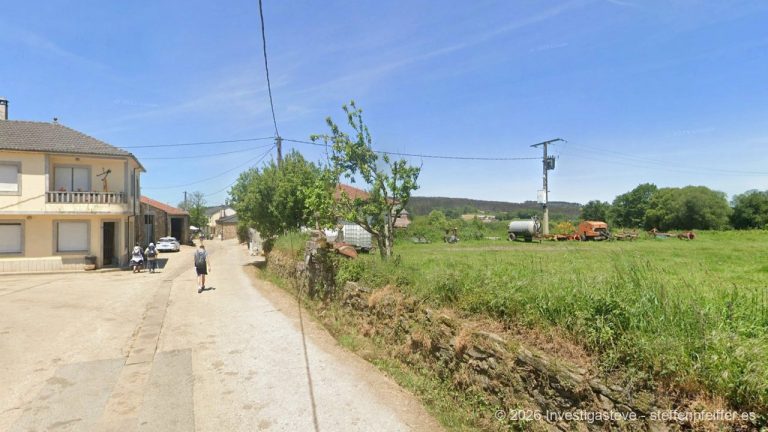
Ligonde – The Stone Echo of Kings and the Memento Mori of the Way
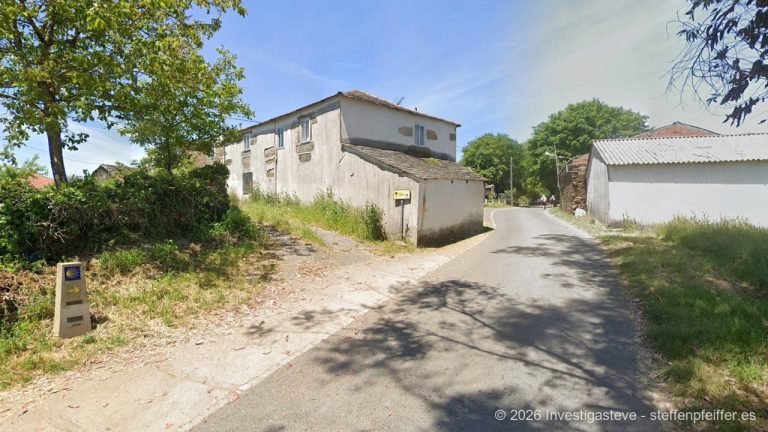
Airexe – The Romanesque Heart in the Golden Forest of the Ulloa
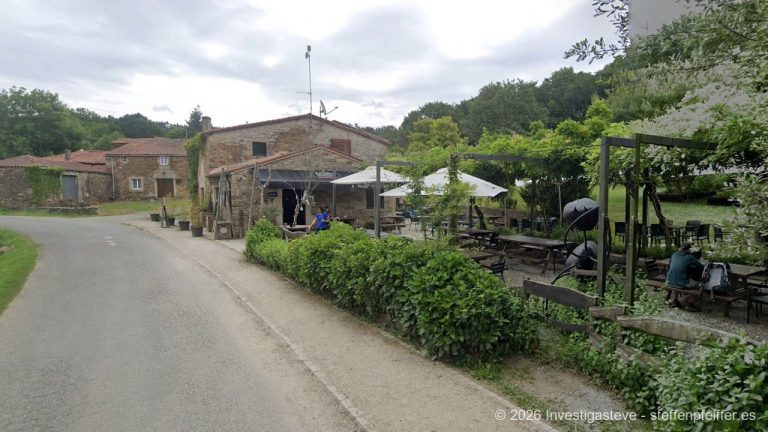
Portos – The Silent Gateway to the Pantheon of Knights
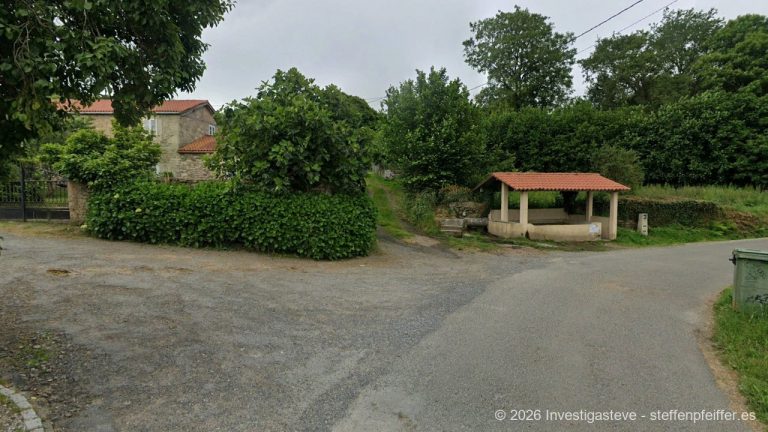
Lestedo – The Stone Embrace of History in the Heart of the Ulloa
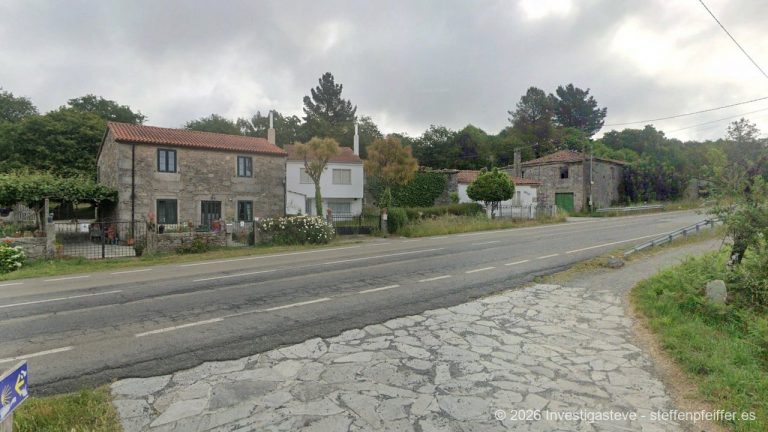
Rosario – The Threshold of Prayer on the Horizon of Santiago