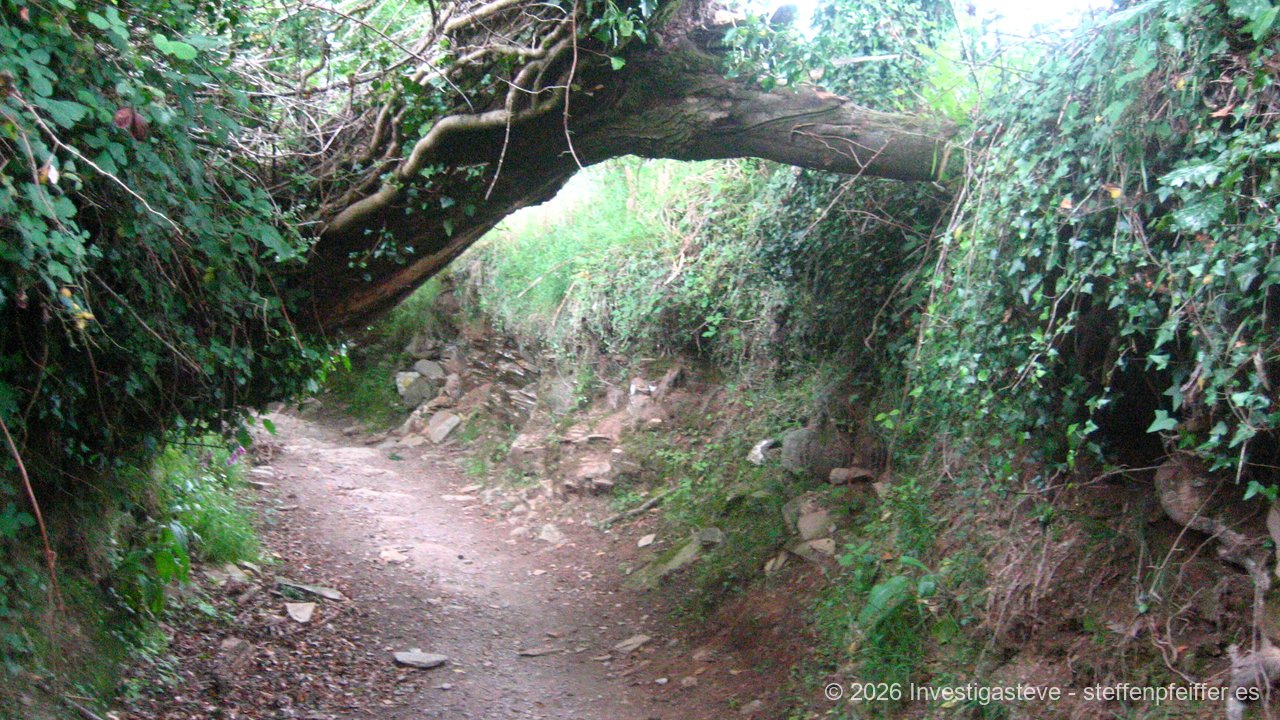
A new stage day – entering the stage
The morning in Triacastela breaks with an almost sacred silence, broken only by the distant, steady gurgling of the Rio Ouribio. When you step out of your accommodation, the mist often hangs so low in the narrow valley that the surrounding limestone cliffs of Monte Oribio appear like floating islands in a grey sea. It is a cool, damp departure that immediately sharpens the senses. The air in Triacastela, the “place of the three castles,” tastes of wet granite, burnt oak wood, and the promise of a day that will confront you with one of the most significant decisions of your journey. You feel the smoothness of the stones beneath your soles, those stones that have borne the weight of millions of pilgrims since the 9th century. Psychologically, this moment marks a phase of gathering; you stand at the bottleneck of Galicia, the point where the paths divide to reunite just before Sarria. It is the calm before the storm, the last day of relative seclusion before you immerse yourself in the logistical epicenter of the final 100 kilometers.
As you walk through the narrow alleys towards the edge of the village, you feel the historical causality of this place. Here in Triacastela, the pilgrims of the Middle Ages took limestone from the nearby quarries to carry it hundreds of kilometers to Castañeda, where it was burned in lime kilns for the construction of the Cathedral of Santiago. This haptic connection to the physical creation of the destination lends your departure a deep grounding. You smell the aroma of fresh bread from the first opening bakeries, a warm, earthy scent that stands in stark contrast to the cold morning air. Your thoughts circle around the upcoming fork: do you choose the shorter, nature-oriented route via San Xil, or the historically significant detour via the monumental monastery of Samos? It is a decision between pure immersion in the Galician forest world and the cultural depth of one of the oldest monasteries in the Western world. In this moment of indecision, you become aware that the path consists not only of steps but of the freedom to redefine your own story in every moment.
Route and elevation profile
Distance: Variant A (San Xil): 18.3 km | Variant B (Samos): 24.7 km
Elevation gain: San Xil: ↑ 350 m / ↓ 430 m | Samos: ↑ 250 m / ↓ 380 m
Difficulty: Moderate. While San Xil challenges with a sharp ascent at the beginning, the Samos variant is a test of endurance due to the additional distance.
Special features: The dramatic fork at the exit of Triacastela, the ancient “Corredoiras” on the San Xil route, and the monumental presence of the monastery of Samos in the valley of the Ouribio.
Today’s topography is a reflection of Galician diversity. Those who choose the route via San Xil are immediately confronted with a steady ascent that challenges the lungs and quickly brings the body up to operating temperature. The path winds up from the valley floor and leads over narrow, often root-covered forest trails. The profile is characterized by an intense up and down, the typical Galician swell that does not allow a constant speed. The ground here is often soft, covered with a layer of chestnut leaves and moss, which makes walking a pleasantly springy, haptic experience as long as it stays dry. In rain, however, these paths turn into small streams that demand full concentration and surefootedness.
The variant via Samos, on the other hand, largely follows the natural course of the river. The elevation profile here is significantly gentler, but the distance is the decisive factor. The path winds through shady valleys where the moisture of the river creates an almost tropical lushness of vegetation. The surface frequently alternates between asphalted side roads, which reflect the warmth in the sun, and narrow paths along the riverbanks. The descent to Sarria is identical for both variants and leads over gentle hill ranges that open up the view to the urban basin. It is a stage that is physically moderate but requires a continuous adaptation of the senses due to the constant changes between forest shade and exposed open areas.
Variants and small detours
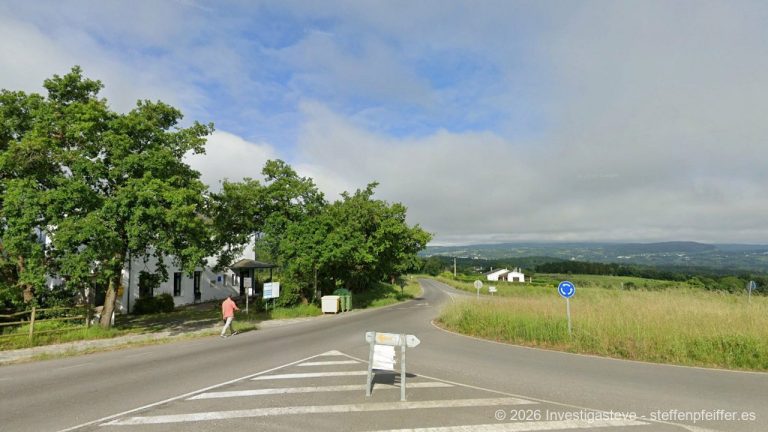
The central fork at the exit of Triacastela is the navigational anchor of the day. Here, the streams of pilgrims divide: one yellow arrow points right (San Xil), the other left (Samos). This split has a deep psychological effect; you see friends and companions of the last weeks disappear in different directions, a symbol of the individuality of every pilgrim journey. The San Xil route is considered the “more natural” one, as it largely avoids civilization and leads through an almost archaic forest landscape. It is the choice for those seeking silence and wanting to lose themselves once more in Galician nature before the hustle of Sarria.
The Samos variant, on the other hand, is a cultural must. The monastery of Samos (Monasterio de San Julián de Samos) is a colossal structure whose foundation dates back to the 6th century. The decision for this detour of about 6.5 kilometers is a homage to the centuries-old monastic tradition of the Camino. In Samos itself, there are small detours to the bank of the Rio Ouribio, where one can rest under ancient willows. Shortly before Sarria, in the hamlet of Aguiada, both paths finally converge. From this point on, the route is without alternative and steers inexorably towards the urban center of Sarria, with the density of markings and signposts noticeably increasing, heralding the end of today’s solitude.
Description of the path – with all senses
San Xil – If you choose the route via San Xil, your day begins with a haptic challenge. The ground beneath your feet is steep and demanding as you leave Triacastela behind. You hear the rhythmic panting of your fellow pilgrims and the distant rustling of the wind in the crowns of the oaks. The air up here is thinner, clearer, and tastes of freedom. Arriving in San Xil, you enter a world that seems to have fallen out of time. The houses are built of massive, dark slate, whose roofs gleam like fish scales in the morning light. The smell of damp fern and fresh cow manure is omnipresent – an earthy, honest scent that defines rural Galicia. You feel the warmth of the sun on your skin when you leave the forest line and walk over the high plateau, from which you have a breathtaking view back to the mountains of O Cebreiro.
The path now leads you into the “Corredoiras,” those deeply incised hollow ways carved into the earth by centuries of use by humans and animals. Here, the canopy closes above you like a green vault. You hear the distant echo of a woodpecker knocking against an old oak in time with your steps. The ground here is covered with a carpet of chestnut husks and moss, cushioning every step and creating an almost eerie silence. You run your hand over the moss-covered stone walls lining the path and feel the moisture and coolness stored in this green tunnel. Psychologically, this is a phase of total immersion; the world outside this forest seems to have ceased to exist. You are one with the geography, a tiny point in a millennia-old ecological fabric.
Samos – If, however, you have chosen the variant via Samos, a completely different atmosphere envelops you. The path follows the Rio Ouribio, whose constant splashing has a calming, almost hypnotic effect. You hear the rushing of the water gliding over smooth pebbles and the rustling of the alders on the bank. The air here is heavier, saturated with the moisture of the river and the scent of mint and wild herbs. The ground is flatter, but the constant proximity to the water creates a haptic freshness on your skin. You pass small hamlets like San Cristovo, where time seems to coagulate. The historical causality is tangible here in the old mills along the river course, which once ground the grain for the monks of Samos. Every step takes you deeper into the valley, which preserves the history of Galicia like a protective womb.
The arrival in Samos is a visual and acoustic shock. Suddenly, the mighty monastery rises before you, whose walls are so massive they seem to dominate the river course. You hear the deep, sonorous striking of the monastery bells, a sound that has determined the rhythm of this valley for over a thousand years. You enter the monumental cloister, the largest in Spain, and immediately the acoustics change. Your steps on the smooth granite floor echo hollowly and reverently. The smell of incense, old paper, and damp stone hangs heavily in the air. You run your fingers over the cool columns of the cloister, feel the fine chisel marks of medieval stonemasons. Psychologically, this place is an anchor point; the hustle of everyday life and the exertion of walking fade before the eternity radiating from these walls. You sit in the silence of the monastery church, perhaps hear the distant murmuring of the monks at their hourly prayers, and feel a deep, inner peace that will carry you for the rest of the day.
Behind Samos, the path leads you back up into the hills. The transition from the sacred space back to nature is haptically perceptible. The asphalt of the road gives way again to softer forest paths. You pass the chapel of San Salvador, which stands in the shade of an ancient, mighty cypress. You feel the rough bark of this tree, which according to legend has stood here for a thousand years. The air here becomes more open again, windier. The smell of eucalyptus now mixes with the oak aromas, a sign that you are approaching Sarria. You hear the distant roar of the main road, an acoustic signal of the approaching end of solitude. The psychological metamorphosis of the pilgrim becomes clear here: you prepare yourself inwardly for the masses but seek the closeness of the trees once more to store the peace of the morning within you.
Aguiada – At Aguiada, both routes converge again. The paths merge, and with them the streams of pilgrims. You now hear more voices of other walkers again, the clatter of dishes from the first bars along the wayside. The ground beneath your feet is now firm and often asphalted, which strains the soles of the feet more after the soft forest paths. In the suburbs of Sarria, you pass modern industrial buildings and residential houses that stand in stark contrast to the archaic world of San Xil or Samos. The smell of exhaust fumes and asphalt pushes into your consciousness, an olfactory harbinger of the urban world. You feel the vibration of the city beneath your soles, a restless trembling that heightens the anticipation of the logistical center of Sarria.
Sarria – The entry into Sarria itself is characterized by a hard, urban aesthetic. You cross the modern district, cross the railway tracks, and follow the Rúa Peregrino. The ground here is unyielding; every step on the hard pavement reminds you of the distance you have covered today. You hear the bustling activity of the town, the honking of cars, and the laughter of tourists starting their journey here in Sarria. The smell of fresh coffee and grilled empanadas wafts from the countless bars. Psychologically, this is a moment of sensory overload. You come from the silence of the Corredoiras or monastic devotion and are suddenly catapulted into the reality of modern mass tourism. It is an emotional challenge to maintain your own center while the environment becomes deafeningly loud.
The path finally leads you up to the upper town of Sarria, to the Rúa Maior. The ascent over the steep stairs challenges your thighs one last time. Arriving at the top, you stand before the church of Salvador. You feel the warm stone of the church wall beneath your hands as you look down on the town. The visual contrast between the medieval upper town and the modern Sarria in the valley is fascinating. You hear the echo of your steps in the narrow, cobblestone alleys, a hollow sound reminiscent of the days in Triacastela. The smell of old stone and incense returns here, mixed with the scent of red wine from the surrounding taverns. You have reached the destination of the stage, a place that, like no other, represents the transformation of the Camino.
In the twilight of Sarria, perception changes again. The towers of the fortress and the monastery walls of La Magdalena cast long shadows over the alleys. The air becomes cooler, and you feel the fatigue deep in your bones. The haptic experience of your gear – the rough straps of your backpack, the tight laces of your shoes – now feels like a familiar burden you carry with pride. You hear the polyphonic murmur of pilgrims in the Rúa Maior, a babble of languages that underscores the internationality of the Way. Psychologically, this is the evening of the great inventory. Today you have had the choice and borne the consequences. Whether Samos or San Xil – both paths have led you here, to the threshold of the final 100 kilometers.
The evening reflection, as you sit in one of the bars on the Rúa Maior and drink a glass of Ribeiro, is marked by a quiet melancholy. You look at the arriving masses of those starting here and recognize the value of your own long journey. The feeling of exhaustion is paired with a deep inner peace you brought from the silence of the morning. The sounds of the town, the distant roar of traffic, and the laughter of people merge into a soundtrack of arrival. The smell of damp granite and the cool wind blowing through the alleys accompany you into sleep. In this moment of silence, before the bustle of Sarria fully takes you in, you know: you have mastered the last stage of peace. Tomorrow begins a new chapter, loud, colorful, and full of energy, but the silence of San Xil and the devotion of Samos you carry as an indestructible treasure within you.
The night in Sarria is characterized by anticipation and uncertainty. You lie in the bed of the hostel, hear the creaking of the old wooden beams and the soft breathing of your fellow pilgrims. The haptic feeling of the soft sheet on your skin is a rare luxury. You remember the feeling of the cool granite in the cloister of Samos and the rustling of leaves in the Corredoiras. Psychologically, you have crossed an important boundary today. Sarria is the gate to the finale. The historical causality of your steps has safely guided you through the fork, and no matter which path you chose, it has strengthened you for what awaits beyond the city limits. The stars of the Camino shine over Sarria, and you are now ready to begin the final section of your epic journey.
Dining, accommodation & supplies
The supply situation on this stage is a prime example of the excellent infrastructure in Galicia. Those who choose the route via San Xil will find small, charming refreshment stops in almost every hamlet (San Xil, Montán, Furela, Pintín), often located directly on the path. Especially in Pintín, rustic bars with shady terraces invite you to rest, where you can fortify yourself with regional specialties like Empanada or Caldo Gallego. On the Samos route, the monastery town itself is the hub. Here, there are numerous cafés, restaurants, and small shops offering everything the pilgrim’s heart desires. It is advisable to take an extended break in Samos to absorb the spiritual atmosphere of the place before tackling the last 12 kilometers to Sarria.
Regarding accommodation, Sarria offers an almost endless selection, as it is the starting point for the majority of all Camino pilgrims. From the historic hostel in the monastery of La Magdalena at the upper end of the town to modern, private albergues and hotels on the Rúa Maior, every walker finds suitable accommodation. Those who prefer silence should try to stay in the smaller hamlets before Sarria or directly in the Monasterio de Samos. The monastic hostel in Samos offers a unique experience of simplicity and spiritual depth rarely found on the Camino Francés. In Sarria itself, a reservation is strongly recommended in high season, as the town often bursts at the seams.
Gastronomy: In Samos, the restaurant “A Veiga” offers excellent regional cuisine with a view of the river. In Sarria, the Rúa Maior is the culinary center with numerous tapas bars.
Accommodation: The Monasterio de Samos offers an authentic monastic hostel. In Sarria, the Albergue Paloma y Leña is known for its family atmosphere.
Public facilities: Sarria has all modern amenities: pharmacies, banks, post offices, and a medical center right in the town center.
The special thing today
The outstanding feature of this day is undoubtedly the Monasterio de San Julián de Samos. As one of the oldest and most significant monasteries in Spain, it is an architectural palimpsest of the centuries. The mixture of Romanesque, Gothic, Renaissance, and Baroque tells the story of the Christian West in a very small space. The Feijoo cloister, one of the largest of its kind, impresses with its monumental simplicity, while the Baroque facade of the monastery church reflects the wealth and power of the Benedictine abbey. For the pilgrim, Samos offers a place of deep historical causality; you walk in the footsteps of scholars, kings, and saints who sought protection and enlightenment here for over 1500 years.
Another special element is the “Corredoiras” on the San Xil route. These ancient hollow ways are more than just paths; they are haptic testimonies to the millennia of use of the land. The ways, deeply incised into the earth and rock, act like natural time tunnels that shield the walker from the modern world. The moss-covered stone walls and the dense canopy of chestnuts and oaks create a microclimate that calms the senses and promotes concentration on the essential. In these hollow ways, one feels the physical connection to the millions of feet that have walked this path before, a collective memory stored in every stone and root.
Finally, the psychological significance of Sarria as a “threshold” deserves emphasis. It is the place where the identity of the pilgrim path changes radically. For the long-distance pilgrim, Sarria is often a place of culture shock, where the painstakingly built inner silence is challenged by the energy of the new masses. This transformation of social dynamics makes the stage an important lesson in tolerance and self-assertion. One learns to continue one’s own path inwardly, even when the external circumstances become louder and busier. Sarria is thus not only a geographical destination but a mental touchstone that prepares the pilgrim for the final 100 kilometers.
Reflection at the end of the stage
When you sit on the walls of the upper town of Sarria in the evening and watch the lights come on in the valley, a deep, full calm sets in. The decision of the morning – San Xil or Samos – is long history, and what remains is the experience of the chosen route. The reflection of today’s day shows you that there are no wrong decisions on the Camino, only different paths to the same insight. The silence of the hollow ways or the devotion in the monastery have equally shown you that the true journey takes place within, regardless of the distance or the number of people around you.
You feel that Sarria is the beginning of the final sprint. The historical causality of your entire journey concentrates in this moment. You have left the Pyrenees, La Rioja, and the Meseta behind and now stand at the threshold of the goal. The exhaustion in your limbs has become a familiar companion, and the knowledge of your own endurance gives you an unshakeable confidence. In the silence of the night, when the distant murmur of the new pilgrims slowly fades, you know: you are ready for the final 100 kilometers. The path has gifted you today with its diversity, and Sarria is the anchor point where you gather your strength for the grand finale.
Camino of the Stars
This stage lies on the Camino Francés, on the stage from Triacastela to Sarria. The sequence of places is:
| Stage | Start | Destination | Distance (km) | Elevation gain | Difficulty | Intermediate places |
|---|---|---|---|---|---|---|
| 27 | Triacastela | Sarria | 18.3 / 24.7 | ↑ 350 / ↓ 430 | moderate | San Xil / Samos → Montán → Furela → Pintín → Aguiada → Sarria |
Did you hesitate at the fork in Triacastela, or did your heart know immediately whether it had to be the silence of the forests or the depth of the monastery? Was Sarria a shock for you or the welcome return to life? Share your story of this fork of souls with us – your words are the stars that light the way for other pilgrims on their path.
About the Author

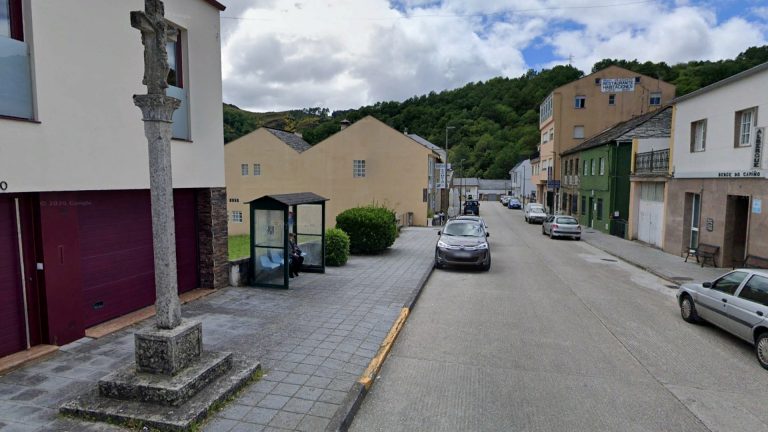
Triacastela – The Stone Gateway of the Three Castles in the Valley of Silence
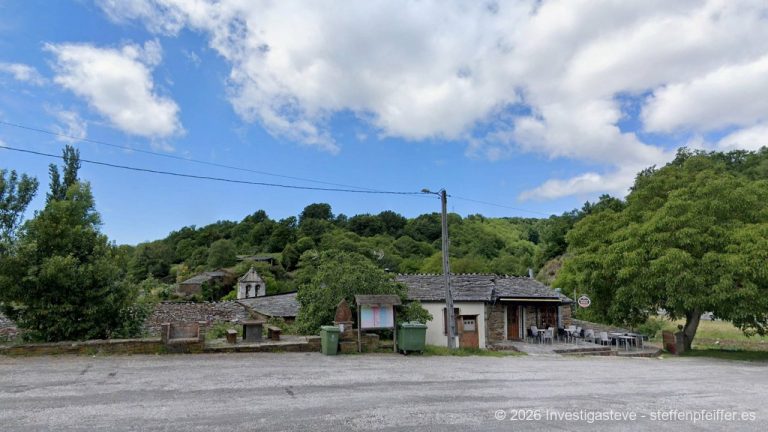
San Cristovo do Real – The Stone Gateway to the Green Soul of Galicia
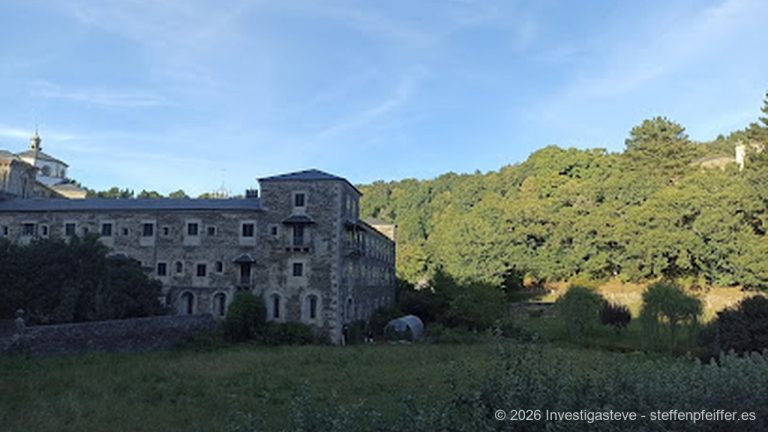
Samos – The Stone Prayer in the Green Heart of Galicia
Calvor – The Stone Echo of History in the Valley of Promise