A First Glance – Introduction & Atmosphere
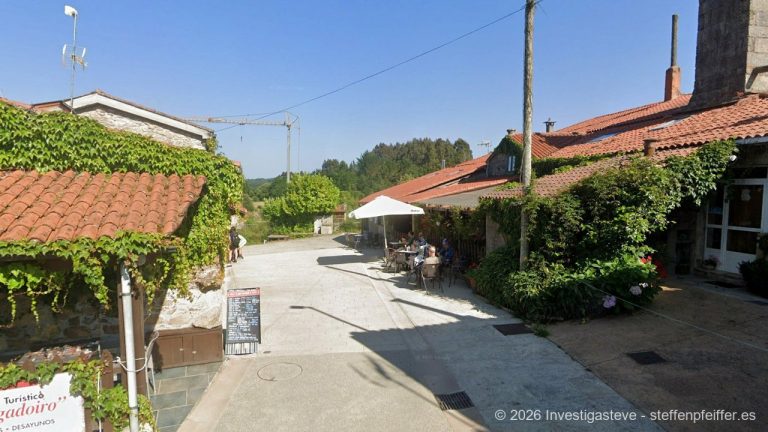
When the sun slowly sinks behind the gentle hills of O Pino and the light sweeps over the eucalyptus forests of Galicia in a deep, almost unnatural orange, the pilgrim reaches O Pedrouzo. It is not a place of monumental cathedrals or medieval fortresses, but a place of tangible, pulsating expectation. The first thing you perceive is not the silence of nature, but a multi-layered, almost electric hum. It is the sound of hundreds of hiking boots on asphalt, the clattering of aluminium poles, and the multilingual murmur of an international community that knows: this is the last night. In the air lies a mixture of scents so typical for this section of the Way – the ethereal sharpness of eucalyptus, mingling with the damp aroma of pine wood and the distant, tempting scent of garlic-fried pieces of pulpo from the local kitchens.
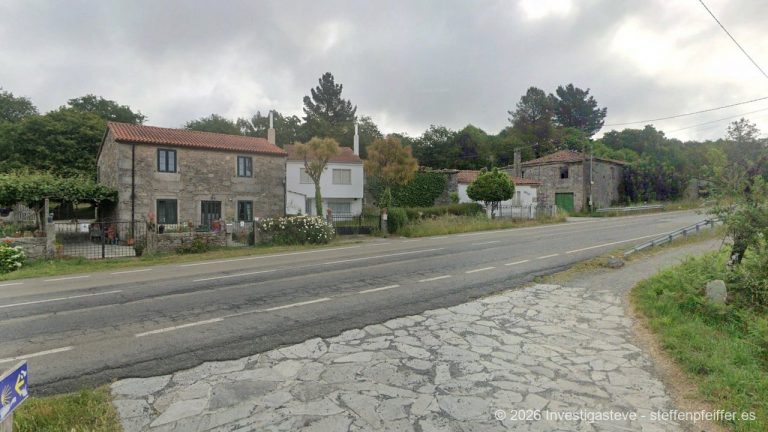
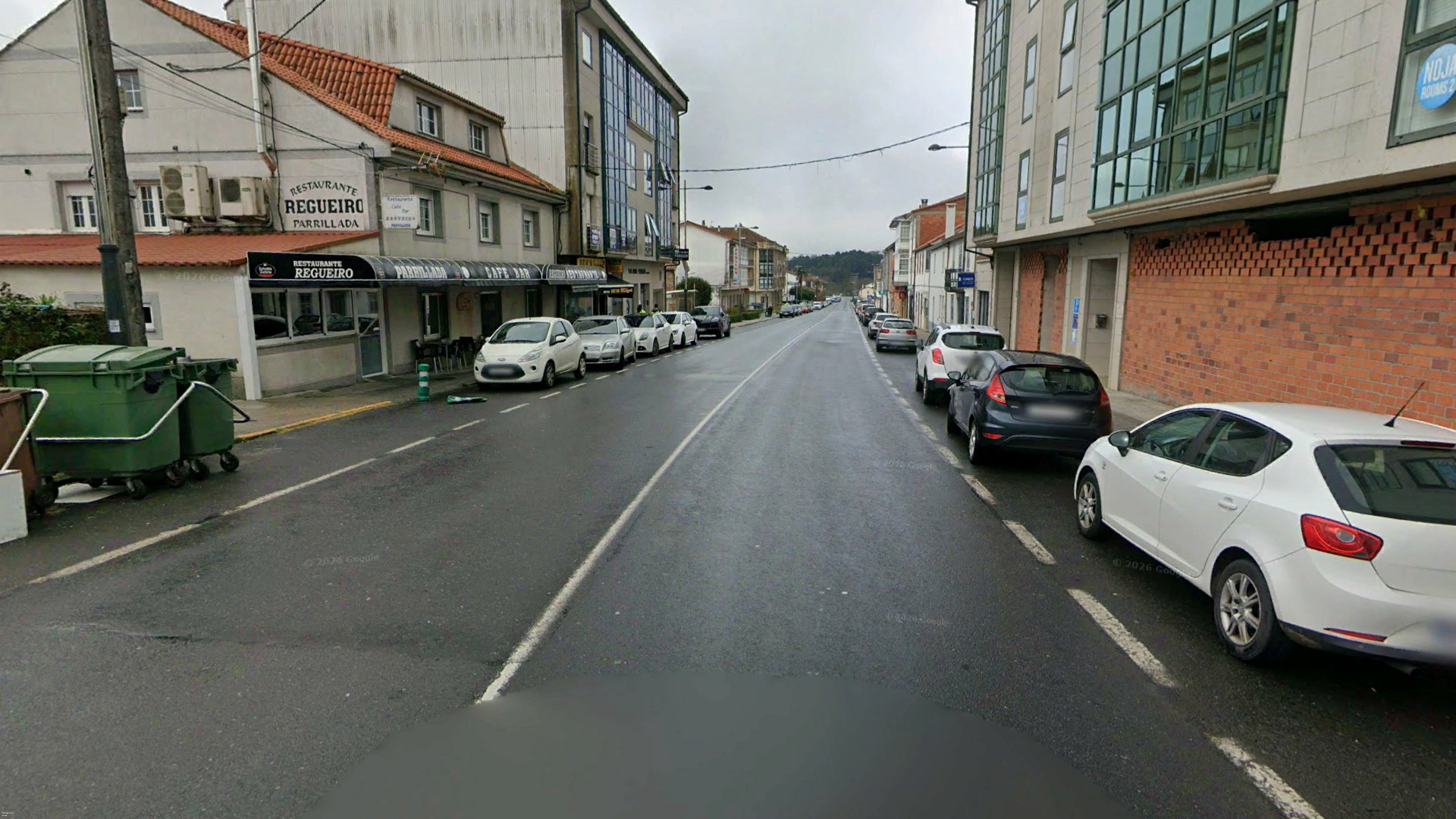
Haptically, O Pedrouzo is an experience of contrasts. On the one hand, you feel the rough, unyielding nature of the national road N-547, which cuts through the place like a lifeline, its vibrations felt through your soles when the trucks thunder by. On the other hand, there is the softness of the soft, moss-covered paths that lead into the town, letting your battered feet forget for a moment that they have already covered hundreds of kilometres. The psychology of this place is unique on the entire Camino Francés. O Pedrouzo is a transit space, an emotional forecourt to Santiago. Here, the deep exhaustion of the past weeks mixes with an almost childlike excitement. You see it in the faces of the pilgrims: it is a gaze that already wanders westward over the rooftops, to where, just twenty kilometres away, the towers of the cathedral await. It is a mood between melancholic farewell to the journey and the triumphant urge towards the destination.
What This Place Tells
O Pedrouzo, the administrative heart of the municipality of O Pino, is a place whose history is inextricably linked with movement. While many other settlements on the Camino de Santiago grew up around monasteries or castles, O Pedrouzo owes its modern rise to the logistics of faith. Historically, the area around the Parroquia Arca, to which O Pedrouzo belongs, has always been a transit land. In the old annals, the region is often referred to as “Terra de Arca,” an area known for its dense forests and fertile soils. The local architecture, characterised by simple but resilient granite buildings, tells of a life subject to the rhythm of agriculture and the weather. But with the boom of the Camino de Santiago in the second half of the 20th century, the former farming village transformed into the most significant pilgrim hub on the final stage.
The administrative significance of O Pedrouzo as the seat of the municipality of O Pino gives the place a certain weight that goes beyond the purely touristy. Here, the concerns of the local population meet the needs of temporary world citizens. When you walk through the alleys away from the main road, you can still feel the archaic power of Galicia. The old stone walls, often covered with silvery lichens and lush moss, act like silent guardians of time. They have seen kings, beggars, saints, and sinners pass by. Historically interesting is also its location directly on the N-547; what appears today as a noisy traffic artery follows, in large part, ancient trade routes already used in pre-Roman times. O Pedrouzo thus tells a story of continuity – the path remains, even if the means of transport and the motives of travellers change. The psychological component here is not to be underestimated: the place acts as a filter, transferring the wilderness of the hinterland into the ordered structure of the approaching city.
Addresses & tips in O Pedrouzo
Camino Distances
In O Pedrouzo, the geometry of the journey becomes tangible. You are at a point where distances are no longer measured in weeks, but in hours.
Sleeping & Arriving
Arriving in O Pedrouzo is a haptic and emotional experience like no other. Those who have covered the approximately 14 kilometres from Arzúa usually reach the place in the early afternoon, when the Galician sun has reached its zenith or – which happens far more often – when the fine, all-pervading fog, the “Orballo,” makes your clothes clammy. The first feeling upon entering the town is often that of overwhelming infrastructure. After days of relative seclusion, the density of hostels, guesthouses, and hotels seems almost surreal. You feel the weight of the backpack on your shoulders one last time with real intensity before you check into one of over 40 accommodations.
The psychological relief when setting down your luggage is amplified in O Pedrouzo by the knowledge that this is the “last night.” The Albergue Arca do Pino, for example, a central anchor point for many, practically vibrates with energy. It is a haptic experience of community: the rustle of sleeping bags, the cold metal of bunk beds, and the pleasant feeling of warm water in the shower, washing away the dust of the day and the tension of the journey. In private accommodations and hotels, in turn, there is a subdued, almost festive mood. Here, many pilgrims treat themselves to a touch of luxury for the last night, to let the spiritual journey end worthily. Arriving here is not an end, but a pause, a deep breath before the grand finale. The social spaces, the courtyards, and the terraces of the hostels are places of intense networking in O Pedrouzo; here, addresses are exchanged, final tips for entering Santiago are shared, and promises for the time after are made.
Eating & Drinking
Culinarily, O Pedrouzo is the place where exhaustion turns into pure enjoyment. The air in the streets is saturated with the aromas of Galician gastronomy. When you stroll through the town, your nose catches the scent of “Pulpo á Feira” – the tender pieces of octopus served on wooden plates with coarse sea salt, olive oil, and smoky Pimentón. The haptic experience of dipping a piece of warm, crusty country bread into the red oil while watching the lively hustle and bustle on the N-547 is one of the unforgettable moments of this stage.
In the numerous restaurants specialised in pilgrims, the “Menú del Peregrino” is celebrated almost like a last supper here. You share large platters of Pimientos de Padrón – those small, green peppers, some mild, some fiery hot, which often cause laughter at the table. The taste of cool, mineral-rich Ribeiro wine, served in the traditional white ceramic bowls, the “Cuncas,” cools heated spirits and lets the hardships of the day fade into the background. It is an auditory backdrop of clattering cutlery, the laughter of pilgrims, and the hiss of coffee machines. In O Pedrouzo, you don’t just eat to get full; it is a communal celebration of survival and progress. The psychological effect of a nourishing meal at this stage of the Way is immense; it gives the body the necessary carbohydrates and the soul the necessary warmth for the last 20 kilometres.
Supplies & Logistics
Logistically, O Pedrouzo is the “Swiss army knife” of the Camino de Santiago. For the pilgrim, this place offers everything you need for the final sprint or what you have sorely missed over the last 700 kilometres.
Shopping: Several well-stocked supermarkets and local grocery stores offer everything from blister plasters to regional specialities. Here, many stock up once more on provisions for the long march to Santiago.
Gastronomy: With a selection of 8 to 12 restaurants, cafés, and bars, every budget and taste is catered for. Particularly noteworthy is the high density of breakfast options that open in the early morning hours.
Accommodation: With 41 documented accommodation options, the range is the largest on the entire stage. From the simple municipal hostel to the comfortable hotel, the variety is enormous, whereby advance reservation is strongly recommended in high season.
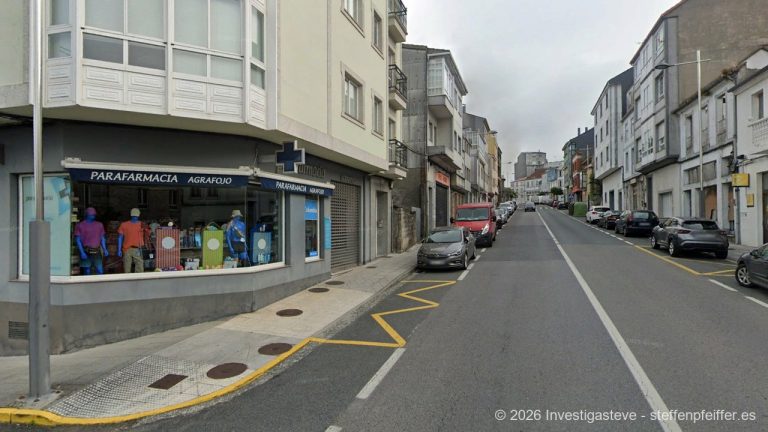
Public Facilities: In O Pedrouzo, there is a pharmacy, ATMs, a post office, and a bus stop with regular connections to Santiago. This also makes the place an important point for pilgrims who need to abandon or interrupt their journey here.
The logistics in O Pedrouzo are geared towards efficiency. The spatial proximity of all important facilities along the main road allows the pilgrim to run their errands with minimal effort. Haptically, that means: short distances for tired feet. The presence of taxi stands and the connection to Lavacolla airport, only about 12 kilometres away, give the place a strategic importance that goes beyond pure walking. You feel the perfection of the pilgrim industry here, which, despite all its commercialisation, has not forgotten its service to the walker.
Don’t Miss
- The Iglesia Santa Eulalia de Arca: A church with special charm, in whose chancel you find a large scallop shell – a powerful symbol of the approaching destination.
- The eucalyptus forest at the entrance to the town: Breathe deeply; the essential oils of the trees have a particularly intense and cleansing effect on the respiratory tract.
- The evening in one of the large hostels: Even if you stay privately, you should experience the social energy in one of the large hostels; it is the heart of pilgrim culture.
- The local bakery: Look for a traditional panadería and buy a piece of the famous Galician empanada for the next morning – the taste of tradition and craftsmanship.
Insider Tips and Hidden Places
Away from the noisy main road, where the N-547 dictates the rhythm of the place, O Pedrouzo hides small enclaves of silence. If you follow the signs to the church and walk a little further into the adjacent fields, you will find narrow paths lined with ancient dry stone walls. Here, in the soft light of the late afternoon, you can escape the hustle and bustle. A special place is a small, almost forgotten fountain at the edge of a wooded property, about a ten-minute walk from the centre. The water is ice-cold and clear, a haptic pleasure when you wash your face with it. The gentle gurgle of the water forms a meditative contrast to the distant roar of the trucks.
Another hidden place is the small park behind the administrative building of the Concello. While most pilgrims sit in the bars on the street, you will find shady benches under old trees here. The scent of damp grass and the song of the birds make you forget that you are in one of the busiest hubs of the Camino. Psychologically, this retreat is worth its weight in gold; it allows you to sort through the impressions of the journey once more before the sensory overload of the big city of Santiago sets in. If you look closely, you will often find small, hand-painted symbols or shells in the cracks of the old houses in the side streets, placed there by the residents as a sign of their connection to the pilgrims – small, haptic messages of welcome that are easy to overlook.
Moment of Reflection
O Pedrouzo is the place of great premonition. In the silence of the night, when the snoring in the sleeping bags or the rustling of curtains in the hotel room are the only sounds, the crucial question arises: What do I take with me from this Way? The pilgrim feels here the haptic reality of his transformation. The skin is tanned by the sun, the muscles are hard as Galician granite, and the mind is clear as the water of the streams. You reflect on the first steps in Saint-Jean-Pied-de-Port or at other starting points and realise with a mixture of astonishment and awe that you have almost made it.
The psychological burden of the “last night” is not to be underestimated. It is a mixture of the pain of separation from the simple life on the Way and the anticipation of returning to “normality,” which is now so close. In O Pedrouzo, you become aware that the cathedral is only a symbol, while the true treasure lies in the steps you have already taken. You feel a deep connection to the chain of millions of people who have stood here before you. This night is a vigil. You organise your thoughts as you organise your equipment – carefully, consciously, and with an eye on the next day. O Pedrouzo gives you the time you need to say goodbye to the walker you were and to greet the arrival you will be.
Camino of the Stars
This place lies on the Camino Francés, on the stage from Arzúa to Monte do Gozo (or Santiago). The sequence of locations is:
Arzúa → Pregontoño → A Peroxa → Tabernavella → Calle → Boavista → Salceda → O Empalme → Santa Irene → A Rúa → O Pedrouzo
Did you spend the last night in O Pedrouzo in the exuberant mood of a large hostel, or did you seek the silence of a private room to prepare for Santiago? Which aroma of Galician cuisine particularly stands out in your memory here, and did you also find the eucalyptus forest so intense upon arrival? Share your personal experiences and thoughts with us – your story is the final brushstroke on this grand picture of the Camino de Santiago!
About the Author