A new stage day – entering the stage
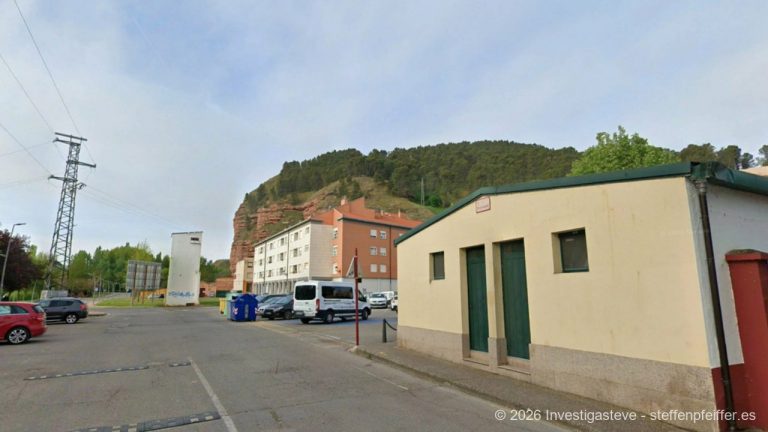
The morning in Logroño begins with an almost wistful gentleness, as the city slowly sheds its nocturnal mask of the “Calle Laurel.” When you leave the busy streets of the capital of La Rioja, a fine, silvery mist often lies over the Ebro Valley, enveloping the massive bridge arches and muffling the sounds of the awakening city. The air is cool, laden with the moisture of the river and the distant, already familiar scent of freshly roasted coffee from the countless bars. It is a ritual departure. As your hiking boots click rhythmically on the hard asphalt of the long arcades, you feel the transition: the urban lightness of the previous evening gives way to the serious determination for the coming 29 kilometers. Your gaze wanders westward, where the Parque de la Grajera waits like a green lung to finally release you from civilization into the heart of the vineyards.
The path through the park is a haptic sigh of relief. The hard concrete of the city gives way to soft park paths, and the monotonous roar of traffic is replaced by the polyphonic concert of waterfowl at the reservoir. You feel the first resistance in your calves as the path begins to rise gently, and you notice how the backpack on your shoulders finds its final daily weight. In this moment of silence, before the sun bathes the vines of La Rioja in a deep gold, a psychological metamorphosis takes place: you are no longer the guest of a pulsating metropolis, but once again the pilgrim submitting to the rhythm of the earth. The historical dimension of this departure is tangible; for centuries, travelers have left the city precisely here to stretch out towards the infinity of the Castilian plateau, which already calls softly on the horizon.
Route and elevation profile
Distance: 29.0 km
Elevation gain: ↑ 450 m / ↓ 380 m
Difficulty: Moderate to Hard. The technical challenge of the paths is moderate, but the sheer distance combined with the often merciless sun in the exposed vineyards demands high physical and mental endurance.
Special features: Long urban exit from Logroño, followed by a wide passage through the Parque de la Grajera. Significant ascent to the Alto de San Antón and the entry into the red rock valley of Nájera.
Today’s route is a dramaturgical composition in three acts. The first part is the slow weaning from the city. For almost seven kilometers, the path leads through green areas and along the reservoir of La Grajera, where the ground is firm and the incline barely perceptible. Here, the ground is still tamed, the paths are well-maintained and invite meditative warm-up. It is the phase of preparation, in which the joints are lubricated and the breathing rhythm is found.
The second act leads us deep into the heart of the Rioja Alta. Behind the reservoir, the ground begins to change color: a deep, almost blood-red now dominates the paths. We walk on clay paths through endless vineyards that stretch like geometric patterns over the gentle hills. The ascent to the Alto de San Antón marks the physical apex. Here, the ground is stony and restless, demanding concentration with every step. The view back shows the expanse of the distance covered, while ahead the reddish rock faces of Nájera appear.
The final act is the descent into the valley of the Río Najerilla. The paths become narrower again and lead through an almost archaic landscape. The red earth beneath your feet seems to glow even more intensely here, a reflection of the iron-rich sandstone cliffs that frame the town of Nájera. The elevation profile drops steadily but challenges the knee joints due to the hard, often dusty ground. It is a finale that demands concentration, while the silhouette of the monastery walls of Santa María la Real already shimmers on the horizon as visual redemption.
Variants and small detours
On this stage, the Camino offers a charming variant that touches the heart of Rioja culture. Shortly before the ascent to the Alto de San Antón, the pilgrim faces a choice: the direct route leads efficiently towards Nájera, but a small detour guides the seeker into the village of Ventosa. This small “wine village” is a prime example of the symbiosis of tradition and hospitality. Whoever chooses this detour of a few hundred meters is rewarded with a tranquility often lost on the main route. In Ventosa, time seems to move more slowly, and the architecture of the old bodegas tells of a time when wine was not just a product but the lifeblood of an entire community.
Another subtle detour presents itself at the summit of San Antón. Instead of hastily beginning the descent, it is worth following the small paths that lead to the remains of old hermitages. These places of silence not only offer a spectacular panoramic view over the basin of Nájera but also allow you to step out of the stream of pilgrims for a moment. It is a choice between functional progress and deep immersion in the spiritual topography of the region. Those who use these small “islands of time” experience the path not as distance but as a succession of spaces that only fully unfold through conscious deviation.
Description of the path – with all senses
The path begins with an acoustic transformation. As you walk through the endless arcades of Logroño, you hear the distant ringing of the cathedral bells, a deep, resonant tone that acts like an anchor in history. But as soon as you enter the Parque de la Grajera, this sacred sound is replaced by nature. You hear the rhythmic “plop” of fish in the reservoir, the excited quacking of ducks, and the soft rustling of the wind in the rows of poplars. It is a haptic sigh of relief; the asphalt gives way to a softer mixture of earth and fine gravel that gently cushions every step. You smell the moisture of the water, a fresh, almost cool note that mixes with the pungent aroma of the pines lining the park.
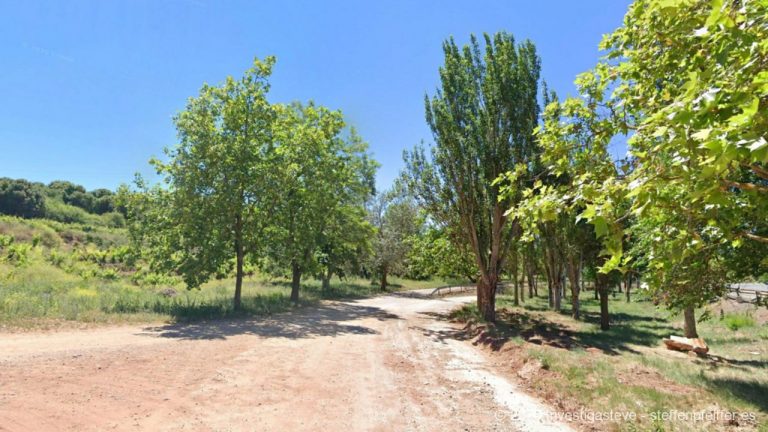
Behind La Grajera, the texture of the path changes radically. You enter the realm of red earth. The ground beneath your feet becomes firmer, more clay-like, and when the sun hits the path, the earth begins to glow. You feel the heat rising from the ground, a dry, tangible heat that shimmers and blurs the contours of the vineyards on the horizon. The smell changes: the dust of the country road mixes with the sweet, heavy scent of fermenting grapes, if you are traveling in autumn, or with the sharp, mineral aroma of hot iron after a brief rain shower. You taste the fine dust on your lips, a salty mixture of exertion and the essence of La Rioja.
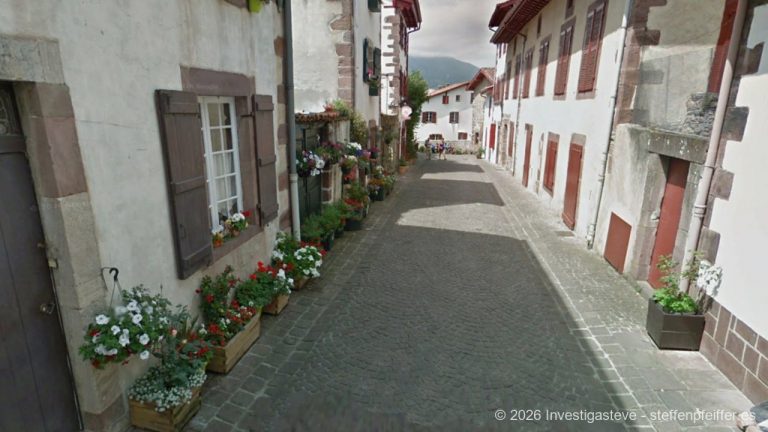
In Navarrete, you encounter the architecture of stone with new intensity. As you climb through the narrow alleys to the Church of the Assumption, you hear the hollow echo of your own footsteps on the smoothly polished cobblestones. Your hand brushes the cool, rough sandstone of the portals, whose grain has absorbed the stories of centuries. You smell the scent of incense wafting from the open portal of the church, mixed with the aroma of freshly baked bread from a small bakery on the plaza. The psychological effect of this place is profound; you feel small in this labyrinth of history, yet perfectly embedded in a chain of people who touched these very stones before you.
The ascent to the Alto de San Antón is a test of five-dimensional immersion. Your lungs work hard, the air becomes thinner and clearer. You hear nothing but your own breath and the crunching of loose stones under your soles. The historical causality becomes physical here: you are walking through the area where the Battle of Clavijo is said to have taken place. You feel the energy of this historic ground. The wind, sweeping unhindered over the summit up here, cools the sweat on your temples and carries the scent of wild thyme and rosemary growing here among the barren rocks. It is a moment of absolute presence; you stand on a rooftop of the world, and beneath you, the blood-red earth spreads out like a vast carpet.
During the descent to Ventosa, the acoustics change again. The wide whistling of the wind is replaced by the monotonous hum of insects in the vineyards. You feel the relentless sun on your neck, a burning sensation that forces you into introspection. The color red becomes an obsession here – it is in the dust on your shoes, in the earth on your hands, and in the leaves of the vines. In Ventosa itself, you hear the distant ringing of a sheep bell and the rhythmic clatter of dishes from an open window. Here it smells of damp clay and the heavy bouquet of old oak barrels rising from the deep cellars of the bodegas. It is an olfactory anchor, reminding you that this landscape is not only beautiful but also productive.
The final path to Nájera leads you over stony tracks that demand your attention. You hear the distant rumble of a tractor, a sign of modern agriculture that gently pulls you out of your meditative trance. The psychological burden of the 29 kilometers begins to make itself felt in your joints; every step becomes heavier, the pulling in your tendons more intense. But then you see them: the red rock walls of Nájera. They rise from the earth like frozen waves. The visual contrast between the deep red of the cliffs and the brilliant blue of the Castilian sky is overwhelming. You smell the water of the Río Najerilla, a cool promise after the heat of the plateau.
When you cross the bridge into Nájera, the haptics of the ground change again. You enter the old town, and the cobblestones massage your tired soles in an almost painful but welcome way. The air becomes cooler, sheltered by the massive walls of the monastery of Santa María la Real. You hear the rhythmic splashing of the river under the bridge arches and the polyphonic murmur of people on the plaza. The smell here is old: it smells of cool granite, of damp moss growing on the rocks, and of the infinite patience of history. You feel a deep relief, a psychological decompression, as you set down your backpack for the first time in hours.
The historical dimension of Nájera is materially tangible. As you stand before the monastery, you feel the weight of the stones that once housed kings. The architecture is defensive and elegant at once. You feel the cold radiating from the massive monastery walls, a soothing contrast to the heat of the fields. The smell of old paper and parchment seems to waft through the gates from afar, a memory of the cultural heritage of this town. Arrival in Nájera is not merely the end of a stage; it is immersion in a world where time is not a linear quantity but lies in layers, one upon another, just like the red sandstone of the cliffs.
The evening reflection, as you sit on the bank of the Najerilla and watch the setting sun bathe the rock walls in an even more intense red, is marked by deep gratitude. Your body is tired, your feet burn, but your mind is as wide as the fields of La Rioja. The 29 kilometers have purified you; they have washed the noise of the world from your head and made room for the silence of the stones. You hear the water flowing and realize that today you have not only covered a distance but have uncovered a piece of your own path. The red dust on your skin is not dirt; it is the color of your transformation.
You feel the connection to the kings of Navarre who found their final rest here, and you recognize the historical causality of your own pilgrimage. You do not walk alone; you are part of a millennium-old stream that has flowed through these valleys. The psychological metamorphosis is complete: from a citizen of the city, you have become a nomad of the earth. Nájera receives you with a dignity that honors you and humbles you at the same time. In the cool of the night, when the light of the stars reflects in the windows of the monastery, you find the peace you have sought all day.
The haptic experience of the night in Nájera is characterized by the solidity of the stone. The walls of the hostels radiate the stored warmth of the day and envelop you in an almost maternal security. You hear the distant ringing of a bell, a clear, solitary tone echoing through the alleys. You smell the aroma of ripe Tempranillo and roasted meat wafting from the nearby taverns, and you feel you have arrived. The path challenged you today, led you through heat and dust, only to complete you here, in the heart of history. The stage from Logroño to Nájera was not a hike; it was a revelation in red.
Intermediate places & special features
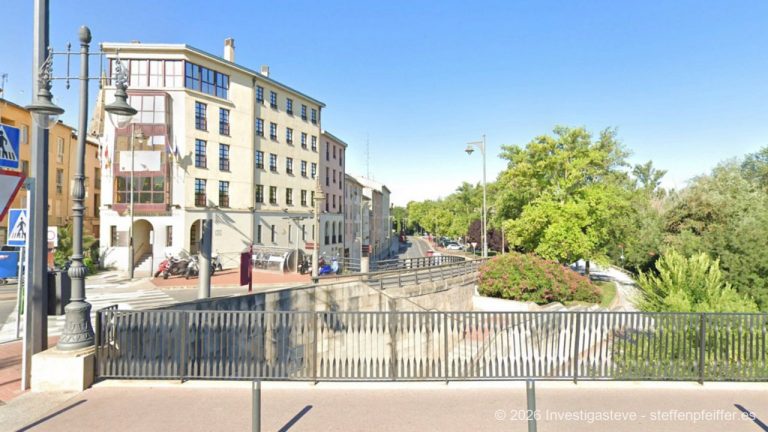
Logroño – The capital of the La Rioja region is far more than just a starting point. It is a melting pot of cultures, shaped by wine and the Camino. Whoever sets out from here carries within them the echo of the “Calle Laurel,” that social heart where tapas culture has been elevated to an art form. The city wall and the bridge over the Ebro are silent witnesses to the strategic importance Logroño held for centuries as a border fortress and trading center. The architecture is a harmonious blend of medieval severity and Spanish joie de vivre, gently releasing the pilgrim into the day.
Parque de la Grajera – Only a few kilometers behind Logroño lies this spacious park with its large reservoir. It is the last green oasis before the relentless expanse of the vineyards begins. For the pilgrim, this park is a place of psychological preparation. Observing the waterfowl and walking under the shady trees allows one to forget the pulse of the city and find one’s own rhythm. Here, one often encounters locals on their morning stroll, lending the path a pleasant, almost familial normalcy before plunging into the solitude of the fields.
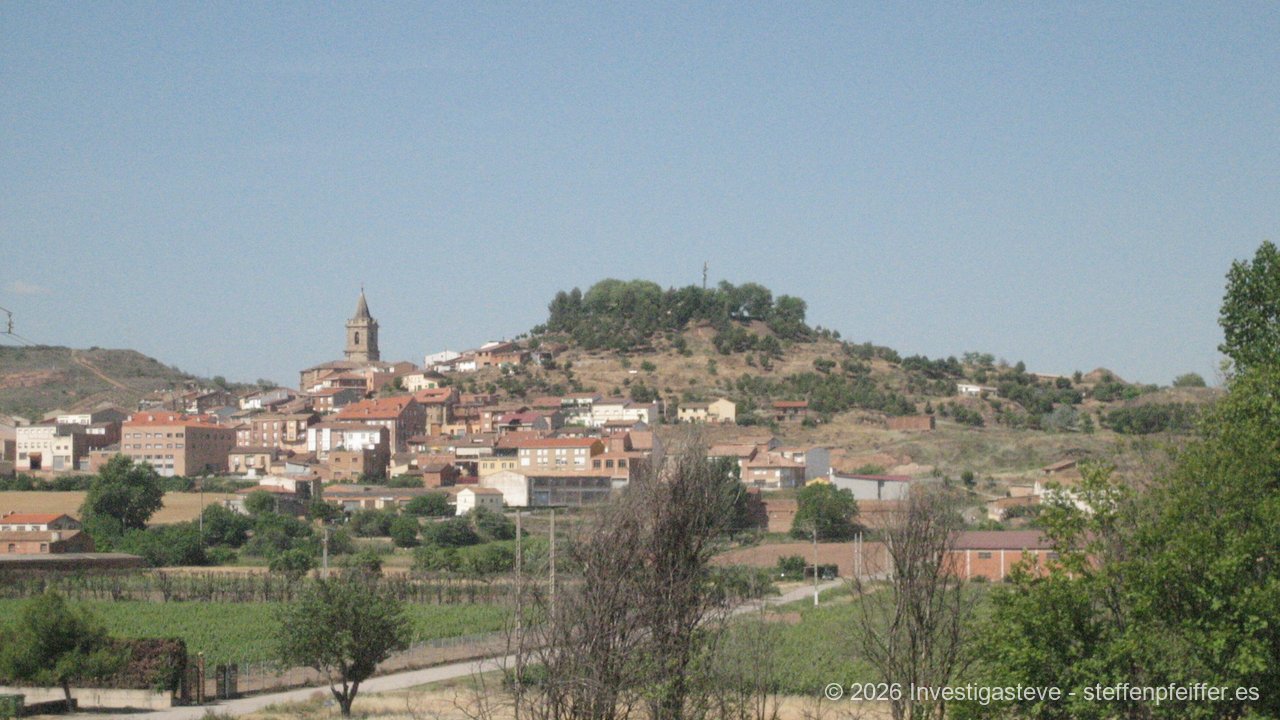
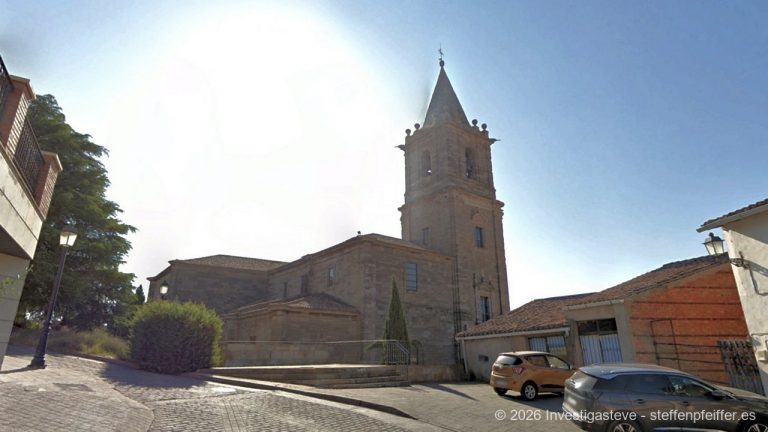
Navarrete – This town is an architectural jewel nestled in a circle around a hill. Particularly worth seeing is the parish church of the Assumption with its impressive Baroque altarpiece. Navarrete is also known for its pottery tradition; everywhere in the town, there are references to this ancient craft. The architecture is massive, characterized by ashlar stone and defensive portals. For the pilgrim, Navarrete is an important milestone, as here the actual ascent into the hills of the Rioja Alta begins and civilization finally disappears behind the vines.
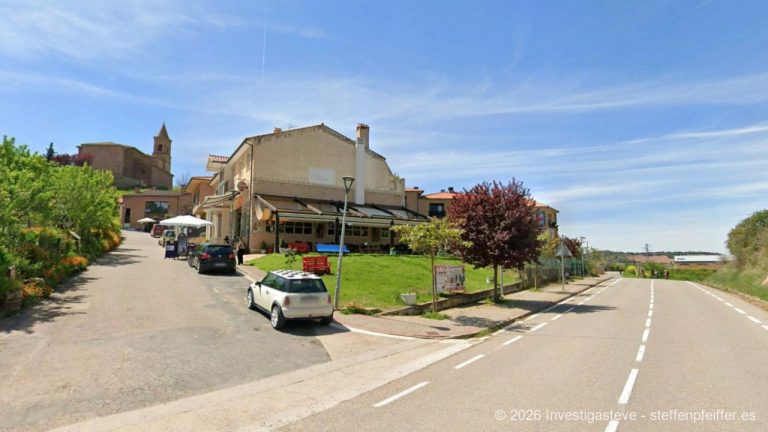
Ventosa – A small village with great charisma. In recent years, Ventosa has developed into an artistic center along the Way. Sculptures and installations interpreting the theme of “Wine and Way” can be found everywhere. The atmosphere is calm and authentic. It is the perfect place for a short rest to sharpen the senses in one of the small bars. The architecture is rustic, with many adobe elements and traditional wine cellars dug deep into the clay soil. Ventosa is an oasis of calm in the often busy dynamic of the Camino.
Nájera – The stage destination impresses with its dramatic location before the red sandstone cliffs. In the Middle Ages, Nájera was the capital of the Kingdom of Navarre. The monastery of Santa María la Real is a national sanctuary and houses the Pantheon of Kings, where over 30 monarchs found their final rest. The cloister is a masterpiece of stonemasonry. The city is divided in two: the modern new town and the winding, historic old town at the foot of the cliffs. Nájera is a place where history is physically tangible and the archaic power of nature meets royal splendor.
Dining, accommodation & supplies
The supply situation on this stage, despite the long distance, is excellent, provided you plan your stops strategically.
Gastronomy: In Navarrete and Ventosa, charming bars offer regional specialties and excellent wines. In Nájera, the culinary offerings are rich; be sure to try the regionally typical lamb dishes or the famous “Pimientos de Nájera.”
Accommodation: Nájera offers a wide range of accommodations. The Albergue de Peregrinos “Puerta de Nájera” is modern, offers high service quality, and is an ideal anchor for a restful night at Level 5 standard. Those who prefer a more historic setting will find an almost monastic tranquility in the church-run hostels.
Public facilities: Pharmacies, ATMs, and supermarkets are available in sufficient numbers in Logroño, Navarrete, and Nájera.
The special thing today
The absolute unique selling point of this stage is the legend of Clavijo and the depiction of Santiago as “Matamoros” (Moor-slayer). In the vineyards between Navarrete and Nájera, you walk through an area anchored in the collective memory of Spain as the site of a mythical battle. Here, Saint James is said to have personally intervened on a white horse to lead the Christian army to victory. This narrative shaped the image of the Camino for centuries and gave it a combative, heroic component. The special thing today is the engagement with this historical myth while walking through the peaceful silence of the vines. It teaches the pilgrim that the path consists not only of stones but also of the narratives that hold those stones together.
A second special aspect is the geology of Nájera. The massive red sandstone cliffs are not only a visual sensation but were also a habitat. Caves can be found everywhere in the cliffs, serving for centuries as dwellings, wine cellars, or refuge castles. This vertical architecture is unique on the Camino Francés. The special thing is the feeling of security these cliffs exude; they seem like a stone embrace of the city. When you stand under the cliffs in the evening, you feel the archaic power of the place. It is a moment of grounding, reminding the pilgrim that ultimately we are all children of this earth, no matter how magnificent the monasteries we build upon it.
Finally, the monastery of Santa María la Real in Nájera is a special shrine of constancy. The fact that an entire pantheon of kings is housed here shows the enormous political significance this path had in the Middle Ages. The special thing is the discovery of a “miracle” often overlooked: the harmonious fusion of royal power and monastic humility. When you walk through the cloister and the light falls through the delicate tracery onto the floor, you feel the historical causality of the Reconquista and the state-building of Spain. Nájera is thus far more than just a place to sleep; it is a lesson in identity and European history.
Reflection at the end of the stage
When you stand on the bank of the Najerilla in the evening and watch the red cliffs of Nájera appear like glowing coals in the last light of day, a strange kind of clarity sets in. You notice how your perception has changed over the last 29 kilometers. The hustle of Logroño is now only a distant, almost unreal memory. In the quiet of the evening hours, surrounded by the massive presence of history and nature, you become aware that you have passed a test of endurance today. You have faced the sun, the dust, and the distance, and have entered this red valley as a different person.
Nájera is a place of reward and pause. Here, in the shadow of the royal tombs, one’s own haste is put into perspective. You realize that the Camino is not a race against the kilometers, but a slow wandering towards one’s own truth. The red earth of La Rioja sticks to your shoes, but it has also colored a part of your spirit – it has given it warmth, strength, and an archaic constancy. You are ready for what is to come, because today you have learned that true beauty often waits at the end of a long, dusty path.
Camino of the Stars
This stage lies on the Camino Francés, on the stage from Logroño to Nájera. The sequence of places is:
| Stage | Start | Destination | Distance (km) | Elevation gain | Difficulty | Intermediate places |
|---|---|---|---|---|---|---|
| 08 | Logroño | Nájera | 29.0 | ↑ 450 / ↓ 380 | moderate-hard | Parque de la Grajera → Navarrete → Ventosa → Alto de San Antón |
Did you feel the moment when the red earth of La Rioja first touched your boots, or did you seek the chivalric silence in the Pantheon of Kings? What miracle did you discover for yourself today in the vineyards between Navarrete and Nájera, when the sun set the horizon ablaze? Share your moment of transformation with us – every story is another star in the sky of the pilgrim community.
About the Author

Logroño – The Hedonistic Metropolis on the Silver Stream
Navarrete – The Golden Gate of Potters and Pilgrims
Ventosa – The Village of Winds and Whispering Art
Alto de San Antón – The Wind-Swept Guardian Over the Red Land