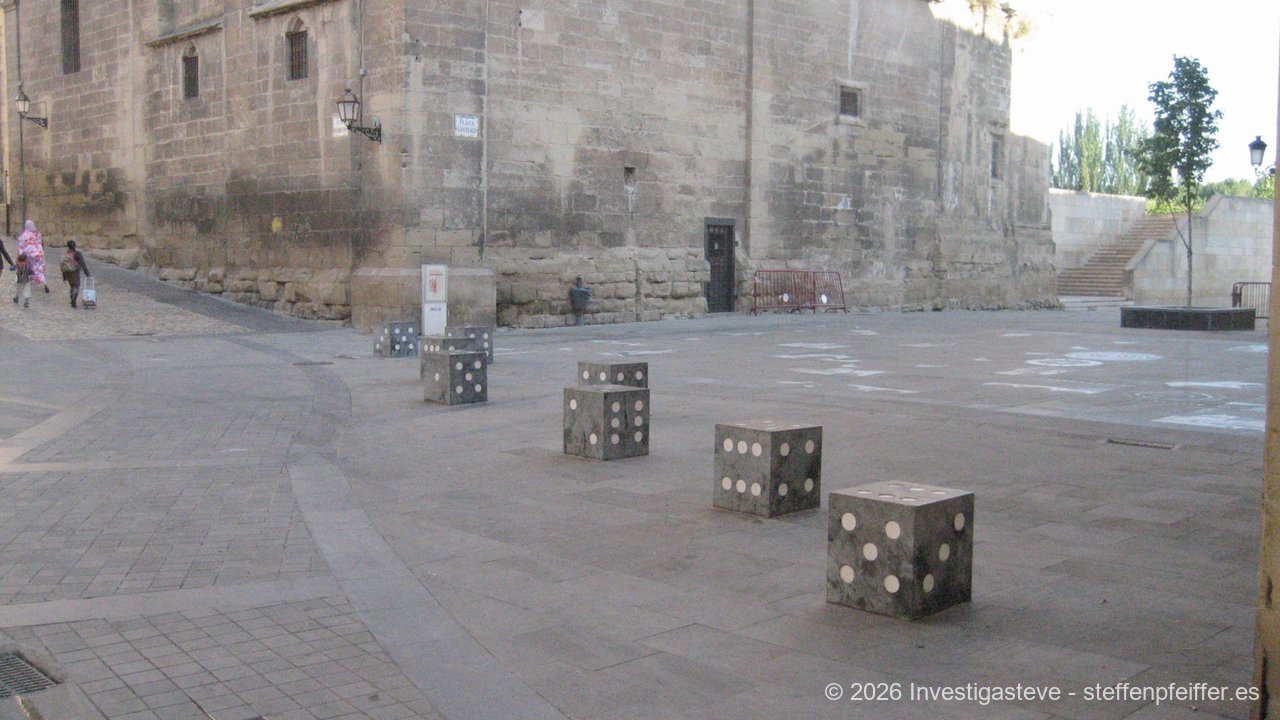
A new stage day – entering the stage
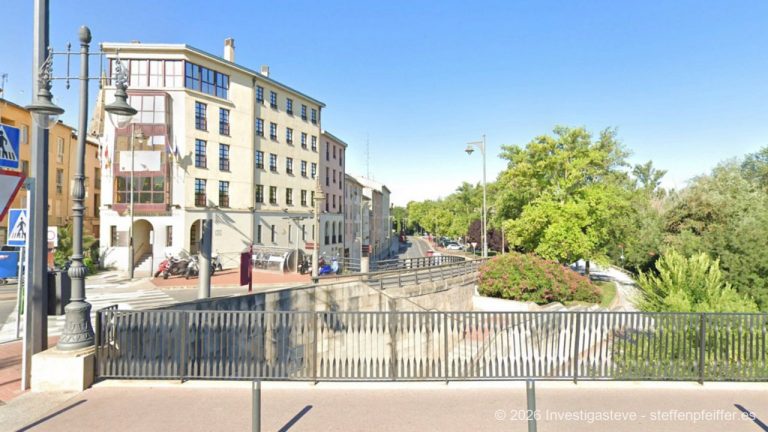
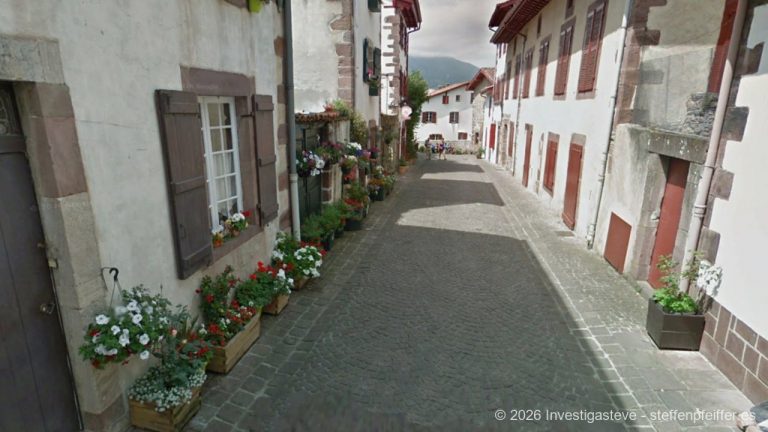
The morning in Los Arcos begins with an almost solemn weight, which lies like a fine, cool veil over the magnificent Baroque facades of the city. While the first rays of sunlight bathe the spire of the church of Santa María in a pale, almost ethereal gold, the damp, slightly musty breath of the night still lingers in the narrow alleys, mixed with the distant, rhythmic beating of the bells. It is a moment of absolute caesura: The echo of your own footsteps on the smoothly polished cobblestones reminds you that the shelter of the last Navarrese bastions must now give way to a long, demanding march. You feel the hard stone beneath your soles, which here in Los Arcos possesses an almost manorial smoothness, and you realize that today’s departure has a new quality. It is the farewell to the vertical defensiveness of Navarre and the ritual-slow approach to the wide, flowing world of La Rioja, which already waits beyond the horizon with the promise of its red wine and its endless vineyards.
The departure from the city leads you past the massive remains of the city wall, while the rhythmic clicking of your hiking poles on the asphalt of the town exit acts like a metronome, pulling you out of the trance of recent days. You leave the shelter of fortress architecture and step out into the open agricultural landscape, where the red earth of Navarre already begins to glow in the morning sun. The air suddenly becomes sharper, clearer, and already carries the dusty, pungent scent of the distant grain fields and olive groves. A slight tingling in your fingertips – a mixture of awe at the distance and determination – accompanies you as you watch the silhouette of Los Arcos dissolve behind you in the morning mist. Today is the day of the phase change. You feel the weight of your backpack, which now feels like a part of your own skeleton, and you mentally prepare for 27 kilometers that will lead you from the proud severity of Navarre into the vibrant urbanity of La Rioja.
Route and elevation profile
– Distance: 27.6 km
– Elevation gain: ↑ 410 m / ↓ 450 m
– Difficulty: Hard. The sheer distance of almost 28 kilometers makes this day one of the greatest physical challenges of the first two weeks.
– Special features: Undulating terrain with constant small ups and downs; cultural border crossing between Navarre and La Rioja; long, exposed passages without shade towards the end; industrial approach to Logroño.
Today’s route is a dramaturgical composition in three acts that demands everything from the pilgrim both physically and mentally. The first part leads through the gently rolling hills between Los Arcos and Viana. We walk on wide agricultural paths lined with sunflower fields and vineyards. The elevation profile shows a constant wave motion; there are hardly any flat sections; instead, short, sharp ascents and stony descents demand concentration. The surface alternates between compacted red earth and loose limestone gravel, subjecting the soles of the feet to a haptic test.
The second act is characterized by historical density. With Torres del Río and Viana, we reach places that lie like stone anchors in the landscape. Here, the path becomes steeper, especially on the ascent to Viana, a town that sits like a crown on its hill. The ground here is often asphalted or paved, reflecting the heat and challenging the joints after the first 18 kilometers. The third act is finally the bitter pill of modern pilgrimage: the approach to the city of Logroño. On the last eight kilometers, nature gives way to industry. We pass factory halls and warehouse complexes, where the asphalt is unyielding and the linearity of the path puts psychological endurance to the test, until finally the crossing of the Ebro marks the redemption.
Variants and small detours
On this long stage, there are hardly any noteworthy scenic variants, as the historical route is largely fixed by the topography of the river courses and the strategic location of the fortress towns. Nevertheless, the pilgrim faces a fundamental decision in the choice of resting places. Those seeking solitude will often only pass through Sansol to descend directly to the deep-lying Torres del Río. However, those seeking the spiritual depth of the path will definitely linger here to visit the octagonal pilgrimage church. It is not a geographical variant, but a variant of intensity – a conscious stop in the vertical before the horizontality of the plain takes over.
A small but rewarding detour offers itself shortly before Logroño at the Ermita de la Virgen de las Cuevas. Instead of taking the most direct route through the industrial estate, you can lose yourself for a moment in the silence of this small chapel. This tiny deviation from the main stream offers the last opportunity for contemplation before plunging into the vibrant, noisy life of the capital of La Rioja. The choice between the swift entry into the city and the slow, reverent approach via the historic stone bridge over the Ebro determines whether you experience Logroño as a mere stage destination or as a cultural highlight.
Description of the path – with all senses
The path out of Los Arcos begins with a haptic experience of reduction. The ground beneath your feet is firm, a mixture of dusty red earth and small pebbles that produce a dry, hollow sound with every step. You hear nothing but your own breath and the rhythmic clicking of your poles, as the sun slowly rises behind the hills and casts long, sharp shadows across the path. The air here tastes of dust and freedom. The smell of dry rosemary and the pungent aroma of sheep dung on the distant pastures hang in the air, an olfactory testament to the barren fertility of Navarre. In this moment, you feel the historical causality: you are walking through a borderland shaped over centuries by wars and streams of pilgrims.
When you reach Sansol and begin the steep descent to Torres del Río, the acoustic backdrop changes. The wide rustling of the wind is replaced by the echo of the narrow alleys. In Torres del Río, you encounter the architecture of mysticism. When you enter the Iglesia del Santo Sepulcro, a cool, almost tangible silence envelops you. You hear the hollow echo of your own footsteps on the ancient stone slabs. The air inside here smells of incense, old wax, and cold limestone. It is an auditory and olfactory shock after the heat of the path. You feel the rough texture of the octagonal walls beneath your fingers, a haptic prayer in stone that reminds you that the Camino is always also a journey into the verticality of the soul.
The ascent from the valley leads you back into the undulating infinity. The wind, sweeping unhindered over the hills up here, cools the sweat on your forehead and carries the distant scent of pine needles from the small forests. You taste the salt on your lips, a mixture of exertion and the dryness of the land. The visual world reduces to the eternally same play of ochre and green. Arriving in Viana, the haptics of the ground change again: cobblestones, hard and proud. You hear the lively murmur in the bars and the ringing of the bells of Santa María. Here it smells of history and of the blood of Cesare Borgia, whose tomb you find in front of the church – a cool, smooth marble that bears witness to the transience of power and glory.
Behind Viana, the psychological ordeal begins. The path leads you steadily downhill, but the surroundings become more merciless. You hear the increasing roar of the main road, an aggressive, modern sound that cuts through the meditative calm of the morning. The ground becomes asphalted, unyieldingly hard, and sends small shocks through your knee joints with every step. The smell changes radically: the scent of rosemary is replaced by the pungent, chemical aroma of the paper factory, which looms like a monster at the edge of the path. You feel the heat now rising from the grey asphalt, making the air tremble before your eyes. It is a five-dimensional immersion into the reality of civilization – a necessary filter before you reach the heart of La Rioja.
At the Ermita de la Virgen de las Cuevas, the Camino offers you a last moment of gentleness. You hear the soft rustling of the leaves in the surrounding trees and smell the damp grass that thrives here in the shade of the chapel. You feel the coolness of the massive door as you push it open. It is a place of psychological decompression. But the city calls relentlessly. The final approach to Logroño leads you over wide, exposed areas, where the dust of the country road settles like a grey film on your clothes and into your pores. You taste the dryness in your throat and long for the first sip of water from the city’s fountains.
Then the Puente de Piedra appears. When you cross this monumental stone bridge over the Ebro, the acoustics change again. You hear the mighty, deep gurgling of the river under the massive arches – a powerful, calming sound that finally drowns out the noise of industry. You feel the cool breath rising from the water, a haptic redemption after the heat of the asphalt. The Ebro is more than just a river; it is the border between two worlds. When you cross the bridge, you finally leave proud, defensive Navarre behind and enter the open, hospitable realm of La Rioja. The stones of the bridge feel smooth and secure beneath your feet, polished by millions of steps over the centuries.
Arriving in Logroño, you are greeted by a new auditory density. The rhythmic clicking of your poles mixes with the polyphonic murmur of the inhabitants, the clatter of dishes in the street cafés, and the distant ringing of the cathedral. The smell changes abruptly: in the old town, it smells of roasted garlic, sharp vinegar, and the heavy aroma of grilled mushrooms from Calle Laurel. It is an olfactory promise of reward. You feel the sudden coolness when you step into the shadow of the mighty cathedral of Santa María de la Redonda. The massive walls radiate a calm that immediately soothes your senses.
The historical causality of Logroño as an important trading center and pilgrim hub becomes materially tangible here. Your hand glides over the smooth granite of the portals. You feel exhausted, your body marked by the 27 kilometers, but your mind is wide awake. The psychological metamorphosis is complete: from the dusty wanderer of the hills, you become a guest of a pulsating metropolis. In Logroño, the Camino finds its social climax. The haptic experience of the cool wine glasses and the warm tapas plates in the evening is the final reward for the hardships of the route.
When you walk through the illuminated streets in the evening, you feel the energy of the city. The fatigue in your legs is no longer a burden, but a pleasant weight that grounds you. You hear the laughter of people and the distant sound of a guitar. The smell of Rioja wine lies like an invisible veil over the city. You realize that the path has led you today through all states of being – from the sacred silence of the morning hours, through the industrial hardness of the suburbs, to the culinary and cultural abundance of the arrival.
The reflection at the end of the stage usually takes place with a glass of wine in one of the lively squares. You look at your dusty shoes and realize how far the 27 kilometers have truly carried you. Not only geographically, but also inwardly. You have crossed the border, you have conquered the Ebro, and are now ready for the heart of La Rioja. In Logroño, you become aware that the Camino is not a lonely path, but a living stream of history, enjoyment, and community. Arrival here is not merely the end of a stage, but the entry into a new phase of your journey – a phase that smells of wine and tastes of life.
Intermediate places & special features
Los Arcos – The starting point of the stage is a monument of Navarrese architecture. The church of Santa María with its magnificent tower and the late Gothic cloister looks like a stone crown in the middle of the fertile plain. Los Arcos breathes history – as an important border fortress in the Middle Ages, it offered pilgrims protection and provisions. The architecture is massive, defensive, and yet full of Baroque elegance. Whoever sets out from here carries within them the tranquility of the thick walls that have been warding off the wind from the foothills of the Meseta for centuries.
Sansol and Torres del Río – These two places lie like unequal siblings on the slopes of a deep valley. Sansol sits on top and offers wide views, while Torres del Río nestles deep down by the river. The absolute highlight is the Iglesia del Santo Sepulcro in Torres del Río. This octagonal church from the 12th century is a mystical jewel of Romanesque architecture, reminiscent of the Church of the Holy Sepulchre in Jerusalem. The harmonious proportions and the mysterious acoustics inside make this place one of the spiritual fixed points of the entire Camino.
Viana – The last town of Navarre is a proud fortress on a hill. Viana impresses with its mighty churches and stately palaces. Here, chivalric defensiveness combines with aristocratic splendor. A historical special feature is the tomb of Cesare Borgia in front of the church of Santa María. The son of Pope Alexander VI and infamous Renaissance prince found his death here after a tumultuous life. The town is a place of transitions – you can already sense the approaching border to La Rioja in the first vineyards that nestle against the city walls.
Logroño – The capital of the La Rioja region welcomes the pilgrim with urban generosity. Founded on the banks of the Ebro, it has always been a melting pot for travelers and merchants. The absolute highlight is the cathedral of Santa María de la Redonda with its “twin towers.” But the true heart of Logroño beats in Calle Laurel, the most famous tapas street in Spain. The city combines historical weight with an incomparable joie de vivre and is the place where pilgrims celebrate the community of the “Camino family” with excellent wines and culinary delights.
Dining, accommodation & supplies
The supply situation on this long stage is good, but due to the distance, it requires a clever allocation of energy.
Gastronomy: In Viana, you should take the opportunity for a second breakfast to be prepared for the last eight kilometers. In Logroño, a visit to Calle Laurel in the evening is an absolute must – here, eating becomes a social event.
Accommodation: In Logroño, there is a huge selection, from the traditional municipal hostel to modern hostels like “Check In Rioja.” Those who prefer something more private will find peace in the numerous guesthouses of the old town.
Public facilities: As the provincial capital, Logroño offers everything: specialized outdoor shops for new equipment, large post offices, and excellent medical care.
The special thing today
The absolute unique selling point of this stage is the border crossing between Navarre and La Rioja. It is a cultural phase change that is reflected in the landscape, language, and mentality. While Navarre exudes proud strength through its defensive fortress towns like Viana, La Rioja opens up with the wide valley of the Ebro and an almost playful joy of life. The special thing today is the feeling of expanse: you leave the narrow mountain valleys of the Pyrenean foothills and enter the open land. The crossing of the Ebro over the Puente de Piedra is the physical symbol of this leap into a new world – a moment of liberation from the narrowness of history.
A second special aspect is the encounter with Cesare Borgia in Viana. The fact that precisely one of the most dazzling and controversial figures of European history is buried on the Camino gives this stage an almost novelistic depth. The special thing is the reflection on fate: even a man who wanted to subdue half of Italy ends up as a simple inscription before a church on the pilgrim path. It is a lesson in humility that fits perfectly with the spirit of the Camino. Viana teaches us that at the end of the road, all titles fade and only the human being remains.
Finally, the sensory experience of “industrial pilgrimage” before Logroño is a special feature. In an age of idealized guidebooks, the confrontation with paper factories and warehouses is an honest reminder that the Camino is a living part of modern Spain. The special thing is the psychological achievement of keeping the beauty of the destination (the cathedral of Logroño) in sight despite the ugliness of the approach. It is a stage that builds character and teaches the pilgrim that enlightenment often leads through the grey of everyday life before it shines in the gold of the cathedral.
Reflection at the end of the stage
When you sit on the Plaza de la Redonda in Logroño in the evening and watch the low sun bathe the towers of the cathedral in a warm red, you feel a deep metamorphosis of your inner state. Today’s stage was not a pleasure hike, but a mental marathon through all layers of Spanish reality. You notice how your perception has changed: the pain in your feet is now only a distant background music to the deep satisfaction of having conquered 27 kilometers under your own power.
Logroño is the place where you wash off the layer of Navarrese dust and realize that part of your old worries has also been washed away. The Ebro has carried away everything unnecessary. In the lively atmosphere of Calle Laurel, you realize that the Camino consists not only of stones and silence, but also of laughter and community. The reflection of the day leads you to the realization that today’s path was a mirror of life – with harsh contrasts, historical monuments, and the infinite promise of good community at the destination. You are ready for La Rioja, because today you have learned that after every industrial estate, a cathedral awaits.
Camino of the Stars
This stage lies on the Camino Francés, on the stage from Los Arcos to Logroño. The sequence of places is:
| Stage | Start | Destination | Distance (km) | Elevation gain | Difficulty | Intermediate places |
|---|---|---|---|---|---|---|
| 07 | Los Arcos | Logroño | 27.6 | ↑ 410 / ↓ 450 | hard | Sansol → Torres del Río → Viana → Puente de Piedra (Ebro) |
Did you feel the moment when the sacred silence of Torres del Río gave way to the roaring life in Logroño? What thought did you leave at the grave of Cesare Borgia in Viana before you crossed the Ebro? Share your story of the border crossing between worlds with us – your experiences are stars in the sky of the pilgrim community.
About the Author

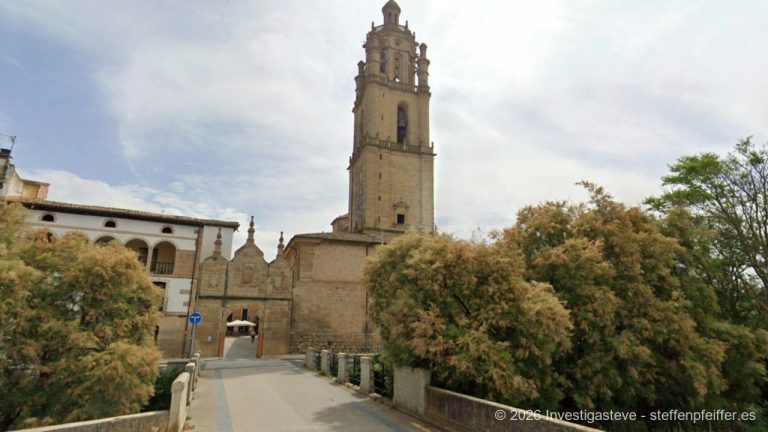
Los Arcos – The Golden Gate Between Desert and Wine
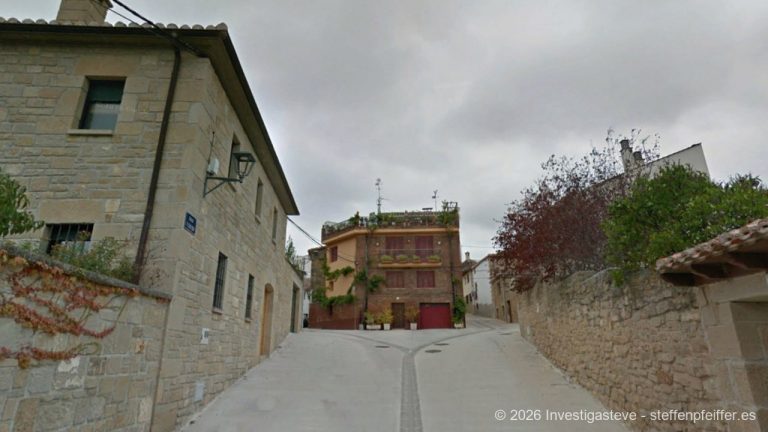
Sansol – The Sun-Bathed View Over the Linares Valley
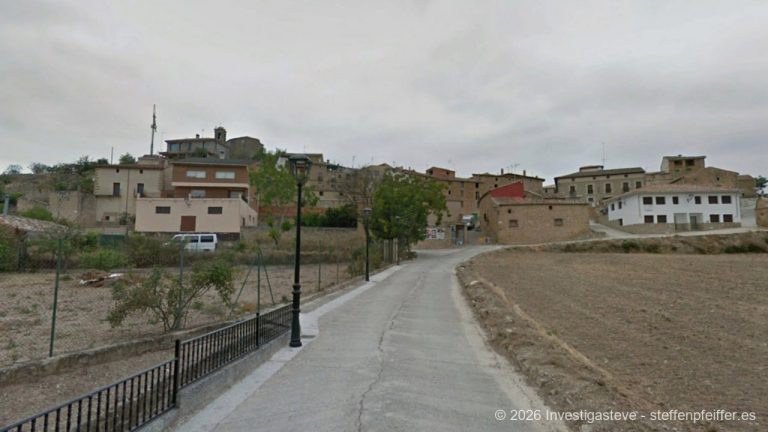
Torres del Río – The Stone Secret in the Valley of the Linares
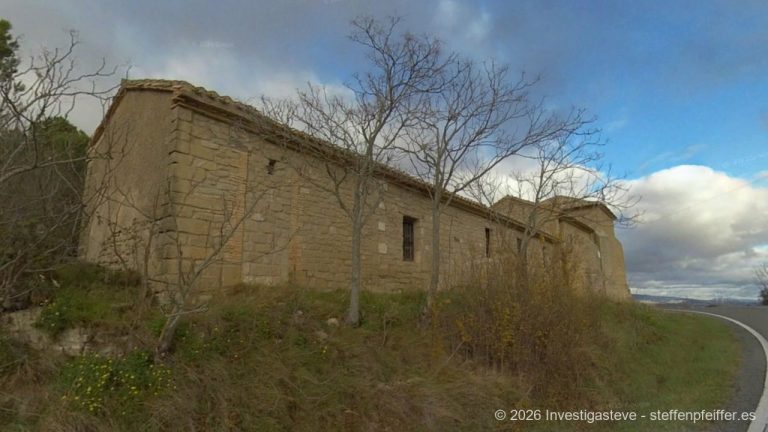
Ermita del Poyo – The Lonely Guardian Between Worlds
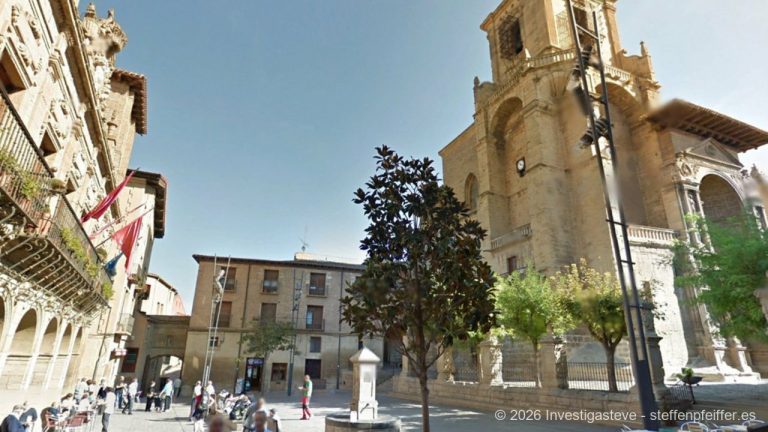
Viana – The Majestic Border Fortress of Kings and Legends