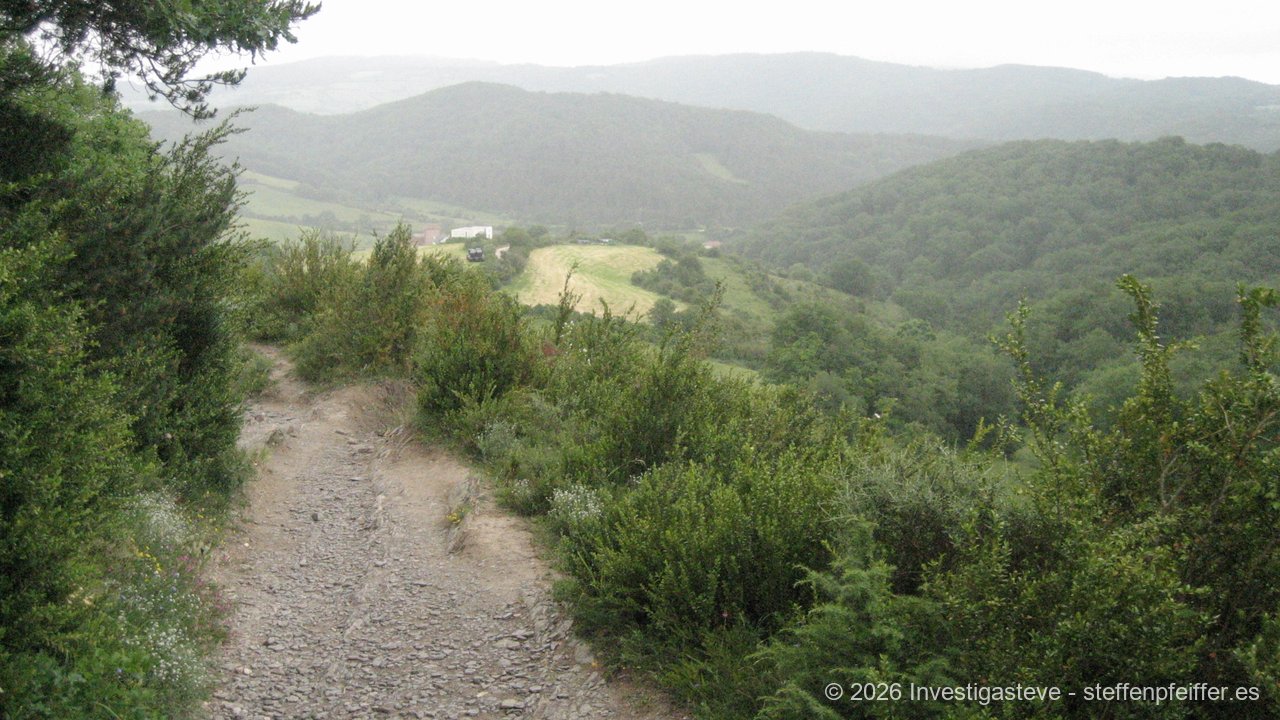
A new stage day – entering the stage
The morning in Roncesvalles does not begin with a simple awakening, but with a ritual emergence from the mists of history. When you leave the massive, cool walls of the abbey behind you, a stillness envelops you that is as dense as the legendary Navarrese fog, the “Brétema.” It is a moment of absolute caesura: yesterday you conquered the Pyrenees, won a heroic victory over the elevation gain, yet today the path demands humility. The air is heavy, saturated with the moisture of the centuries-old beech forests, and carries the pungent scent of damp fern, moldy leaves, and the distant, cold taste of incense from the night’s pilgrim mass. Your hiking boots find their first rhythm on the still-damp asphalt in front of the monastery, a hollow echo that reverberates between the stone portals, reminding you that the Camino is not a destination but a constant becoming.
This departure is a ritual gliding into the valleys of Navarre. As the first grey light of day only hints at the silhouettes of the distant peaks, you feel a new quality of physical presence. Your backpack seems heavier today, not because of its weight, but because of the seriousness of the kilometers ahead. The euphoria of the first day has given way to a quiet determination. You breathe in deeply, taste the clear, almost cutting forest air, and notice how your focus shifts: away from the wide panoramic view of the Ibañeta Pass, towards the texture of the ground, the grain of the bark, and the soft dripping of dew from the leaves. It is the day of grounding, where the legends of Roland and Charlemagne’s knights fade quietly behind you, while the physical reality of your joints and tendons begins to tell its own story.
Route and elevation profile
Distance: 21.5 km
Elevation gain: ↑ 280 m / ↓ 620 m
Difficulty: Moderate. The stage is deceptive; despite the predominantly descending profile, the two passes (Mezkiritz and Erro) as well as the technically demanding final descent to Zubiri demand the highest concentration.
Special features: Long forest passages through “Enchanted Forests,” stony and often slippery slate paths, psychological transition from the high mountains to the hilly foreland.
Today’s route is a dramaturgical composition of gentle transitions and harsh contrasts. After leaving the sacred security of Roncesvalles, the path initially leads us in an almost playful way through the “Enchanted Forests” towards Burguete. The elevation profile here resembles a gentle wave that cradles the pilgrim before the first real test awaits at the Alto de Mezkiritz. The surface here changes from soft, needle-covered forest floor to firm clay, often interspersed with rounded river stones. It is a ground that has learned to yield and absorb, a blessing for the soles of the feet after the hard stone of the previous day.
But the true complexity of these 21.5 kilometers lies in the second third. Between Espinal and the Erro Pass, the topography transforms into a steady up and down. The final descent to Zubiri is finally the notorious masterpiece of the stage. Here, the elevation profile shows itself to be relentless: over a short distance, we lose hundreds of meters of altitude on a surface of uneven slate slabs. Here, the ground is not a passive substrate, but an active challenger that punishes every moment of inattention with a slip. It is a stage that trains rhythm: whoever starts too fast here will feel the hardness of the slate slabs twice as much in the last two kilometers. The challenge lies less in pure physical effort than in adapting to the changing textures of the Navarrese soil.
Variants and small detours
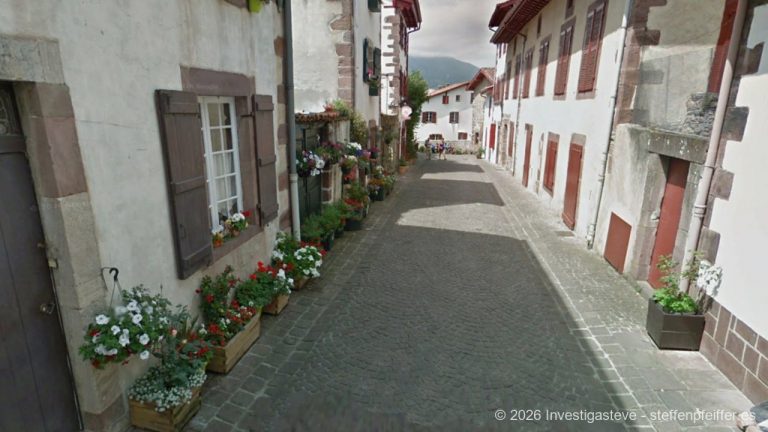
On this stage, the Camino offers few, but nonetheless significant, variants that can influence the character of the day. The classic route leads directly through the center of Burguete and Espinal. This variant is historically documented and offers the best infrastructure. Whoever wants to absorb the architectural severity of the Navarrese houses with their massive wooden gates and flower-adorned balconies should definitely stay on this path. It is a decision for cultural immersion and against absolute seclusion.
A small, subtle detour presents itself at the summit of the Mezkiritz Pass. Instead of hastily beginning the descent, it is worth taking the small path to the statue of the Virgin of Roncesvalles. This short stop of just a few meters is no physical challenge, but a ritual gain. Here, pilgrims have paused for centuries to pray for the Madonna’s protection for the descent. Another, almost informal “variant” is the choice of rest stops in Viscarret or Gerendiain. While the main stream of pilgrims often hurries past these places to reach the day’s destination of Zubiri quickly, those who decide to take a rest in the small, shady alleys find a peace that significantly eases the mental burden of the further route over the Erro Pass. These small decisions along the way are what tear the pilgrim out of the trance of kilometer-gobbling and direct focus to the depth of the space.
Description of the path – with all senses
The path leading out of Roncesvalles begins with an auditory embrace. As you pass the last outbuildings of the monastery complex, you hear the distant, metallic striking of the bells, a deep, resonant tone that acts like an anchor in history. But as soon as you enter the dense beech forest, this sacred sound is replaced by nature. The monotonous clicking of your walking poles on the soft ground becomes the dominant rhythm. It is a dull, earthy sound, swallowed by the massive trunks. You hear the soft dripping of the “Brétema,” as the fog condenses on the leaves and falls in small, rhythmic impacts onto the ferns. The air here smells of damp bark, of mushrooms, and the sweetish aroma of rotting wood – an olfactory testament to the eternal cycle of nature that has ruled this “Enchanted Forest” for millennia.
When you reach Burguete, the texture of the path changes radically. The soft forest floor gives way to the hard asphalt of the Calle Mayor. Your steps now sound sharper, almost demanding. The historical causality becomes physical here: you are walking through a place marked by a devastating fire in the 14th century, whose reconstruction produced an architecture of solidity. As you pass, your hand brushes the cool, rough stone of the house facades, and you feel the energy of the people who defy this harsh climate. The smell of chimney smoke hangs in the air here even in spring, mixed with the aroma of freshly roasted coffee from the small bars that lie like oases along the wayside. It is a moment of psychological decompression; you feel part of the human community again, before the path leads you back into solitude.
Behind Burguete, the Camino leads you over wide meadows and small streams. You hear the bright splashing of water, gurgling over pebbles – a playful, almost cheerful contrast to the heaviness of the forest. Here, the visual world is wide and open. Your gaze wanders over the deep green of the pastures, where sheep graze with their bright-toned bells. This “concert of the mountains” is an auditory anchor that puts you in a meditative trance. You feel the warmth of the first rays of sun on your face, a dry, pleasant heat that slowly dissolves the damp morning mist. The psychological metamorphosis is in full swing here: the exertion of the ascent is replaced by the beauty of the plain, and your mind begins to absorb the vastness of the space.
In Espinal, you encounter the architecture of piety. The church of San Bartolomé welcomes you with a coolness that feels almost tangible. You step out of the glaring sun into the heavy darkness of the nave. Here it smells of beeswax, old paper, and cold stone. It is an auditory shock: the silence inside is so absolute that you can hear your own heart pounding. When you dip your fingers into the holy water font, you feel an icy freshness that instantly anchors you in the here and now. The historical dimension is made present here by the knowledge that pilgrims since the Middle Ages have prayed precisely at this point for a safe journey. It is a place of pause before the more demanding passage over the Mezkiritz Pass begins.
The ascent to Mezkiritz is a haptic experience of resistance. The ground becomes stonier, more restless. Your calf muscles work hard as you labor step by step upwards. You hear the rhythmic “panting” of your own breath, echoing in the narrow forest corridor. Arriving at the top, at the wayside shrine of the Madonna, you find a ritual center. Your hand strokes the smooth stone of the relief, polished by thousands of pilgrims’ hands. It smells here of wild thyme and dry grass. The wind, blowing more steadily up here, cools the sweat on your temples. It is a moment of absolute presence; you stand on a threshold between two valleys, and below you, the green infinity of Navarre spreads out like a vast carpet.
The descent to Viscarret is a test for your knee joints. The path leads over old, often washed-out trails. You feel the instability beneath your feet, every muscle fiber in your ankle working to maintain balance. The sound now is a constant crunching and rolling of small stones under your soles. The visual world reduces to the next two meters in front of you. Arriving in Viscarret, the acoustics change again. The monotonous rustling of the forest is replaced by the echo of the village street. Here you smell the heavy scent of livestock farming and agricultural work – an honest, archaic smell that reminds you that the Camino is not a museum, but a living working landscape.
The passage over the Erro Pass is the last major hurdle before the destination. The path winds through dense oak forests that cast long, dark shadows in the afternoon light. You hear the dry rustling of leaves under your feet, a papery sound that stands in stark contrast to the damp beech forest of the morning. The air here is warmer, drier. When you reach the summit of the pass, a visual shock awaits you: in the distance, you see for the first time the industrial face of Zubiri. The magnesium factory looks like a stone foreign body in the landscape. The smell changes: the spicy forest air is replaced by a metallic, almost sharp note drifting up from the valley. It is a five-dimensional reminder that civilization is inexorably drawing closer.
The final descent to Zubiri is a haptic trial by fire. The slate slabs are relentless. You feel the vibrations with every step, right up into your lower back. Your hiking poles create a metallic, almost shrill clicking on the slate, audible far into the silence of the valley. You taste the fine dust on your lips, a mixture of lime and dryness. Your thoughts focus only on the next safe step. The psychological strain of these last two kilometers is enormous; fatigue screams for a break, but the terrain demands maximum precision. In this moment, the deepest metamorphosis of the day takes place: you learn to accept the pain as part of the path and to direct your attention completely to the “now.”
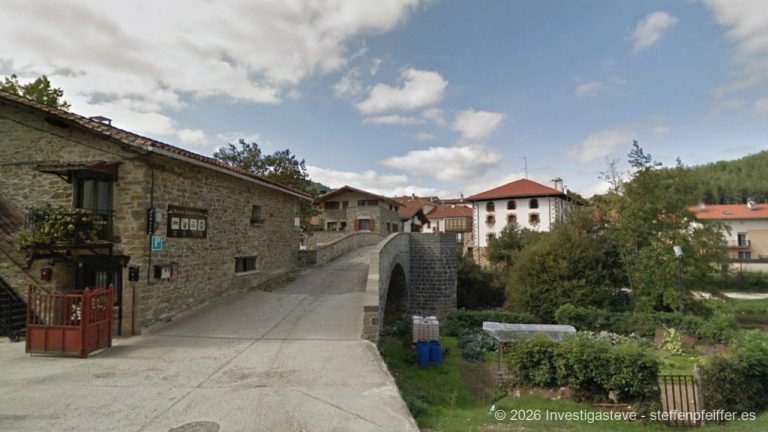
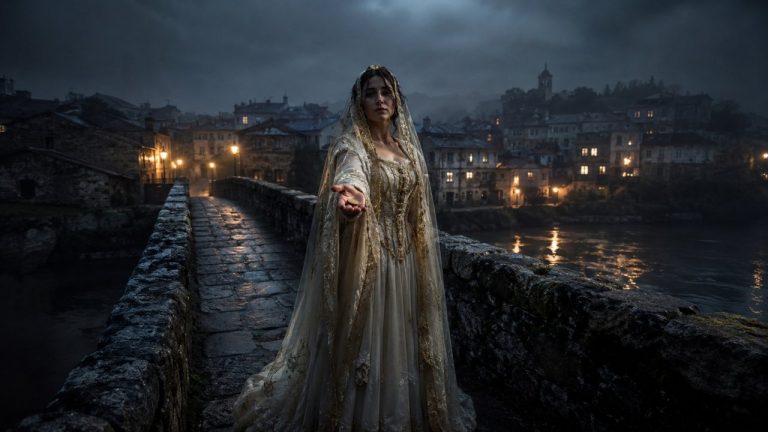
When you finally reach the gates of Zubiri, the haptics of the ground change for the last time today. You step onto the historic “Puente de la Rabia,” the Bridge of Rabies. As your hand glides over the massive, sun-warmed stone of the parapet, you feel the immense coolness rising from the Arga River below you. You hear the mighty, deep gurgling of the water under the bridge arches – a powerful, calming sound that finally drowns out the metallic clatter of the descent. The smell here is fresh and alive: it smells of river water, of algae, and of the infinite relief of arrival. You feel dusty, exhausted, but inwardly more composed than rarely before.
Arriving in Zubiri, you enter a world where medieval legends mingle with industrial reality. The houses of dark slate look like sleeping guardians of the valley. You feel the sudden relief in your tendons when you set down your backpack for the first time in hours. The smell of homemade stew wafts from the kitchens of the hostels, an olfactory promise of well-deserved rest. The historical causality of the bridge, where sick animals were once healed, becomes a personal metaphor: today you have been healed a little from the hustle of your old life. Arrival is not merely the end of a hike, but the reaching of a safe harbor after a journey through the rugged “Enchanted Forests” of Navarre.
The evening reflection, as you stretch your feet into the ice-cold water of the Arga, is marked by deep gratitude. Your body burns, your knees throb, but your mind is as wide as the valleys you have just crossed. The 21 kilometers have filtered you; they have washed away everything unnecessary and made room for the silence of the stones. You realize that the descent was harder than the ascent, and that true strength lies in maintaining your own rhythm even on uncertain ground. The dust on your shoes is not dirt, but the visible memory of a path that pushed you to your limits. In the cool of the night, as the murmur of the river rocks you to sleep, you become aware: the path has changed you today.
Intermediate places & special features
Burguete (Auritz) – This village is an architectural jewel, impressive for its wide streets and massive stone palaces. Burguete was conceived in the 12th century as a royal foundation to offer pilgrims protection. The architecture is defensive and elegant at the same time, characterized by white facades and red shutters. A special feature is the connection to Ernest Hemingway, who often stopped here to fish and made the region immortal in his novel “Fiesta.” Whoever walks through Burguete feels the chivalric splendor of the past and the literary aura of a place that has defeated time.
Espinal (Aurizberri) is known as one of the most beautiful villages on the Navarrese Camino. Particularly worth seeing is the cemetery with its traditional Basque stone stelae (discoidal stelae), which tell of a deep connection to nature and an archaic ancestor cult. The parish church of San Bartolomé dominates the townscape and offers a space of silence. The atmosphere in Espinal is calm and grounded. Here you feel the deep bond of the inhabitants with their barren but fertile soil. It is the perfect place to mentally prepare for the upcoming passes.
Alto de Mezkiritz – This is not a place, but a sacred threshold. On the summit of the pass (922 m), there is a memorial stone with the inscription “Salve Regina,” adorned with a relief of the Virgin of Roncesvalles. The special feature here is the ritual prayer or brief pause of many pilgrims. It marks the transition from the deep mountain forests to the gentler hill country of the Erro Valley. The visual expanse at the Mezkiritz Pass opens the mind and offers a first glimpse of the wide meadow areas so characteristic of this part of Navarre.
Viscarret (Biskarret-Gerendiain) – A small linear village that housed an important pilgrim Hospital in the Middle Ages. Today it is a place of deceleration. The church of San Pedro is a simple but dignified building that reflects the down-to-earth nature of the region. The architecture of the houses already shows here the transition to the rural style of the Erro Valley. In Viscarret, one often finds the most authentic hospitality of the day, far from the hustle of the main stops. It is a place of pause, where time seems to flow more slowly.
Alto de Erro – The Erro Pass (801 m) is the geographical turning point of the day. The special feature here is the “Roland Stone,” which commemorates the heroic battles of Charlemagne. Up here, the wind is a constant companion, and the vegetation changes from dense beech to lighter oak and pine stands. The view ahead shows the valley of the Arga, where Zubiri lies like a small splash of color in the depths. The Erro Pass is the place of logistical preparation; here you gather the mental strength for the technically demanding final descent.
Zubiri – The stage destination impresses with its location on the upper reaches of the Arga. The name means “village of the bridge” in Basque. The absolute highlight is the “Puente de la Rabia.” The village itself is characterized by the industrial presence of the magnesium factory on the edge of town, which forms a sharp contrast to the medieval bridge. Zubiri is a place of contrasts, where chivalric legends meet the modern working world. Particularly noteworthy is the church of San Esteban, which radiates a simple but powerful calm inside.
Dining, accommodation & supplies
The supply situation on this stage is excellent, which somewhat mitigates the physical exertion of the descent. In Burguete and Espinal, there are numerous cafés and small supermarkets that specialize in pilgrim breakfasts.
Gastronomy: In Burguete, you should definitely try the regional trout dishes that already delighted Hemingway. In Zubiri, the bars around the bridge offer hearty pilgrim menus, often consisting of Navarrese bean stew or lamb.
Accommodation: Zubiri has a wide range of accommodations. The Albergue Municipal de Zubiri, housed in a former school, offers a classic, community-oriented standard. Privately run hostels like Albergue Zaldiko are known for their warm atmosphere and individual care. Those who prefer peace and quiet can find excellent options for regeneration in the surrounding country houses (Casas Rurales).
Public facilities: Zubiri has a pharmacy, an ATM, and a health center. It is the ideal place to stock up on supplies for the upcoming, hilly stages towards Pamplona.
The special thing today
The absolute unique selling point of this stage is the legend of the “Puente de la Rabia” in Zubiri. It is unique worldwide that a simple stone bridge was considered a cure for rabies for centuries. The legend says that animals led three times around the central pillar of the bridge were healed. The special thing today is the psychological effect of this story: in an age of modern medicine, this bridge reminds us that the Camino is also a path of spiritual and physical healing. When you cross this bridge, you feel the historical causality of the hope that has driven millions of people to this place. It is a haptic shrine of confidence.
A second special aspect is the literary presence of Ernest Hemingway in Burguete. That a world-renowned author found inspiration for his greatest works here gives this stage a cultural depth that goes far beyond religious pilgrimage. The special thing is the search for traces: when you walk through the streets of Burguete, you see the world through Hemingway’s eyes – the clear water of the trout streams, the massive architecture of the Basque houses, and the rough, unadulterated joy of life in Navarre. It is a stage that shows that the Camino is a mirror of world literature.
Finally, the sensory experience of the “Enchanted Forest” between Roncesvalles and Burguete is a special phenomenon. The density of the beeches and the constant play of the fog create an atmosphere that seems almost unreal. The special thing here is the visual reduction. There are no distant horizons, only the play of light and shadow on the moss. This section challenges the pilgrim to sharpen his senses and seek beauty in detail. It is a lesson in humility before nature that strengthens the mind for the coming kilometers in the afternoon.
Reflection at the end of the stage
When you sit on the bank of the Arga in the evening and watch the setting sun bathe the dark slate stones of Zubiri in a warm, almost glowing orange, you feel a deep metamorphosis. Today’s stage was not a hike, but a mental marathon through all layers of the Navarrese soul. You notice how your perception has changed: the pain in your shins now weighs heavier than the gold of Roncesvalles, but it feels more honest. In the quiet of the evening hours, surrounded by the massive architecture and the murmur of the river, you become aware that you have passed a test of will today.
Zubiri is a place of arrival and pause. Here, in the shadow of the “Bridge of Rabies,” the effort of the day is put into perspective. You realize that the Camino is a constant alternation between the sacred majesty of the monasteries and the harsh reality of the country road. In the reflection of the day, it becomes clear to you that the final descent on the slate slabs was necessary to be able to appreciate the softness of the night at all. You are ready for the coming kilometers towards Pamplona, because today you have learned that true healing often awaits at the end of a hard, stony path.
Camino of the Stars
This stage lies on the Camino Francés, on the stage from Roncesvalles to Zubiri. The sequence of places is:
| Stage | Start | Destination | Distance (km) | Elevation gain | Difficulty | Intermediate places |
|---|---|---|---|---|---|---|
| 02 | Roncesvalles | Zubiri | 21.5 | ↑ 280 / ↓ 620 | moderate | Burguete → Espinal → Mezkiritz Pass → Viscarret → Lintzoáin → Erro Pass |
Did you feel the moment when the rhythmic clicking of your poles on the slate slabs of Zubiri stopped time? What secret did you find for yourself in the “Enchanted Forest” of Navarre, when the mist swallowed the world? Share your story of the chivalric descent with us – your experience is another star in the sky of the pilgrim soul.
About the Author

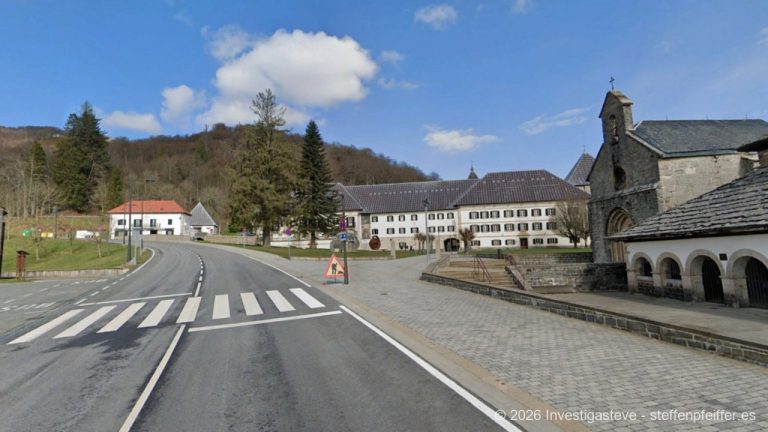
Roncesvalles – The Sacred Anchor at the Gateway of the Pyrenees
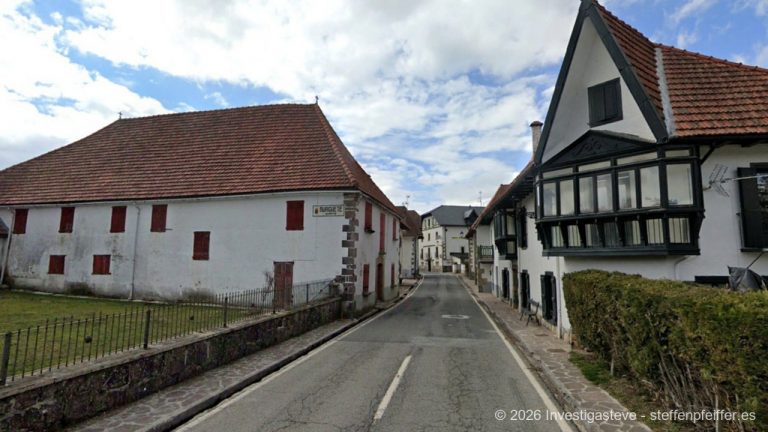
Burguete (Auritz) – Where Hemingway Found Silence and the Stones Whisper of the Song of Roland
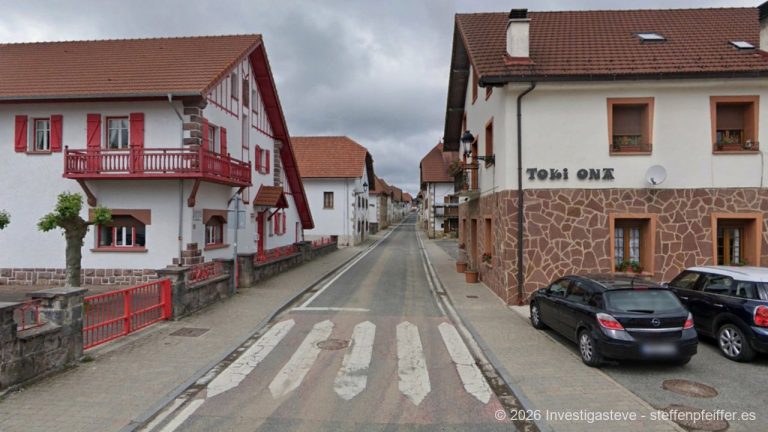
Espinal – Where the Silence of the Irati Forest Touches the Pilgrim's Heart
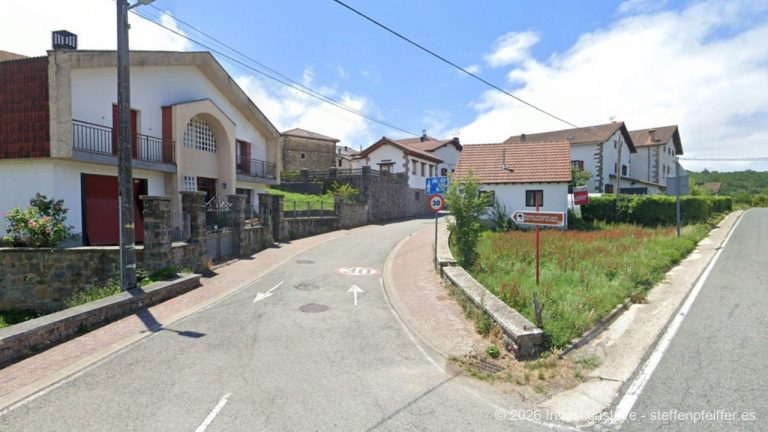
Bizkarreta-Gerendiain – The Proud Heritage of the Navarrese Shepherds' Paths
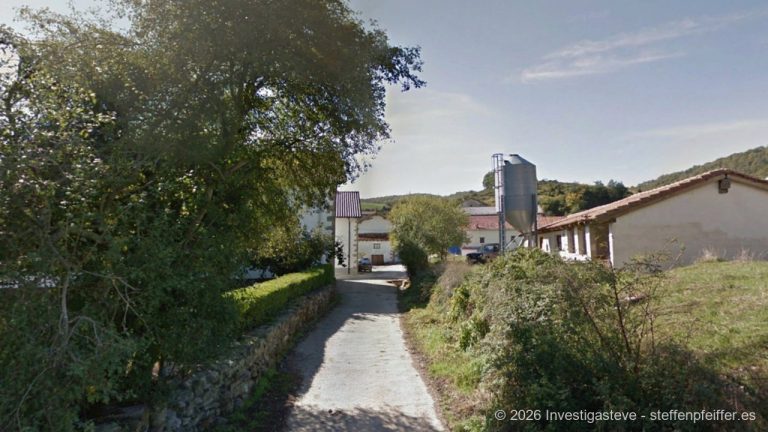
Lintzoain – The Silent Heart of the Valle de Erro Before the Summit Assault