Xurarantes – The Whispering Granite Hamlet at the Edge of the Ocean
 investigasteve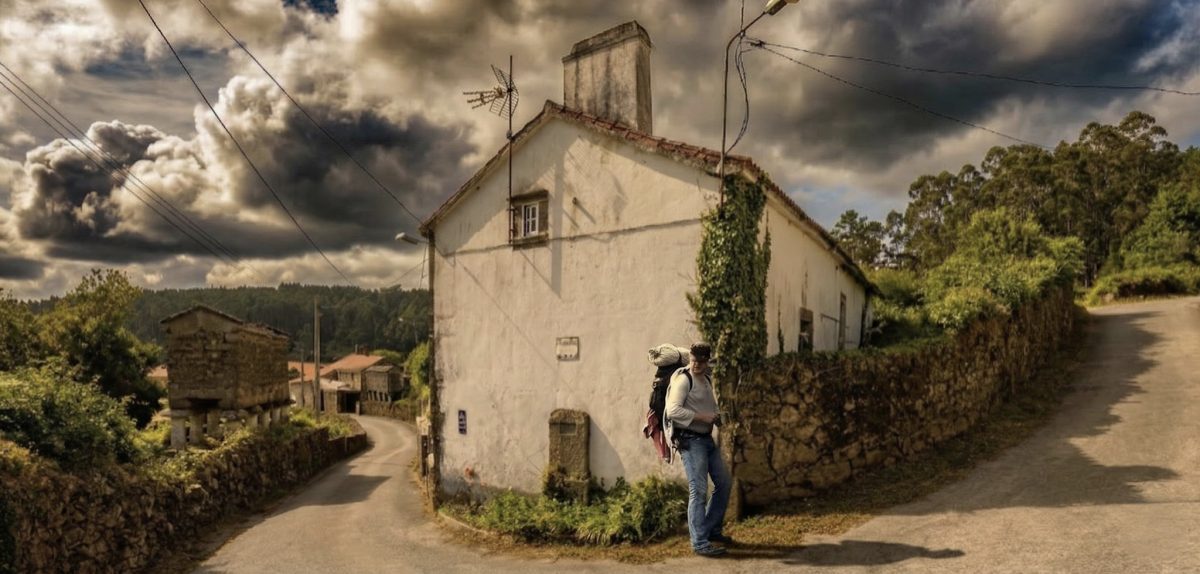
A First Glimpse – Arrival & Atmosphere
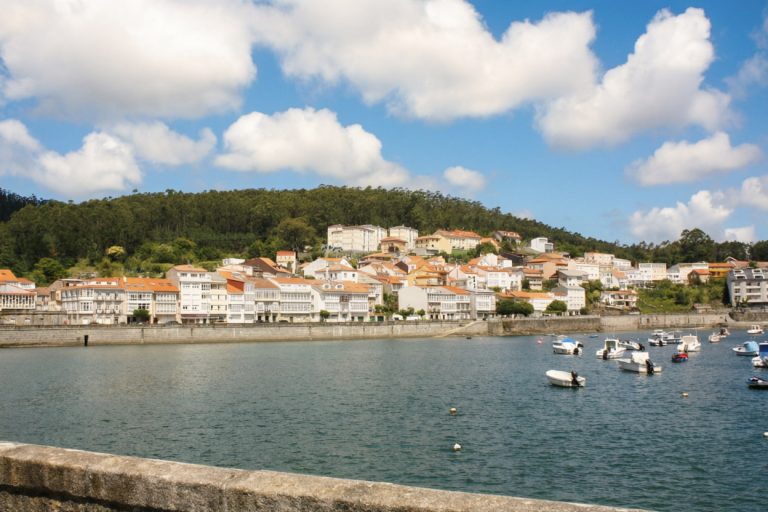
Once you’ve left the arduous climb up to the Facho de Lourido behind you—that striking point where Galicia’s wind unleashes its full, untamed force—and your view finally opens to take in the foaming, milky-white spray of the Atlantic along the Costa da Morte, there it lies, almost shyly nestled into a rolling fold of the coastal landscape: the small hamlet of Xurarantes. It is a place that at first eludes the hurried eye, a stony still life of grey granite and a deep, almost unnaturally vivid green that has defied the lashing westerlies for countless centuries. Here, only about 3.5 kilometres from the final destination in Muxía, time seems to have an entirely different consistency. It doesn’t flow like the water of a mountain stream; it seeps instead—like the fine Galician rain, the mystical orballo—through the tiny cracks of ancient walls covered in lichen.
In Xurarantes, you are greeted by an atmosphere shaped by an almost archaic, nearly tangible silence. Only the distant, rhythmic rumble of the surf at Praia de Lourido—vibrating like a deep bass through the ground into the soles of your feet—forms the orchestral backdrop to your arrival. The air here carries an intoxicating, almost heady blend of salty sea breeze, the heavy dampness of the earth, and the sharp, almost coconut-like aroma of the yellow-blooming gorse that drapes the slopes like a golden cloak. You feel the resistance of the ground beneath your heavy pilgrim boots—the hard slate and coarse granite are the bones of this land, carrying you with stoic calm over the last kilometres of your long journey. Xurarantes is not a place of loud spectacle; it is a place of deep preparation, a psychological gateway that teaches you to endure—and absorb—the coast’s absolute solitude before the lively, fish-and-diesel-scented harbour life of Muxía releases you back into the modern world.
What This Place Tells You
Xurarantes’ geographical position is marked by a dramatic, almost theatrical duality that challenges you physically and emotionally as a pilgrim. On one side rises the Facho de Lourido, at 312 metres the undisputed ruler of this stage. Its name comes from the ancient tradition of lighting signal fires—fachos—up there on dark nights to warn coastal residents of approaching pirate raids or ships in deadly distress at sea. The climb may test your burning lungs and weary muscles, but once you reach the top, a panorama appears that makes every effort instantly fade away: the Ría de Camariñas spreads out before you like a glittering, sapphire-blue carpet, and on the far horizon the rugged silhouette of Cape Vilán takes shape.
On the other side, deep below you, lies Praia de Lourido, a perfect, shell-shaped sandy beach of almost untouched, wild beauty. Walking through the soft, yielding sand of the dunes while the salty wind lashes fine spray into your face like a thousand tiny pinpricks is one of the most intense physical experiences on this entire route. Yet absolute caution is required here: on this stretch of coast, the Atlantic shows its darkest, most dangerous face. The lethal undercurrents make swimming life-threatening—a silent, sobering reminder of why this coast has long carried the fearsome name “Costa da Morte”. The beach is not a place for a banal sunbath; it is a place of deepest contemplation, where you can feel the elements’ untamed, destructive—and at the same time creative—power in every pore.
In this harsh environment, the element of water plays a central, almost sacred role. One special little jewel is the Fonte do Bico (the Beak Spring). This historic spring, perfectly positioned between Xurarantes and Muxía, is far more than a simple water point. It was only recently extensively restored with public funds, underscoring its unbroken importance for local infrastructure and modern tourism. The cool, crystal-clear water that bubbles here with a steady gurgle from the dark stone is a true blessing for the dusty, exhausted pilgrim. It is a tactile experience like no other—to feel the ice-cold water on heated skin and quench your burning thirst after the strenuous descent from the Facho, while the sound of running water calms your senses.
Camino Distances
After 2.3 kilometres of steady descent from the wind-lashed Facho de Lourido, the gateway to Xurarantes opens up here.
| Previous point | Distance (km) | Next point | Distance (km) |
|---|---|---|---|
| Facho de Lourido | approx. 2.3 km | Fonte do Bico | approx. 0.5 km |
Overnight Stays & Arriving
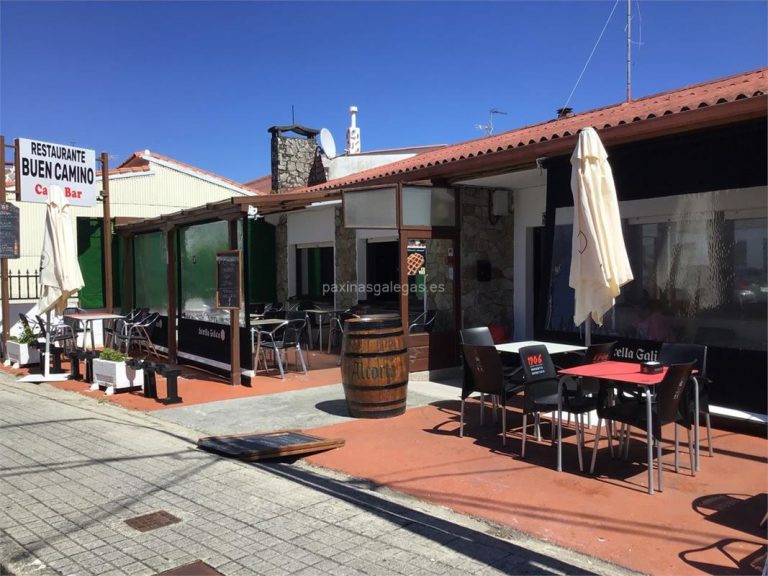
In Xurarantes itself there are no big bed-barracks or pilgrim-industry complexes; the place is, rather, a refuge of silence that invites you to pause—but not to spend the night. The village is more a place to catch your breath, a microscopic cluster of about 23 inhabitants who, in their grey stone houses, live a life that almost slips past the tourist current. In the few inhabited farmsteads, the “Casales,” you sense a deep, almost shy hospitality that expresses itself not in words, but in the silent nod of an old farmer or the scent of fresh hay.
If you arrive here, you should understand the absence of hostels not as a shortcoming, but as an opportunity. The atmosphere in the narrow lanes is shaped by the tactile roughness of granite and the feeling of isolation—softened only by the knowledge that bustling Muxía is just about 3.5 kilometres away.
The next reliable places to sleep can be found at the Hostel Monasterio de Moraime, where the monastic silence of the past still resonates in the walls, or directly in the centre of Muxía. Xurarantes is the ideal point to tighten your backpack straps one last time and let anticipation rise within you, while you absorb the last traces of village quiet.
As a conclusion, you can say: Xurarantes itself, due to its small size of only about 23 permanent inhabitants, offers no direct infrastructure for overnight stays or upscale gastronomy. It is a place to pass through consciously, not a place to linger for long. But its immediate proximity to the major stage destination more than makes up for that.
Food & Drink
Xurarantes’ culinary world is as austere and unvarnished as the landscape itself. While there are no bars or restaurants in the hamlet, the air is often heavy with the scent of local self-sufficiency: smoky fireplace fires over which hearty stews simmer in the winter months, and the sweet smell of ripe apples from small gardens. The agricultural basis of the place is minifundismo—small plots where potatoes, cabbage, and maize thrive under the influence of the oceanic climate.
A pintxo or an empanada in a pilgrim’s hand is rare here, but anticipation of Muxía’s cuisine is ever-present. Just a few kilometres further on, the lonxas beckon with fresh pulpo á feira, mussels, and the typical Galician cheeses that taste of the rough coast and green pastures. In Xurarantes itself, you’re often left with only a short break on a stone wall, enjoying your own provisions while the wind carries the sea’s salty flavour onto your lips. It is an ascetic pleasure that sharpens your focus on what matters: the pure quality of the air and the clear spring water of the surroundings.
Supplies & Logistics
In terms of infrastructure, Xurarantes is a place of doing without. There are no supermarkets, no pharmacies, and no banks. This “supply desert” is a deliberate part of the experience on stage CFM 4. As a pilgrim, you should make sure your water bottles are filled before you begin the climb to the Facho de Lourido—or you can use the strategically important Fonte do Bico at the village exit towards Muxía.
The next option for supplies is Frixe, with simple vending machines, or nearby Muxía, where the pharmacist recognises almost every pilgrim by their exhausted gait—and the small shop sells bread that smells of old-fashioned craftsmanship. For medical emergencies or backpack transport, you are entirely dependent on the infrastructure of the main town. Xurarantes teaches you self-reliance—a valuable lesson shortly before the end of your journey.
Shopping: There are no shops of any kind in the hamlet. The next supermarkets and pharmacies are only in Muxía (approx. 3.5 km away). In Frixe (approx. 4 km to the south) there are basic vending machines for emergencies.
Food: In Xurarantes you’ll find no bars or restaurants. Plan your meals for Muxía, where, after you arrive, excellent seafood such as pulpo á feira or fresh empanadas await you—tasting like a feast after the long walk.
Overnight stay: The nearest hostels are at Hostel Monasterio de Moraime (approx. 3 km before Xurarantes)—a place of monastic calm—or directly in Muxía, where both the municipal albergue and numerous private accommodations are available.
Public facilities: The small church or chapel in the centre of Xurarantes is often a place of deep silence, but it has no fixed opening hours. The Fonte do Bico at the village exit, on the other hand, is accessible around the clock and provides reliable, cool drinking water for the final stage.
Xurarantes thus remains a genuine insider tip for those pilgrims who seek and value true silence. While the crowds often hurry past the historic stones without a glance, this tiny place offers the rare opportunity to take one last deep breath, feel the archaic pulse of Galician earth beneath your feet, and mentally prepare for the great, emotional finale on the cliffs of Muxía.
Don’t Miss
The summit of the Facho de Lourido: Take the time to pause up there. Feel the wind that speaks its own language at this height, and let your gaze drift over the endless ocean—it is the moment when you grasp the vastness of your own journey.
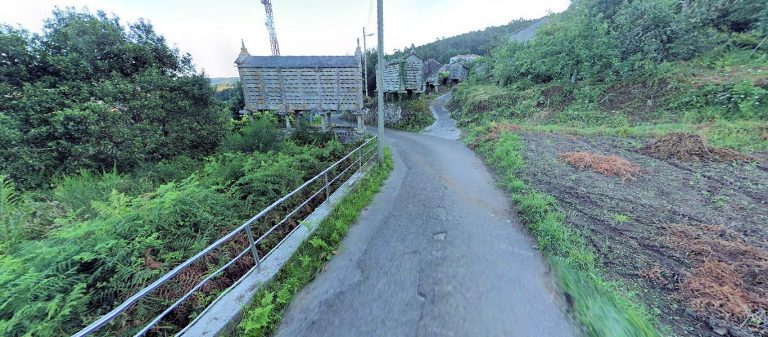
The hórreos of Xurarantes: Look at these architectural masterpieces up close. Pay attention to the muelas, the round stone plates on the supports that prevent rodents from getting into the granary—evidence of clever rural engineering.
The Fonte do Bico: A ritual stop. Wash your face with the spring water. It is a symbolic cleansing before you step onto the holy stones of the Virxe da Barca in Muxía.
The view of Praia de Lourido: Even if the descent to the beach costs you strength, the sight of unbridled Atlantic waves thundering against the rocks is an indispensable experience for understanding the Galician soul.
Insider Tips and Hidden Places
Beyond the marked path, Xurarantes reveals small, almost invisible treasures that only the attentive pilgrim will notice. One such place is the small cruceiro, a stone wayside cross often half hidden in the shade of old oaks. These crosses stand at ancient crossroads to protect travellers and banish evil spirits—place your hand on the rough, lichen-covered granite and feel the cool weight of the centuries.
Another hidden spot is the old connecting road to the Fonte do Bico, which was only recently restored with considerable effort. If you leave the main trail here, you’ll often discover small, half-collapsed walls completely overgrown with bright green moss and ferns. These ruins are silent witnesses to demographic change and provide a melancholy backdrop for a brief pause away from the pilgrim streams.
When the afternoon light hits the mica in the houses’ granite at a shallow angle, the entire village begins to sparkle as if countless tiny diamonds were embedded in the stone—a magical moment experienced only by those who don’t hurry past the stones.
A Moment for Reflection
In Xurarantes, your pilgrimage reaches a critical, almost sacred turning point. You have already left the supposed “end of the world” in Fisterra behind you, yet the true destination of your longing—the sanctuary of the Virxe da Barca—is now almost within reach. In this small, unassuming hamlet, relief mingles with a deep-seated melancholy. The absolute solitude of the route through endless eucalyptus forests gives way to the certainty of soon being back in noisy civilisation.
The psychological effect of the coastal landscape is immense here. As you walk through the quiet lanes of Xurarantes, you can almost physically feel the burden of past weeks, the worries of everyday life, and the dust of the road falling from your shoulders.
It is a time of radical inner retreat. The view of the endless ocean puts your own struggles into perspective and makes them small and insignificant in the face of eternity. In Galicia, people say the Costa da Morte is the gateway to the afterlife—for you as a pilgrim, Xurarantes is the gateway to a new, purified version of yourself. The rhythm of your breath adapts to the rhythm of the waves, and you understand: the Way does not end at the destination; it only transforms there into a lasting memory.
Camino of the Stars
This place lies on the Camino Fisterra y Muxía, on the stage from Fisterra via Lires to Muxía. The sequence of places is:
Fisterra →San Martiño de Arriba → Hermedesuxo → San Salvador de Duio → Buxán → Castrexe → Lires → Frixe → Guisamonde → A Canosa → Morquintián → Xurarantes → Muxía
Did you feel that moment of absolute, almost eerie silence in the lanes of Xurarantes—or did the roaring wind on the Facho de Lourido almost overwhelm you? Share your personal impressions of this hidden jewel of the Costa da Morte with us. Maybe you even took a photo of the Fonte do Bico or one of the ancient, lichen-covered hórreos? We’re looking forward to your very own story!
About the Author