Restaurante Casa da Vila, Fisterra
 investigasteve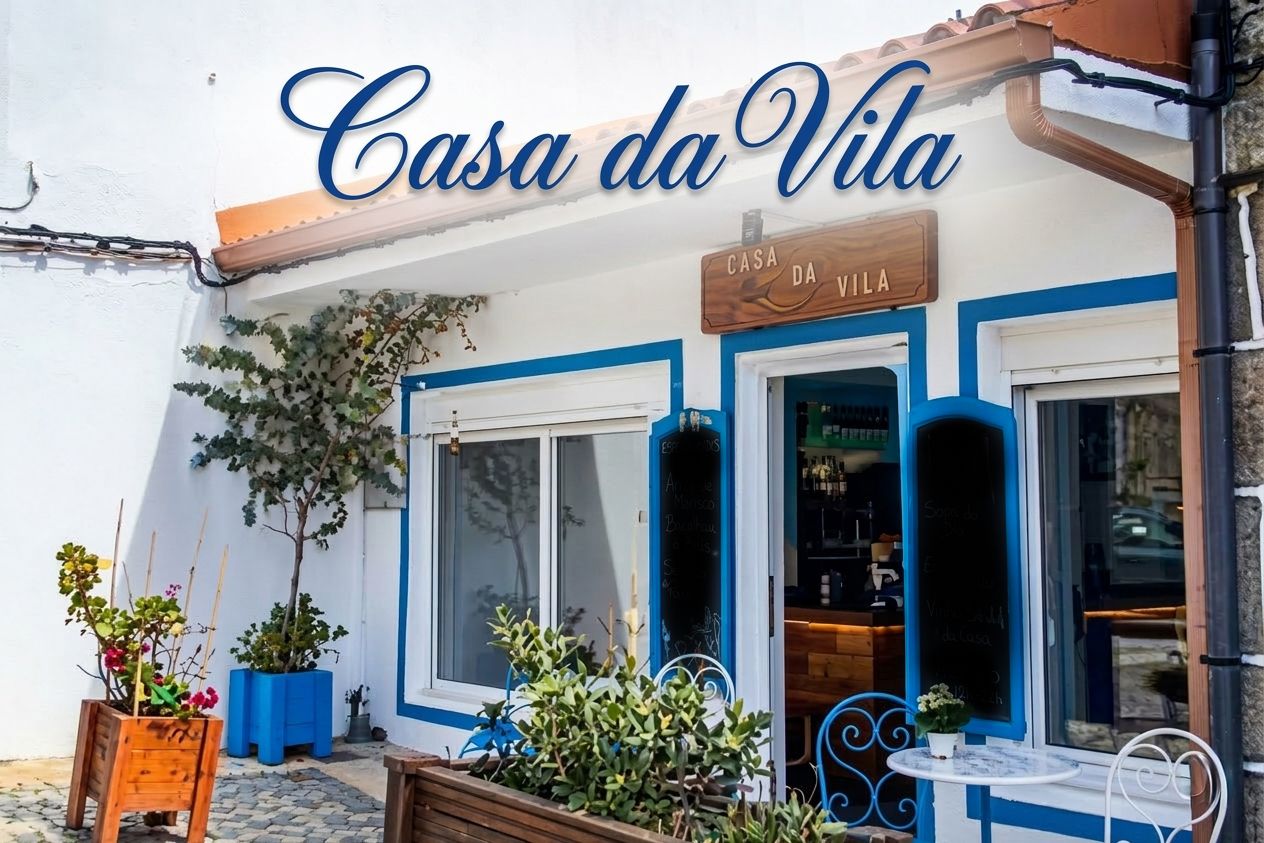
“A culinary sanctuary at the end of the world”
At a glance
- Category: Upscale Gastrobar / Bistro-Restaurant
- Location: Avenida de A Coruña 24, Fisterra (central, but away from the main hustle and bustle)
- Focus: Galician-maritime fusion cuisine with Asian accents
- Price range: €€ (Upper mid-range)
- Pilgrim factor: High – a ritual reward for foodies
- Special feature: The perfect symbiosis of Galician “Zero Kilometer” freshness and avant-garde techniques
What the platforms say (as of March 2026)
- Google: 4.8 / 5 stars (with 326 reviews – an exceptional value for Fisterra)
- TripAdvisor: 4.5 / 5 stars (ranked among the top experiences in town)
- Guest consensus: Praised as a culinary revelation on “Michelin level” that boldly stands out from the classic tourist menu.
A first look – Arriving and sensing
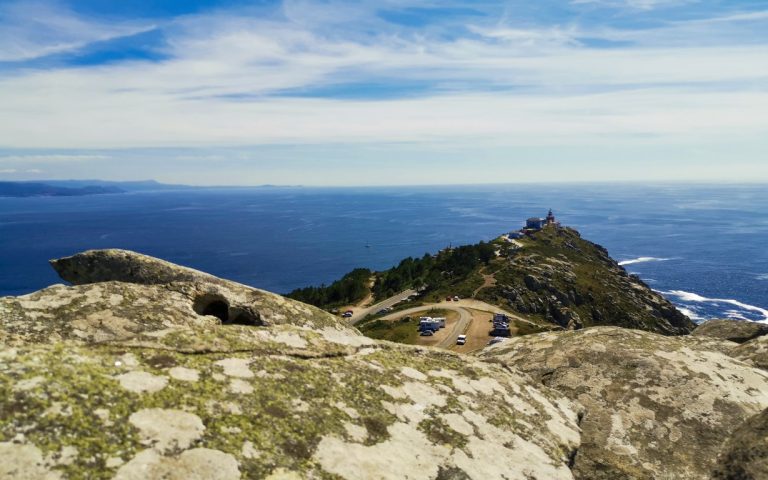
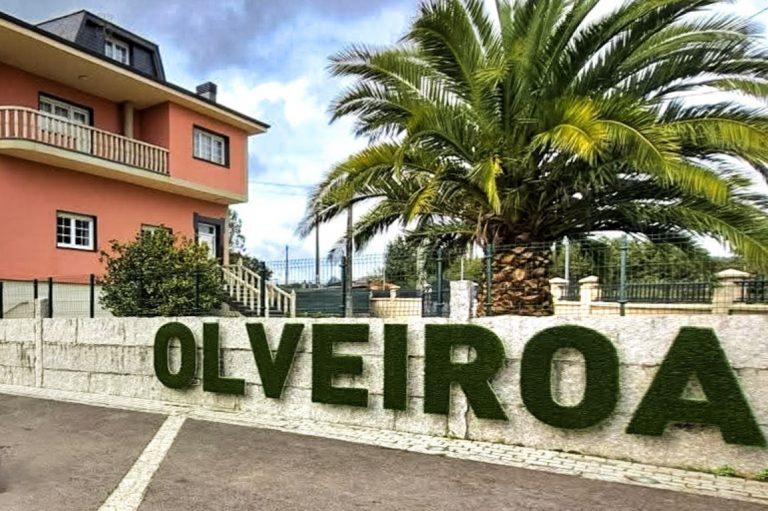
Those who have completed the last, arduous stage from Olveiroa to Fisterra carry the dust of 35 kilometers on their boots and the raw melancholy of the Costa da Morte in their hearts. Standing in front of Avenida de A Coruña 24, the Restaurante Casa da Vila welcomes you with a subtle elegance that immediately signals: here the simple pilgrim life ends and true enjoyment begins. The facade made of regional grey granite looks solid and timeless, but the modern typography of the sign already reveals that something more awaits behind these walls than a rustic tavern.
Upon entering, you leave the salty brétema – the often fog-shrouded wind of the Atlantic – behind and dive into a world where stone walls meet warm wood and minimalist glass elements. It doesn’t smell of greasy fried food, but of the promise of freshness – of grilled seafood, a note of citrus, and the subtle spice of Asian fusion cuisine. The light is dimmed, and the interior patio acts as a calming anchorage after weeks of constant walking.
You can literally feel the tension of the journey falling away. The haptics of the heavy tableware and the comfortable furnishings flatter the body, which for so long had to make do with hard hostel beds and plastic chairs. It is an atmosphere of “emotional decompression,” a place where the rhythmic roar of the surf on Langosteira beach and the distant screeching of seagulls form the natural backdrop for an unforgettable evening.
The experience – A journey between worlds
Casa da Vila defines itself as a “Gastro-Casa Marinera.” This term is not a marketing phrase here, but a lived philosophy: the warmth of a Galician home merges with upscale gastronomy. The core of the experience is the dynamic menu, which strictly follows what the fishermen of Fisterra released from their nets that same morning. Nothing is masked here; the product is the star but is lifted into a new dimension by Asian accents.
An absolute must is the Tosta de Sardina Ahumada. The smoked sardine rests on a traditional Galician cornmeal bread (Pan de Broa), whose slight sweetness and firm texture form the perfect foundation. A fine algae mousse intensifies the maritime aroma so much that you can literally feel the sea on your tongue with every bite. It is a simple composition that impresses through artisanal perfection.
Those who are bolder choose the Zamburiñas with ginger-lime dressing. While the small scallop is served in almost every restaurant at the harbor, Casa da Vila breaks with heavy tradition and gives it an unexpected freshness. Or indulge in the Marinated Blue Fish Lettuce Wraps – sashimi-style fish served in crisp lettuce leaves with kimchi mayo. It is this contrast that makes the experience: the pilgrim, who just a moment ago tasted the archaic dust of the path, suddenly finds themselves in a gourmet world that knows no culinary boundaries.
What this place tells – Stories from the end of the world
Casa da Vila is closely linked to the renaissance of Fisterra. It tells the story of a place that is no longer just the “end” where you burn your shoes, but the beginning of an “inner harvest.” The restored stone house itself is a symbol of this change: the traditional architecture of the Costa da Morte has been preserved but opened on the inside for a new, international generation of pilgrims and connoisseurs.
Behind the scenes is a deep humanity that goes far beyond pure profit. A story is told in Fisterra about two female pilgrims who stood at the already closed door late at night, completely soaked and at the end of their strength. Instead of turning them away, the owner opened the dining room and prepared a hot soup and a lobster paella in a private atmosphere. It is these moments of “hospitality” that breathe the spirit of the Camino and make Casa da Vila much more than just a restaurant.
Furthermore, the house acts as a pioneer of sustainability in the region. All ingredients come from local providers, which not only protects the identity of the Costa da Morte but actively promotes it. When you dine here, you participate in a movement that carries the maritime heritage of Galicia into modernity with respect and curiosity. It is a narrative of courage, of the connection of cultures, and of healing hardships through the intelligence of aromas.
💡 Editor’s choice
- Best time: Be sure to reserve a table for the early evening on the glazed terrace upstairs. When the light of the setting sun bathes the harbor in shades of orange and purple, this protected box seat offers one of Galicia’s most magical views – completely independent of the notorious coastal weather.
- Must try: The Milhoja de Anacardo. This cashew mille-feuille with tonka bean and almond is a stroke of genius that proves Galician desserts can go far beyond the obligatory Tarta de Santiago.
- Why here?: Because it is the place where the Camino grows up culinarily. Perfect for all those seeking a ritual reward after reaching milestone 0.00 that touches the heart and palate equally.


Voices of the pilgrims
The response from those who stop here is characterized by deep gratitude. One visitor described the staff as “attentive and knowing”; in particular, a lady in service is repeatedly praised for her ability to explain the complex wine list in several languages and to strike the perfect bridge between the food and local drops. You don’t feel like a “number” in the tourist stream here, but as a valued guest to whom the best of the region is presented with pride.
A guest from the international pilgrim community summed it up aptly: the level is simply “Michelin-worthy” without losing its down-to-earth feel. Many reports emphasize that the deviation from the “standard tourist menu” in particular revitalized the senses after long weeks of hiking. It is this mixture of professional distance and warm closeness that sticks in the memory.
English-speaking pilgrims in particular are often relieved about the fluent communication, which is not a matter of course in the rural coastal region. It shows that Casa da Vila has understood the modern, global character of the Camino and fills it with a Galician soul. Those who leave usually do so with a promise to come back next time.
📍 Contact & Arrival
- Address: Avenida de A Coruña, 24, 15155 Fisterra, A Coruña, Spain
- Phone: +34 981 74 04 22 (Reservation strongly recommended)
- Web/Mail: https://casadavilagb.com
- Opening hours: Seasonally influenced (please check in advance), usually open for lunch and dinner.
- Service languages: ES, EN, GL
Directions & Navigation:
🥾 On foot (Located directly on the path to the Cape)
A parting thought
When you finally sit on the terrace, a last glass of Galician white wine before you, and see the lights of the fishing boats starting to dance in the distance in front of Monte Pindo – what weighs heavier then? The many kilometers behind you, or the knowledge that right here, at the end of the world, you have found a moment of absolute harmony? Perhaps Casa da Vila is exactly that: the culinary confirmation that every step in the rain and every doubt on the long stages was worth it to arrive at this table.
Have you found the taste of the sea yet?
Was Casa da Vila also the well-deserved reward for you after milestone 0.00? Which dish brought your senses back to life after long weeks on the path? Share your experience with us – whether in German, English, or Galician. Your story helps other pilgrims find this special place. And if you have been there, please also visit the review page on Google to give a fair rating. Together we ensure that the Camino remains qualitatively valuable.
About the Author